

























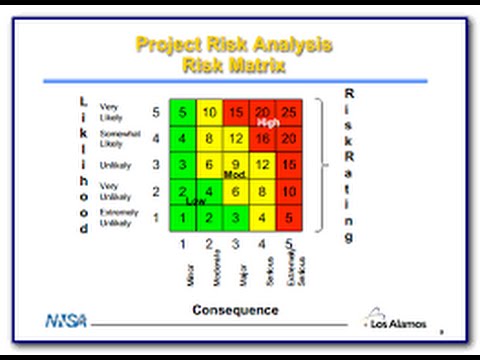
A risk matrix is a fundamental risk assessment tool that evaluates risks based on two dimensions: impact (the severity of consequences if a risk occurs) and likelihood (the probability of occurrence). To create an effective risk matrix, businesses must first define their impact categories (such as monetary loss, customer perception, supplier disruption, employee retention, and regulatory compliance) and establish escalation points that indicate when different levels of organizational attention are required. Next, define likelihood scales (such as daily, weekly, monthly, quarterly) to categorize how frequently risks might occur. Plot these impact and likelihood combinations on a grid, then classify each combination into risk levels (high, medium, low) using a color-coding system. This structured approach helps organizations set personalized risk appetite levels, assess risk severity, and determine appropriate mitigation strategies for their specific business context.
Creating a Risk Matrix: Impact and Likelihood Assessment Guide
Added:i am karen muller and i will be sharing risk management techniques to help you with your small to medium-sized business on a continuous basis today's topic is about creating your risk matrix an impact and likelihood risk matrix is the fundamental tool used to assess your risk the matrix helps you think about a risk from two perspectives the likelihood of it occurring and the impact should it occur your risk matrix serves many purposes including aiding in the setting of your personalized risk and appetite levels assessing the risk level of a potential and actual risk and assessing what mitigation steps could be taken for your risk for this reason it is essential that you take the time to fully consider the factors that drive the building of this matrix i like to start with my impact categories as the first step to building the risk matrix when you are defining your impact categories consider the various types of impacts a risk could have on your organization ask the so what question to articulate why you would care about a risk materializing in your business the most common impact is a monetary loss this is the direct loss sustained from the risk event you should also consider the groups of people who could affect your business if their perception of your business deteriorated due to a risk materializing these could be your customers will they stop purchasing your goods or services if a risk occurred in your organization business suppliers could a risk event disrupt your supply chain or cause a supplier to no longer want to work with you and don't forget your employees can a risk event prevent or discourage your employees from working with you you may also have regulatory compliance implications where the risk event could result in you not complying with rules and regulations such as government mandates for the pandemic you can probably think of several other so what's relevant for your organization try to be as comprehensive as you can another component when considering impact is how material it is that is even though a risk has materialized its impact may not be meaningful for your organization because it doesn't affect any of the impact categories you identified therefore it is important to understand your impact pain points that is when do you start to care and take action on the risk for example a risk event that led to a certain monetary loss could require that you notify the department head or the event may have to be registered in a risk event register based on the loss amount if it exceeded that amount it would require escalation to the ceo and so on these escalation points should of course make sense for your organization many small businesses do not have so many layers in their organization so tailor these points for the size and complexity of your business once you have identified your impact categories and your escalation points you should be able to create a table similar to this one for each impact and escalation combination describe the impact that would lead to the escalation level noted start from the extremes that is the point when no one cares to the other end of the spectrum when everyone cares such as a crisis situation conversely a risk event that was so immaterial that it went unnoticed to your customers could require no escalation then define the escalation points in between once the table is completed you can assess the impact of all of your risks according to the table the other dimension of your risk matrix is your likelihood scales this dimension is important because though a risk could be considered very impactful for your organization the chances of it occurring could be slim so perhaps the action you would take to manage this risk will differ because of this so think about the frequencies likely for a risk to occur in your organization it could be daily weekly monthly quarterly and so on most of the identification points should occur within the current year because that is the time period you will likely be making risk management decisions about the risk however you do want to identify likelihood frequencies beyond a year as well to capture those risks that are very unlikely to occur but would have a high impact if they did for example before the coronavirus most organizations considered a pandemic as such a risk once you have identified your impact escalation points and your likelihood frequencies you can build your risk matrix by plotting the impact and likelihood points on the x and y axis it doesn't matter which access you use for the impact and likelihood thresholds just be consistent doing this will create a multifaceted grid with all the impact and likelihood combinations you have identified consider each combination and determine what type of risk that represents to you high medium low etc it is helpful to use a color coding system to visualize the grid it is common practice to use shades of red amber green to visually classify your risk but that is not important using the red amber green scale is simple but it can also be associated with bad medium and good messages and you may not want to convey that a high risk is necessarily bad actually for some risk you might want to take on a high risk level based on the reward trade-off and it may not be appropriate to signal that this is a bad thing for this reason you might want to consider using shades of blue gray or your favorite colors for example and there you have it once you have color-coded the combinations you have defined your risk levels and appetite levels and you can begin to start using this matrix to assess your risk if you would like more information on how to color code your combinations you can refer to my video on developing your risk appetite i will leave a link to that video in the comments section below you
Up Next

Crisis Communications Strategy for Charities | Webinar
@NCVOonline
284 views•2024-03-19

Retention Habits of Top DTC Ecommerce Brands Revealed
@SendItPodcast
44K views•2026-03-03

Decoy Effect: How Pricing Psychology Influences Consumer Spending
@bobinvestsUS
90K views•2026-01-05

The Planned Obsolescence of Light Bulbs and Tech
@veritasium
25.3M views•2021-03-26
Related Study Plans & Knowledge Roadmaps
Structured learning paths in Business