















![Build a 3-Statement Financial Model [Free Course]](https://i.ytimg.com/vi/Rmi9fwkJjHw/hqdefault.jpg?v=62a3a8c3)


A 13-week cash flow forecast is a critical financial planning tool that helps businesses understand their current cash position, anticipate shortfalls, and make informed decisions about staffing, vendor payments, and operational adjustments; the process involves analyzing historical financial data, understanding fixed versus variable costs, tracking accounts receivable and payable aging, and regularly updating assumptions based on actual performance to maintain financial sustainability during uncertain economic periods.
Building a 13-Week Cash Flow Forecast: A Step-by-Step Guide
Added:Understanding the difference between cash basis accounting and accrual basis accounting, as cash flow forecasting focuses strictly on actual cash inflows and outflows.
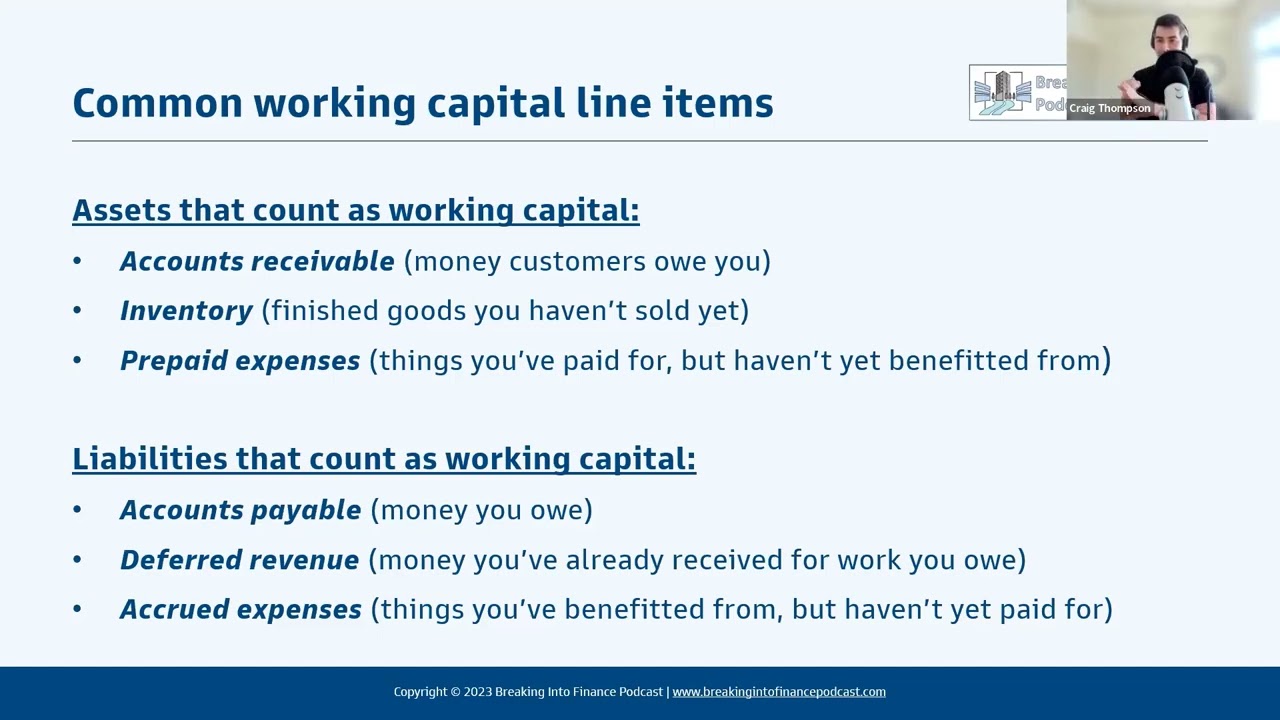
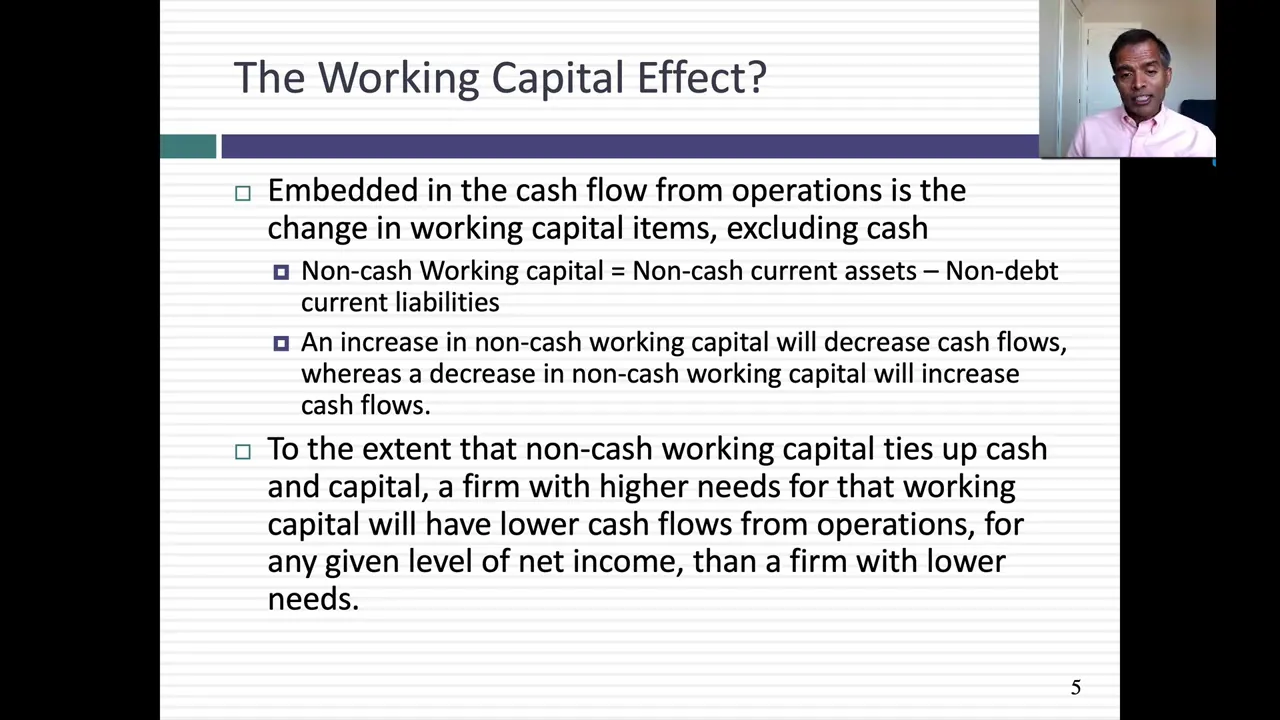
Familiarity with working capital components, specifically accounts receivable (A/R), accounts payable (A/P), and inventory management.
Basic proficiency in spreadsheet modeling (e.g., Microsoft Excel or Google Sheets), including the use of formulas, linking cells, and structuring data chronologically.
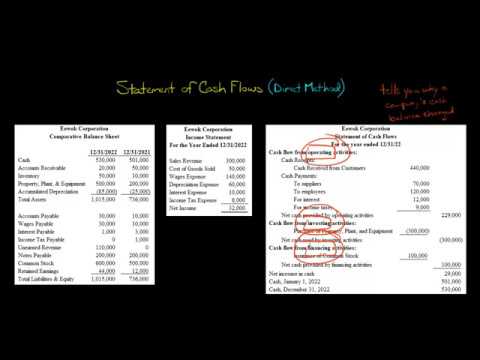
An understanding of a standard Statement of Cash Flows and its three core sections: operating, investing, and financing activities.
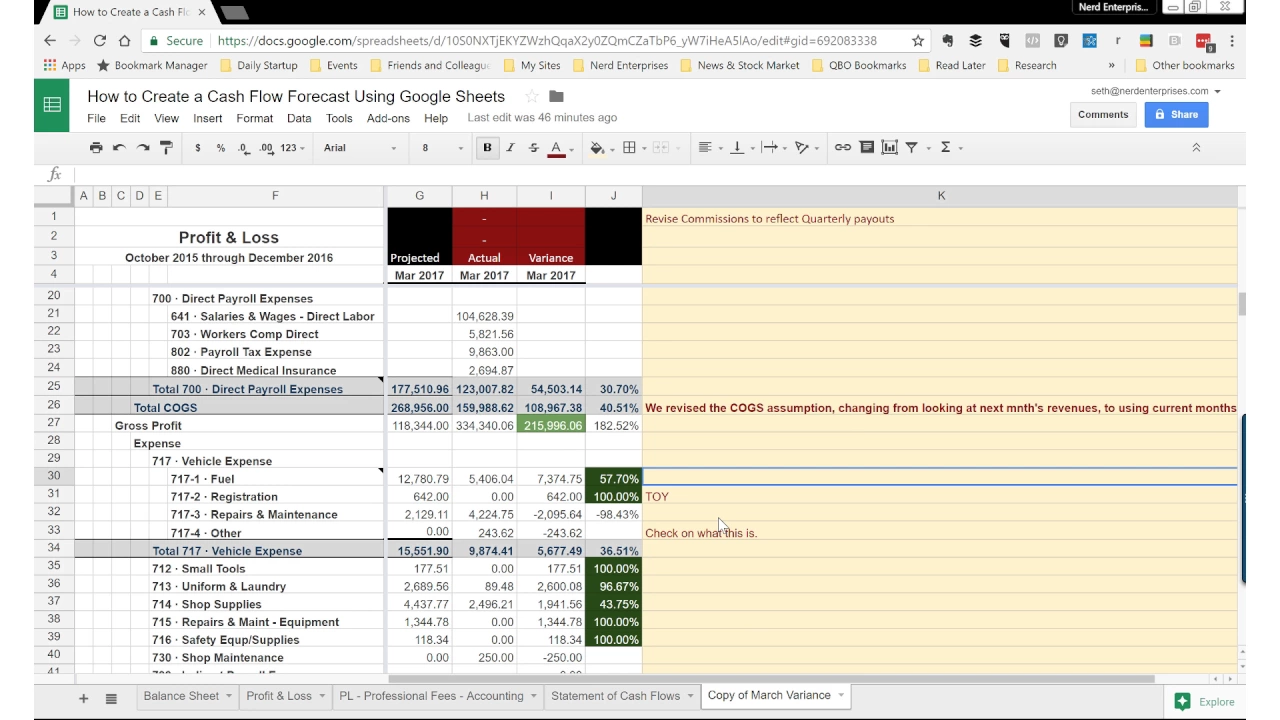
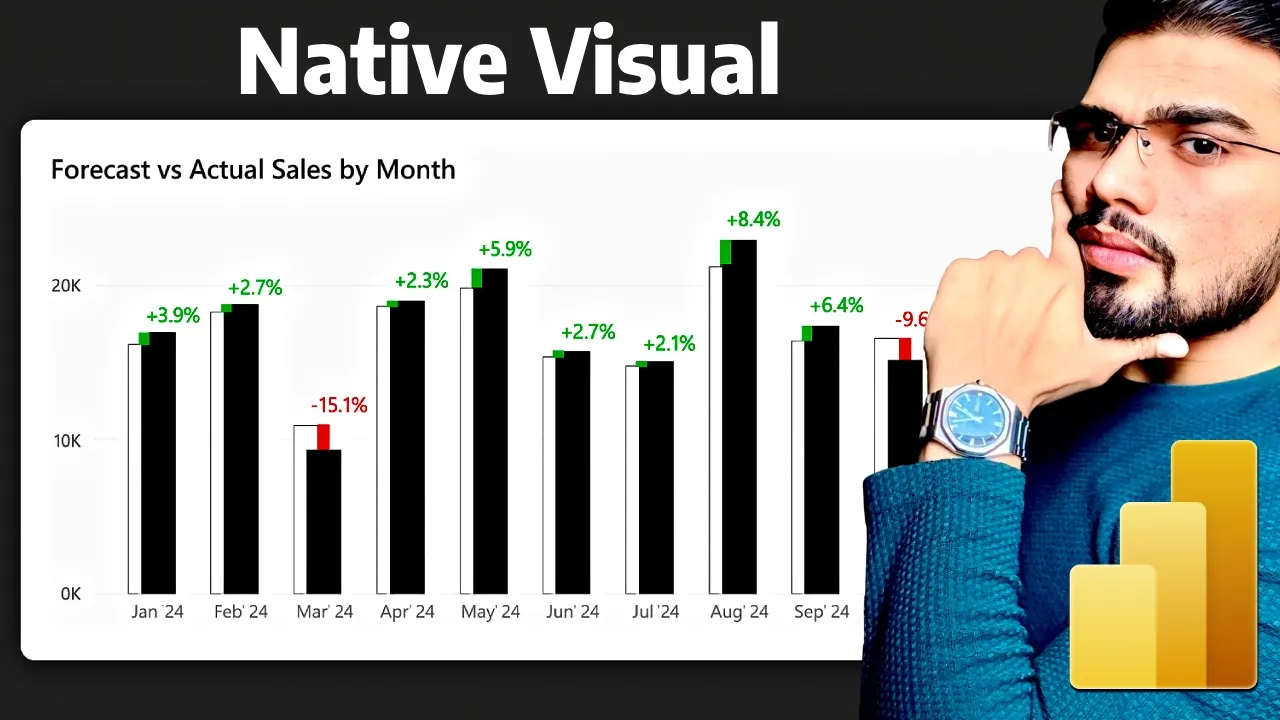
Performing variance analysis to compare forecasted cash flows against actual results (Actuals vs. Forecast) to identify discrepancies and refine forecasting assumptions.
Conducting sensitivity analysis and scenario planning (e.g., best-case, worst-case, and base-case scenarios) to stress-test liquidity under various market conditions.
Developing treasury management strategies, such as optimizing cash concentration, establishing credit lines, or investing short-term surpluses.
Integrating the tactical 13-week cash flow model into a broader, strategic Three-Statement Financial Model (Income Statement, Balance Sheet, and Cash Flow) for long-term planning.
7.7K views84likes1:00:00Original Release: 2020-04-30
thanks Emily and thanks for everybody who is joining us today I know we have a wide variety of industries represented here I looked at the list yesterday and I saw a lot of nonprofits some manufacturing some coops even steam maybe construction so well the presentation is gonna be you know we're gonna try to keep it broad but just I guess keep it in mind that you know you'll have to tailor the float the forecast to your individual specific scenarios and Emily said I'm a senior manager and I primarily work in our department I do a little bit of tax advisory work as well the clients that I work with are kind of across the board I do a lot of nonprofits a lot of manufacturing some construction in prior years I've worked with coops as well Kyle hi everyone I'm Metallica manager in our assurance department mainly do I work in review a test work muscle some advisory work as well primarily commercial type clients my focus specifically manufacturing and distribution type entities but yeah we've worked quite a bit with these commercial type science and focus a lot of these different IT services already I think an important issue of you know the way the environment is happening now I think this cash flow topic is magnified and oversold and you know other time so it's a great idea and great topic to discuss for all of our entities and clients on that on the call today but I wish everyone to stay healthy before we start and this new environment that we're in I think right now is the quiet most quiet my house has been in the last few weeks with the kids go on and on a car ride with my wife so it's it's been an interesting environment being home with my 7 weeks or so working remotely with Wagner and I know you guys are all have different environments are you working in adapting to that so just to start out we wish everyone stays healthy and is ready for this topic as we discuss so I think to start off you just want to get a gauge of what you and your businesses are experiencing with cash flows and forecasting so you can see the question here is your experience extensive and this might be a refresher are you in an immediate edit and it's you haven't done in a while but it should be fairly new or completely limited and most of this will be new topics there just a couple more seconds all right kind of kind of what we expected that pretty well represented bell curve there so again as Tim discussed there's a wide range of individuals on this on this call different types of industries different sized clients per se so we're gonna try to make it as broad and overarching as possible and some of it might be too granular and some of them might be you know over 18 so we'll try to address that as we go through that presentation so our agenda here today really we're kind of focused on what is cash flow management and forecasting why do you need to do this in your organization what are the benefits from doing it really looking at why is it important what are the metrics that you use to make sure your entity is successful successful and ultimately you need to find out where you need to start so it's an understanding of where your entity is and what you need to have in front of you to present this forecast in this model ultimately you're gonna need some certain assumptions and items before you get started on this and we'll talk through that and then lastly we're gonna walk through the exercise of actually presenting the model I'm setting it up working with the different assumptions working with different aspects of of what you need to know what to make sure that you have the most accurate model in front of you so you can be the best prepared for the next 13 weeks six months a year I'm just trying to work through this this new environment this pandemic that were in now so what is cash flow management the objective of cash flow management is to forecast and manage timing of cash flows to assure cash flow availability to accomplish a company's mission so sort of what I just said you need you know your entity well you know what you need to do to be successful but really it kind of gives you a strong handle on your current situation you to evaluate your current cash position and your current working capital using cost structure cash flow really is them in simple terms its money in in the money out you need to make sure that a lot of our entities here are on a cruel basis and you look at your entity as such the cash flow management is really looking at items on a cash flow type basis so what's the point in what is going out and it's not essentially just sales it's not profitability if you have net income you might not have cash flow cash flow positive entities so it's really understanding this this whole aspect making sure you're aware of you know what is your cash tied up in is it tied up in inventories it's hide up in receivables are you able to service any of the debt you have you know I like that just understanding the environment that you are in to make sure you're able to use the funds accordingly so what is a cash flow forecast you know you look at your the results you have in front of you and then you make certain assumptions about the conditions that you have and from that point in time you're able to see what your cash position might be in the given period so ultimately you want to set your time period for your forecast here we're looking at a 13 week time frame which is about a quarter and we'll discuss that but it might be six months you might already do a six month cash flow you might look at it look at it during a year but it's important to know what is the time frame you're looking at when you get started these cash flow projections really assist companies and that develops a model to give them a more clear look at their cash perspective I mentioned the assumptions before but this is a key aspect in developing in accurate cash flow projection you know it's not gonna be an exact measure but it will be fairly accurate and give you you know insight to where you might have potential shortfalls but these assumptions are important you might have you have your current sales right now but you're gonna have to look at your sales forecast beyond the first five to the five weeks to 13 weeks and really make sure you have a strong assumption on that with a sales you have outstanding how long does it take for the cash to come in the door conversely with purchases how long are you taking to pay vendors can that number change at all with negotiations are talking with your vendors the relationships you already have and really assessing your working capital needs is important and ultimately these forecasts need to be monitored who reacted - it's important to be proactive rather than reactive it's important when you look at this model you set it up you feel comfortable with it based on the assumptions and work yeah front of you you're gonna want to address that after weeks one two and three how did that compare to actuals did any of your something's changed were there any changes in your customers or sales forecast that's not it's gonna change your forecast was there anything we're there any changes with your vendors it's important to to really look back at your forecast and know that it's not a stationary to other stationery document it's definitely a fluid approach to making sure you're best equipped for any changes that might occur so why do you need a cash forecast and this the simplest form you want to make sure her you do not spend more cash and you expect to have as simple as it is some entities are different maybe you're at this time looking to make sure that your cash balance doesn't dip below or but really say $100,000 for 50,000 you based on your historical operations you know that you need bottom line of cash to operate efficiently maybe you're making sure that it just doesn't go to zero by setting up this weekly forecast you're able to see you know where there might be shortfalls down the road you have receivables coming in you know you have to pay your vendors historically things have gone smooth you know times have changed so can you look at this form you know this is forecast it's in front of you are you able to look at this to see if there's adjustments that need to be made right here and now you know in having a cash forecast is really important because you're able to see the effect of maybe some changes you might have before you a few commits to that change or that pivot per se you know if you need to look at reducing staff or extending terms or not investing in new equipment by lay in this forecast though you're able to see you know what that might look like eight weeks from now ten weeks from now and is that your initial change does that really affect your cash flow position as Tim will look on later sorting through the the forecast itself we were able to see and change the variables to see how much this capitalism might change but having this tool in front you really helps you tweak and monitor what may or may not happen but really the purpose of cash flow forecasts even more so than just in this environment in pandemic that we're in you know it really helps to anticipate short-term financing needs you know if there's certain weeks or months that you don't have cash available it helps you look at your your debt service making sure you're able to cover that you can help plan for capital expenditures looking for investment income and also based on this cash basis you're able to look at if your company has any seasonality you know just cash come in more in the summer than it does in the fall or you know this is a 13-week model but you can apply that across the board and you know sales might be even on that accrual basis but really looking at when does the cash them in when do you need to spend your cash whether it be air all vendors you rent utilities this approach really kind of magnifies begins announces your country so we said earlier why 13 weeks you know it's a detailed view the source to the uses of cash in your organization it's roughly one-quarter and for many of the businesses or entities on here that's you know usually the length of the operating cycle for cash and it forces companies to really look at the entity and a more granule level and what does that mean I would imagine most individuals here entities here are looking at budgets and forecasts on a maybe on a monthly basis or looking at their cash production on a monthly basis and that is very helpful that it absolutely is but there are times within the month that you're able to you might see that you receive you're collecting a lot of receivables in the front end and cash looks great but the week after that or two weeks after that you have payroll and you have rent in utilities and your debt is due all of a sudden cash is gone or it's dipped below what you would expect that looking at this on a 13-week or a weekly basis is something that you're able to identify that you might not otherwise see on that monthly or quarterly basis the the timeframe really being a quarter is long enough to make strategic decisions but it's short enough that you can make informed decisions as well and should be quite accurate you're not trying to forecast a month or a year off from now it's really you know three months and you guys are all business owners entity owners you know your organisation's quite well and you're able to end a forecast in that in that near-term obviously we're in some unprecedented times and things are changing weekly daily sometimes even hourly so that's tough tough to address but better informed and playing you are it is important lastly this exercise this model this tool is is important that it's independent of month clothes so you're able to look at your cash projection your cash position almost on a real-time basis at least on a weekly basis you don't need to wait for month end which might happen a week two weeks some entities three weeks after the previous month then closed and that's not going to give you that able data you're a three weeks behind in what has happened so really looking at this cash basis and and not really does your month end might be an accrual basis it kind of helps you be more nimble and more ready to adapt for any changes that might might be needed so kind of review of what we just went through Capital Management's is to forecast to manage timing of cash flows to assure you have a little availability to accomplish your mission you guys are already really good at what you do let's make sure you have the cash to be successful and it's important to know your income statement might show that you're profitable it might show that you have net income but that doesn't always mean you are cash flowing positive it's important to understand the distinction between those two items you know we talked a little bit earlier but the forecast will help you be prepared you don't want to get to to week six of a bureau of your forecast and realize a year you know a hundred grand short on cash and then you need to make that decision quick if you're able to look at that you know like I said six or eight weeks at a time you're able to plan accordingly understand me and what financing needs you might need those are any capital contributions there are other things that we'll talk about down the road that can help conserve cash or bring cash in quickly begin your plan ahead so you know where these issues my mind can develop a plan well ahead of time as opposed to be reactionary and like we said a weekly forecast captors movements and you might not see otherwise in your monthly or quarterly budgets or forecast you know it really helps you be nimble enough to be able to react be proactive and be able to address the issues at hand because again things changed quite rapidly that we've we've definitely seen some industries more than others some size of companies more than others but it's it's different amongst everyone else but you know being able to see things in a granular level and being able to adjust as it can help you be successful oh cool question tool as we've kind of discussed how much is this pandemic really affected your entities we have some plans that nothing's really change and some that you know they're not the Rancho they're gonna make it so it's an anywhere in between there's gonna be a few more seconds on that poll question that's encouraging it is encouraging you know we've we've been quite busy away there just to reach out and help tell you if any of our clinics and prosthetics and you know just be a voice and in a teammate and you know we've always prided ourselves on being advisers and making sure we have the right people at the table to to bring every went in to make the right decisions and it's not to say that only the accountants can help that but bringing in Baker's and financial advisors and you know your whole management team is really important to kind of factor into all these different things that we have talked about we will talk about later than the slides but you know it's a it's definitely a team approach result all right thanks for the intro here in the background so we'll get into some prerequisites for cash flow forecast kind of one of the main things is that we're gonna need to know you know where we are recognize that what is our current and historical financial story the second piece is you know in the pandemic impairment you know what kind of impact is it having on our customers what kind of having our suppliers and also internally you know what impact is it having on our people in our operations and we'll use kind of those those data points to develop a model in the forecast and we can adjust our operations as necessary so kind of the initial assessment is you know what are our numbers telling us what are our current levels of working capital do we have any reserves what is the availability on our line of credit do we have additional sources could there be shareholder injection or reach out to our banks to set something up do here is look at our historical shoot an income statement that baseline and we'll use those data point to forecast so from the balance sheet you know we can use some ratio analysis to help understand where we are we can use the current ratio we can use a liquidity ratio we can look at what the number of days or what the number of weeks of cash we have on hand standing to see you know what is our historical you know cash collections is it typically 30 days is a 20 day 60 days and also with how quickly we're paying our bills to do so that days payable outstanding from the income statement we can figure out you know what our cost and those are so our fixed costs are those expenses that that don't change if our operations are up or down they're fixed they're gonna happen probably a regular intervals don't change very much we're variable costs take the example of a manufacturer so if production is up our production labor costs are going to be so understanding kind of how those fixed and variable costs interact is going to be important we can also use our historical data to find averages trends identify some KPIs and then kind of before we get into I know that there are some accounting software's out there that do have you know cashflow forecasting so if you're not very familiar with how to do it that might be a good place to look I'm not all I'm do it could be useful kind of the other thing is you know as you're going through the exercise here you'll you'll uncover some information about yourself and also the future and that's probably important to you know gain open lines of communication with your banker it probably wouldn't help to share your outlook and plans if you see fit so one of the things that I like to do when I'm doing this is to prepare kind of a size income statement that's in front of you here but you can do this I am four years late out here and then to the right we have you know each individual expense line as a percentage of total and so what you can do with this is identify some it gives you visibility into identifying your fixed and variable expenses we're gonna use these percentages to interesting you can use these percentage companies that are in your industry that you compete with you can use this common sense financial statement to see where they are compared to where you are as well Tim going back to when you're talking about software do you have any recommendations for Southworth wouldn't be able to have this report for cash flow I don't the the model that I have is excel based but I know that there are some out there and I do believe that we could probably ask some of our accounting service group people what they use but I think that you still have this stuff so there can be a question sounds great alright so now we're gonna we're going to look at you know a spotlight on customers and vendors and ultimately organizations and personnel that we have so in light of the situation that everyone is now in you know this really gives business owners and leaders an opportunity to really develop and culture and cultivate relationships they have with their customers and vendors making sure that word I mean touch points with them and having open lines and communications because this is no this it's not just affecting one industry it's not just affecting one company so everyone's kind of this is gonna be push a but everyone's in this together so making sure that everyone is just in constant communication is gonna be beneficial to you know making sure you're running a successful organization but looking at these forecasts you may be in you might be able to develop and you might already know and what kind of revenue do you have is it reassuring does it happen sporadically throughout the year or do you know you're the same customers order in the same same parts every week every month you know every quarter you really have depends on the customer base you have to need to know the different assumptions you'll need to help make these cash flow projections do you have a certain customer concentration it's there one you know that might be majority of your sales and if that's a case right maybe even less how is this endemic how is this current I cannot make environment affecting them really getting you know knowing your current events knowing your customers knowing your vendors is super important being aware of you know you might hear news out there that doesn't really affect you but it could have your customer and because of that that's gonna affect you so being aware of those items out the news and just in general is I think really important and we've talked to our clients about that and they have definitely you know been proactive and looked at some of the customer bases prior to us having discussions with them just so they know what's what's going to happen you know on the revenue side there are some ways that you can make sure you're getting cash in the door is it something that you could increase your Billings and by that I mean not increase the dollar amount or just folks tell more but can you can you build more frequently you know your customers a monthly basis can you do that some a monthly or weekly you know just trying to get cash in the door a little bit quicker than you normally would have ultimately cash is king right so in looking at existing customers existing AR balances do you have some outstanding balances that you could work on collecting and maybe it might not be a hundred percent maybe it's some nominal percentage fifty cents on the dollar 70 cents on the dollar but that's better than not receiving that cash at all so we're getting just having those open communications with with your customers is really important you know can you incentivize or change your your structure that your customers are paying if they pick quicker they're gonna get a bigger discount or they'll get a discount on future purchasers down the road when everyone gets out of this situation it's just really important to understand what your customers are doing and that's gonna take more than just just management to understand they're just the finance department you really have to work with sales and marketing and kind of everyone to really get a good understanding of your forecast and what are some ways to you know get the money in the door and in the inter sales or are still there yes as an example I was just a couple of weeks ago talking with a manufacturer that we work with and they initially didn't think that this pandemic open 19 was was gonna impact them too they're like our we're in essential business you know the orders are still there so we don't we don't think we're gonna have too much kind of impact in this environment but you know the next week their biggest who's maybe 40 percent of their sales shut down and now those orders are gone so they had to kind of react relatively quickly absolutely that 2:10 so kind of what we talked about before things change weekly daily hourly sometimes you know things might be great and who knows this conversation something might have changing I mean you never know so next kind of a spotlight on the suppliers and what is this environment really having on on that supply chain how are suppliers for your goods and services being impacted you want to make sure that you're able to your know making widgets making sure that you're still able to get your steel or your plastic but what are those vendors what are they experienced do you have alternative vendors that you could use for your critical items your essential items maybe you don't need them now babes to have that contingency is definitely key to you want to make sure that if supply chain is disrupted which everybody has already been done you're able to kind of adapt quickly and still make sure you're able to make your good purchase your inventory ultimately to here's a an item you know you're looking at your cost of sales and your vendor payments and Timmel talked about looking at you know changing the day's purchases outstanding but is this the time that you know you're having your relationship with your customers or your vendors can you renegotiate terms for them can you negotiate the length of payment and we want to make sure that it's not you're not trying to take advantage of the situation because again everyone is in this together but is it really an opportunity to in good faith we negotiate these terms and it could be beneficial for for the whole relationship ultimately you know can you can you extend payments a day or two five days it's Tim will show in the model a couple days extending payments can really make a difference on your cash flow weeks down the road again putting that all together it's important to kind of see that next time your suppliers can you tighten your purchasing approval or decrease threshold what you would normally require approval so you don't let say you normally require two signatures approvals over $2,500 maybe you reduce that to $500 now just so you really have a good picture and what your spine your money on making sure you're not purchasing items inventory that you don't need at a certain time I think it's really important to kind of have these policies in place just so you're really having a good a good approach on your cash needs handy everything I'll stand there no I think that it's also kind of just you know I know we think to yourself what what kind of conversations should you be having with your your vendors and suppliers and here we spotlight on spotlight on people in operations this is probably the most important or at least the most time intensive that the business owners and business leaders are spending their resources in timeline because it's your company through our organization it's your people your employees it's sometimes it's your family that's what they feel like and that's what you want to make sure that that is you're treating them with respect and making sure that they're treated with the way that you find you treated but at the same time it's you know thinking carefully through what changes might need to be made um ultimately business owners don't want it like all their employees you know last resort but you know are there other options before that though we're really reduce this cash outflow you know something is it is it just doing short term furloughs as opposed to complete firing is it decreased hours so people are still able to work maybe not what they would normally work but something a little bit less can you spread the work out a little bit business owners might not want to hear this but maybe you decrease distributions and the distributions are really only to cover your tax liability your tax needs at that time so it's just kind of thinking these these different options to kind of slow the bleeding cash but at the same time keep your personnel there so you're able to be successful in your business another thing what operations is looking for unnecessary waste are there other capital expenditures that you think you can kind of forego for the time being can you defer these types of payments you know there's risks with that maybe you're not able to add on there's new pieces of equipment you're expecting that's gonna change your capacity on the road but maybe they're able to save a hundred grand at this that's important time and that's more beneficial than you know just trying to make it through you know are you able to sell equipment to increase cash maybe you have some in to right al inventory that you really aren't seen an ROI on that you can probably have an influx of cash there ultimately there might be product lines or products themselves that you know you've been meaning to get around and really maybe scrap or a really revamp what you've worked on there because it hasn't made money or it's lost money but you haven't done it maybe this is the time it kind of forces you to do that so it's really kind of evaluating your operations your product line what you're working with and maybe eliminating and reducing some of those things that aren't as palpable as you would have expected and ultimately I think we want to make sure that when you get to a point on personnel you want to make sure that you really carefully think through all the options all the repercussions all the outcomes to make sure that's what you're comfortable with and what the results you you think are gonna happen are going to happen Tim oh look in this a little bit but you know you think you might be able to lay off ten people that's gonna save a lot of cash when you look at these forecasts and we'll have a smaller impact than if you're able to increase your receivable collections or extend your payment terms you know there's it's a bigger change in cash inflows and outflows on you know the top side of your income statement rather than reducing some personnel on you know the operating expenses so it's it's an important part of the organization but you know really thinking things through and kind of think outside of the box tip to keep your employees and keep you organization going to you know maybe you were thinking about cutting some expenses before all of this you know now it's kind of the right time just to do it you know in regards to personnel you know obviously we want to not cut any jobs or reduce wages or furloughs or anything like that but you know if we're looking at our forecasts and we're now seeing any any other options I mean sometimes we've got to make the hard decisions and when it comes to that you know there's the old saying of measure twice and cut once sort of thing so making sure that your decisions are fully thought thought through and you know news is delivered swiftly absolutely so a quick review on that we want to look at where we're using your previous assessments and where are these possible risks you know many discussions with your vendors and your customers how do those things change using the weekly cash flow protection really helps you understand your subpoena sustainability in general your cash levels your solvency your ability to extinguish current liabilities and making your debt payments making sure that that can happen is imperative obviously and some items are we just you know we talked about ever increase the frequency of your billions finding a cash in the door quicker and potentially extending payment terms in Tim's exercises I think gonna be eye-opening but something know can you extend a day or two or five days really really might make a difference so all right so that brings us to poll question number three has your company applied for any of the relief funds available so the paycheck protection program or maybe the economic injury disaster loan oh it's great to see that there's a lot of people already applied approved and received funds encouraging to see that people did apply hopefully that's because they didn't need to all right so that will actually get into kind of the model itself you know where do I start so some of the people were more experienced so this might be kind of rudimentary but you know we're gonna label our thirteen weeks across the top and then down the rows we're gonna have our kind of beginning cash balance we're gonna lay out our cash inflows or our cash receipts then we're gonna go with our cash outflows and ultimately come down to our ending cash balance on the weekly basis so using kind of all the information that we've previously talked about so information about our customers information about our suppliers information about ourselves you know we're what our typical sales outstanding based payable outstanding we're gonna use all of that to actually build the model one thing that would also be useful is to you know before you start you know week one week two week three week four you know maybe it might be helpful to setup you know what were the actual previous four or six weeks cash flows and just model out what the actual is that way you can see kind of you know what what trends are you seeing and you know what are the timelines are payments excuse me when are things being paid so any payroll is pretty obvious we know when those do you know round health insurance maybe there's something in there that you didn't think about initially like a credit card payment maybe that's due at a you know an unusual day of the month like the sixteenth or something like that but laying out the previous actual probably uncover some information that will be useful to you in your forecast so the cash inflows what we're gonna do first is we're going to take our current accounts receivable listing using that information we can lay out when we expected so you know if we're looking at it today and we're looking at one specific invoice you know maybe our typical terms are 30 days and generally everybody pays on 30 days so we can look at our current listing to forecast out what weeks we can expect those payments to come in and then we're gonna use our sales forecast to estimate future collections and the remaining weeks so that's gonna require you to talk with management maybe the sales department if you have one just to kind of see what's in the pipeline for orders their sales or your nonprofit maybe donations I guess one one tip to keep in mind is that we'd recommend you be conservative with your sales forecast that way it'll a better stress test your cash position so if you're you know overly optimistic that'll probably hurt you more than if you were a little bit pessimistic I've done for our cash outflows we're gonna use it's kind of the same thing with receivable we're gonna do with payable so we're gonna look at our listing see how long it's been in our accounts payable listing and for kept those payments are going to be made and it's an opportunity to separate our fixed and variable costs it's also a way to so payroll is that is that monthly is a bimonthly do we do payroll bi-weekly you know kind of laying out that on the actual spreadsheet itself along with you know maybe your mortgage or your rent payments utilities health insurance those are kind of some of the larger ones you could write a card down there if you use your heavily TMI leave if you knew where I could find a faucet like that that just use out 20s that is my personal one okay perfect I wish so then we're gonna use the assumptions that we've identified from our historian to forecast out their remaining weeks going back a little bit we had a question come in that maybe you specific but it also might help other people on the call wrote in your employee owned cooperative with eleven owners can you any sort of credit preferably a line of credit without owner personal keys I'm probably gonna have to be various banks and seeing what you can negotiate with them you know being a small company generally speaking they the bank's want that personal guarantee and I'm there maybe you can negotiate some other type of collateral to secure the land Creta thanks alright so in the model that you'll be seeing a little bit here put together kind of just a simple average for weekly weekly revenue and then adjusted it based on the larger fixed expenses and I used the percentages to estimate variable costs model does not take into consideration any seasonality or anything like that and here are some of the assumptions eBoost so you know from the common size income statement maybe four percent growth that gets us to 7.8 million in annual sales which is about 50,000 and weekly sales however given the current kovat environment we are expecting sales to be less that and additionally we're expecting it's going to take longer for us to collect our cash so typically our normal environment is 30 days the current environment you know right now we're looking at 40 days so we responded to that also by making our payables about 40 days our fixed costs we got payroll which is bi-weekly at 55,000 health insurance and that might belong together some other fixed costs and then our variable costs are there as follows [Music] again the example is it's a simple but it's trying to give you an idea of you know if we change I'd encourage you to in the know some other things to keep in mind or you can so now we'll flip over to the model here just give me a second alright so those first two here here's our common size income statement that you saw on the previous slide and then where I got my information for my variable cost so that 56% number for cost of goods sold or personnel our first personnel so these are all just just for it's done where we are currently which went into our assumptions on that previous slide so when you get to the actually put it together you know as we mentioned we're gonna lay up our weeks across the top two three and so on but you could do is to just work the spreadsheet get familiar with it and see where you actually are forecast so we start with our beginning cash balance so the step one would be our accounts receivable so I've got that laid out in here so what I'd encourage you to do is lay out your export your receivable aging from your accounting software customer invoice you can figure out what is actually gonna be received them and then ultimately flow back to cash flow forecast here then we get to our you know our accounts receivable we're gonna look at you know what's our sales forecast look like so I've got that across the top here you can you can put it in so you know our baseline was that 150 I mentioned but in the current environment where we're looking at 112 you'll see it kind of stays relatively flat dips down a little bit but then at the end of the 13 weeks for thinking we're gonna be back to about a hundred percent here as I mentioned the days to collect we're looking at you know 40 days day sales outstanding and that's relatively consistent so we get to the what we're gonna do is to figure out these numbers in here is we're gonna use these sales outstanding to determine what week we're gonna collect this this revenue and then when we get to our cash outflows we're gonna see our accounts payable is gonna be the same thing as our ap aging listing by invoice they put in formulas to figure out the due date and when it's gonna be paid ultimately bring it back to your forecast here then we're gonna I'd recommend breaking out our fixed and variable costs so our variable cost this is a manufacturer so I know not everybody's a manufacturing environment but maybe you do have some some other variable cost so payroll operating expenses and these are all just based on the sales predicted know a couple questions of this this spreadsheet will be emailed and the answer is yes it will yep will email with the slides at the end mm-hmm then we get to our fixed class so generally speaking payroll is probably you know if you're not a manufacturer of payrolls probably your biggest expense this is a biweekly every two weeks health insurance is paid kind of at the end of the month here and then we have our other fixed operating expenses it could be phone and Internet or type of thing then in this scenario there is also a monthly loan payment that student so we use our income statements you develop some of these assumptions there are some other items not on the income statement that need to be considered so if you have fixed asset purchases that would go in here as well owner drawers again don't hit the income statement but it does and ultimately you know using this model we see you know we start with a hundred thousand here day one week one we're looking fine for weeks you know one through eight but then week nine comes and we're flipping to negative here and as Kyle mentioned in a previous slide you know looking at the timing of disbursements just the end of June is just a big a big week we got you know our AP that's being paid we got payroll that's hitting we have our monthly health insurance that's hitting you know two months from now it might be a bit of a cash crunch so what can we do to try to mitigate let's say we can change some of our days no we're looking at forty right now what if we try to get our customers to pay just a little bit quicker so let's change these 35 days and all of a sudden now we just changed one number and again you can kind of see the impact that changing sales that that collection time has has a pretty significant impact as to what our cash flow is going to be in subsequent weeks same effect is on is to pay things so if we if we 45 days here you know you'll see kind of the the impact several weeks from now that you know we're gonna put ourselves in a better position undo those just here and just to give you some sort of idea as to we try to cut expenses on payroll stuff you know what does that do to us so if we take our variable operating expenses our historical number was about seven percent of our sales let's just say we cut that to five percent was doesn't really do much doesn't turn the dials as much as collecting those outstanding receivables or extending our payables does payroll is gonna have this is variable payroll but you know let's just say we we reduced that you know it has somewhat of an impact but so we have to change that or if we try to negotiate maybe with suppliers negotiated a two percent reduction it doesn't move dials as much as trying to collect our cash does or extend their payment terms so depending on your situation this is something that you know should be updated weekly or you know if you're in a pretty good position maybe it could be done on a monthly basis but either way you should be comparing the forecast to the actual results for the comparison update your forecast and change the changes many of the assumptions that you have maybe your cost a good sold margin isn't actually fifty six percent forty days maybe it's five days doing that will help you effectively plan out kind of the future till we get to maybe normal operating capacity here but it's also good to do this on a fairly regular basis just to see where you're at so you can identify me some potential shortfalls you can monitor your collections you know if you're doing this on a weekly basis you'll see those customers that maybe aren't paying 30 terms maybe they're paying on 40 days and it's an opportunity to give them a call and have a conversation you can plan for capital expenditures maybe you can make an additional principle payment on an awesome question come in that I think a lot of people might have um let me just go back up to it so how would you recommend setting up or setting this up at giving the effort of tracking PPP funds are coming combined all the cash in one forecast or keeping PPP forecast separate from general cash probably put the PPP funds if you doing this today and we haven't received a source of cash and we're gonna use that to make our payroll as far as tracking how we're spending our yeah PPP should be kept very separate we had somebody I'm just comment that so making sure that that's tracking separately or not enough to make sure that the cash inflows factored in this so you put your actual cash in and outs in the projection making this a combination of an actual and projected cash flow we just said it attendee wanted to clarify that yeah so I think I think it'd be helpful to you know if in here map out the actual cash flows for the prior four weeks so you can get a sense of what the timing of payments are how much they are then do your projection but then weekly you know say we're at week two you know I projected this for week one what was an actual week one and maybe we're not actually gonna pee pee enough being paid 50,000 ap that means other 15s gotta go somewhere in here plus we've received invoices so that's gonna go change so it's it's a good exercise just to see where you're at in addition to what your what your assumptions are so we've we must have variable payroll 8% of our sales you know what what was that actual variable payroll that we had is that assumption of 8% accurate or is it higher lower you know that looking and comparing actual the budget is gonna help you a lot and refining and tweaking the model to make it more accurate as you go along it'll be easier so we are out of time for the day I'm Tim and Kyle do you have any last minute comments for all of our attendees expect us to run out of time here but I guess kind of a summary recognize where you are make sure you bus your environment so think of your customers your suppliers your people identify respond to those risks opportunities you know the model start small just do it for a month maybe and make sure you're comparing it to actual and keep this thing Kyle anything else I think it just being proactive of the approach making sure you're aware of what's what's happening in your environment and and planning for that as such again it's a trying times different times on precedent time so the better you are prepared the better you're gonna be set up for success - with your entity wonderful well thank you so both so much for all of your expertise and awesome tips I will be sending out the recording from today the PowerPoint slides and that awesome so worksheet on that they both put together so thank you all for joining us keep an eye out for other webinars we have coming up tomorrow we have two one is for I ever see my PP funding now what I do we have one for business isn't one for nonprofit so make sure to sign up for those of you do have any questions we so appreciate all of you joining us today and we have a wonderful Orser day Thank You Kyle Anton thank you every weeks everybody take care
Up Next
34:16
Sensitivity Analysis in Financial Modeling: A Practical Guide
@CFI_Official
438.6K views•2016-05-31
46:36
Retention Habits of Top DTC Ecommerce Brands Revealed
@SendItPodcast
44K views•2026-03-03

15:23
Decoy Effect: How Pricing Psychology Influences Consumer Spending
@bobinvestsUS
90K views•2026-01-05

17:30
The Planned Obsolescence of Light Bulbs and Tech
@veritasium
25.3M views•2021-03-26
Related Study Plans & Knowledge Roadmaps
Structured learning paths in Business
business
Pop-Up Retail: Strategy, Design & Execution
01Introduction to Pop-Up Retail & Strategic Goal Setting
02Budgeting, Site Selection, and Legal Essentials
03Experiential Retail Design & Visual Merchandising
+ 2 more learning modules
15h5 modules
Explore Roadmap
business
Reg CF: Startup Funding, Marketing & Launch
01Introduction to Equity Crowdfunding & Reg CF
02Platform Selection & Legal Preparation
03Crafting High-Converting Campaign Assets
+ 2 more learning modules
14h5 modules
Explore Roadmap
business
Productized Services: Scaling Solo Freelance
01Foundations of Productized Services
02Packaging and Scope Definition
03Pricing and Subscription Models
+ 2 more learning modules
15h5 modules
Explore Roadmap
business
Gov Procurement: Find, Bid & Win Contracts
01Introduction to Government Procurement & Business Setup
02Small Business Certifications & Set-Asides
03Finding and Analyzing Contract Opportunities
+ 2 more learning modules
14h5 modules
Explore Roadmap