













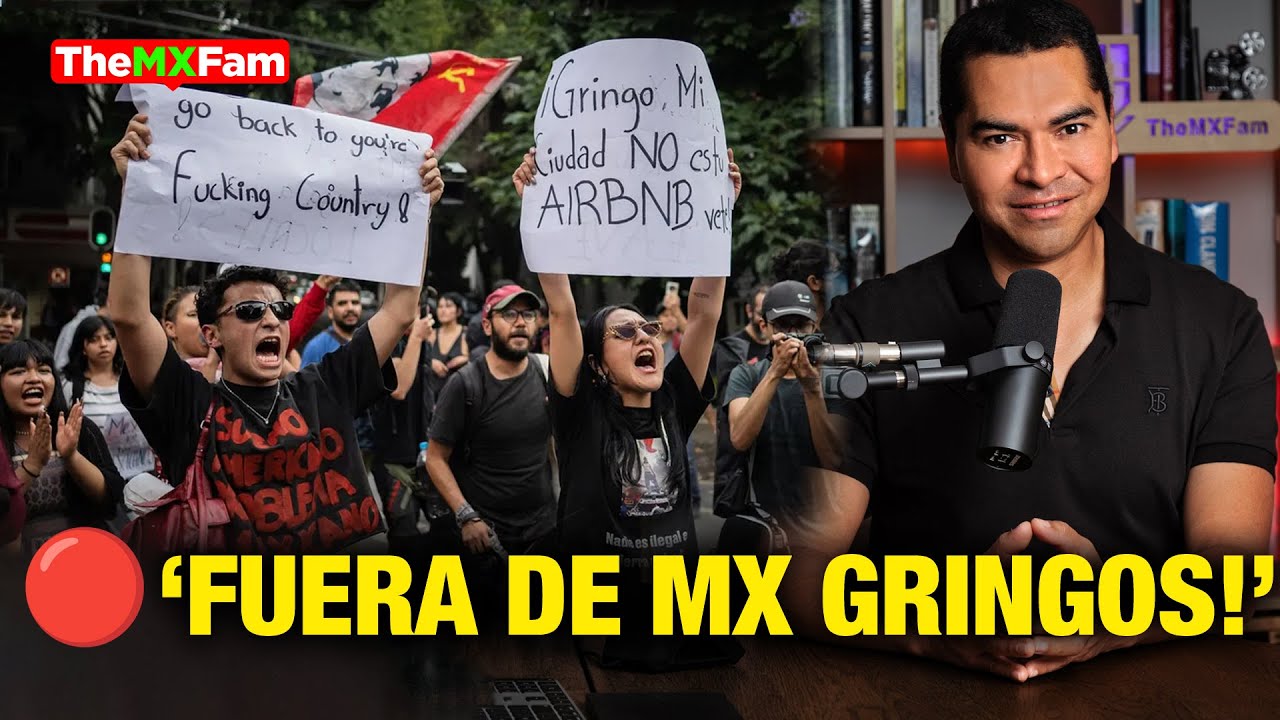



Gentrification is a multi-phase process where urban neighborhoods transform through successive waves of newcomers, beginning with artists and creatives, followed by middle-class professionals, and culminating in wealthy investors who drive up costs and displace original residents; this pattern is currently unfolding in Mexico City's Roma Norte neighborhood as approximately 800,000 Americans have migrated there since the pandemic, with local activists and the government implementing rent freezes and regulations to mitigate displacement while balancing the economic benefits of digital nomad tourism against social equity concerns.
Gentrification in Mexico City: The Digital Nomad Housing Crisis
Added:The fundamental definition and mechanisms of gentrification, including how capital influx alters neighborhood demographics and real estate markets.
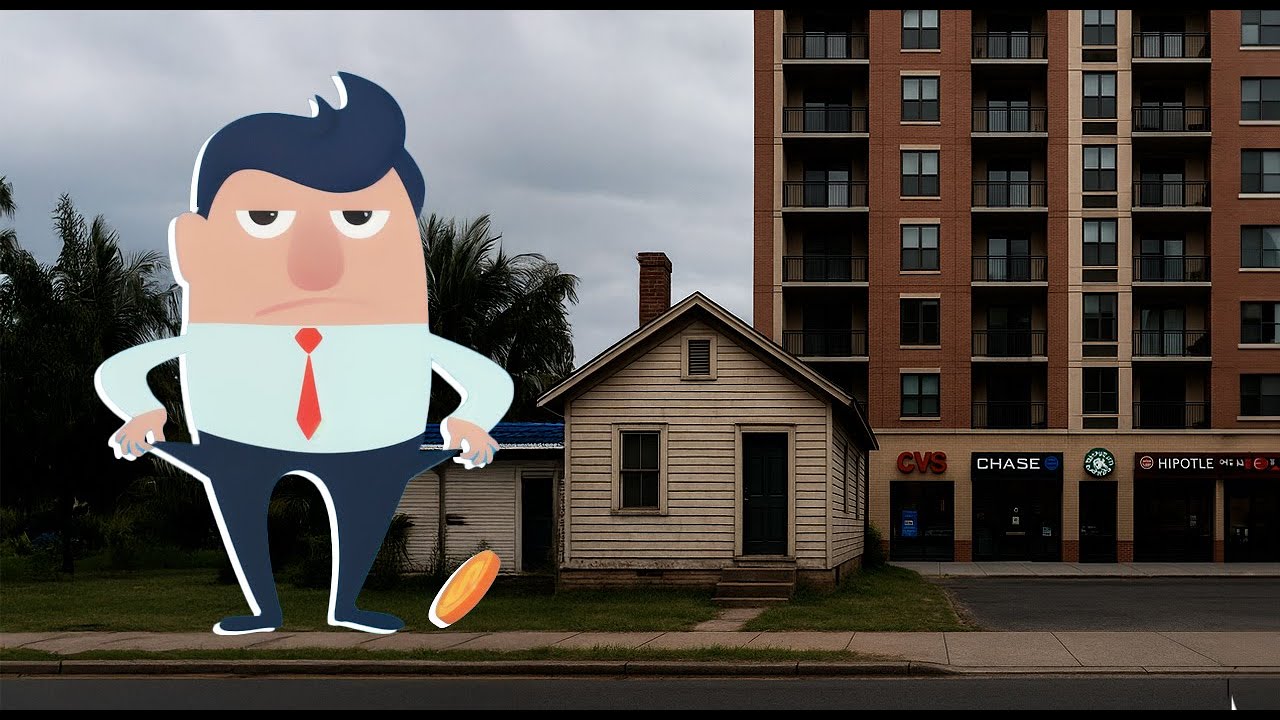
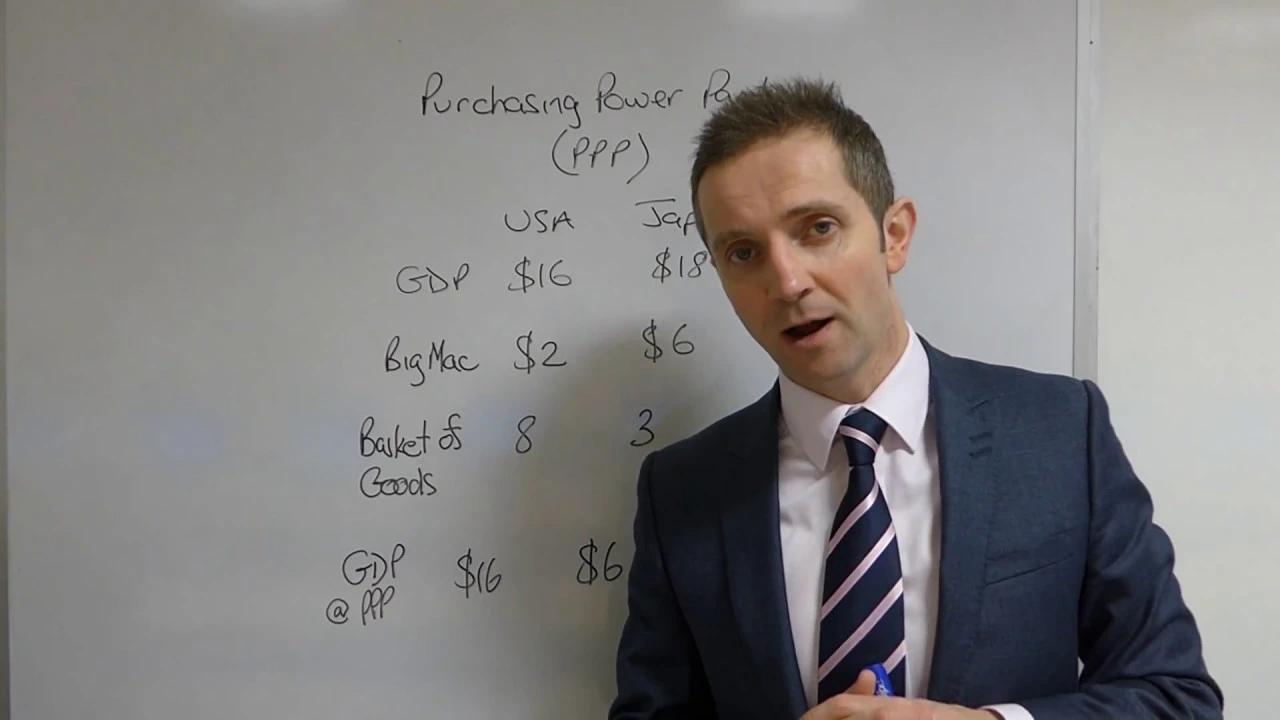
The economic concept of Purchasing Power Parity (PPP) and how currency disparities affect local cost of living for residents versus foreigners.
The socio-economic rise of the remote workforce ('digital nomads') and the platform economy (e.g., Airbnb) that facilitates geographic mobility.
Basic principles of urban sociology, specifically the tension between housing as a human right versus housing as a financial asset.
Comparative urban policy strategies used by cities globally (e.g., Lisbon, Barcelona) to regulate short-term rentals and protect local tenants.
The geopolitical framework of neo-colonialism and dependency theory as applied to modern digital migration patterns.
The macroeconomic design and impact of 'Digital Nomad Visas' and local tax compliance frameworks to balance economic growth with community preservation.
Community-led resistance movements and grassroots urban planning models that assert local sovereignty over neighborhood development.
3.8M views113.6Klikes26:39Original Release: 2024-10-09
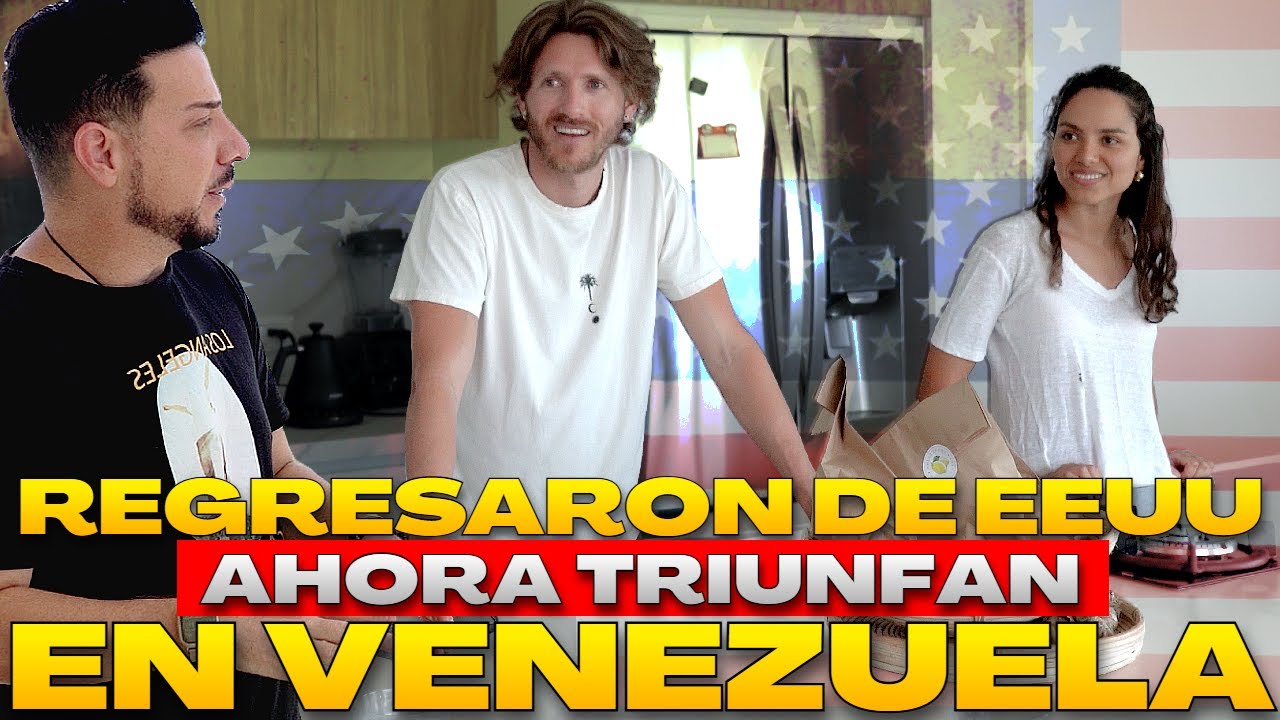
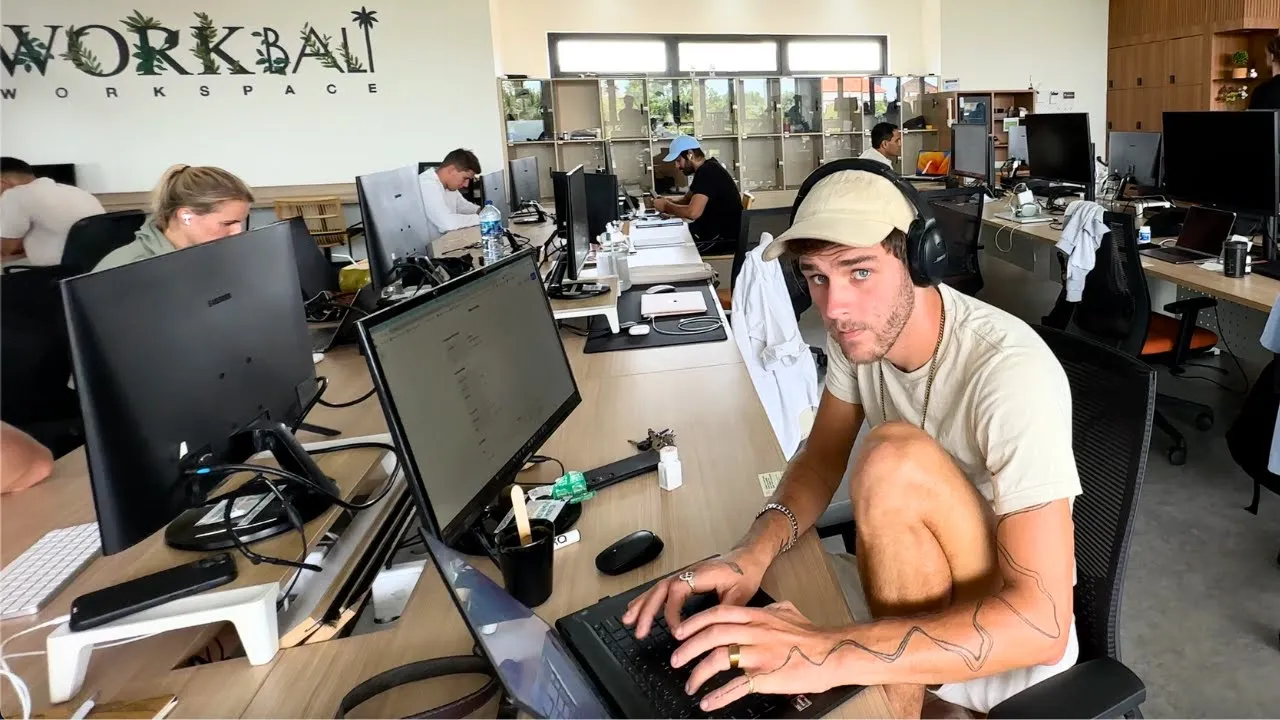
H speak Spanish no where are you from what's that couple streets over H you living here in Mexico yeah I love Mexico I don't like the United States okay it's much calmer than New York it's still very natural I've had a a little bit of Mexican uh always in my family but not by Blood but now I I basically do internet marketing remote work things like that the Mexican capital is now considered one of the top five cities in the world for remote workers nothing is stopping me from working remotely as long as I'm not earning wages here in Mexico yeah what would you do if you had that opportunity you know I grew up in the states my family's only been there for one or two generations also so you know obviously I'm from there but I feel more comfortable here to be honest this country is more chill in Russia everybody is on the rush everybody is running here it's more chill okay thanks bro thank you very much nice to meet you nice to meet you too thank you laica theic in is a big problem what do you think about the prices in this swn the prices here pretty like comparable to Seattle prices yeah rent in Seattle is back on the rise average rent steal more than $2,100 a month for a 700t apartment you tasty some tacos H see see Pik or no P Pik much Alo gracias nice to meet you nice to meet you as well as some of you may have seen much of our previous coverage has focused on the issues along the US Mexico border particularly surrounding undocumented migrants coming from developing nations in Latin America who've crossed our border illegally in search of Economic Opportunity in the states many Americans have complained that this Mass influx of migrants is taking away job opportunities from workingclass Americans lowering the bottom line for coal miners and Veterans flooding the streets with crime and violence and leading to a can9 genocide of Epic Proportions they're eating the dogs the people that came in they're eating the pets but what if I told you there's a reverse border crisis going on that's right rent and cost of living in Mexico's largest city has doubled and now tripled as a result of Americans this all really began after the co pandemic of 2020 during which tens of millions of Americans working in the tech sector switched to a work from home model and no longer had to report to the office in cities like San Francisco and Seattle where tech companies like uber Twitter Facebook Microsoft and Beyond are headquartered so where did they go the answer is simple they went somewhere where their paycheck stretches a lot further some chose cities like Austin Texas and Nashville Tennessee but 800,000 Americans have moved to the country of Mexico in the past 4 years and almost nowhere is their presence felt more than in Mexico's capital you see graffiti like this that says Flingo which means get out Greeno much like the current situation at our border if done right this wouldn't be a bad thing after all tourism accounts for 17% of Mexico's GDP much like immigrant labor documented or undocumented accounts for 19% of the American Workforce but this rapid Mass influx of what are called digital Nomads to Mexico City has overwhelmed the housing market there to such a degree that native born Mexicans cannot feasibly live there on a standard salary look past the Charming cafes flashy apartments and you'll see this capital city for what it's becoming a refuge huge for migrants I grew up in New York La Atlanta Georgia perhaps not the border crossing you expected Americans leaving pricey US cities heading south to work from home in this episode our Latin American correspondent hos will investigate the ongoing situation in Mexico City through the perspectives of locals Americans other foreigners and local activists doing their best to bring awareness to the problemo for activists say the formula is simple as Mexico has sought to attract remote workers with higher purchasing power it's created more inequality for Mexicans for H did you speak Spanish see your favorite words in Spanish uh favorite words uh no okay bad words okay nice let's pause for a moment and talk about gentrification it's a polarizing buzzword that often divides people into two camps on one side you have people who see it as a great across theboard thing the neighborhood gets cleaned up crime goes down and home values rise for millions of people my age that is a dream then on the other side you have those who view it as a form of colonization and cultural eraser gentrification is genocide but it's important to understand that gentrification doesn't begin maliciously let's use the us as an example hipsterism as we know it today began in New York City in the early 2000s the first hipsters were Suburban raised Millennials who adapted grunge and Lumberjack fashion forms that were popular in Minneapolis and the Pacific Northwest in the late '90s most of the original hipsters were the grandchildren of white Americans who fled the inner cities in the mid1 1960s during desegregation in a mass Exodus known as white flight the construction of newly built all-white suburbs and Lev towns and the farmlands outside cities like Philadelphia was more than a geographic resettlement it was essentially a mass divestment from the cities which resulted in a near total transferring of what josue's interviewee calls purchasing power away from the urban centers into these private redlined communities this in turn created half a century of economic aparte in which he basically had two parallel societies the city cities and the suburbs existing in complete isolation from each other throughout the ' 80s and '90s cities like Philadelphia Baltimore and New York City spiraled into chaos and disrepair while Suburbia and its sprawl became larger and larger even connecting Metro areas like Chicago and Milwaukee but there was one problem that the architects of white flight didn't consider which is the mass loss of what's called cultural capital that came as a result of isolation the first generation born into a post white flight reality were the Boomers it should come as no surprise that they loved it and appreciated it after all most of their parents were were Hard Scrabble World War II vets who grew up in a world with no suburbs so a white picket fence in a big backyard was like a Utopia the children of the Boomers gen xers kind of like the suburbs but were showing some signs of angst but the generation after them the Millennials they envisioned a vibrant New Life a world Beyond cacs and strip malls put simply they wanted to be around culture eat interesting food hear different languages and just not be bored and so a migration called reverse White flight began it's generally acknowledged that the first hipster neighborhood in America was Williamsburg Brooklyn a his ially Jewish black and Dominican area where Vice moved their headquarters in 2001 the complete cycle of turning parts of the neighborhood from diverse cultural corridors to Flat corporate business Parks took about 15 years and there's actually a science to how gentrification Works tulan University Professor Richard Campanella broke it down into a four-phase model phase one is the arrival of starving artist types legitimate penniless as he calls them gutter punks cuz he's from New Orleans who are looking for a cheap place to live that's a reasonable commuting distance from upscale cultural centers these types are often troubled they use use drugs and drink heavily and for certain never open any businesses and so don't actively displace anyone what they do though is signal safety that makes way for the arrival of phase 2 Phase 2 is hipsters but Campanella calls them the creative class those in the creative class fetishize the starving artist types and are often semi-ring they kind of follow cool around the country unlike the broke Bohemians hipsters are typically college educated hyper liberal and usually open businesses like coffee shops organic food stores juice bars yoga studios barber shops with OS brick inside vegan co-ops and essentially introduce oat milk to the hood gradually the area becomes a colony of the greater hipster Network and begin seeing cross traffic from cities like Portland Oregon who begin imposing their Aesthetics and cultural Customs onto the area however rent and cost of living itself does not actually rise until the third phase begins which Campanella calls the Bourgeois Bohemian phase this is marked by the arrival of art collectors people who refer to themselves as socialites burning man camp leaders cultural investors and most importantly real estate developers with a taste for the hip who are aware of the area's skyrocketing cultural capital and see a massive business opportunity which often takes the form of a city- sponsored Arts District it's between Phase 2 and three that you find the most tension because that's when the displacement happens in this phase entire neighborhoods are often bulldozed to make room for luxury hotels trendy fine dining restaurants and hip corporate storefronts resulting in unaffordability for both locals who are totally out of this coolness Matrix and the hipsters in both Bohemians that made the area cool in the first place after the shiny new apartments are built and the landlord raises the rent the fourth phase begins which is the arrival of the rich the young professional class like Tech Bros and finance guys who have absolutely no interest in anything cool and view cultural capital as basically meaningless by the time phase 4 is complete and yuppies have taken over you're left with a sterile metallic ghost town full of empty apartments that basically nobody wants to live in the developers who banked on the cool Factor are bummed and the cycle of gentrification has now re started on the outer radius of where it began spreading like a nuclear bomb in all directions destroying everything in its wake in New York you could say the bomb was dropped in Williamsburg the blast radius is currently incinerating Bushwick bedy Ridgewood and further out into the buroughs in Mexico City it's safe to say the g bomb was dropped in a neighborhood called Roman Norte a historic district just Southwest of the center of town I'm not sure if you know this but Mexico City is unbelievably large in size and has a higher population than New York so there was a ton of neighborhoods for transplants to choose from but Roman norte's primary cultural appeal was its food it's been a hot spot for Mexican Cuisine since the 1950s dude I mean you can get you know some chili keiles or some tacos for four pesos and it's like [ __ ] good you know I love it it's great the prices are great here do you feel the upgrade the prices uh no yeah I feel like in some places the prices are going up I mean Roman Norte is ridiculous condesa is so expensive now uh I looked out cuz I feel like Warez it's like it's still a little local but it's it's like the Brooklyn of the CER yeah in the center um it feel like it's like a old New York you know beyond cultural appeal another factor that makes cities right for gentrification or natural disasters one example would be New Orleans Louisiana in 2005 Hurricane Katrina struck the city killing 1,800 people and displacing half of New Orleans population one of the hardest hit neighborhoods was the ninth ward because of the city's levies breaking the Lower Ninth Ward was almost totally flattened by floodwaters however in the upper 9th Ward a neighborhood now heavily rebranded as the Bywater District homes remained intact despite all of these homeowners having been relocated elsewhere to cities like Houston and Atlanta where many of them lived in FEMA trailers awaiting Insurance checks and government Aid in this desperate State and amid an uncertain future for a broken New Orleans real estate agents swooped in and began buying entire blocks of Bywater homes in cash from the recently displaced owners setting a foundation for a hipster Enclave that would Thrive about 10 years later according to many Mexico City locals the story of what happened in Roma Norte is actually quite similar to what happened in the Bywater Roma was the EP center of the 1985 Mexico City earthquake which killed 5,000 and displaced 2 million residents many of whom would never return EX you know when I first moved here it was completely different area you know there there's been gentrification since after the earthquake of ' 85 right and it's been 20 or 30 years but it really got um scaled up in the last 3 four years with the pandemic and everything but the price have gone up a lot then you have the inflation kick in too a little bit later here and so the last couple years have been really tough for locals tough for foreigners too cuz I mean it's there's a lot of um I don't know exploitation of the market I think from local Mexicans who own the apartments no regulations from the government and there's just been kind of this free-for-all but I think things are kind of settling down a little bit but yeah I mean I've been here for 10 years I'm a permanent resident pay my taxes Mexican brother yeah I don't have any plans to go back like I said at permanent residence I pay my taxes here I I bought my apartment 10 years ago here and it's it's probably where I'll die you pay taxes I don't pay taxes bro crazy bro no one likes to but okay Perfecto that's it that's it hey guys this is not an advertisement if you speak Spanish or you want to learn Spanish I have a great suggestion for you go to our Spanish language Channel Canal Sino we've gone through the process of overdubbing all of our classic videos in Spanish using real human voice actors so if you want to go check out Classics like oock H twins those San Francisco street beyond go to canalo I'm going to put the link in the description and the pin comment we're going to be posting there every single week with new overdubs of all the classics as well as new content filmed all across Latin America so if you want to support head on over adios the reason that I felt that it was important to illustrate these phases of gentrification in such detail is because it appears that Mexico City is somewhere between Phase 2 and three while certainly more expensive than it was Roman Norte hasn't been bulldozed completely to make way for glass Condominiums and certainly retains the Vibrance and energy that made it attractive to Americans in the first place which leads me to a unifying conclusion that's more important than differences between language and nationality no one from the locals to the digital Nomads want Mexico City to change the Americans Russians and French transplants hos interviewed possess a genuine love for the place and they aren't the ones raising the rent it's the landlords developers real estate tycoons and city government that make these calls seeing an opportunity to capitalize on Hy hyperinflated foreign currencies if properly regulated taxed and accommodated the influx of digital Nomads could be a great thing for the city this isn't something that neighborhood natives are totally blind to [Music] [Music] for Mexico City Central Boulevard is undergoing a full-fledged Renaissance As wealthy Mexican and international firms stake ever bigger claims on the landmark [Music] promon for the restant okay okay okay it's creating tourism and and and and money for small businesses [Music] I came here because of the war in Russia Russians are fleeing the Country flights from Moscow to all visa-free destinations selling out quickly okay yeah I'm afraid of my life okay yeah uh you working in DJ uh yeah I'm DJing uh and my friend Lane we are making our project it called Z hry rush hry and also I'm working as a waiter uh in a restaurant okay yeah no hurry no rush when you really get to Mexico City when you stay in these places when you meet random cool artists on the street you realize bro it's a beautiful place a beautiful place that will likely continue to grow at an exponential rate in the coming years as inflation in the US as well as the rising cost of living make things like home ownership nearly unattainable for the millions of young professionals entering the white collar Workforce a recent study conducted by MBO business partners suggested that 70 million Americans are currently expressing interest in adapting the digital Nomad lifestyle and of those 70 million 9% are already putting their plans into motion so what's been seen in Mexico City since Co is just the beginning in preparation for this Mass migration a number of countries like Japan have already introduced digital Nomad visas which require remote workers to file taxes in Japan regardless of where their paycheck is coming from something similar was advocated for by Mexico city councilwoman Freda guen who proposed something called a digital Nomad tax that would charge them all a flat fee of roughly 3,000 pesos or $155 per month but this idea was shot down by her constituents and never really came to fruition because after all this was an inside job in the first place airb B recently struck a deal with local authorities to make this place one of 20 Global destinations for so-called digital Nomads the mass buyouts of apartments in these neighborhoods to convert them into airbnbs and Market them to wealthy foreigners was directly facilitated by the city government who pulled no punches in evicting tenants without warning this woman has asked us not to reveal her identity after her apartment building signed a deal with the home share company Airbnb she was given 5 days to move out she says short notice evictions are becoming common place across the city without proper restrictions in place the only group of people that could collectively stop gentrification right now are landlords local landlords which makes things even more complicated I'm going to go out on a limb here and suggest that if there's one thing that landlords don't do it would be supporting the People by way of voluntarily reducing rent costs so many locals feel that the only possible solution moving forward is to impose government-mandated regulations on both what landlords can charge and immigration itself see Mexico City one of the world's most populated cities at nearly 22 million people could run out of water in just months it's being referred to as day Zero and experts warn it could happen in June tourism plays into this water shortage a tourist uses between three to four times more water than a resident shortly after these interviews were conducted like actually 24 hours later Mexico City Government unanimously approved the largest rent freeze in their country's history since 1946 prohibiting Airbnb landlords and Roman Norte from raising the prices any higher and ensuring Mexican tenants who make less than digital Nomads make a reduced rate rent as well as government housing loans in an effort to combat displacement the rent freeze will also require all landlords to register their rental contracts with the city and establishes strict fines and penalties for any of them caught overcharging foreign tenants or evicting Mexican renters without proper notice which overall is great news back to host where are you from as hos wrapped up his report we decided to send another bilingual friend of ours to a very different part of the country yet a place where the influence of Americans and particularly American dollars has been felt just as hard the it's the greatest Border in the world TJ a historic Border Town with the highest number of homicides in Mexico but otherwise a great City however Tijuana like Mexico City has an American problem specifically a horny Americans problem every night thousands of Americans cross the US Mexico border typically on foot coming from cities like San Diego Santa Barbara and Yuma Arizona to engage in commercial sex acts with often times traffic women at a full service flat fee of $100 hold up one those DS guys John here in this video we're going to speak to sex workers and TJ recently divorced dads looking for love Carefree locals dressed as Nazis for Halloween and most importantly American dudes paying for sex via Mexico vivva Mexico I love mexic everybody come to [ __ ] Mexico this is a place to be the [ __ ] here are wild anything you want to do has a price bro anything dude it's [ __ ] lit it's so free picked up some stuff off a random street dealer and probably got skimped but it was lit I've already done some you know blow offs some titties and [ __ ] but like I'm not trying to get too [ __ ] up or El so I'm going to start eating stripper's ass up out of Hong Kong bro oh my God you can't get better than this doggy oh see baby for obvious reasons it'll be difficult for this video to ever be posted on YouTube due to the content it contains so if you'd like to see this episode go to our patreon www.patreon.com Chann 5 as many of you know we are a completely independent 95% crowdfunded operation and it's your $5 monthly subscriptions to keep the train rolling and keep us on the road we've also introduced a patreon exclusive show called Channel 5 Newsroom that gives our subscribers a behind the-scenes look at our life in the office in the field and out on the town so if you like this episode and want to see more please consider supporting us have a good Channel 5 live worldwide Hollywood andine [ __ ] the authority Channel 5 News Channel 55 we don't [ __ ] with custers and five is the best number next question
Up Next
19:53
Public Space Privatization and the Hollywood Sign | Urban Planning Expert Interview
@TheMillennialProject
686 views•2017-04-13
54:57
Contemporary Sociological Theory: Micro, Macro, Integrative
@NaSESYNC
45.7K views•2016-02-17
19:23
How to Analyze Conversations Scientifically | Elizabeth Stokoe | TEDx
@TEDx
1M views•2014-12-04
9:41
What is Sociology? The Sociological Perspective Explained
@crashcourse
4.6M views•2017-03-13
Related Study Plans & Knowledge Roadmaps
Structured learning paths in Sociology
sociology
Celebrity Culture: From Hollywood to TikTok
01Foundations of Celebrity Sociology
02The Rise of Micro-Celebrity & Digital Platforms
03Parasocial Relationships & Algorithmic Intimacy
+ 2 more learning modules
12h5 modules
Explore Roadmap
sociology
Hostile Architecture: Space, Power & Control
01Introduction to the Sociology of Space
02Social Control and Surveillance in the City
03Hostile Architecture and Defensive Design
+ 2 more learning modules
12h5 modules
Explore Roadmap
sociology
Loneliness Epidemic: Third Places & Isolation
01Foundations of Social Capital and Community Cohesion
02The Death of Third Places and Urban Space Erosion
03The Privatization of Leisure and Atomization
+ 2 more learning modules
12h5 modules
Explore Roadmap
sociology
Sociology of Tourism: Gaze, Power & Heritage
01Foundations of the Sociology of Travel and Leisure
02John Urry and the 'Tourist Gaze'
03Staged Authenticity and Cultural Commodification
+ 2 more learning modules
14h5 modules
Explore Roadmap