









![How to Franchise Your Business [7 Steps]](https://i.ytimg.com/vi/MaOR1nbcTW4/maxresdefault.jpg)









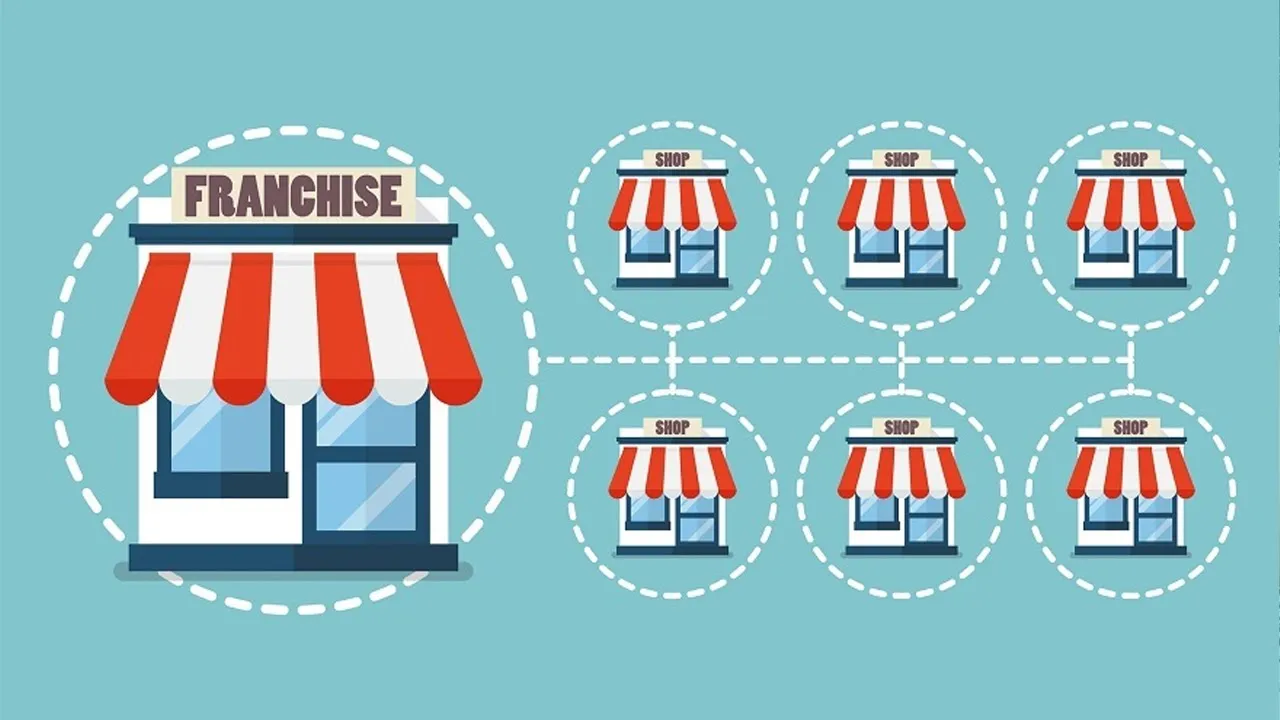
Franchising is not passive income; it requires founders to first systematize their business operations, create detailed processes and training manuals, and provide ongoing coaching and support to franchisees, as the franchiseor's income comes from royalties that depend on franchisee success, making active involvement essential for system scalability and long-term growth.
Franchise Systems: Debunking the Passive Income Myth
Added:The fundamental business model of franchising, including the roles, rights, and financial obligations of both the franchisor and the franchisee.
The economic distinction between passive income (e.g., portfolio investments) and active business management (e.g., day-to-day operations).
Core principles of business operations, specifically the concept of Standard Operating Procedures (SOPs) and their role in business replication.
Basic corporate finance concepts, including the difference between initial capital expenditure (CapEx), ongoing operational expenses (OpEx), and working capital requirements.
Developing and structuring a Franchise Disclosure Document (FDD) and legal franchise agreements.
Advanced strategies for franchisee recruitment, vetting, and managing ongoing franchisor-franchisee relations.
Designing global supply chain logistics and quality control audit systems to maintain brand consistency across multiple locations.
Evaluating exit strategies and valuation methods for scaling a franchise network toward private equity acquisition or an IPO.
285 views49likes43:59Original Release: 2026-02-18
Everyone dreams of owning a business, but then when they get right down to writing that check and buying that business, they get scared. They're leaving the structure of a corporate organization, their spouse and family members are trying to talk them out of it. So, it's very difficult. So, you have to make it that you are going to provide them the systems and the support that will help ensure their success and give them the confidence to jump from that corporate rat race into running their own business. being able to target [music] the right market so that then the franchisees business becomes profitable and revenue generating as well.
>> I have to be successful enough that I can peel off a royalty off the top to pay you Mr. Franchiseor and I'm still profitable enough that I'm happy with the business I have. So are the margins big enough that you can charge a royalty?
>> Hello everyone. So today's guest is someone I'm genuinely consider to be a master operator. Rick Robinson has spent over four decades in franchising. Not theorizing about it, not commenting from the sidelines, but building, running, fixing, and scaling franchise systems through booms and busts and outright disasters. He's been a franchiser multiple times, led turnarounds during the 2008 financial crisis, served on the board of International Franchise Association, and today helps founders turn single businesses into a scalable franchise system through Franchise Genesis, where his team has franchised 140 companies in under five years. What makes Rick Rick especially interesting is this. He's not just survived market crashes, he's survived life crashes, financial wipeouts, natural disasters, situations where most people would just quit.
This conversation is about what actually makes franchising work, what founders consistently get wrong, and how resilience built how is resilience is built the hard way. And where Rick thinks AI genuinely fits and doesn't in the future of franchising. Rick, it's a real pleasure to have you here today.
>> Thank you very much.
>> So, how how how are things? You've just come off a cruise, I hear.
>> I did. I was on a three-day cruise to the Bahamas with about 60 franchise brokers who represent brands and they go find and pre-qualify franchises to buy their brands. And there were about 40 franchise brands, franchiseors on the ship as well. So, it was lots of networking. We call it speed dating where the brands are able to come around at a table and and present to every one of the brokers to help them really understand their franchise brands and it enables them to go out and find great candidates to bring to possibly buy their franchise.
>> So you've been speed dating since 1984.
>> That's right.
>> So So take us back a moment. How did you first get into this world and what hooked you early on?
>> Yes. Well, my first career I was in television advertising sales. So, lots of marketing experience doing television commercials, getting people to spend their money in television as opposed to radio and newspaper, which were the the two main sources of advertising at that time. Then, uh I was given an opportunity to help relaunch a franchise brand. They were a master franchise model in commercial cleaning, janitorial services, cleaning any kind of building.
and they had sold about five master franchises mostly to college buddies of the founder. Some of them were not doing that well and he knew he had a good idea. So he hired three of us to open up corporate offices to kind of fine-tune the model. And after about a year later of us tweaking the marketing, changing the operations, it exploded. And then myself and the person in Los Angeles said we want to be a part of this uh ownership. So, we bought the master franchise rights to Phoenix, Arizona. I moved to Scottsdale. Then, we opened a second office in Tucson, Arizona, and then a third office in Albuquerque, New Mexico. We became the largest master franchise in the system within a short period of time. And we got up to 230 franchisees in our system, cleaning a thousand buildings a month of all types of businesses. and we were doing 19 million years in revenue and I spent I spent 18 years uh doing that. So lots of experience in the commercial cleaning side of things.
>> Got it. See you you were just you were just you know if you look back at what franchising was then compared to the franchise system today. You were just on a cruise speed dating with all these you know franchise network people. So compared to today versus then, what's changed? What does it look like today versus before? And what holds true still today?
>> Yeah, good question. It's dramatically changed. So in the 1980s, about the only way to learn about franchise opportunities were ads in the classified newspapers and a franchise expo of some type. And an expo back then would draw four to 6,000 attendees. I mean, they were massive. I couldn't you wouldn't believe how big they were. You [snorts] I I I jokingly tell people when I first got into franchising in 1984, the internet was invented, but no one was using it yet. So, you were really old school marketing to find people. uh we would do uh we we would stay over for the weekend and we would hold seminars at hotels to help people introduce them to the franchises we represented. But then the internet changed everything. Then lots of other publications started marketing franchises like the Wall Street Journal.
There were magazines that popped up called Success and Money. So there was a lot more options to learn about franchise opportunities. And then something that really changed, um, you know, some people call them franchise brokers, they're matchmakers, coaches.
So there are thousands of independent business owners across the country that work from their home that represent hundreds of franchise brands. And their main job is to go out and find someone that's really interested in finding a great business to buy. And after really consulting with them and getting to know them, their background, their skill set, their goals, and of course, their budget, that franchise broker or consultant will match them up with several franchise opportunities that they think are a good fit for that individual based on their background, introducing them and hopefully helping them find one that's a good fit for them, and they buy a franchise. And if they do buy a franchise, the franchiseor owes a commission back to that franchise consultant who found that candidate for them. So that is that represents a large portion of the franchises purchased today.
>> So it helped you've helped over 140 businesses franchise. So what's the biggest misconception founders have when they think I should franchise my business?
>> Yes. So first off, many times they think or they have heard, "Oh, I thought I had five, six, seven locations up and running before I was allowed to franchise." No, that is a misnomer. One profitable corporate location is all you need. Is it better that you've duplicated the model a couple of times?
Sure. But I would say out of the 140 I franchise, uh, 75% only had one corporate location. So, when someone asks me, "How do you know if I'm franchiseable, Rick?" I asked them three questions. One, is your current business model profitable? Two, can you teach someone else how to run this type of a business? And three, are there plenty of customers across the country that your franchises could sell your products or services to? If you say yes to those three questions, you're probably franchisable. Then we do a deeper dive so to make sure they understand what the responsibilities of a franchiseor are, what the daily activities would be, and how they're going to be coaching, mentoring, and supporting franchises to grow their business because that's that is now going to be the franchiseor's main source of income are royalties that come off the topline revenue of the franchises.
>> Got it. So people often think that franchising is sell the blueprint and collect the royalties. In reality, what does a great franchiser actually spend their time on once they scale past 50, 100, 200 franchises?
>> Yes. Well, what's interesting is I I love statistics, right? And one of the statistics is probably 75% of the franchises that are purchased are being purchased by people who have never owned a business before. So, they're scared to death. So, one of the first things we teach our franchiseor clients is really listening. What is that person's background, goals, and how does your model fit that? Because another statistic is 75% of the time that franchisee ends up purchasing a franchise they've never heard of before and had no idea existed and didn't see them in that role of of a business. You know, when someone tells me, "Oh, Rick, I have to be passionate about the business I buy." I said, 'N no you don't. You're not buying a hobby. You want a really good business that will help you achieve the lifestyle you want to be passionate about. I was in I went from television advertising sales into commercial cleaning. All my friends thought I was in the sexiest business in the world before and now they were picturing me cleaning toilets and running a vacuum. I said, "Nope. I'm a marketing company that just happens to be in commercial cleaning." So, that has a big part of it. It's being able to show an individual how your franchise model can help that person achieve the goals that they are are looking for and how their skill sets can um you know be apply to that.
>> But franchising is Go ahead.
>> So, where do most systems break under scale?
>> Yeah. So, it's all about perfecting this business in a box, right? It's systems in processes. You It's making it very easy for that franchisee and their team to follow your systems and your model.
When they deviate from that is when they get in trouble and that's why they're willing to pay you that upfront franchise fee of around 50 60,000 just to join because you figured it out.
You've gone through the years of blood, sweat, tears, and money to figure the model out. And if they follow your system and processes and with your coaching and support, they can be successful.
>> So, what must be systematized before anyone [clears throat] should even consider franchising?
>> Sure. Uh, first is how to run the business, right? And that's everything from how to train the employees, what are the employees, what are their tasks that they're supposed to be doing. Um, then you move into customer acquisition.
What is the marketing that works locally? You figured that out. So, you're going to actually dictate to the franchisee, these are the marketing activities that work. This is what you must do to attract customers. So, how do I find customers? And then how do I take care of those customers and provide the products or services that they're expecting based on what the brand has already been producing up until this point.
>> Wow. Okay. So I mean what why is support sort of the silent killer of franchising growth?
>> Yes. So I mentioned earlier that the way the franchiseor makes money is a royalty coming off the topline revenue of the franchises. Mhm.
>> So I always tell everyone I said if that franchisee doesn't feel like they're getting the support they were promised or expecting for that royalty they pay you on a monthly basis now all of a sudden that comes off as a franchise tax and no one likes to pay taxes. So they have to feel like they're getting value for that royalty that they're paying you. And of course if you help them grow their business they make more money and your royalties go up as well. So everyone benefits.
>> So you mentioned that around 78% of franchise buyers have never owned a business before. Why is that number so high and what responsibility does that place on the franchiseor?
>> Yes. So one of the problems with that is, you know, everyone dreams of owning a business, but then when they get right down to writing that check and buying that business, they get scared, right?
They're leaving the structure of a corporate um organization. maybe health benefits. Uh their spouse and family members are trying to talk them out of it because they usually are not entrepreneurial. So it's very difficult.
So you have to make it you have to be able to show them that you are going to provide them the systems and the support that will help ensure their success and give them the confidence to jump from that corporate rat race into running their own business. So that is a big part of it and then giving them that constant coaching um to help them stay on track, follow the systems and be successful because then usually they will buy another unit, another franchise from you. They want to expand, you know, once they expand their territory they start with uh if they're a good franchisee, they're looking to continue to expand their business and buy more territories. So let's just say for example a founder comes to you excited but unprepared. What are the red flags that you see immediately? Is it owner dependency? Is it weak unit economics?
No repeatable process, poor training mindset. What is it? What are the red flags? Whether you be like no sorry can't franchise this.
>> Every one of those can be a red flag. So first off we talk to them about do you have any of your processes documented?
Sometimes it's not. It's all up in the founders's head, right? They're just running their business the way they always have. And and that gets back to them not having multiple locations because normally if they open additional locations, they're hiring some kind of a general manager to run it. And some processes have to be put down on paper.
So we talk about their processes, you know, can can they be recorded? Can and we help them do that. I mean, part of our job is to help them take their processes that make the business success and put it on paper in an operations manual. So, we help them do that. Um, then we come to the profitability of the business. I mean, if I'm a franchisee, I have to be successful enough that I can peel off a royalty off the top to pay you, Mr. franchiseor, and I'm still profitable enough that I'm happy with the business I have. So, are the margins big enough that you can charge a royalty? And royalties can be a wide range. If you are considered a high overhead uh small profit margin model, think fullervice restaurant, uh there isn't much margin there. So, you can only charge a small royalty, typically four or 5% of their gross sales. But you move into some of the service models where the margins can be much bigger, 30, 40, 50% in some cases. Now, you can charge a higher royalty, five, six, seven, eight, nine, maybe a 10% royalty.
So, we help them figure that out. What what type of margins does your business generate? What type of royalty can you afford can the franchisee afford to pay you and still be successful? And you can build a system with that.
>> Got it. Wow. Um, you know, so there's so you coach people through this process.
>> Absolutely. And one of the other caveats here is, you know, I'll talk to a business owner and they'll say, "Wow, Rick, this all sounds great, but I don't have time. I'm working seven days a week now running my current business. So, we purposely stretch out our process over four to five months for them. So, it only takes up a few hours a week of their time so it doesn't pull them away from running the daily operation of their business. And we work with them to start getting their legal documents together, their operations manual together, the marketing materials together so that they can reproduce these with the franchises. in about four to five months out, if everyone stays on task, they'll be a legal franchiseor.
And during that time, they start letting everyone know, hey, I'm going to be offering franchises in four or five months. And they often have someone ready to buy a franchise right out of the gate.
>> Wow. Okay. And and then the person who buys that franchise effectively buys a blueprint and they go and set it up in their town or their place or wherever it might be. And then how do how do you assess that you know the person buying it that they're in the right location to be able to even start setting up this franchise?
>> Yes. So the franchiseor has total control over who buys the franchise. Are they a good fit and where the location goes. So sometimes the franchiseor staff go there and help the franchisee identify the sta the the location.
oftentimes they know exactly what the demographics need to be and they allow the franchisee to uh find a real estate agent in the area and they give them here are the specifications here's what we're looking for and then those are sent back to the franchiseor to analyze and he still uh makes the decision on whether it's the right location or not and then you get into other o other cost things is so this might be a great location but will the high rent work with this franchise model. So finding the right location, the right balance of rent, walk by traffic, all those things are very important. But of course, many franchises are not brick and mortar.
>> The franchisee is working from a home office or an industrial park office.
That's I have franchised 140 companies in the last five years. My team has uh only 30% of those are food and beverage in retail. The other 70% are senior care, med spas, boutique fitness, doggy daycare, every kind of home service you can imagine, commercial services, mental health. We franchise everything. And some of those work out of a home office.
>> Yeah. No, absolutely. It's uh there's lots of variables there because it's all very well buying a blueprint but you you really need to have the specifics of you know not just location but like being able to target the right market so that then the franchisees business becomes profitable and revenue generating as well. Right. So, how do you how do you help the franchisee assess whether they have the right um sort of pieces in place to try to to to to get going and and generating revenue?
>> Yes. So, in the legal documents that we create for the franchiseor that are required, there is an outline of what all the initial startup costs are going to be. So now we can talk with the franchisee about what the investment is going to be that first year and are they going to have access to that. Uh we we work with many finance companies to help get loans for franchises. Then we look at okay here is is our ideal franchisee we're looking for based on a background personality etc. Then we look for what are the ideal markets for the type of customers that our franchises are going to service and that can vary greatly.
Right? So what are the demographics and the nice thing is there are many different software companies that do mapping software that you can put in whatever statistic and demographic information you wish and it will take a large metropolitan area and it'll show you exactly where those territories are.
knowing those are the areas that we're going to sell and put franchises in.
Maybe this area over here, nope, it's not it's not good for our franchise model and our customer base that we are looking for.
>> So, you're very clear on like assessing both ends of it, right? The franchise situation, the franchisee situation. I mean, ultimately you want to make sure that both succeed, right? Because ultimately that means everyone wins.
>> Yes.
>> During our training with Yes. During our training with our clients, I tell them all, I say, "Listen, if we're sitting here a year from now and you haven't sold a franchise yet, it is your fault.
Either no one is good enough. You're looking for that perfect franchise that's your twin and they are not out there. Or you're not focused on selling franchises, you're still so caught up running your day-to-day operation of your current business, leads are coming in and you're not paying attention to them. And in our industry, speed to lead is very important." Most of most of the franchise candidates are looking at franchises after hours at home when they get home for work and they're all over the internet, right? If you don't get that person and engage with them and take them through your discovery process to both see if they're a good candidate for you and they see if you're a good business for them, they're off somewhere else. They're they're looking to spend money and buy a business somewhere and they're going to found find one. So you have to engage with them very quickly and make a decision whether they're good for your model or not good for your model.
>> Well, yeah. I mean that's that's that's definitely a a massive factor to the whole situation, right? Is understanding all of those metrics, assessing basically metrics through a process on both sides.
>> It is. Yes, it is. And I mean there's so many options. I mean there there are thousands of franchise opportunities out there >> and thousands of people looking for them every day. There is a new franchise location that opens up in the United States every 20 minutes. Every 20 minutes a new franchise location opens up. Now that could be somebody working out of a home office um that has a janitorial business or it could be a restaurant brick and mortar and everything in between. Every 20 minutes a new franchise location opens up. It really?
>> Yeah.
>> And and what would you say is the biggest sector where franchise uh you know in terms of industry sector?
>> Well, I would I would say service models in general are a lower cost to entry >> and there are more people looking to buy a business that don't have a high net worth. So the service models do very very well. They can start off working from their home. they can start making money the day they walk out of training versus a restaurant that might take a year before they finally get their doors open. So, there's a lot of advantages to it as well as um um as I said the the fast startup cost and the low cost of entry. So, any kind of a service model which is huge it's very very broad non-brick and mortar unless it's cheap industrial park space. Uh those were probably the most popular. Uh but again, you have people that are only in food and beverage and they might own franchises from five different brands and they are looking for the next hot brand in food and beverage that they want.
>> So um you'll have those people too and they and they'll buy five units at a time.
>> Wow.
>> Right. They're they're area developers.
They're saying, "Okay, I love this. Uh I want to gobble up the five best territories in Dallas Fort Worth." Okay.
So you get those people. Then you have the people that are mom and pop. They're going to work in the business every single day at the store, whatever.
>> Got it. Wow. So, a whole range of uh purchases from sort of, >> you know, near corporates to individuals.
>> Yeah. I mean, people tend to think of food and beverage when they think of franchising because that's what they see on television and Main Street USA.
service models are the most prominent, but you just don't see them because they're not big billboards anywhere. Um, so, uh, once people understand that and they see the opportunities there that they never realize and they can apply their background and skill set to, they will, you know, they'll they'll go that route.
>> So, I mean, franchising is clearly massive in the United States.
>> Yes. In your opinion, when you look you know to the rest of the world like if you look at the United Kingdom which is where I am if you look at Europe you look at other parts of the world >> it's not what's your opinion on that >> well it's big and growing some countries much more prominent than others but obviously American brands are going to other countries all the time now but it's interesting there are now a lot of local brands in other countries that are starting to franchise that never did before and I work with those brands So yes, I franchise companies that are based in the United States that want to franchise the United States. I franchise companies in the United States that want to franchise in other parts of the world because the opportunity is growing. And then of course we get brands in other countries that want to come to the United States because we are so huge and the opportunity is so big. So I can franchise anyone anywhere no matter where they want to franchise there, here or vice versa. So you just you have a process you put in place and you coach people to get them to the point whereby they have the infrastructure legally and SOP wise like standard operating procedures wise in place so that they can effectively take that blueprint and and sell it.
>> Yes. And every country is different.
Some countries have very strict franchise laws. Some have very loose ones. Some don't have any franchise laws at all. But we can use a lot of our legal documents in their country which give the structure and the and the protection to the brand. Um our country is the most highly regulated and even some states have additional requirements in the United States before you're allowed to franchise in their state. So we're we're and that sometimes scares off some brands in other countries that want to come here. They're like, "Oh no, I don't think I want to deal with that."
But the opportunity is so huge here.
It's it's it's well worth it. And you don't have to go in all the states. You can you can pick and choose the states that are easier to go into in the United States. And some of them are some of the best ones. I mean, Texas and Florida and some of the other really big ones, >> right? Amazing. So, just changing tac for a little bit, like you've you've been around for a while. Um, you know, persistence, consistency, grit are absolutely key on on on the journey of of starting a business. You've lost everything more than once financially, >> physically, emotionally, >> looking back now, what did those moments teach you about risk, timing, and leadership?
I I think a person's life and everything they experience uh affects them in some way and they can either they can either suffer from it or they it will help you.
I grew up on a farm in Indiana. Uh I had chores every morning to do before I would get on the school bus to go to school. I worked really hard. I didn't like living on a farm. I knew I wasn't going to be a farmer. But after you leave the farm, we have we have a saying we it's great place to be from. The people are great, but you learn, you know, uh how to have responsibility, hard work, what that hard work can do for you. And I've applied that so many times in my lifetime. And then then you have challenges, right? Um and I'm I've been through two recessions and and one huge stock market housing crash. Uh I've been through two divorces. Everything teaches you something, but you have to have the right attitude that it what did I learn from that and how can I help myself moving forward and help others? I was involved in a huge lawsuit in franchising in the 1980s. Um, we won that lawsuit. Um, the attorney thought we were just going to pay him off to get rid of him and we said, "We can't do this. We're growing so fast. we need and we could have avoided this lawsuit so easily if we had had better documentation at that time. We went all the way to a 12p person jury trial. It took two years to get there. I mean, it turned my life upside down. I lost lots of money. I learned a lot from it. It's one of those very expensive educations.
>> But I used that after that when I had my own consulting business teaching other franchiseors how to not to get into that position. All right. Even though we technically were not in the wrong, we had to defend oursel and it cost us lots and lots of money.
>> Then going through recessions, uh, divorces, I mean, everything you have to learn from them and and be educated from it. There there was a uh many many years ago there was a president that someone running for president against another president in United States and he said, "Well, he's not smarter than me. He just made mistakes faster than I did." So, so it's really about making mistakes, learning from them. Uh, challenges are thrown at you from all different directions and being able to overcome them and see how I can move forward.
>> It's interesting you say an expensive education, but quite honestly, so is going to Harvard.
>> Yes, that's right. [laughter] >> Right. But the difference is you have real life experience in the real world with it. There's a big difference between academia and actually live, you know, lived experience.
>> Absolutely.
>> Yeah. Yeah. That's why they say if if if you if you can't do, you teach, right?
Teachers don't know how to do. That's why they're teaching. Um I I love consulting. I love coaching. I love helping others and educating them um how to build uh you know, successful businesses, how to avoid pitfalls that I have either gone through or seen others gone through. When when I was on the board of directors of the International Franchise Association, I was on the board with top executives from McDonald's and huge brands that we've all heard about, but we all shared horror stories and issues that we went through. So, you learn from others as well, not just your your own experiences, >> right? So, I mean, many people say that it could never come back from some of the things that you've just outlined.
What mindset shift is it that separates people who rebuild um from people who stay broken?
Yeah, I mean I I think there there are some cases where a little bit is genetics what you're born with. My father was not a teacher, right? Um I learned from him just by watching him.
Uh but it wasn't he wasn't a coach and a mentor of mine. Uh I've always read I there there's only two types of books I read. Uh business, you know, self-improvement and history. I love history. So I learn from history around the world and you help in self-improvement. So, we all need a checkup from the neck up once in a while, right? We can all get down and depressed and like and you know, you know, feel like you're the only one that's suffering.
>> But it's about, okay, you have to snap yourself out of it, right? I mean, what's the alternative? I'm I have to move forward, you know? I can't sit here where I am and just wallow in what's happening to me, whether I caused it to happen or someone else did or just the economy, right? Uh it's all about survival. So, it's sitting back and analyzing, okay, what is the best way to move forward, what mistakes not to make again? And if I need a team to help me get there, do I have the right team in place to help me get there?
>> And then the same way when you'll see someone on your team suffering some way, what can you do to coach them out of it?
Right? You're their mentor. But sometimes you get people that they they love wallowing in their sorrow and they're not good. You got to get them off the bus. they're not right for your team and you don't want to be around those type of people. You know, we always say, you know, have friends and business associates like the ones you want to aspire to be or they're intelligent and you can draw from them and learn from them.
>> Yeah. So, just um looking forwards now sort of the future of franchising, you support hundreds of franchises across multiple systems. Where do you see AI actually helping franchises not as hype but as pract as a practical tool?
>> Okay, so what it's being used right now currently is a good example. So a brand will get hundreds and hundreds of leads, people inquiring about your business.
It's so easy just to sit there and ask for more information, right? Somebody fills out a form, fill, it comes in. I want to learn more about your franchise.
You don't know who this person is. They may just be kicking tires. They have no money. They're thinking, I'm going to retire in five years. You they're they're this happens all the time. So, it really narrows down to so leads that come in off of the internet and from your organic marketing. You're lucky if you sign up 1% of those people.
In the past, it's been bodies of people handling all of those wasted leads, sorting through them, trying to get in touch with that person, and finding out, are you a good candidate or not, and then engaging with them. AI has stepped in to do that now to sort through and pre-qualify all of these wasted leads that are not a good fit for your brand for whatever reason, and moving on to focusing only on the ones that are a good fit. So, I AI is being used. um it it's it's taken off in the last year in that regard. Instead of people sitting there and paying people to do a lot of this just pre-qualifying, you can have AI do that.
>> And then it gets down to, you know, um chat bots and AIs actually communicating with a person to even narrow that down.
Uh you might be seriously looking at franchises, but you have no money right now. and getting it down to the ones that are serious and have some money and then engaging with them directly with a live person. So that's being used a lot mark and it's also being used in other marketing ways right um in social media and others where people can engage with it to learn about a business a little bit oh hadn't thought about this kind of a business uh and you can in the in the chatbot or AI whatever the person is uh can communicate with them to go through just a simple list of questions to get their interest to try to learn more about your business. So AI is doing a lot of that administrative stuff pre-arketing before someone engages with a live person at the brand >> which is fantastic right but if you could design the ideal franchise support stack like five years down the line what role would technology and specifically AI play in that?
>> So I look at it as a stepping stone. So, first is simple AI to answer just a few simple questions for those masses of people that are just out there kind of looking around. Then you need the AI to talk to the ones that are seriously looking at and thinking of buying a business to get those people narrowed down. And and the more natural and human that interaction seems, the better off it is. I mean, you know, even though I'm used to technology and I just want a few questions answered, I still want to feel like it's a live person answering them for me, right? Not I'm not just reading text on their website. So, I have to feel like it's a personal experience, but moving me down to what I want to gather to see if I'm interested in really doing deeper research on this brand. And then on the flip side, if I'm the brand, I want to help that person make that decision very quickly because I don't want to waste my time with them if they're not serious or not interested in my brand. [snorts] And then narrow it down so I can then live people can really focus on the serious individuals because now we're talking about emotional. It it pe it's an emotional buy. All right? I mean, I don't care. I don't care what you're buy. If you're buying peanut butter off the shelf, it's still something emotional causing you to buy that peanut butter, right? Well, when you're buying a business, it's a very emotional buy. They are they've heard all these things in their lifetime about buying businesses. They know people that buy businesses and they have this clutter in their brain and you need to help them sort through most of that clutter and focus. I told you earlier about, you know, most people buying a franchise have never owned a business before. There's always So, if I'm a franchise consultant and I have a candidate that I think is getting really close to buying a franchise and you hear they're going to some family function, forget about it. Somebody there is going to talk them out of it.
>> Now, if they come from a family of entrepreneurs, oh, that's great, right?
Everybody in the family thinks you should own a business. We'll help you decide on a really good business. But if nobody in their family owns a business and you're talking to someone that's not had a business, they're terrified and you're trying to remove that fear. But if they go to some family function, they're going to start talking about how they're getting ready to spend their life savings on whatever and they're going to get talked out of it. Right?
>> So there's a lot of challenges there to bring down that person to an actual person that buys your franchise, >> especially if they've never heard of you before.
>> Right. Right. So, if someone listening today, a founder thinking about franchising or a corporate professional considering buying a franchise, what's the one piece of advice that you'd give them before they make that leap?
>> So, don't get fixated on a certain brand or industry. Have more of an open mind.
Understand what your skill set is. uh because that'll really help the person you're talking to to see if you are a good fit for their brand and help them help them show you how their brand can help you achieve the goals you're looking to aspire to and get started.
Business ownership gives you freedom like you've never believed. You'll work harder than you've ever worked in your life, but you'll enjoy it.
>> You'll rarely miss a one of your children's events now because you have control of your schedule. you'll be able to take a vacation when and where you want because you are the business owner now. And the only way to to get true real wealth is in business ownership.
Um, you know, yes, there are certain jobs out there where you can be a millionaire, but for most people, the only way to get true wealth and freedom is to get into business ownership. And the sooner the better. You may jump into a business you're not that crazy about.
You build it and you sell it at a profit. You learn so much about running a business, hiring staff, getting rid of staff, team members that now this next business, five years from now, you're going to be much better. You're going to realize the more options out there of business ownership and you're going to build a bigger business even the second time.
>> But don't don't wait. Get started. Uh don't waste people's time if you're not really interested. But get started and get into business ownership as soon as you can. And it it it will open your life. open your mind and help you reach, you know, riches that you never thought you could.
>> For sure. I think becoming wealthy, the the the way forward in that most definitely is business ownership without a doubt. And like you say, get started.
It's Yeah, you got >> freedom as money, right? It's freedom as much as money. It's no you're deciding what to do, when to do it, rather than being told, "No, you can't take a vacation that month. We have a company function going on that month, right?" uh or no, we're not going to give you a raise this year because company was down. You're going to decide whether to give yourself a raise or not.
>> Amazing. So, listen, Rick, I mean, after 40 years in this game, how do you want people to to describe the operator that is Rick Robinson when they look back?
>> [laughter] >> Well, uh, I think most people that engage with me say I seem younger than I am because I have the the energy and I still talk about franchising like it's new to me, right? And I've been doing it for 42 years now. So, I excited about it. I love helping other people get into a business of their own. I love helping business owners turn their model into a franchise model. So now they can see how they could have their brand clear across the country, right? And now it's more fun because I am coaching and mentoring other business owners to spread my brand now as opposed to, oh, can I afford to open a location? I really don't want to hire more employees, right? It's about using other people's money to expand your brand and giving other people the opportunity to get into ownership with your brand. So it helps everybody both ways. I love it. I'm excited about it.
I'll be working till the day I die.
>> Well, hopefully I suspect with all of your energy there's going to be a long while yet. So, so gladly and that's a good thing for the world. So, Rick, as we wrap up here, where can people find out more about what you do, what your company does, how can they get in contact with you?
>> Yes. So, it's Rick Robinson. I'm the president of Franchise Genesis. My email is rickrfanchisgenesis.com.
Of course, you can go to our website.
Um, but my direct email is rickr atfranchise genesis.com. I'll even give you my cell number. Should I do that? Is this crazy?
>> If you want to.
>> All right. Call me if it's a serious question. Uh, 480-5773378.
That's my cell. 48-577-3378.
Call with serious questions and I am happy to talk with you no matter what part of the world you're in and happy to help you.
>> And that's country code country code 0001.
>> Of course.
>> That's right.
>> Yes, >> Rick. It's been an incredibly informative conversation, not just about franchising, but about resilience, judgment, and earned wisdom. Thank you so much for sharing your experience so openly. I know this will help a lot of people u make smarter decisions. It certainly helped me. Um and you know obviously avoid some of the painful mistakes. Not that mistakes are a bad thing. Mistakes are a good thing so long as you learn from them as you have um outlined earlier on in this conversation. So for anyone watching or listening uh we'll um link uh link up with Franches Franchise Genesis um at his website. Rick, thank you again and I look forward to continuing um knowing you as we go forward. Thank you so much.
>> You're very welcome. Thank you for having me.
Up Next
6:11
Fitness Franchise Evaluation: Key Criteria for Choosing a Model Successfully
@MarketingFitness101
8.7K views•2014-02-19
46:36
Retention Habits of Top DTC Ecommerce Brands Revealed
@SendItPodcast
44K views•2026-03-03

15:23
Decoy Effect: How Pricing Psychology Influences Consumer Spending
@bobinvestsUS
90K views•2026-01-05

17:30
The Planned Obsolescence of Light Bulbs and Tech
@veritasium
25.3M views•2021-03-26
Related Study Plans & Knowledge Roadmaps
Structured learning paths in Business
business
Pop-Up Retail: Strategy, Design & Execution
01Introduction to Pop-Up Retail & Strategic Goal Setting
02Budgeting, Site Selection, and Legal Essentials
03Experiential Retail Design & Visual Merchandising
+ 2 more learning modules
15h5 modules
Explore Roadmap
business
Reg CF: Startup Funding, Marketing & Launch
01Introduction to Equity Crowdfunding & Reg CF
02Platform Selection & Legal Preparation
03Crafting High-Converting Campaign Assets
+ 2 more learning modules
14h5 modules
Explore Roadmap
business
Productized Services: Scaling Solo Freelance
01Foundations of Productized Services
02Packaging and Scope Definition
03Pricing and Subscription Models
+ 2 more learning modules
15h5 modules
Explore Roadmap
business
Gov Procurement: Find, Bid & Win Contracts
01Introduction to Government Procurement & Business Setup
02Small Business Certifications & Set-Asides
03Finding and Analyzing Contract Opportunities
+ 2 more learning modules
14h5 modules
Explore Roadmap