














Equity crowdfunding platforms like Republic democratize startup investment by allowing non-accredited investors to participate, with platforms implementing rigorous due diligence processes that evaluate founders' backgrounds, product-market fit, and traction. Successful startups require clear value propositions, specific customer examples, and transparent metrics rather than generic presentations. Early-stage investing carries high risk (70-80% failure rate), making diversification across 20-40 investments essential for reasonable returns. The SEC regulates these platforms with investment limits (e.g., $2,200 per year) to protect retail investors while enabling broader participation in startup ecosystems.
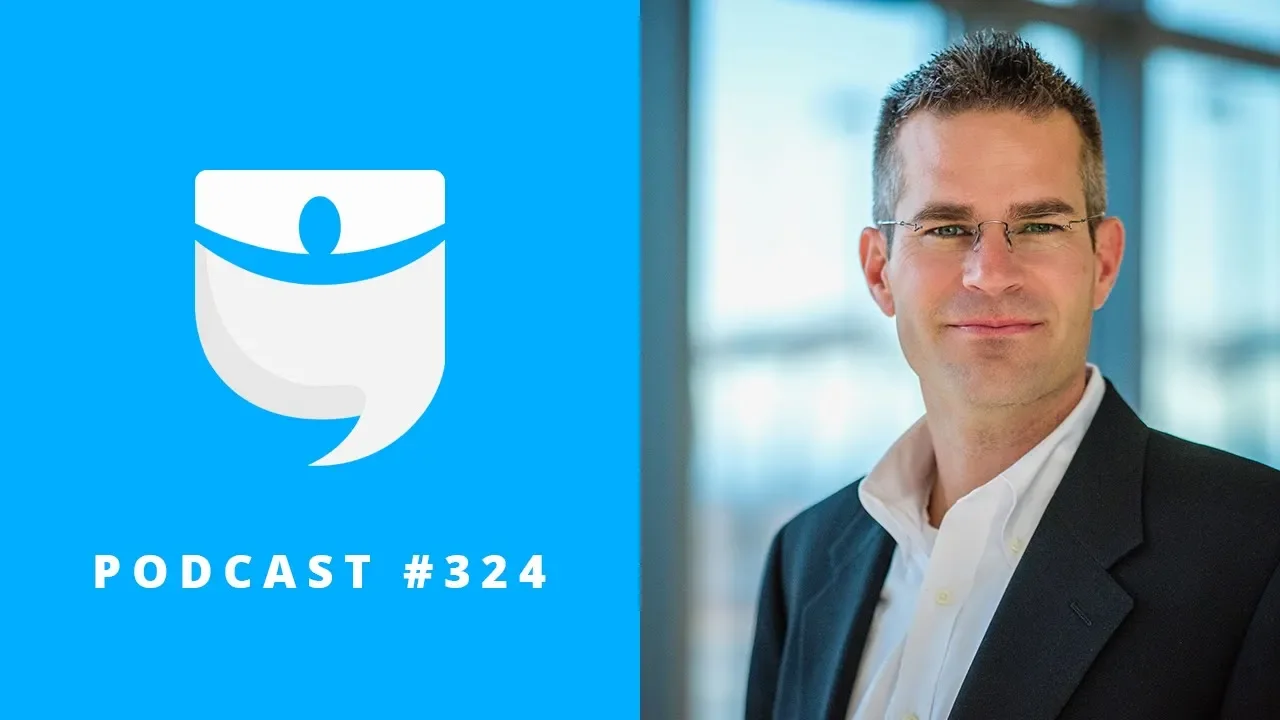
Equity Crowdfunding Explained with Republic's Ken Nguyen
Added:The distinction between reward-based crowdfunding (e.g., Kickstarter) and equity-based crowdfunding.
Basic concepts of startup equity, share ownership, and venture capital funding rounds.
The regulatory definition and differences between accredited and non-accredited investors.
The foundational purpose of the JOBS Act (Jumpstart Our Business Startups Act) in democratizing access to capital.
Techniques for conducting financial and operational due diligence on early-stage startups.
The mechanics of popular startup investment instruments, such as SAFEs (Simple Agreements for Future Equity) and Convertible Notes.
Portfolio construction and risk mitigation strategies for investing in highly illiquid asset classes.
Understanding exit strategies (such as acquisitions and IPOs) and the role of secondary markets for private shares.
9.8K views62likes1:03:17Original Release: 2018-09-18
this week in startups is brought to you by WordPress get started today with 15% off and a new plan purchase go to wordpress.com slash twist to create your website and find the plan that's right for you digitalocean providing the easiest cloud platform to deploy manage and scale applications sign up today and receive a free $100 credit at doco slash twist and campaign monitor email marketing platform used by more than two hundred and fifty thousand businesses worldwide try campaign monitor for free at campaign monitor calm / twist listeners who sign up and become a customer receive a free t-shirt hey everybody hey everybody welcome to this week in startups I'm your host Jason Calacanis and this is the podcast where we talk about startups and entrepreneurship and of course funding these startups is critical because high-growth startups need capital in order to grow and today on the program I'm super excited that Ken win is with us he is the co-founder and CEO of Republic which launched in 2016 previously of course he was the general counsel at angellist which is where I got to know him and Republic which you can go visit at Republic dot Co is an equity crowdfunding site and what that means is it's not just for accredited investors I'm going to get into that delineation and how that's changing here in the United States as part of today's program Ken and I are going to give feedback to three founders that are currently launching on Republic which again if you follow them on Twitter its joined Republic and the website is Republic re PU BL IC dot CEO thank you so much Jason is wonderful to be here yeah we've known each other for a while and it's been four five years four or five years and you launched Republic two years ago three years ago the two and a half years two and a half years ago it's been going pretty well how many companies have raised funding at how many people have raised funding on Republic out of about 3,000 applications in the past two years we've launched inclosed about five dozen since we've just lon a couple more over the weekend I have the exact number del but so dozens of people have gone through it over 16 yes yes and in order to raise money on the platform what does one need to do to clear market because if you've run 60 through the system I'm assuming that you've picked those 60 from an application pool that is ten times a hundred times larger fifty of em sloshes yep so three thousand people applied one in 50 make it through the process what does it take to get listed on Republic so we do apply almost let eventual lends credibility do me an expertise product market fit traction but it's an added lens which ease would this company be able to raise from the crowd is it relatable to everyday people because we don't want to launch a really strong company but doesn't have that relatability and will be wasting everyone's time so that added lens on unrelated bilities ready unique ah so they have to have the product launched they have to have some traction which makes sense because there's so many companies and people with ideas where do the people with ideas go today the market didn't even need to have a product launched if they have a really strong community with pre-launch you know crypto projects right is a good example right so if they have that community we can help them harness that community God if they don't have that community yet and it's a really strong company that we find relatable then we help them reach strangers to crowd guy and get them to invest so you will launch something that is not yet launched in public but that's taking on a lot more risk isn't it and how does one as an investor decide to make an investment in a company that doesn't have their product in the market yet how would you advise a civilian and how to do that I think you mentioned in your book which I love and have it on my on my coffee table for our guests but early stage investing is highly risky the earlier it is the riskier eighties but the higher the return and the one interesting thing about Republic that it allows for very small amount investment it can be $20 $50 $100 god but people gotta invest with the understanding that this is likely total loss of capital and there's some chance of you doing very well how many investments does a new investor have to make in order to have a reasonable chance at an overall return in other words you can't expect in a category where 70 or 80% of the startups fail that you'll invest in one and you happen to hit the homerun so how many investments would you advise a family member a friend or people visiting Republic to do you know this isn't adolescent that I think I learned from reading your book and diversification is key yeah it's hard to pick the right number it may be 10 it may be 20 certainly one is not the number the right number even five is not the right number it has to be more than that but pick companies did you feel passionate about it you liked the story and then trying to you know do at least 1020 small amounts but in in a vast portfolio and yeah I would agree with that if we know five is too few to get to diversity and if you're doing 500 that would be so many that you would just be an index of it so in order to pick and become good at picking I think the number I advise people is at least 20 probably more like 30 or 40 because I know the chances of hitting a unicorn or a big outcome it just can't happen usually in your first 10 or 20 investors because that's when you're learning so small amounts first and then you can always go bigger so you can always go bigger right you can always go bigger but you know like your syndicate backers have you as a validation signal you have already done the curation the checking the due diligence we do a lot of that of course one in 50 would not qualify to launch but you know we don't have yet that that influencer on the platform to provide credibility for people so I would say that projects on republic indeed a riskier than those in your portfolio so if you pick your number at 20 or 30 it maybe even be a little bit higher right 41 marketplace a platform and what happens in due diligence on Republic tell us about that package and what is the process both as a founder who might apply but also as somebody who is new to angel investing and wants to know what did you do to say these 49 are not ready and this one is what is the process of due diligence at Republic soon as one document that any startup that wants to really apply and be considered seriously must have and that's a good pitch deck if you haven't put that together and put in the time to describe how the value proposition then you're not there just yet so based on that pitch deck we can take a look and are now into a you know validation and an estimation on the credibility and the likelihood of success so what usually have multiple calls and meetings with every single application that fit that lens and through that process again apply our own subjective lens that this is you know eligible gods who launched how much does the founders background have to do with your acceptance criteria if the person is from an alumni of uber or Facebook or Tesla or went to Stanford or MIT does that give them extra credibility and make them more fundable in your mind or do you not look at the actual individuals and the team members history I think the background of the team founders background is probably the most important element for us when we look at a very early stage company got it so for the early stage runs where there's not traction exactly you're gonna look at the founders LinkedIn and resume of course and you know being a YC alum or having founded and exited and it estado these things mean a great deal but the whole point of us launching Republic is so that we can provide founders outside of the normative lens of VC so that perhaps you know that single mom who had had any startup experience and would never be funded by a VC get the interest of the community at that hundred thousand dollars and get her product and company to a point where you or a 16z or Sequoia would look at got it so this in some ways some of the deal flow will be people who haven't been able to get into Y Combinator yet and you hope the small amount of money 100k 200k 50k even 150 K that they raised on republic could be the start of them getting a prototype getting a couple of customers in getting to YC am i hearing that correct absolutely I think that first $50,000 is the biggest barrier to entrepreneurship for people with good idea what is the range this year been what's the median raise what's the high what's the low it's hard to pinpoint a informative median because we do help very late stage companies relatively late stage startups fundraise but we've you know closed three or four deals at the million dollar mark the maximum you can raise from retail and then for very early your project was the maximum at retail a 1.07 million dollar got it so no startups can raise today from everyday people on Republic more than one player said and that's part of the SEC regulations to protect investors and we're working very hard to lift that threshold a bit higher could they rate could you raise a million dollars in one financing have them work for a year hit some milestones and that add another evaluation hopefully a higher one raise another million absolutely in fact a start-up conveys from VCS or from your syndicate in parallel with a Republic campaign so the two are not mutually exclusive and some people know this is an amazing statistic but 44% of the founders on Republic were female founders compared to the industry about 13 percent or so and 25 percent of the investments on Republic have been for founders of color versus a very low 1% for the end and I know those numbers are changing and they're you know it's a moving target but how were you able to you know triple the number of female founders you're invested in in 20 acts 25 X the number of underrepresented founders I would say a component of that he's presenting startups that we think have a compelling stories with resilient founders and it turns out that the investor population demographics are very much open to investing into founders outside of Silicon Valley founders who didn't you know go to YC or I didn't exit so I think it's just a matter of presenting a spectrum of people with good ideas and getting every day invested to to support okay we're gonna get to meet these companies right after the break but before we do I want to let people know that Republic and Ken and I are hosting founder University in November speaking of diversity November 5th 6th and 7th here in San Francisco and we'll have 60 underrepresented founders at the event picked from we guess 4 or 500 applicants and the deadline to apply is coming up on October 5th you can go to founder university slash November founder dot University slash November very easy to remember URL founder dot University slash November to apply for founder University that is a course that we teach for free to founders and in this case this is our underrepresented cohort where we try to find people who are underrepresented in funded startups so that's gonna be a lot of fun I can't wait yeah yeah it's going to be a really enjoyable event ok when we get back we're gonna meet three companies they're all currently on republic correct and one of them which I will not tell you until the end I am already an investor in however you're gonna get to see all three and I'm gonna give my trademark candid feedback ken is gonna give his trademark kind feedback uh-huh you're the blue pal I'm the red pill I'm gonna be harsh and critical and then for all of you listening at home I want you to try to guess what one of the three companies I've already invested in it's a game show for all you folks at home exciting all right when we get back home this week in startups I've been using wordpress.com for over a decade and I love it it is the greatest way for you to build a website right now and every business needs one let me show you how quick and easy this is I'm gonna hit space right now and play a video this is a video my CMO presh made and you can see he went to wordpress.com slash twist very important to go to wordpress.com slash twist and you see he made shop jason calm and he signs up zip zip zip picks a store theme because you know you can do commerce now with WordPress and then he picks a template and it is gorgeous and here he is creating a custom theme and using one of the custom themes rather and he's gonna build his own shirt and start selling the Jason Calacanis shirt boom it's so easy it's so simple this has been sped up a little bit obviously but my CMO created a fan-based shirt for all of you to go shop it's a limited edition Jason shirt and you can go to shop Jason com2 buy it it is hilarious and you just pay put paypal and they're being zip zip zip 45 bucks and who's getting that money that's what I want to know and you can see him just loading it up and building it super easy the reason we made that quick video is because sometimes people think it's complicated it is not complicated wordpress.com slash twist is so easy they guide you through the whole process as you just saw and they take care of all the technical stuff and you'll get your site up and running so quickly Calacanis comm and this week in startups com all run on WordPress for a reason and you can come to their website now and pay as little as four dollars a month customer support is available 24 hours a day Monday through Fridays and on weekends I you see that pause there I gotcha you thought it was just Monday through Friday nope 24 hours seven days a week so get started today with 15% off any new planned purchase go to wordpress.com / TW ist for this week in startups wordpress wordpress calm / twist and create your website wordpress.com / twist for 15% off your brand new website whether it's your personal site your portfolio your startup your blog whatever it is you need to make a shop you can get it done super quick super easy and make it look professional by going to wordpress.com / twist thanks again to the team at wordpress for making awesome awesome websites 28% of all web sites run on wordpress crazy statistic but true ok let's get back to this amazing episode hey everybody welcome back to this week in startups I'm your host Jason Calacanis you can follow me on twitter and instagram at Jason with me today can win from republic you can follow ken he's Kendrick esq as an Esquire are you returning I am was you were an attorney and could reason a good thing because you were the general counsel of angel is really stupid on their part to hire a general counsel without a license I was testing you apparently it's true ok we promise to share with you three companies from Republic and these are correct me if I'm wrong can all currently raising on Republic indeed they are ok so if a person went to Republic oh they could read the deal memos watch the videos etc etc and perhaps if they are so inclined make a bet in the most thrilling and dangerous and exciting casino in the world the one known as Silicon Valley ok first up is Amanda Greenberg from balloon err and remember I was going to tell you all that I've invested in one of these three companies and it's your job to figure out which one okay Amanda Greenberg from balloon err I hope I'm pronouncing that correct ba ll oon are noe yeah and you have 2 minutes on the clock to present three to go awesome hi everyone I'm Amanda Greenberg I'm the co-founder and CEO of balloon er before founding balloon er I was a researcher and it was really in that role that I noticed this huge problem with the way we work our business tools and processes don't address the way our brains actually work in a group setting so email slack and meetings don't really take those things into accounts so leadership are those with the loudest voices have a disparate disparate say in decisions or in solutions and people hold back their best ideas are the most valuable and authentic feedback because of a fear of failure or judgment and this cost companies billions in really bad decision-making installed innovation and wasted time so we built balloon er an anonymous collaborative platform that cuts through the most costly cognitive biases and accelerates time to wisdom here's how it works so someone sends a set of questions to a group that group then goes together through a special stage flow where they're anonymously submitting discussing and voting up the top balloons which are ideas or feedback or information they do this without titles identities pleasantries or courtesies gained in the way and also without groupthink then they see the top information the top ideas the top feedback and they also are able to remove anonymity at the end so although it's anonymous start to finish users are incentivized to participate knowing that they can get credit these are some of our paying customers so balloon er is used by teams and companies of all different sizes across many different industries from capital wine Google Assurance BMW etc we're selling SAS subscriptions and we're laying in expanding we're at around 250 K and AR are projected to hit 500 K and Q for this year with the 3.7 million dollar pipeline majority which has been inbound and our customers are really seeing the power saying that they're shocked by the humanists of information shared on balloon ER and that once you use balloon er it's impossible to imagine doing things in old way and the opportunities in front of us are huge so we're servicing a new unique critical data set so the big opportunity is a platform play leveraging our true data set which to date has been unreachable I'm a me and aware balloon air balloon unreachable knowledge thank you so much ok well done we'll give her a little golf clap here that's a little bit too much okay cause when you do a tiny Tom your hand okay take it easy back there and the control room should get the standing ovation when she takes company public Ken you've already seen this company because they're on your platform oh does give some general feedback on the pitch to start people generally like that Amanda the pitch needs a little bit of work when you I understood what it is by the end but in the beginning you framed a problem which was essentially people don't get credit or the best idea sometimes get squashed but then you get into an example of how balloon works but there's no specific example and when you keep a presentation generic then you're putting the onus on the investors and the audience to fill in the example this would be a much more powerful example if you said here's BMW they're one of our customers here's Disney they're one of our customers and they were asking if you could add a food type to Disneyland and Disney World to our amusement parks what food is missing so that conversation would typically have the senior vice president of food saying we don't have this and then every saying oh yeah great high five but what if the person who worked at the gate who's in the park every day overheard people well the person who works at the pizza place overhears people saying all the time that they wish they had a gluten-free option or they wish they had salads whatever it is and then here's an idea that people had never heard of crepes oh my god they have a lot of French attractions crepes are handheld crepes are high margin why the heck don't they have crepes in Disney Land in fact this shows you how powerful this platform actually is because what I just convinced myself of is how brilliant this company is by saying because I would love a crepe wouldn't you love a crepe right now and they're hand towel then it'd be great so always use a specific example then you have this beautiful metrics underneath the example your made-up example which didn't even have an example your generic overview of how the product works the product run down and you never sportscast it and told us what that metric said we just left me wanting to know what it is underneath the balloons there was some metrics and using yep the risk where you kind of went through that that's them to be to be kind of the meat and potatoes of the pre of the product and presentation one little caveat I'll give you is hey listen that's respectable annual run rate but then you put up the soft metric a pipeline mm pipeline and talking about your pipeline and who's gonna buy your product and your total addressable market is four people who don't have traction you have impressive traction take out the pipeline you're way past that pipeline is BS give the specific you know we sold this amount this quarter or here's our average sale size get more into reality show your projections maybe that's fine here's what we've sold by month by week by quarter and here's what we project to do anytime you start getting into fake stuff features you're gonna add customers you want to have pipeline that you haven't closed it reduces credibility and we're all in the game both those investors and founders and human beings of building our credibility can why did you pick this company for Republican and I've just learned a few things from listening to to Jason so for my end knowing that this is coming up I purposely not refreshing myself with what you're doing to give a more authentic experience but I am in traction at this early stage the fact that you've managed to execute on it so well I think he's amazing and to Jason's point I thought it was very succinctly visual on that traction in a graph and perhaps some projection that's something that people easily remember and see yeah when you see a projection that means the person has a plan that means you have confidence in the person when you ask a founder how much money you're going to make next year and they're like that depends well that's the founder without a plan but if a founder says we did 500k this year and we want to triple that next year to 1.5 and we need 750 K in order to hire four salespeople in to SDRs and a customer success person now you're like whoa who are you an invest in you'd invest in the person who's got a plan you know it's like we're gonna go west really how many lemons and you know how much water is gonna be on the boat not sure okay I don't know if I'm getting on that boat to America but if Christopher Columbus has three boats and a lot of provisions maybe I'll go on that boat because it sounds like he had a plan all right well done thank you anything you wanted yeah you and Jason no to your question earlier about founders background Amanda has an amazing story and her team really has two main expertise I would have loved to see that lie convey a bit more yeah which is always a difficulty but I think that just relates to two doggies who ever maybe yeah a bit more and Rossa for people listening when you pulled up the set of logos those are all customers who are paying for your product so that's a pretty impressive list it was like BMW I think I saw him was it Disney up there too so like something's going on with this company where they've got Disney and BMW even if it's for a low dollar amount okay let's give a big golf clap for Amanda from balloon er which is be a ll oon are alright we take a quick break and next up two more companies and remember you're gonna try to guess which company Jason Calacanis is or alia less than ever they get back called this week at startups if you're a startup you need to have the most reliable the fastest and the most affordable infrastructure and that's where digitalocean comes in they provide the easiest cloud platform to deploy manage and scale your applications a hundred and fifty thousand businesses in the world use them and love them and Inc called them one of the world's fastest growing startups you can rely on digital ocean to remove infrastructure friction and deliver industry-leading price and performance digital ocean is of course built by developers for developers and they have a huge learning community with tons of resources and tutorials and boy do we have a great deal for you today if you sign up you'll receive $100 credit at do co dot twist do dot co / TW ist and here is an amazing testimonial from content ignite since moving to digital digital ocean our set up is ultimately more capable than what we had before the migration downtime has become a rarity and our hosting costs have decreased by more than 90 percent what yes that's right you're gonna get predictable straightforward billing you'll always know what you're gonna pay and the flat pricing structure across all data centers and regions makes it even more affordable customers love this you remember Mitch Rayner called into this week and starters back into t-ten that's right eight years ago he was working in marketing and he asked me my advice I said go to techstars and find some co-founders and create something you're passionate about well that's digitalocean and he called back in in 2014 who was a guest actually on the program after they raised 37 million dollars from injuries and horowitz so it's very special for me to have digitalocean on the podcast and be a supporter of this podcast this week an startups is full circle eight years ago Mitch came on the podcast so crazy anyway if you want to sign up and I recommend you do you'll receive $100 credit so go ahead and crap that hundred all credit while you can do dot zero slash twist do Co slash twist and you will love TG lotion we use it we love it it's amazing many of my startups are using it and it's just fabulous so go ahead and check out do Co slash twist and get that hundred dollar credit and get in there and start using that really easy to use manageable scalable and affordable cloud service there you go okay thanks again digitalocean we appreciate your support okay let's get back to this amazing podcast hey everybody welcome back to this week in startups I'm your host Jason Calacanis an angel investor here in the Silicon Valley my guest today is Ken win he is the co-founder and CEO for public you may have known him as the general counsel of angellist back in the day and we're looking at three companies currently raising money on Republic Co that's the dot CEO first up was Amanda from balloon er and next we have Alex from ring four ring and the number four Alex are you nervous I am totally nervous good that's a good healthy sign now you have two minutes on the clock to fight for your life and of course you're raising money on república right now so people want to evaluate ring four they can go do that at Republic o slash ring four and as you all know Republic was launched in 2016 when the SEC enacted the title three of the JOBS Act which allowed non-accredited investors ie 95% of the country most people to invest in startups so anybody can invest as little as 20 bucks in these companies or 25 bucks something like that okay are you ready three to go so ring for is a second phone number app and we're going to talk about our target market and well take the example of Bob with an entrepreneur and is setting up his business and obviously he wants to make it big but Bob is not alone is actually part of the big mega trend people are leaving the cooperates and they are starting up their business there's going to be 40% of the workforce in 2020 who is going to be self-employed and they all gonna need some basic infrastructure and one of these infrastructure is our interface to the world so it's pretty easy to get a domain it's pretty easy not to get an email it's five bucks a month it's now getting easier to get an address and an office it's being disrupted by companies like we work but still when you want a phone line you usually will agitate twice before you go and take a second phone as a carrier plan and why is that first you don't want to carry two phone like nobody wants to sell phones right now and plus you're gonna spend with a carrier about $700 per year as an average so we think we can do better and we're creating we have created ring 4 which is a smart phone number app where you only pay $10 a month and I'll going to demo it to you so we rank for in only a few seconds if the demo is okay to store it right so in a few seconds you're going to create a phone number you can create a phone number in seven countries it's picking up the number for you right now you can even select your area code in the US and boom your app is ready for business you can use it for business of course you can use it for their use cases but let's take the example of Bob and is ready to go and make his phone frost call in less than 15 seconds one of the main thing with ring for is that we have worked a lot to integrate it natively with the device so the experience is completely seamless making a call receiving attacks is going to be exactly as you are used to do it with your personal into example appear bobby's entering attacks without even opening the app so we are a team of seven people we have 250,000 users so far in the app this is a core team with super experience with ok well done you can finish your sentence alright the core team yeah we have raised two hundred and twenty five thousand dollars from foreign jewels and we have raised so far in commitment 65k on ok well done let's give him a quick golf clap can you want to go first and feed general feedback on the pitch I do one of the reason why I am personally excited about the project is I do have two phones and I hated the fact that my main cell phone number was like you know open to the world just a quick question so I thought it was very good but the same thing would love to hear a little bit more about your own background and and your expertise in the space and want to hear a little bit more on how this is different or better than my skype which also offers a separate phone line as well as you know uber provides automatic second phone number to their drivers when when you talk to them it's not the same phone number not anymore right and just for general feedback you left out the use case of dating although it was in your deck you said other use cases and I thought you were kind of shying away from it I think it's probably one you want to lean into because Millennials and I guess single people in general would probably very much value having a phone number for first dates or second dates and then maybe you let somebody after you've gone steady with them have your actual number really so that seemed to be a very compelling one to me I think putting that you were featured on product on to be careful of soft metrics being featured on producthunt requires having an email address and signing up so it's kind of what I call soft metrics whenever you can take out soft metrics and replace them with hard metrics and facts and technology credibility goes up and you have somebody on your team who worked for text me Inc and somebody who worked at Netflix so these are your ex IBM person as well so that meant have given you more time to open up in other places so just as a general theme lower the stuff that has to do with non-credit non-core you know high fives and stars and stuff like that because you and the other thing is having this equity having the crowdfunding you did already I'm assuming that's a Kickstarter and IndieGoGo non equity crowdfunding with the current so the current crowdfunding is already at 65 okay so this is one of the things in the industry that we have to get some clarity on when people say crowdfunding I immediately think gifts for prizes on Kickstarter or something like that or IndieGoGo so you're raising equity crowdfunding you've done 65k and angels have directly invested 225 so the question I would have right off the bat is how many customers do you have and what's the average price so why don't you answer that one and then you can get to some accounts questions as well yes so we have two hundred and fifty thousand plus registered users and we have basically a pipeline from this user so it's a free app to download you can try it for free you can generate your first phone number for free and then from there you can decide there is like an ad sponsored model or people who don't want to spend any money they can just generate just do sponsor all videos and stuff like this then you have like a prepaid credit system right but so 200,000 free users yeah to answer my question how many of those have converted to paying you about six percent six percent so twelve thousand customers yeah on those three models and the last mother is being subscription and to answer your questions about because now you're kind of context you're sounds like you're hedging a bit of the twelve thousand those are all paid and they're not doing it through ad based yeah yeah so twelve thousand people chose to give you cash yeah correct amazing that's but that would be the number I would go with first the entry level is one dollar for the first pack of credits it doesn't matter yeah to relate to your first questions based on dating versus business use case I think is actually an interesting question based on so on the revenue models and the data that we have collected and we were actually pushing more at the beginning the most disposable use case but what we have seen in the data is that the most profitable users are the one who are going to stay with you for a long time sure and the revenue model based on subscription is mainly driven by business users and that's why it's we believe is the future of the company right it's well done I would lean into in future presentations the even the dollar people and then how you convert the dollar people to what's a monthly subscription to own it forever it's nine dollar ninety nine so I would be looking at that funnel too so you know in terms of how I would as a professional angel investor evaluated is okay two hundred six percent converted to paying something even a dollar a month then of the dollar a month people of the twelve thousand how many converted to the ten dollar products so I would talk about that funnel because that will build credibility even if it was small numbers even if only one percent of the six percent wound up you know paying the ten dollars a month that would show something and it would show that if you put more money into marketing or buying ads so that'll be my last question for ring for which is what's your best way to acquire a new customer what is the most effective way in the paid world to acquire customers right today it's a mobile first experience so your entry point to the to the echo system of phone number is the App Store and right now the iTunes ad search is the most so add Tunes I search works great yeah it's so you can acquire a customer five bucks 10 bucks 70 cents 70 cents to acquire a download and then if six percent convert that would be times 20 or so or 15 so 70 cents times 10 would be seven dollars so maybe for 10 dollars you convert to a paid person yeah Corey got it okay so they just so you know can I always tell people once you start doing math with investors they're gonna start doing that back to you so be careful that you give them the right inputs no Jason if he manages to sell it too late thumb tagging uber I think this would be a doing deal perhaps you can make that infinitely I will okay let's give him a quick golfclap and we'll welcome our next entrepreneur I am so excited that campaign monitor is a new partner here at this week in startups welcome to the family campaign monitor if you don't know campaign monitor it is the easiest to use email marketing platform in the world they have amazing mobile-friendly templates and a drag-and-drop email editor as well as award-winning 24/7 customer support it's used by over 250,000 businesses worldwide and we started using it for our AI campaigns and you're not gonna believe this but we tripled our open rate we now have a forty eight point five percent open rate with our first campaign and that was in under 24 hours and here's how it works you go to campaign monitor calm slash twist and this is us actually building it you sign up for free again campaign monitor calm slash twist create an account zip zip zip and then you click on create a new campaign and my CM oppression names the campaign the launch scale invite and he says let's personalize it with a person's first name boom now he's gonna pick one of these beautifully designed templates there's so many to choose from and they're all designed by award-winning designers and he finds one he likes we value your feedback and he says you're invited to launch scale he edits it you see him go to Google Docs cut and paste zip zip zip and instead of completing a survey he says hey I'm gonna make this template my own I'm going to apply for a free founder pass you saw him zip into the footer and say you know what we focus on YouTube Twitter Linkedin and Instagram and he puts that in there you see him putting our sponsors in and he actually works at this pace he's a superhuman CMO presh and here's the preview window beautiful you can see what it looks like on mobile perfect he picks what list he wants to share it with and then he can schedule the delivery does he want to send it now or at a specific time he's gonna pick a specific time eastern time tomorrow in the morning boom and he can look at the world wide view of people opening it in real time the first person opened it in Arizona and we could zip in and watch overtime people doing it that's how easy it is and they have over 250 integrations in their app store and you can connect it to your favorite CMS your blog or other third party software and again in our first test we tripled our open rate to 48.5% in the first 24 hours you can easily set up a be testing and figure out what works and what doesn't and you can create these custom automated emails that you're probably been getting where you send multiple emails over time to somebody in a campaign huh while this stuff is available right now at a very affordable price go to campaign monitor comm slash twist and you'll just go to campaign monitor comm slash twist listeners who sign up and become a customer will receive a free t-shirt once again campaign monitor comm slash twist okay let's get back to this amazing episode hey everybody welcome back we've got another company here that is currently raising on Republic in the name of this company is hem ster you can visit Republic go slash hamster HTM ste R and this is the third and final company we'll be reviewing with Ken wind from Republic he's the CEO and co-founder and we're gonna guess at the end which one I've already invested in or I'll reveal which one I've already invested in you saw a balloon er you serving four and now Allison Lee from hem ster Allison are you nervous I am okay good that would be a healthy thing to be a little nervous there's a lot of people watching your entire future is based on this Wow 120 seconds I kid no just the majority of your your term future three two hello everyone my name is Allison Lee I'm the founder and CEO of hem star and we eliminate the most frustrating part of shopping which is finding that perfect size by plugging in our next-gen tailoring services right into your shopping journey so let's think about how we shop today we browse like in-store or online and we try our best to find the closest size but we and when when we actually try on the clothes it just doesn't fit us right and that is not our fault because 89% of US population does not fit into the conventional small medium and large so what do we do we gotta travel to a local tailor where the experience is time consuming and stressful we have to pay in cash you have to negotiate for better rate and quicker turnaround time and you're not even sure if the tailor specializes in your garments so current tailoring process is so frustrating that we often end up with piles of unwearable clothes in your closet with tags still on until hem star we bring the perfect fit to you no matter where you are in the shopping journey for for the shoppers we have partnered with the biggest mall operators like Westfield ggp Simon may stretch so the shoppers are now getting fitted right in the fitting room as they try on the clothes from our initial pilot with Westfield we saw that hamster benefits the entire ecosystem for the mall operators where we boosted their visitors and our visitor engagements and for the local tailors where we increase their revenue and for the rapport the retailer is like Michael Kors out their voices Reformation where we lifted their sales by 15% and what if you already have unfitting clothes in your closet hem sir can help their tale we have partnered with residential properties like Christian Heights and grey star so now you can customize anything and everything in your closet all at once we're currently in live with in-store and in-home services in San Francisco San Jose and LA and we're launching New York City later this fall and as we're growing nationally hem mister is learning about your perfect fit data meaning that not only do we know your body measurements but we actually know your prefer styles so with this data hamster is bringing the perfect fit to e-commerce where the shoppers won't have to choose from pre-made sizes but they are now choosing to customize everything to their personal sizes we're disrupting ready where I want him at a time okay well done let's give her a quick off clap so I was unclear as to exactly how the product works I understood what the output is and I think I understand who your customers are your customers are both the brands that want to add this to their retail experience and the end consumers is okay so I got that piece correct what I'm unclear about is from this presentation is who how does it work are you putting a hamster or a seam tailor is a tailor and a seamstress the same thing kind of seamstresses like Taylor's assistant mm-hmm so our either of those gender specific terms is correct so a tailor is a man to see interest as a woman it's alright no or they're independent yet the female tailor would be a tailor yes and a male seamstress would be still a seamstress got it now see we've learned something okay so the tailors are work for you they're freelancers they go to the store the store drops it up you pick it up I didn't understand any of that part yeah so is that what the process yeah of course so let's say if you walk into Banana Republic really quickly and you're like hey I want to try on these jeans I don't want to buy them because it's a little bit too long so instead of before where you would just walk out of the store and now the store associates are using our measurement kit to fit you in the dressing room so that's all you know as a shopper but in the back end hamsters are doing hems are the one doing and to pick up and delivery from the stores got it so when I go for seven for all mankind jeans they recently the last time I went offered to do it yes they're not your customer but it would be that kind of experience that is exactly right and on top of it next time you went in there they would already know your inseam level got it so you will you're an outsourced to tailor for brands that don't have it and it's white label the words we are not white labeled on so if you can see one from the dressing room so this is kind of like the mirror sticker we have in every single dressing room that participates in our search or your tailors or your tailors working full-time for you at a central location in San Francisco or do you outsource they we are outsourced so one cool thing about us is we vertical eyes each local vendors that they're incredibly skilled people but they're not good at business or they don't have technology so we know what they're good at in terms of if they're really glad suit they should just do suits if they're really good at jeans they should really just do jeans so that's how we prevent the leakage from our customers to the tailor's what is a tailor make a year in a city like San Francisco or DK 250k apples so it's a stay make actually 28 percent more well tastic okay ken what are your thoughts on this business first of all beautifully designed deck and very well delivered but you know you get you have a lot of traction again show a bit of that did you do the traction visit Republic if you can always you know do you have to are they behind a wall or something or snow no no no you can see them they're okay whether you can say them here so they give us a ball mark what are you gonna do a revenue in 2018 2018 we are hitting 250 K great yes and then when you're growing to a three million dollar company next year here's the 250 K the top-line cost and then you get a percentage of it that it's correct so what is your take of that to unit economics is about 40 to 50 percent so if I'm gonna get my jeans now don't calculate it for 20 bucks right is that what it cost 20 bucks to do J is about 10 to 15 okay you get set you get 5 to 750 that's every pair of jeans I was gonna head out pretty quick and then for the person who's a tailor they don't have to acquire the customer that is the work this comes in should they save half the amount of time that's so they actually give us a huge margin Cod but they actually make more money overall because it's a completely streamlined process for the tailor's as well can anything on it yeah you as an investor usually I'm drawn to products that I can relate to and as a short asian male this very much relatable wait a second we're the same taller six one and we're the same in seven eight five nine five ten but you know my question is just for women is it is their plan to because the entire death there isn't a single you know men right so and the second one is that you have like one thing really impressive for your background you raise or bill a company from twenty thousand to twenty million in revenue in your prior drop in eighteen months I think should come up somewhere in at least you know five seconds you should put it in yeah so you were a fentanyl dealer what is this crazy job that you for AI yo T startup before and they basically collected about thousand times more TV viewing viewership data then Nielsen so when I joined the company they were about doing twenty thousand dollars in their revenue annually and then when I left they were doing about 15 million a minister and that CEO is now my angel investor that's a big sign when you when you meet people who can collect their future their previous bosses become friends mentors investors or peers that's a sign that that person is coming up in the world because the person could easily be bitter that you've left right and then gone on to your own thing and disassociate but in some way you were able to navigate leaving that company and I'm still feeling so good about it that they invested in you again that is a that's high praise in my book thank you so much and one thing to note about the gender gender split is we actually see a very interesting behavior change from women to men so women tend to do one garment at a time men tend to do like seventeen because we don't care we are ill-fitting clothes until the point at which it's completely embarrassing and then we go and be likely not trust well you're like hey can you just replicate this fit I don't even care if it's individually fitted to me so yeah amazing all right well this has been great let's give a quick a golfclap well done all right and now can is the time for you and I to discuss hmm not your favorites but which one I've already invested in a you know which one I already invested in do you know I don't know you I don't know affectionately I don't know I have a this is amazing ok so maybe pick two instead of just one well here's what I want you to do it's more exciting for you to take me through your process so you're thinking now about which one would be the most attractive to me based on what you know about me or the interaction so take me through 1 2 & 3 and how confident you are that I'm an investor on a percentage basis so first was Amanda from balloon or how confident are you that I would have invested in her company you have so two metrics I'm gonna use to to answer your question or to play this game one is your assessment of the team's ability to execute and the other one is decides to potential market size because you want to obviously make a lot of axes yeah huge return not not 2 X 2 X 10 axis balloonist motto is you know the market is potentially huge right slack is a good example mm-hmm and the fact that she's part of I think your your class currently yeah so you know yes I think that that's a a promising signal right so we have invested in balloon or you got it right off the bat but I will say looking at the other two I feel like ring force got a lot of competition so I'd be a little worried about that being a commodity product but I understand that they're also looking at enterprise and other things so I'd like to see how that goes when they turn over that card you'd be interesting and then hamster you know sometimes you see a business that's so obvious that you wonder why isn't this been done yet and sometimes the reason is it's incredibly boring and arduous to build this business and therefore the moat of the business is exactly how boring it is to build because you'd have to have somebody wake up one day and say you know what there's got to be a better way to hem these goddamn jeans right right and like the chances of that happen again our one-in-a-million founders are gonna wake up and have that back and then one in um 10,000 of those founders are gonna wake up the next day and say that was not something I want to spend the next seven years on right they'll come to their senses they may be like I'm not that passionate about this so sometimes the boring idea that can become a big winner and I think that's where I would put hamster ring for obvious clear path you know people want it the question is how big can it get red balloon or to your point obviously like big businesses have money to spend and when you see Disney and BMW got to think well this founders got something going on so all three I would say are very fundable companies that all three are ones that one of them balloon is already in our income and the other two or would be on track to apply to our accelerator and do it so this is pretty amazing high-quality I will try I'm just thrilled at Republic's due diligence process you know he's not it's not to to to fall off of yours and old lens yeah I mean when you think about it when we started we were very much looking to do earlier stage companies like you're doing right now and then I think what happens to investors is that as they become more and more successful they move a little further downstream because they have to write bigger checks so right now our average tech size for a company coming out of our incubator we probably put 500 to 2.5 million on average probably a million so now that we're writing 500k million-dollar two million dollar checks it's really because we have access to companies that are a little further along where these companies would be let's call it in six months or two years somewhere in that range they would hit that hundred K a month range and we have a hundred km revenue a month you know it gets a lot easier to have to do these larger reasons so one out of 50 people gets accepted let me end with this what can people do aside from making a world-class deck you brought that up as like the first step what where can they learn about what should be in a world-class deck and what makes up a world-class that go there are a couple of pointers on that world-class deck is it the design of the deck the length of the deck the research in the deck what is it about a great deck that inspires people to take the meeting and perhaps fund well I mean I'm speaking I'm in front of the expert and you've put out a lot of excellent materials on it but in my opinion a good data squanders short six int catchy and an investor can walk away remember two or three points and want to learn more because ultimately you're gonna sell someone who closed the deal not just through a short pitch deck but in many meetings and this is just to get that and get you to the next meeting so one of the problems I think is when people make these decks they make a 60 70 slide deck trying to be super comprehensive which means each slide is less powerful because each slide is 1% of the overall picture or 2 percent of the overall picture whereas when you make a 10 or 15 slide deck that is a teaser meant to demonstrate your ability to concisely communicate the opportunity if you can't communicate the opportunity in what 10 15 slides something's wrong with the idea or the founder in my experience and the goal of that debt from what you're saying is to get the meeting not to go over the entire business in depth so if you get the 10 the 10 to 15 slide deck I find is the email deck they get the meeting deck in the meeting you could expand to a 3040 slide deck yeah absolutely so really two decks is what you need the short deck in the long deck alright and then if people want to invest in the platform any American can invest anyone around the world anyone around the world but there are some guardrails that were put in place by the SEC explains some of the guardrails for equity crowdfunding there's a certain amount people are limited to per year or per deal is that right and there's a window in which they can pull out of a deal if they're not fully confident right indeed sue the SEC arbitrarily put out this metric that anyone it doesn't matter if you're a student you're in debt if you're a multi-millionaire it could invest up to twenty two hundred dollars no question our scada above twenty two thousand twenty two hundred per year then it's a fraction of your net worth or income got it either five percent of ten percent but no one not even you can invest more than $100,000 on Republic SEC is saying if the Chasen Calacanis the world wants to deploy a million dollars into univer in four then he can go to right D but this is supposed to be crowdfunding so gotta act you so they picked at least for now a starting point and the SEC always has very good intent to try to protect retail investors from getting swindled out of their money that's their goal so if the motion if they give everybody 2,200 for me what's nice about that number is even if the person was making minimum wage of 12 or 15 an hour depending on the city or maybe 10 is the lowest it would be 220 hours of work for even the lowest paid person in the United States so if there was a dishwasher or a greeter at Walmart making 12 bucks an hour the total damage is not gonna be life-changing it might sting a little bit but it's not gonna bankrupt somebody unit and average investment in Republic is around $500 we have people investing twenty thirty dollars yeah so it's quite affordable when you look at the eighty billion dollars a year that American lose at the casino in seven what was that number eighty billion dollars lose in Vegas mostly from unaccredited seventy billion dollars a years on lottery tickets mostly not a credit well you put those two numbers together 150 exactly billion and there's 300 million Americans so I don't not perfect at math but that's decent amount for America and if five percent two percent of that money goes to a funding entrepreneurs like the three that we you have on the show today the war is gonna be a good place yeah I'm starting a scratch off ticket company and what you'll do is you'll scratch off and it'll be like oh one who Bert what some tack and if you get three in a row you win a share on that company it's my new scratch off Silicon Valley lottery tickets oh my god that would be hilarious promotion is a scratch off lottery ticket and you scratch it off all right listen this has been a great Thank You Emmy award-winning producer and Tony will miss you director Tony our time together was too short Ken thank you so much everybody follow Kendrick Lamar on Twitter and then also follow the other Kendra Kendra esq Esquire co-founder and CEO of Republic they do a great job over there we've had a number of companies go through it and we highly recommend for our portfolio companies to try this it is a great thing to do I believe equity crowdfunding even though it's nascent it's early days where what you're two of this I believe that if a company like uber had early on had the ability to do this and offer every driver the ability to buy shares those drivers would have then been in the same boat I was which is to be lucky enough to invest in a company at five million or 50 million that eventually became worth fifty or a hundred billion and that could change people's lives so I believe that equity crowdfunding has the potential to be as important and large of a business has the venture capital space I actually honestly believe that thank you so much Jason is then an owner oh god you're so your parents raised you right I hear you're always so complimentary and well behaved and you've got such great manner you've been so supportive of us and dementia ship has been invaluable thank you we had a good time in Sydney we got what was that restaurant we went to that was so amazing on the signal my Opera House it was beautiful Gotham ready move it was so good I think it's one of the few michelin-star when one of the Michelin star restaurants would be a yeah what was the name it anyway we went to the restaurant inside of with a couple of folks the founder of Atlassian and a couple of other folks in the Sydney Opera House what a meal mmm God and we'll be back at Sydney next year in June for the festival of lights all right everybody it's been a great episode thanks to our partners and sponsors remember founder University is coming up and that we do found a university our managing director everybody knows that Jackie is the amuel watering producer of this week in startups but she had a title bump and she is now the managing director of education for angels and entrepreneurs here at our fund and she runs founder dot University which is the frontlines for the front front lines is the podcast then the next in the funnel is founded University so please go to founder dot University slash November and apply this one is for underrepresented founders so if your assist white male like me don't apply to this one apply to the next one don't be that guy alright we get a lot of things handed to us assist white males in the world we want this one to be for underrepresented founders so if you feel underrepresented in the industry this is for you and I got to tell you Dudesons to starting this founder University it's been great for us because we have now I think doubled the number of female founders we've been able to invest in and then for under you know represented founders we're hoping that this will help us double or triple the amount we find out there and one of the really interesting things is when you do events specifically for different groups of people they tell each other that this event is for them and the word spreads and we get to meet more so when we did female founder University it was amazing we found so many more female led companies in our zone so you know diversity equals strength you're very focused on it my team and I are very focused on it and it really the metrics are changing since we got to slogan Valley radically a uli ahead of the game at the end remember angel is back in 2015 and inclusion wasn't on anyone's read ever it was on yours well yes that's true can and I deserve a cookie and a star so what I immediately wanna get off fair I expect a cookie and a crepe because Disneyland you heard it here first thanks to balloon ur is now serving crepes when you get to Disneyland make sure you ask the person at the door where the crepe stand is telling your uncle Jason Central we'll see you all next time on this week of sorrows' bye bye [Music] you
Up Next

6:09
Equity vs Non-Equity Crowdfunding: Key Differences and Platform Guide
@MindstreamStu
14.5K views•2016-11-15
66:41
Web3 Social Decentralization: Farcaster Co-Founder on Crypto Social Networks
@levychain
1.5K views•2022-10-18

68:49
DocSend CEO on Investor Tracking: Pitch Deck Analytics
@startups
19.8K views•2021-01-13

17:30
The Planned Obsolescence of Light Bulbs and Tech
@veritasium
25.3M views•2021-03-26
Related Study Plans & Knowledge Roadmaps
Structured learning paths in Business
business
CPG Retail Strategy: Pitching & Trade Spend
01Foundations of the CPG and Grocery Ecosystem
02Retail Math and Designing the Pitch
03Securing Shelf Space & Category Reviews
+ 2 more learning modules
12h5 modules
Explore Roadmap
business
Pop-Up Retail: Strategy, Design & Execution
01Introduction to Pop-Up Retail & Strategic Goal Setting
02Budgeting, Site Selection, and Legal Essentials
03Experiential Retail Design & Visual Merchandising
+ 2 more learning modules
15h5 modules
Explore Roadmap
business
Reg CF: Startup Funding, Marketing & Launch
01Introduction to Equity Crowdfunding & Reg CF
02Platform Selection & Legal Preparation
03Crafting High-Converting Campaign Assets
+ 2 more learning modules
14h5 modules
Explore Roadmap
business
Productized Services: Scaling Solo Freelance
01Foundations of Productized Services
02Packaging and Scope Definition
03Pricing and Subscription Models
+ 2 more learning modules
15h5 modules
Explore Roadmap