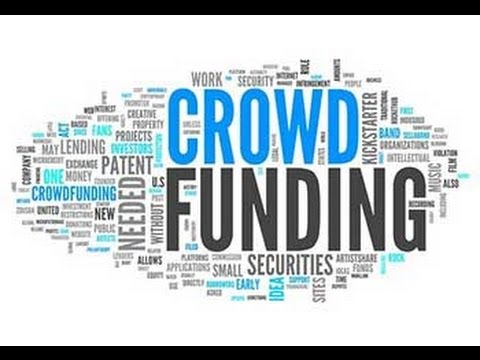















Equity crowdfunding allows non-accredited investors to invest in ventures by purchasing ownership stakes, while non-equity crowdfunding (like Kickstarter and Indiegogo) involves backers receiving products or services in exchange for contributions without any ownership or financial return.
Equity vs Non-Equity Crowdfunding: Key Differences and Platform Guide
Added:Basic definition and mechanism of crowdfunding as an alternative financing model.
The concept of 'equity' and what it means to hold shares or ownership in a startup.
The fundamental differences between debt, equity, and donation-based financial transactions.
Familiarity with traditional startup funding stages, such as bootstrapping, angel investing, and venture capital.
Deep dive into regulatory frameworks governing equity crowdfunding, such as the JOBS Act and SEC regulations (Reg CF, Reg A+).
How to calculate valuation and manage equity dilution when preparing for an equity crowdfunding campaign.
Marketing and campaign launch strategies specifically tailored for reward-based platforms vs. equity portals.
Investor relations and cap table management after a successful equity crowdfunding round.
Analyzing the risk-return profile and due diligence process for micro-investors on platforms like StartEngine or Wefunder.
14.5K views65likes6:09Original Release: 2016-11-15
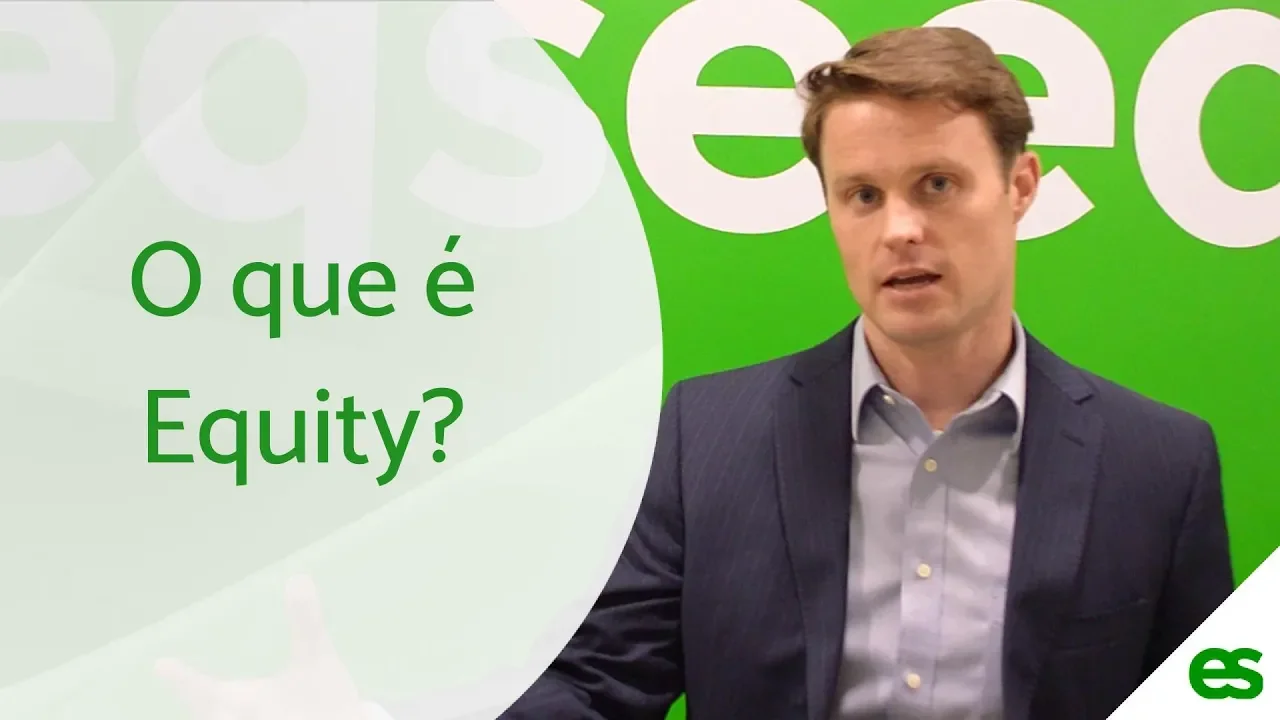
Hey everybody, welcome back to another great show, Crowdfunding Voice. We've got some very interesting things to talk about on today's show. And my partner here, Lee Decker, is joining me on the show today to talk about equity versus non-equity crowdfunding. So, Lee, let's take it away.
You may be familiar with crowdfunding.
Your friends may have invited you to check out their Kickstarter campaign or their Indiegogo campaign. You may have seen a link on Facebook or one of your favorite news sources. And that kind of crowdfunding is a nonquity type offering. And that's where you're exchanging. It's basically a donation. I made a last minute donation. Pretty big one. How would you describe it, Mark?
Yeah. non-equity non-equity crowdfunding is about putting a product or a service or a nonprofit out um and in return for a contribution you're receiving something back. It it might be as simple as a thank you or it might be an advanced purchase uh commitment for a product. Uh so non-equity means you're not giving any equity in your venture or your company and you're not providing a loan here. So there's no loan terms.
It's merely an exchange of product or service uh for um a contribution uh to the campaign. You going to do me the money?
That's exactly what it is. Equity crowdfunding um has really emerged um in the past uh actual several months. uh in 2016 is when some of the newest regulations uh unfolded here. And what it has allowed for which is really unprecedented is it's allowed for uh nonacredited investors. That means people that uh have not got $250,000 of annual income and don't have over a million dollars. Your average middle class individual. Exactly. The man on the street, the woman on the street who wants to invest in a new venture, a new entrepreneurial opportunity can now do that through equity crowdfunding offering. I guess this means I can afford to set up this cuddle. There's a campaign for the Sondor's electric vehicle. So, this is a actually like a car. And the reason why they're on equity crowdfunding and I believe the reason why they've been successful so far in their raise is because they had one of the most popular uh non-equity crowdfunding campaigns for the Sondor's electric bike. So what they did is they built the following, actually built a a real product, shipped it, delivered it, got that following and and the the energy and then parlayed that into an equity crowdfunding campaign with a new bigger exciting product. Um, you watched the video. What do you think? First of all, it's a it's a very artsy video that they created.
Really interesting video. Very out there. It it's it is very out there. So is the the founder. uh very out there kind of guy. Uh but I think Lee brought up a great point. Um started with non-equity crowdfunding, had great success uh with the audience with the audience because it's a different product. Uh but he he developed a following uh around his capability to bring uh electric vehicles to market. In this first case, as Lee mentioned, was a bike. Now it's a car. Well, I think I have an increased confidence in this company because they've actually shipped their electric bike. They've had positive reviews. It's actually a cool bike. And so, they've I feel as if I were to go invest in that electric car company, I would feel more confident that they might be able to produce something. Don't lose that confidence.
Okay. I would say on a non-product non-equity campaign, so a Kickstarter like a creative project, an artistic project, a film, a movie, a comic book, I feel as if you're contributing more based on emotion. Whereas with equity crowdfunding, it may be more based on other things. What do you think? I I think that's right. Uh equity crowdfunding is really about is this a real business? You know, do you have a proper management team in place? Do you have a business growth plan? Do you have a financial forecast that is credible, has been uh validated by an appropriate accounting firm? Uh there are much higher standards that an equity crowdfunding campaign uh needs to meet and investors are looking uh to be part of a company that's on its way versus a non-equity campaign where people are just looking to get a first shot at a product or looking to help a company uh along the way or help a nonprofit along the way. They're not looking to own part of it. And of course, again, in Kickstarter Indiegogo, you're not putting in a business plan, you're oftenimes not even introducing your management team. Some people do because their management teams have very impressive credentials, and that's a good thing, smart thing to do, but it's not a required thing to do. And as Lee said, you don't even have to have a corporation or be a business as a non-equity platform. Um, Kickstarter, Indigo, an individual is perfectly fine.
Be prepared to make an investment if you want to raise money, regardless of the approach, equity or non-equity. We'll see you again next week on another episode of Crowdfunding Voice. Come on back for the best advice in crowdfunding right here on this show. Thanks. I mean, it's advice. Is it the best? It's the best. It's the best.
[Music]
Up Next
31:31
Understanding Equity Crowdfunding and Community Rounds
@executive-suite
14.1K views•2025-12-03
46:36
Retention Habits of Top DTC Ecommerce Brands Revealed
@SendItPodcast
44K views•2026-03-03

15:23
Decoy Effect: How Pricing Psychology Influences Consumer Spending
@bobinvestsUS
90K views•2026-01-05

17:30
The Planned Obsolescence of Light Bulbs and Tech
@veritasium
25.3M views•2021-03-26
Related Study Plans & Knowledge Roadmaps
Structured learning paths in Business
business
Pop-Up Retail: Strategy, Design & Execution
01Introduction to Pop-Up Retail & Strategic Goal Setting
02Budgeting, Site Selection, and Legal Essentials
03Experiential Retail Design & Visual Merchandising
+ 2 more learning modules
15h5 modules
Explore Roadmap
business
Reg CF: Startup Funding, Marketing & Launch
01Introduction to Equity Crowdfunding & Reg CF
02Platform Selection & Legal Preparation
03Crafting High-Converting Campaign Assets
+ 2 more learning modules
14h5 modules
Explore Roadmap
business
Productized Services: Scaling Solo Freelance
01Foundations of Productized Services
02Packaging and Scope Definition
03Pricing and Subscription Models
+ 2 more learning modules
15h5 modules
Explore Roadmap
business
Gov Procurement: Find, Bid & Win Contracts
01Introduction to Government Procurement & Business Setup
02Small Business Certifications & Set-Asides
03Finding and Analyzing Contract Opportunities
+ 2 more learning modules
14h5 modules
Explore Roadmap