

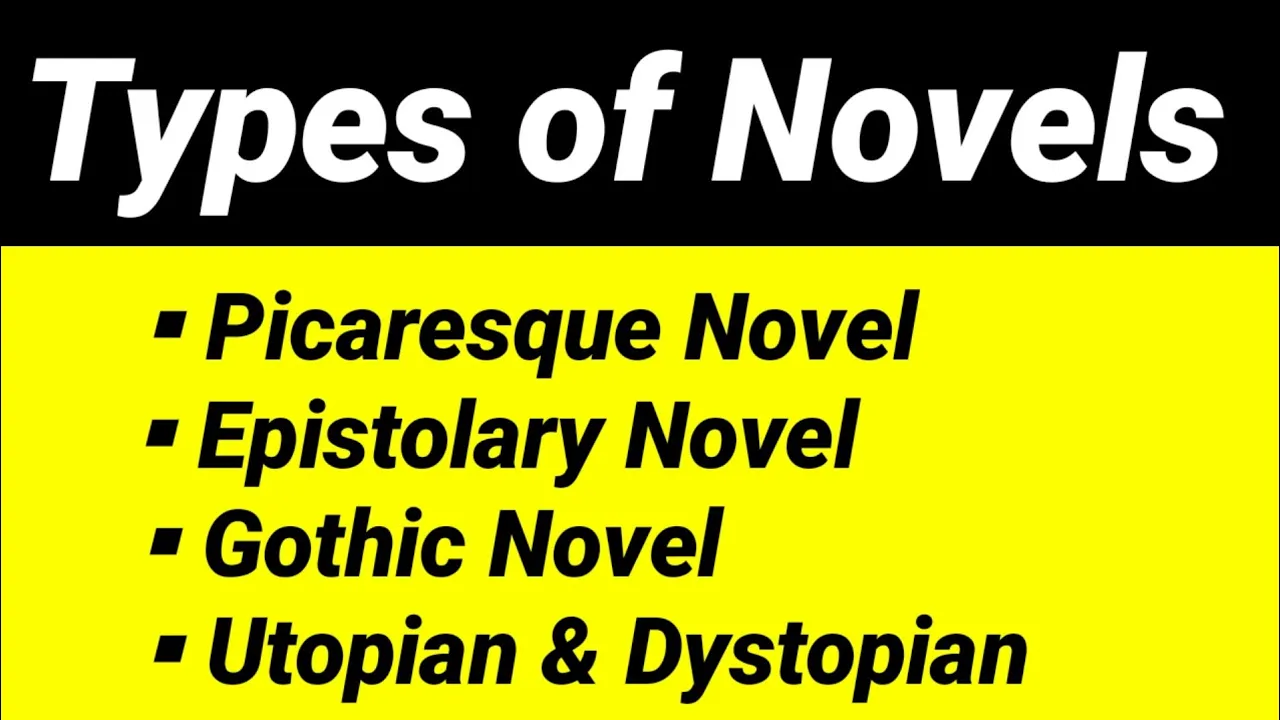






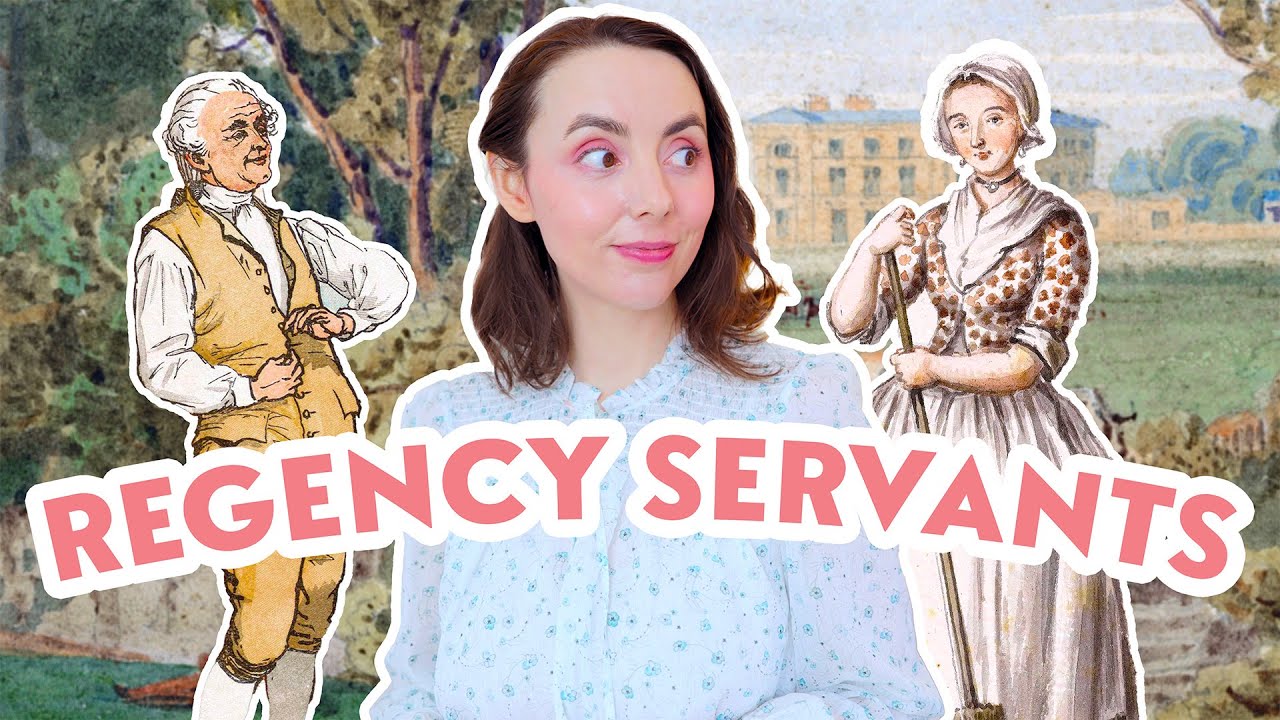















Samuel Richardson's 1740 novel 'Pamela or Virtue Rewarded' revolutionized the novel genre by combining epistolary form (letters) with moral instruction, creating a new species of writing that addressed the reading public's demand for practical guides on conduct while promoting virtue over the sensationalism found in contemporary novels like Moll Flanders; Richardson, drawing from his experience as a printer who understood market demands, crafted a story where a servant girl resists her employer's sexual advances and is ultimately rewarded, thereby establishing the template for the modern novel that balances entertainment with moral education.
Pamela by Samuel Richardson | Analysis of 18th Century Novel Revolution
Added:The definition and historical context of the epistolary novel format (fiction written as a series of documents/letters).
The social stratification and rigid gender expectations of early 18th-century England, particularly concerning domestic service and marriage.
The concept of didacticism in literature, where texts are designed to convey a moral, ethical, or religious lesson.
The transition of European prose fiction from fantastical romances toward early forms of realism and middle-class representation.
The 'Pamela Controversy' and Henry Fielding's famous parodies, 'Shamela' and 'Joseph Andrews', which satirized Richardson's moral stance.
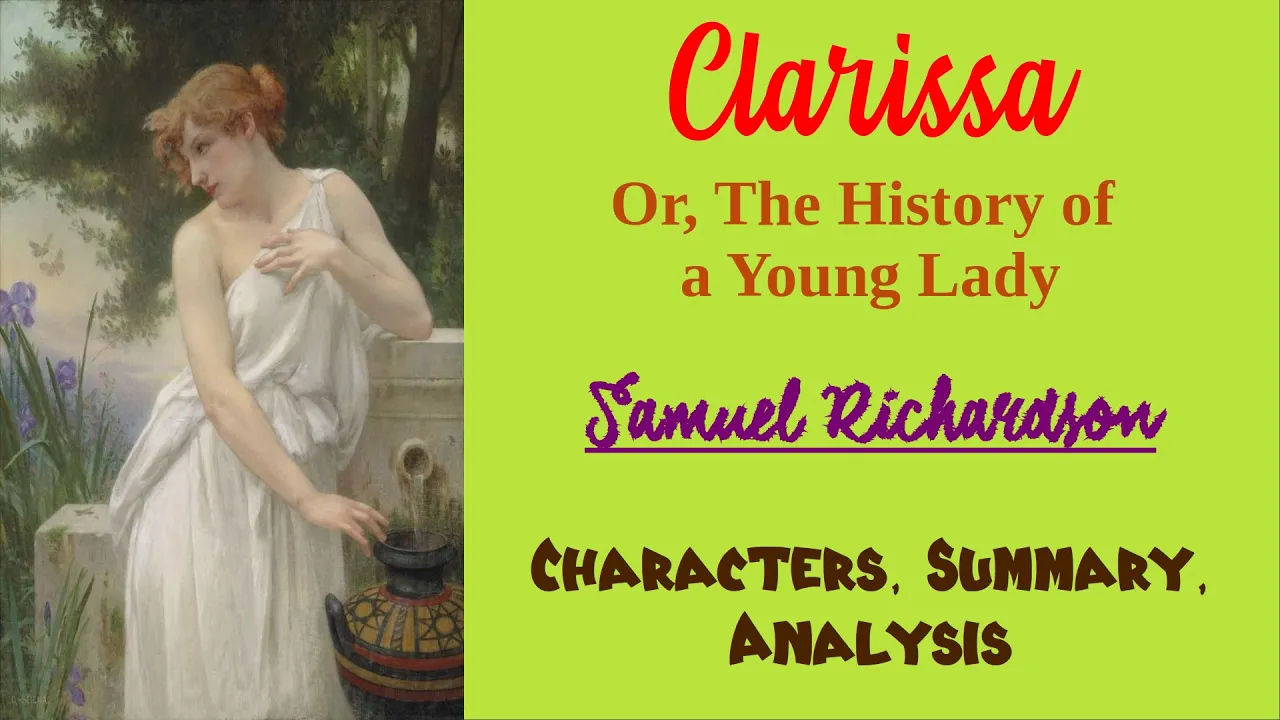
Samuel Richardson's subsequent and more tragic masterpiece, 'Clarissa', which further developed the psychological depth of the epistolary form.
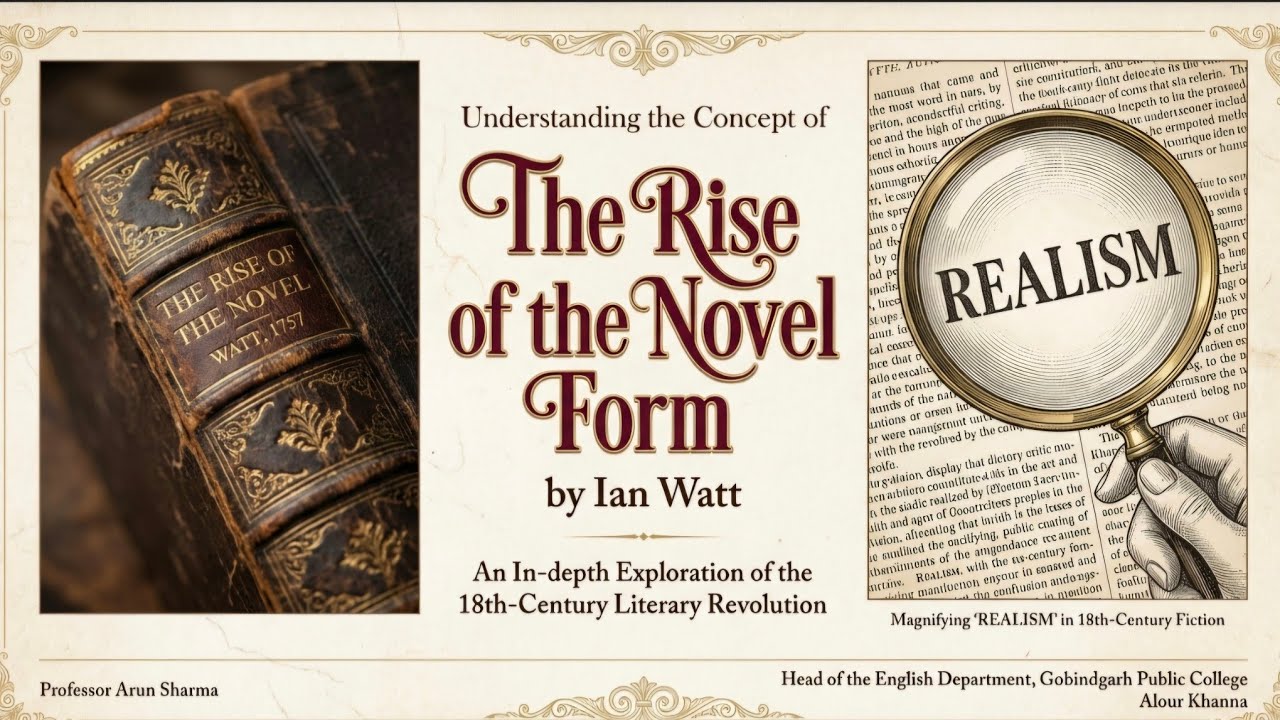
Ian Watt's influential literary theory on 'The Rise of the Novel' and the concept of formal realism.
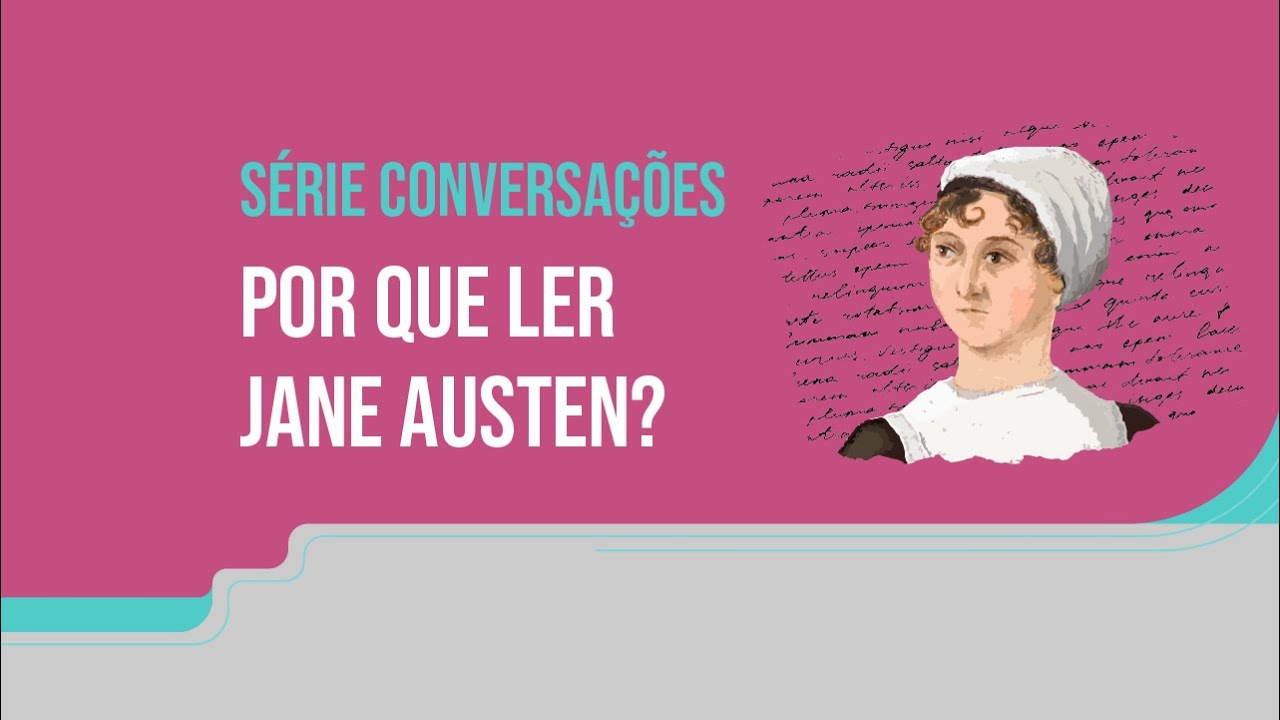
How Richardson's focus on female interiority and psychological realism influenced later domestic novelists, such as Jane Austen.
38.8K views1.5Klikes17:59Original Release: 2020-12-04
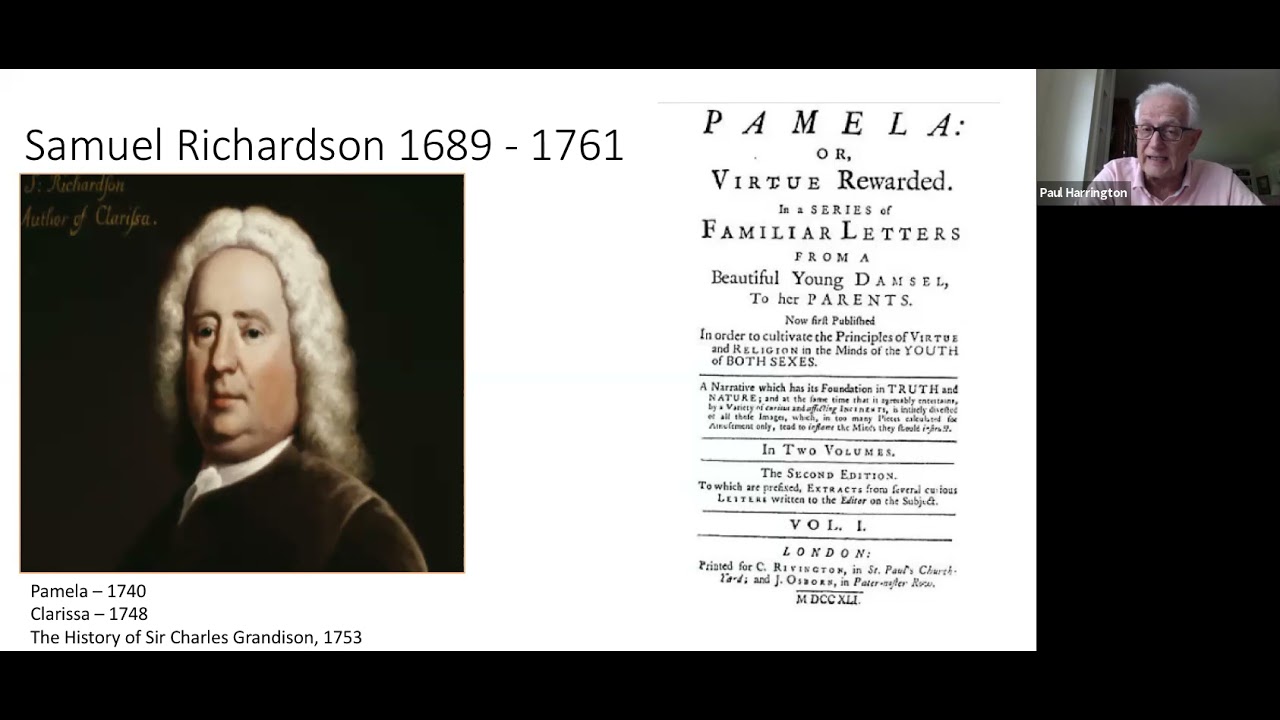
hello i'm dr octavia cox and welcome to my channel what i consider all things classic literature today i'm going to look at samuel richardson's novel pamela or virtue rewarded which was first published in november 1740 although it's dated 1741. pamela was sammy richardson's first novel and it was an absolute runaway success it went through several reprints in its first year in a nutshell samuel richardson's novel pamela depicts the eponymous heroine pamela andrews coping with the sexual advances of her lustful employer mr b pamela is his servant from her initial horrified resistance to him to their eventual and they all lived happily ever after marriage it takes the form primarily of a series of letters between pamela and her father goody andrews it was unbelievably popular i cannot stress enough how popular it was it took the reading public absolutely by storm there are two questions i want to address in this video first why did samuel richardson write pamela and second what was it that samuel richardson had tapped into in 18th century literary culture and indeed mid-18th century culture more broadly that made the novel pamela so popular and those two questions are intertwined and i want to think about the ways in which they're intertwined too remember if you like what i do here on my channel do please subscribe and give it a big thumbs up by clicking the like button samuel richardson was born in 1689 and he died in 1761.
so he came to writing novels later in life pamela as i've said was published in 1740 so samuel richardson was post 50 years old before he began to write novels himself he had trained as an apprentice printer from 1706.
in the 1720s and 1740s richardson was best known for running a successful printing shop printing in the 18th century was a very laborious process and involved people actually putting pieces of paper into the printing press pressing the printing press and removing the sheets of paper you can see the sheets of paper hanging in the ceiling in this picture because he ran a printing shop samuel richardson was familiar with the business of producing texts he knew what sells well what doesn't sell well what's worth printing what isn't he knew the literary market and the reading public very well and he created texts that filled that gap in the market being a printer samuel richardson was well trained in and really understood writing as a commercial industry he had his finger on the pulse in terms of what the public were consuming and what they wanted to read what was that gap in the market that samuel richardson spotted which is so important to the development of the novel genre as a whole in the 18th century to answer this i want to consider a letter from samuel richardson to his friend who was also a writer aaron hill it was written shortly after the novel pamela was first published in the letter richardson explains how pamela came about pamela the novel was published in november 1740 a few months later in january february 1741 richardson wrote to hill mr rivington and mr osborne those are the publishers whose names are on the title page had long been urging me to give them a little book which they said they were often asked after which means the public were coming in to the shop asking for this particular little book of familiar letters on the useful concerns in common life so the reading public were coming to mr rivington and mr osborne asking for a kind of guidebook about what to do in various real-life situations the taste of the reading public then is leading the publishers the two publishers come to richardson in order to procure them this little book which is being asked for the readers are asking for such a text that considered in familiar letters and was useful in assisting with the concerns of common life and at last i yielded to their importunity importunity meaning sort of persistently requesting and began to recollect such subjects as i thought would be useful in such a design and formed several letters accordingly and the result was letters written to and for particular friends on the most important occasions directing not only the requisite style and forms to be observed in writing familiar letters but how to think and act justly and prudently in the common concerns of human life essentially you can see from the subtitle there that this is a practical how-to guidebook how to think and act justly and prudently here are two examples from within the collection so we have from a young lady to her father acquainting him with a proposal of marriage made to her and then on the next page we have the father's answer on a supposition that he approves not of the young man's address so the letter between the daughter and the father were thought to be good examples of the kind of circumstance that might occur in common life that people might want guidance on about how to think and act justly and prudently to go back then to samuel richardson's letter to aaron hill he continues and among the rest i thought of giving one or two as cautions to young folks circumstanced as pamela was that is a servant girl with a leches master lecherous boss not an uncommon situation to occur in the lives of many unfortunately servant girls in the 18th century here are two letters from the collection depicting the same circumstances that pamela found herself in similar circumstances in terms of plot and situation so we have a father to a daughter in service on hearing of her masters attempting her virtue being over amorous attempting to sleep with her and then we have the daughter's answer so as well as similarities in plot and situation we also see similar circumstances in terms of the form of the novel pamela it is an epistolary novel a novel in the form of epistles in the form of letters and just as here in letters on important occasions and the common concerns of human life in pamela a girl in service pamela writes letters home to her father goody andrews and you can see the title page makes those similarities explicit both really highlight that they are familiar letters samuel richardson's letter to aaron hill continues little did i think at first of making one much less two volumes of it so pamela the novel comes originally was published in two volumes but when i began to recollect what had so many years before been told me by a friend so samuel richardson claimed throughout his life that pamela was based on a true story i thought the story if written in an easy and natural manner suitable to the simplicity of it might possibly introduce a new species of writing so richardson is aware that he is doing something new that he is doing something novel with the novel he is creating a new type a new species of writing that might possibly turn young people into a course of reading different from the pomp and parade of romance writing and dismissing the improbable and marvelous with which novels generally abound might tend to promote the cause of religion and virtue samuel richardson here is implying then that most novels do not promote the cause of religion and virtue and we might think for example or something like daniel defoe's very popular novel mole flanders which was first published in 1722 which really relies on titillation so you can tell just from the title page the fortunes and misfortunes of the famous mole flanders who was born in newgate and during a life of continued variety for three school years besides her childhood was twelve-year-old five times a wife where of once to her own brother twelve year a thief eight years a transported felon in virginia at last grew rich lived honest and died a penitent and really if you read the novel for yourself you will see that her penitence is questionable richardson continues i therefore gave way to enlargement and so pamela became as you see her richardson writes pamela expressly in opposition to what he considers to be the typical novels of the time samuel richardson wants to create a new species of writing that provides a different course of reading for the young what's also important is that in essence pamela is a fictionalized conduct book a conduct book as its name implies is a book that instructs readers as to how they should conduct themselves how they should behave what is the right course of action to take it's a fictionalized version of how to think and act justly and prudently in common situations in life i now want to turn to the title page of sammy richardson's novel pamela we can see how samuel richardson's intentions for pamela are evident on the title page of the published novel and remember that the title page is the first thing that readers come to the very first thing that they see and the first thing they see when they come to the title page is pamela or virtue rewarded the very subtitle of pamela shows the message that virtue will be rewarded in the end now this may seem fairly standard to us because we think of novels perhaps particularly victorian novels which come along much later but also novels of the regency like jane austen's novels where essentially the heroine is a good girl she behaves virtuously and she is rewarded but in fact that was different from many many novels that had gone before richardson wrote pamela indeed the idea of virtue rewarded is the opposite for example of something like mole flanders where virtue has nothing much to do with what goes on in fact in mol flanders we might subtitle it vice rewarded or certainly guile rewarded but definitely not virtue rewarded it should also be remembered that virtue here has a double meaning virtue in terms of upholding one's morals but also sexual virtue in the 18th century for a young woman especially her virtue was a synonym for her virginity so going back to the letters how to book we see from the letter from a father to her daughter in service on hearing of her masters attempting her virtue attempting to have sex with her continuing down the title page we come to in order to cultivate the principles of virtue and religion in the minds of the youth of both sexes pamela has a stated instructive and moral purpose in order to cultivate that is its aim it's a kind of behavioral conditioning a kind of social conditioning that richardson says is the aim of pamela and then if we go down again a narrative which has its foundation in truth and nature and at the same time that it agreeably entertains by a variety of curious and affecting incidents is entirely divested of all those images which in too many pieces calculated for amusement only tend to inflame the minds they should instruct samuel richardson here is obviously having a dig at other novels of the time and reminds us what he thought about other novels that they merely inflame readers and how he considered pamela to be a new species of writing so if we remember back to his letter to aaron hill he says that pamela is a new species of writing that might possibly turn young people into a course of reading different from the pomp and parade of romance writing and dismissing the improbable and marvelous with which novels generally abound part of this dismissing of the improbable and the marvelous is this dismissing of pieces which are calculated for amusement only and inflame readers rather than instruct readers what he means by inflame is just promote the emotions promote the passions promote lust and we might think here again of mole flanders or novels similar to mole flanders pamela richardson says agreeably entertained by a variety of curious and affecting incidents so curious it's supposed to rouse readers interest and pique their curiosity affecting it's supposed to make readers feel something it is affecting it affects readers emotions here is where richardson struck gold he knows the value of readers curiosity and readers affection for the characters that they are reading about and they are affected by what happens pamela however is not calculated for amusement only but richardson did realize the importance of entertainment he realized the importance of keeping your reader interested as he says it agreeably entertains and notice the structure here entertainment comes before instruction first comes truth and nature and then comes entertainment and finally at the end of the sentence comes instruction what richardson also knows is that readers find romance writing and other novels amusing and entertaining and richardson wants to harness that for what he considers to be a better purpose while also knowing that there was a market out there for literature about how to think and act justly in everyday life so he's bringing together those two spheres and really he's absolutely performed a master stroke here in terms of the development of the novel and we can see from these two anecdotes here that samuel richardson hit on a potent mixture of entertainment and moral instruction pamela additionally figures in two oral anecdotes this is from the encyclopedia of british literature from wiley blackwell's the first centers on dr benjamin slocock's recommendation of pamela to his parishioners at saint xaviers in southwark in 1740 which encouraged moral readings of the novel so it was recommended by clergymen from the pulpit in church that's a real religious moral recommendation there that's a real sanction from the institution of the church that a clergyman would recommend it from the pulpit during a church service the second describes the reactions of unidentified villagers from lancashire who read the novel together once they reached the part where pamela and mr b finally marry they were so overjoyed that they opened the village church and rang the bells here we've got a real sense of communal engagement with pamela and again it is centered around the church we can see just from these two anecdotes that pamela was regarded as wholesome fun for all the family while pamela might be regarded as wholesome fun for all the family we can see that novels like mole flanders which are about thieving and whoring from the title page would not be wholesome fun for all the family and this was a crucial development in the rise of the novel that the genre could be morally instructive and entertaining even that it promoted moral instruction more widely because it was entertaining just as a spoonful of sugar makes the medicine go down entertainment makes instruction go down thank you so much for listening remember if you like what i do here on my channel do please subscribe give the video a big thumbs up by clicking the like button and do leave your thoughts and your comments below i'd love to know what you think about samuel richardson's revolution of the novel genre in creating the novel pamela
Up Next

52:57
How to Read Clarissa by Samuel Richardson: A Literary Guide
@BenjaminMcEvoy
26.6K views•2022-06-01

13:43
Formalism in Literary Criticism: An Academic Lecture Overview
@mattalberhasky9952
39.1K views•2015-08-05

20:40
Jane Eyre Feminism & Gender Roles: Victorian Governess Analysis
@DrOctaviaCox
40.4K views•2021-10-08

15:25
1984: Orwell's Dystopian World and the Mechanisms of Totalitarianism
@AlternateHistoryHub
7M views•2017-03-04
Related Study Plans & Knowledge Roadmaps
Structured learning paths in Literature
literature
Graphic Memoirs: Visual Art, Trauma & History
01Foundations of Sequential Art and Visual Language
02Autographics and Processing Historical Trauma
03Visualizing Personal Trauma, Grief, and Graphic Medicine
+ 2 more learning modules
14h5 modules
Explore Roadmap
literature
Campus Novels: Evolution, Themes & Critique
01Introduction to the Campus Novel Genre
02Mid-Century Satire and the Post-War Academy
03Dark Academia and the Critique of Privilege
+ 2 more learning modules
14h5 modules
Explore Roadmap
literature
Theater of the Absurd: Philosophy & Plays
01Postwar Existentialism & Historical Roots
02Dismantling Narrative: Esslin & Absurdist Conventions
03Samuel Beckett and Tragicomic Existentialism
+ 2 more learning modules
12h5 modules
Explore Roadmap
literature
Revenge Tragedy: Justice, Madness & State
01Foundations of Early Modern English Theatre
02Anatomy of Revenge: Structural Conventions
03Psychological Complexity: Madness and Melancholy
+ 2 more learning modules
15h5 modules
Explore Roadmap