


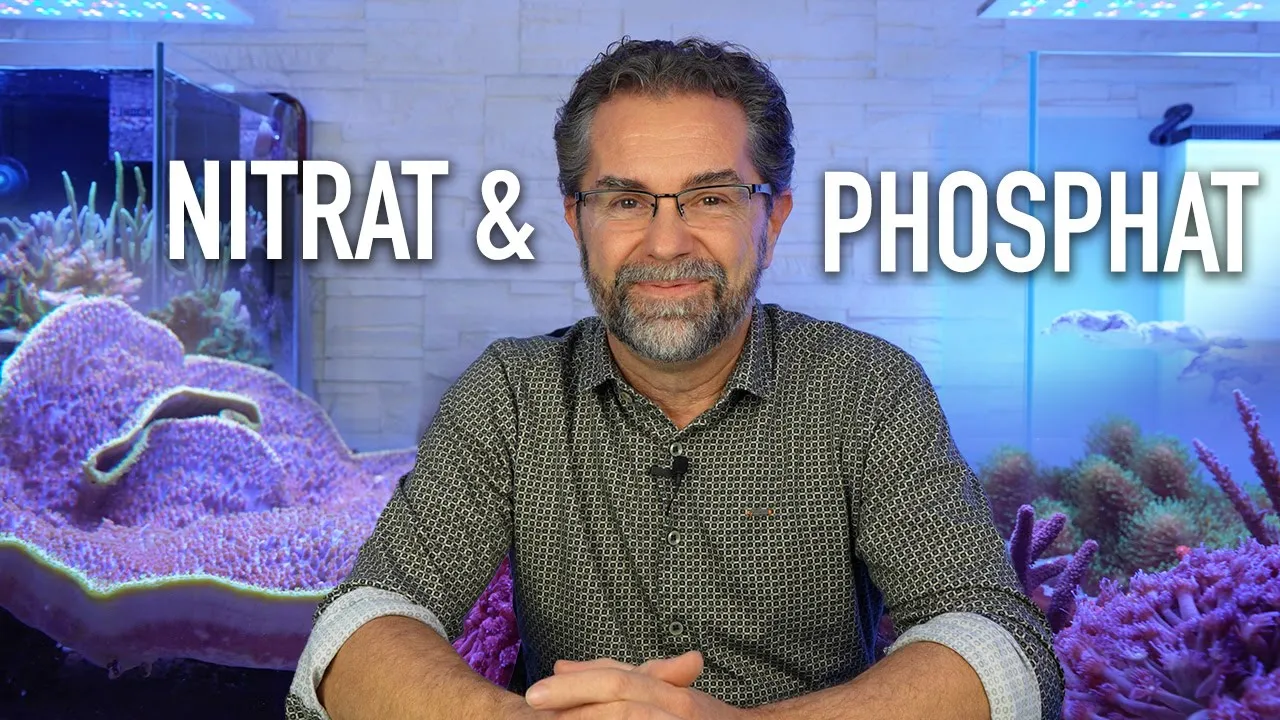







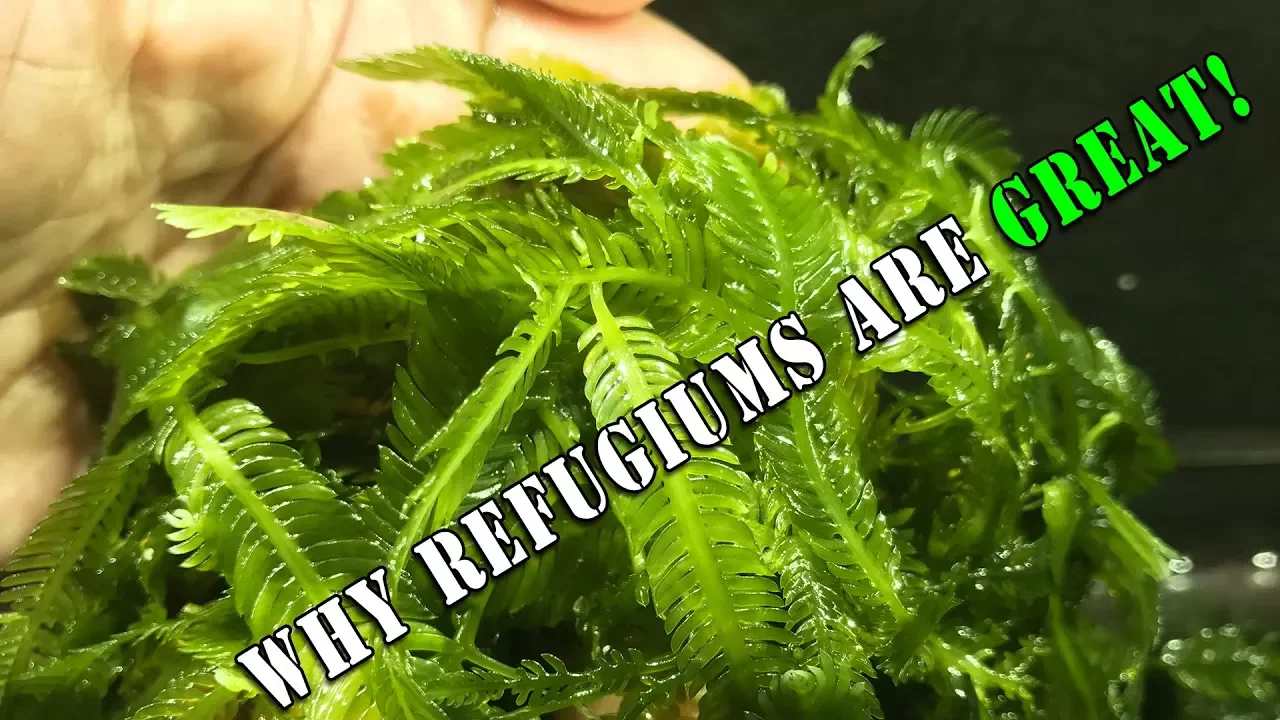

















Refugiums are unlikely to drive nutrient levels too low in reef tanks because corals require multiple nutrient types beyond just nitrate and phosphate, including sugars, amino acids, and other metabolites; while refugiums can reduce nitrate and phosphate, they typically cannot strip all nutrients since fish waste and food are continuously introduced, and the BRS 160 system demonstrates that even with a thriving refugium, tanks can maintain high nutrient levels through proper feeding practices.
Can Macro Algae Refugiums Deplete Reef Nutrients? A Scientific Analysis
Added:Understanding the marine nitrogen and phosphorus cycles, including the origins and roles of nitrate (NO3) and phosphate (PO4) in closed aquatic systems.
The symbiotic relationship between corals and zooxanthellae, specifically how corals utilize both light and dissolved inorganic nutrients for survival.
The fundamental purpose and design of a refugium, including common macroalgae species (such as Chaetomorpha) used for biological filtration.
Liebig's Law of the Minimum and how limiting nutrient factors restrict the growth of primary producers in an ecosystem.
Advanced nutrient dosing methodologies, such as the calculated dosing of sodium nitrate or trisodium phosphate, to maintain optimal nutrient ratios in Ultra-Low Nutrient Systems (ULNS).
The biochemical role of trace elements (such as iron, iodine, and manganese) in supporting macroalgae photosynthesis and preventing refugium die-offs.
A comparative analysis of alternative organic and inorganic nutrient export methods, including Algae Turf Scrubbers (ATS), carbon dosing, and protein skimming.
Identifying and diagnosing stress pathologies in corals related to nutrient starvation, such as rapid tissue necrosis (RTN) and zooxanthellae expulsion.
116.4K views1.5Klikes8:54Original Release: 2017-03-31
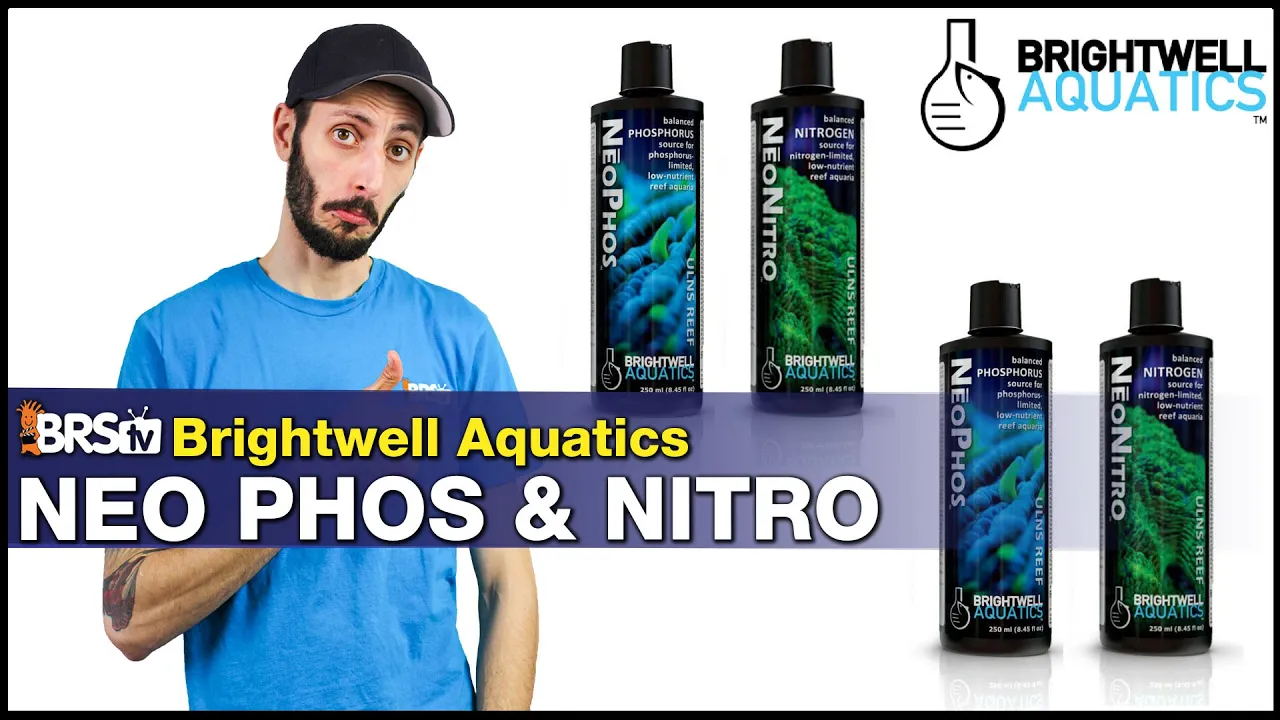
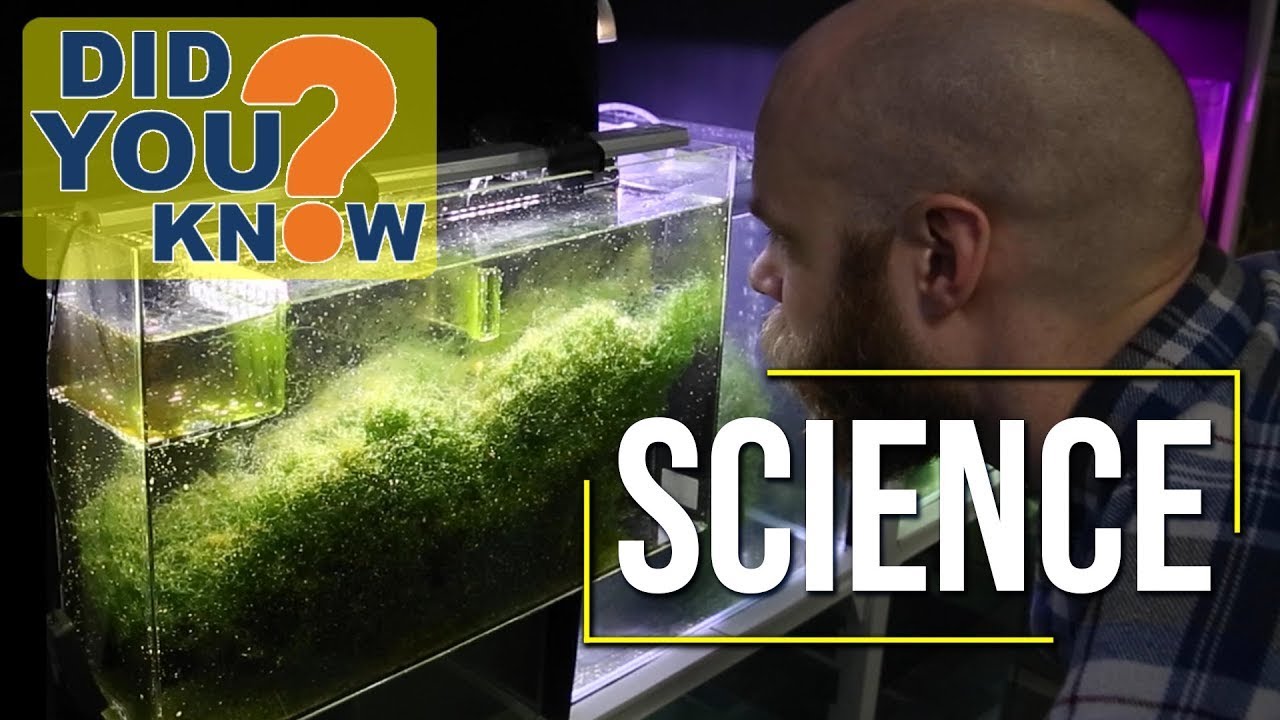
[Music] today on the beerus TV 52 FAQ can Refuge gims work too well hi I'm Ryan you're host of beerus TV 52 FAQ where each week we answer some of your most common reefing related questions this week we stumbled upon another one of Google really sucks questions can macroe in a refugium drive the nutrients too low this is a solid question because I think Reapers as a whole are currently having a lot of different conversations centered around what are the ideal nutrient levels for a reef tank most of which are all based on reefer personal experiences straight pretty far from typical ocean values and more anecdotal notes than science I think this question is absolutely up to some debate but the general answer to today's FAQ is no well anything is possible it's very unlikely the refugium is going to strip the nutrients so low that it's going to cause issues in the tank I think we'll approach this question from three angles what are nutrients in a reef aquarium which goes beyond simple nitrate and phosphate what is too low and why are refugiums unlikely to go below that so what are nutrients in a reef aquarium a lot of reefers are thinking about this differently today than they used to and I really think the reefing community is right for an evolutionary step in what we all consider nutrients I'd say 90% of the time anytime you hear the word nutrients in relation to a reef tank reefers are referring to nitrate and phosphate within that 50% of the time they're referring to these nutrients phosphate and nitrate is a bad thing or pollutant in the tank which will Brown corals inhibit or slow CS of ation and growth or even kill corals and fish at higher ranges the other 50% of the time they're referring to nitrate and phosphate nutrients as important components of metabolic function Coral health and growth and focusing on not having the nutrient levels too low a lot of Reapers particularly believing that about corals with a large volume of soft tissue like soft corals PPS mushrooms and zoanthids it's pretty easy to get lost in an equation of what's too high or what's too low because there's no clear goals other than emulating ocean water which will almost always be lower than our reef tanks it's even easier to lose track of what it is the nutrients are doing in the tank and why we even care most important of all this if there's only one thing you take away from today's video it's nitrate and phosphate are very far from the only important nutrients in a reef tank they're just a component of the entire metabolic process the coral uses for health and growth this is a somewhat complex topic but rather than focus on base level nutrients like nitrate and phosphate I think a better way to look at this is consider the types of nutrients corals actually use for metabolic processes like growth health and reproduction in this Frame of Mind the real nutrients are primarily various forms of sugar and amino acids the corals will use these to produce proteins fats and carbohydrates used for that growth health and reproduction the corals have three main methods of obtaining these nutrients first a symbiotic algae known as zanelli that lives within their tissue they can also obtain it from capturing prey or suspended particles and lastly by directly absorbing some of these nutrients through their tissue a majority comes from the symbiotic algae or zanelli that lives within the Coral's tissue the zanelli produces glucose glycerol and amino acids it's a byproduct of photosynthesis which the coral uses to produce proteins fats and carbohydrates for the photosynthetic process in the zenth thello function properly there does need to be a source of nitrogen and phosphorus for the zanelli and Inter turn corals if the phosphate or nitrate were too low it would inhibit the zanelli from properly creating those sugars and amino acids for the corals and why nitrate phosphate are often referenced as a base level nutrient hover corals are not completely dependent on the zanelli because they can also obtain carbohydrates and amino acids by capturing prey or suspended organic particles with their polyps and it's even believed that they can directly absorb some of the dissolved nutrients through their tissue so when we reference low nutrients in the aquarium it could mean low nitrate and phosphate or it could mean low prey suspended particles amino acids and carbohydrates the reason I say that is because the be 160 is what i' reference as a ultra low nitrate and phosphate tank which a lot of reefers Might incorrectly label as an ultra low nutrient system but in reality the BRS 160 is a high nutrient tank which really defies common description that's because we feed this tank a mixture of algae Wafers Frozen mices Frozen pods like colis and cyclop pods nutrient-rich suspended foods like Reef chili and various carbohydrate and amino acid Solutions with the KZ line on top of that we have a thriving fuge full of ko the refugium in Ko is not only removing nitrate and phosphate which might make it seem like low nutrient but a lot of reapers are coming to believe that the KO is capable of producing and releasing beneficial elements of protein formation like amino acids carbohydrates and other metabolites into the tank that corals can utilize for growth and health so with all that in mind and a fuller understanding of what nutrients are what is too low phosphate nitrate when the ocean the levels are typically in the parch per billion or even trillion and the most successful expansive reefs thrive in low turbidity water which often means low Organics and low suspended material so natural ocean waters are more often than not fairly low in all types of nutrients other than light so independent of all the particulate Foods amino acids and carbohydrates you can dose directly to the tank as nutrients for the corals how low is too low for phosphate nitrate I think the simplest answer is zero is certainly too low anything over that is probably more than the corals have access to in the ocean and acceptable I think the only real goal here is for the availability of phosphate and nitrate to not be a limiting factor to photosynthesis and the real nutrient production by the zanelli of amino acids and sugars which the coral uses for protein fat and carbohydrate production or metabolic function so the phosphate and nitrate consumption in your tank is largely dependent on the types of corals growth rates Coral density light intensities and the rate of photosynthesis happening in your tank as long as you have some amount of nitrate and phosphate always present you're likely outpacing the need for the elements and providing enough nitrogen and phosphate for their need needs in almost every case you'll be above natural Ocean Reef levels many reefers feel that elevated nitrate and phosphate also often referred to as a dirty tank encourages zanelli to produce more sugar amino acids and other metabolites which in turn results in healthier corals and faster growth that certainly seems to be the general perception however while science has clearly demonstrated that phosphate nitrate can be limiting factors of growth at ultra low near zero levels I don't think anyone has clearly demonstrated that elevated phosphate nitrate actually produces definable beneficial results I'll also note that more times than not a dirty tank is synonymous with an overfed or under maintained tank and it's not that elevated nutrients are intentionally maintained at specific elevated levels a dirty tank is more representative of where there's little attention paid to nitrate or phosphate levels and because of that they're just High the flip side of this is there are Reapers exploring specific levels to identify at which point elevated levels are beneficial sometimes even specific nitrate to phosphate ratios like the red field ratio we mentioned in the FAQ 42 a few weeks ago this is a million miles from a dirty tank and controlled efforts like this is what I would call the pioneers of reefing so end of the day what's too low well zero is too low anything consistently higher than that even if it's barely measurable you still have higher nitrate and phosphate availability than the ocean waters there might be advantages of going slightly higher you can explore but they're very far from proven and there's all kinds of bacteria algae and related issues like datom which may be a stronger motivating factor to keep phosphate and nitrate levels low so on the last part of this why is it unlikely that a refugium or KO or other macro based algae system is not going to drive the nutrients too low well many implementations are capable of near zero phosphate and nitrate most are not going to be capable of stripping the water completely clean of both because fish and food waste are also introduced throughout the day the levels will also subtly rise and fall as we mentioned earlier many believe the K is actually releasing other types of Organics into the water which contain nitrogen and phosphorate but Bound in an organic form the test kids can't measure it's also believed that some of the algae near the bottom is commonly cycling between some amount of growth and die off which produces various types of nutrients in the tank so all that said I'm sure if the goal was to design and Implement a fuge which is capable of driving the nutrients too low and keeping them there all the time it's certainly possible but it would be a rarity and almost have to be intentional there are 100 different Vantage points in all this and I can't wait to hear what everyone thinks on a reef to Reef thread I particularly encourage those who have intentionally raised or lowered nutrients to share their experiences as well as those who maintain those ultra low phosphate and nitrate tanks but High nutrient tanks like the 160 this is going to be an interesting one as always if you like what we're doing here please take a second and give us a quick thumbs up of support and subscribe because we release multiple reefing videos a week see you next week with another brstv 52 FAQ
Up Next

42:35
TikToks That Get WORSE Every Time You REWATCH | Perkyy Reactions
@Perkyy
90.8K views•2026-02-06

12:54
Triumph of Orthodoxy Icon: Byzantine Art & History Explained
@BenCallan
2.1K views•2024-08-06

9:49
FastAPI vs Flask vs Django: Choosing the Right Python Web Framework
@TechWithTim
302.5K views•2024-05-26

1:42
Game of Thrones Opening Credits: A Cinematic Analysis
@gameofthrones
46.3M views•2011-04-18
Related Study Plans & Knowledge Roadmaps
Structured learning paths in General & Interdisciplinary Studies
general-studies
Elevator Engineering: History, Physics & Cities
01From Hoists to Safety Brakes: The Dawn of Vertical Lift
02Hydraulic vs. Traction: The Engineering Physics of Elevators
03Modern Speed, Safety, and Algorithms
+ 2 more learning modules
12h5 modules
Explore Roadmap
general-studies
Rubber: Material Science, History & Geopolitics
01Origins of Natural Rubber & Mesoamerican History
02The Chemistry of Natural Rubber & Vulcanization
03The Geopolitics of the Rubber Boom & Colonization
+ 2 more learning modules
12h5 modules
Explore Roadmap
general-studies
Containerization: Evolution, Logistics & Trade
01Ancient Trade & Bulk Cargo: Amphorae to Barrels
02The Industrial Revolution & Cardboard Packaging
03The Containerization Revolution: Malcom McLean
+ 2 more learning modules
12h5 modules
Explore Roadmap
general-studies
Textile Tech: Evolution, Labor & Global Impact
01Pre-Industrial Textiles: Handloom & Cottage Industry
02Mechanization: The Spinning Jenny to the Power Loom
03The Factory System & Global Labor Transformation
+ 2 more learning modules
10h5 modules
Explore Roadmap