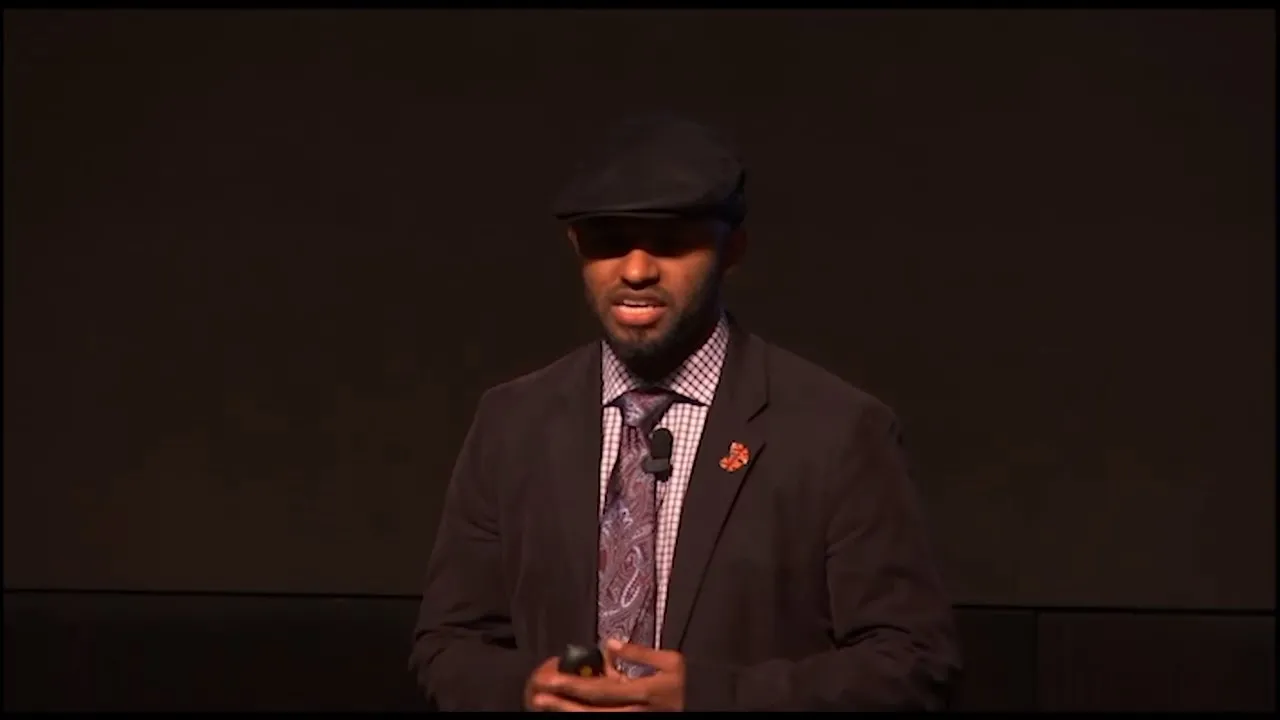

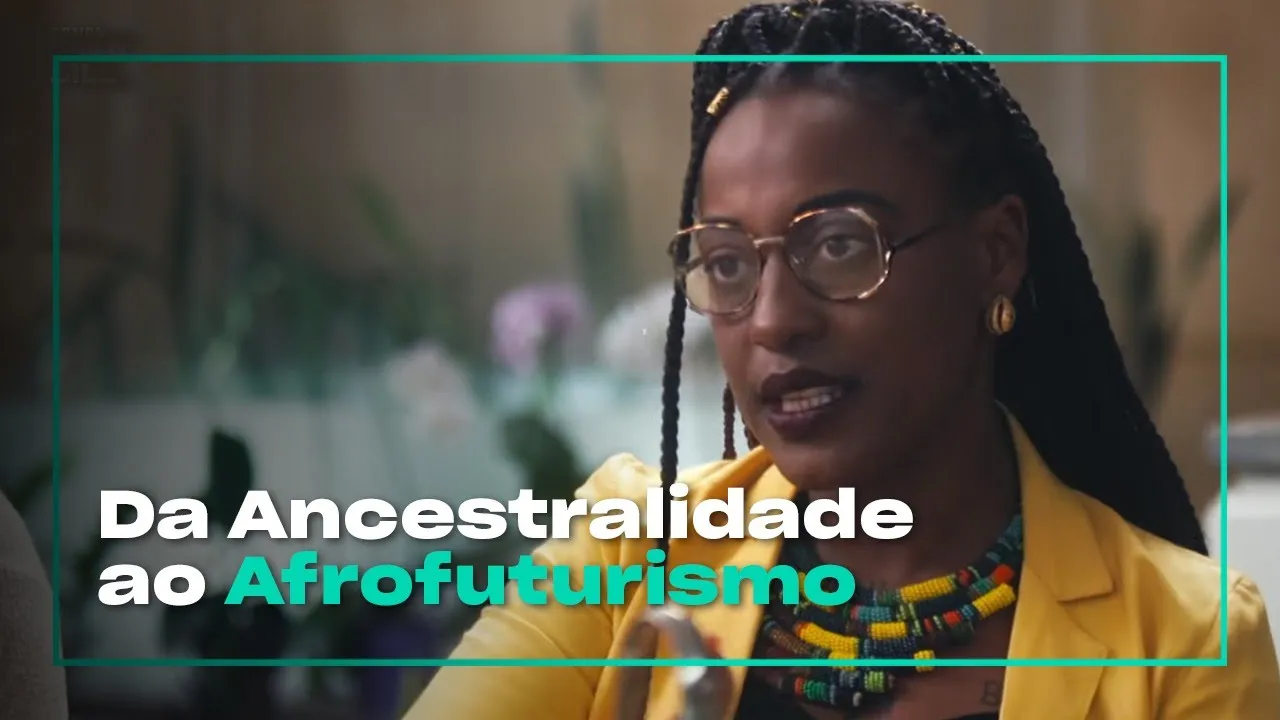



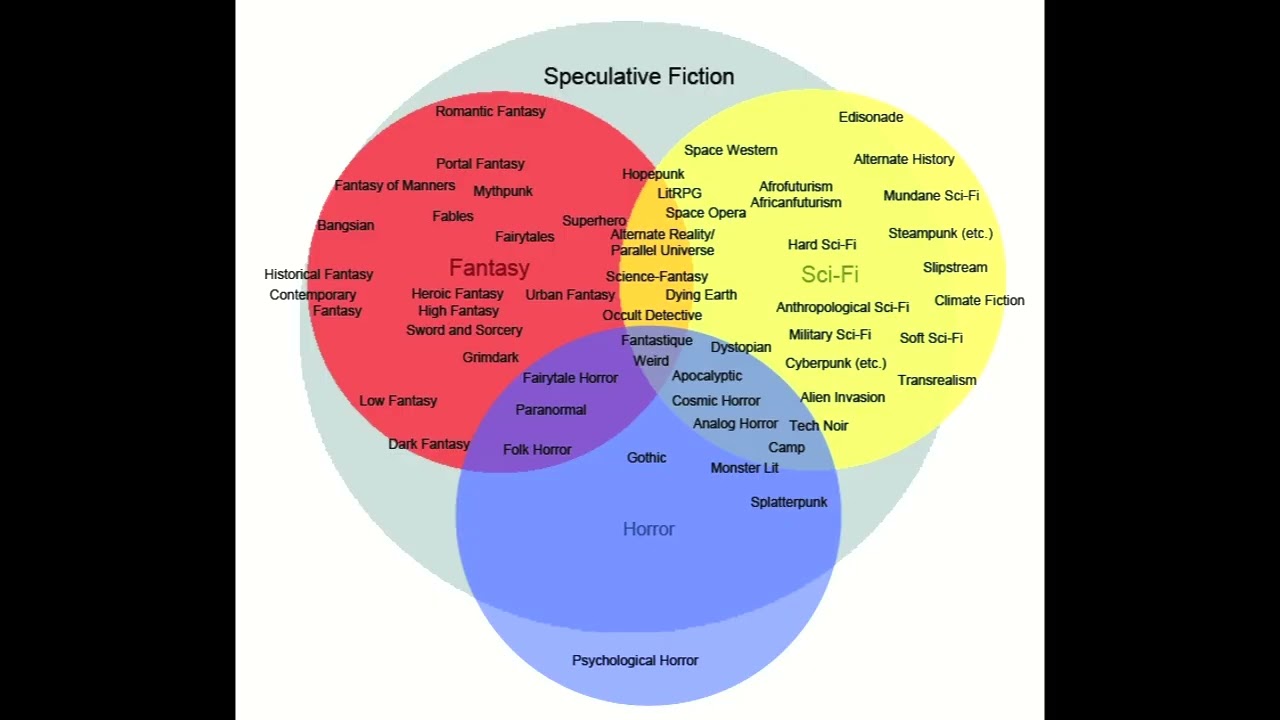















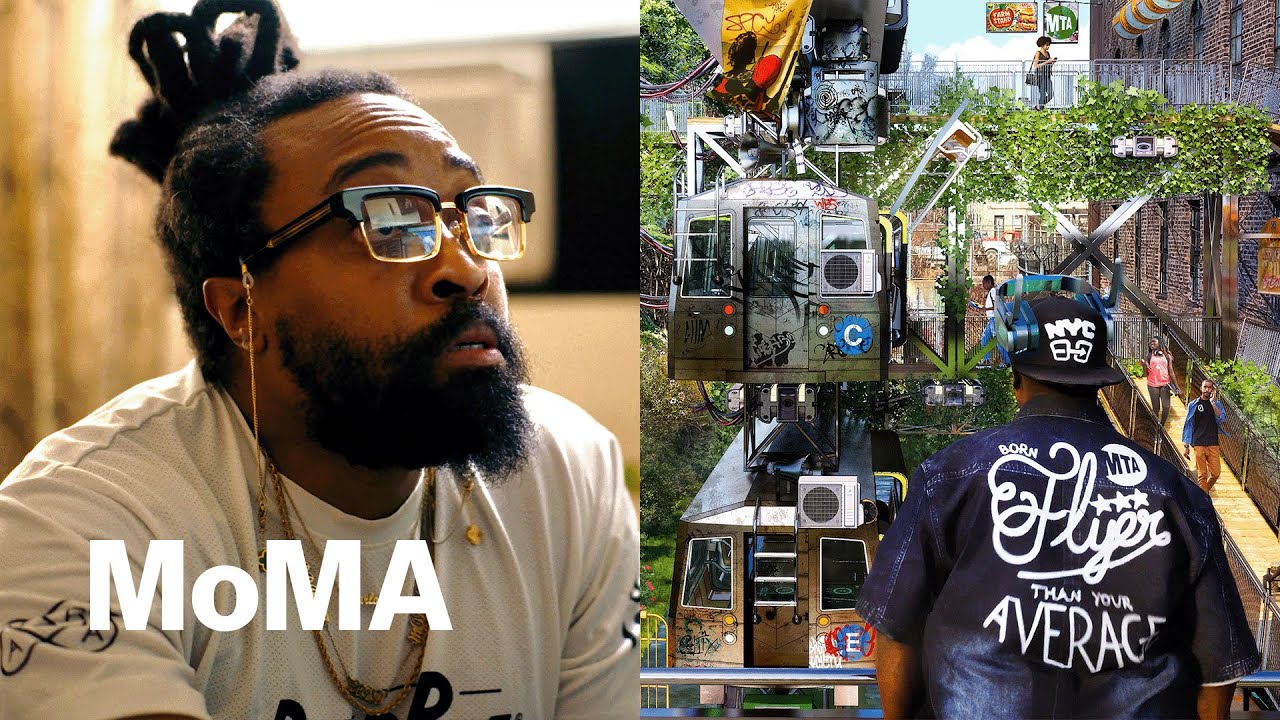


Afrofuturism is a cultural movement that reimagines the future through a Black lens, blending science fiction, fantasy, and speculative fiction with African and African diaspora cultural elements; it emerged from 1970s artists like Parliament Funkadelic and Sun Ra Orchestra, was formally coined by cultural critic Mark Dery in the 1990s, and has gained mainstream visibility through works like Black Panther, Jay-Z's films, Outkast's music, and Janelle Monae's art, serving as a platform for Black creators to envision themselves as active participants in technological and futuristic narratives rather than passive observers.
Afrofuturism Explained: Black Panther's Cultural Impact
Added:The historical context of the African Diaspora, colonialism, and transatlantic slavery, which Afrofuturism directly addresses and subverts.
The foundational elements of speculative fiction and science fiction genres, particularly how they have historically marginalized or excluded non-Western perspectives.
The concept of cultural representation in media and how mainstream storytelling impacts societal perceptions and identity formation.
An understanding of 20th-century socio-political movements, such as the Civil Rights and Black Power movements, which laid the groundwork for modern Black artistic expression.
An in-depth study of seminal Afrofuturist literature (such as works by Octavia Butler and Samuel R. Delany) and music (including Sun Ra, Parliament-Funkadelic, and Janelle Monáe).
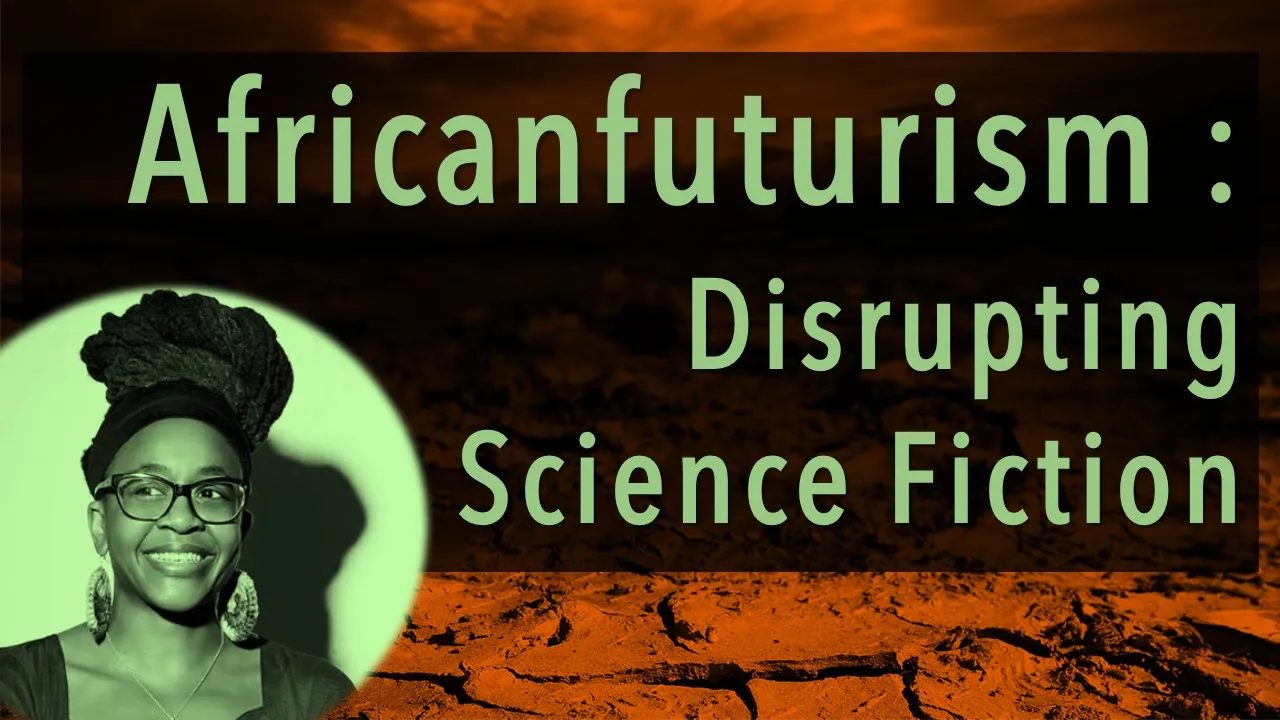
Exploring the distinction between 'Afrofuturism' (centered on the African Diaspora) and 'Africanfuturism' (centered directly on the African continent, as coined by Nnedi Okorafor).
Investigating post-colonial theory and critical race theory as academic frameworks to analyze power structures, technology, and liberation in science fiction.
Analyzing the practical application of Afrofuturist design principles in contemporary fashion, digital art, architecture, and speculative urban planning.
107.8K views3Klikes5:39Original Release: 2018-02-07
I'd like to remind people to look at their world and the wonder are you living in someone else's imagination [Music] Black Panther is one of the most anticipated superhero films ever and it's also a big moment for afrofuturism whether you recognize it or not afro futurism is becoming more visible it's in jay-z's latest short film and you've seen in videos by Outkast and Janelle Monae the v's artists weren't the first to reimagine the future through a black lens and subvert racial norms in the 70s Parliament Funkadelic and Sunna orchestra were known for their otherworldly aesthetic in sci-fi influences I came from a dream that the black man dreams long-ago cultural critic mark Derry coined the term in the 90s to describe speculative fiction with african-american themes with afrofuturism now seeping into the mainstream it's been difficult to define it so we asked three creatives what it means to them 70s sort of Funkadelic the future the past the present black science-fiction occult mythologies anything almost fantasy like rooted in Africa and just like the Diaspora it then everything else is connected to it I like the sort of mutable aspect of it I like discovering new things to be afrofuturism people look at afrofuturism they say I was just a lot of costumes and fancy things and it's like yeah but that's what triggers the imagination an appetite for a future storyline seems to be growing in the past year Neddy okorafor wrote issues of the Black Panther comics and HBO option to post apocalyptic book who fears death which is said in Sudan I see the world is a magical place so the fantastical elements naturally came into my work I was obsessed with post apocalyptic literature post apocalyptic stories stories about the end of the world in reading it I would notice that Africa was always missing like a whole freaking continent I remember when my first novel came out like reviewers did not know what to do with it it was a blend of fat see science fiction deeply rooted in Nigerian folklore mythology and culture and politics and it was young adults and there was nothing like that out there at the time in the short period of time that I have been doing my thing I've seen a huge very fast change and and that's refreshing and encouraging afrofuturism doesn't fit into meat categories and that's especially clear through you Tasha Womack's expression of it the Chicago and author and choreographer if it's an abstract approach by encouraging dancers to release their inner after futuristic thoughts through movement a lot of the work that I've been doing has been around dance therapy and pulling from movements and the African diaspora on the African continent but also you know creating spaces for people to talk about their ideas of their dreams or the future and using self expression or freestyle dance to really hold a space for that [Music] afrofuturism is so exciting I mean you can get in vault from any perspective that makes the most sense for you it could be as deep as you want it to be and it could be as light and refreshing as you want it to be as well bring it down take our knees down recognizing our connection to the earth blueprints over the future could physically look like or how one brooklyn-based artist channels afrofuturism a lolicon JFS uses 3d imagery to create films and VR experiences that project Nigeria's largest city Lagos into the year 2050 the idea was to say two things to to sort of give these communities a place in the future through a series of these photo montages to have these slums that are often bulldozed and overlooked and considered eyesores to give them prominence throughout privileged sites of real estate I'm actually going inside of the shanty mega-structure to show you a little bit more about the culture of this world that I've created with a young writer from Lagos wale Lawal it's kind of a collage cannibal architecture that I'm creating where I download various models and I chop them up I remix them I change their textures and I pretty much cobble you know this world together because it's speculative in nature and because I'm from Africa then it's afrofuturism as afrofuturism inspires more creators in Africa and it's diaspora its aim remains simple it's important that afrofuturism become more visible because Africans and black people here in the future we are a part of the future we are a part of technology we we are contributing to technology and I think that afrofuturism shows a lot of this and while I will afrofuturism can seem really really complicated to people because it's so much Ravel and dazzle and science but on another level it's just about people wanting to tell is about the future and wanting to be a part of the future and feeling like they can say [Music]
Up Next

14:06
Black Panther Symbolism: Identity, History, and Afrofuturism
@thetake
331K views•2018-03-18

12:54
Triumph of Orthodoxy Icon: Byzantine Art & History Explained
@BenCallan
2.1K views•2024-08-06

33:33
Temp Labor in America: The Hidden Workforce Behind Consumer Goods
@VICENews
4.2M views•2014-03-16

1:42
Game of Thrones Opening Credits: A Cinematic Analysis
@gameofthrones
46.3M views•2011-04-18
Related Study Plans & Knowledge Roadmaps
Structured learning paths in General & Interdisciplinary Studies
general-studies
Elevator Engineering: History, Physics & Cities
01From Hoists to Safety Brakes: The Dawn of Vertical Lift
02Hydraulic vs. Traction: The Engineering Physics of Elevators
03Modern Speed, Safety, and Algorithms
+ 2 more learning modules
12h5 modules
Explore Roadmap
general-studies
Rubber: Material Science, History & Geopolitics
01Origins of Natural Rubber & Mesoamerican History
02The Chemistry of Natural Rubber & Vulcanization
03The Geopolitics of the Rubber Boom & Colonization
+ 2 more learning modules
12h5 modules
Explore Roadmap
general-studies
Containerization: Evolution, Logistics & Trade
01Ancient Trade & Bulk Cargo: Amphorae to Barrels
02The Industrial Revolution & Cardboard Packaging
03The Containerization Revolution: Malcom McLean
+ 2 more learning modules
12h5 modules
Explore Roadmap
general-studies
Textile Tech: Evolution, Labor & Global Impact
01Pre-Industrial Textiles: Handloom & Cottage Industry
02Mechanization: The Spinning Jenny to the Power Loom
03The Factory System & Global Labor Transformation
+ 2 more learning modules
10h5 modules
Explore Roadmap