











![[LIVE] 이왕재 박사의 1월 비타민C 라이브 방송~!](https://i.ytimg.com/vi/D3tFWvvkmHg/maxresdefault.jpg)







Viruses reproduce through two distinct cycles: the lysogenic cycle, where viral DNA integrates into the host cell's chromosomes and replicates passively alongside the host's DNA during cell division, keeping the virus dormant until conditions change; and the lytic cycle, where the virus actively replicates its DNA using the host's cellular machinery, produces thousands of new viral particles, and ultimately causes the host cell to burst and die, releasing new viruses to infect other cells. The choice between these cycles depends on environmental conditions and host health, with some viruses like HIV and herpes being able to switch between both cycles throughout their lifecycle.
Virus Reproduction: Lytic and Lysogenic Cycles Explained
Added:Basic viral structure, including the difference between genetic material (DNA or RNA) and the protective protein coat (capsid).
The fundamental differences between living cells and viruses, particularly why viruses are considered obligate intracellular parasites.
The Central Dogma of molecular biology, specifically how genetic material is replicated, transcribed into RNA, and translated into proteins.
Basic cellular biology concepts, including host cell membranes, receptors, and the host's cellular machinery for protein synthesis.
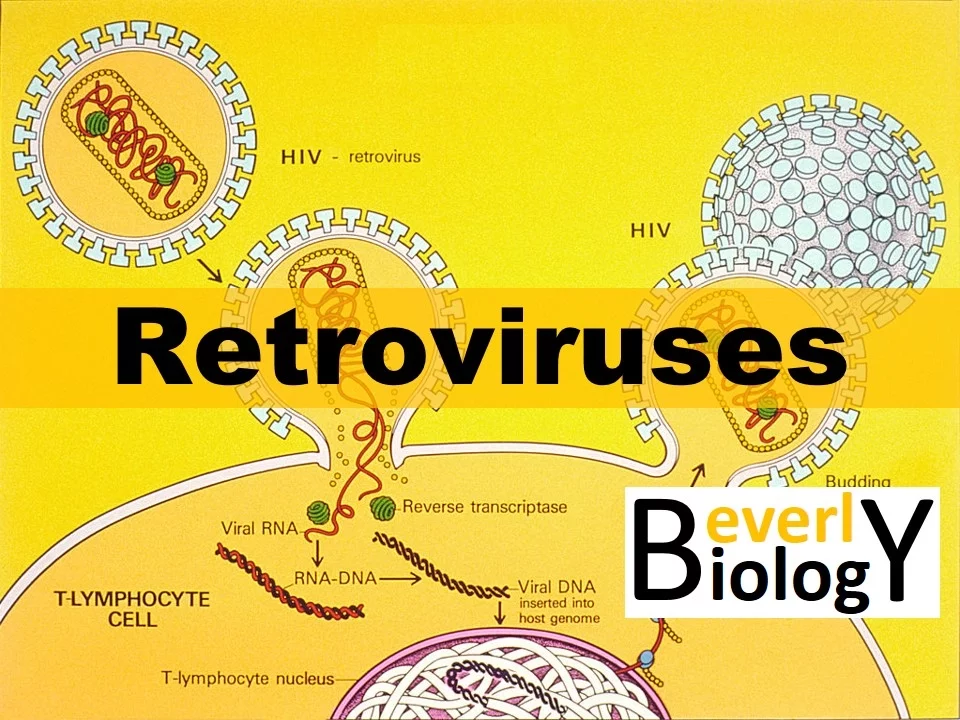
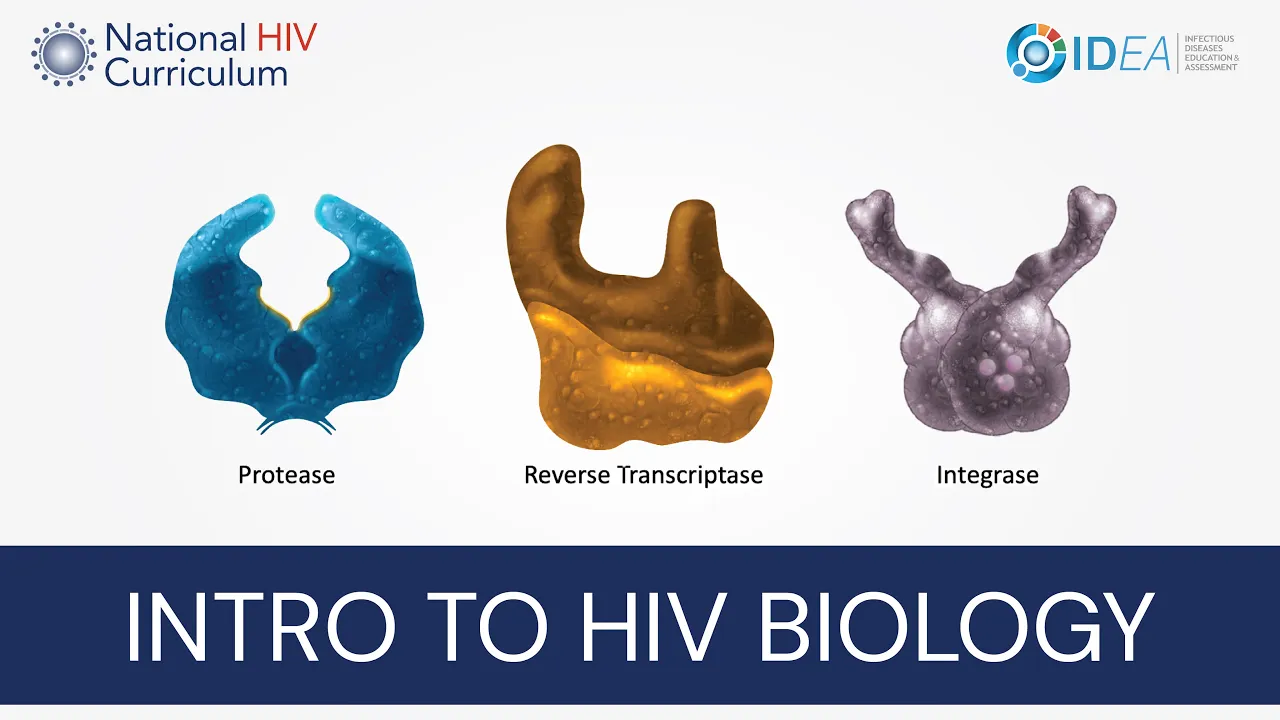
The mechanics of retroviruses (like HIV), specifically how reverse transcriptase and integrase function to incorporate viral RNA into host DNA.
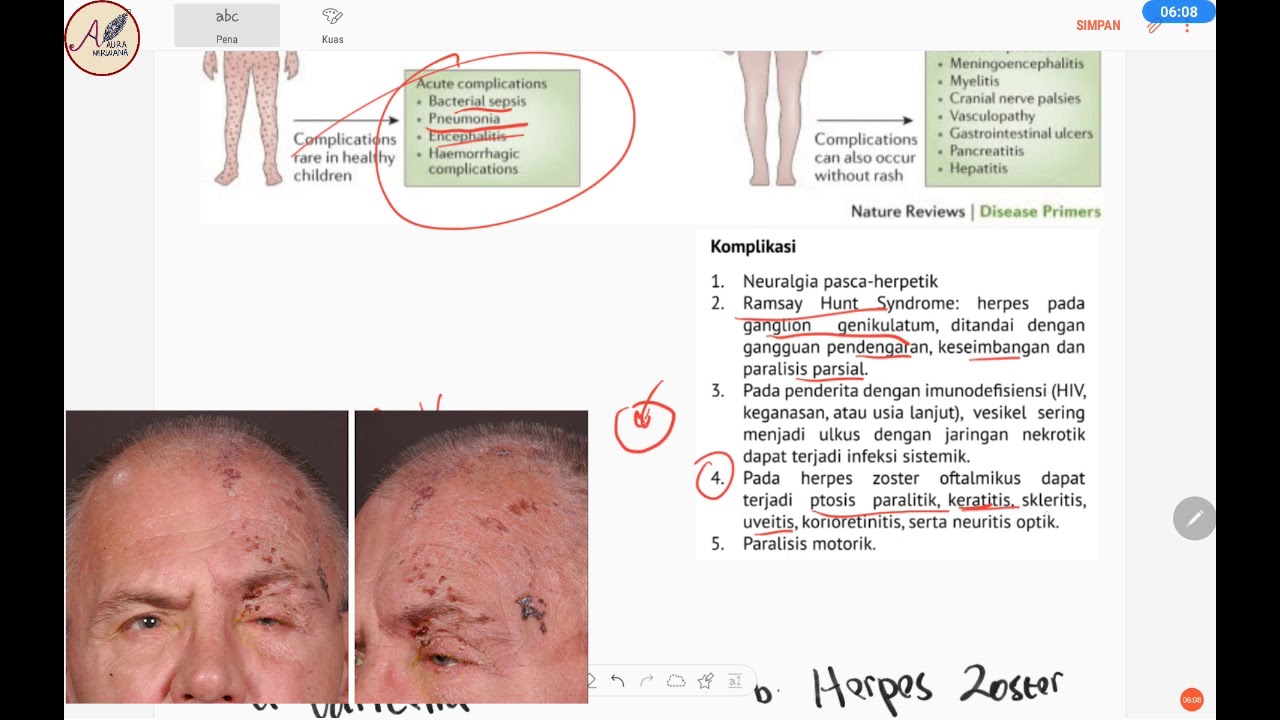
The clinical phenomena of viral latency, persistence, and reactivation triggers in human diseases like Herpes Simplex and Shingles.
Applications of viral replication cycles in biotechnology, such as viral vectors in gene therapy and mRNA vaccine delivery systems.
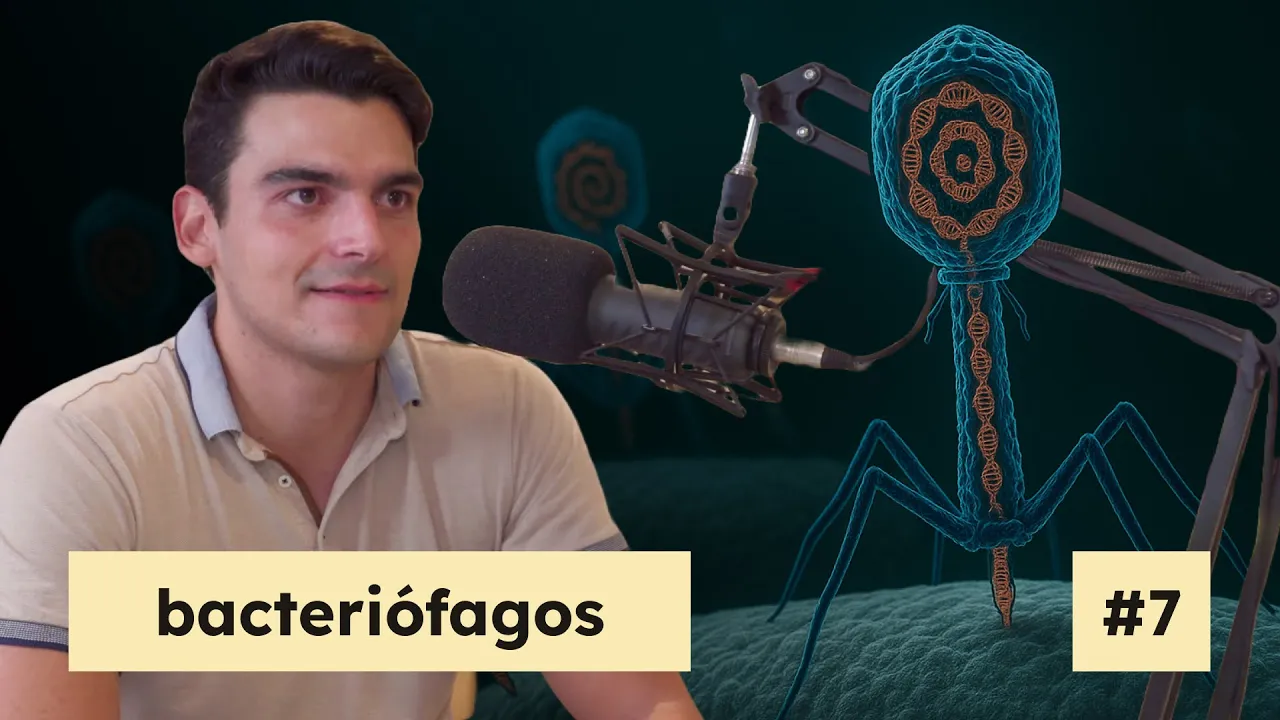
The concept of bacteriophage therapy as an alternative to antibiotics, utilizing lytic phages to target specific bacterial pathogens.
Transduction in bacterial evolution, specifically how lysogenic cycles can accidentally transfer host bacterial genes, driving genetic diversity and antibiotic resistance.
87.7K views2Klikes13:07Original Release: 2022-02-08
hi everybody and welcome back to miss angler's biology classroom i am miss angler and in today's video we are going to be looking at virus reproduction now if you're new here don't forget to give this video a thumbs up like it subscribe and please turn your notifications on i upload new videos every tuesday and thursday now the first basic thing we need to cover is an overall structure of a virus now this is a bacteriophage it is a virus that attacks bacteria now if you're not so certain about all of these structures you should go back and watch my microorganism diversity video and i've linked it up just above as well as in the description below now what you need to know is some of these basic structures particularly the capsid which is this like hexagon shape sitting on the outside here it's a protective coat that protects the nucleic acid which is the dna it's the most important part of the virus then i'm also going to speak about these spikes at the bottom with these tail fibers and basically these are the structures that allow a virus to like attach onto its host cell and then there's something called the collar and the sheath and essentially it's like a long tube that allows the nucleic acid or the dna to be injected down and out and into the host cell below now this diagram gives us an overview of the two cycles that we need to know for viral reproduction the lactic cycle and the lysogenic cycle you will need to know how they interact with one another but i'm going to do one at a time to make it nice and easy and then we'll return to this picture so that you can see how they interact with one another now i'd like you to take a note of the fact that they both start very similarly which is here at step one you'll see that our bacteriophage has attached itself to the cell and it injects its own dna into the cell and now you'll notice that it either breaks off into the lactic cycle or it breaks off into the lysogenic cycle and that depends on the life cycle of this particular virus and it depends on how healthy the host is and the life term of this virus because some viruses are viruses that you have for many many years and they can be passively living inside of you or you have viruses that are more aggressive and they replicate very quickly inside of you an example of a virus that lives in both of these cycles would be something like hiv when you don't experience any symptoms you are in the lysogenic cycle it's almost as though it's dormant inside of you but when we're in the lactic cycle it's way more active and you experience a lot more symptoms of that particular disease so let's begin with the lysogenic cycle so lies means to cut genic is referring to the genetics so we're literally cutting in the genes now the lysogenic cycle often occurs when a cell is um not at its peak optimum rate perhaps the host is not in a favorable condition and so the virus doesn't want to use up its opportunity so it's going to store its dna inside the cell for later the host cell and when the opportunity arises it will start to replicate so often the lysogenic cycle is a lot more what we would say is passive and it's almost like the virus is hibernating inside of your cells so along comes our viral cell and it attaches itself to the host as you can see it's attached here and what it's going to do is it's going to inject its dna or be engulfed by the cell and we call this endocytosis now endo means inside right and then the word cytosis refers to the word cell so literally what it means is you are pulling in the virus into the cell via endocytosis now once we've pulled in the dna there's our little package of dna the dna is the recipe to make more viral particles so we're going to store that away where do we store it we store it inside of the genetic material or the chromosomes of the host now we store it away and the host has no idea it's there and so what does it do it undergoes regular mitosis and it makes more copies of the cell and basically you end up having identical copies of your bacterial cells or your host cells each of them having a copy of this viral dna which means each of these cells has the ability to make more viral particles so what the virus is basically doing is it's making many many many cells with its copies inside of it the cells don't know they're infected they're just making more and more of the dna with the viral dna in it and they're waiting for the right opportunity to go into the lactic cycle the lactic cycle is where we actually make more viral particles and we make a whole virus and that is more damaging to the cell now as i said before lactic means to cut so now we're in the cutting stage only now you'll notice that the beginning of this stage is very similar our bacteriophage or our virus approaches the cell and it attaches it's the same as the lysogenic it injects its dna or is engulfed via endocytosis and now that dna is inside our host cell the difference comes in the next step over here and that is where our genetic information which we injected starts to replicate you'll notice we've got lots and lots of pieces all through here and that's very different it's not being incorporated into the dna we we're just making copy after copy who's making all these copies well the host sells machinery all of the ribosomes they are fooled into thinking that they are making dna and they're making cell components for itself but they're not they're actually being fooled into making more viruses and so what happens is the cell starts to use its ribosomes to go through protein synthesis and to make more viral proteins and components now you'll remember at the beginning of the video i spoke about the capsid of the virus which was that outside coat i spoke about the sheath which was that long tube attached to it and then it had those long looks like long leg like structures attached to it and each of those are a component and they're snaid separately but what the cell does is it makes each little component like a little lego block and then it sticks all the little lego blocks together and it makes a whole new virus but it doesn't just make one virus as you can see in the next step it makes many viruses and this is just drawn um in like smaller version it's not to scale but a cell can undergo a viral mutation and it can make thousands millions of more viral particles now the viruses are still inside the host cell but they want to go and infect other cells and to do that they actually have to make the cell burst and when the cell bursts they are released and off our new viruses go to infect other host cells that are still healthy now this is why an environment infection is so bad is because it leads to the death of your host cells now if one or two cells die it's not a big deal but when you start to have thousands and millions of cells dying you start to experience the symptoms of your disease and that's often when you start to feel sick now let's put the two together now you'll notice that both of the cycles start with the virus approaching the cell and then the dna being engulfed through endocytosis or the whole sometimes the whole virus is engulfed now depending on the conditions that the virus finds itself in will determine which way it's going often a virus will go into the lysogenic cycle if it's going to be dormant if the conditions are not just right maybe the immune system is a little bit too aggressive or perhaps this is just the viruses life cycle that's the first thing it does if however the environment is just right and maybe the immune system is weakened then we can go into the like deck cycle and we can make many many more viruses and so the split depends on the environment and a perfect example of a virus that does both is the herpes virus the virus that gives you a cold sore on your lip when the virus lives inside of you and you feel no symptoms and you don't have a cold sore that virus is in the lysogenic stage and you have herpes for your whole life you can't get rid of it once you have it you have it however when you get a cold soul that is when the herpes virus is in the lyctic cycle that's also why you're getting the saw it's a part of your immune reaction your cells are dying because they're making more viruses and you'll also find that this happens when you are actually sick with the flu or cold hence why we call it a cold sore why because the virus was waiting and it was dormant and it was in the lysogenic cycle but then you got exposed to another virus you got sick maybe you got the flu and this allowed the herpes virus to enter into the lactic cycle now and then rapidly take over making your cells burst so to wrap it up the lysogenic cycles when we enter into the cell and we insert the dna of the virus and every time the cell replicates it makes a copy of that viral dna over and over again until maybe all of your cells are infected then there's the lactic cycle where the viral dna destroys the host cell dna and it replicates its own dna over and over again using the cell machinery the cell machinery like the ribosomes start to make the capsids the protein sheaths and coats it packages them and puts them together it assembles them it causes the cell to burst releasing all of the new viruses that can go off and infect healthy cells and then the host cell because it bursts dies and it starts the whole process again that virus goes off and it can enter into the lactic or the lysogenic cycle now as always at the end of my lessons i like to run through the terminology very quickly because you can use these as guides for your flash cards and terminology you need to know so we looked at bacteriophages those were those very basic viruses that affect bacteria you will need to label and identify them we spoke about host cells remember that is the cell that's being infected lysogenic and our lactic cycle are the two cycles that a virus can exist in lysogenic is more long-term and it's dormant lyctic is more active and aggressive we looked at perhaps the word integrate in dna meaning that the dna that's inserted into our cells is integrated it means it becomes a part of the cell and we see that mostly in lysogenic and remember the dna is the code that we use to make more viruses endocytosis was the process whereby we take a dna from a virus or we take the whole virus and we almost like suck it into the cell the cytoplasm surrounds it and pulls it in we spoke about the capsid which was that protective coat that protects the dna we need to make more capsids to make more viruses and then we spoke about protein synthesis which was synthesizing more bacteria farges using the cells machinery in other words we hijack the cell we use its ribosomes to make more bacteriophages to make more viruses and then we start the whole process to go again once they break free now as always if you've liked this video make sure to give it a thumbs up and subscribe and make sure to turn your notifications on i post every tuesday and thursday and there is always new content coming out that will match up to what you are doing in class today and as always i will see you all again soon bye
Up Next

4:58
Lambda Phage Gene Regulation in Lytic vs Lysogenic Cycle
@ariverapacific
45.2K views•2015-02-27
50:12
Bacterial Communication: Quorum Sensing and Biofilm Formation Explained
@JHUAAP
12.6K views•2011-06-28

5:35
Enteric Nervous System Explained: The Gut's Brain | Neurobiology Lecture
@alumniu6029
438 views•2018-09-12
7:08
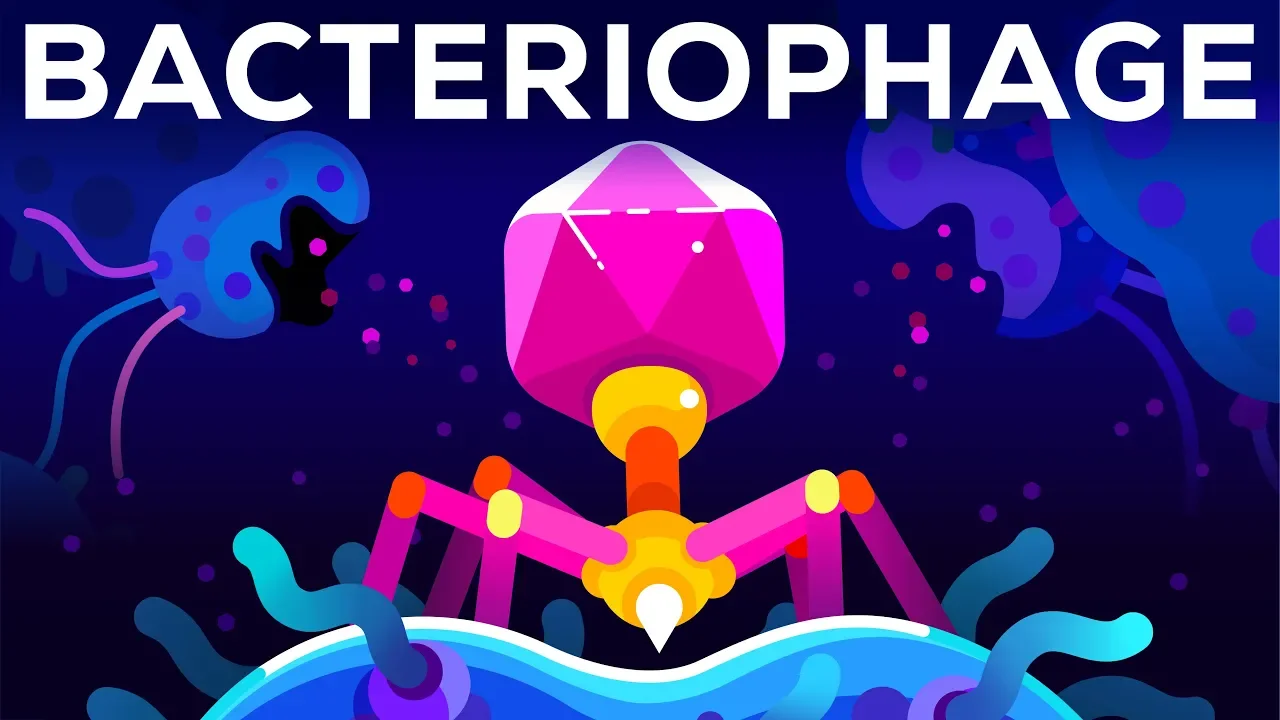
Bacteriophages: Earth's Deadliest Killers and Future Antibiotics
@kurzgesagt
34.6M views•2018-05-13
Related Study Plans & Knowledge Roadmaps
Structured learning paths in Biology
biology
RNAi: Biogenesis, RISC & Gene Silencing
01Molecular Biology Foundations: DNA to Protein
02Introduction to RNA Interference (RNAi)
03Molecular Biogenesis of miRNA and siRNA
+ 2 more learning modules
10h5 modules
Explore Roadmap
biology
Mycorrhizae: Signaling, Biophysics & Ecology
01Foundations of Mycorrhizal Symbiosis
02Molecular Signaling and Root Colonization
03Biophysics and Bioenergetics of Nutrient Exchange
+ 1 more learning modules
11h4 modules
Explore Roadmap
biology
Circadian Clocks: TTFL, SCN & Periphery
01Foundations of Molecular Biology & Gene Expression
02Introduction to Chronobiology and Actograms
03The Core TTFL: Molecular Architecture of the Clock
+ 3 more learning modules
14h6 modules
Explore Roadmap
biology
Population Genetics: Math, Drift & Selection
01Genetic & Probability Foundations
02The Hardy-Weinberg Principle and Baseline Models
03Mathematical Modeling of Natural Selection
+ 3 more learning modules
18h6 modules
Explore Roadmap