








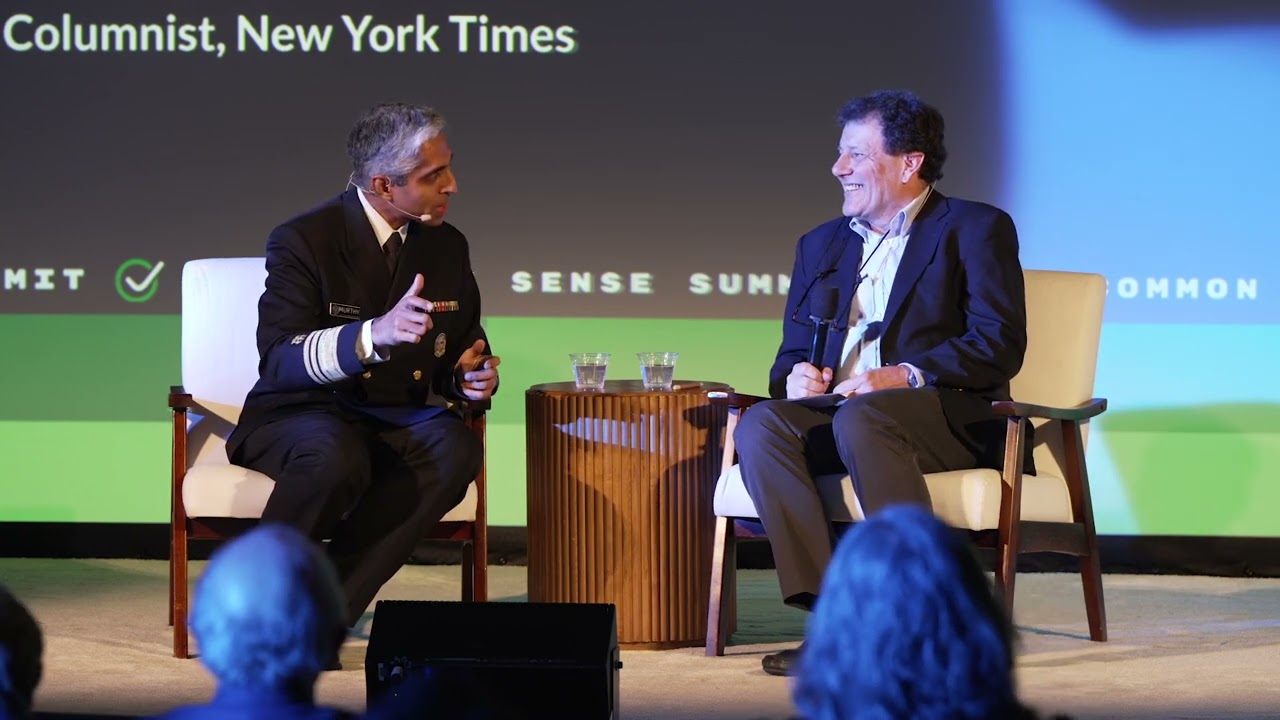









Social connection is a fundamental human need that significantly impacts physical health and longevity, with research showing that lacking social connection carries a mortality risk comparable to smoking up to 15 cigarettes per day, and that social connection is associated with a 50% increased odds of survival. This connection operates through multiple biological pathways including inflammation, cardiovascular function, and immune response, making it as important for health as other well-established risk factors like smoking and physical inactivity.
The Science of Social Connection: How Relationships Impact Health
Added:The biopsychosocial model of health, which integrates biological, psychological, and social factors in understanding human well-being.
Basic epidemiological concepts, such as relative risk, mortality rates, and the difference between correlation and causation in longitudinal health studies.
The physiological stress response, including the role of the autonomic nervous system, cortisol, and how chronic stress leads to systemic inflammation.
The clinical concept of 'social prescribing' and how modern healthcare systems are integrating social connection into patient treatment plans.
Public health policy and systemic interventions aimed at reducing the epidemic of loneliness, such as national strategies and community-based social infrastructure.
The neurobiology of social bonding, specifically focusing on the roles of oxytocin, dopamine, and the vagus nerve in regulating health.
Social Baseline Theory, which posits that the human brain expects social proximity and that isolation requires greater cognitive and metabolic effort.
130 views0likes1:32:45Original Release: 2025-10-05
[Music] Heat. Heat.
Heat. Heat.
[Music] [Music] Heat. Heat.
[Music] [Music] Good evening. My name is Leonard and I'm part of we science the group of young people at Bergamosa. Before starting I ask you the following. I'd like to remind you that connecting to uh the website bergamosa.it at and uh pressing on uh uh follow uh via streaming. You can follow via streaming directly through the Bergamosa YouTube channel or through the YouTube page uh the Facebook page. You can send question to the speakers or invite your friends and followers to follow the conference via streaming. The web questions come to us and we will select them during the Q&A session. And the conferences of the 23rd edition of Bergamosa are made accessible to people with motor and sensor disabilities guaranteeing uh places uh without architectural barriers and speech language translation. Some of the the conferences are also um sent via streaming. Conferences with foreign guests uh provide simultaneous translation and the translations will be published onto our um channels at the end of the festival. These services are made available thanks to the together with promote accessibility and inclusion. For simultaneous translation, it you can scan the QR code. The volunteers can give you and that you see projected uh here. The QR code will directly take you to the Converso web app where you can select the uh interpretation language from the drop-own menu. To listen to the translation, you need headsets. If you have your headsets, you can use yours.
Otherwise, if you don't have them with you, you can ask the volunteers to give you a pair of headsets. I'd like to welcome you to this evening's event, connected conventions that heal. Uh the speaker will be uh Julian Holt.
Luamonte from Korea Deer will moderate this lecture. Please uh silence your mobile phones and thank you for your attention.
[Applause] >> Great. So, we can start.
Let's be connected. Very connected because we're talking about connections.
Connections that heal. And I think tonight, >> okay, there is a lot of lot there is a lot of people.
>> There are a lot of people here. We're all very connected with us. We're not isolated.
>> Okay.
>> Okay. I'd like to really thank Bergamo Shenta for having uh called me this year too. It's always wonderful. The atmosphere is great. Lots and lots of people. Um I talked about connections because this is what we're going to talk about with Professor Julian Hulstat and this is a fundamental and almost paradoxical topic. Allow me to say we're ever more connected through social media etc etc and still we feel more isolated and lonely. So there is another paradox because isolation as professor will tell us is something real objective whilst the loneliness that derives from it is something subjective and although being subjective it's really making lots of people fall ill. So let's uh uh be aware of this and stay connected to a professor um who will uh explain more about this to you.
>> Yeah.
>> Um good afternoon. Um I'm really grateful to be here.
Um, as was described, I am really excited to be talking to you about connections, particularly in a place where, um, I always feel quite connected to here in Italy. Um just by way of introduction um uh some of the research that I am most well known for is some of my findings that have demonstrated that lacking social connection carries a risk similar to smoking up to 15 cigarettes per day. Now, when some people hear this statistic, um, it perhaps it's a bit surprising.
And so, I'm going to go into a lot more detail about the research that went into this and of course um, the larger body of of evidence that shows just how critically important this is for our health.
You may have also been seeing uh attention nationally or internationally from government and other organizations that are taking on what is being referred to as a loneliness epidemic.
Now, keep in mind, we've started to see some of this reference well before the pandemic as can be depicted in some of these um images. But we have governments such as the UK and Japan that have appointed ministers for loneliness. The US has come up with a national strategy.
Um recently the the World Health Organization issued a commission report on social connection.
And interestingly uh South Korea took the tangible steps of offering a monthly stipen to young adults who were isolated to simply um pay them to go engage in society.
So we see growing attention around this issue but what do we know about it? What is the evidence?
So today I want to talk about what is um social connection and and why is our social life so important? Why should we care? And this is relevant because our social lives are changing quite a bit and how this actually is a matter of life and death um and can impact nearly every aspect of life. But ultimately we also need to make sure we create a life worth living.
So when we think of our social life, we might think of getting together with friends, family, um enjoying our time together, but it's really more than just uh this quality time. And and I share this quote by CS Lewis that says, "Friendship is unnecessary like philosophy, like art, it has no survival value. Rather, it is one of those things which give life or give value to survival.
Now I share this quote because it represents common uh belief and that is that our social relationships are what bring meaning and value to our lives.
But I will actually show evidence that it indeed does impact survival. And so I want to dispel this myth that um that perhaps uh our our social life is not necessary. Um and indeed it truly is.
Now this is part of a larger body of evidence that um has asked uh and survey after survey when they ask people what is the key to happiness.
Time and time again, what we see is that it's not success, it's not wealth, it's our close relationships. It's our relationships with friends, family, and others.
And so, it's interesting that one of the truisms in life is that we often don't appreciate what matters most until it's taken away.
And while there's been uh decades of evidence on the importance of social connection, it took a global pandemic for us to more broadly start to really appreciate just how important our social connections are.
But it's also important to recognize that our social lives are changing. And so what was often uh and more often uh a way of getting together with others, we are now often socializing in very distant and remote ways. And interestingly, we are isolated together.
So I I'll just go back for a second to really um first acknowledge that just because something is changing doesn't necessarily mean it's bad. But when we look at various trends, we can kind of see and get a picture of how this is actually impacting people. How are people fairing?
And so when we look at the data from one of the largest surveys around the globe, it included data from 142 countries.
What we see is that nearly a quarter of the global population reports that they are very or fairly lonely. And this is particularly true and highest among our younger um uh populations.
Now what we see is that across countries people aren't equally lonely. And so interestingly when we look at the countries where more than a third of the country reports loneliness uh 22 of the 29 countries were in Africa.
So what this suggests is that this is not just a uh wealthy nation. It's not just a US or a um a um Europe kind of uh phenomenon. But rather what we can see is that this is a global phenomenon. And in fact, we see it nearly in every country that we look.
And we know that loneliness is important, but we also know that it isn't the entire picture.
Now, I want to share some data with you.
Um, and this comes from the American Time use survey. This is a a survey that looks at how people are using the minutes of their day and what they're using it for. And if you look in the the um top left corner um what we see is that over the past two decades this starts in 2003 and ends in 2020.
So over the past two decades what we see is time spent in isolation has significantly increased. Time spent with h with household family and non-household family has decreased.
Time spent with friends significantly in decreased.
Time spent with others decreased and time spent in companionship also decreased. We can see that these have decreased across this and this is just part of uh a larger body of evidence that shows that a across a number of indicators from living alone to um the household size we see globally some of these indicators showing more and more disconnection.
And if we look at more informal kinds of data, this is data from Google searches globally.
And interestingly, the Google search for where to meet, how to make friends, this is at an historic all-time high.
So what this suggests is that not only are we disconnected from um from others, but that there is this desire to be more connected and that people don't know how to do it if they have to Google it.
So, we are disconnected in a variety of ways and yet we tend to focus primarily on the um feeling of loneliness um which may just be the symptom.
And this is part of a larger uh body of evidence that suggests that social connection is a fundamental human need.
So if we look across species, what we see is that being part of a group is critical to survival.
So whether it is efficiency of effort, direction to safety, evading predators, warmth, protection from the elements, pooling of resources, obtaining food.
All of these are incredibly um important functions uh for survival.
And interestingly, we see that this is also important for humans as well. And in fact, it um humans are one of the most vulnerable species at birth. If a human were left alone, it would literally die.
We need others. And um because of this, neuroscientists have argued that our brains have adapted to expect social proximity. And that when we are alone and we are not part of a group, that our brains have to work harder both to be vigilant to threats in our environment, but also to manage um the everyday demands of every of life.
And so because of this um our what is suggested is that our when our brains have to be more active that this can create disregulation um in multiple systems of the body and that our bodies function most optimally when we are are social. And that this dysregulation when we are not over time can uh put us at increased risk for uh a variety of illnesses.
So what's interesting is that neuroscientists have argued that loneliness is similar to hunger or thirst. It is a biological drive that motivates us. It's uncomfortable, but it motivates us to meet a biological need.
And so um uh just like hunger motivates us to seek out food that loneliness motivates us to reconnect socially.
And so if we use this same analogy then isolation which is more objective would be the equivalent of you know objectively lacking social connection or in the analogy it would be akin to objectively lacking food.
Now if we take this analogy a step further, we know that quality is important too. So just like food and water are critical for for survival, food can spoil, water can be unclean, and those can make us sick. And similarly, we need social connection, but quality matters. And when the that quality is poor, that can actually put us at risk.
Now when we h look across multiple scientific disciplines, this the way in which we engage socially with others has been measured in a variety of ways and this has led to a lot of confusion. And so we really need an organizing framework for for this.
And so my colleagues and I uh have organized this in terms of um using the term social connection as an umbrella term that encompasses all of these the ways in which this has been studied. And these fall under three broad categories which I refer to as the the pillars of social connection and these include the structure, function and quality. So the structure really refers to more of the objective aspects of our our connections and include things like marital status and and just having people um and the size of our social networks and how frequently we engage with others. So this is the extent to which we have others in our life.
But we know that we need to go beyond just having people in our life and that it's also important to recognize that we need to be able to rely on these people.
And so this has to do with the function.
So the extent to which we can um rely on others for support.
And then finally is this quality element. Recognizing that not all connections are um equally positive and that although our relationships can be sources of joy, they can also be sources of frustration and conflict. And so we need to take that into account. And so what our evidence suggests is that when social connection is high, risk is low.
And when social connection is low, risk is high.
So, this is part of um a body of research that is now really looking at how social connection is so critical to our health and well-being. And I want to remind you that this is the definition um what I have on the screen here is the definition from the World Health Organization. This has actually been in their constitution since the 1940s.
Um and it says health is a state of complete physical, mental and social well-being and not merely the absence of disease or inform infirmity.
And unfortunately this element of of uh social well-being has been ignored for far too long and it's time that we start to really give it uh the attention that it deserves. So let's go into a little bit more about what we know about this. And some of the strongest evidence that we have is around mortality. And what it suggests is that our social life is actually really is a matter of life and death. So um and this is uh also part of uh some of the evidence that shows that social connection is important uh to not only individual health and well-being but community safety, resilience and prosperity.
So let's get back to the data around mortality.
So uh my colleagues and I we wanted to understand uh the overall effect that this has on mortality. And so we did a metaanalysis of um studies that had looked at uh the extent to which people lacked social connection and whether it predicted uh earlier earlier death. And we had data from over 3.4 4 million people globally.
And what we found was that uh loneliness was associated with a 26% increased risk for earlier death, social isolation 29% and living alone by 32%.
And of course um this was uh independent of age, initial health status, and other factors that that would otherwise predict earlier death.
And then in an earlier um meta analysis with a similar methodology, we looked at the flip side of this. How protective is being socially connected? And what we found was that that was associated with a 50% increased odds of survival. So that was the the protective effects was significantly bigger than the risk associated with those deficits.
But despite this, we were worried that people may not recognize just how important this is. And so my colleagues and I, we wanted to really identify like what is the magnitude of this? H because we hear all the time a variety of factors that are important for our health, but h how do we weigh which ones we should be taking most seriously?
And so what we did is we took we looked at the data that we had on a variety of indicators of social connection. Um and these are in the the yellow bars.
But we also looked at what is the data that we have on a variety of other factors that predict um earlier death.
And those are depicted in the blue bars and include things like smoking, alcohol consumption, flu vaccine, physical inactivity, obesity, and air pollution.
And what we see is that the effect sizes here are on par with these other factors that we take quite seriously for our health. And what this data suggests is that we should be taking our social connections just as seriously.
Now, this is also part of uh research that shows that this goes beyond just mortality, but um also looks at health.
And I'll note that the mortality data was um death from all causes and the majority of them were disease related.
And indeed we see evidence of the impact on heart disease, stroke, dementia, type 2 diabetes, depression, anxiety, as well as premature death. And so when we talk about loneliness and we think about how how distressing that is, that is just the tip of the iceberg. And we see the consequences are far bigger.
Now when we when we think about our social life, we also need to recognize that it has a ripple effect across nearly every aspect of life. Now I want to remind you it was not that long ago that during the pandemic we had to socially distance. We had to reduce our social contact and in doing so it impacted literally every sector of society. It impacted education. It impacted the workplace, the health sector, travel, leisure, you name it, it affected it. And what that suggests is that there is social relevance to literally every sector of society and every aspect of life. And so we need to think about what kinds of ripple effects our social ha life has.
And what we are starting to recognize is that social disconnection may be related and at the root of not only health concerns but the health of our communities, the health of our institutions and the health of society.
We can see it at the root of political polarization, suicide, national security, you name it.
So, we need to start thinking about how this is contributing to these other um issues.
I'm just going to highlight a few.
So, there's um we're starting to gain uh information around how isolation may be related to other kinds of factors. So, we know that when people are isolated, they need to be more vigilant to threats in their environment. And this can lead to distrust. And what we're seeing is high rates of distrust in society, distrust in others, and distrust in institutions.
And when we can't trust the institutions that um enforce fairness in society, we often distrust others. And so we're seeing this um more and more in political polarization as well. and the um tendency to also uh have this us versus them kind of uh mentality and this is a very self-protective defensive kind of approach uh that we see. We also see that even in animals that when um they are uh isolated that it leads to um a lot of hostility and aggression.
We also are seeing um this uh related to radicalization and extremism.
And if we think about how uh how fundamental the need to belong the need for human connection is that often times those who are isolated may be um more prone to to this because they may seek out connection in more unhealthy ways.
um to feel a part of a group, a part of a cause.
And so this has become an increasing concern for a variety of of governments.
We also see the importance of social connection when it comes to resilience.
And so whether um uh uh our connections can help us from our own personal crises um we also see larger uh community and societal crisis. And when it comes to crisis such as fires, floods, um uh hurricanes, uh wars and and and so on.
Uh what we see is that when people are more socially connected, they are more resilient. And in fact, in the case of a na natural disaster or natural hazard such as a fire or flood, we see that communities that where people know each other can be literally a matter of life and death.
uh in communities in where in which individuals know each other are better prepared for these crises. They are uh more likely to um uh um recover from these crises and um are are more resilient overall.
So, we see that not only is social connection critical to our personal health and our personal well-being, but it's also been linked to um population health, including things like spread of illness. We even see data when it comes to violence and safety. Uh so um in in there, for example, there was one study that showed that communities that were more socially connected had a 21% reduction in murders, a 20% reduction in car thefts, um and are more resilient uh to a variety of safety threats.
We also are seeing more and more data suggesting that social connection is important for businesses and economic prosperity and this can benefit both employers and employees alike. So for instance those employ um when when the workplace is more socially connected this is associated with increased job performance. it's associated with reduced turnover and it's um associated with reduced sick days. So this helps both uh the employer and the employee.
So together what this data suggests is that social connection not only can be the key to understanding and addressing our personal health but also pressing social uh social issues and and importantly also the key to thriving.
Now, interestingly, when I talk about social isolation, people have the mental picture in their mind like the most extreme cases.
Now, this is an example of, you know, a Hollywood depiction of isolation. Um but they pick or picture the this um extreme isolation or something similar to this this idea that people are just all alone in a dark home. But in reality in our modern world this is what isolation looks like.
We have created a society in which it is incredibly comfortable and convenient to never leave our home. It is now often preferred to work remotely, to get our food delivered, to get our entertainment streaming um into the home. And even if we do go out, oftentimes more and more businesses are using um uh automated kinds of features that limit the kind of interaction that people have.
And sadly, when I talk about this issue, people also want to know, well, what can we do about it? And um thankfully we have a huge amount of effort that is ongoing trying to find solutions.
However, unfortunately the majority of these fail.
So the majority of approaches um unfortunately are are common sense approaches that may not necessarily have much basis in evidence.
And even um when when various uh data has been collected on any kind of treatment not just uh uh for isolation is that again you know 95% of them fail and often times it takes a really long time to develop uh effective treatments.
Now we have no um shortage of of those that claim to have a cure for loneliness. Unf unfortunately m the majority of those often are have a greater motivation in the economic benefits of those um or they are perhaps uh shortsighted and are only treating the symptom and not looking at the root cause of what is leading to that in the first place. And so we really need to make sure that we aren't just putting band-aid uh types of approaches into place and and instead getting to the root cause of the issue.
So how do we do that? Uh I want to also note that what we see is that most solutions um are focused on those on the extreme end. So imagine this this figure I have.
Imagine that that this is the the distribution of the population and what our evidence suggests is that social connection is on a continuum and every single one of us is somewhere on that continuum.
But the majority of our solutions are focused on the extreme end of this continuum. And so we're only looking at those um that are most severely affected. Now, of course, those most severely affected do need help and support and solutions.
But unfortunately, even if those solutions work, we are ignoring a vast uh majority of the population.
And so instead what I argue is that we need to start looking at societal approaches.
And by looking at this through a preventative kind of lens or a societal level approach instead of affecting a small group we can potentially shift the entire risk trajectory.
So in order to do this we need a whole of society approach.
Now when I was working closely with the office of the surgeon general in the US, we devised um a national strategy for this. Now I recognize that Italy may be doing much better than the US.
Um but we did draw upon global data and and global recommendations when devising these uh these recommendations. So um there's much to be uh learned and in fact there's much in common with the World Health Organization's recommendations as well. And in fact this include included six key pillars that we can think of and look to as we guide our efforts. And the first is that we need to strengthen the social infrastructure of our local communities.
and that is ensuring that we have places and spaces for people to gather to socialize and these are um often uh becoming less and less.
Uh the second is that we need to enact proconnection public policies.
Now in some ways um people are a little bit surprised by that and wonder what what kind of policies might have an effect. But we can also think about the kinds of policies that have um that be can become barriers. And so just like whether it's government policies or workplace policies that just as we might take do evaluations of the environmental or economic impact of a particular policy we need to evaluate what are the social implications of any and all policies and to create a a social and all policy kind of approach.
The third is that we need to mobilize the health sector. We have good evidence this relates to our physical health and yet far too um often the medical community is unaware of of this and there needs to be more education and awareness uh both in uh in terms of healthc care providers but how that is passed on to patients um and expand those the health services around this.
The fourth is reforming digital environments. And we know that um technology can be both a tool for good as well as for harm. And so we need to really uh harness the strengths and put some guard rails around some of of the potential harms. The fifth is that we need to deepen our knowledge.
and we already have a robust set of evidence but there are still gaps in what we know and we need to be able to um increase this. We also need to increase public awareness. And so for instance, I recently did a a survey where we asked people what uh factors influence their health. And overwhelmingly what we found was that people saw social connection as relevant to their emotional well-being and mental health but not for their physical health. And so we need to start um raising awareness. And then the final uh pillar of this is to build a culture of connection.
So even if we build parks and spaces for people to connect, even if we implement various policies, if if all of these do not reflect the community's values, all of these things will will fall flat. They will not be effective. And so what we need to do is we need to cultivate norms of connection uh including norms of kindness and respect and service and um commitment to each other.
And this needs to be modeled by the leaders in our communities and the leaders in our organizations.
And so uh we need to not only uh address the problems of social disconnection including isolation and loneliness but we really need to create an environment in which people can truly thrive and the and harness the benefits of connection.
So I want to close by drawing a analogy.
Now, I want you to just indulge me for a moment and I want you to imagine that there was a new drug that was introduced on the market and this drug could increase your survival by as much as 50%.
It could reduce your risk for cardiovascular disease by 29%.
Reduce your risk of stroke by 32%.
reduce your risk for depression both um developing new depression and the severity of that depression.
It would also reduce your risk for developing dementia um and can increase your immune um response so that you're less susceptible to cold and flu viruses and all of that. and it has few if any side effects and actually can increase your well-being.
Now, of course, I'm not talking about a new drug. I'm talking about social connection. But if I were talking about a new drug, everyone would want to go out and ask their doctor for this. In fact, they might want to try and invest in it.
And what I would like to argue is that we need to have just as much enthusiasm to invest in our social connections. So, thank you.
I want this dragon. I want it right now.
>> Right. Thank you, Professor Holt Lunad.
Fantastic.
Now, I think we can open the Q&A session. So the floor goes to you. We see if there's anybody who has questions. We already have John Vito Martino, Professor Martino.
Please, >> I'll speak Italian.
>> Recently, well, first of all, thank you for your lecture. It was wonderful.
Recently we saw a very important piece of work I guess you know on a prestigious uh magazine like nature that demonstrates not just what you said today but also that there is a biological change in patients who are lonely because inflammation increases inflammatory proteins increase considerably.
So there is also a physical consequence uh when being lonely which obviously also suggests uh a certain type of behavior also from the therapeutic viewpoint. Do you believe in this data? I mean do you believe this data is real um and has been collected correctly? Thank you.
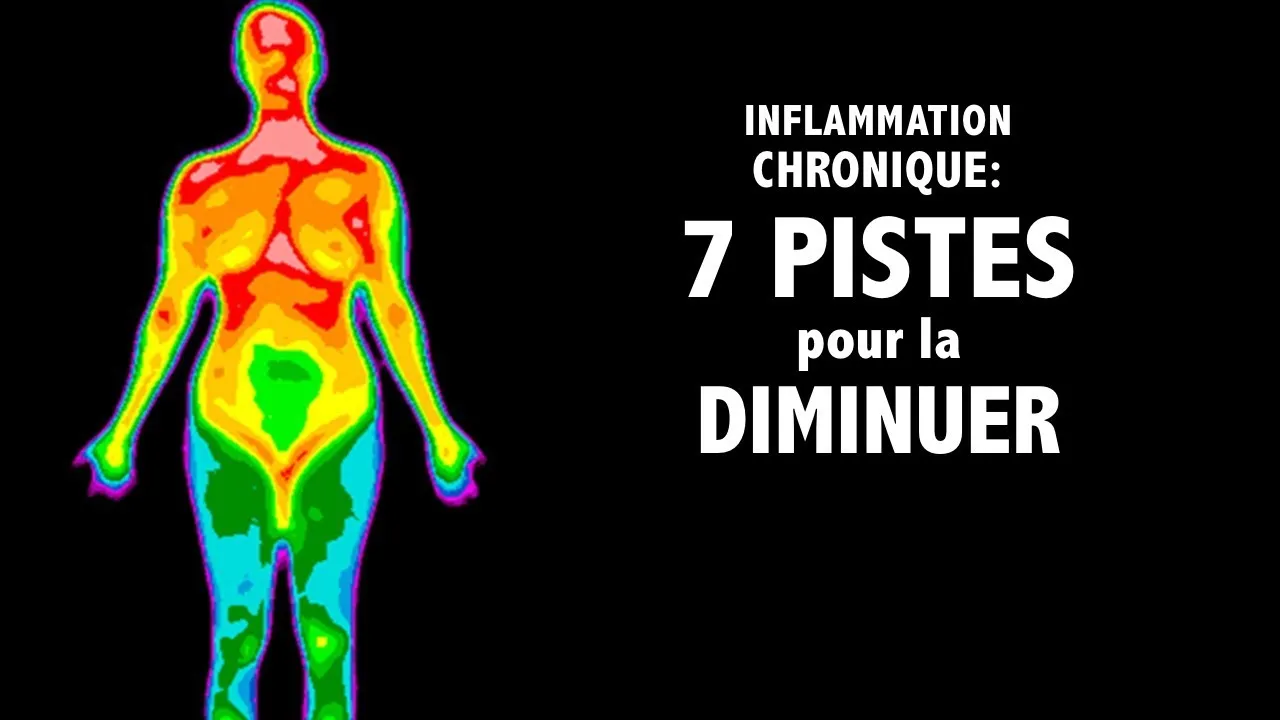
>> Yes. In fact, um I uh debated whether to include there's a large body of evidence looking at the biological mechanisms by which our social connections can impact health and I think inflammation is a really promising one uh because first off we have uh a a variety of studies that have shown that the pathways by which loneliness could in influence inflam ation. Uh and so al also we know that when um it it impacts this chronic inflammation that inflammation has been implicated in cardiovascular disease, it's in um dementia, in depression, all of these kinds of outcomes that we see.
And so what I think is quite telling about that particular pathway is that it helps us organize what might be viewed as uh a variety of kinds of outcomes that might have a single common pathway.
But we also have evidence that that there it's not just um the immune pathway. We have evidence around um cardiovascular effects. Um in fact I've done um a series of studies looking at cardiovascular functioning. Uh we have evidence on uh neuroendocrine functioning, immune functioning.
There's um a a small but growing body of evidence also on gut microbiome. Um, and so we're seeing that through multiple pathways, the biological plausibility on how these things are connected to disease risk and ultimately earlier death.
>> Any other question? Yes, there's one at the back of the room, it seems.
Um, my question is how much does the difficulty of reaching important milestones in one's life on the feeling of loneliness and social disconnect of young people, the fact of not being able to buy a house, of making a family of you know having a proper job etc. >> Yeah. So we know that any kind of major life transition can be potentially a trigger point for isolation and loneliness and we see this across the life course. Uh so um at earlier stages in life the um in fact we see some evidence suggesting that isolation and loneliness may peak at age 19 which interestingly is often the time um when young adults leave their family of origin uh and uh either uh live apart from them go to university uh do some some something way. Um we also see it um among new parents uh um when people have changes in jobs uh migration um retirement widowhood anytime there is a life transition this can disrupt your social network and can uh put put someone at increased risk. Now, of course, that it isn't um uh 100% uh and pe many people remain resilient during these times, but we need to pay careful attention because these are important trigger points. And so for young people, uh we we are seeing this data consistently across the globe that young people are um at the highest rates of loneliness. And in fact when I first started uh studying this topic I while my work always looked across the life course when the public and organizations started paying attention it was focused almost entirely on older adults. Um but we are seeing that that young people are are seem to be struggling the most and so there may be many factors that are playing a role. So other factors might include things like um uh use of technology and and social media and now we're seeing um the rise in AI companions. Um so there's the tech side of it. There's also this um uh as you mentioned economic pressures and we see consistent data that those who are struggling economically are also at increased risk for isolation and loneliness. And so when you have this accumulation of risk factors um that may be accounting for this group um uh having the highest prevalence rates.
>> There are two questions down there.
Thank you.
That's my question.
There is no doubt that social disconnection is uh typical for advanced society. If you think of the post-war society, a poor society where there were primary needs, then there was also human solidarity. It was easier to create a community rather than today.
what uh is a source of concern is the culture of connection. Indeed, we developed these cultures because there are >> or better are there uh projects to try and find a solution to this problem of social isolation, social disconnection.
>> Um, thank you and and apologies for the delay. I'm waiting for the the translation.
So, um I I appreciate the question because uh there is considerable work looking at the kinds of solutions that are needed and and the extent to which they are effective. Uh I will point to a couple of there there are not only some metaanalyses of this and and I'll um share one that I I did. So for example, I looked I did a meta analysis of 6 randomized control trials of interventions that were implemented in clinical settings um most often hospital settings.
And uh what was found was that when some kind of psychosocial intervention was provided to patients in addition to standard medical treatment that this was associated with a 20% increase odds of survival relative to just standard medical treatment alone. And so we have evidence of of the importance of this in the in the medical setting. But we also have uh um I was involved with a evidence and gap map that the world health organization published. Uh there's actually two one focused on um techbased solutions and the other is on in-person solutions. Now what that found was that while there are effective solutions that um unfortunately in many cases uh the the methodology um was uh not very strong and so we do need stronger kinds of evidence for many of the solutions that are out there.
I have now been um uh appointed to part of the um what the I'm on the guidelines committee for the World Health Organization and that committee is tasked with I identifying the evidence around solutions and establishing guidelines for those who are doing solutions to try to ensure that The efforts that are happening globally are evidence-based so that we can put our time and resources into the kinds of solutions that are going to be most effective.
One question over there please. There actually there are two questions.
The lady has been raising her hand for some time now. So, please bring the microphone to her. Thank you very much.
Your lecture was extremely interesting.
While listening to you, I thought of something that was said by Professor Martino yesterday evening concerning the prohibition or better his conviction that we should be prohibiting people who are less than 16 to use, if I understood well, Professor Martino, please correct me if I'm wrong, to use smartphones.
if you so prohibition to use smartphones if you are below uh the age of 16.
What do you think about this given uh the topic you dealt with?
Because in my opinion I believe that the proposals uh you made is also uh to conceive the public space the urban space in a special manner as you said and also personally convinced that unless uh people wish to be with the other um there is no change uh possible. So you must desire to be with the other. And so I thought of what Professor Martino said to prohibit the use of uh cellular phone. So we should be educating young people uh to desire to be with other children and to do so we should be prohibiting uh them to use cellular phones.
Yeah. So, uh the the question whether to prohibit the use of of cellular phones um for those under 16. I uh actually served on uh nationalmies of science consensus committee on the um health effects of social media um for or social media and adolescent health. Um and interestingly what we found was that uh there is a lot a very very complex evidence base and debate even among scientists on some of these issues. Um and so it was a very challenging task.
And um but what I think is interesting is that while we did find evidence of both benefits and harms to youth um in terms of the use of social media, uh that included uh um both uh elements even within individual.
Um and so even the groups that were mo most likely to benefit um also were most likely to be harmed as well. and uh and and so while there's still a lot of um debate only because I I shouldn't say only but some of this debate becomes uh raised because the a lot of the evidence is correlational.
However, we have very robust evidence on the in uh the benefits of in-person connection and enough evidence to um of potential harms to make us quite concerned. And so from that standpoint, um certainly the uh the kinds of efforts that can help youth socialize more in person rather than on their smartphones are going to be uh based on all the evidence that we have should um have a net positive uh there. And so and the hard part is is that um many argue that we that the particular groups um so for example um youth that are marginalized that may not have support in their local community often look to uh social media as a lifeline. Um, so there is the concern that if um that goes away that that could potentially harm that group, but ultimately why they're turning to that is because they don't have the support in their local communities. And so if we can really support our youth in person, um that that would have a far bigger effect and uh benefit.
Thank you.
Thank you very much for the lecture which was very interesting. I wanted to go back to what happened with co the fact that we all learned to be isolated. We've learned u a lot about isolation. I was wondering if you can learn about isolation, you can also forget about isolation. So I was wondering are there any social studies about how long it takes to to change a habit of this kind uh and uh move from isolation to social connection. Thank you.
um you raised two really important points that I want to touch on and and that is um the timing and then also um uh how quickly can we shift and so when it comes to the timing we have very good evidence that uh the more persistent isolation and loneliness is over time uh the more detrimental it is and so uh if if we can turn that around it can um the the risk can be reduced. So for example studies that follow people over time those that report isolation and loneliness at multiple time points um show much stronger health risk compared to those that may have only reported it at one point but then not at other time points. And so I think it's critically important that we recognize that this can be reversed. Um unfortunately what we don't have is the precise timing because each study uh times those follow-ups differently. So in some studies it might be uh monthly, it might be at uh time one is um and time two or a year apart etc. And so uh certainly during the pandemic lots of people asked me including reporters like at what point in time are we all going to start experiencing these health risks and um while we don't we can't pinpoint the exact time we do know that persistent and consistent over time is associated with greater risk. But I think the uh the second point that you made was that we were able to quickly shift.
And in fact uh I uh had the privilege of right before um the um outgoing administration in the US, I was able to meet with 35 government agencies to um share some of my my findings with them and help them recognize how it related to their own work. And I challenge them at the end and I would challenge all of you whether um in your role as a a citizen, as a parent, as a um leader in your community, whatever role that you play. I want I you know I challenge them to think about how quickly literally every aspect of society was able to mobilize uh and you know businesses changed um education changed we were able to do that swiftly and very quickly to socially distance. Now my challenge is can we do that in the opposite direction to connect? Um, and I I would challenge all of you to think about how you could do that because it's really what we need. And unfortunately, what we're seeing is that there are lingering effects of the pandemic. And while um in many ways many people have gone back to normal and it feels like that is a something in our longdistant past, we still see remnants of it um as uh many still prefer uh to use uh or to remote work um compared to going into the office. Many people prefer uh to get their entertainment streaming at home.
Uh many people prefer um these the use of a lot of these tools that in essence um are quite convenient uh but uh nonetheless separate us from our community. And so um uh there is uh reason to believe that the the effects could continue if we don't change our habits.
[Applause] There's a question here.
>> Yes, this gentleman here.
Shall I?
>> I wanted to know what you think about another solution.
There are people who love being on their own because they are their own leaders.
But then also by being on their own they can develop their own knowledge or philosophical insight. You can satisfy your artistic uh uh trends.
And there is also a proverb that says it's better to be on your own rather than be accompanied by bad people. So what do you think about this?
>> Um again an a great question there there and there are two parts to it I want to address. The first is um the potential benefits of of solitude and being alone.
And then the second is is it better to be alone or uh versus having negative kinds of relationships.
And um certainly there are some benefits to alone time um as long as it doesn't become this consistent and persistent uh uh over isolation over time. And interestingly we have quite strong evidence. In fact, there was another recent metaanalysis of of social isolation on mortality and found that it was significantly higher than the effects of loneliness. And so um uh and and this is for for mortality. And this effect of isolation was independent of whether someone actually felt lonely because of course you can be isolated um you want to be alone. you take um great pleasure in that isolation um and may not feel lonely at all. And this this showed that um uh isolation even if you didn't feel lonely um was associated with increased risk for earlier death.
And so while we this may be um uh useful um in the in from time to time uh if it becomes consistent and chronic is when it it tends to have uh poor kinds of outcomes. And so the emotional pathway is just one pathway um that links to these biological pathways that we recently talked about. So that sense of of threat that can trigger all sorts of biological pathways. But we also have evidence that um individuals who may be living alone um that um particularly in uh um uh later in life uh this can if if there was a fall um or a uh acute kind of health issue if no one's around um that can often be a matter of life and death. And so, uh, we still need people in our lives, even if we do enjoy our alone time. Um, and so it's it's more about the balance of that rather than saying you can never be alone because of course um that's that's okay. And that's also true, interestingly enough, um, for loneliness. Like we don't want to uh get rid of it entirely because that is the adaptive signal that helps us reconnect.
Um and again it's only when loneliness is consistent and persistent that it becomes a problem. The second part of that question was about um whether we're better off alone or with bad relationships.
And hopefully uh you have enough people in your social network that um that it isn't a matter of choice. Um so that uh if you were to uh leave a bad relationship or um distance yourself from a bad relationship that there would be other good relationships in in your life so that it wouldn't have to be being entirely alone. Um and so it unfortunately we see risk associated both with bad relationships and um with uh con uh chronic isolation and loneliness. And so uh I you know I would encourage people to really try to uh nurture and strengthen uh relationships uh in in your life. And and I'll add one thing that I know wasn't part of your question. Uh but we also when we think about social connection, we often think of just our closest relationships. But we do have evidence that we need a variety of types of people in our lives.
Um not just our friends and family, but our co-workers, our neighbors, people in our community, even strangers. Um there's evidence of the benefits of even, you know, saying hello to people on public transport. Uh so we we want to make sure that we have a variety of people in our lives to fulfill the variety of kinds of needs and desires and goals that we may have. And that this can help build resilience um for a variety of of um aspects uh of life.
[Applause] Are there further questions?
>> One there.
[Music] Thank you so much for your lecture.
I focused on what you said and this matches very well what I feel you said that in order to defeat isolation if I understood well. So if to defeat isolation uh sick loneliness uh you need uh to open up you need to be willing to cater for your community for the people you know. So my question is can your uh analysis and research help solve this problem because this is a world problem. It keeps growing. Uh because uh we live in isolation. Uh we believe that we are alone.
uh we have no solutions and the very few solutions you are suggesting stronger communities etc. So these are very few happy people uh that have these strong communities because there are ways to marginalize people.
So I'm asking whether the finding of your res research shouldn't be shared with those who take decisions uh important for our life because common good community service we were all born to live together to support each other to be happy together.
On the other side, we have the monster destroying us. power profit.
My piece of advice, but please this is an invitation because uh I see how you speak uh the way you speak. You speak good and this is very good. I mean this gives meaning to what you said the way you said it. But uh wouldn't it be the case to Parli into consideration the possibility to stop these monsters, these destructive monsters uh who are uh thinking of their power and their profit. They are self-reerential and you might well understand what I'm referring to. Market laws, finance individual.
>> They want to keep us isolated.
They want us dead so that they can take and steal energy uh to increase their profits. Anyway, thank you very much for what you said and how you said it.
>> Thank you so much for that um comment and question. Uh I I I think many of us in the room uh recognize that there are uh powers out there that are uh profiting from our loneliness, are profiting from our isolation, and that there are incentives um to keep people isolated. and uh whether this be for um economic gain, political gain uh or or other kinds of gains. And so of course um part of that is recognizing each one of us as maybe we are personally struggling that it's easy to perhaps fall into the trap of thinking it's your own personal failure and perhaps not recognizing the la larger powers at play that are reinforcing this in our communities and in our society. And so we do need systemic change um in order to have some of the larger kinds of um changes. But I don't want that to leave anyone feeling powerless because we've seen example after example where a single individual has done things in their own communities that have had a ripple effect. um from starting a community garden that has gathered people together to um all sorts of ideas where um it helps communities come together and and that it can change the norms. It can change how people uh trust one another and how they can work together towards a common cause.
And so don't underestimate uh your power as an individual because together we can make the change that we all desperately need and want.
[Applause] I don't see any other hand raised. So allow me to ask a question out of curiosity.
We discussed the physical repercussions of loneliness. We mentioned inflammation for instance and I'm thinking of pain or suffering physical pain which is connected to our evolution because if I feel pain when I touch fire I will take my hand away so I'll be safe from getting burned at the same time we saw how isolation is something harming us so to remediate it is something that allows us to evolve.
So I'm uh asking uh if there are neurobiological correlates for loneliness like we have it for pain for suffering for instance is there a preffrontal cortex or amygdala that is connected to loneliness and that if treated could save us.
So interestingly, uh there was a a really interesting set of studies done by um na Naomi Eisenberg in um at UCLA where she was able to look at um various areas of the brain related to pain. And what she found was that um that that uh in particular rejection was associated with um similar pathways as so this kind of social pain was associated with similar pa pathways as physical pain.
Um, now keep in mind, of course, with these kinds of studies, they're necessarily relatively small sample sizes because they're quite expensive to do. Um, and but nonetheless, this is uh really kind of promising and interesting uh results. Uh there was also another study done at MIT that was really interesting that looked at this same kind of uh idea that uh as we talk about how this you know hurts that that how it might be related to other kinds of physical sensations like physical pain. And uh another study looked at how it relates to this idea of hunger. Uh and what they found was that they actually had some participants who uh went without food for 10 hours and some participants that went without um socializing for 10 hours. And they showed similar neuropathways uh for um both both of those. And so we're starting to get some of these uh hints of how these things may be more than just uh analogies, but may uh carry similar biological pathways. And so as we are getting uh a bit more sophisticated, we're also starting to try to um get at some of the kind of causal mechanisms of how it is that isolation uh or loneliness or conversely being socially connected ultimately influences these these health outcomes.
And um there's some also really interesting work uh where they did find through um uh and this is not my own work so I I um but want to highlight some of this work is that there was uh they looked at uh the uh genetic um uh um Mandelian randomization and found that there was a causal link between loneliness and depression and it was birectional.
Uh so both and this is consistent with a host of uh other kinds of research that shows these birection uh not only does loneliness increase risk for depression but depression increases risk for loneliness. And the implications for this the causal pathway is that but potentially by treating um uh the loneliness we can prevent the development of depression. And so that was the conclusion of the authors and and so we're really uh I think on the cusp of finding ways that this can have some really important clinical kinds of implications.
Thank you very much.
There is one more question. This is the last one.
>> Good evening.
I'd like to ask you whether volunteering, voluntary activities could play an important role to avoid loneliness, could become a drug, the one you illustrated, you showed us, this pink uh pills that you showed in your slide. So I'm asking whether volunteering could become an integral part of this drug that we should all take against loneliness.
>> Yes. In fact, we have large population studies that show that volunteering um is protective. And interestingly, we we see uh similar kinds of effects both for formal volunteering where you volunteer for a formal organization um as well as more informal kinds of service and helping within your local community. and on uh service within um interpersonal so um supporting and helping others um on an individual basis. And so this has tremendous potential uh because uh and and I'll let me share an example of of one of the studies that I did. It was a randomized control trial of three different countries. So the US, UK and Australia.
And uh we had we randomly assigned people to do small acts of service for someone in their neighborhood um over the course of four weeks. And what we found was that um doing these small acts of service that uh they uh reported less loneliness. Uh they were more likely to report knowing more of their neighbors.
Uh less conflict in their neighborhood.
Uh less stress and um less depression.
Um there was some country variation in some of those. Um, but what I found to be quite remarkable about this is that we only measured the people doing the acts of service. Uh, not the people who are on the receiving end. And presumably the people on the receiving end also benefited. Uh but I think what's so powerful about this is that um sometimes when people feel lonely, they often turn inward and wait for others to reach out to them. Um but what this demonstrates is that um one of the best ways you can help yourself is to help others.
[Applause] [Music] [Applause] to close.
I'm referring to the question that was mentioned before about these monsters and economic monsters. It made me think of the uh apocalypse, the last book of the Bible. And to close, I would mention Genesis, the first book of the Bible. I recently read that when the creator decides that it is not good for men to be alone, he created the woman and the translation is for this woman to stand in front of him. So the one to relate with if uh it was written thousand of years ago we can say that this is a primary need we all share. Thank you very much.
[Applause] [Music] Heat. Heat.
[Music]
Up Next

19:54
Psychology of Loneliness: Why People Have No Friends
@Kee0111
118.5K views•2025-10-27

12:54
Triumph of Orthodoxy Icon: Byzantine Art & History Explained
@BenCallan
2.1K views•2024-08-06

9:49
FastAPI vs Flask vs Django: Choosing the Right Python Web Framework
@TechWithTim
302.5K views•2024-05-26

1:42
Game of Thrones Opening Credits: A Cinematic Analysis
@gameofthrones
46.3M views•2011-04-18
Related Study Plans & Knowledge Roadmaps
Structured learning paths in General & Interdisciplinary Studies
general-studies
Elevator Engineering: History, Physics & Cities
01From Hoists to Safety Brakes: The Dawn of Vertical Lift
02Hydraulic vs. Traction: The Engineering Physics of Elevators
03Modern Speed, Safety, and Algorithms
+ 2 more learning modules
12h5 modules
Explore Roadmap
general-studies
Rubber: Material Science, History & Geopolitics
01Origins of Natural Rubber & Mesoamerican History
02The Chemistry of Natural Rubber & Vulcanization
03The Geopolitics of the Rubber Boom & Colonization
+ 2 more learning modules
12h5 modules
Explore Roadmap
general-studies
Containerization: Evolution, Logistics & Trade
01Ancient Trade & Bulk Cargo: Amphorae to Barrels
02The Industrial Revolution & Cardboard Packaging
03The Containerization Revolution: Malcom McLean
+ 2 more learning modules
12h5 modules
Explore Roadmap
general-studies
Textile Tech: Evolution, Labor & Global Impact
01Pre-Industrial Textiles: Handloom & Cottage Industry
02Mechanization: The Spinning Jenny to the Power Loom
03The Factory System & Global Labor Transformation
+ 2 more learning modules
10h5 modules
Explore Roadmap