

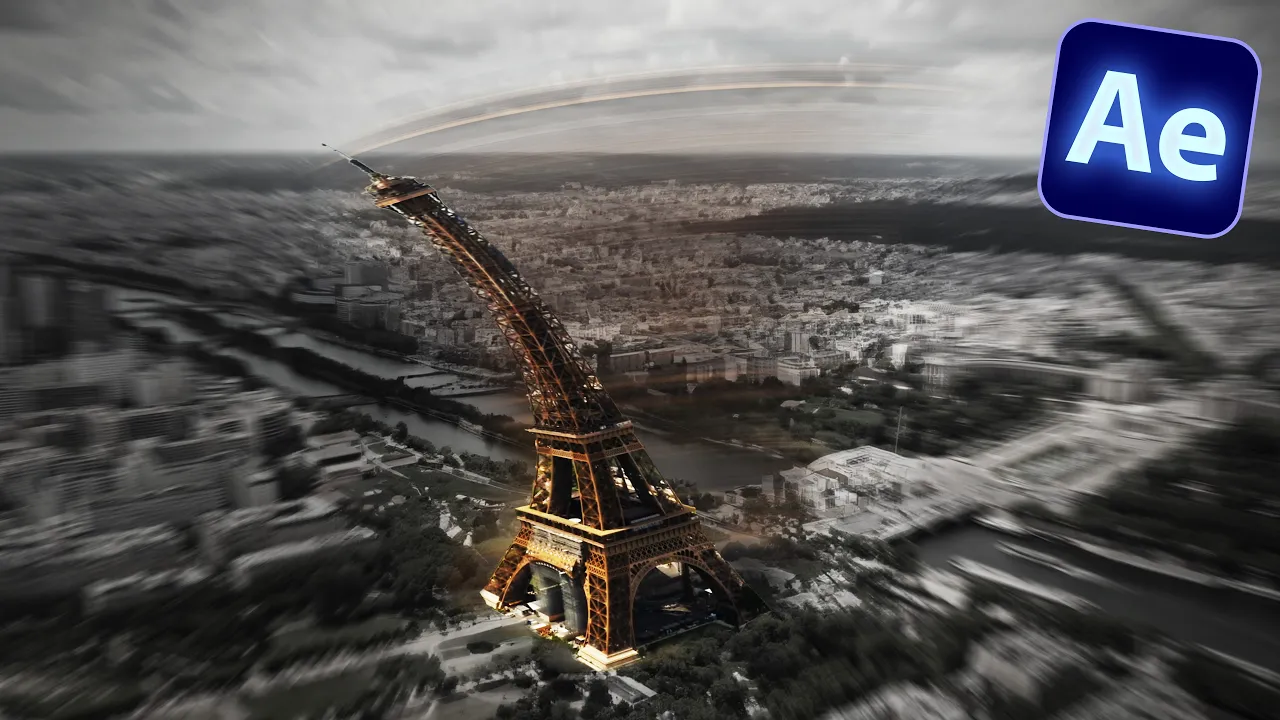


Successful VFX artists must balance technical software proficiency with foundational artistic skills, as demonstrated by panelists who emphasize that drawing, composition, and design principles are essential regardless of the software used; the industry has evolved to become more accessible with lower barriers to entry, and artists should focus on developing their unique creative edge while continuously learning from others and adapting to changing tools and technologies.
VFX in After Effects: An Artist's Panel Discussion
Added:Familiarity with the Adobe After Effects user interface, layer management, and timeline animation fundamentals.
Basic understanding of core visual effects concepts such as compositing, rotoscoping, chroma keying, and motion tracking.
An understanding of common digital video terminology, including frame rates, resolutions, codecs, and rendering pipelines.
Advanced 3D integration workflows, such as linking After Effects with Cinema 4D (Cineware) or Unreal Engine.
Deep-dive mastery of complex compositing techniques, including multi-pass CG compositing and professional color matching.
Strategic portfolio (showreel) development and career planning based on industry expectations and hiring practices discussed by the panel.
Exploration of pipeline optimization, script-based automation (Expressions/ExtendScript), and collaborative workflow standards in professional studio environments.
3.6K views49likes51:48Original Release: 2019-04-10
hi everyone I'm Victoria nice from the aftereffects team and I am here with three amazing VFX artists who also have something very cool in common which is that they're not just great artists they're also they've all made a name for themselves within the VFX community and so I'd like to welcome you all this stage today thanks for joining us thank you thank you right we have chase Hanson Mary poplin and Andrew Kramer I'm gonna do the little thing where I read your BIOS and then we all say hello so sound good so chase Hanson is a freelance designer and creative art director for print web and motion design he currently specializes in fictional UI phooey designs such as advanced computer displays holograms heads-up displays and data design he's worked on spider-man homecoming Disney's big hero six Ender's Game and has contributed to mega franchise mega franchises like Iron Man The Avengers Hunger Games guardians of the galaxy and Star Wars welcome and Mary poplin is a visual effects artist and the product specialist for Boras effects she specializes in match moving paint Beauty work and matte painting and has worked on films such as The Last Airbender Gulliver's Travels and jackass 3d Mary consults with film studios and customers to provide expert training in mocha planar tracking and the Boras continuum and Sapphira plugin packages welcome thanks for joining us thank you and I think we all know Andrew Kramer he's helped after effects users all over the world hone their VFX thrills through his website Video Copilot and produced a set of plugins that push things even further creatively he's the creator of title sequences for TV's fringe on the film's Star Trek and has helped from production roles from visual effects artists to directing commercials and promos so glad that you're here Andrew thank you very much good to be here thanks everyone for joining us today if you're here in the audience we're gonna be taking questions later so I want you to think about what you'd like to ask our panelists so keep that in mind so let's get started let's start at the very beginning huh think about how did you get your start in VFX so chase how did you find your niche you're such a distinctive look to your work yeah thanks I pass so I went about this very rounded that way I always loved films and stuff I was like the one that would pause you know the movies and and I would actually draw the frames in the composition and I started drawing you eyes that were in the in movies and stuff and I'd always find like little Easter eggs or little extra things about the you know about the story or something I thought that's pretty cool and then I actually met a guy here at NAB mark Kohler and who who did this kind of work as a living and I'm like that is a job that's it's gotta be the coolest job ever you know I was so geeking out and it took me a while because I was like man I'm not I'm not good at anything I don't even know what program to use all that kind of stuff and then I was like you know what I think I could do this so I was working on a corporate video for Intel and I said hey can we put some like futuristic screens in here on the computers and they they went for it I sent that to mark colder and I said I know I know this sucks but if you ever need any help I'll work for free I'll do anything a little a little widget whatever and he ended up referring me my first gigs that's awesome how about you man okay so it's kind of funny I actually I was an illustrator and a painter and it's it's actually really funny because people would go to my website and they'll like tell me oh my god you actually like you you paint it's like yes that's what I did I actually I started working on movie posters and so I was like cleaning up movie posters and doing like all the art for that and we had this art director on one of the first films I worked on where I was doing a lot of the marketing for it and he was like oh I like your work so how about you to some matte paintings and some color keys which are usually something that you have to like break into but he really believed in me there was Phil crude and I owe him a lot right and he was like so try this and then one of my production managers was this girl named Leslie Barker is she was like you're gonna that paint stuff here's what we need though we need you to do some paint work and start doing beauty work on all these renders and so they sat me down in front of a program I had never touched before combustion and I'd never touched it and this was longer ago than I'm willing to actually admit and and so they set me down they're like right so this new program you've never touched here's a bunch of shots and they're all due at the end of the week so good luck um and that led to you know more matte paintings and more compositing and Here I am now eventually a guy named Martin Brennan from Boris well imagine your systems at the time with mocha was like hey I really like your work you're really good at talking to people uh come work for us so that's what I do now that's super cool and I remember some of your very very first video copilot tutorials way back in the day like the one with the baseball the camera shake the very very early ones how have things changed since then so yeah I would say that the tutorials have been getting a little bit worse but we're working on that right no actually I would say that tutorials has helped me get more of the kind of work that I had always dreamed of doing working on movies and you know I've told the story before but some of my tutorials like visual effects and energy effects or whatever you know I got an email from JJ Abrams and said okay I like your stuff and you know maybe we could like work together I'm just like oh man this is crazy I'm being punked but uh luckily I wasn't and just from there getting an opportunity to work on movies has inspired me even more like being able to see what's possible and like to piggyback off of what Jace was saying movies like Forrest Gump inspired me and not like I don't even think I understood the movie when I watched it but seeing how they integrated him into the old footage and they did mouth replacements before you know it was before it was possible they were doing some really amazing like crowd replacements and that stuff just it just was exciting that that was possible and so the sort of journey for me is making tutorials and that's actually helped me get better and do more professional stuff and I'm actually really curious when you're designing the kind of work that you're doing in particular Jace how do you go about creating that concept or what's the foundation for one of those shots yeah so well first of all I I always realized that some people have no idea what the hell UI is in film right so and people are like did you design like the robot or something and I have to say no there was like a computer screen that was by the robot that's what I did you know so it's it's basically any holograms or heads-up displays you know Ironman type stuff or or in Star Wars which I worked with this fine gentleman right here did all the holograms for r2d2 and bb-8 and stuff and so that to answer your question yeah the way I start is usually I try to get a sense of the story so because we're always using these to kind of further the story alone so trying to either read the script or watch if they've filmed anything and edit it together really get a sense of what that is what they're trying to accomplish and then I'll draw it out I usually have to draw it by hand I try to I try to get away with just going straight to the computer but especially if it's a storytelling thing I've got an almost storyboard it out in a way I've actually seen it he's got a little notebook at Penn does he's like really good drawings and like maps out there like three dimensional and it just reminded me like when we worked on Star Wars there's shots in the movie that are less than 24 frames and they have to convey a moment a message a feeling that quickly and you know like that's the challenge of the stuff that that he does like for all the type of you know sci-fi movies you have to like tell a story it's not just cool graphics yeah in a way it's you know we should do it very minimally because that would read the quickest but we have to make it look advanced like it has to look super you know if it's Iron Man it's got to be super advanced right so the challenge is how do you make it look super complex super advanced and yet read in the 24 frames little less than a second I think that's really interesting that you say that you have to draw it out first and I think that's one of those things that speaks to how like you need to have foundational skills to be able to create this work no matter what program you're making it in that's really very interesting and cool yeah mary was talking in the back about you know needing to really develop as an artist I love that I think that's exactly right versus trying to learn programs all of it you know you've got to develop your your skill I find trying to draw and by the way I draw horribly it's really bad drawings actually but I allow myself to draw badly because yeah you're you're looking at like more of the clarity of things you know it's gonna be a stronger composition a stronger design versus just jumping into a program is actually an important aspect and even though I'm from the software side I totally get the art side of it as well and you you were also talking earlier about how you need to find that balance yeah absolutely so you need to learn how to use the software obviously but you also need to understand that the software is gonna adapt it's gonna change over time and you need to be able to adapt with it like you have to be able to learn how to use the various types of software to do the tasks you're trying to do the task is important the artistic part of that is important the design part is important but yeah it's totally important to be able to know how to use the tools in the right way to get the job done on time an Andrew you've actually been making tools so how did that come about how did you go from making tutorials to making products so a lot of what made me excited about making software was running into limitations or wishing there was a way to do something specifically I think I was fresh off working on Star Trek 2009 and you know obviously famously a lot of cool lens flares and I had been developing the plug-in optical flares and that sort of journey of filming lens flares and analyzing them and trying to understand the science behind the physics because the goal was always how do you make it photographic how do you make it look real and the only way that would have come about was being able to work on a real production and so for me it's very important that I work on real design projects and movie projects it helps me make better tutorials it helps me understand what the software needs are so that it's you know very forward ideas and very innovative tech you know we showed a plug-in today that uses some you know really interesting techniques for volume rendering and that kind of stuff came about because of a project we were working and we needed the ability to do that and that just inspires an interest kind of pushes forward that way was there a moment where you said oh I'm gonna have to do this myself almost daily but for sure you know you realize that there are just areas that just are blind spots or maybe they're just real specific I think with our first plug in twitch it actually started out as a after effects expression project right and to be fair I didn't know how to make expressions properly and I remember I had to like create all like the if-else statements for every possible state because there's like you could turn on some blur and some light and some different flicker types but you had to have a if-else statement for every combination like 1 & 3 or 2 & 4 believe me I didn't know what I was doing and so when I finally found a real plug-in developer it was like it was the funnest thing to say like I could completely stop worrying about how to accomplish it and I could fully and embrace just the idea what about this could we do this and then you know our brilliant developers they go in and they try to figure out the best way to do it and then I'm always like can we do it faster though like it needs to be faster i'm compositing and that has just been the way that we they will roll that's super cool so Mary you real reputation is somebody who can solve really complex shots that other artists can't do like you're the person they'll call it call the red phone we need Mary how did you have you built that reputation um I think I built that by interfacing with users so we you know obviously I work at a plugin company you know and we interface with users often and as they you know sort of customer facing person I end up going to a lot of our meetings a lot of our demos I do most of well a lot of our training content and so we have like a support contact and so we just get people that's like hey can I um can I talk to thee Mary poplin I'd like to talk to the Mary pop one please and which is hilarious but so people have these shots that are like honestly very difficult you know and and we have to sort of think outside the box and the tool that I use the most is mocha and you know mocha is one of those tools that it's not like other tools it was like planar tracking before before planar tracking with the buzzword so because I'm decent at learning software and decent sort of attacking problems more artistic and a technical side what I can usually do is I can look at what they're doing and honestly what most users are normally doing is overthinking it you know they've like the problem has it's been something that they've been spinning their wheels on for so long that they don't know how to look at it anymore so I think I don't even know if I get that reputation fairly because I'm just a different perspective I just have a very different perspective but but I often often troubleshoot shots and and I think it's just the repetition of that ever like the past eight years that's built that reputation do you have one that you're particularly proud of that you just cracked it I do it's actually on my demo list for this for this year I had this shot that was driving me crazy it was a blurry background and it looked like it was all one plate and it was really hard to track it was a close-up of a woman and I wanted to take her out to put her back on top because I wanted to make her ghostly and transparent and lovely but like many shots it's one of those things where you're like well we shot this and this is the shot we don't have a plate we don't have a background plate we don't have a guess we don't have anything you know so instead of using what I had been trying to do which was try to track the whole thing I did a guesstimate on a lens warp and then I split it this side and this side because I realized that instead of actually being one plane moving behind them I figured out that it was actually two planes and it was so blurry that you couldn't tell that it was two planes aha so figuring that out made it to where I could build it up piece by piece and I was able to rebuild the shot from scratch and actually do it to where you can you can actually overlay the person back and forth and it looks like seamless which is I'm really proud of that that's super cool and it's invisible no one would ever know yeah some of the best VFX the best the way it's the best is that no one ever sees it you actually are somewhat of an exception that you're doing stuff that's visible and noticeable as we effects it's not always seamless it's meant to be seen do you have a shot you're particularly proud of and I love a lot of the big hero six stuff because it was an animated film and I never thought I'd work on animated film the Star Wars stuff I'm really proud of just because that was a it was a crazy experience and that was my bucket list film like I was chasing it down but who's working on this I don't even know who decide my house yeah like so but I mean we got into there and I remember so we we did all those holograms and everything in element 3d like what I built a lot of it we built a lot of it in cinema 4d then we used element to render it inside of After Effects and I was really proud of that because I remember when I came I go so uh so Andrea are we gonna be using element for everything on this and he was like no no man just use do your normal you know if you use C for D let's do that and I was like okay I'm gonna be spending months next to this guy I am gonna learn element 3d from him I'm definitely we've got to do this an element and and we did and it was so great and and I also was able to see kind of his process in terms of I mean whatever you think you know about Andrew like he is so much funnier in real life and he is so much like he's brilliant with After Effects so it was really nice to you know because usually if I have a problem I look up a tutorial that Andrew did but having him right next to me it's much better much better so that's that's pretty much what we did yeah yeah it was it was definitely a lot of fun and you know Jace is he taught me just the value of so many small details that just create depth like when you look at something and you see the basic idea of the shot and you think okay that looks cool but why does it look great and when I see him putting in the intricacy of the lines and the weight of the lines and the small little details and the tags it just it just gave me a greater appreciation for you know that whole UI design stuff that the amount of work that goes into any one of those shots is I mean it really is a work of our so they're beautiful they're really really awesome yeah that's some gorgeous stuff I'm really curious about big hero sex actually use that what's what's different about doing VFX for animation versus live-action so animation I get started a lot earlier in the process so I'm on my third animated film now starting next week which is really cool but yeah the process is kind of like they do a lot more concepting and a lot more like exploration almost like you could almost go like a whole year of just exploring and making the world and making I feel like they really understand design animators and and because they're so involved in that like even to the director level really are they value design so much so they will really geek out on all the stuff that you do a lot of times on films sometimes you'll do stuff and you know you don't get any feedback or whatever but on animated ones you you definitely feel the love and it's it's it's also feels like a really small even if it's Disney Disney animation feels like a small little crew you know it feels like a family so it's pretty cool well in like with animation there's a lot more previz too so like there's like a like just so much so there's so much prep yeah I feel like my stuff can influence their stuff and their stuff influences mine a lot more because it's so liquid it hasn't been filmed I don't have to put it into a plate that's already has a camera move or no camera move you know specially for Holograms you want camera moves to really feature you know like a three-dimensional thing and a lot of plates sometimes we'll get them they'll be static locked off and you won't be able to tell it's a hologram very well so with animated ones yeah you can you can kind of hey can we swing this camera around it's a lot easier to do you're gonna jump in there yeah I was just thinking about when you work with different people you you know you just learn different things in different ways and I think there's so much to be said about you know finding people that do different stuff than you and finding a way to work with them you know the style that they go after maybe it's not your style but you're able to just see their brilliance and the way that they focus on something and you always walk away with just a way better amount of skill and you know it's been like with working with Jase and with working with people who just do completely different things you know so like I would recommend finding projects that maybe are outside of your comfort zone and you know work with people that know what they're doing and you know you'll just learn a lot oh I was gonna jump in there with one little small thing because because I end up interacting with a lot of users I have a lot of new users and they'll always ask me like you know how do I get started like what do I do and I'm always like find people you really like and then just make stuff with them but make stuff with other people because that collaboration part is key that's a really great piece of advice and this will be something else I really wanted to talk to you about which is how you balance that sort of user-facing stuff where you're actually part of the you're coming in you're doing training you're part of the industry with the artistic work you're doing and with the VFX side of it so is it is it more one or the other do you find yourself going one direction you know it's not one or the other what it is is it'll be like for the forty hours a week during the day that I actually work on like customer-facing stuff I do that and then when I do visual effects I kind of put in another 10 to 20 hours a week doing that stuff that's kind of how it works out because you know I I work full time and I really enjoy my work but sometimes I do want to do like some extra creative stuff so what I do is I have to make time for it carve that out of other spaces but if I didn't do it I wouldn't maintain the skills that I need to do the other part of my gig which is training people like you were saying earlier about how you need to do real-world work to maintain your skill set and you absolutely do like there is no substitute for working on a real project with real challenges yeah there's there's so much talent out there like I'm constantly blown away by the work that I see unlike Instagram and places and I just feel that dis inspires me motivates me more like I want to learn more about this I want to learn more about that and if you if you stopped you know learning and being inspired then you know you'll kind of just be stuck at that level and you always wanna you know your you're never gonna have fun if you stop that place and you know so I love to just be inspired by people and you know it's a funny story I was doing some research for a recent plugin that we did for or right planets and things like that and I had stumbled upon a demo reel for a big movie and I had like space and planets and it was amazing as the ilm designer and i was looking at he had like a little breakdown of the shot i was like wow this is awesome and I was looking at its YouTube and whatever I'm just like looking at his previous videos and then down there I see some like Video Copilot tutorials I'm just like this guy is inspiring me right now that's how it all works yeah it's funny that you say that we went I actually got I got to go to a trailer house the other day and I'm I have to edit all my own videos I am NOT the best editor in the world but I got to go see a bunch of new cuts of trailers and I mean like trailers you would have seen you know and the the way they do it like they'd run several different versions maybe totally different stories of the same story like really backed it back and super tight with like genius like music choices I was just like yeah these guys are really good at what they do I'm gonna try to just glean as much as I can from that one of the things I I'm just talking to a friend of mine about how airline safety videos are like that and that every airlines got a totally different one they have exactly the same script on yet they're always trying to tell a different story and it's really interesting to see people take the same material and twist it in different directions absolutely that's fun stuff and how do you balance things since you seem to be doing about 12 different things is that the skew of a weekly schedule do you bounce back and forth between videocopilot working at movies I have only advice on what not to do I would say that it's always changing because I do production work and sometimes I have to focus on that solely you know for the past 18 months we've been doing heavy Video Copilot stuff and development and tools so it's you know it's it's just a matter of having goals for the year and looking at it a little bit more big picture because you can do day-to-day but you want to say like okay I want to be able to get to this point and which is something I'm famously not that great at and so to have some sort of guideline for where I would like to get to that's helped me so much more in this past year and a half two years where I've really tried to focus in on my schedule to know that I'm being more productive because you can always be busy but you want to be productive and how have you seen the industry changing in over the last few years I can say for film industry I think you know when I got in everybody warned me about it that you know you're gonna break up with your girlfriend you're gonna never sleep you're gonna you know ruin relationships and everything and so I kind of avoided that but I found that a lot of companies are avoiding it too like they're they're starting to to respect life a little more Cantina is one of the group I do a lot of work with and they if you're there at 8 o'clock they're like what are you doing you know go home have a life you don't weekend's go home do something else you know because they know you come back with a different point of view you come back fresher you come back you know more inspired and excited and everybody then wants to work there too because it's like this cool place so I've seen that with different places kind of all coming around you know and I think that's just super healthy I I think I would have burnt out if it was like that for me and I just kind of circumvented my way around it and tried to make it like so that it's actually an enjoyable fun everyday kind of job you know it's hard work but it's it's definitely like a good thing two healthy things so I feel like that speaks to some of the democratization of visual effects in general it's easier to produce on cheaper machines with less expensive software the barrier to entry is much lower you can have smaller houses that get like amazing work at competitive costs you know so what you're seeing is you're seeing a lot more people with these sustainable studios that sustainable lifestyles at sustainable paces and they're doing amazing work because there fresh enough to actually do the work so you know we're all just making the tools that make it easier right like that's the thing it's such a positive thing to hear so nice the industry's changing to be better to artists oh that's good news I feel - artists are actually getting a little bit better at advocating for themselves as well you know that's also that's part of it yeah yeah have you seen a real change there yeah I mean it's it's I think I think people are kind of waking up you know I think at first it was like just everybody was so eager to do stuff and now it's kind of like hey you know we can still do this we don't have to make absolutely kill ourselves we still kill ourselves but you know we still go home and we have a good relationship with you know the people that matter in our lives - I mean that's that's at the end of the day the most important thing so yeah I feel like people are realizing that two weeks crunch is fine two months crunch is starting to push it like maybe maybe that's bad management maybe maybe I've also seen I mean I'm super proud about After Effects this year winning the award because when I started I was really confused about what to dive into like it was combustion was it and then people told me no no you want to do film you got to learn Inferno and I was like oh cool sign me up how do I get that and they're like yeah that's a kind of like half a million dollar hardware and all of us stuff attached to it and you'll never actually be able to learn it and so I was really confused when I was first starting out and finally somebody told me look just learn after effects because then you can get a job every the secret thing about these you know these companies is that they're all using After Effects as well so if you learn that you can get a job in there and so now I feel like I mean it's a little more straightforward it's freaking After Effects it's you know Illustrator cinema 4d it's like such a good path they all work together so well and I feel like that's great and then there's there's a lot of our training and stuff that's being supported well yeah you talk about training because that's you know that's your bailiwick it's my ballet week it's you know it's what we all do so like the training is also part of that democratization pop it allows people that would have to have gone to film school people that would have had to have like invested a lot of time into learning people who had would have had to work their way up they actually know because of people like you because people like us you know and that's actually a really wonderful thing to that's something I've really noticed changing have you seen that as well yeah I think there's so many there's so much great content out there that you can learn from other people and and maybe it's just an overwhelming willingness to share like I think people are just so open to you know they post something cool oh hey how'd you do that you know here's an idea I'll make a tutorial like just the yeah I'll make it tutorial show you my process you know that kind of casual love for the craft and willingness I think it just helps everybody and I know I've certainly learned from tutorials online and seeing what people are doing you know when we do our tutorials we know there's a lot of content out there and we want to try to create stuff that is you know just unique and maybe tackle something in a different way just so people can get a different perspective on something [Music] they can't hear that so just assume there was some really obnoxious loud announcement and it all shocked us you can't hear it yeah they want our attention please it's like those earthquake videos people are like it really does seem like there's just so much out there now to learn on your own in a way that there wasn't back in the day so then how did you get started before all that was out there what brought you to tutorials so one interesting thing about video co-pilots we started in 2005 and that was before YouTube to just give you like a little bit of a and I think back then we had to host our own videos on like a private server I think one month like it was good and bad I was like oh man look everybody's watching that video and then I got my bill for the hosting it was five thousand dollars and like I didn't it was rough but you know seeing you know seeing the change of like YouTube and the ability to sort of present that content has made it easier but in the beginning I think there were places like forums like creative cow which I was you know a part of that group and you know again there was just tutorials written ones I know Jace was he's done one of the very first video tutorials that was online and I think we all used like flash I think enabled us to export video that could be easily streamed and you know not I think maybe maybe Flash gets enough credit but I think that really helped create a place for video on the Internet and I wasn't that good at looking at a written tutorial you know cuz you'd see you know 10 steps and it's like a 45 minute process and you're like okay something is missing between this sentence and this sentence and for me whenever I do a tutorial I always started out blank screen restart make a new composition I make everything from scratch sometimes people make fun of me because I go up and I say all right click edit duplicate rather than hitting you know ctrl D or something like that and the reason is because I want people to see the process so whether you're a professional or this is the first tutorial that you run into you I want to make sure you don't hit that roadblock in the first 1 minute and not able to continue because I've done some shortcut and I'm not perfect on that but I really try to show you the process all the way through because that was what inspired me to see it yeah and we think we should also give a shout-out to early days of After Effects training like Bryan Moffitt's VHS tapes I had those there there were a lot of resources but it's totally different now well they were harder to get yeah that's true I have a VHS player and you know where to get them but yeah and and now like I went to film school and now we see so many people just coming straight in who've learned everything they know online and it really does seem like one of the best things with this community is there aren't a lot of Secrets and I think it's because it's celebrated to show off that you've figured out how to do something cool to show off your techniques like it's a way to make a name for yourself I mean thank you you also feel like I'm totally self-taught right I didn't have money for school I grew up pretty poor so I was like alright I'm doing it through books and through you know Linda and like all the online training stuff and when you when you have received all this good stuff from people you feel like you want to give back like you it's your duty almost to give back and also you know bring the bring the next you know people along with you yeah I learned how to use combustion with a book that was it no videos no nothing no nobody's sitting next to me showing me how to do it a book this might be a good time to open this up to the audience is there anyone who has a question I'd like to ask the panel you have anybody michelle has the microphone anyone anyone with a question see right you see somebody over there I have some questions for the audience Oh [Laughter] we're gonna start asking yeah you and the blue shirt she has a question what do you guys end up doing to help work through a creative block that's a very interesting question so um a lot of times what I do is I ditch the project that I'm working on and start from scratch or I'll work on a sister shot and then see if there's something there that is a breakthrough for the shot that I'm working on and then I'll go back to that and see if the techniques apply if not like I cannot recommend enough the simple technique of getting up going on a walk for 15 minutes and coming back and looking at it or actually just getting some sleep if yes in a place where you can't you will solve so many things while you're asleep I think you know if you look at the problem try to say or figure out why is the problem happening I think you go to a more fundamental fundamental level say hey is this because the timing is off or what's not reading about it and I think if you understand why it's not working simplify it down say okay it's not reading so let's try to say what is this simplest way we can get this to work and then start attacking it more you know creatively and sometimes the creative you know the look or the the style frame can get you kind of hung up a little bit and you don't think about what you're really trying to convey and so just pulling back just a little bit and then you can regroup oh I have actually a silly one it's not silly but it's a it's a valid technique that you use when you're painting but if you have a design problem in your shot and you're trying to figure out why it doesn't look right or where it doesn't look right in After Effects you can use like a little adjustment layer you can actually reflect it or transform it flip it upside down that is actually a really good way to look at a shot it sounds silly but it is not it because it gives you a new perspective to look at the composition the perspective the lighting and make sure everything's lining up and literally just one different visual perspective can help a lot yeah on that note have you ever exported a video and watched it it felt completely different than in the timeline when you watch it weird thing but I've done it watch it on my phone and just just watch it on a different TV screen you know I love those I do the same thing I'll I'll also duplicate the design so like like if it's in Illustrator I'll duplicate the artboard a bunch of times and I'll iterate and and I used to iterate by saving different versions but if you have them all together where you can see them all then you can go back and say you know I like this from here I like this from here I like this from here and you begin to kind of just become unstuck a little bit it's good advice any more questions from the audience I think we've got one over here yeah I was just wondering besides you know the technical of the software have you found any tips or tricks for things like economics or you know like taking a walk but any tools or or like chairs or special mice or anything that you've found that's helped you physically or emotionally in the long process of like a long standing desk I have a yeah I have a sit-stand desk that's really nice and I use a Cintiq so I'm constantly changing input modalities right I'll do a mouse I'll do a Cintiq I'll then I'll use Astro pad on my iPad and it basically becomes a little mini Cintiq for your for your laptop or whatever computer and so I'm just constantly just trying to switch it up physically yeah definitely I was absolutely gonna say Wacom tablets like absolutely they make things a lot easier I just kind of make sure I'm near a window I need a do you have another question anyone else oh right here like a really complicated UI system or you're getting into a design and you find it kind of you really need to draw attention to that one area do you have any tips tricks or techniques that you kind of go to to really make that area really clean and standout still and then follow-up question what's your favorite Easter Egg you have ever hit in any Y Easter Egg yeah okay so so first question that's absolutely like probably the hardest part of the job right is is directing people's eyes to that one part when there's all this clutter everywhere else so we tend you may notice like a lot of our UIs are super d saturated or they're they're kind of monochromatic for the most part that's why because the that one accent color is what we're gonna use to draw your eye also the animation of it so I'll actually animate like little boxes or little things that basically animate to that part and then that part highlights so it's just always like leading you and then it it does the payoff and that that always helps a lot so one of the things like if a design is going wrong and it just looks too cluttered or whatever you can just just make it all black and white just for awhile right then look at it then start bringing back colors very very selectively also lots of negative space white space around that object will help a lot as well exactly okay favorite Easter Egg there's a lot I always put my name in somewhere you know what actually what's funny let me say this I mean this is alleged okay and confirmed right in Star Wars there was a scene there's a scene with the star killer base hologram and it it pans up to it really beautiful zoom up into it becomes really big and I think the first time we showed it JJ said I hope you hid all your names in there and we hadn't right oh my god we can't even think of that we're working so hard you know we went back and of course you got to put it in a certain language cuz it's not English right so but if you look really closely you'll see the the team is all in there yeah I I tend to hide my name and stuff too sometimes but it's usually initials and it's usually like where you can't see it like tree branches or something I once hit a pancake recipe and after effects wonderful it's in 14.2 alright we've got a couple questions there's one back there oh this one here so if you're working with the client and you think you did the greatest job and then the client looks at it and says it's not looking real how do you deal with that you just tell him he's wrong [Laughter] so can you go no what I would say is a serious to answer that question is you know maybe just sort of inquire like what do you think is what do you think is not working like sort of get them to sort of commit to things that you can actually adapt like sometimes the hardest notes are that's not working you know it's like oh okay I'll fix that having more concrete things too you know and I've learned to get better at that as well with you know when I work with my team it's you know the more clarity you can have even just ideas on what might be causing this sort of inconsistency and so if you can help them commit to saying like well maybe that's the background is just you know not looking or the edges and that way you can actually focus in on making a change so the next version comes up in the next version and maybe by version you know 20 you solved the problem you know and hopefully you're working by the hour what what I like to do is I like to if they start getting fussy about shots I like to set up like three to five versions because usually what fussy is I have found and this is not always true but sometimes they just want to feel involved in the process then that's the nicest way to say it sometimes it's just that they want their say but usually it's because they want to feel involved in the process so whatever you can do to bring them in as a creative partner is really helpful and try to avoid having them use words like I need it to pop more it needs to sing or zing a little bit more it needs to be just 10% more awesome you know like you got like oh so do you mean you want it saturated do you mean you want to like bring out the sharpness and the detail in this area you know work with me you are my creative partner yeah there's a great saying people support what they help build and so if you can involve them in it and make them feel a part of it it goes a long way towards getting those things final before there was memes right I remember reading reading memes maybe this was like 15 years ago and one of them was like tails from production and it was just like little anecdotes from random you know designers or people doing work and it was very early in the industry and so it was things like you know we'll fix it in post and stuff like that and one of them was just like oh hey can we can we kind of make that smaller but but bigger in the frame you're like yeah and then the guy says so I hit a few buttons and showed him the same thing and then this one crazy one that just made me laugh there was a production person that said okay it's a film of like a motorcycle shot and the guy's like oh this is great but I want I want it to be this I want this angle this way like I don't want to look at the motorcycle this way I wanted to be I want it to be this other way and he you know it's filmed and he's like oh well we could do it but if we do it then we'll see the camera and the lighting and all the equipment so maybe we shouldn't do it that's great all right one more hello so it feels like program starting to overlap with their functions at they're capable of for example After Effects can do a lot more 3d things to element but if you see like a job posting or something that says you should know 3d and you're kind of like an element expert but maybe that you haven't touched other aspects that are not available in element how do you kind of solve that problem of helping people understand that you can learn the program that needs to do the one thing that this doesn't do how do you like market that you're willing to you know get over the things that the program might not be able to do you know things like that it's just it's becoming muddy and you can't really say like I know after-effects it doesn't it doesn't mean something as specific as it might have used to right so is that a problem or what could you say about that I think what stands out more is what you can do like I've seen people do stuff with element that I I'm thinking how do they do this like I'm not even exactly sure and you know some you know some job postings and things like that they're they're just looking to sort of raise the threshold perhaps just to make it easier to manage the candidates and things like that but I think if you can show people what you're capable of producers you know at the end of the day we're you know just want to see you the work and make it look great right and there's so many great tools that can do a lot of some of the things like you said and you know maybe they have a certain pipeline and you're working with other people and maybe there's a reason for that but as far as an individual project an artist it's it's all comes down to what you can do fully and so if it's you can always add more tools to your own skill set and that's always going to be better but at the end of the day the real that's what matters I have some complimentary advice to add to that which is you need to market yourself right and the way that you market yourself I use tools like LinkedIn and by the way like 95% of people who hire people also use LinkedIn so if your LinkedIn is not beefed up with a picture and what you can do and a story of who you are with key words key to the job you are interested in in your story I'm not joking like that is one of the ways that you can really help yourself but the way that you really need to help yourself like you said it's you show not tell right you say I'm a problem solver here's a problem I solved you know and you talk about the story of the problem you solved and why with the skills that are relevant to the job that you're going for okay because it doesn't the tool matters but the tool doesn't matter as much as your ability you know and your ability to crack that code and also you probably always heard this where you you show what you want to do right so but that was for me a big problem when I wanted to get into this particular niche on my website I had all my artwork I had all my and everybody kept trying to hire me for like web design or other things you know and I finally had to like basically narrow it down I just had like two projects cuz that's all I've ever done and I took off everything else and that's when I started getting hired for that type of work so sometimes just two projects is enough if they're showing your passion and your abilities all right we've got one final question way in the back I'm Bernard from the Philippines this is for Andrew man your logins are phenomenal we've been using element 3d Sabre tools and have you been uptick our players what are you working on next well this guy's not a plant I swear it's like what's your next commercially available plugin oh well thank you for the question but to answer your question we we've been working on a bunch of different tools and I think one of the things that is fun about Video Copilot is that we work on stuff that we're excited about things that you know things that we want to create you know we don't necessarily have you know third quarter schedules and plans like we want to just make what's an innovative tech let's create something new different and right now we are working on a new plugin called nebula 3d we actually showed it at the Adobe booth earlier and it's yeah it's it's for doing real 3d volumetric sand beady bees inside of After Effects and that you know that kind of a thing that can help the compositing process it can help you during the final rendering of your scene happens to be something I'm actually working on for a professional project and sort of that inspired you know making it a little bit easier since the render times on vd bees can be really really slow so we've just been chugging away but this one actually is really close so thanks so we want to just wrap up with one big question which is what do you see is the future of VFX where do you see this industry going that's a big question I just know my little niche of the world and I'm so for for user interfaces and stuff with VR and augmented reality that's really opened up a lot of interest in in user interfaces that are spatial so they're they're surrounding you your applications are things that other people can see you they have a side that you can see behind a user interface you can see the side of the user interface and that's a lot of what we do in film right like with the heads-up displays or the Holograms and so that's what I'm most excited about there's a lot more of that type of thing I'm getting pinged by a lot of real companies and and to do that kind of thing and that's what I'm excited about so for me I think automation is key right the more technologically advanced we get the more tedious tasks get like just put on the click a button and it's done Bernhard ok like we have like things like you know automatically tracking of scenes using like camera trackers and like rebuilding things you know NVIDIA has been showing this automatic matte painting kind of stuff and like while I feel that it's not final I feel like it's a good place for users to start and I think artists need to start focusing on honing what their special edge can be that and like you know we got to continue to like build up the connections we have amongst each other because the tools are getting so good that we need to build our reputations right we're gonna have to start built like continuing to build our artistic skills and keeping our reputations up in order to stay relevant in the industry I'm gonna update my LinkedIn profile so to answer that I think virtual production is something that is really becoming more prominent and I think it's gonna become a lot easier a lot more available and sometimes you think oh virtual production it's this really big complicated thing but I think it's as simple as maybe blocking out a scene figuring out the geography of something you're gonna have visual effects in later and if you could do it on your iPhone and you the storyboard visually out a scene that brings the post-production process earlier into the game helps you figure out the things before you run into them it helps you know what you need and to even from like sets from lenses from lighting you know more about the post-production and that way you get a more true to life version of what you originally envisioned so I'm sure we'll see a lot more than great it's exciting stuff so I want to thank all three of our panelists joining us today and thank all of you for joining us number 12 [Applause] you you
Up Next

9:09
SENDOK // SPOON - Sinematografi UI 2015: Visual Storytelling Techniques
@Sinanditreasure
16.8K views•2015-05-05

26:22
Walking in the City: Urban Rituals and the Flâneur in Contemporary India
@PSBTIndia
1.9K views•2016-08-02

9:49
FastAPI vs Flask vs Django: Choosing the Right Python Web Framework
@TechWithTim
302.5K views•2024-05-26

1:42
Game of Thrones Opening Credits: A Cinematic Analysis
@gameofthrones
46.3M views•2011-04-18
Related Study Plans & Knowledge Roadmaps
Structured learning paths in General & Interdisciplinary Studies
general-studies
Artificial Light: History, Tech & Human Impact
01The Pre-Electric Era: Fire, Oil, and Gas Lighting
02The Incandescent Revolution and Grid Electrification
03Gas Discharge and Fluorescent Illumination
+ 3 more learning modules
14h6 modules
Explore Roadmap
general-studies
Elevator Engineering: History, Physics & Cities
01From Hoists to Safety Brakes: The Dawn of Vertical Lift
02Hydraulic vs. Traction: The Engineering Physics of Elevators
03Modern Speed, Safety, and Algorithms
+ 2 more learning modules
12h5 modules
Explore Roadmap
general-studies
Rubber: Material Science, History & Geopolitics
01Origins of Natural Rubber & Mesoamerican History
02The Chemistry of Natural Rubber & Vulcanization
03The Geopolitics of the Rubber Boom & Colonization
+ 2 more learning modules
12h5 modules
Explore Roadmap
general-studies
Containerization: Evolution, Logistics & Trade
01Ancient Trade & Bulk Cargo: Amphorae to Barrels
02The Industrial Revolution & Cardboard Packaging
03The Containerization Revolution: Malcom McLean
+ 2 more learning modules
12h5 modules
Explore Roadmap