












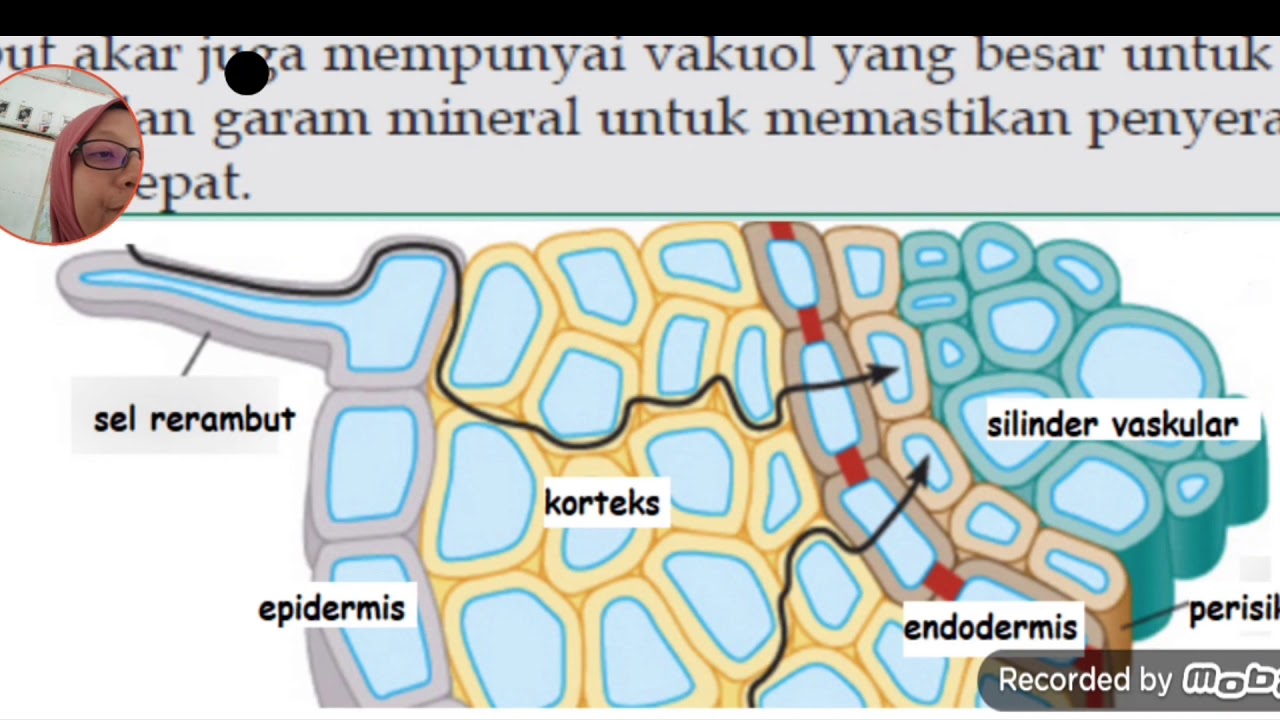


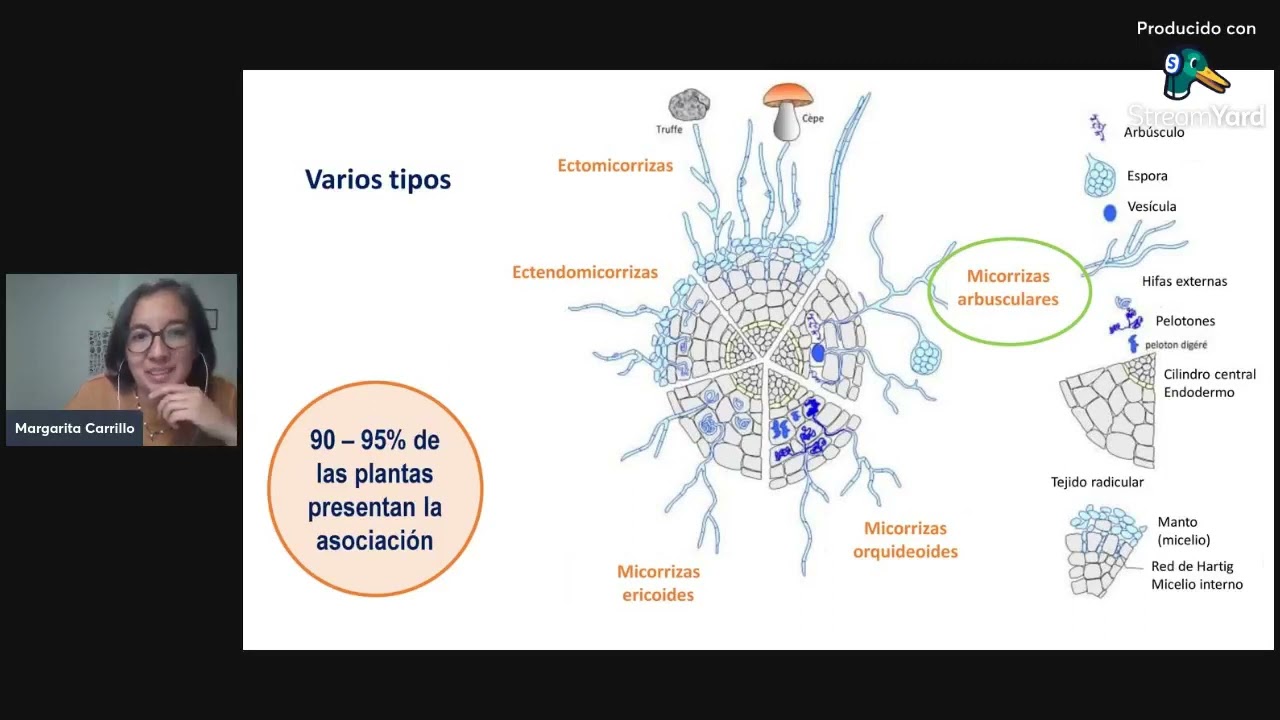


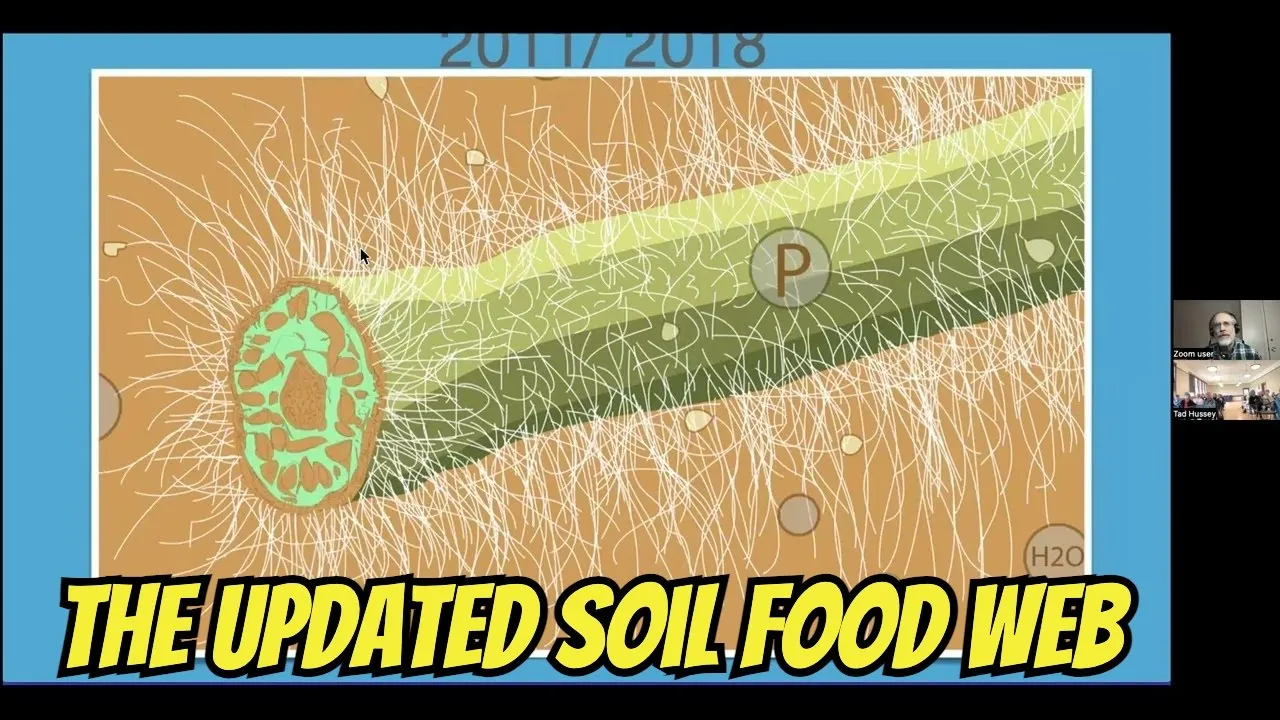


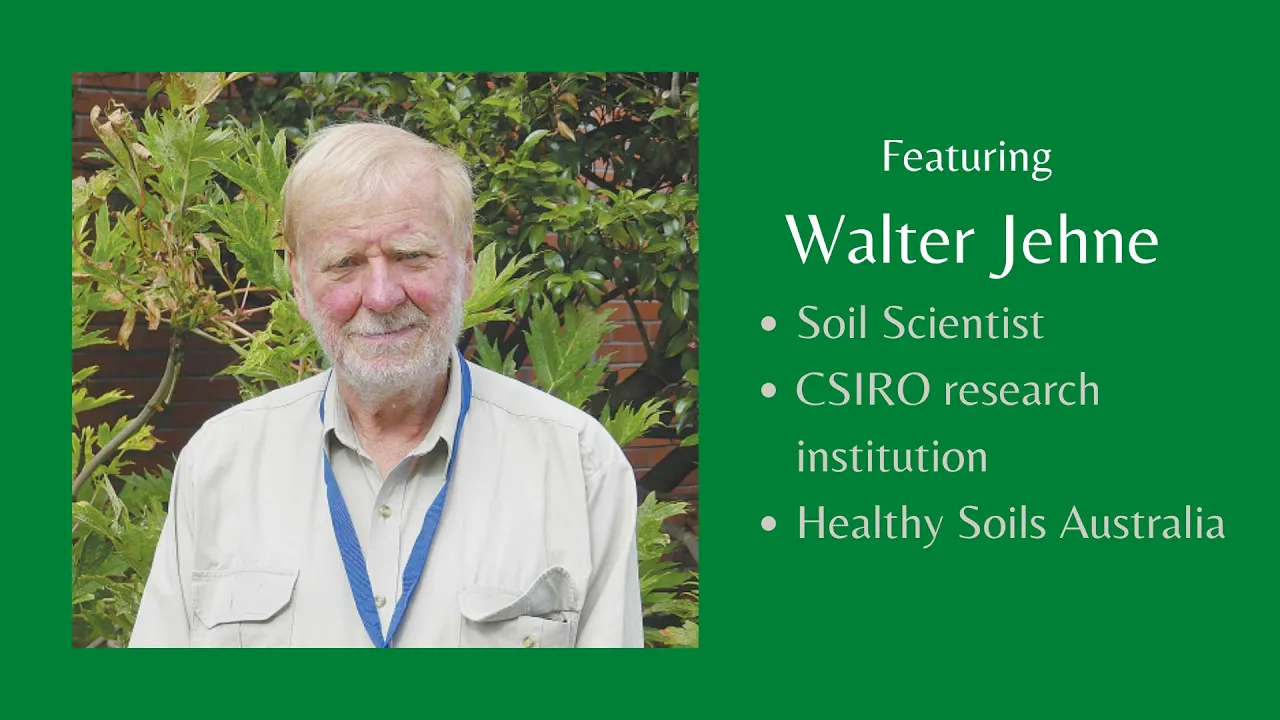






Fungal hyphae differ from plant roots in three key ways: (1) they grow via tip growth while simultaneously feeding by releasing enzymes that break down complex molecules into absorbable nutrients, (2) they maintain internal pressures of 4-6 atmospheres (10x human blood pressure) that causes them to explode when damaged, and (3) they form highly branched three-dimensional networks called mycelium that serve as the entire organism's feeding structure, unlike plant roots which are merely part of a larger organism that produces its own food through photosynthesis.
Fungal Hyphae vs Plant Roots: Key Structural Differences
Added:Basic anatomical differences between Kingdoms Fungi and Plantae, including cell wall composition (chitin vs. cellulose).
The concept of absorptive heterotrophy in fungi compared to autotrophic nutrition in plants.
Fundamental cellular growth mechanisms, specifically the difference between diffuse growth and localized apical (tip) growth.
The general structure and function of plant roots in water and nutrient uptake.
The symbiotic interactions of Mycorrhizae, detailing how fungal hyphae and plant roots exchange nutrients at the cellular level.
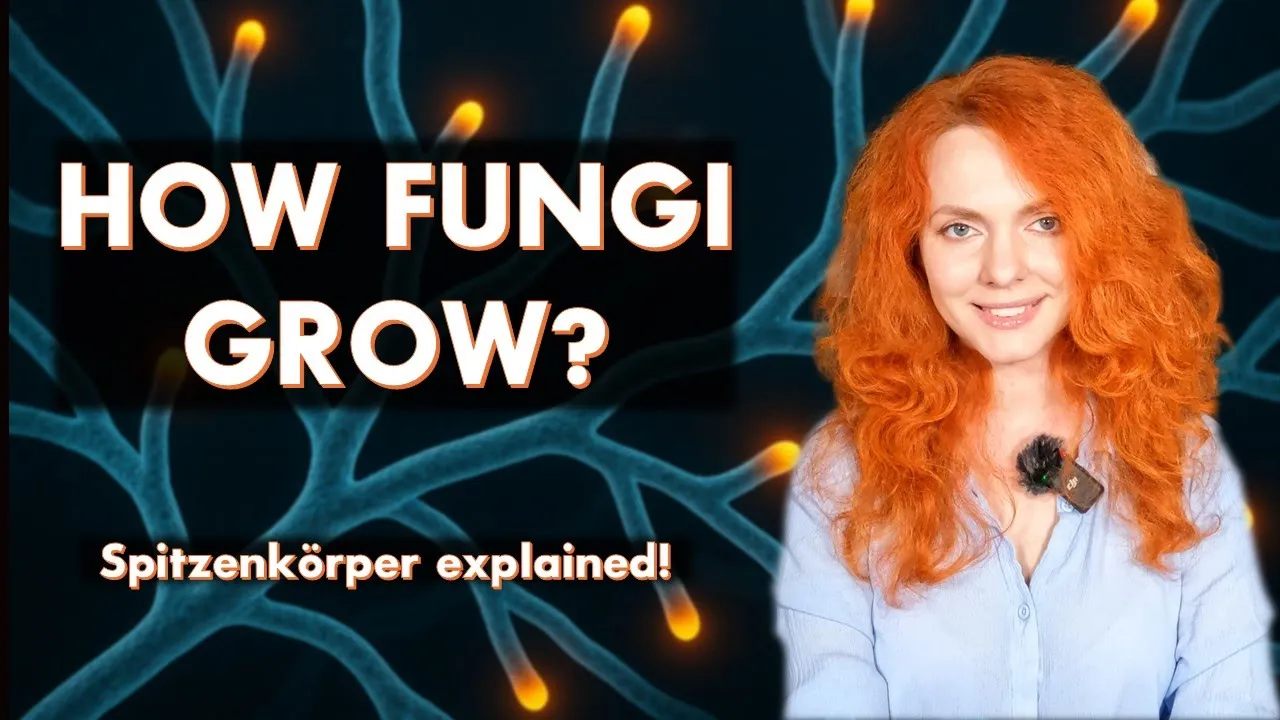
Advanced cell biology of the 'Spitzenkörper' and the role of vesicle trafficking and turgor pressure in driving hyphal tip growth.
Ecological and evolutionary implications of hyphal growth on soil formation, organic matter decomposition, and global carbon cycling.
Biomimetic applications of fungal mycelium in materials science, such as self-healing concrete and biodegradable packaging.
123 views8likes6:30Original Release: 2024-12-23
Can you tell me a little bit more about hyphae and their role in the organism? I mean, in particular, what makes them unique, say, from the roots of plants?
That's a great question because indeed, there are actually one thing is that fungal hyphae are tip growing. Predominantly, they grow, they extend at their tips and that's how they elongate.
Now, we're talking about growth on the order of what, a few millimeters a day. This isn't a very, very fast rate of growth. It's actually a pretty good clip for a microorganism. But there's other kinds of tip growing cells that we find like pollen tubes that are involved in sexual reproduction that deliver the sperm cells in plant reproduction. And there's other kinds of cells that also grow at their tips. And so what makes a fungal hyphae a unique structure is the fact that it combines that tip growth with feeding. And so a pollen tube isn't really doing that. A pollen tube is growing inside a plant flower. It's delivering the male gametes, the sperm cells, to the eggs in the flower.
But it's not really a feeding structure. Fungal hyphae are feeding structures. They're penetrating solid materials. Well, they could be our own tissues and I write about a lot about that in the new book. But it could be wood. We talked about rolling over a log. Well, they're feeding on plant debris in that case. But yes, that combination of tip growth and feeding. And the feeding happens in the following way that these hyphae, these filaments, they release enzymes from the tips of the cells. Those enzymes break down macromolecules, so complex carbohydrates, but also proteins and fat molecules. And the action of those enzymes solubilizes, releases smaller molecules from those polymers, those larger molecules, and then the fungus feeds on them. So it's feeding on sugars, for example, that fuel its metabolism. So it's doing this continuously. It's releasing enzymes, breaking down large molecules in its surroundings, absorbing low molecular weight, things like sugars and fatty acids and amino acids. And it's using these to actually fuel its metabolism. So there are some other organisms, some other microorganisms that work in a similar fashion. Water molds do this. They're kind of protest. But that really is the best shot I've got there at explaining what makes a fungal hyphae different from most other things.
But it's got some, in terms of the cellular makeup of that structure, there's some very distinctive features of the structure of a hyphae. And also the things pressurized.
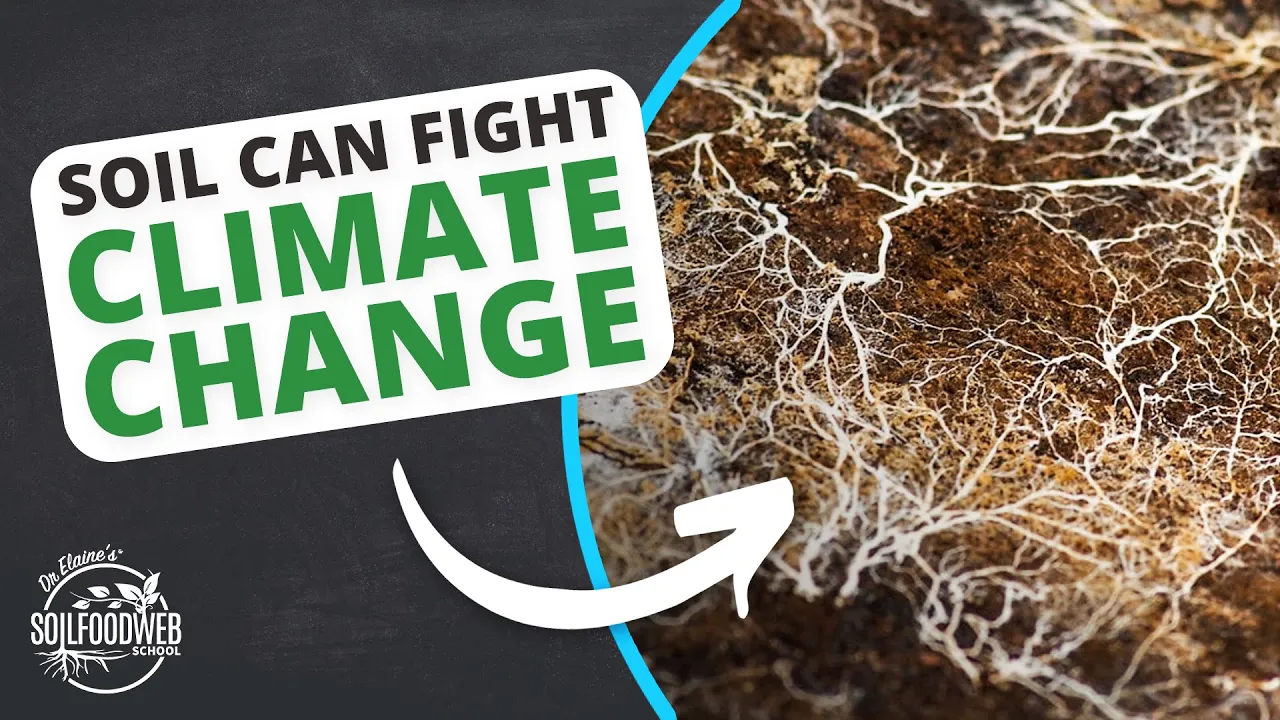
Many years ago now, that was one of the research areas that I explored was actually measuring the pressure inside fungal cells. It was just for me, at least it was fantastically interesting, that we can actually measure the pressure of those cells directly by puncturing them with a little with a glass micro pipette, a little tube and actually measuring the pressure inside those cells. And they're pressurized to a few atmospheres of pressure, you know, four, five, six atmospheres of pressure, which means it means if a fungal hyphae is damaged while it's growing, it'll explode. Although it also possesses what I suppose a simple form of clotting mechanism that actually prevents the cell from hemorrhaging from the whole mycelium from hemorrhaging. But yeah, it's under pressure. And that's interesting. You know, the individual cells in our bodies are not under pressure. We have blood pressure, but these pressures in fungal hyphae are much higher than those than, you know, 10 times higher than human blood pressure. And so, you know, they spurt their contents if they're damaged. They also about hyphae. The other thing is, is that they branch highly pollen tubes don't do that other tip growing cells. So as a hyphae extends, it forms branches and the branches branch and that's, that's how you get this very complex, geometrically complex three-dimensional network of filaments. And that's the feeding phase of the fungus. And root structures of plants, although they on a macroscopic level have a similar kind of like winding networking thing, they're serving an entirely different function to the organism.
From what I understand, the mycelium that is the organism and the mushroom is the fruiting body where with trees, you know, the tree is the whole organism. The root is a part of its feeding, but it's not the whole organism. That's a good observation. So that actually distinguishes the fungi from plants or the following distinguishes the fungi from the plants is that fungi are absorbing food from their surroundings. Plants are making their own food, right? They use the energy, solar energy to manufacture, well, to fix carbon dioxide and manufacture their manufacture sugars and other other macro molecules. So plants make their own food, fungi steal from plants and fun and actually other fungi and then also from us and other organisms on which they they grow. The root system of plants is absorbing water and minerals, but it's not I wouldn't, you know, it wouldn't if we're using feeding in terms of actually a carbon source, something we can burn that comes from the leaves and the photosynthetic activity of the plant.
Whereas the fungi have to absorb all of their food through there.
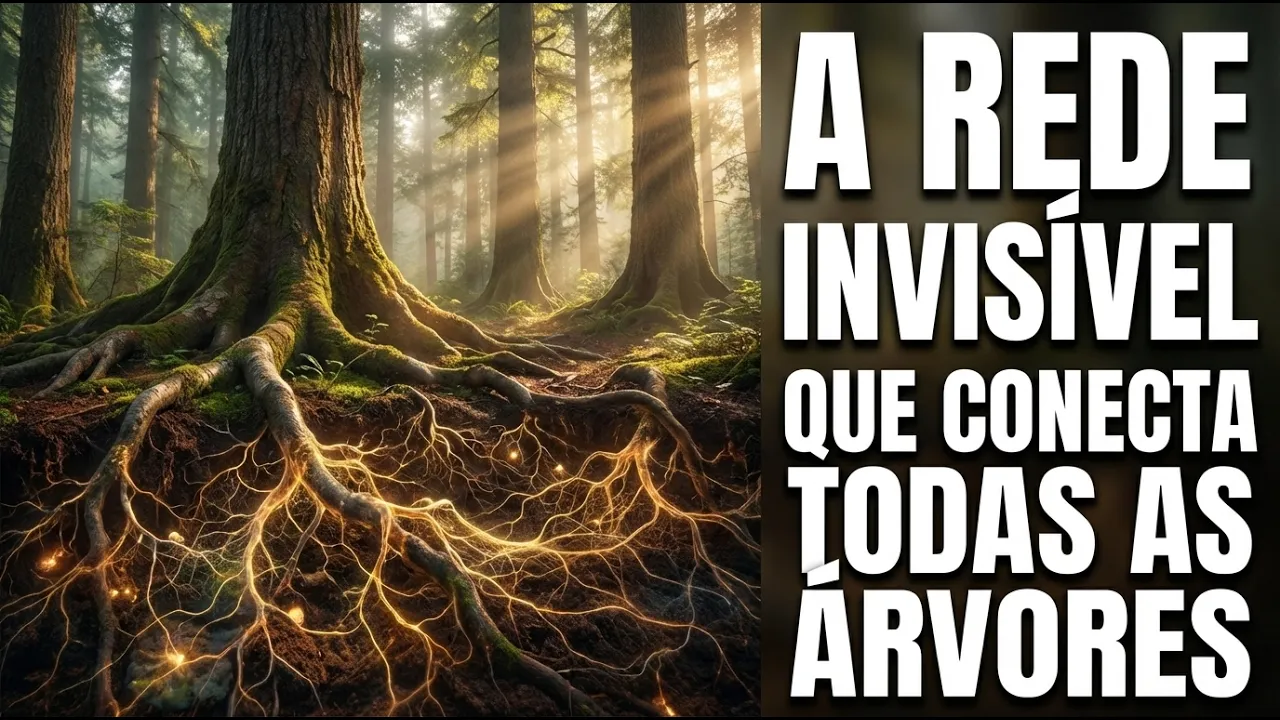
You know, I mean, we refer to it sometimes as what people have referred to it sometimes as a fungal equivalent of a root system. Well, not so much is in terms, as you said, of its sort of some of its three dimensional structure that through forming very fine, fine filaments is able to explore, explore a very large volume. That's exactly what fungi are doing when they penetrate wood, for example.
Up Next
104:58
Fungi Biology | BIOL 1407 Lecture 32 Microbiology Course
@zsbiology5919
1.1K views•2020-04-09

50:12
Bacterial Communication: Quorum Sensing and Biofilm Formation Explained
@JHUAAP
12.6K views•2011-06-28

5:35
Enteric Nervous System Explained: The Gut's Brain | Neurobiology Lecture
@alumniu6029
438 views•2018-09-12
7:08
Bacteriophages: Earth's Deadliest Killers and Future Antibiotics
@kurzgesagt
34.6M views•2018-05-13
Related Study Plans & Knowledge Roadmaps
Structured learning paths in Biology
biology
RNAi: Biogenesis, RISC & Gene Silencing
01Molecular Biology Foundations: DNA to Protein
02Introduction to RNA Interference (RNAi)
03Molecular Biogenesis of miRNA and siRNA
+ 2 more learning modules
10h5 modules
Explore Roadmap
biology
Mycorrhizae: Signaling, Biophysics & Ecology
01Foundations of Mycorrhizal Symbiosis
02Molecular Signaling and Root Colonization
03Biophysics and Bioenergetics of Nutrient Exchange
+ 1 more learning modules
11h4 modules
Explore Roadmap
biology
Circadian Clocks: TTFL, SCN & Periphery
01Foundations of Molecular Biology & Gene Expression
02Introduction to Chronobiology and Actograms
03The Core TTFL: Molecular Architecture of the Clock
+ 3 more learning modules
14h6 modules
Explore Roadmap
biology
Population Genetics: Math, Drift & Selection
01Genetic & Probability Foundations
02The Hardy-Weinberg Principle and Baseline Models
03Mathematical Modeling of Natural Selection
+ 3 more learning modules
18h6 modules
Explore Roadmap