













Kingdom Fungi, sharing a common ancestor with animals approximately 460 million years ago, are absorptive heterotrophs characterized by their filamentous hyphae structure, which provides an optimal surface-area-to-volume ratio for nutrient absorption; they reproduce both sexually (through plasmaogamy and karyogamy producing diploid zygotes that undergo meiosis to form haploid spores) and asexually (producing genetically identical spores), and play crucial ecological roles as decomposers, mycorrhizal symbionts, and sometimes pathogens, with major phyla including Chytridiomycota, Zygomycota, Ascomycota, Basidiomycota, and Glomeromycota.
Fungi Biology | BIOL 1407 Lecture 32 Microbiology Course
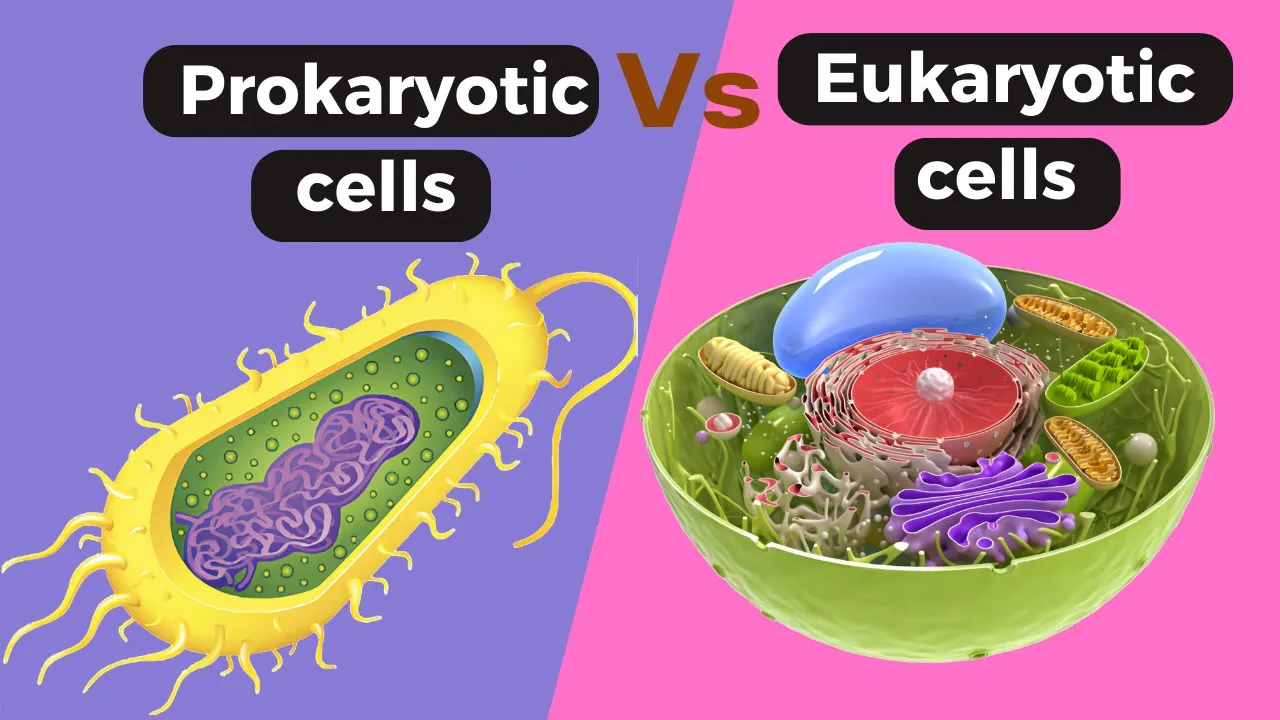
Added:The fundamental differences between eukaryotic and prokaryotic cell structures, specifically focusing on membrane-bound organelles and cell wall compositions.
Basic concepts of cellular reproduction, including the mechanics of mitosis, meiosis, and the alternation of generations (haploid vs. diploid states).
An understanding of ecological energy flow and basic nutritional modes, particularly the difference between autotrophy and heterotrophic absorption.
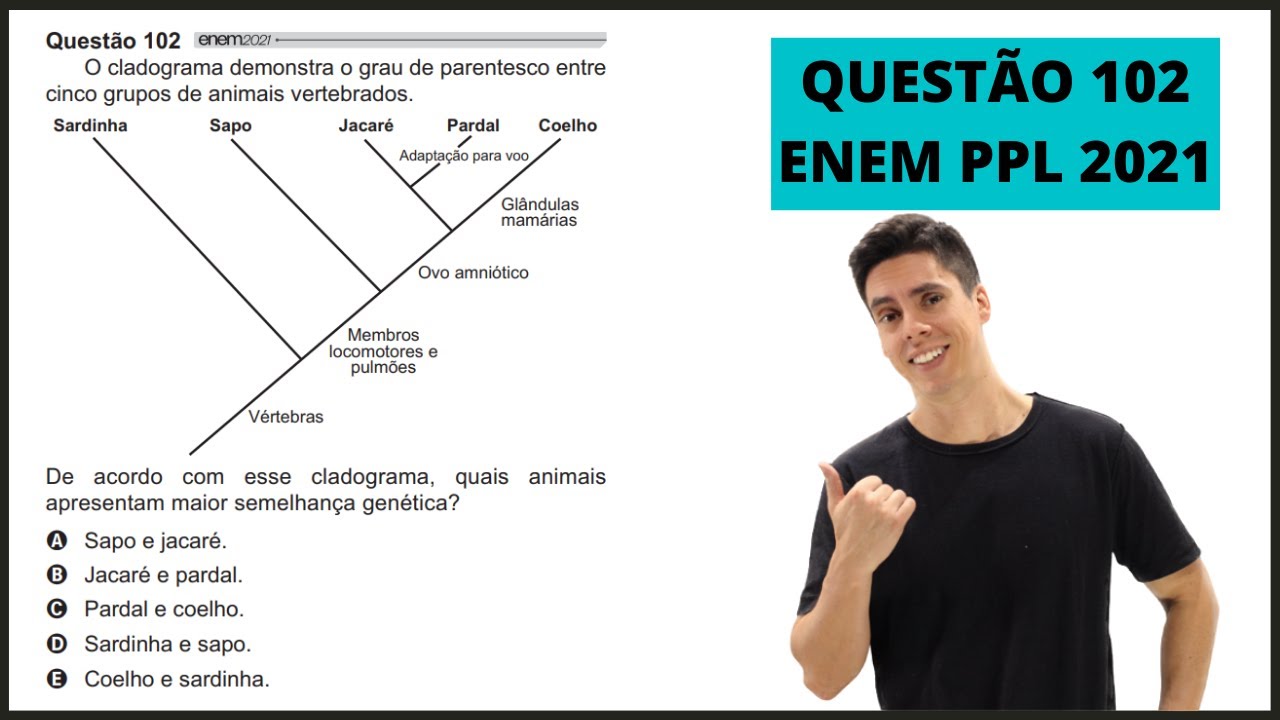
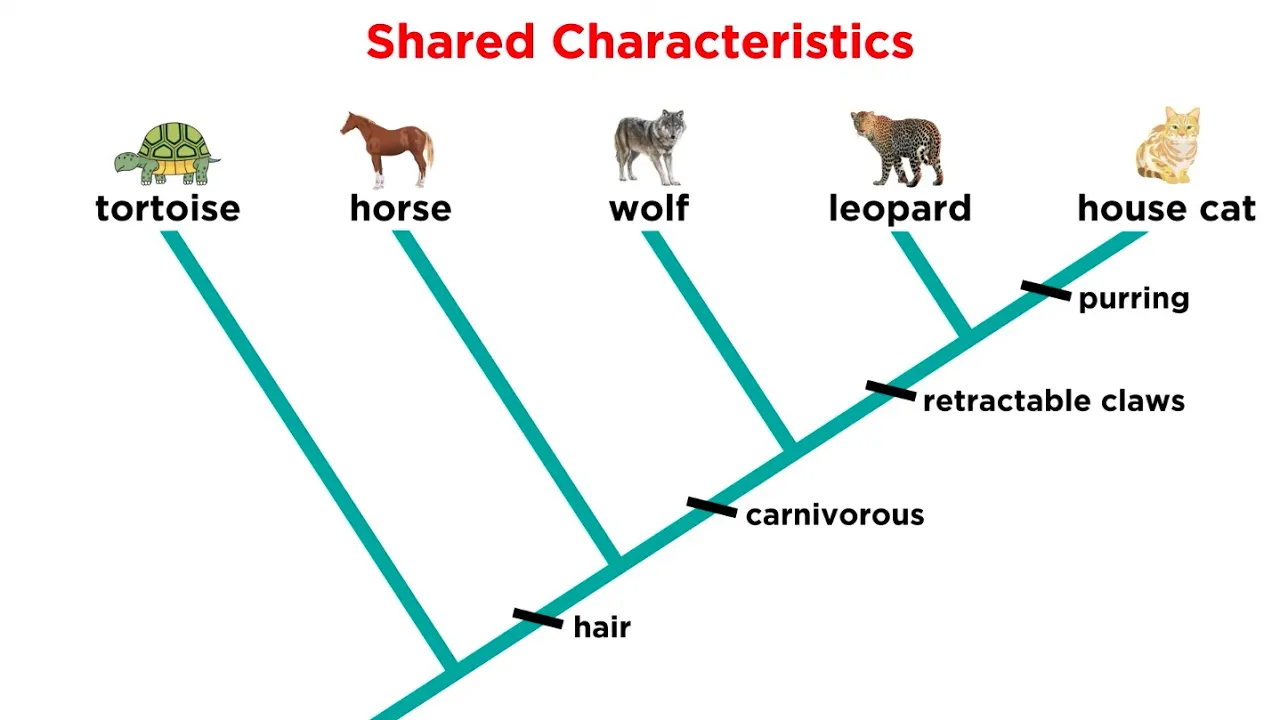
The principles of biological taxonomy and evolutionary tree diagrams (cladograms) used to classify living organisms.
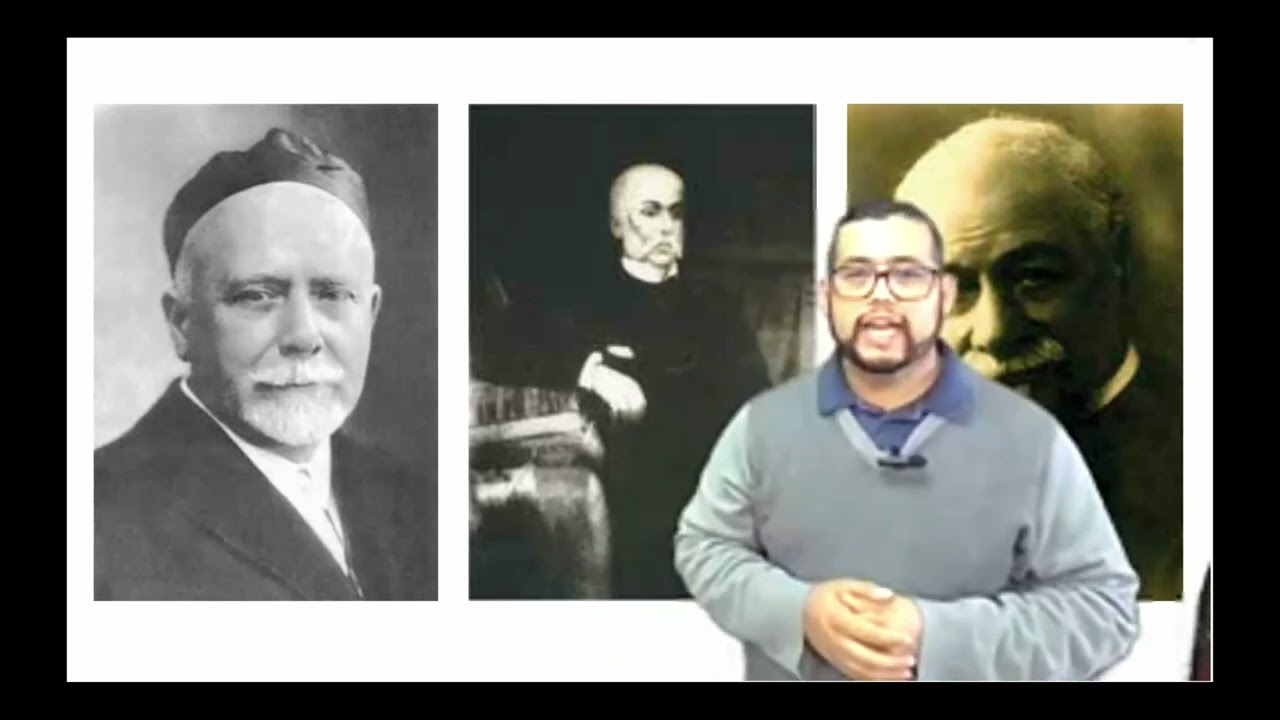
The study of medical mycology, exploring fungal pathogens (mycoses), their virulence factors, and the mechanisms of action of antifungal medications.
Industrial and biotechnological applications of fungi, including bioremediation, pharmaceutical production (e.g., cyclosporine, penicillin), and food technology.
Advanced ecological studies on mutualistic fungal relationships, such as the wood-wide web (mycorrhizal networks) and lichen symbioses.
The evolutionary biology of the eukaryotic supergroup Opisthokonta, comparing the shared ancestry of Fungi and Animalia.
1.1K views8likes1:44:58Original Release: 2020-04-09
the topic for this lecture is kingdom fungi and the kingdom fungi is found in the domain Eukarya which includes these super groups we covered earlier and the common ancestor for both fungi and animals in a supergroup epistle canta seems to be somewhere about 460 million years ago in this group if you recall the epistle canta one of the characteristics is based on on what the name means the Epistle means to two toward the back or the rear or posterior and contest means pole which is referenced to a flagella and so the kingdom fungi are here and then the animals are here so it is thought based on evidence that that we shared a common ancestor going back almost half a billion years and so the first section is a basic definition of what fungi are and you need be able to identify those characteristics that distinguish fungi among other eukaryotes so what is it that makes them different and then we're gonna look at how mitosis is actually different than we see in animals and look at what more we looked at mitosis in biology one it was we the typical model for mitosis that studied is the one in animals and plants so there are some differences in fungi and then there are some other things that are going to be covered in this section here first of all the root Mico means fungi and so here are biologists that studies funded fungi then you're studying my ecology and now I make you my colleges so mycologist estimate that there are about 1.5 million fungal species they haven't identified all of them but this is based on evidence for example finding DNA in soil that we know is of fungal origin it or belongs to some kind of fungus but they've never actually observed or cultured it in a laboratory settings though haven't been able to formally describe it these fungi are can be single-celled or multicellular they have sexual and asexual means of reproduction and sexual reproduction it could be quicker when things are good one day a do exhibit that unusual mitosis this mr. WAP mentioned a while ago and they are specialized for absorbing nutrients in their surrounding so they don't make their own food nor heterotrophs but their absorptive edit roads and that means they're gonna release enzymes into their environment and as mentioned earlier that fungi and animals share a common ancestor somewhere around 460 million years ago now in the laboratory we studied four different phyla but in about 2007 mycologists seem to believe that based on studying characteristics of these fungi that there are seven major monophyletic fighter and that means within a well did any one of these pilot listed right below that there they do that any one fighter does that the group itself share some common ancestor if you go back in time the ones we actually studied in the laboratory that are in this group of monophyletic fighter include the chytridiomycosis the basidiomycota which includes mushrooms and the SAC fungi ascomycota the ones we didn't cover in the lab we're going to cover in this lecture and they include micro spur IDIA blaster Claudio Mike Koda and neo Callan master go Mike Koda that's a long name there and then glam arrow by Koda and then one group that we studied actually quite well in the laboratory or will if we haven't already is the zygoma Koda and this group is not thought to be monophyletic and so that means for now fungi that are classified in the zygomycosis air common ancestry so some work needs to be done to try to figure that out and then hopefully a classification schema better to represent their phylogeny or their evolutionary history so here's kind of a representation of some of the relationships for these eight don't spend time memorizing this rough cladogram of the groups but there's eight phyla there you can see this is where the mushrooms are the black the city of my quota and then the SAC fungi ascomycota and they're thought to share a close common ancestors and one attribute they have is their high feared AIA dikaryotic when we come over here there's your kite rates here in when you look at this group right here the reason for the dashed line there is because their evolutionary history is as I go Mike Jota is uncertain so that's just a quick diagram showing the possible relationships there then here's a short list of some of those phyla again some of the ones we did covered in the laboratory the Chi Treaty of my quota does I go my code ax the glam arrow my seeds the ascomycete and but city of my seat and some typical examples here and sometimes they less general I Callum I sees which we saw in the laboratory key characteristics are nested in the third column and in the approximate number of living species this table would make is when they make much more sense once we get through the the content here and then you come back this is a nice summary of everything we have because at this point if and if we're not sure of some of the terminology and here just yet then it wouldn't make sense like what exactly is meant by but city of spores so don't memorize any of these numbers here but you should note that the most diverse in terms of number of species is the ascomycota the SAC fungi and the least diverse is that when code and for that polyphyletic group that that includes the black bread mold has a thousand in 50s as I go my coda when they had the dashed line on that diagram a while ago because it's not thought to be a monophyletic group so looking at some of the basics of the structure of fungi first of all we have some that are unicellular and made of a cell and and they appear to be more ancient fungi and they could the tech video my quota and the micros Peretti is so if we look at that these characteristics did our ancestral characteristics is thought that the ancestors of funds are you all had flagella and the chytridiomycosis formal groups that we're going to see seem to have lost their flagella so the sort of evolutionary reversal in the group and the micros pretty are a really odd group and they used to be classified with protists which was that group we mentioned that if we didn't know I didn't fit in any other eukaryotic find them and wasn't a plant it was an animal wasn't a fungus they put it at protists but more recently miles to suggest that this is just an ancient ancient group of fungi and they're still alike today or primitive one so first of all most funds are going to be multicellular and their body is going to consist of these filaments that are called high fee and that's the plural form okay so if we have one Haifa then that singular okay well - is singular and what - are just long slender structure being in which the cytoplasm is technically connected all the way through so sometimes in the fungi the the fundamental unit of cell doesn't apply and that's something the book does make a point about so you'll hear you may hear me interchange between a cell and Haifa and even in cases where the Haifa have divisions within there as we see down here the divisions are going to be called septa okay so I set them and so but if we zoom in right here to this portion right there you can see that there's a septum right there in the septum in biology is the structure that divides a space even the septums will have a sort of a pore that allows the cytoplasm and materials to be passed from one area to the next now some like they don't have septum and so just continuous cytoplasm all the way through so again functional unit of cell doesn't necessarily apply now if you do have the acceptor then then the high fare refer to a septate - so some species show septate Haifa fungi if you don't then you're a septic Haifa it's not from the species doesn't have that and sometimes I referred to this is an acidic and we saw that with plasmodial slime molds in the core study protists in the laboratory in the lecture and so these - II make up the body and if these - can allow for rapid growth into places that these fungi grow and essentially the fungi are going to be growing into their food source all right so when we have a large tangled mat of an individual fungus that the genetic makeup is all the same so you just have this massive tangle or hyphy whether the sec gator or a septate that mass is going to be referred to as a mice idiom okay so mycelium is just about hyphae and it's gonna basically be growing into the substrate that it is breaking down so much something like a mushroom or or any other fungus as they grow they're releasing digestive enzymes and breaking down stuff so they could be growing into an old dead tree or an animal buyer in the soil where there's a lot of nutrients still and they're breaking those down and then absorbing those nutrients now again the so may not necessarily apply but the walls of the hyphy which are but you know essentially the wood holds the cytoplasm in there you're gonna have cell walls and still wasn't be made of a polysaccharide called Titan Titan is a modified sugar it has nitrogen in it and the interesting thing about this is that we find the same material chitin in animals that have exoskeletons we call these animals art the parts and they include insects crustaceans like crabs lobsters arachnids spiders centipedes those are all animals that have this that are arthropods and they have an exoskeleton made of chitin so when it comes to the hyphae itself the hyphae may have more than one nucleus in there and if the - has just one kind one nucleus a perceptive then we would refer to that as mono periodic if we have two nuclei in within a high field and that's gonna be dikaryotic in those two nuclei may have come from two different individuals because we see in the in the life cycle went to individual fungi that my cilia end up meeting up with each other they may fuse their cytoplasm so here's one half of a plus type in a my trainees plus and minuses than a male and female and when they come together they actually fuse together and one has its genetic makeup and I'm just going to represent the nuclei there with solid and open same species just the genetic variation between the two and when they fuse together then they have the - and has both nuclei and so there may be some differences if we think back to your basic genetics from biology one each nucleus has one set of chromosomes on each chromosome you have one allele of each gene and the alleles are different versions in saint-jean so they may have each nucleus may have a different version out of the gene so in this case that - has both were expressed both and it would represent the the transcription and translation those proteins would show more of what a Harrier hetero carry out would be or a heterozygous I should say individual would be genetically so both teams would be expressed and that's what that's lat that statement right here saying they're both so if you hate more like like the heterozygous individual we're studying phonetics now sometimes the cytoplasm of your - may have many nuclei and if all of these nuclei are of different of two different individuals to say the cytoplasm combined here and then these nuclei just divided and divided and divided now you're gonna have a high fee that has a lot of nuclei in there and we would refer to that particular - as being here to carry otic so you have these different kinds of nuclei at least that have divided several times so you have a bunch of nuclei of both it's in my picture here the case would be that each one of those nuclei divided by mitosis and you just may have a bunch of the one that I drew salad and the one that I drew in open circles and this would be an example of a - that was hetero periodic now you could have - a they have lots of nuclei in there but they're all the same kind then we would say that this would be a homo periodic - so mentioned during the the learning objectives that my toes is a bit different for fungi so mitosis is unusual and so again one of the reasons is because the cell is not relevant here we're talking about high fee his cell the term I gave a cell as we learned it earlier it's not quite not quite the same we have high feet and here that cells are not dividing the high features grow but what does divide and the unit here now that's important is the nucleus so when the nucleus is going to divide we call that mitosis and when we lected animals and plants the nuclear envelope broke down on you and so then the chromosomes the sister chromatids get pulled apart but in the nuclear envelope forms are on each near nucleus and then the cell divides during cytokinesis but for here the nuclear envelope doesn't break down and the spindle apparatus is going to pull apart the copies of the chromosomes is in a form within it and here with the exception of the tight rates all the other fungi are going to lack centrioles centrioles appear to be associated with formation in the spindle fiber at least in animal cells more generally the centrosomes was the structure where the microcut is go out to pull apart those sister chromatids the copies of the chromosomes right so appear instead structures with it that are going to be found that are going to be up here to be associated for me to spend a fish called spindle plaques and those are going to be associated with the spindle fiber support for the chromosomes and so fun fungi can reproduce and they can reproduce rapidly especially when conditions are really good we can spread more spores the spores are just basically a nucleus rectly protective coating and you usually spread by wind and these are going to be called asexual spores and they get spread to another place and conditions are good they germinate and grow at an exact clone genetically of of the parent that produced the asexual spores then there's also asexual reproduction and in this case when the new hyphy of different individual mycelium eat within their substrate that they're growing their cytoplasm confused and when their cytoplasm fuses they end up with the dikaryotic - so these this would be maybe from one mating type we'll call it plus another mania type and the two - met let's say this is separate species and if you have a one from the - and one from the + have met within their tree trunk or whatever and they meet up and two nuclei the typical fungi their height they are haploid nuclei I may have forgot to mention that earlier so when they meet up and the cytoplasm fears is the nuclei may not fuse right away so you end up with a dikaryotic cell or - and so instead of saying 2n it's 1 n plus 1 n and so you see that right here we would call that a dye carry on or a dye carry out and in other cases when they meet up instead the nuclei fuse right away and see end up with one at larger nucleus that has chromosomes from both individuals and eventually any wait for the dye carry on eventually the two nuclei will fuse but not after further developments the hyper we continue to grow in every section of the Heike is going to have a carry on of 1 n plus 1 n and fellow eventually the nuclei fuse now in in the cases where that occurs these fungi would produce a fruiting body that looks not like a like a fruit in a plant but an example of the fruiting body would be a mushroom like you see here in the right or these puff balls and it's within there that you have your dikaryotic hyphae eventually within those fruiting bodies nucleus would fuse and there once you feel as you have your genetics your chromosomes or genes from different parents combining with each other and then recombining during meiosis meiosis will eventually occur to get you back to haploid and so that sexual reproduction so that's typical of say a mushroom or that would occur when I carry on instead of fusing right away by the way when the two nuclei fuse it went back to this picture here the nucleus would be diploid at least for a moment and then meiosis with her so at some point this is going to occur right here and so it's the process similar to what we would say fertilization is and then but eventually you're going to end up having meiosis occur and then you're going to have your your haploid spores produced and these spores would be haploid and they would be considered sexual sports not asexual spores and they would all be haploid but the chromosomes and they're going to be different combinations of the parents that had made it earlier by the way when the cytoplasm eats that is called plasma gamete and and that's actually I grew in the wrong place that's not plasma to me plasma Gami would be when you have the look few hype you coming together one is a plus type it is a minus type and this has its own nuclei and the someone has its own nuclei here and when they made up that's called plasma gammy which is defined as the fusion of the cytoplasm and then when the two nuclei fuse together the two nuclei fuse together that's called carry Yagami and carry agha means similar fertilization when a sperm unites the nail there's no sperm and egg here and then if we go from deploy two haploid spores then that would involve meiosis which is that reduction division covered in biology want so going to spores now when it comes to spores again you can produce asexual spores or sexual spores and then those spores can be dispersed by the way now that said the asexual spores are just going to be haploid spores that have the exact same genetic makeup and in this case a lot of times the spores need to be presented up into the air so if you have your hyphy growing in the ground here or in the soil or in a trunk then some modified hyphy would emerge and they'd be quite small you might need a lens to see these and they they extend these modified hyping up out of the ground and the hyphae has a nuclei you might recall and then they would produce more modified hyphae within there and then the nuclei go through a division and differentiation is just mitosis now this is all happening clear eyes so all the nuclei that are within this height modified - growing up out of the ground and then within there that differentiation can cause these nuclei to behave differently and one of the differences is that the nuclei are gonna have a protective coating or them and then they become metabolically inactive for the time and then they get released as sports and they're genetically the same as the parent and so these would be asexual spores in it when that's the case then this structure here would be called a sporangium which is not a new term we thought spur engine when it came to plants and the modified hyphy that's carrying it would be called a Ferengi o4 and you call that it's been mentioned in class earlier that the last part of the word the root for comes from four reefs which means to carry our bear so this modified high phase bearing or carrying a sporangium on there and so the spores eventually get reduce that haploid spores and they can be distributed by the wind to some new location in the case of sexual spores you first have to have plasma honey between two individuals and then you have to have Arriaga me where the two nuclei from the two individuals combine and then they go through meiosis you have the genetic recombination and then you get it spores that have different combinations of both parents so now the offspring or the spores that are released have different combinations of the crabs tonight you have genetic variation in there so again I'm a missionary or fungi are heterotrophs but they absorb their nutrients the distinction if we think about what fungi are I wrote this term out absorptive heterotrophs it's hard to talk and write at the same time so the absorptive heterotrophs that's fungi if we look at what animals are animals are heterotrophs just like how are they different fungi or multicellular animals are multicellular well structurally fungi growers might be right but one difference a difference that we says pretty fundamental is that animals are ingested hydrographs because they ingest their food they take it into their body it's large particles of food and then break it down inside a digestive cavity so that's a big difference there now again they're gonna secrete these digestive enzymes into their surroundings and then they break down the materials and then bring them in and the thing about the hyphy is that they're very long and thin and so we don't vol of that high fee and we compared it and you compared it to and so whatever that volume is and you compare it and then you put it into a ball and i say the volumes of these two are the same okay so the volume of this - the volume of that sphere that I just drew there the volume in this more slender an elongated hike is gonna have more more surface area on it even though has the same volume whereas this sphere is gonna have less surface area at the surface before the same amount of volume that would make it harder for the sphere to absorb things from its surrounding the longer and thinner you are the more surface you have exposed to your environment it's easier to absorb stuff and so that's what you meant here is these long as thin and high PR gonna have a great surface area to volume ratio and that makes it real good for absorbing stuff right fungi are also really good at breaking down things that are hard to break down like wood let's say you have a dead tree in a forest and together it's got a it's got a decomposed there's any bacteria there helping to decompose the girls also fungi and fungi produce enzymes that are capable of breaking down cellulose and the compound that's deposited in that cellulose called lignin that makes the so you don't see even more difficult to break down it makes the cellulose very strong and rigid they're good at decomposing wood and some are even carnivorous and the example they give here is this oyster mushroom and waster mushroom it's hype here growing here in a tree trunk or at level it's more like a decaying decomp dead tree trunk and it looks like you can see some lichens in the background with recovery later but here's the fruiting body this is related to mushrooms are called shelf under fungus and the high period in the wood and this is now producing the structures are going to make central spores and present those to the wind outside but if we go into this tree trunk where there's moist decaying wood in there you're also going to have animals like these nematodes nematodes may or may not have already been covered in the laboratory Dyneema toes are in many cases are small microscopic worms that are also helping to decompose the rotting wood well it turns out that the hyphy there as they're growing may come in in close contact with these worms and they secrete materials that paralyze the worm and they grow they're hyper around it and then start digesting the worms and that was essentially is what like a carnivore does so it's kind of like a predator it's very slow motion so that's pretty cool in section 2 of the chapter on fungi we're looking at the phylum micro spur IDIA and looking at the cladogram here this is this group an ancient group now these guys are obligate intracellular animal parasites and some of them are even parasitic in humans intracellular means they need to be inside of a cell they used to be grouped its protists until they analyzed this group a little bit more and found out that they share a lot of characteristics and ancestry with other fungi so they're now in the kingdom fungi now what's characteristic about this group is that they have an organelle that is called a polar tube and that polar cube allows them to invade the host cell and the party was found within the spores the spores are highly resistant released into the environment and then can get picked up by the animal now the interesting thing about this group is that they lack mitochondria so there is no aerobic respiration they do anaerobic respiration to produce their ATP here is a specific one that is known to affect humans the scientific name is encephalic Xun connect you lie and it is a common cause of disease in patients in which their immune system is suppressed immune immunosuppressed here so this might be in a case of individuals that for example have acquired immunodeficiency syndrome because they were infected with the AIDS virus or let's say they got an organ transplant and they're taking medications that bring down the immune system to give their body time to get you to the organ they could get infected and sick from this from these microf meridians so here for this particular micro spur ideon it can infect cells at the intestine intestinal cells or the nervous system and in the intestine that's going to affect digestion and giving diarrhea which if you have that if you end up with chronic area you can have problems with hydration and absorbing nutrients and that's not good and then in the nervous system that can cause the nervous system to generate and that's also not good here's an electron micrograph of Spore and you can see the polar cube coiled up within there and then here's a diagram of that spore and when these four enters the host and finds the correct cells to invade it ejects its polar cube and then the portable aoz that cytoplasm and the nucleus to enter the host cell and so I found a diagram not from this textbook the let's say the spores get ingested by the individual and they make their way to the intestine and then the spore ejects its polar cube and so then the cytoplasm is released into the cell so then within the within that cytoplasm of the host cell the nuclei multiply and then the cytoplasm of the host cell breaks down likely killing itself of the host cell and then the new spores are released no spores can get into the environment perhaps through feces so that's your micro story and section 3 covers the chytridiomycosis relatives there's a couple other groups that have more recently been used in classification and the groups used to be put with the chytrids and and they include the blasto Clabby of my coda and one with the real long name the ocala mastico my coda those we used to be grouped together with the country of my coda but evidence suggests that they have different ancestry so they've been placed in different ones so we're gonna be looking at the Chi traits and the other two newly formed phyla and we're gonna have refer to members that belong to the height actually of my code which is the whole group more informally is chytridiomycosis in that group these are all aquatic and they have the primitive state or character of ancestral character of having flagella at least in some of the one part of their life cycle they appear to be primitive and probably the most direct descendants of ancestral fungi they have those pores these are going to be spores that are going to have flagella and those are going to be produced as a set for sports now one of the objectives explained the meaning of chytrid and the word chytrid in translation from old language means little pot and so right here you can see the little pot structure this is that the sporangia end is going to produce these those sports and you can see this those for exiting and the spore is going to have a flagellum so it can swim away and then land in an appropriate spot and begin to germinate and grow so the this little pot or this Ferengi I'm actually as high for you can see there and that hike they would grow into out of whatever it's taking nutrients from or digesting down in in many cases these high fear actually growing into another living organism making these guys parasites so they're parasitic and one example of a parasite of answer conservation biology interest because in conservation biology we try to preserve species keeping them from going extinct is this species at chytrid called a betrayal criterium and rupa Titus this one has been infecting amphibians worldwide and it is been released from or introduced in these habitats because of a frog that normally does naturally with this fungus it seems that the fungus and this particular frog in the genus Xenopus which is a frog that you might find in the pet trade you might find it in aquariums people keep them they're also used in research so you imagine a case where these things get transported worldwide and then well-meaning pet owner doesn't want to take care of it anymore and it ends up release in which you should never do that you should never release exotic pets into the wild because they can introduce diseases into the environment in this case of fungal disease or they can start breeding in that environment and take over and mess up the ecosystem so this particular water invades the skin with its - or the or part of the lifecycle of this parasite invades the skin and causes the skin of these amphibians to not function properly at phibian een their skin to help them exchange oxygen with carbon dioxide the atmosphere and so this is causing massive die-offs local extinctions of frogs and it's a big concern here we see a chytrid these countries can be parasites of plants many omar or animals in here a plant like is this green algae belongs to the genus odigo neom which i think is actually mentioned in our biology one lab manual as you're studying microscopic organisms and you can see the little pot but sporangia that would be producing the zou spores and the hyphy would be growing into the cells and robbing that cell of nutrients and then the the spores can swim off and then go off and infect another algal cell and then we have a new phylum the blasto claudio my Kota members in this group used to be with the chytridiomycosis um insignificant about these this is the only group to show an alternation of generations very very similar to plants in that they alternate between a multicellular or multi hyphy sporophyte and get made a fight and they still use the root fight remember the phyto means plant now these are not plants and perhaps this is related to the fact that there used to only be two kingdoms and old classification systems there was the plant kingdom in the animal kingdom and fungi they put in the plant kingdom so they are gonna refer to the haploid stage which is going to produce gametes as they get me to fight just like in plants and then they're going to refer to the diploid body of the plant as the sporophyte and this one will produce the spores and in the laboratory you will cover have already covered representative in King is a low my seats okay so remember when you write down a generic name of eNOS general are going to be underlined right so this is commonly called a water mold and it shows that half loan to plant egg lifecycle for the most part I thought this is half wanted and that means that the multicellular stage of the fungi it's just haploid it it will produce diploid nuclei but only for a short period of time this isn't girl whole other generation of Dibley but this particular group the blasto cloudy of my code it does and so it's really interesting here is that that you're gonna have two different fungal bodies and if we start here with this mature game a defier gametophyte there's your high fee there you're gonna have two kinds of structures that are going to produce gametes and the body of this the nuclear already happily they use X is the same as n1 set one and one x one set of chromosomes and so two kinds of gametes are going to be produced and both have flagella so it's not like an egg without flagella the larger gamete is gonna come out of one of the gamma tangia is gonna have flagella and so is the smaller one the male and the female and what happens here is interesting and it's mentioned in the on the outline on the side of the slide here that the female releases a pheromone which be kind of like hormones in your body but they're released outside to attract other individuals and in this case it releases a pheromone that actually attracts the male gamete to find it and so when the male gamete finds it the they fuse together and a nuclei combine forming a diploid nuclei and now we have our sporophyte generation which we has to grow into the hyphy of our next generation here now the sporophyte as it grows you know kinds of sporangia and one of the sporangia it is going to produce those boards that are asexual and so those asexual spores they're their flagellated as well and they can be released and you're basically producing diploid clones and so you can grow another young sporophyte just a sexually another kind of sporangia is gonna produce flagellated spores by meiosis right so now we're going to have genetic recombination occurring meiosis creates three combinations of original parentals generation from before and so now by meiosis we produce haploid spores which now are going to be genetically different than the original parent overall and they go and land somewhere and then germinate and grow into your new pathway generation so this alternation of generations it's unique something you remember for the blasto cloudy of my coda and again female releases the female gamete releases a pheromone and they call it siren in like the mythological sirens on the on the Highland calling up sailors and then finally we have another one the Neo calla mastico miqo'te and the master go in the name actually translates to widths which is a reference to the fact that these are produce Ella on their spores and so they're like whips as a reference to the flagella now these guys are interesting because they do live symbiotically within a ruminant herbivores and a ruminant a herbivore is something like a cow or a sheep these guys these mammals have a multi-chambered stomach and one of the chambers is called a rumen and so within there within their digestive you speak in the grass just a lot of cellulose which animals cannot really digest and what these ones I do is they don't make that cellulose the energy within it available to to the room in it is a ruminant mammal otherwise it's kind of hard to make a living just eating grass it's not you can't extract enough energy unless you can break down the cellulose cellulose is the same stuff that paper is made of you're taking notes right now on on paper it's made of say you know sprite so that's interesting now these members in this group neo Kalam mastico my coda they have a reduced mitochondria which has that's the Christy in there so remember that mitochondria have two envelopes not to have those membranes and the normal mitochondria is gonna have an inner membrane it has the foals in the folder called Christy's so this wouldn't limit the functioning overall because if you don't have the Christy you don't have the folds in there you don't have a lot of surface area they'll be able to make ATP now those Oh spores are going to have multiple flagella there's a picture one right there and you can see the the multiple flagella coming on the back of the door there and what's interesting about this is it's thought that the the these microbes that live within the gut of of these mammals these herbivores that they got the genes that produce the enzymes cellulose which is called cellulase from a horizontal gene transfer from a bacteria remember horizontal gene transfer is when one organism it's a gene or piece of DNA from another one as opposed to a vertical transfer through generations within the same species so in section 4 we cover the phylum fungal phylum that's i go mike coda and here we're getting to final in which the members have a structure where sexual spores are produced in the name of that structure were the sexual spore formation occurs is is how they get the name for the phylum so for example these i go my coda produces a ghost friend you in the next section that we cover basidiomycota the sporangium where the sexual spores are produced is called the Presidium so here a key characteristic for this group is that they're gonna be producing zygotes when we see the lifecycle how that occurs will make more sense so here we are on that cladogram here and this is that group that is polyphyletic for this for that dashed line there because the ancestry still trying to be figured out here I also remember this group is not I go my cot it's not I'm sorry it's not monophyletic overall they're commonly called members in this group are calls I go my seats please my seat informally the same members of this group here it's also this includes the common black bread mold that was studied in the laboratory but there's a lot other species over a thousand different identified species and a few of these are human pathogens which means they cause diseases in humans and so we're going to use the bread mold and the bread mold is in the genus rhizopus this is the black bread mold one species rise Epistle enough for stolen tougher is what's kind of modeled here this is a black bread mold and when we look at it we're gonna see that the height they're gonna use their special structures called gamma Tangier where the nuclei are gonna behave like gametes when we have that fusion that's was mentioned earlier that's called plasma gamete okay and when the hyphae of two mating types come together infuse within their the at that location we're gonna have the high if you're going to be called gamma 10g or gamma 10 Jim and there are a bunch of nuclei are going to be produced in there and mixed together so we're gonna have a hanger or carry out of - where you have nuclei from both mating strain and then all those nuclei fuse the different nucleus from one mating effect and the other fuse together remember that process is called carry agony which was listed back in section 1 and at this point here when that occurs the diploid nuclei are going to be called zygotes and the structure becomes as I go sporangia oh wait does that in the lifecycle in a bit is the these that's outline is describing their lifecycle to the right within that cyclosporine geom the nuclei are diploid and they're gonna go through meiosis to produce numerous sexual spores which are going to be called cyclic force keep in mind that these bread these these types of fungi psycho my seeds also do asexual reproduction and back in Section one I drew the the modified hyphy called sporangia fours that would carry a structure called this branch and it's going to produce asexuals for us we just create clones towards the goal and somewhere else and it's create a genetic clone of the parent to produced him and in the diagram here on the right you can see these Ferengi and it's brown Geoforce here in the asexual cycle I'm just producing clones but right here in the diagram you have two mating strains we have a positive mating strain and then over here we have our negative mating strain over here and there the hyphy are coming together so both mycelium we're growing within the same piece of bread there and so what's gonna happen right here at this location is the two high P come together but they don't fuse just yet you can see there's still a division or a septum between the two within this expanded area the nuclei are gonna go through many divisions of mitosis and mitosis remember this they're the cells are already dip are already happening so they're gonna divide and as they divide they're gonna differentiate the nuclei within there and this differentiation this is a creating both the plus and the minus and those nuclei stay separated so you're gonna have several plus nuclei and summer- can create but the nuclear gonna behave differently in that they're gonna kind of act like gametes and like sperm and egg and when gametes what do gametes do they fuse together the nuclei fuse together a process called fertilization right so at this point as nuclei are dividing the structures of the - actually get separated from the rest of the hyphy in there and become a dark black color and now we have two gamete and using it as gamma tangia but you can still see the division between the two so that division between the two gamma tangia there you have multiple nuclei of both the plus and the minus strings still separated but then the wall between them or the septum breaks down and when that breaks down that's going to allow all of the nuclei to mix together so technically perhaps what's happening as we go from this position to this position is technically not fertilization but plasma at me because the nuclei haven't combined it and when that occurs the septum that's located between the two gamma tangia breaks down now we have one chamber there that's called the cyclosporine Geum and at this point the nuclei have a fuse so right now there are n plus n which means you have I carry otic but situation where you have two types of nuclei but technically I'll be a hetero carry otic because you're gonna have a whole bunch of but the plus and the minus nuclei and then what happens here is the nuclei are gonna start to fuse together the plus nuclei 1 plus nucleus with a minus nucleus for all the nuclear this is occurring and that process called carry agha me so carry agha me is similar to is is essentially fertilization so that's perhaps that can be used interchangeably so now within your Zeigler sporangia you have deployed nuclei it's what it was nuclei gonna do they're gonna go back to haploid by a process of meiosis this is occurring within there and when then that happens then those spores are gonna germinate and grow hi fly out of there and then produce spores that are still happy I'd buy it mitosis and differentiation but these spores that are coming out here have one set of chromosomes but those chromosomes are recombination of the original past rains earlier so this essentially is represents sexual reproduction in the cycle my quota and so this is the entire picture here showing that and now if I go back here let's say this is the - mating strain it is grown modified - out of there which at the ends would have the speranza and these are going to be where asexual spores are formed the sexual spores were formed when the to hike they came together here we went through this explanation together but over here from the my city and we're just going to grow these little stock like structures which are modified - and that's imaged here in the fuller image that we're looking at now and you can see actual Brown Geoforce with sporangia this is the sporangium here bran geum and this is this brown go4 that stock like high feet coming up there and then those little high pay down here they call them rise awaits section 5 coverage little marrow might go to the final glimmer on my coda and in our cladogram that it's this group right here anything you remember about these is that they are asexual plant sim by ants that means they live symbiotically with the plants these are a group of fungi that their height they grow into the roots of plants and that is a beneficial relationship for both it's a mutualistic symbiosis where the glue marrow my seat obtains nutrients from the plant but then the hyphy go out into the soil and help the plant absorb water and minerals and important things needed for the plant from the soil so members in this group are glomeruli seats and there's not more than 250 described species now they do form these root associations because they grow into the roots and they're those root associations are generally called michael raisa michael rises portal Michael is fungus and rise o means root so literally translated we root fungus but the specific kind produced by these which we'll cover in a later on in section 8 they are buscador mycorrhizae because there's other mycorrhizae relationships from another phylum that have developed over revolutionary time but these are busking or mycorrhizae like any other fungus let's say you have a plant though here and here's your high feet the - actually can have a modification on the hyphy that enters the cell like this and that specialized structure for entering the cell is called a historian and historia would be plural it's just a modified mojave to get into the cells so this would be the - and a modified - that goes into the cells called a historian so that's the vocabulary no it's not on here but make sure you make note of that now these this fungi cannot survive without the host plant so this association is an obligate relationship but again no evidence for sexual reproduction has been observed in this group here section 6 covers the phylum but City oh my coda and these are called the club fungi because the name of the structure where the sexual spores are produced is called a Presidium and buts it is plural and you can see in this part of the cladogram you have the - file of the city oh my coda and ascomycota that share a characteristic in that they produce high feet that are dikaryotic so and these - would be called secondary high feet in these groups here so this is something that is common to both of these they share that relationship and it might be that that would represent one of those shared derived characters that evolved from common ancestry so these are the member this group are called basidiomycetes and these are some familiar fungi they included what we would call mushrooms which is the actual fruiting body that comes up above the ground toadstools puffballs and shale fungi like that whenever as a shelf fungi that we saw earlier the paralyzes the nematodes some of these also represent important plant pathogens that are referred commonly as rusts and smuts and again these guys are named based on the structure modified hyphy where the sexual spores are produced called the Presidium and when it comes to this groups here the sexual spores are going to be named after that structure so the sexual spores would be called the city oats borders so the city of spores are produced by way of genetic recombination of the parental general compared to different parent strains in the vicinity let's take a closer look at how that how that works in their lifecycle so the city of my seats are gonna have Arriaga me occur within the bitts idiom Arriaga means when the nuclei from different parents combine and when that occurs carry agha me the result is a diploid spore and so here is the city in there where you have two different colored nuclei could represent three different parent strains they went through a plasma mirror so you can see that's happening right in that area there and then the hyphy are now dikaryotic and they grow into this trimming body and so it's within that fruiting body that you have these structures of the city at which the city i'm actually means club which is shaped like a club like like a bat and so you can see that bat shaped like drunk either and so therefore carry Haga me occurs and you end up with a diploid nucleus and then meiosis follows from there you're gonna get four haploid nuclei which are going to become those sexual spores the Vassiliou spores so let's take a closer look at that lifecycle there and we're looking at a familiar mushroom type so we thought initially let's say then we start our lifecycle from a spore that's been terminated or positive germinated and those spores contain a haploid nucleus that begins to divide and - begin to grow and through many divisions remember that we refer to not cells but - they're growing right so so we can start right here in our life cycle where we have some spores were produced in a prior generation sexually and they've landed somewhere and they begin to grow in through a mycelium and so let's say that we're in the same area and you have a bunch of - growing say in the soil and then I figure out in the soil over here and this might be one type one individual and we'll just call it plus and the other ones - because there's no such thing as male or female and let's say the hyphy have met up with each other in that substrate that they're growing in and so plasma Gami would occur right there so that's what's happening right here and we might better label that as plasma gammy rather than fertilization because nuclear not actually combining yet and so when the two - meet the result now is going to be high feed being produced and as the hyphy grow the nuclei from the two mating types have not fused together yet they remain separate so we now have dikaryotic hyphae so as this high fear growing you're gonna have the nucleus from each of the original mating strengths so they'll be a one plus nucleus and one minus nucleus and they remain separate which is why in this green area we have n + n there because you're hyphae have the two separate nuclei the plot the plus drain and the - drain and each nucleus is haploid has only one set of chromosome right so what's gonna end up happening is you're gonna have this new hyphae that are gonna be referred to as secondary hyphy and the mass is going to be called a hypothetical a secondary mycelium which is in the notes here on the left and they're dikaryotic now it's mice its mycelium now is gonna grow into a highly organized structure above ground okay and that familiar structure as it develops turns into your mushroom and more technically we would call that as you see right there a but sitio carp so the sitio part and the but sitio carp has parts to it the cap the mushroom caps also called a pious more technically and then the stock and all of that is made of highly organized high feed that are dikaryotic the stock is also called its type and underneath the PI D s or the cap you're gonna have specialized structures they're called guilt and if we zoom out to one of those gills the innocent highly organized secondary my cilia at the ends you're gonna have these little but Cydia those bat-like structures and here the - becomes modified into this city 'm which is a shaped like a bat or a club which why they call them club foot joint and you can see that new nuclei is still separate from each other the end plus end nuclei and it's at this point within the bat Cydia all in those gills there's a lot of this happening all under there carry aagama accursed carry aagama is when the two nuclei fuse and carry aagama is basically fertilization and so now you end up with a diploid nucleus which then goes through meiosis so in each of the city remember at the edges of these gills you're gonna have many of this much of this happening it's right here they've drawn several but Cydia and at the ends the but Cydia the four haploid spores that are were produced from meiosis so each one of the basilia this is one of them that might be like one of them right there when the nucleus divides my house has two divisions that's gonna give you the first division gives you the reduction in the number of chromosomes to go from a diploid two haploid and then the second division gives you four cells all together and each one of those in this case nuclei because we don't have some units of cells each one of those nuclei is going to be grown there at the end and forms the spores with this protective coating and what happens is those spores remember this is happening under the mushroom the spores get released and then wind can carry them away so and these these spores now are genetic recombination is that the original parent drained from earlier so this is sexual reproduction and the spores are going to be called the city of sports mentioned in the earlier slide so section seven covers the ascomycota in this group gets its name based on the structure the modified hyphy in which sexual spores are produced called an askus which translates to a sac so they call these the sac fungi pour-over and asks would be asking and asking forming fruiting bodies of these fungi and the fruiting bodies usually come out and become exposed to the air above the substrate that they're growing in so that the spores can be spread if we look at the phylogeny over here we see that relation mentioned the prior section that the basidiomycota and ascomycota thing they share in common is that they form high for your secondary height P that are dikaryotic and this is the most diverse group that was pointed out in an earlier section about 75% of the identified fungi belong to this group they included the bread yeasts other kinds of yeasts other kinds of molds not the bread molds that we mentioned earlier fungi truffles and morals will recover the lifecycle we're going to be looking at up on giant in the pictures below here this is a moral it kind of looks almost like a mushroom or the but sitio part of a mushroom and then over here this is the upon this and both of these would be considered the fruiting bodies of members in this group and the fruiting body is called the ASCO carp in carp kind of translates to fruiting fruit because they're not plants though if we were looking at the mushrooms in the prior section they would have been called the Presidio carp which was mentioned there earlier now this group also contains fungi that can be serious plant pathogens there's the chestnut blight that wiped out lots of the chestnut trees that were used to make a large a large portion of the forests in the eastern United States Dutch elm disease this group also has enjoy that produce the antibiotic penicillin and they belong to the genus Penicillium and again these are named based on the ask us that where sexual spores are produced and the spores that are produced by the sexual part of their lifecycle are going to be called ASCO spores also named after that structure so here is your lifecycle and they're using a cup fungus you can see the image right over here there's your ASCO carp here and here the Carioca me is going to occur in the ASCII which is that girl for a skits and they're the diploid nucleus is produced and you can see that that's occurring right here in the in the lifecycle right there where you have a dikaryotic hyphae and then Tagum e which is like fertilization occurs and at that point the nucleus would be diploid and then here's where there's a little bit of difference we are going to have meiosis and I mean different different from the but sitio my quota where the mushrooms were is that you're gonna have meiosis which always was going to produce four haploid nuclei and that becomes spores and so you're going to get four spores in the prior group the but city of my quota but here in the ascomycota one of those spores is going to go through a mitotic division mitosis and so the four unique nuclei they're unique genetically because they're gonna they represent sexual recombinations or genetic recombination of the two parental mating types from earlier each one of those nuclei is unique in the sense of genes they got except they're gonna divide once by mitosis you can end up with twin nuclei so each nucleus that goes through my top mitotic division is going to be a genetic clone of itself so you're going to have four pairs of nuclei each pair is genetically the same but any one pair is going to be genetically different than the other because you can have different recombinant genetic recombinations of the two original torrance okay so let's take a look here at the sexual life cycle and by the way they do produce asexual spores you can see for one strain that they've covered the hyphy beige in color this is your mating - here with mono periodic hyphy and you can grow your modified hyper grow up above above the surface of the substrate and then at the end they produce these asexual spores and the spores will land somewhere else and they rapidly grow into a new a new clone of the original parent except that these spores are produced on the ends free ends instead of a modified high fierce Ferengi and they're produced freely on the ends of the hind face they give these types of sports a different name called Canadia and they're just asexual sports but a little bit more on the asexual spores in the bed and you see that both mating types are going to be doing that so you can have a mind estimating strain and a plus mating strain and so these would represent - my cilia that are just rowing within the same area and then the too happy they come together are gonna go through a plasma hog at me again they use some fertilization here yes we're transferring a nucleus in Seattle in but the nuclei have infused just yet so we can call this class Mogami at this point because the cytoplasm is fusing and so the height they do fuse they have some special terminology for the ascomycota here but they're hyper fusing and here the nuclei from one of the mating types is going to be transferred into the other one and so then you're gonna get a mixture of nuclei several nuclei of one mating strain the - and then several of the other let's say all of these nuclei were transferred and these would not be here anymore and the nuclei have been transferred here so now you have a hetero carry otic - right here okay the original parent I fear here and here and they still maintained there would be the primary - because there's still monetary otic but then here this inner carry otic - here now begins to grow new hyphy and this would be secondary - okay so your primary ones from your original parentals are over here and your secondary hyphy this little degree sign just means secondary is a shorthand way of representing secondary secondary Javier now de carry otic which kind of helps to find the group you might remember I wrote that right here and so now you have a secondary high feed that are gonna grow into a fruiting body but the difference here is that this fruiting body is gonna contain both primary and secondary in my Sicilian if we went back to the mushrooms the mushroom the fruiting body the Betsy do crap is only made of secondary might Sylvia in this case you're gonna have both mono carry otic from the original parental strains and the dikaryotic hyphae that represent the the plasma in the event from earlier when the nuclear combines so these hyphy that are growing this fruiting body or that's cup like structure here are in a dark brown color and at the ends right there is where the ask year form to ask us singular in any one ask us you're gonna have still have the two separate nuclei they're still die carry on it okay so they're dichotic at this point and your ask us is formed let's say crated sac-like structure and it's in there now that carry agony would occur karaoke me is like fertilization you get a diploid nucleus in there which then goes through meiosis and in the sack there you have four unique nuclei there the genetic recombinations of the two parental strains from earlier but then those each one of those nuclei goes through one mitosis or one mitotic division and you end up with eight sports and they're in pairs the pair's are kind of like twins right and so then those spores will be released and then they can go in germinate and turn into the next generation that has that is genetically different than the original parents right and so again this this ASCO carp is above the substrate up in the air they may not be very big at all of this these cups can be pretty small but the the sexual spores the ascospores would be reduced and then they can be carried off by the wind for example so the sexual spore she would be called a Scott spores so there's that life cycle again and the moral and the cup Sanjay among others that are found in this group now they can't produce asexual spore as I mentioned this earlier here but these asexual spores are going to be called in India and the only difference that you see as they described in this is it and there's a micrograph of Ashura it went under the microscope of the end of a modified haifa right there and the height the branch out and at the ends the nuclei that are produced go through a differentiation and then now you become modified into a stress resistant spork or covering and so those would be your you're asexual spores but they're called canadian which are just asexual spores and they're clones because there's no genetic recombination you're just taking your new your own nuclei and making spores to spread yourself as a fungus to other locations for a rapid means the reproduction and that would make that modified - that's growing out of the mycelium a conidial for which means to carry Canadia alright so that's a little bit actually in the laboratory we look at these committee and Canadia for from Penicillium which is a kind of ascomycete now then the yeast belong to this group the East are unicellular single-celled ascomycete and the sexual reproduction just by dividing and they may divide into two equal sized cells the nucleus divides and they demand a haploid they're haploid cells right well with haploid nucleus for budding and a button is a cell division like fish and except one of the cells is smaller than the other one so it's on unequal division of the cytoplasm so this cell this bud here would have some growing to do it get bigger they can do sexual reproduction was not mentioned here in the outline in which the two yeast cells would then behave as if they were hyphy that we saw earlier and plasma plasma Gami would occur but just between the individual cells you'd have one yeast cell and another one and then they would combine their cytoplasm to form one larger cell with two nuclei so that would be plasma gamine okay that may have some slight genetic variation between them and then carry a gammy would occur and you would end up with a diploid nucleus and then some of the same processes would occur they just don't have they just don't grow as - right so this is haploid haploid here's plasma gammy that would occur there and then carry agha me which is kind of like fertilization and then this cell that can then go through meiosis to produce a new generation of yeast now used a pretty famous ones that we use for producing food and other products we consume because they can ferment carbohydrates or sugars and fermentation is kind of metabolism you covered in 1406 it's anaerobic no oxygen and here they oxidize or break down the glucose into ethanol which is alcohol found in beer and wine and a gas called carbon dioxide so when they put that in the in dough to make bread the production of carbon dioxide early in the baking process with the Eastern killed yet their metabolism kicks in and they start producing carbon dioxide and the carbon dioxide causes the bread rise because of the pockets of air in there the that's what also made the bubbles in beer the beers of carbon dioxide the name of the species they use for this kinds of products of bread beer stuff it's called sacrum I see that my steez means fungus thakkaral is from like saccharides right those sugars we studied in 1406 biology one and then survey c8 that sounds like beer right if you know your Spanish and yeah derive from the latin term there so that's an interesting name they gave this there's some wild East called Candida Miller I this is a different species and they use that to make sourdough bread sourdough is a sour flavor to it because another kind of fermentation would produce lactic acid and lactic acid like any acid we cast is they're gonna taste sour - it's like citric acid in a lemon as a sour flavor to it also the ascomycetes a yeast specifically have been used in genetic research because they represent a relatively simple model as one of the first eukaryotes that they sequenced their genome here so that means they know all of the genes that are carried by this kind of yeast Saccharomyces cerevisiae and so they use it a lot to understand genetics genes how genes are expressed and so on so that's fascinating or we learned about the tenets of these things the more helpful it would be for practical applications in food production and in cases where you have enjoy that produced diseases knowing their genetics and now teens expressed and and how beans evolve even so in fungal evolution I can help with these practical applications and for example there is a kind of a yeast or single-celled ascomycete called Coccidioides lucid se and then another one a closely related same genus images and these are endemic to the sort of in the southwestern USA which where there's this drier habit that the resident you have Arizona New Mexico and so on and this is probably found it's pores in the soil but these can get into your system and cause disease called Valley fever here endemic just means this is where you naturally find them not if they've been introduced somewhere else in the world but they basically have evolved here and they cause disease that the technical name for valley fever is a coccidia mycosis so section 8 deals with fungal ecology and your learning outcomes are three in this one so number one here you gotta identify the trait a trait that contributes to the value of sunshine in a symbiotic relationship and then describe the living components of lichens which are made up of two different organisms living together and then lists examples of fungal associations with different organisms for example and I with treat fungi and bacteria by the way our in ecosystems are the main decomposers in the biosphere so they help break down but he's a tree he's an animals and and so on to recycle back those nutrients into the ecosystem many of the fungi just type of bacteria that are difficult to culture in the laboratory but analysis of DNA found in soil samples among other locations have revealed that there is DNA present for fungi that have I've been formally described because they can't grow them in culture so the DNA evidence suggests there's a lot more fungal or fungi species then have we've been able to grow in the lab and the same is true for bacteria so again the role of fungi along with bacteria are to make materials available to other organisms and do this fungi have enzymes that allow them to break down things like cellulose which you find it would lignin is a component of of what that makes that cellulose even more rigid and hard to decomposed and when they do this they're basically releasing compounds that contain carbon and nitrogen and phosphorus back to the soil that can be cycled back and pick back up my producers like plants so punch I do have a range of symbiosis symbiosis is a intimate close relationship between two living organisms and so the categories of fungal symbiosis included obligate and by you to an obligate means they're obligated in this case the fungus cannot live without its associate or it's the one that lives in meiosis with an example our fungi that live in the roots of plants and they belong to a specific find I'm called glove marrow my coda and so they need that association in order to complete their life cycle and then facultative is symbiosis it's not a central another for facultative the fungus can live with or without us another organism and so that's facultative obligate you've got to now some of the interactions with fungi and other organisms include pathogenic and here the pathogen harms the host by causing the disease okay there's also parasitic relationships and the parasite harms the host by maybe stealing nutrients permanent but does not diseas'd so it seems that they're not exactly the same thing parasites in in caused disease no host in which gets to be parasitic and pathogenic but not all parasites are pathogens and then there's commensal relationships these are general terms that we might see in somatic relationships but we're applying them to funny guy and in some cases the there commensal relationships and they benefit one partner benefits and the other one is not harmed or benefit at all only one benefits the other one nothing happens to it and then mutualistic relationships where both partners benefit from it like in the case of likey that we saw in the laboratory already and I should point out that many funds I heard is free W stop their decomposing materials so they're not involved in ended symbiosis so if your relationship includes living inside a plant then we might call those endophytes so the fungi would be end of fitting and in some cases this benefits the plant species as it made fungus may provide some sort of protection for the fourth plant so they're gonna live the fungi their high fee are going to live in the intracellular spaces of plants so they're going to live between in between cells now some endophytes though may not benefit the hosts and those those would be parasitic in other cases there's commensal istic relationships here now when it comes to benefiting the host a fungus may provide some protection by producing toxins that harm a herbivores so if you have an end of fight and the fungus is living with a plant the fungus provides oxen that doesn't harm the plant but might harm an animal's trying to eat the plant so the example there with italian ryegrass it's more resistant a fizz which are insects that suck do it out of the plant and that's dealing from the plant there's a fungus there had to fight that seems to reduce the number of aphids and I would suggest that perhaps the fungus is providing some kind of a toxin that negatively impacts the aphid insects so there's an experiment here where I described where they put a Fitz five aphids in each two different groups of plants one experimental one what control group and so they took the same kind of plant the right grass and they had one growing with fungal endophyte so a fungus growing along with it and in another case just the right grass without the fungus here that would be your control of course they had replicate this right and in good experimental would have but you start with fighting the aphids and then after a while you see how much the population has changed in other words how many kids are being born and survived in that situation and you can see the results down here with the bar graph here in the the little whiskers above and below the bar our error their error bars there's a range of values but you can see that with no endophyte or no fundus a lot more athens we're able to grow alongside that plant possibly humming the plant because of the aphids are stealing from your plant and eating off in the plant you can see the average number was a lot more after 36 days 108 it's on average for no endophyte and then here much less maybe about 35 8/5 after those 36 days so it seems that the the fungus in this experiment the evidence would suggest the fungus reduced the growth of the herbivore so that would be an example of providing some sort of protection against rebel words then we have the lichens here and the lichens are examples of end of symbiosis or a know symbiotic relationship here and this is between a fungus no partner and a float synthetic partner and the photosynthetic partner lives inside it's usually a Santa bacteria or greenhouse here sometimes both and santa bite your green algae require a moist environment to survive so the fungus provides that space for them and you can see the the the cross-section through the body of a fungus or the thallus of the fungus then you can see the high feared same dark purple in color the hyphy are part of the fungus there and then these greenish looking circles those are the allergy cells or the algal cells that are doing photosynthesis so as it's been officially all you have a place to live whereas fungus is going to get nutrients from the algae right so the relationship is mutually beneficial so spiritualistic it it seems that so mutualistic that the the type of fungus is in the phylum ascomycota so ascomycetes is just what they call them commonly column so the ascomycota those are the SAC fungi and so that's true for about most of the lichen species there's been about 20 that have been some other type of fungus from some of you find them and then when we look at lichens in their biology the like the fungi for the lichens are usually not able to grow normally or efficiently without their photosynthetic partners so it possible if you got the fungus by itself without the the algae they don't grow as well the funds I do protect the partners from strong light and from drying out desiccation drying out and lichens can invade very harsh environments even growing on rocks where there's no soil and some of the fungi do have striking colors you can see the images below here and they have different growth forms it's those that can grow the sort of a three-dimensional masses are fruity codes and you have those they grow just right at the surface and look like they're encrusted on the surface see of a rock or bark and their bark of a tree builder call crudos and it doesn't look like paint peeled off the surface they're kind of flat growing along the surface but then look like paint pieces of painter are peeling off those are phony au s-- girls patterns just categories of growth patterns for liking my kids because they get everything they need they can grow in a rock and didn't get much from foil because there's no soil there but they can get most of what they need from the air including nitrogen for building amino acids and DNA or nucleic acids and water from the air so if they're getting things they need from the air then they're going to be sensitive to air pollutants so they don't do well in in a place the rest a lot of air pollution and then we have the mycorrhizae and these are somatic relationships between fungus Michael means fungus and rui-zi refers to rise o means root so this is association between a plant root and a fungus and these are our mutualistic relationships again so both benefit and this was these relationships were key as we talked about how ancestors a plant started in aquatic environment these were relatively simpler multicellular organisms that are called out in the green algae move on eventually moved on to land and that movement onto land was associated with developing relationships with fungi that early on so about 90% of all plants are found the vascular plants anyway you're found to have these mycorrhizal associations we're noteworthy symbiotic relationships and what the fungi do because they grow their growth hormone the body of it is these very thin filament its hyphy that we've seen in in the earlier section those hypee grow out of the root of the plant and that helps increase surface area for working better contacts and get water minerals into the plant now how does the fungus rienne Afiya the fungus is gonna get nutrients like sugars for for their metabolism so it's a mutualistic relationship there's two principal kinds there's the art bus Keeler mycorrhizae and then that actual mycorrhizae and ecto means on the outside so these are gonna grow and be associated the outside of the root and the outside of the root cells there are vascular ones our are a little bit more intimate so let's take a look here here's our bus cuter ones and these are the ones that they belong to the phylum that was mentioned earlier the Camaro Makoto so they're glue marrow my seeds and this is the most common type of micro righty here there's a little above ground fruity instructors and they do assist at the plant gaining more nutrients those little mentioning others could potentially improve crop yields because it allows crop which are plants that we eat to have better contact with the soil and absorb uh the minerals they need and water and phosphate is a real big one that plants need to grow no here the - penetrate the root cell walls but they don't go into the membranes here's you can see in the diagram here and then there's an electron micrograph to the right you can see the - it's in the image here and they penetrate into the root and you can see the hyphae going in and recall that the structure that gets into into the cell and not into the living cells of at least into the cells are called Hass historia or how story I'm singular you can see the historia there in this area here and if i zoom in to it for comparison whether or not the other group of mycorrhizae you can see here that the historia are penetrating into the cell wall and it looks like they're inside the cell but they're not in themselves they're between itself a plasma membrane plants though and the cell wall there so that's the art buscador Mike rising remember that they are the the fungi these type of fungi belong to a phylum called let me roll Mike Koda and then we have the egg dough mycorrhizae and these tend to be best city of myseif so most of them so the basidiomycetes the final of the city Oh Mike go to that mushrooms belong to so these are the hosts here are forest trees including pines and Oaks there's about 5,000 species of fungi that are involved as mycorrhizal relationship with executive Michael Rizzi and here the high figure in a surround the root and root cells but they don't penetrate into the inch of the cell walls like the prior one neither one's gonna penetrate into the cell there so you can see here the image on the right you have an electron micrograph looking at the hyphae surrounding the root which would be high field like this here but then the the Heike penetrate into but stay within the cell walls they don't get into the cell wall where the cells are located so let's look a little more closely for comparison here so you can see that in this case here we don't have the - getting into the cell wall where the cell is located now remember neither one so this one and the other one don't get into the cell itself but for the case of the ecto mycorrhizae they don't even get into the cell wall where the cells located and then we have some symbiosis with animals here ruminant animals which these are include cows and goats and sheep ruminants have multiple chambers in their stomach and one of the chambers called a room in cilia column ruminant animals and in the room in when the cow eats the grass start the grass gets mixed with it with this it's been chewed up and gets mixed in with this fluid or this digestive fluid that contains microbes including bacteria and fungi that belonged to the Neoptolemus Tagore my coda which was covered in an earlier section there they're also found in may be found in the gutter might as well so it's a combination of these fungi and bacteria and even some protists that can help digest cellulose and then you have a leaf cutter ants and his knee cutter ants actually farm a fungus and they actually eat the fungus so they go out and they will collect leaves off the trees and stuff that may bring the leaves in there and the fungi use the leaves for energy because fungi are heterotrophs right and so these are literally farming and this is underground so so section 9 is going to cover the fungus is that our parasites and cause disease they're pathogenic and so your learning outcomes for this one is to review the pathogenic effects of fungi on on other organisms and then explain white feeding fungal diseases and animals is actually kind of difficult so many fungal species can cause diseases in in plants and these type of fungi that are pathogenic to plants and be pest for us because many plants we rely on either for crops or for natural areas where forests are located funds I can actually spoil food that we've harvested from crops so that can also be a problem in our food storage and here you can see that the fungus that is in the two pictures here so this is actually image B and C and the one on the next page I think it's image a here's thought to be one of the world's largest organisms because the mycelium is drawn under the soil and covers a really really large area many many acres or hectares as a metric unit for area there and you can see the damage done to this particular probably wasn't free there and then here you can see the fruiting bodies coming out of a tree trunk there and those kind of look like that city of parts I'm not sure what phylum that's a moral area which is the units for this this organism but here you can see the effects from above here the caption describes that the damage done to these pine trees in Montana if it's one circle here you can see the damage of the trees in there that encompasses an 8 8 8 hectares which is a pretty broad area there when a hectare is a thousand meters another thousand meters is a hundred meters by a hundred meters that would be a hectare so that would be ten thousand square meters so eight of those or 80 thousand square meters just right there and another patch here and so on fungus and and mycelium is all under all of that soil there so that's pretty dark and it this is pathogenic and damages entire ecosystems by the name trees fungus fungi can have become harmful because they're growing in an area and they produce secretions that can be toxic if it's in food it can be unpalatable which destroys the taste in some cases they're carcinogenic the secretion they're gonna cause cancer or they're poisonous and cause damage to major organs can even fatal there's a fungus called force area Matt the genus that produces a vomitoxin I mean look with that that sounds like vomit right like maybe it's gonna meet your gag but this toxin can cause brain damage if you consume it accidentally and then there's Aspergillus flavus which produces a aflatoxin which is very toxic it can damage kidney and your nervous system and even causing death so here you can see what looks like the Canadia and this is a conidial 4 right here the Canadia are asexual spores are produced by fungi and then over here you see a smut growing on corn and this one in this case is not necessarily toxic it's actually I think edible as the description it says is actually a delicacy in Marin Hispanic cuisine you know I think I've seen people who consume it not too far from here so I've never eaten it but it's definitely not Aspergillus but it's a kind of fungus called it's month remember the media for czar well what we would see in the final ascomycota is asexual spores and the reason they're called community is because these asexual spores are produced on the ends of high fees are not produced with a net sporangium so that's a stink in there now there's going to be fun tag that do affect humans and other animals in a harmful way one of them that causes these are some of the what the cause disease is the one is in the genus Candida and that's we we would call they call these East infection the kind of yeast not the kind we used to make beer or wine but they caused thrush which is a yeast infection in the mouth or in the genital region vaginal yeast infection nails can also get yeast infection as well there's another species of fungus called Pneumocystis dear rose you're old bless CI which causes pneumonia and eight patients aged patients are is this acquired immunodeficiency syndrome caused by infection of HIV and then there's the fungus that causes athlete's foot affects feet ringworm is not a worm it's a fungus and then no fungal infections all of those do damage or effect in a negative way humans not trying to treat these fungal diseases because of a fungal infection are kind of hard to do because you might remember that fungi and animals share a common ancestor so they're finally genetically related so that means that their biochemistry and molecular biology there is close relationship so you're gonna design drugs you want to make sure that the drugs that are gonna slow or prevent the growth of the fungi don't mess up the metabolism of the animal cells that are infected by it and then we have this one here this is a pieces of chytrid so remember that the the chytrid or the effect video my coda these are aquatic fungi and they have is one of the groups that has flagella still has flagella and um many funds I don't have lintel anymore they lost it through is maybe a process like evolutionary reversal but the caption of my code there is one species that it's affecting amphibians all over the world and it's not been introduced into other ecosystems - by amphibians or frog in the genus Xenopus and it's when you find in the aquarium trade as froggy put in your aquarium it's also used in research so when people get these and then they don't then produces pet or in research and if they get released into the environment there carrying the fungus and then it gets introduced because the forests leave go into the environment and get picked up by amphibian Siddhant that are not used to that's fungus they've never seen it before in their in their evolution so it does a lot of damage Xenopus can handle this fungal infection they can--they the name of the species of the fungus that is causing these massive die-offs of fungi all over it's causing major declines and it's a big conservation concern let me feel I can pronounce this here it's tract oh hi trium den Broeck that titus and that causes the disease country be mycosis in it what happens here is is that the chytrid invades the skin of the amphibian and their pipiens rely on their skin to help exchange gas to the atmosphere they do have lungs if your lungs are not as efficient as they are lung or higher vertebrates and so they do supplement to their supply of oxygen with their skin and so the high trees come in there and that's a function of skin and then that causes the death of the individual and when many individuals die in a population and crash them becomes locally extinct so that's sad note but what happens when the species get released in ecosystems they don't belong
Up Next
22:33
Phytohormones Explained: Types, Functions & Biosynthesis | Class 11 NCERT
@BiologyNowadays
30.1K views•2018-05-30
50:12
Bacterial Communication: Quorum Sensing and Biofilm Formation Explained
@JHUAAP
12.6K views•2011-06-28

5:35
Enteric Nervous System Explained: The Gut's Brain | Neurobiology Lecture
@alumniu6029
438 views•2018-09-12
7:08
Bacteriophages: Earth's Deadliest Killers and Future Antibiotics
@kurzgesagt
34.6M views•2018-05-13
Related Study Plans & Knowledge Roadmaps
Structured learning paths in Biology
biology
RNAi: Biogenesis, RISC & Gene Silencing
01Molecular Biology Foundations: DNA to Protein
02Introduction to RNA Interference (RNAi)
03Molecular Biogenesis of miRNA and siRNA
+ 2 more learning modules
10h5 modules
Explore Roadmap
biology
Mycorrhizae: Signaling, Biophysics & Ecology
01Foundations of Mycorrhizal Symbiosis
02Molecular Signaling and Root Colonization
03Biophysics and Bioenergetics of Nutrient Exchange
+ 1 more learning modules
11h4 modules
Explore Roadmap
biology
Circadian Clocks: TTFL, SCN & Periphery
01Foundations of Molecular Biology & Gene Expression
02Introduction to Chronobiology and Actograms
03The Core TTFL: Molecular Architecture of the Clock
+ 3 more learning modules
14h6 modules
Explore Roadmap
biology
Population Genetics: Math, Drift & Selection
01Genetic & Probability Foundations
02The Hardy-Weinberg Principle and Baseline Models
03Mathematical Modeling of Natural Selection
+ 3 more learning modules
18h6 modules
Explore Roadmap