



















Fungi produce electrical activity resembling neuronal action potentials, including sharp voltage spikes and sustained voltage changes, which researchers have visualized using genetically encoded calcium indicators (like GCaMP) that light up when calcium levels rise during spiking events; this electrical signaling allows fungi to communicate across their vast mycelial networks, as demonstrated by experiments showing that stimulating one part of a fungal colony triggers responses in distant areas, and this phenomenon has been harnessed for creative applications like generating music from fungal electrical signals.
Do Fungi Think? Exploring Electrical Signaling in Mushrooms and Yeast
Added:Basic anatomy of fungi, specifically the structure and function of mycelial networks, hyphae, and cell walls.
The fundamentals of cellular bioelectricity, including membrane potential, ion channels, and how action potentials function in animal neurons.
The general concept of biological stimulus-response mechanisms in organisms that lack a centralized nervous system, such as plants or single-celled organisms.
The field of fungal biocomputing, exploring how mycelium networks are being researched to process information and act as bio-sensors.
The 'Wood Wide Web' phenomenon, examining how mycorrhizal networks facilitate communication and nutrient sharing between plants and trees.
Comparative neurobiology and evolutionary biology, studying how electrical signaling systems evolved independently across different kingdoms of life.
Applied agricultural biotechnology, specifically how monitoring fungal electrical signals can help detect early-stage crop diseases or soil contamination.
69.5K views2.2Klikes1:46:51Original Release: 2023-03-18
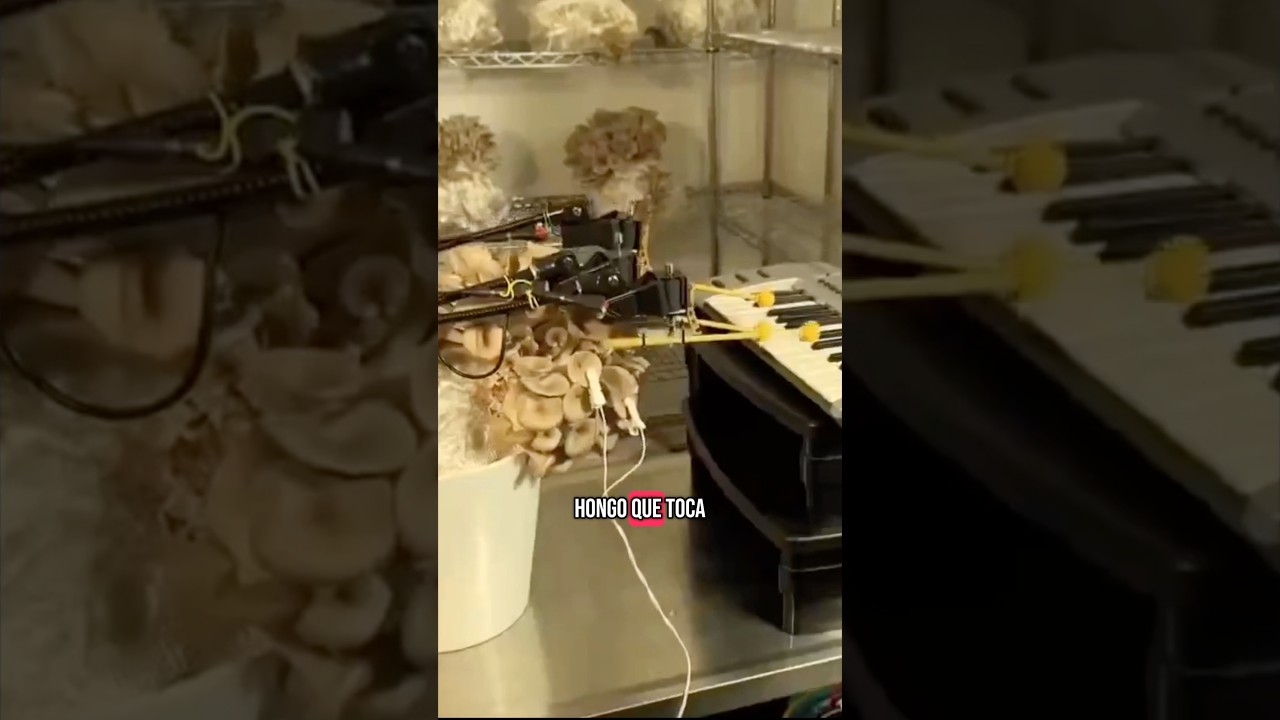
foreign y welcome ladies and gentlemen to another episode of whose Gene Is It Anyway I am your host as always Justin welcome to the stream we've got a really good one for you today I think and I'm pretty excited how is everybody doing today I hope you're doing well because today we are talking about fungi and I love me some fungus it's a fungus Among Us it's gonna be a good one so I hope uh I hope everybody's excited alrighty so I'm gonna just you know the stream's already been going for a cup for a minute or so so hopefully everybody's here we'll probably have a few people filtering in as we get going but that's okay now just a couple quick housekeeping things before we get going uh I've got a bit of a presentation prepared so we're going to work through it but if you want me to respond to a question during you know as we're as we're working then the best way to get me to do that is to donate there's a link below in the description to Street um like a donation link if you'd like to chip in it's always greatly appreciated you don't have to but it it does help the show as you can see from the donation bar underneath it's for neuron supplies because since we're talking about fungus thoughts we're also going to be talking about neurons and the neuron project for those of you who've been following the channel for a while is well underway I'm very excited we'll talk more about that later but we'll get back to it in a little bit so yeah if you want me to answer question uh there's the Donate link below you can also use super chat or any of the other things um but yeah hopefully uh hopefully it's gonna be a good show I I think I think you guys are gonna like it so let's without further Ado let's get into it so let me just start my presentation alrighty here we go okay so fungus thoughts now we'll get into you know what we mean by do fungus think in a little bit but let's start with Basics first off where did this idea come from uh I did a poll on the community tab on YouTube about nine days ago uh asking which topic you guys wanted me to cover today and seeing fungus thoughts won by a significant margin so that's what we're talking about today in the style of the you know the old who's Gene Is It Anyway streams that I I did a little while ago uh basically the way this works is we pick a ridiculous idea and then we work through it and figure out how to make it work now something I learned from the last streams was two hours of me doing research live doesn't typically feel very interesting to watch so I've done a lot of the legwork in advance but we'll still do some of the coding and stuff like that near the end where we're actually going to do some genetic design and some you know writing some DNA code to see fungus thoughts so but we'll get back to that in a little while all right so I'm gonna just take a two seconds just check on on the old commenters um also we have a moderator so you know behave please um but yeah we do have a moderator so you know if anybody is being a jerk you you will be muted but other than that uh if there's any you know links or other stuff that we need uh they'll throw them up in there uh at the end of the show I didn't do it in advance because I was working on this presentation until literally 10 minutes ago so whoops but uh after the after the show all the different papers and resources and all the different stuff that I talk about in the show will get linked down below so definitely be sure to check back for that uh probably in a couple in in within about an hour after the end of the uh the stream just because I didn't have a chance to put it in there right away but that's okay all right so let's get into the actual stuff so first things first fungus there is a fungus Among Us and fungus are truly truly fascinating creatures so fungi are a branch of the tree of life that unfortunately doesn't get nearly as a much oh oh we gotta we got an ambulance going by I don't know if you guys can hear that hopefully hopefully everybody's okay anyway um fungi are some of the most interesting members of the tree of life but they're also largely neglected by biologists there is a growing trend of of learning about them and studying them and figuring out how they work and all the amazing things that they can do but it's still a very young science as these things go there's like I say there's there's just not a lot of of work when I was in university I I tried taking a class on fungi and mushrooms and it was painfully boring it's it's sort of this classic case of a lot of the times I don't know why this is but for some reason biology teachers and professors are either some of the most interesting people you'll ever meet or just eye-wateringly boring and unfortunately this professor was the latter so I ended up dropping that class which is a bummer because fungi are really really fascinating and I ended up you know learning about them on my own and I've now that I you know Do genetics for a living and and I do a lot of Bio I've grown a lot of different species of fungi I've you know there's they're just they're you know I've gone mushroom foraging they're just a really cool thing my uh I once asked my my plant Professor who was one of the coolest people I've ever met which you know this is what I'm talking about you know Professor bio professors are either the coolest or super boring he was the former uh his it really it felt every time I went to one of his classes it really felt like being in Harry Potter a little bit like his his name was root like that's like he didn't change his name he was his name was root like that's his given name um very very cool dude he would you know take time off the semester to go tent his maple trees he was a deal with canoe to school very cool guy but at one point uh fungi came up during one of the lectures and I asked him about them after and his response was basically like I don't I don't talk about fungi fungi are too weird fungi are sessile animals and I mean he's not wrong like it's that's not a bad way to think about what fungi are and because I mean they kind of are like fungi are ridiculously close like genetically to animals which is part of what what makes them so immensely weird uh we're both in the group epithicons which means that at some point in our life cycle we exist as a single cell with us a a single cilia that points back or a single flagella I should say that points backwards this is a sort of what makes fungi and animals unique but yeah fungi are really really strange they're they're animals that don't move is not the perfect way of thinking about them they're not animals but the more you learn about them the more it can feel like that including in the fact that you know they seem to do some amount of I don't know if cognition is probably too strong of a word but we'll get more into that a little bit later so let's let's first talk a little bit about the the basics of fungi there's essentially five main groups um depending on who you ask you know though sometimes they'll throw in an extra group here and there but there's basically five main ones um the ones that I find the most interesting are the basidio micata and ascomycata because that's where all of the fun stuff is um glomeria micata and zygomycata are more of the molds they tend to be infectious or molds or this sort of thing whereas the city of mycata are what we would think of as the mushroom producing species ask a micata is a mix where you have some mushroom producing species but you also have things like baker's yeast which are single cellular so it's it's a pretty broad spectrum in that one little group in terms of the traditional like mushroom life cycle so now we're talking mostly the uh basilia by Hakata and some of the ASCA micata this is sort of the the cycle that it goes around where you have the mushroom the thing that we think of as fungi or as mushrooms right is actually just one tiny little part of their life cycle and we'll talk more about that in a second but the the the mushroom is the fruiting body it's it's the uh well uh sex organ basically it for you know hoping not to get demonetized but that's what it is um the the mushrooms come up and the the point of a mushroom is to spread spores spores are kind of like seeds except very tiny and usually either spread through the air or although then again I mean they're spread in a lot of the same ways as seeds so [Music] um basically the the mushroom will release the spores one way or another the spores get carried to a new area and then they germinate and out from these little spores come hundreds and hundreds and hundreds of little individual filaments called hyphy the collection of hyphy um uh the yeah the collection of hyphy is called mycelium and when you have mycelium from two different spores that are compatible sexually uh assuming that it's a sexual species because not all of them are some of them are are asexual and can just make mushrooms on their own but but a lot of them are require a a companion um so when when the mycelium from two compatible uh Spore like strength or entities organisms it's it's you know whatever um when they when they touch if they're compatible it will actually fuse so when you have hyphy and mycelium from a Spore it tends to be haploid which means it has uh one copy of DNA whereas when the the mycelium meet and touch it becomes diploid like that it actually fuses together like the two cells fuse together become diploid and then they're actually able to make the mushrooms so at that point they'll start producing when the conditions are right because mushrooms will are very very sensitive to the conditions of the environment and so they'll wait like they'll wait until usually just after the rain is a really good time to go looking for mushrooms because that's it's it's very damp it's very moist which is what they like um at this point the former primordia which is sort of like a pre mushroom which will grow into the fruiting body which is the the mushroom and then the cycle repeats where it will release more spores and then they spread and blah blah blah blah so that's the basic mushroom life cycle but most of a fungus's life is not a mushroom the vast majority of it is living underground or in wood or wherever it is that it that species likes to live rather than the the fungi or rather the mushrooms that you see so like I say it's all about high feet this is sort of what this is sort of what it looks like where you can sometimes if you're if you ever have mulch and you especially after it rains if you flip the mulch over a lot of the time you'll see what looks like sort of white roots or hairs covering the bottom of the the fresh Mulch and that's actually that's mycelium that's that's fungi digesting that wood and turning it into nutrients for other things to enjoy and when you look at it under a microscope it can have all kinds of different structures there's also lots of low microscopic structures that can be sort of sticking off of the mycelium and the hyphy but we're not going to get too much into that because that gets really too much into the weeds not really what we're talking about today but to give a really good an idea of just how much the mushroom is really the mycelium and not the mushroom we have fairy rings so fairy rings are well somebody donated thank you greatly appreciated um let's see if I can make this a little bigger so I can read your comment better um so Mr lately um says I'm currently in week four of oh okay you're you're having you're having some fun with some fungi I see that's that's cool um okay there's not actually not actually a question well anyway thank you for donating greatly appreciate it um and uh anyway so back to back to fairy rinks so the the vast majority of the mass of this fungus is actually in the central part under the ground but what will happen is when those mycelium like the two hyphy meet and then start spreading it'll sort of spread out evenly and will put out mushrooms progressively in a ring around where that Central spot sort of was like I say most of the mushroom is living underground but a fairy ring is just sort of the Ring of fruiting bodies that you see above the ground now I forget where this is from But A A friend told it to me and it was basically in some sort of like fantasy setting it was a conversation between you know somebody and the you know the head of the fairies right because there's there was this idea that fairy rings are a portal to the Fey realm which I mean obviously they're not but in in this fantasy setting it was and they're asking the fairy King like you know why do you why do you put the portals there and he just goes no I don't I don't put the portals there that the mushrooms make that decision have you tried talking to them they're Inc they're incoherent you can't reason with them they just do their own thing and I mean it's that's not unrealistic like working working with mushrooms they they sort of they do they just do their own thing like a lot of growing them is just kind of getting out of their way uh oh we gotta we gotta comment or a question from Zachariah stoval thank you for donating greatly appreciate it uh what's the best bachelor's degree to get into if I want to get into genetics now that really depends on what kind of genetics you want to do uh if you wanted if you just go into a degree that's called genetics they will almost certainly just uh teach you population genetics and genomics and stuff I find immensely boring if you want to do the stuff that I do the thing you're looking for is called synthetic biology molecular biology biochemistry also very good options but synthetic biology is more what I do where you you know are optimizing a thing to do work for you it's it's like it's genetic engineering where you're actually like attempting a goal rather than just studying how genes flow through a population anyway uh so yeah fungi fairy rings very cool some and I I know we said I wasn't going to talk too much about weird modifications to hyphy but this one I always love highlighting because it's really cool it's that some some fungal species actually hunt so what you're looking at is a I forget the the proper name for it but it's it's basically like a tripwire so the thing that they're hunting is not like deer it's it's nematodes so nematodes are very very tiny animals they're little tiny worms that have you know a brain and a heart you know they're little animals and what the hyphy do is they grow these inflatable rings so what happens is as the you know the worm is is wiggling along if it if it happens to accidentally swim through one of the loops the loop will cinch tight uh by inflating you can see that there's three bladders so it'll inflate the bladders trap the the nematode and then um digest it like they'll it'll uh some of them will release a toxin to kill the nematode and then digest it and the reason they do this is because at the end of the day fungi are decomposers you know they need nitrogen they need carbon they need to eat just like everything else and nematodes can grow in enormous abundance in soil like most soil contains many many species of nematode and so they're a great source of of nitrogen so because nitrogen is one of those things that tends to be very limiting in soil it's one of the reasons why we have to apply fertilizer to plants because nitrogen there's lots in the air but it's a very stable molecule so getting it into a chemical that can be absorbed is really tricky so since fungi don't usually have the ability to fix nitrogen because they they're eaters they're not producers um they'll they'll go hunting you know a nematode is a great source of nitrogen and then once the nematode dies and is absorbed it will spread those nutrients through the entire body of the fungus one of the largest organisms in the world is actually a fungus and my professor uh you know like I said I find pure genetics to be immensely boring but to my professor's credit uh he was on the team that discovered this organism and they realized after taking samples of the species this these mushrooms throughout this whole giant I think it's a three kilometer wide area of forest they realize that every single mushroom that they were sampling was genetically identical to the point where they realized it's all just one giant fungus all one massive massive living organism and especially in the context when we which we'll get to in a moment of electrical Potentials in fungi you gotta wonder if if these things can think that's a three kilometer wide brain what do they think about I don't know it's pretty cool um all right uh we we got another donation so I'm gonna take a quick second to answer the question we got from Tatiana thank you Tatiana greatly appreciate it thank you for donating it says let's say hypothetically you want to produce insulin uh what fungi or other organism would you want to modify for that purpose um I mean in the context of a shgf situation uh most likely you will die unfortunately uh but if you had to make insulin recombinantly and somehow had DNA printing technology but not insulin for some reason E coli is is really convenient yeast also pretty good the problem with producing insulin is not making the insulin the problem with producing insulin is extracting the insulin from whatever organism you're growing it in and getting it to a purity that is viable for use in humans because you know unsurprisingly injecting stuff into humans is generally quite dangerous but yeah so hopefully that answers your question it's not an easy thing to do the open insulin people have been trying it for a very long time um but it's it's easy to do industrially it's not an easy thing to do on your own unfortunately already back to our fungi friends fungus thoughts okay so now now though on the topic of a 3.4 kilometer wide brain or theoretical brain let's talk about thinking and fungus fungi Dream of Electric trees so what something I haven't mentioned yet is that a lot of fungi exist in symbiosis with the plants that are growing above them so a lot of fungi will actually and and plants are have evolved to interact with fungi so the mycelium will actually penetrate into the root cells of various plant species and the plant will basically trade phosphorus four carbon so plants are very good at absorbing lots and lots of carbon dioxide turning into sugars so the plant will pump sugars down into the roots which the fungi can then absorb and in exchange the fungi will pump phosphate because fungi are very good at actually eating rocks where the phosphates are so the fungi will pump phosphate into the plant roots and then there's that Mutual uh sharing but once this connection is set up all sorts of other things can end up getting passed through this connection so there's some papers which unfortunately I don't have I didn't think to include this when I was making the presentation but there are some some research that different plants are actually able to communicate through this connection via the fungus so the fungus acts sort of like a plant internet a planter net I don't know but it sort of acts like a plant internet where uh a tree can send signal molecules through the fungus to neighboring plants to warn them of predators or or infection or or whatever it is that needs to be worn so yeah it's it's really fascinating but if fungi are capable of any kind of thought this also means that they're capable of maybe interpreting the thoughts of plants I don't know who knows it's very weird but importantly fungi produce electrical activity and not like a small amount like a really significant amount of electrical activity and you can just measure it like this is not this is not even a particularly difficult thing to do you basically just stick a bunch of electrodes into either you know lab grown fungus or you can just wander around until you find a mushroom stick some electrodes in it and you'll pick up all kinds of electrical activity coming off of the fungus and if you analyze it you can find out all kinds of interesting things and there and so all of these images are taken from a bunch of different papers all of which I'll link below after the stream and many many different researchers have found that fungi produce electrical activity that looks a whole lot like this electrical activity we expect out of neurons and you'll see just how similar that appears in just a moment so here's some recordings from fungi and you can see that there's sort of two general things that's going on there's very short impulses um Nico just done it or general uh donated thank you Nico greatly appreciated and yes they are quite fun guys but anyway so in terms of electrical activity you'll see that there's basically two types right there's extremely short uh spikes which are the most reminiscent of a action potential of neurons which again I'll show a comparison of that in a second and then there's sort of the more General the the voltage just kind of climbs to a level and then holds there and then goes down but even when the level is elevated you can still be getting you know Spike activity during this uh sort of process and if you zoom right in on one of the spikes you can see that there's a very sharp initial increase in voltage and then it falls off to below where it started and then it drifts back up to its starting point which is essentially identical to what you see in neurons the the biggest difference though is the amount of time that this takes like sometimes it can take longer sometimes it can take shorter but generally it's on the same sort of order as normal neuron activity which again is very weird considering this is in a fungus like it looks like neuron activity like The more I've been learning about the neurons and and getting ready for the neuron project and we'll talk more about that in a little bit the weirder looking at this is like if if you show this to a neuroscientist they like I'm sure they'd probably be trying to you know or maybe a psychiatrist I don't know it's a neuropsychiatrist you know they're trying to diagnose what disorder the the fungus has you know maybe it's got depression maybe it's just High I don't know but either way it's very very strange seeing something that looks exactly like neural activity in a fungus and not just like a specific fungus like a lot of species of fungus the vast majority and you can find that the electrical activity varies between species where some are much spikier like they just produce lots and lots of spikes whereas some are much more chill which again is weird these are fungus like what the hell um and yeah what if what if neurons are fungus so something that you'll see in a moment is the mechanism that allows this is very very ancient to the point where it seems to be in most species and and I'll show you an example of that later but the ability to send and receive electrical activity in networked organisms seems not quite fundamental but it does seem very ancient which is odd but you know it is there which is which is strange so like I said for comparison these are human neurons notice how it looks exactly the same like disturbingly so like yeah you know there's some variation but it's a lot of like spiky spiky spike in this bike um with with human neurons it tends to be a little more flat like the the base voltage doesn't vary as much but again that really depends on your recording time like if you're recording over a long enough time you can see that drift up and down it depends what type of neural tissue you're recording from but I mean if there's just sort of a general voltage swing in fungi if you remove that you just get basically spikes that look exactly like this which again is immensely immensely strange so the next question is okay well if they're doing neural activity do they think do they respond to stimuli do they what you know what is it just random or are they actually doing something with it and yeah no they seem to be communicating at least a little so for example what they did was they basically took a block of of mushrooms and they they stuck some probes in in different mushrooms and they basically just held a lighter to to one of the uh one of the mushrooms and you can see that almost immediately there's a noticeable spike in a nearby mushroom so the damaged mushroom immediately sends out signals which are interpreted by the other uh mushrooms as something has happened which is wild um we had a we had a donation so uh Celebi thank you thank you greatly appreciated it says could you connect neurons to fungi I mean maybe we'll get to that I actually I've I've been I've had some thoughts on this but we'll get there later um I think one of the the differences but I mean even then I was going to say that you know one of the differences the precise voltage that you get out of fungi versus neurons but like let's be honest it's not that different like it's about you know 20 to 30 millivolts it's it's very similar between them so yeah probably um it would be very interesting to have a fungus feeding info to a neuron array and seeing what it does I don't know if it would do anything interesting but it'd be pretty cool because then you could dream fungus thoughts and I mean that sounds well dangerous mostly but anyway so fungi do respond to stimuli and they sent when when something happens to one part of the fungus it sends a stimulus to the rest of the fungus to let it know that something's going on so this is the experiment I was talking about before and you can see that they've got wires in different fungi that are are further and further apart and the are so they're stimulating the ones that are labeled you know S one two three or four and they're recording from the ones that say channel one three five seven and nine so you can see that when they stimulate one of the the fungi you actually get activity happening in in some of the other channels to the like even channels that are further away so it's it's pretty it's pretty wild but also you can see that just recording from different mushrooms excuse me um the electrical activity looks very different so sometimes you get those really sharp neuron like spikes but sometimes you just get these massive swings in voltage which is which is also very odd but you know they're fun guys like they're that's just sort of what they do now the electrical activity can actually be so detectable and so intense that some people have been using it to make music so basically what they do is they'll stick a couple of electrodes into a mushroom that they find and then set up a whole bunch of synthesizers that will take the voltage level from the fungi and then use that to drive different um like musical notes and and you know control like the intensity or the echo or whatever else of the music and then they'll like fuss with the knobs until it sounds good but it's very odd listening to fungi music and I recommend you guys look at look this up after the stream I I'll actually I'll put a link to to one of them uh there's an artist uh who's been going around on Tick Tock and YouTube shorts and all this kind of thing um and it's it's just weird it's list it's like listening to like the song of the fungus and it's really cool but also like a little disturbing but really cool at the same time so yeah I highly recommend it's like good music because you know the artist messes with it till it sounds good but still it's I highly recommend checking it out it's very cool so another thing that I found very interesting is not only do fungi communicate with electricity but they also respond to it as well and there's a bunch of different papers that show that if you stimulate either the ground or colonized logs that have been like colonized with your your fungus of Interest so like in this case they're showing shiitake mushrooms if you either directly stimulate the log or the ground nearby with high voltage electricity so simulating lightning basically all of a sudden the the fungi will fruit so something about being shocked or or hit with high voltage electricity triggers fungi to grow which like just think about how weird that is for a second like partly you can think of and you go okay well I mean that kind of makes sense because fungi are looking for sort of an after the rain kind of environment to grow but why would be being hit with lightning make them grow better like this is something just fundamentally strange and there's places that have now taken to using high voltage to like help their their mushroom Farms so they'll just like electrocute the logs periodically whenever they want them to to fruit because very shortly after the stimulation you'll end up with fruiting so it's it's very weird like they can think but it's kind of like some weird like electroshock thing I don't know maybe maybe fungi are just kinky I don't know man it's just strange but it's still very cool to see that this interaction is a thing but yeah let's uh we'll keep on keeping on all right so the the last thing is interpreting fungi thoughts so if basically with all of this electrical activity people started wondering okay well could we like decode it oh we had a we had a donation oh thank you Nico yeah so Nico Nico just writes uh we we found a thing uh that might be able to think let's try electroshock therapy science yeah pretty much that's that that that's pretty much exactly how that goes um uh somebody and somebody unknown says biotechnic biotechnology if you want to get into genetic engineering yeah that's that's pretty accurate that's a really good way to get into genetic engineering anyway back to the back to our fungi friends so the these researchers uh started wondering if you could decode the language of fungi and by language they're being really broad here they're they're basically saying are the spike patterns that we're seeing do they form any kind of like actual General pattern or is it all just random noise right because I mean it could be it could all just be random noise and the fungi aren't actually doing anything although let's be honest if every single fungus has the same neuron like spiking activity it's got to be doing something with it so it wouldn't be it would be silly to say that this is like some weird vestigial thing anytime we've said that about nature it's always been wrong so um basically what they did was they started looking at the like the patterns that show up so they took a lot a lot of lot of recordings of the fungi and started to see if there were sort of words or syllables or basically like patterns that repeat regularly you know the sort of thing that they see over and over and over again and if they do is there any kind of flow like do you see do you always see one pattern and then another one or is it totally random or is there any kind of uh patterning to it and uh yeah no there kind of is so when they mapped this out they found that so this was this is some of the uh the graphs that they made where basically each little circle is a specific pattern and these graphs show the general tendency of which patterns tend to flow into which others so for example if you look at B um you'll see in the in the top it says 20. so whatever Spike pattern 20 was you typically see that and then number 12 and then number two and then number one and so like that's the the train of of patterns that you would see now they they haven't gotten as far as to figure out what any of this actually means but hey it's a step in the right direction I mean insofar as we can't even speak to other mammals the fact that we're trying to figure out what fungi are doing is pretty wild but still it's uh it's it's really interesting to see that not only are they producing electrical activity it's not random like it's it's patterned and they are sending some sort of message now in some of the the papers that I'll link below they they actually talk about this and one of the experiments that they did was they pushed a solution of salt water into the block of fungus so that way I then recorded the the spike activity and so what you see is very little spiking for a little bit but a huge surge in voltage and then after a little while you start seeing the spikes again and so there was a theory that maybe this is the fungi's communicating about growth state so this is how they can coordinate when it's time to fruit or when they need to do certain things or maybe if there's a predator or if there's a food source you know it's very easy to imagine if a the the hyful tips like the very ends of the hyphy find new dense food source that they would want to send that information back to the end of the rest of the fungus to send more resources to that area to help with the digestion and whatever else that they need to do so it's not unreasonable to think that they're doing this electrically um one of the other things which I wish I'd thought to have a gif of this that fungi do is what's called uh neuronal streaming so fungi and and mycelium um um I'm gonna finish the start then I'm gonna ask the question so fungi and mycelium are they're not like individual cells per se it's just long tubes so in a sense and of course this varies between fungi I'm going to be really broad here but in in a sense a lot of fungi tend to be one big cell for a lot of their life cycle so the the nuclei are not confined to like individual cells along the length of the hyphy they can flow freely throughout the whole tube and so something that can happen is if the fungi encounter a new food source if one of their nuclei has a mutation that allows them to break down that food source uh that nuclei will start getting copied and then send copies back through the rest of the fungus so that the entire fungus gets that ability and so it's not unreasonable to think that if this is happening that they're also sending electrical activity which can be interpreted further away or or whatever the case may be all right so we had a question from Rob Works uh did you speak on how fungi and plants work together in their own underground economy yes I did earlier in the uh earlier in the show we talked about how fungi and plants will form a symbiotic relationship where the fungi will grow into the roots of the plant and they'll trade both nutrients but then also the plants can use the fungi as sort of like a an internet of sorts which again is immensely weird and very cool to the point where if you really think about it like if you're walking through a forest ever like most of the things are connected at least a little bit um like all the plants are all at least a little connected through the various fungi and something that we found is that when a um a tree puts out seeds the little baby plants will get end up getting connected to the the the parent plant and if the the parrot plant can decide or determines that um um if the parent plant determines that the conditions are really good it will actually Force more nutrients through the roots through the fungi into the baby plants whereas if the conditions aren't good it will sort of withhold to basically Force the little baby plants to die so that way resources aren't wasted on offspring that just won't make it or don't stand a good chance of making it um which is I think fascinating like truly that's just immensely weird and very cool but it's it's all these sorts of things that we're learning about how fungi interact with the world around them and how everything else is all interconnected and how forests are these giant sort of super organisms in a sense with even though there's a lot of competition between plants and everything else there is also a lot of cohesion and uh coordination and sharing of resources so you know trees are socialists [Laughter] um but anyway moving on okay so now we're going to take a brief interlude and talk about neurons because we're talking about electrical activity we're talking about um uh you know the thoughts of fungus so let's talk about the thoughts of meat so in a previous video you've seen these before if you've been a long time viewer of the channel these are our first attempt at making neuron arrays so basically the idea is it's a little culture dish with lots of little electrodes that go into the culture dish with neurons growing in a sheet on top and as the neurons put out little spikes you can interact with them by either feeding in signals or just listening to all their their little spikies and you can do all kinds of very interesting things with them I've I've wanted to make them pass butter because I you know a minute for the meme um and also just because I think it's funny uh we're thinking about making it play Doom it'll be a good time I if you haven't subscribed already you should definitely subscribe to watch us make neurons play Doom like that's do I don't even think I need to upsell that honestly um but this is the exciting update these are our brand new neuron arrays that have just arrived they're they're prototypes and they they still need a little bit of work this array was designed by our new team member Jonah I think he did a really fantastic job these look great uh they were ordered just from like a traditional PCB manufacturer and you're going to be seeing these in a video soon but one of the things I was thinking about when these when these arrived was yes of course we're making them for listening to neurons and recording neurons but there's nothing to say that we couldn't use these arrays for recording from fungi or slime mold or or any of the the other things that put out electrical signals and so I think there might be some interesting stuff there where not only are we going to be able to or or could you theoretically just you know stick some electrodes in a mushroom you might be able to do this on a really micro scale so maybe you just grow like some mold or some maybe yeast maybe yeast to it I don't know um but if with these arrays in hand in hand not only could we record from neurons but we could record from fungi as well which I think could be really cool um but yeah the the neuron project is happily moving along I've now ordered the neuron media I'll be ordering neurons this week I'm very excited so that that video those that series of videos is going to start coming out pretty soon probably in the next two months so if you haven't subscribed definitely do that and also this is why there's a donation bar in the bottom because Duron media is very expensive um as is this whole project um you know just the uh just the head stage not not even the rest of the electronics but just the actual amplifier stage required to work with this neuron array is like almost a thousand dollars so you know it's it's a big project we're breaking it up into little pieces so that way we can both stand the highest chance of success cover the most ground do the most things with it but also you know spread those costs a little thin because yeah it's a lot of money unsurprisingly growing brain sheets is uh not cheap who'da thought um but yeah once we have these now that people are suggesting it uh yeah I mean maybe we'll try feeding in some some funky funky thoughts into the neurons and see what that does because you know that'll only be the the second weirdest thing we'll do all year so anyway that's that that's sort of that oh you know I digress this is I'm really excited for this project that's why I wanted to talk about it quickly but it also has uses outside of just neurons which I think could be very cool okay back to fungi Okay so the theme of today was not do well I mean the the title of the video says do Fung I think but the the original idea was could you see the thoughts of fungus uh oh we had a donation uh devic thank you very much greatly appreciate it uh anyway so um we wanna we don't want to just see the thoughts in the sense of like you know you've taken electrical recording because I mean there's no genetic engineering in that that's just sticking electrode to mushroom we want to see the thoughts you know like physically so we're going to take a trick from neuroscience and so what you're looking at here is a zebrafish brain that has been genetically modified with a protein called gcamp I think this one was gcamp six but there's there's a whole series of them basically what they've done is they've taken green fluorescent protein uh which is exactly what it sounds like it's a green fluorescent protein and they took another protein called calmodulin so calmodulin is a calcium binding protein that exists in the brain and they basically took halogen and they split it in half and they put it on either end of a green fluorescent protein and they did it in such a way that the only time that the whole thing becomes fluorescent is when calcium levels are high so when calcium levels are high the the calmodulin pieces Bend back on themselves and connect and that drags the two chunks of green fluorescent protein into the correct alignment and it will suddenly become fluorescent so basically what you're looking at is every time a neuron fires one of the things that happens is there's this huge wave of calcium that's released because one of the ions that flows when neurons fire is calcium and so using this calcium-sensitive fluorescent protein you're able to actually see when the neurons fire oh we had a couple of donations uh ifme asks can you explain why the electrode nodes are shaded like they are the terminals okay I'll just go back to the thing really quickly um so they're shaded just because it's weird lighting um from the overhead microscope um just a quick word on this basically the way this is going to work is we're going to put a coating over this whole area the the reason that the manufacturer didn't just do this for us is because they don't have a punch to make small enough and precise enough holes in the coverlay so they basically just cut a big hole out of the coverlay and just gold plated everything else so what we're going to do is put a layer of epoxy down and then a blate using a fiber laser just the little ends of the electrodes so that way we're recording from Little very sharp areas instead of that whole Trace because obviously an uncovered Trace is just going to record from the whole thing which is useless so anyway that's that's a little bit about that um anyway back to back to our fungus thoughts oh Jason thank you very much greatly appreciated and and Matt B also thank you very much guys very very much appreciate it um all right so back to seeing fungus thoughts so if you can do this to a brain you know I got wondering could you do this to other things and um you know yeah pretty much you can so again here's another example of some neurons where they've been modified with gcamp we're actually going to be doing this at some point um if we're growing neurons one of the things that we're going to be doing is genetically modifying the neurons and gcamp is I actually have the code for it now I I have a bacteria that produces uh gcamp6 and it doesn't work great in the bacteria because I I basically put too much of it so the the trouble with this and you can actually see this in this image where theoretically the protein is supposed to light up only when the calcium level is high but if it's one it's sort of a matter of Statistics right statistically some of the proteins like there's a enough background level of calcium that some of the protein is always going to be in the fluorescent State and so you can see it in the in the the GIF on the left where most of the neurons are already glowing but you'll get a bright flash from some that have sort of a better a better balance or when they fire and so basically what happened when I tried expressing gcamp in bacteria they're just always glowing like you don't you don't see the the swing up and down of of bright and then dim and then brighten the dim um even though they're supposed to do that and this is what I was talking about earlier where the mechanism for allowing for neuronal-like activity is very very old so if you look at here here's two different examples of things where we've put gcamp into and you can see them light up and do kind of thought like Behavior so on the right you can actually see um E coli that have been expressed that are expressing gcamp and if you look carefully you'll see that some of the cells light up periodically over time so you know they'll light up for a second and then they they go away so what's happening there is you're having a huge influx of calcium into the cell and then it's pumping it all out and so the the protein will go from fluorescent to unflorescent and if this happens in E coli of all things um then it stands to reason that this is a very very ancient mechanism because if it's happening in E coli and it's happening in fungi and it's happening in humans and every other animal this must be a very ancient mechanism although when you think about it in in the context of E coli specifically and bacteria generally this could be a mechanism for how the microbiome like all the bacteria that live in your gut and in your and on in your body could be interacting with you because if they're able to produce these these intense electrical impulses there's nothing to say that your neurons can't be picking it up so there's a chance that the bacteria that are living in your gut are interacting and sending you signals and literally controlling you a little bit um electrically which is really wild we had a couple of donations I just want to address those really quickly um uh where where'd they go um ah Luma Lama uh tipped thank you very much uh greatly appreciated and somebody Anonymous tipped and again thank you very much it's greatly appreciated thank you guys um anyway so yeah your if your microbiome is thinking um and sending you electrical signals like that's pretty weird um whether or not it's it's really to that extent is hard to say because I mean if you're looking at those E coli like they're not doing any like it's it's it seems pretty random but then again it this is a pretty Niche thing like gcamp is a fairly new tool and it's mostly been applied to neurons so I think as more people start to study the microbiome and the interactions there you'll find probably more instances of stuff like this but if it works in bacteria like that's pretty cool on the left what you're seeing is a Venus fly trap so Evita's flytrap uh for those that don't know is a carnivorous plant and when the the Trap is is actually a modified Leaf it exists in an open State and it has three little trigger hairs on each half of the the Trap when the first hair is triggered the the at the base of the the hair is sort of a Sac filled with calcium so when you deform the hair it releases this burst of calcium and so that's what you're you can actually see that happening in the video on the left where when that the hair is first stimulated the whole thing suddenly lights up and you can actually see it propagate out from where that hair is where the entire trap will light up but the Trap doesn't close at that point the way that a trap works is it actually is requiring an even a higher level of calcium so this way it's basically avoiding accidentally being triggered when say debris or the wind or something bumps one of the hairs because the it's it takes a lot of energy for the leaf to close and it's you know as with all things plants need to be very efficient they don't have a lot of energy to spare and if you actually section the Venus fly trap leaves what's really interesting about them is they are packed full of fat and lipids because they need to store enormous amounts of energy both to power the Trap closing and also to produce all of the digestive enzymes that ends up eating the thing but anyway so when the trigger hair is triggered a second time it puts out a second wave of calcium and you can actually see that where the whole trap lights up even brighter and only that at that point does the Trap close so it's very interesting that even if the plant isn't thinking you can still get a automated response like a an intrinsically programmed response simply using calcium signaling and just a wave of calcium so it's it's not that strange to think that lots of other things are probably doing this and there's some other videos which I didn't include in the presentation but we'll probably talk about in a future stream at some point where if you wound uh a plant you could actually see like a wave of calcium come out so like if you if you were to take the same venus fly trap and then chop one of the traps off you'll see this wave of calcium transmitting down the the I don't I guess it's the stem but like sort of the base of the leaf and then you'll see some of the other leaves light up in response the whole plant is suddenly aware the damage has happened and will actually start undergoing genetic processes to try and deal with that damage if plants detect that they're being chewed on for example like if a caterpillar is chewing on a plant it'll send out the wave of calcium and that's one of the signals that the plant will recognize of oh no I'm being chewed on and then a series of things will happen where it'll put out chemicals into the air to warn other plants of predators and when the other plants detect those signals they'll start producing bitter chemicals to help basically prevent predation so that way when the caterpillar ends up on that plant maybe they bite into go oh no this is gross I'm gonna go to a different one so if you have ever smelled the smell of cut grass which I think most of us have that's what that is you're hearing plants screaming or well you're smelling plant screaming so yeah anybody who loves the spell of cut grass now you get to think about that enjoy you know the you know watch the you know very very nervous vegans in the comments but no seriously it's it's it but it's weird to think of even though they like a plant doesn't have a brain it can still sense and communicate and do a lot of the things we think of even if it's doing it basically automatically which is very strange uh we got a question uh from Cole uh Cole thank you for donating greatly appreciated will you be able to use gcamp to look for horizontal Gene transfer in microbiomes under distress I don't think that that's the way that you would want to look for horizontal Gene transfer um you're really going to want to look for well the the genes it'd be much easier to just sequence and and see if genes have moved that way because gcamp is only going to show you if they can do calcium signaling and if E coli can do it it's it's not that special you'd want to actually sequence the organism to see what it's doing to allow that calcium like you want to look at say the the calcium channels and see if they are genetically similar to say the human ones or something along those lines um but yeah anyway so moving on so now the big question does this work in fungi and oh boy yes it does so what you're looking at is I believe this is um oh I had it written down which one was it um I think it's uh it's a species of aspergillus so it's a this is a mold um not even like a not even a mushroom forming fungus this is just a normal mold and this has been modified with gcamp just like the others and sure enough you can see it lighting up and doing all kinds of weird calcium signaling even though it's just a tiny little speck of molt so I think this is fascinating just utterly absolutely fascinating and I really think that more fungi need to be modified this way and add that to the tool set of figuring out fungal neural computation or whatever it is that they're doing because I think this is fascinating and also I'm a I'm a I'm a visual boy I like being able to see the stuff like you know a chart is lovely but you know it's one of those things what's the What's the phrase um I think it's red Zips a lock order like the thing speaks for itself you know it's one thing to stick an electrode into a fungi and go look it's thinking and it's a very different thing to like modify a whole fungus and see it thinking and so this is basically the mod that we're going to be engineering today so I think without further Ado it's coding time who's excited okay before we get into it before we get into coding time let's I'm going to take like two seconds or just have a look at the comments see how everybody's doing how's everybody enjoying the uh the stream so far everybody having a good time ah sorry there's also very thirsty um but yeah um yeah somebody mentioned slime molds slime molds are even weirder like if fungi are immensely weird slime mold is weird times a thousand because slime molds are just one gigantic cell like it's it's actually an amoeba which is weird but it can like solve mazes we have one at the lab its name is Jerry there's gonna be a video about Jerry very soon and uh it's been profoundly weird it has been profoundly profoundly weird growing Jerry and seeing it like solve mazes and be really picky about its food and like I think it has a sense of smell like it when I say it solves mazes it doesn't it doesn't just like solve a maze it solves a maze uncannily well like like disturbingly so and we're gonna have to do a bunch of Trials to sort of prove this but it seems at least at the basics it has a pretty significant sense of smell which is weird for a giant single-celled amoeba um so yeah uh Jerry is immensely weird and you'll see that in a in a future video but all right let's uh let's let's do some code um Okay so it is code time all right so the the fungi that we're gonna be looking at modifying today is oyster mushrooms mostly because they're I mean not that we're I don't actually intend to be clear I don't actually intend on doing this necessarily I might but I I don't really intend on doing this it's more of just uh like all all of the who's Gene episodes a lot of the fun is just learning how you would program something like this rather than actually doing it because as soon as you go from writing code on a computer to trying to mess with the DNA and purpose in person I should say it gets very expensive very quickly and working with like growing oyster mushrooms very easy genetically modifying oyster mushrooms less so um so you know it can get a little bit yeah but anyway so the way that we're going to do this is based off of this paper so it says yield Improvement in the king oyster mushroom uh oh so I strictly speaking it's King oyster so just just for you can see it it is a different species so King oyster are these are the The Fat Boys they're they're very very cute um gigantic chunks and I mean they make really good stir fry like you can kind of like up like scallops they make they're really good you know you can if you get a big enough one you can fry them up like steaks they're really good highly recommend this has nothing to do with genetic engineering it's just a food fact uh I recommend eating these they're delicious um but anyway so King oyster not oyster whatever same difference um but basically the way that they did this was they took so here's the here's the plasmid that they designed and so this is p cambia 1301 which is normally a plant because this is normally a plant plasmid like it's very weird to see somebody using this for fungus but I mean if it works it works you know but so basically what they did was P cambia has a couple things of interest basically a lot of crap and a hydromycin resistance Gene and then the stuff for doing agrobacterium mediated transfection which I'll talk about in a second but hydromycin is a really gnarly antibiotic it kind of is more poison than antibiotic if we're being honest because it kills most things I think you can use I think you can use hydromycin for mammalian selection as well which to me that then it's just poison but it's a poison that you can there's a gene to fix essentially so what they did was you can see here and I'll actually zoom in on this a little bit so you can you can see it better um so this bit here this this first error arrow is the promoter um so this is we've if you so before I get too much into this if genetic engineering is new to you I would highly recommend watching the last couple of streams that we did in the learn genetic engineering Series where we talk in detail about what is a promoter what are codons how does all this work so that way this is less of a foreign language like you'll you'll actually be able to understand what I'm talking about a little better but the long the the short version is a promoter is basically the start of a gene so it kind of is where the Machinery that that gets the process going will bind to and it also it has a lot of control elements built into it a lot of the time so like it'll only turn on under certain circumstances be that a specific point in the life cycle of the organism or when certain chemicals are applied or stimuli or whatever so in this case they're using one that's called CMV 35s which is the cauliflower mosaic virus 35s promoter it's a viral promoter take it out of cauliflower mosaic virus as the name implies and it's I mean it works in basically every species of plant it's a very common plant promoter it's pretty aggressive too but insofar as we're dealing with fungus it's not going to work so what you can see that they've done is the first thing that they did was they replaced the camv promoter for the hydromycin resistance right here with the Le GPD which is um glyceraldehyde 3-phosphate glyceraldehyde 3-phosphate dehydrogenase I should say glycerin yeah so glyceraldehyde three phosphate dehydrogenase is a enzyme that is crucial to the citric acid cycle which is sort of one of the main chunks of metabolism so like when you when you're going from I need to turn sugar or protein or whatever into energy that the cell can use the citric acid cycle is the engine that sort of does that and glyceraldehyde 3-phosphate dehydrogenase is one of the enzymes that is part of that cycle so this means that it's produced generally in very high level because I mean eating is 90 of what a cell does at any one moment because it needs to constantly be making energy or it will stop and die so um it's a it's an enzyme that's produced very readily which means that the promoter that drives that Gene is also going to be very strong and it's it's pretty ubiquitous so Le stands for El edotis um I probably mispronounced that but I don't care and which is basically they're shiitake mushrooms so so what they're saying is they took the glycer glyceraldehyde 3-phosphate dehydrogenase promoter from shiitake mushrooms they stuck it into this plant asmid to replace the hydromycin resistance promoter and then they stuck a second copy facing the opposite direction driving their Gene of Interest which in this case was a cellulase gene so basically what they were hoping to do was you are they're trying to make oyster mushrooms that are better at breaking down cellulose and grow faster essentially is what they were trying to do and so this is not what we're going to try and do we want to we're but we're going to do something very similar so we're going to have to replace the hydromycin promoter with the glyceraldehyde 3-phosphate dehydrogenase promoter and then we're going to replace uh so in here you can see there's CMV Gus and then some other junk we don't want Gus this is a it's a plant thing we're not dealing with gusts today and so we're going to just cut all of this out essentially and replace it like entirely with the fungal Gene that we want so let me just show you where I got some of these pieces so I I just Googled p cambia uh 1301 and this came up uh snap Gene is a really great resource for finding uh DNA code a lot of the basic backbones are are readily available there so I highly recommend it um so you know it gives you a nice little overview you can you know Mouse over all the stuff see all the things but more importantly you can just hit download and then just download the plasmid I've already done this you'll see that in a second and then for the um legp D promoter I got it out of this paper which I'll scroll up so you can see it it says construction of a heat resistant strain of Len tonous edodes by fungal heat shock protein 20 overexpression so basically this is they're trying to make a heat resistant shiitake mushroom which again is very interesting um and apparently it seemed to work which is cool but importantly they cloned the um Le GPD promoter out of the mushroom so what they did was they used PCR to isolate that part of the gene clone it out and then they had it sequenced and then they were nice enough to share the sequence of the promoter in the supplementary of the paper so if you scroll all the way to the bottom close that if you scroll all the way to the bottom um where you get to the supplementary here's the supplementary material it was the second file was just a word document that had the the sequence in it so I've gone so this is benchling this is the the program we're going to be using for doing our genetic modifications today because it's the one we always use and it's convenient and it's free importantly so I I quite like it and so I've already gone ahead and done all of this like I've loaded all of this stuff in here just so we're ready so I don't have to spend you know 20 minutes digging around for it but so we've got P cambia here which is exactly what we saw before and now that it's in benchling it's explorable we can modify it we can do whatever we want to it so you know if you want to really like zoom in on something you can um not not that we need to Zoom back out my head is in the way so I'm gonna just make my head a little smaller tiny head yeah so I'm my my head is now very tiny so oh anyway hopefully that'll help you uh see the see the thing a little better um and anyway so we've got our p cambia ready to go uh I've already loaded in the promoter that's right here and I have a copy of the plasmid that has gcamp in it already um I've already made this uh also I have a very similar version of this in my freezer which is where this code came from but we're gonna we're gonna kind of work through this so before we do anything I think the the first thing that we should do is put the promoter in its place like where it's going to go so if we look at p cambia go back over here and we're looking at we're looking at P cambia here also I should probably have done that a while ago give us a little more room I'm going to close our our project folder so that way you know we've got a little more room to work um if we if like I say if we're looking at P cambia here the hydromycin gene is right here so if you click it it just it's highlighted um one of the things you'll notice though is the direction of the arrow right so if you look at Gus it's point the the pointy bit of Gus is clockwise so like it's it's pointing clockwise that means the the direction that that Gene is written is clockwise as well whereas all of this is counterclockwise which I freaking hate when people code like this it's very annoying it's it's a really good way of of isolating genes to make sure that you don't have like crosstalk um but it makes just handling it in the in the software really annoying because I you know I I like to so if we look at this one right you can see cauliflower Mosaic uh whatever the the cam promoter um generally should be on top of the the thing so if you're scrolling through all the code you can like just scroll down unfortunately this is indexed funny um but I can fix that so I can just go re-index Okay cool so now you can see what I mean so like you see promoter and then if you just go down you see the thing that it's actually driving which is Gus in this case um we're gonna remove all of this but that's okay but now if we go back to this one the promoter is facing the other way the gene is facing the other way which means that you've got to scroll up to find your your Gene but basically what we're going to do is I'm going to not touch any of this if I can because there is a restriction site right here which is convenient so we're going to be using that so what we got to do is we're going to go to our promoter and because we can't just copy this because we need like this is this is set up for clockwise but if you try and like copy this you're going to be in for a bad time so what you got to do is go copy special reverse complement and that will um basically copy it backwards because there is no up or down on DNA like it's I set it up for convenience one way but I mean the there's not an up or a down on DNA you just work with it um so basically what we're going to do is it's really a no fuss no must kind of thing um the the when we would be ordering this like when you're designing DNA you're always thinking about how this would be ordered and like what you're actually paying for to have made so I'm gonna the first thing I'm going to do is I'm just going to select this and go command paste and that should stick our thing in there there it is legbt 2.
or GPD um and uh so we now have our promoter in here there's also a bunch of this extra code in here which we do not need so I'm gonna just get rid of it it's not necessary and there's there's not like useful restriction sites in here that I'm deleting so I don't feel bad getting rid of this but this would also just make the print cheaper because otherwise you're gonna have to print all that garbage um so basically now we we have an MCS here which is a multiple cloning site it's basically just a chunk of code where they've put a whole bunch of restriction sites just to make it easy to handle the construct in the lab because if you don't have a restriction site putting things together is just much more annoying so now if I was going to be ordering this the way that I would do it is I would say start with P cambia 1301 cut with Eco RI and then there was one on the other end which was uh a t two right so basically I would say cut here and here print the thing that I've now highlighted and then put it in this hole right so that would deal with the hydromycin gene so now we have legbt GB Jesus l-e-g-p-d uh promoter now driving hydromycin which is great um the canvi poly a signal I don't know if they got rid of it because it's not noted in their code which is annoying and this is like so this paper was pretty old like this is when was this written let me zoom zoom out this paper was written 2017.
okay it's not that old these people are just lazy okay that's that's fun um I hate that I I hate when people don't label their stuff like guys come on you're supposed to be the professionals what the [ __ ] um anyway I I hate this particular style of uh displaying plasmids and papers um and just because you're missing so much information and it just makes it truly obnoxious to work with because I mean X my is is listed here but it's not even in the plasmid right like it's not even it's not even here so like they're pointing at a thing that's not there this is what I'm talking about this is this is the the kind of very lazy garbage that you know genetic Engineers will do because they think that academics are the only people who are going to read this and no one's ever going to attempt their thing which is endlessly frustrating but that's okay anyway so um that mild rant aside insofar as I have no idea what they did for their termination signal I'm gonna just leave this one because it's a poly a it should be fine um and if it isn't I mean the only way you're gonna know is to test it and if it doesn't work then you know you go from there but the implication was that they did this and it worked so I'm going to assume that they didn't mess with this because in their in their paper um it does seem to imply that they're just you know cutting here um I'm not actually sure if that's the the case I'd have to read this more carefully um they might have just cut the whole chunk out and just put it in De novo but then it doesn't say what they put on the end so that's that's don't do this if you're writing a paper don't do this it's just it's bad because now I don't know did they use the canvi paulier or did they not no idea so we're just going to leave it because I don't know what they did um one thing that we definitely don't want to mess with is this it says LBT DNA repeat so um there's two of these there's the lb and there's the RB over here so if I highlight them both you'll notice that this whole chunk gets highlighted so what this is showing the the P cambia system is based on agrobacterium so agrobacterium is a species of bacteria that normally infects plants and the way that it does this is once it gets into the plant it will physically inject DNA and a slew of enzymes into the plant and it will permanently integrate that DNA into the plant's genome this is one of the most common ways of modifying plants it's really quick and easy it's also a bit weird because you have to use an infectious thing to do it and so there's some qualms there but basically what it what it does is it's looking for the lb and RB and that kind of to the agrobacterium marks which chunk of DNA needs to be shoved into the plant genome and so that's why those are there so we definitely don't want to mess with that it's very important we don't mess with that but we now have our legb the freaking the we have the promoter and hydromycin so this is now going to be included and put into the fungal cells which means that we're going to be we would theoretically be able to select the modified cells based on hygromycin Resistance so you do the transformation you expose the mycelium to the armed agrobacterium and then you basically just let it rip and once once you give it some time to recover then you can it would only the cells that have been modified properly will continue to grow so that's lovely now we need to deal with the actually interesting bit which is our gcamp so again we're just going to come over here grab our promoter again so just click on it just now we just click copy because we want it in the normal orientation which is good um instead of having to do it backwards again we're going to come over here so our multiple cloning site has now been moved so I'm going to re-index again just because I need to be able to see the multiple cloning site um as we're doing this so now we can see our the promoter we want to replace here but then we see that there's kind of like this desert of nothing um all the way up to here all of this code is junk nonsense that we don't need um there's there's nothing in here as far as I know like there's not there might be a regulatory element in here but as far as I I as far as I'm aware of this is all just spacer or lack Z which we also don't care about so it's pretty safe to get rid of that so I'm just going to delete it um if it will let me come on go away yeah it's gone okay so now we have a little a nice short path between the nearest restriction site and the thing that we want to stick in here so what we can do is we can just grab that click paste and that should stick our new promoter in so if we were going to order this we would essentially do this in a couple of pieces so the first is we would say okay you know cut with Eco RI and aat2 oh no okay um does and so we'd say okay put this piece in first so that gets us our hydromycin resistance and then the second one is we'd say okay now come over to here cut with hind3 which is this guy and you could either do ncoi or you can print the whole next piece all as one chunk so let's go over to our gcamp now this is this this particular G Camp has been optimized for um bacteria so I'm gonna do a little thing where we're gonna see if we can fix that so first thing I'm going to go copy special because I don't want the DNA here I want the actual Amino sequence um did we get a donation I just didn't notice no something something moved and I like saw squirrel um anyway so we're gonna go copy special and then we're gonna go copy translation because what this is going to do is instead of copying the DNA this is going to copy the protein sequence which is what we really care about so then if we open up our our project stuff again and then I go to where the hell do I put this spider Rickman stream projects funky thoughts here um and then we go new uh amino acid sequence we're going to call this gcamp 6f because that's the particular version of gcamp we're using and then we're gonna paste that in pasty paste now so this is this is our gcamp sequence this is the actual protein sequence and you can actually take this and stick it into something like Alpha fold if you want to see what the um structure of it looks like there's actually a new feature that they've added 3D structure that lets you do exactly that um I have a you know on on our server we have a version of alpha fold running so when I'm doing work like this if I want to see what the protein looks like or if I'm I'm really going in and like messing with the nuts and bolts of a protein and I need to see what it looks like I'll use Alpha fold for that but for this in this case we're just copying code so it doesn't matter but anyway so what we're going to do is we're going to right click on it and click back translate and this is going to let us convert this back into DNA but of the species that we care about hopefully so let's just have a little look around and see is there anything that looks even vaguely fungal so we have saccharomyces which is always good but it's not that great so let's just keep looking uh we get agrobacterium which is it's not bad not really what we're looking for uh Clementi minus no we don't want that um physarium no that's that's virus we don't want that um that's a that's a yeast that's electric caucus we don't want that [Music] um I think that's rice yeah or is your sativa um rhodobacter pseudomonas what do we got anything good I think we might be [ __ ] out of luck on this one that's a bummer okay well we're going to use yeast because it's close enough it's I mean this this is one of those things where you would Design This you would try it see if it works and if it's not perfect you go back in and mess but for all intents and purposes this is probably fine so I'm gonna just go with where's uh I just saw it where did it go I'm looking for ah Sacramento okay so we're gonna just do sacromyces we're going to hit preview optimization it's going to think about it for a second and terminomyces oh did I was there asper jealous and I didn't even see it oh yeah aspergillus I'm an idiot okay well good catch guys um yeah Esme thank you very much uh so we're gonna try that again aspergillus nitrogen so that's actually closer so now we're actually into something like filamentous it's a mold so it's it's not quite a a full mushroom but I mean it is closer so the the code should overlap or their codon usage should be more similar so now we're going to click preview optimization and it's got to think about it for a second you know think about its Life Choices design some DNA it's a thinking uh there we go okay so now it's done so now we're going to click save this new sequence and we're just going to click select because it should just automatically stick it where we want there we go so now it's made a new file uh gcamp code codon optimized as always the first thing you want to do is grab it click right click hit create annotation and give it a name because if you don't you just have unlabeled letters and then you have no idea what they are which is never fun so now that we have this and it's optimized we can just copy it we go back to our PE cambia and now we got to get rid of all this junk because we don't want it so I'm going to leave this ncoi site because ncoi is really helpful um and there's a bigly too uh so I'm also going to leave that one in so I think yeah bigly ends right there it's bgl two I just like calling it big league because it's more fun and you know live a little um and anytime professor says you need to take things seriously just you know laugh at them a little um lean into absurdism anyway um so there's a there's a hiss tag here which we probably don't want so I'm gonna just go past that there's a pmli site here bsti afl3 I'm gonna go with that one there's a NOS Terminator don't know what that is but again there's they seem to have left that in yeah NOS polia they did leave in so I'm not going to mess with that so if we go back to potentialing I'm gonna just hit hold shift uh BST E I I I think is a normal restriction site so I think that's fine um so I'm just going to hit paste and then it's Gotta think about its life choices for a second and there we go all right so now we have a glyceraldehyde uh three phosphate dehydrogenase promoter driving gcamp 6f and we have the same promoter driving hydromycin there's Terminators on both although this Terminator is maybe a little bit sketchy and these are now loaded and ready to go for agrobacterium so the last thing that I'm going to do just to tidy this up is just kind of add some more restriction sites because I don't like leaving um low levels of restriction sites because then you run into problems where you want it to do a thing and surprise it doesn't do that thing anymore also something I just I just thought of so something that's always good is you just go create translation and you just click forward and so that'll it'll make a translation for you and yeah this is exactly what I was worried about so you see it ends on a k that's fine but what it's missing is a stop codon so stop the stop codon is the last codon it marks the end of a protein sequence you must always have a stop codon otherwise it'll just keep reading and you make junk so the way that I like to do this is I I'll I'll uh hold shift because I want capitals just so you can see it and I'll go t a a t-a-g-t-a-a-t-g-a that's four stop codons codon is three letters I like to just include all of them because you can never have too much termination it's one of those things where I the number of times I've had an issue where there was insufficient termination and there was read through where the stupid ribosome kept reading past where it was supposed to and making junk Protein that's the wrong size or has extra crap stuck to it is uh too many so I I tend to just put a lot of stop codons because it can't hurt and it's helpful anyway so the other thing that I was going to do now that we've got our stop codons and I'm going to just label those stop um is just add our extra restriction sites so um afei is a really good one it's cheap it's available so stick that in here um so I don't want to mess with this one because this one is part of the the backbone so you could actually cut here for insertion so you've already got you got to go to the left of it so that this one's left alone um so now you can paste afei in so now we've got uh we've got two nice restriction sites on the end we should have two we've got ncoi and bigly here we've got like a just a load of them here um and then there was uh one here um since I'm saying that we're gonna like in theory if you're ordering this I'd say that you want to use aat 2 as your your cut site I'm going to stick another one in here just because it can't hurt um so yeah AVR 2 AVR 2 is a solid choice so we go command copy command paste pasty paste and now we've got AVR 2. so now we have a like if you were to have this made you'd have a whole bunch of very convenient restriction sites for for cutting and removing any of the individual pieces so let's say that you were you start doing this and it's it's working really great you've got a bunch of gcamp fungi you could then replace the gcamp with whatever you want and now you already have a pre-built plasmid ready to go so this is this would be capable of continuing to modify the fungus with whatever other mods you want so maybe you do the cellulase thing that the other people were talking about or add heat shock protein to make it more heat resistant or maybe you just want it to be blue so you just add a blue protein whatever whatever it is that you really want like you know if we don't we don't have coral on land but we do have a lot of mushrooms so maybe you just want some blue mushrooms to to you know spruce up your living room I don't know I don't know what you decorate with don't judge me um and uh so you know this way you you have the the tool set for doing this now um but yeah that's that's pretty much it I mean this is the it's it's a nice easy design it it should work pretty well I mean the only way to find out is of course to test it um I've never actually done agrobacterium stuff before um I know a lot of people have but I just I haven't done a lot of plant work so I I tend to avoid it also in Canada the legislation around agrobacterium is a little bit spicy because it is infectious and it can infect pretty much any plant the government doesn't generally like it if you have that without a license so there's basically a bunch of stuff you got to do through Health Canada to be able to do it which is which is basically the main reason I haven't done agrobacterium stuff um but if I ever want to do plant stuff you just get the license let it let Health Canada know what you're doing prove that you have the correct uh biosafety protocols to make sure you're not accidentally releasing it from your lab and then they let you do it but anyway so yeah like I say haven't done a lot of agrobacterium works just because I haven't been in a situation where it's been required I tend to do bacteria yeast or mammalian stuff so it's just not a tool that I've I've had the chance to work with before um but yeah this is this is pretty much it so I think what we're going to do is I'm going to set this to um just camera yay okay so I'm going to take probably five ten minutes just to answer any questions and then we're gonna call for today because I think this has been I think it's been a good time we've been on the air for about an hour and a half which I think is great so yeah how do what do y'all what do y'all think how do you how do you feel about the the fungus thoughts what do you what do you think about fungus and and they're weird foresty thoughts um oh actually I think our uh our moderator might have been saving some some questions so I'll just uh pull that up if you like if you guys want to like if you've got any questions throw them up in the uh in the chat and I'll I'll answer a few before we wrap up um what is this um uh somebody says I remember reading about physical neural networks for computing and AI models could you use fungi for that too maybe one of the papers that I'm going to link in the in the description is I think called towards fungal Computing so it is that thing it's people trying to use fungus to do Computing so yeah it's totally possible um alrighty let's see what we got um how do they make glowing animals and I'm not reading the rest of that question because no um so the way they make glowing animals is I mean yeah it's you you can either modify one of the gametes or you can clone them so like you can modify an adult cell and then do the cloning procedure where you take the cell out and stick it into a new or you take the nucleus out stick it into an egg cell and and grow it that way or you can like I said you can modify gametes there's a bunch of different ways to make glowing animals if you're doing frogs or fish you can just grab the egg and just and just you know squirt some uh squirt some DNA in there and it works really surprisingly well um it's the same with like ants or or insects like the way that you genetically modify an insect is you just take the eggs and micro inject them with with a DNA solution so it's very it's quite straightforward to do um all right what else we got um I think fun are humans a Paris are are humus a parasitic in a way are humans apparent or I think it's asking are humans parasitic I mean yeah kind of like a little bit um you know gestures vaguely at the world um what else we got um MD Roberts uh thank you for donating greatly appreciate it uh what software are you using I'm gonna need more more context on that and for what um uh formal school is required for former schooling is required why so much free info that can be cross verified look I said this before and I'll say it again I think the vast majority of people who are interested in BIO should go to school like learning bio on your own is fun but ultimately if you actually want to learn how to do it well the vast majority of people should just go to school you should it's just it's just it's better like you'll that way you have access to Laboratories where you can fail under um circumstances where it's not going to be financially devastating it's you have experts surrounding you to teach you how to do the thing do I think that the academic system is perfect absolutely not I think there's a lot of things wrong with it I think they don't do a very good job of teaching a lot of the aspects of biology but I think they're going to do a better job than most people are able to in to self-learn so I you know I mean I I don't like like I personally didn't fit well in the academic system it's why I dropped out but I'm a weird potato like I you know I'm I'm very much the exception I'm not the rule um I think the vast majority of people who are interested in this should just go to school and you know get a biochem degree if you want to work in this because then it also it doesn't just open the opportunity to learn how to do the thing properly it also get like the 99 of going to University is networking at the end of the day like the stuff you learn you're gonna end up for getting 95 of it or more but really the the whole point of going to University is it puts you into a system where it gives you access to [Music] um people and resources and opportunities and chances to get into labs to to do the work that you want to do um all right anyway uh what else we got uh [Music] can you modify malfunctioning mitochondria in a fully grown animal yes It's Tricky but yeah you can do it um there's a I mean the easiest way is just with like viruses you use like viral delivery and just push a lot of virus where you either we're like specifically or you can take uh take boneware bone marrow sample isolate stem cells modify the stem cells put the stem cells back um there's a bunch of different ways to do it uh what software do you use for Designing plasmids it's called benchling um it's a it's a free website it's benchling.com not sponsored I just really like it if they want to sponsor me uh you should absolutely send me an email benchley people send me an email I will happily shill your product it's great um but uh yeah no it's it's called benchling I highly recommend it um could you do a tutorial for plasmid editing that is what this is um there's there's a whole bunch if you want to if you want to learn more about editing plasmids there's a whole series of the who's Gene videos um and I just did two full in-depth tutorials on the an introduction to genetic engineering where we kind of go through all the basics um how the how the program works how to write code how what the code looks like what it works like all that kind of stuff um all right I'm gonna do one or two more and then we're gonna wrap up for the day because I need a nap you know it's been a long week um how do fungi make such hydrophobic spores I honestly don't know I assume it's probably like a waxy coating um that's yeah um it's either it's like either a waxy coating or it's just an extremely rough surface rough surfaces are tend to be fairly hydrophobic so if you if you combine some sort of hydrophobic materials like a very thin hydrophobic layer on a very rough surface you end up with things that are super hydrophobic um how much do your projects cost on average that varies wildly something like the neuron project is casting thousands of dollars whereas you know Jerry cost I think 20 bucks from Etsy to to buy a sample of slime mold and uh then you know the price of filament to 3D print mazes and like four dollars for agar so it really it really depends um like I say neuron project very expensive other projects less so um when can we expect a video uh there was supposed to be a video out next week uh but it doesn't seem to be working so yeah um whoops yeah we're uh the video that was supposed to be coming out this month was a protein based laser and then it got downgraded to a Dye Laser and then it got downgraded to the [ __ ] thing won't work um so uh there might not be a video this month but we're gonna make a lot of shorts there's gonna there's a bunch of shorts that are gonna be coming out um like next week and the week after if it like especially if we don't get a main Channel video out if the if we did but then we'll have a main Channel video if not this month then within probably the second week of April uh uh is is the schedule if we do end up getting a video out this month then it'll be near nearer to the end of April that's just kind of the schedule the plan is to have a vid one video out per month but insofar as it's our first couple of months back it's kind of um a bit of a bit of a rocky start while we rebuild our our back catalog of videos um so anyway that's it's neither here nor there um all right I'm gonna I'm gonna do one more uh why do you work individually not with the university I mean I don't work individually I have a company now um but I I found Academia to be Beyond tedious um it's I just I don't gel well with bureaucratic hierarchies I just I don't I don't like I was already learning on my own before starting University and so when I started University I really found it distasteful because to me it felt like being treated like an idiot um rather than being treated as a peer because they don't they don't treat you like a peer until you're in a lab or a graduate student and even then you know it I I just don't deal well with hierarchies like that for a lot of people though it's a really great way to learn and and having somebody really experienced um you know kind of be your boss and tell you what to do I just don't I just I like I I didn't like the classes I found that the the stuff they were teaching me was out of date because I was also in the wrong program like I really need to do a fine it should have found a synthetic biology program but back when I was in university it was like 10 years ago so there is not a lot of that available um whereas now there's much better programs that focus more on synthetic biology they'll cover the stuff that I would have wanted to learn but I was in sort of the wrong City at the wrong University doing the wrong program so all that kind of added up and I was like yeah I'm out [ __ ] this uh whereas now you know I've got my own lab and my own company and I've got a great team and we work on some really amazing stuff and it's just way more fun frankly because then I can work on whatever I want instead of what someone tells me to work on it's it's not complicated arithmetic um all right last one um let's find out I want to find a good question um can fungus get high now this is legitimately I have no idea not a clue but I think it would be fascinating to because so they've Okay so this I'm going to be making a short about this at some point it's just I it's I'm waiting until Springtime because this is a it's sort of a springtime pro project where they found recently that plants respond to anesthetic so if you expose plants to any of the normal anesthetics that we use on people or maybe not still use but have used like things like uh lidocaine or ether or propofol or any of these drugs they stop so like not just not just like carnivorous plants like carnivorous plants if you were to take a a venous fly trap and stick it with propofol it won't close anymore like it just it stops and that's that's very weird but even like a pea plant like a pea plant which is a viney plant and it tends to like wrap around poles so if you get if you watch a time lapse of a pea plant growing you'll see that the the leader thing on the end is like spinning around until it hits something and then it wraps around and then really tightly and then grows past it and it'll keep doing this where it basically is putting these little leaders um to help it climb but if you etherize it or give it lidocaine or propofol or any of these drugs it just stops it just stops it just it turns off um which is very very strange that a general anesthetic would make a plant turn off so I would love to see somebody try this in in fungi like I would love to see that you know see if you stick lidocaine into a fungus does it just stop spiking and but beyond that if you tried caffeine even like it doesn't even need to be anything like illegal stuff like if you just use caffeine does it Spike more like can can fungi get a caffeine high I don't know and then of course if you try like the stronger stuff like but I mean because then then you gotta Wonder right like these a lot of fungi produce or not a lot some fungi produce psychoactive materials is that affecting their spiking like I would love to see a comparison of like oyster mushrooms versus psilocybin mushrooms and see do they like do they Spike different like do they behave different like is one just permanently High I don't know um so that's uh it's just a weird it's a weird concept I'd love to see that I I have no idea if it works but it would be very very cool um but yeah so that's that's that I don't know but it'd be cool I'd you know I'm I'm sure there's a context where I would be down to hit a blunt with a fungus you know it's been sitting there like Hey Joe how's it going just looks at me fungus glazed over look I don't know man it'd be weird it'd be cool that I'm into it um no uh Crone corkin thank you greatly appreciate it thank you for the donation um already um I think with that we're probably gonna call it for the day um and uh yeah yeah alrighty so anyway I hope you guys have enjoyed this has been a lot of fun um uh definitely be sure to subscribe if you haven't if you I mean if you haven't by now come on it's a good the channel only gets more ridiculous from here I mean what is you're missing out um you know if if you want to support the show the donation link is still below if you want to do that even after the stream is no longer live it's greatly appreciated um there'll be new videos coming soon there's new shorts coming soon lots of new content also be sure to keep an eye on the Community page where we'll be putting up like next month there'll be another poll to decide on what the topic for the stream is so definitely keep an eye out for that uh we're doing a stream every month so yeah keep an eye out for that other than that I hope you enjoyed have a lovely lovely day and I will see you on the next one ciao
Up Next

13:49
Callus Induction and Plant Regeneration | Plant Tissue Culture Protocol
@e-contentlanguages9752
154 views•2020-03-27

50:12
Bacterial Communication: Quorum Sensing and Biofilm Formation Explained
@JHUAAP
12.6K views•2011-06-28

5:35
Enteric Nervous System Explained: The Gut's Brain | Neurobiology Lecture
@alumniu6029
438 views•2018-09-12
7:08
Bacteriophages: Earth's Deadliest Killers and Future Antibiotics
@kurzgesagt
34.6M views•2018-05-13
Related Study Plans & Knowledge Roadmaps
Structured learning paths in Biology
biology
RNAi: Biogenesis, RISC & Gene Silencing
01Molecular Biology Foundations: DNA to Protein
02Introduction to RNA Interference (RNAi)
03Molecular Biogenesis of miRNA and siRNA
+ 2 more learning modules
10h5 modules
Explore Roadmap
biology
Mycorrhizae: Signaling, Biophysics & Ecology
01Foundations of Mycorrhizal Symbiosis
02Molecular Signaling and Root Colonization
03Biophysics and Bioenergetics of Nutrient Exchange
+ 1 more learning modules
11h4 modules
Explore Roadmap
biology
Circadian Clocks: TTFL, SCN & Periphery
01Foundations of Molecular Biology & Gene Expression
02Introduction to Chronobiology and Actograms
03The Core TTFL: Molecular Architecture of the Clock
+ 3 more learning modules
14h6 modules
Explore Roadmap
biology
Population Genetics: Math, Drift & Selection
01Genetic & Probability Foundations
02The Hardy-Weinberg Principle and Baseline Models
03Mathematical Modeling of Natural Selection
+ 3 more learning modules
18h6 modules
Explore Roadmap