











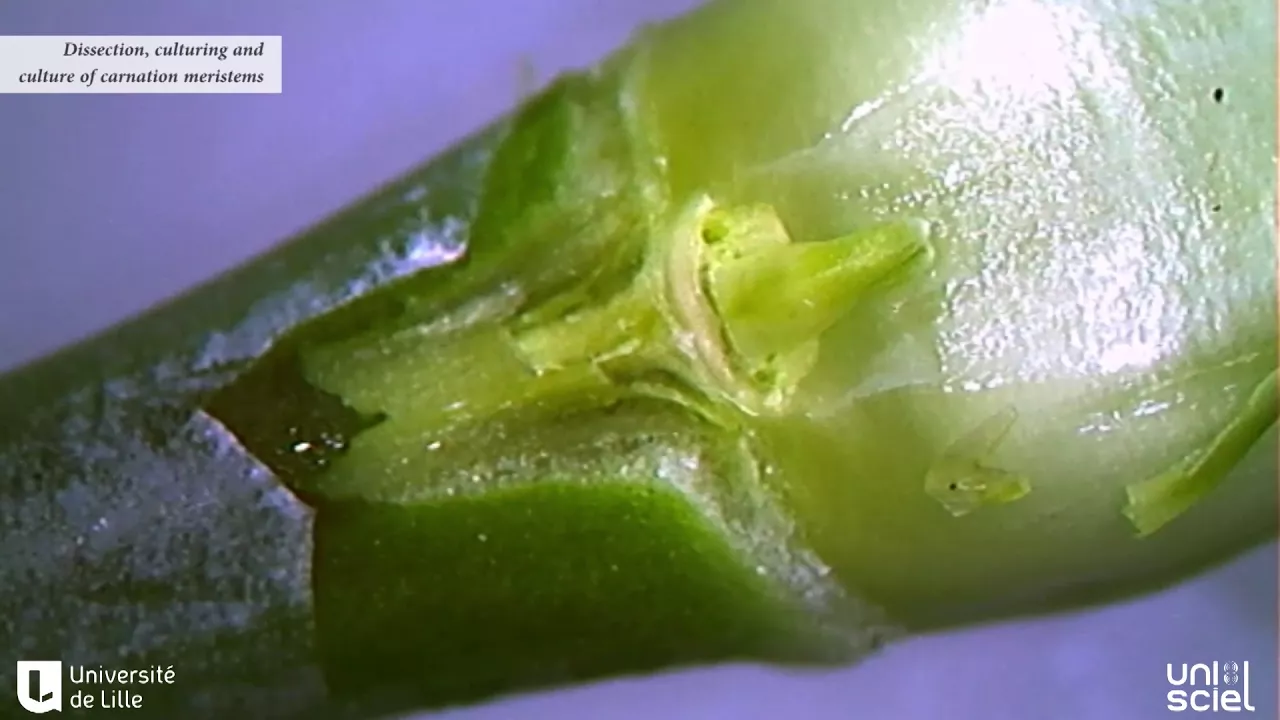


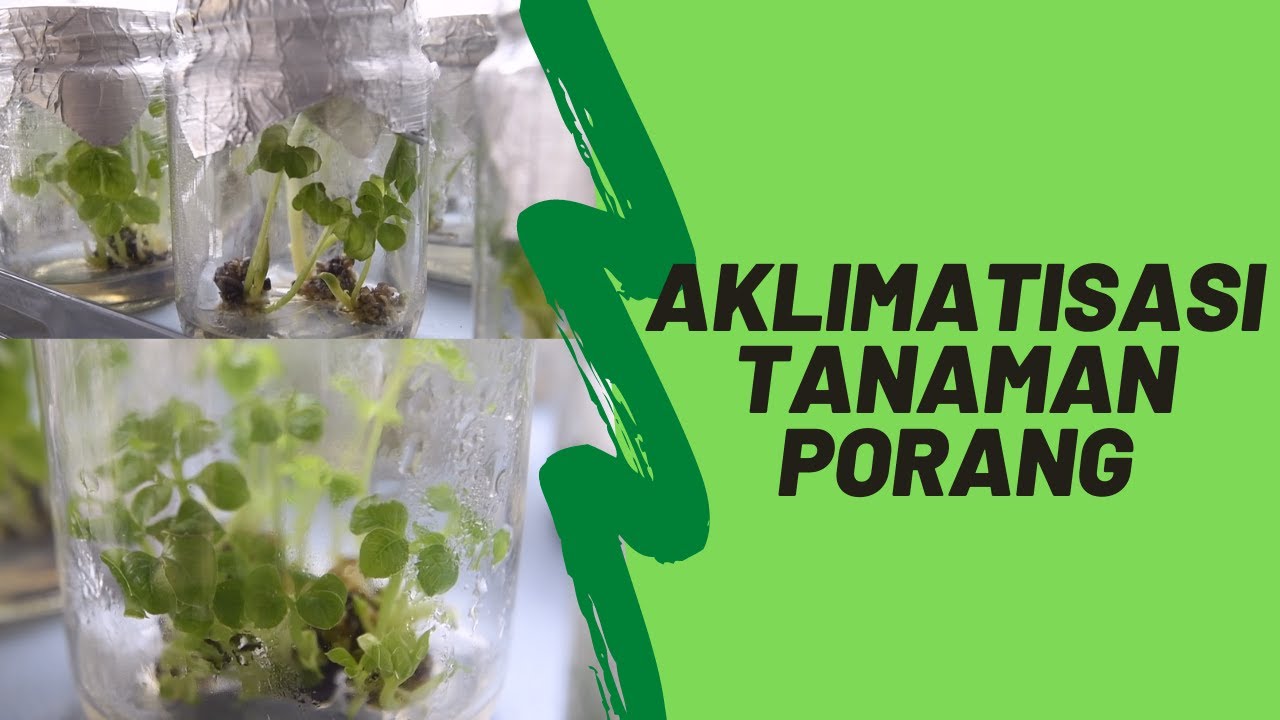





Callus induction is the process of producing an unorganized proliferative mass of unspecialized parenchyma cells from plant explants cultured on hormone-supplemented media, where auxins (like 2,4-D at 3 mg/L) promote callus formation while cytokinins (like kinetin at 1 mg/L) and reduced auxin levels stimulate shoot regeneration, followed by rooting on medium with auxin alone (like IBA at 0.5 mg/L), ultimately enabling plantlet regeneration and acclimatization for survival rates of 70-80%.
Callus Induction and Plant Regeneration | Plant Tissue Culture Protocol
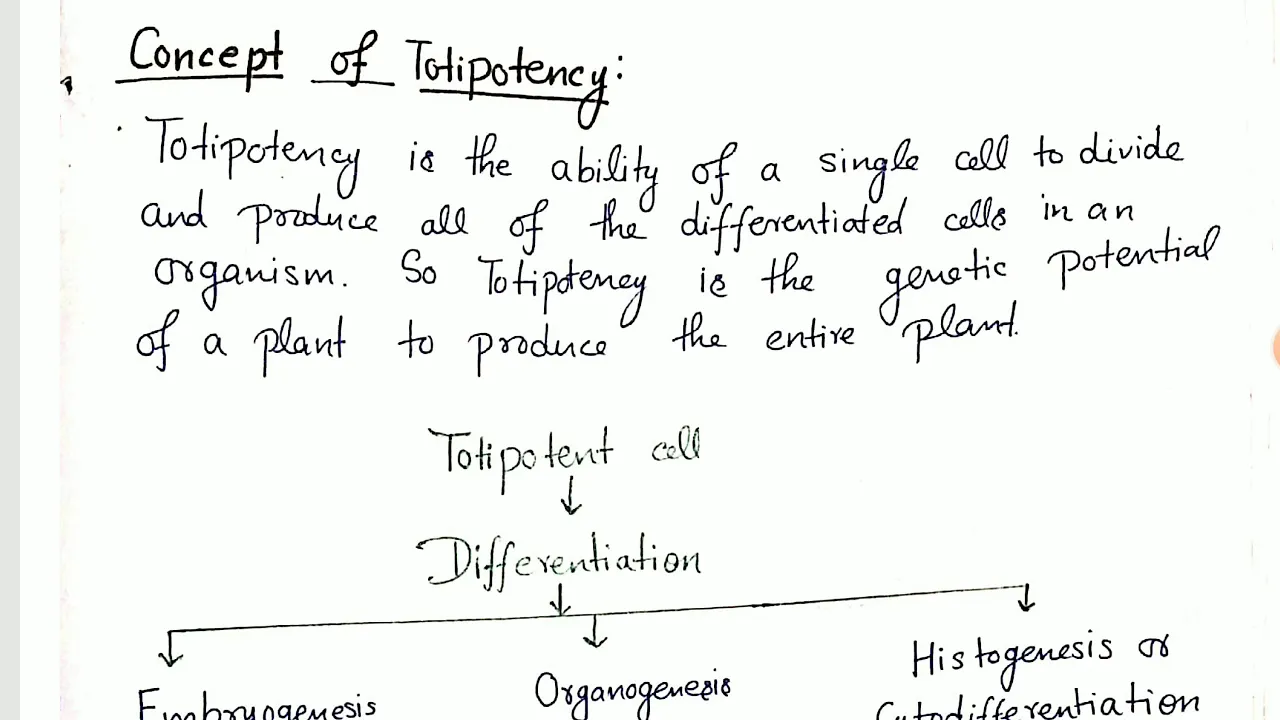
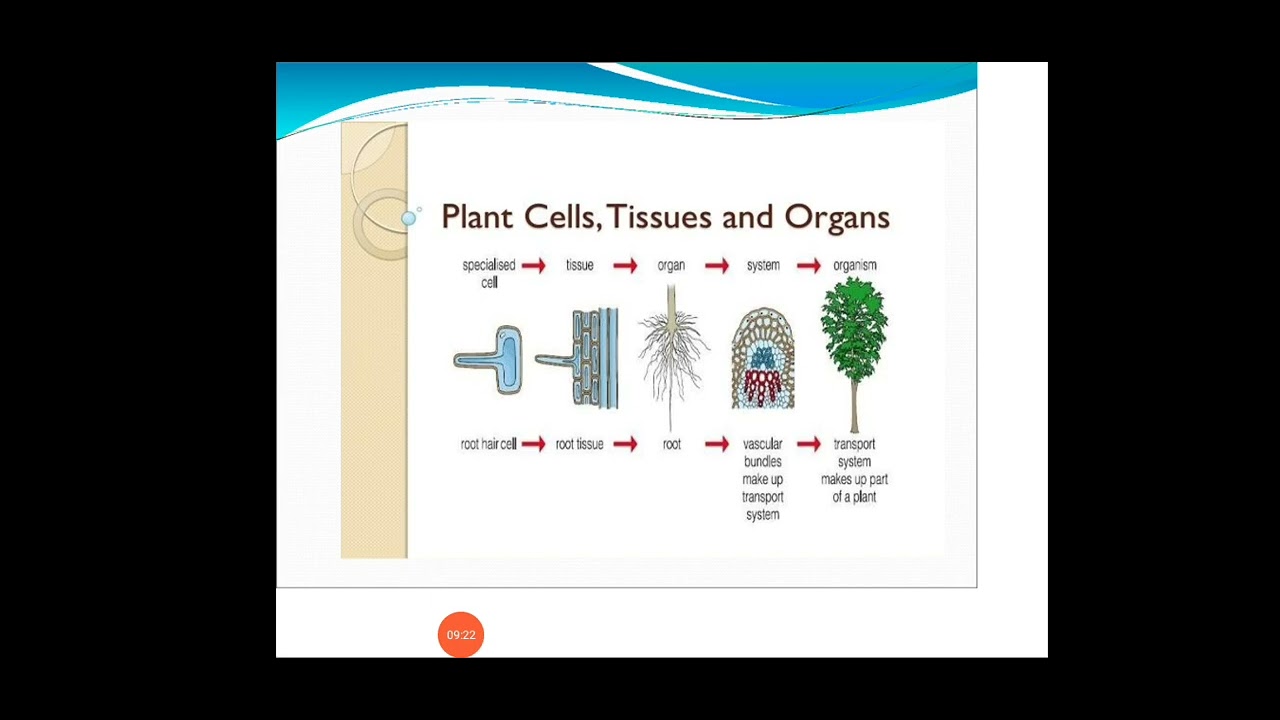
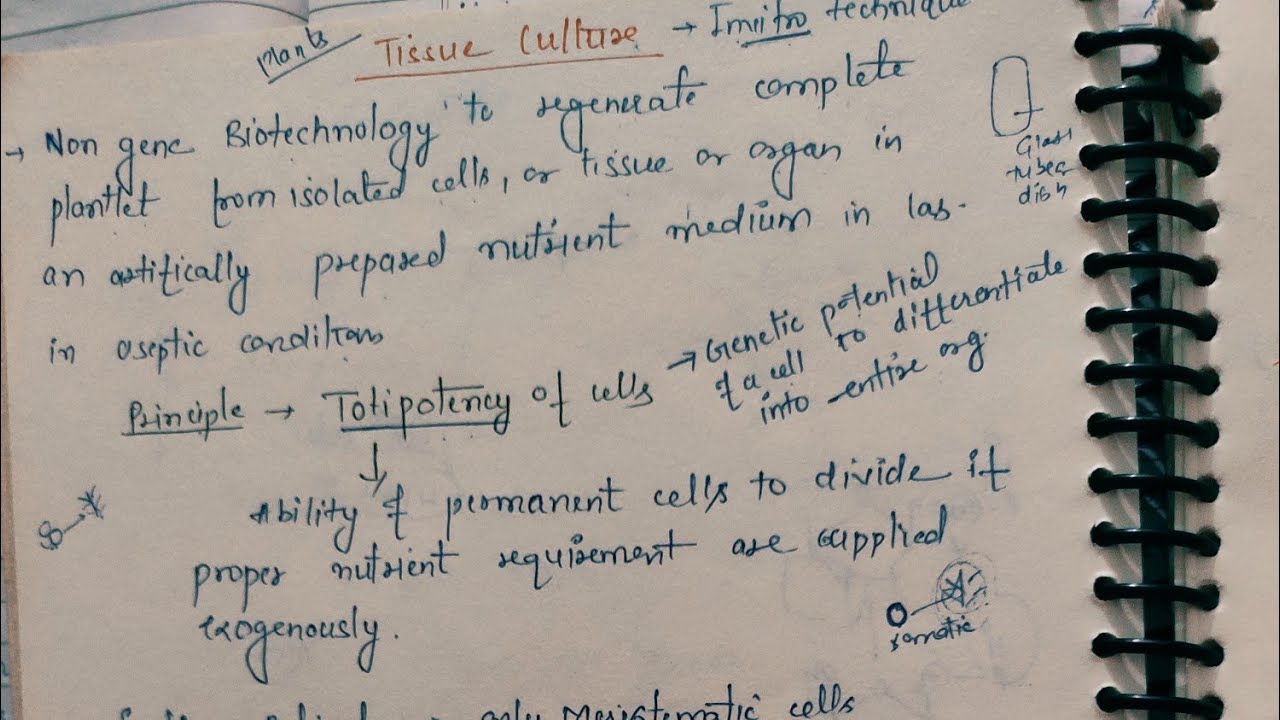
Added:The biological concept of cellular totipotency—the ability of a single plant cell to divide and produce all the differentiated cells in an organism.
Basic laboratory aseptic techniques and sterilization methods necessary to prevent microbial contamination in tissue cultures.
The fundamental composition and purpose of Murashige and Skoog (MS) basal medium, including macronutrients, micronutrients, and carbon sources.
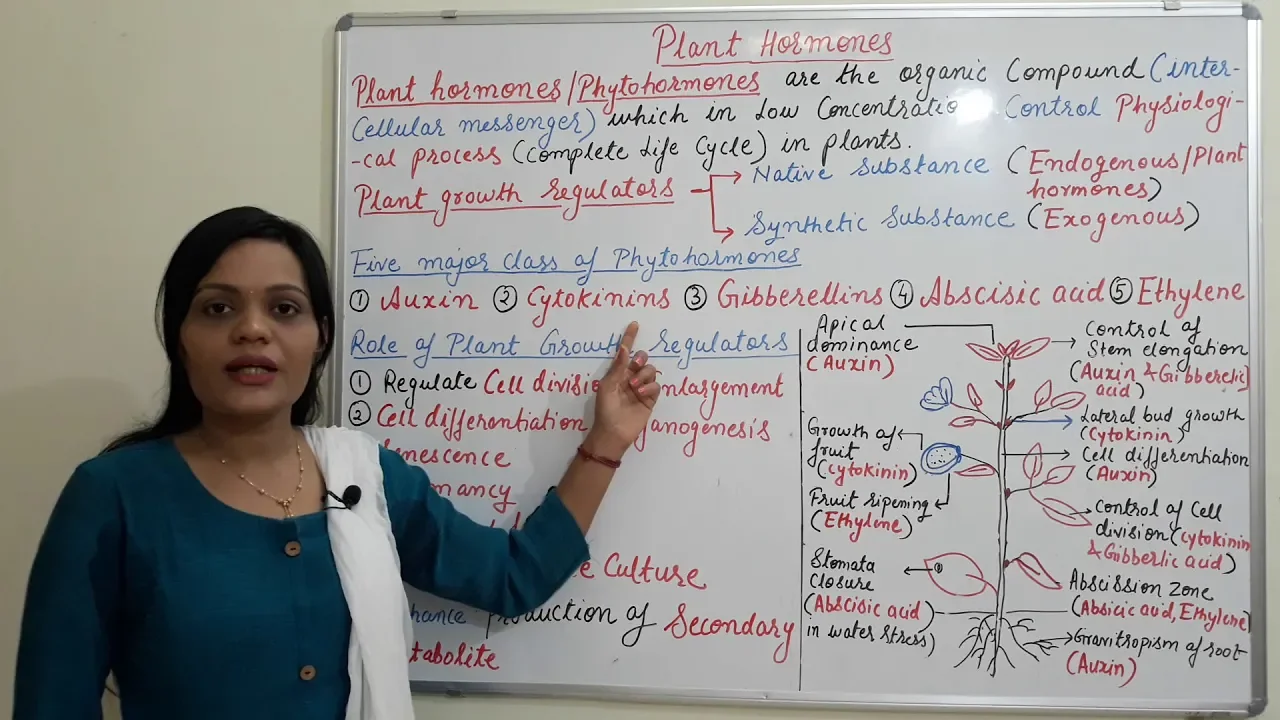
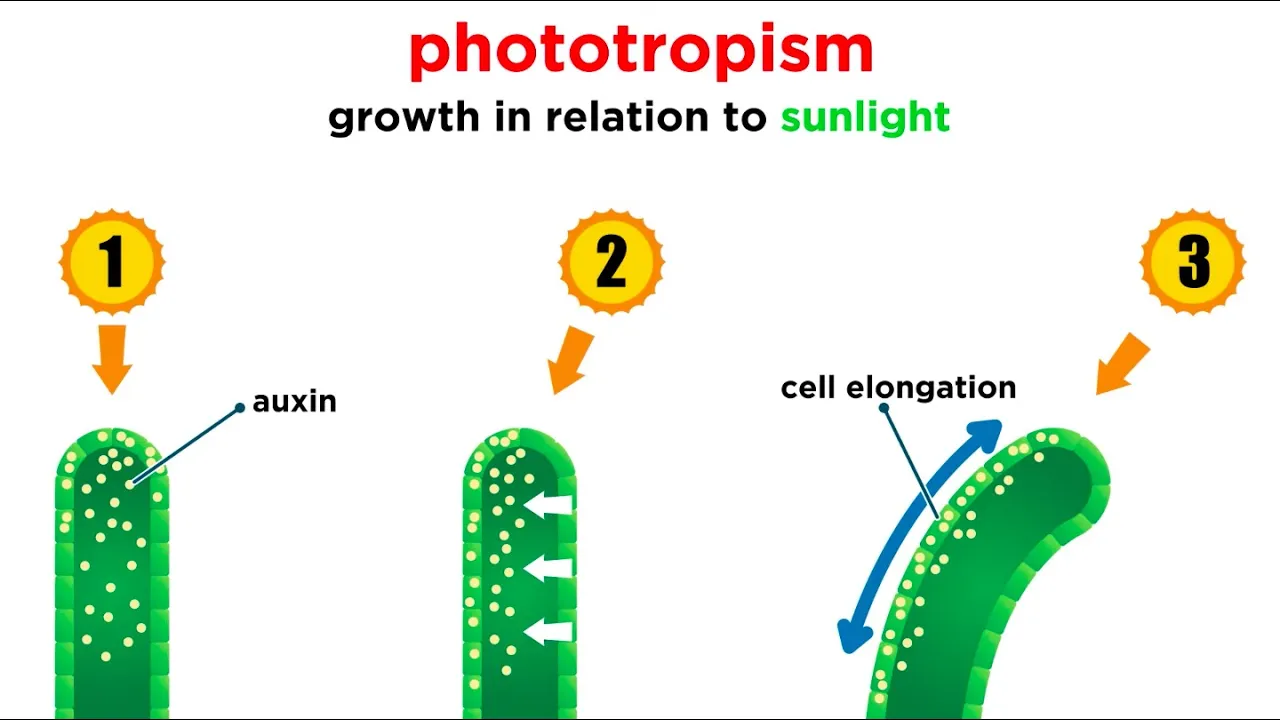
The physiological roles of primary plant growth regulators (hormones), specifically the balance between auxins and cytokinins in controlling cell division and differentiation.
The process of acclimatization (hardening off) required to transition in vitro regenerated plantlets to greenhouse or field soil conditions.
Applications of callus culture in genetic engineering, such as Agrobacterium-mediated transformation and CRISPR/Cas9 editing of plant cells.
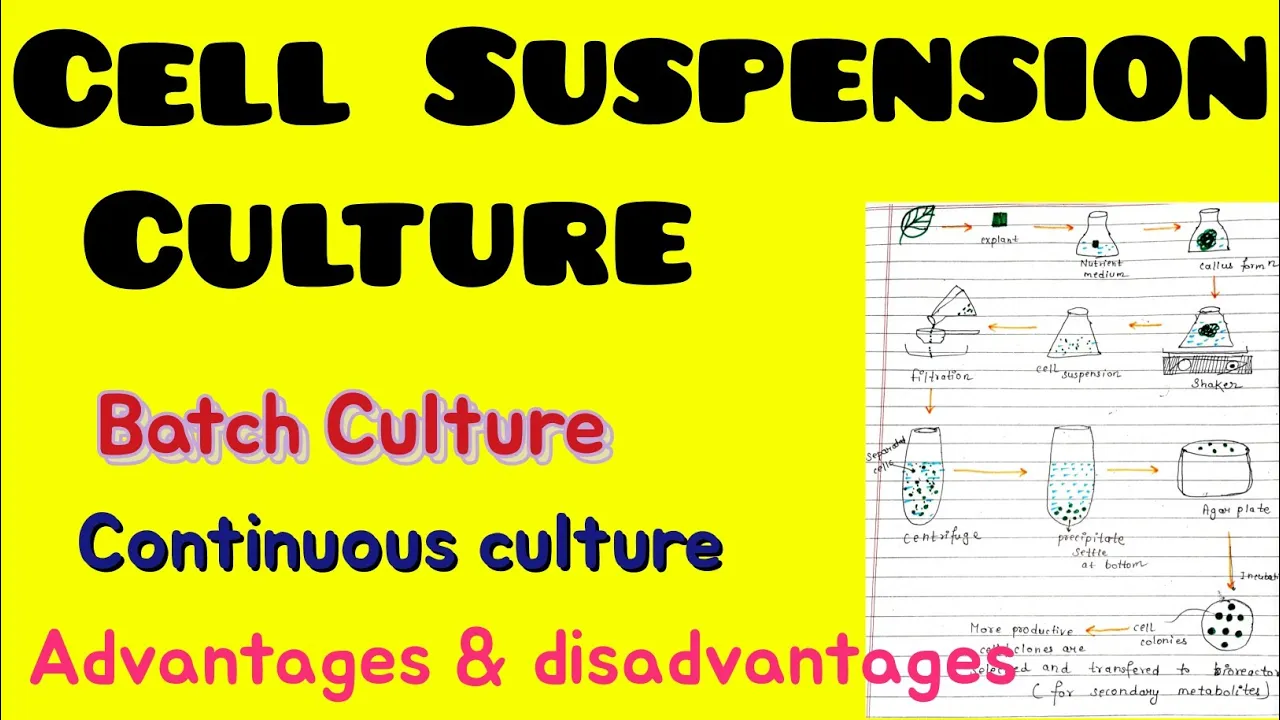
Industrial scale-up techniques like cell suspension cultures for the production of plant-derived secondary metabolites and pharmaceuticals.
The phenomenon of somaclonal variation, including how genetic and epigenetic changes arise during the callus phase and their implications for crop breeding.
154 views2likes13:49Original Release: 2020-03-27
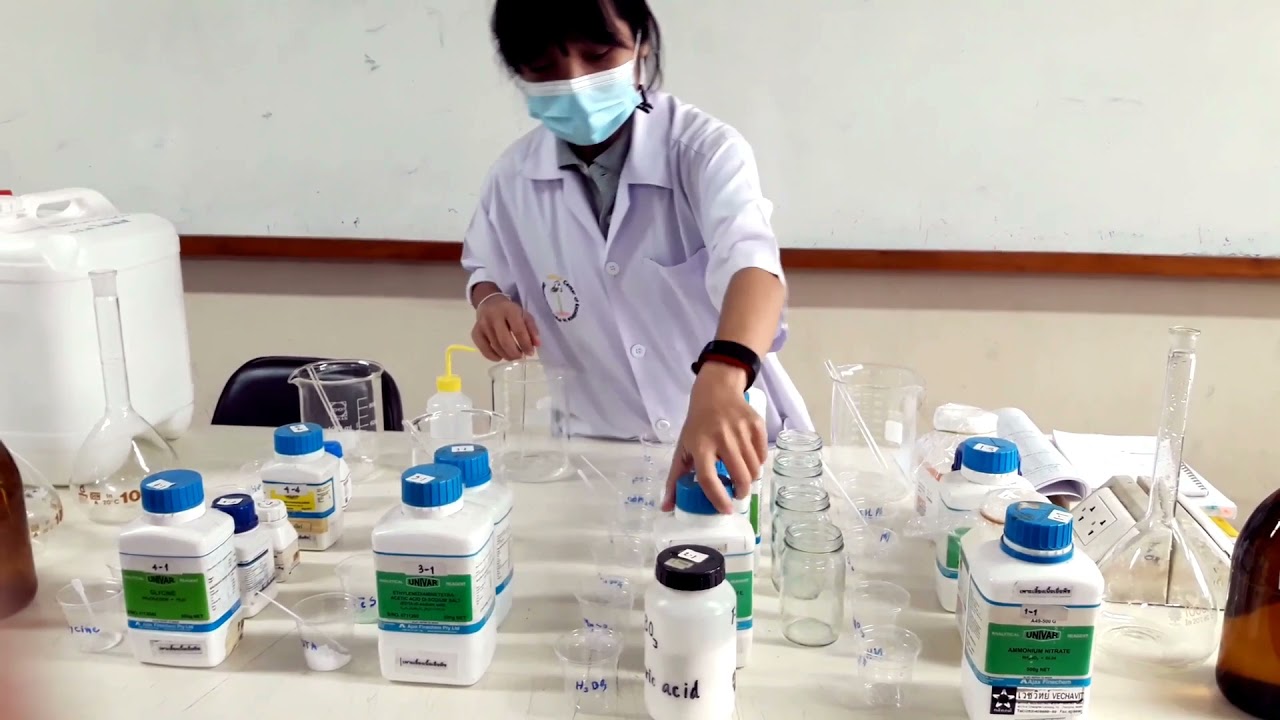
[Music] [Music] [Music] hello students the aim of today's experiment is to study about calles induction and plant regeneration first let us see the equipment's required for the experimentation the equipment required include Auto Club pH meter magnetic stars magnetic beads wing balance and laminar airflow next let us see the other materials required it includes recent glass bottles spatula tissue rolls the Stillwater cotton plugs aluminum foils scalpel handles sterile blades forceps perusal glass these tubes of the size 150 mm into 25 mm preferably without rim containing Nausicaa and scoops on MS 1962 medium marker pens fresh young lives of shrub lentils Gousha lexis the callus medium for chemists induction we will be using a mass medium supplemented with three milligram per liter to four dichloro phenoxy acetic acid or 240 next is the short multiplication medium for this we will be using a mass medium supplemented with one milligram per liter naphthalene acetic acid or na in combination with one milligram per liter kinetic next is the route induction medium for route induction we will be using a mass medium supplemented with 0.5 milligram per liter and a a alone let us see the theory or principle of the experiment careless and plant tissue culture is defined as an unorganized proliferative mass of cells produced from isolated plant cells tissues or organs growing aseptically on solid media under controlled experimental conditions killers like tissue is also found to form naturally in various parts of intact plants stimulated due to deep wound or some diseases caused by agrobacterium tumefaciens since I dream and do biotech um some viruses or insects etc and such chemists like outgrowth is known as goal of tumor but the killers in tissue culture is produced experimentally when explants cultured under the influence of exogenously supplied hormones now let us think callous induction the most suitable explants for successful callus formation are often young tissues of one or a few cell types like the pit cells of young stem Kailas induction on explants in vitro generally initiated from peripheral layers as a result of wounding and in response to growth regulators either endogenous or exogenous ly supplied in the medium callus formation from explants initially involves the differentiation bought in morphology and metabolism and as a result callus is usually composed of unspecialized parenchyma cells and the cells lose the ability to photosynthesize the callus growth within a plant species is dependent on various factors such as the original position of the ex plant within the plant the season of the year growth conditions of the donor plant the age and geological state of the parent plant and the culture medium and conditions etc the presence of oxen at moderate to high concentration and a low concentration of cytokinin in the medium promotes the formation of callous and callous culture is often performed in the dark as light can encourage differentiation of the callus callus tissue from different plant species may be different in structure and growth habit and may be white or colored shop or watery or hard and friable that means easy to separate into cells or compact next is the callus multiplication canas may be serially subculture and grown for extended periods but the composition and structure of the callus tissue may change with time as certain cells are favored by the medium and come to dominate the culture actively growing colors can be maintained on Culture Media with an even physiological balance of cytokinin and oxen the callus biomass usually increases two to four times after two to four weeks of growth afterwards the Kellers can be divided and placed on fresh medium for callus multiplication and the multiplication process can be repeated several times up to eight sequential transfers before gross chromosome instability or contamination occurs during long-term culture of callus cultures for some plant species the culture may lose the requirement for oxen and/or cytokinin and this process is known as habituation X is the differentiation and plant regeneration usually can our cells proliferate without differentiating but eventually differentiation occurs within the tissue mass and the extent of overall differentiation usually depends on the hormone balance of the support medium and physiological state of the tissue multiplied colors can be stimulated to form suits by increasing the cytokine in concentration and decreasing aux-in content after Culture Media and the short masks can be cut apart and transferred to rooting medium to obtain complete plantlets now let us see the procedure of the experiment first rinse the young lips under running tap water and then put the plant material in a jar with screw cap lid containing water and wash with drop when one person deters in for 3 to 4 minutes gently hesitate the content of the jar every twenty to thirty seconds during the washing step now pour off the detergent and rinse the plant material with tap water and keep the container spray the container with 70% ethanol and bring it to the sterile Walkman softer laminar flow now spread the sterile work beams of the laminar flow with 70 percent ethanol and also spray vessels and all tool packets containing petri dishes forceps scalpel handle reserve let's exit rock with 70 percent ethanol before placing them on the work surface remove the cap of the container containing the plant materials and pour 0.1% mercury chloride solution and replace the Cape wash the plant materials by intermittent checking for six minutes pour off the mercury chloride solution and pour sterile water over the plant materials and rinse the plant materials for two to three minutes by gently hesitating repeat the rinse with sterile water for three to four types open the cotton plug off the culture tube containing a mess medium supplemented with three milligram per liter 240 and flame the mouth of the tube flame the forceps and cool them by touching the medium in the culture to use the forceps to hole explants and place it on the medium by gently pressing so that the ex plants make contact with the medium replace the cotton pluck off the culture tube and mark the tube with date and details of the experiment now in cubed the culture tubes in a growth chamber provided with 16 hours light and temperature maintained at 25 plus minus 1 degree Celsius for 5 to 6 weeks observe the culture every week after about two weeks kill I may start appearing on the surface of the X plans and friable key light will be formed after about 4 weeks the growth curve for the Kellers was established by measuring fresh within four days interval during a thirty two day period followed by sub culturing every 30 second day after proliferation of kala the callaway sub cultured in regeneration medium consisting of a mass medium supplement with one milligram per liter naphthalene acetic acid or naa in combination with one milligram per liter kinetic after four weeks of Culture the suit birds were then separated and cultured on a mass medium supplemented with 0.5 milligram per liter any alone for routine in-vitro rest heli plantlets we're then taken out from the flags after four weeks of culture and gently wash with sterile distilled water to remove the adhering agar medium completely the plantlets are then transplanted in perforated paper cups containing sand and soil in the ratio of 1 is to 1 and kept covered with Clear Politics having a few holes on it for the initial 10 days for hardening the plantlets are maintained in a 50% seeded net house under high humidity for 10 days and the polythene bags were finally removed for we call hardened plants we're then transplanted to bigger aden ports or to the field let us now see the results after experiment the ex plants produce callus on Keller's induction medium after four weeks off culture after the Keller's where sub cultured on suit regeneration medium containing 1 milligram per liter naphthalene acetic acid or na in combination with 1 milligram per liter Kineton suit birds appeared on the surface of the x plants the suit birds saw the induction of rooting on a mass medium supplemented with 0.5 milligram per liter and here alone the in vitro regenerated plantlets soared 70 to 80 percent survival during transplantation thank you
Up Next
8:08
Plant DNA Extraction Using CTAB Method | Lab Protocol
@DS-zg4kd
133.2K views•2020-10-24
50:12
Bacterial Communication: Quorum Sensing and Biofilm Formation Explained
@JHUAAP
12.6K views•2011-06-28

5:35
Enteric Nervous System Explained: The Gut's Brain | Neurobiology Lecture
@alumniu6029
438 views•2018-09-12

7:08
Bacteriophages: Earth's Deadliest Killers and Future Antibiotics
@kurzgesagt
34.6M views•2018-05-13
Related Study Plans & Knowledge Roadmaps
Structured learning paths in Biology
biology
RNAi: Biogenesis, RISC & Gene Silencing
01Molecular Biology Foundations: DNA to Protein
02Introduction to RNA Interference (RNAi)
03Molecular Biogenesis of miRNA and siRNA
+ 2 more learning modules
10h5 modules
Explore Roadmap
biology
Mycorrhizae: Signaling, Biophysics & Ecology
01Foundations of Mycorrhizal Symbiosis
02Molecular Signaling and Root Colonization
03Biophysics and Bioenergetics of Nutrient Exchange
+ 1 more learning modules
11h4 modules
Explore Roadmap
biology
Circadian Clocks: TTFL, SCN & Periphery
01Foundations of Molecular Biology & Gene Expression
02Introduction to Chronobiology and Actograms
03The Core TTFL: Molecular Architecture of the Clock
+ 3 more learning modules
14h6 modules
Explore Roadmap
biology
Population Genetics: Math, Drift & Selection
01Genetic & Probability Foundations
02The Hardy-Weinberg Principle and Baseline Models
03Mathematical Modeling of Natural Selection
+ 3 more learning modules
18h6 modules
Explore Roadmap