
















![[Hormon Tumbuhan] Kuliah Tamu Bersama Pakar FISIOLOGI TUMBUHAN--Prof. Bernhard Grimm - Germany](https://i.ytimg.com/vi/tw7mUKIqTPs/sddefault.jpg?sqp=-oaymwEmCIAFEOAD8quKqQMa8AEB-AH-CYAC0AWKAgwIABABGGUgSChIMA8=&rs=AOn4CLAxC_5hHYWSp5AJ5qQ-i4nOk9lLDA)

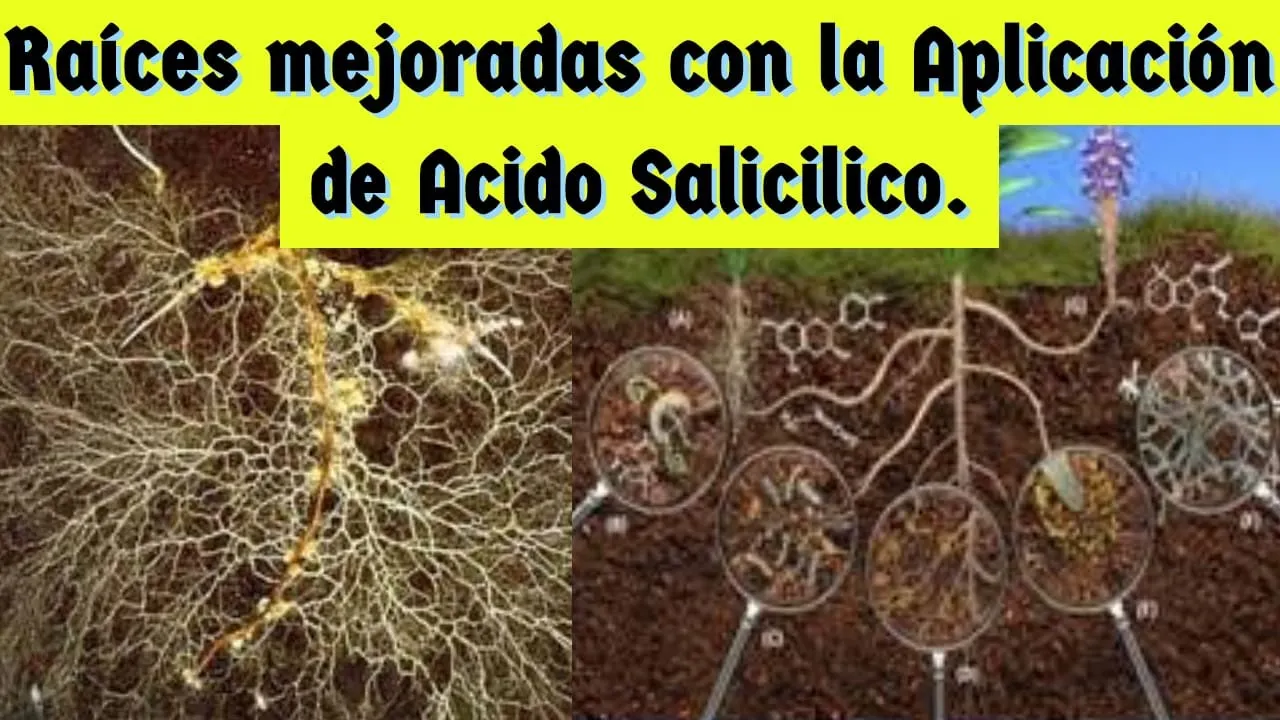

Phytohormones are naturally occurring chemical messengers in plants that regulate growth, development, and responses to environmental stimuli; the main classes include auxins (promote stem elongation and apical dominance), cytokinins (stimulate cell division and shoot growth), gibberellins (promote seed germination and internode elongation), ethylene (induces fruit ripening and abscission), abscisic acid (regulates dormancy and stress responses), brassinosteroids (steroid hormones promoting cell expansion), jasmonates (defense signaling), salicylic acid (pathogen resistance), strigolactones (mycorrhizal symbiosis), peptide hormones, and polyamines, with biosynthetic precursors including tryptophan for auxins, methionine for ethylene, and isoprenoids for multiple hormone classes.
Phytohormones Explained: Types, Functions & Biosynthesis | Class 11 NCERT
Added:it's me candy and you're watching biology nowadays in this lecture we will see what fight of hormones are they are main functions and characteristics and also the biosynthetic precursors of different classes of factor hormones and finally we will have a short look on the signetics plant growth regulators from a single cell cycle begins the life of a plant it does not simply increase its mass and volume as it grows but it differentiates dinner's antiques shape forming a variety of cells tissues and organs this beautiful time-lapse video shows the germination of a pea seed watch the full video by clicking the link given in the description box below plants cannot move around like animals so the plant root depends on the interaction of a number of external and internal factors examples for external factors are light temperature day length and gravity the main internal factors are chemicals called plant hormones or fighter hormones for many years it was considered that there were only five groups of plant hormones auxins cytokinins gibberellins ethylene and acetic acid they are still the classical or traditional fighter hormones but during the last three or four decades some more roots were added to this list they are Briceno steroids Jasmine's salicylic acid trigger lactones peptide hormones and finally the fighter hormone like poly amines we will see each of them in detail first of all oxides they are indoor commodes indoor three ascetic or i-80 is the most common toxin options are produced in the chute and root apical meristems or tips of a plant they are also found in the immature leaves and seeds opsins promote stem elongation they also promote apical dominance apical dominance of curse method chute effects inhibits the growth of lateral buds so that the plant can grow vertically this kind of growth will help the plant to get more light to conduct photosynthesis in this plant there is an active apical bud and it is in this part the auxins are produced even though options promote stem elongation they inhibit the growth of the lateral buds as a result the lateral buds will not grow into side shoots now if I remove the apical bud the auxin concentration lowers and because of this the lateral buds will grow into side shoots opsins promote the activity of vascular cambium vascular cambium produces secondary xylem as well as phloem and result in the thickening of stem auxins helping root initiation they also help him fruit growth as I explained in the case of apical dominance opsins inhibit lateral bud root they also inhibit the oxygen or in other words dropping of leaves and fruits now have a look at these Arab adaxes plants and operatives as plans I used in various language studies here is a normal atom Dobbs's plant with normal levels of auxin but this genetically modified plant cannot produce oxen see the difference in growth shown by these two plants so from this we can conclude that options are promoter of planned road now let's see what are the functions of cytokines they are adenine derivatives Seattle is the most abundant cytokine and cytokines are produced mainly in group tips small amounts of psycho canons are also produced in actively growing plant parts such as they'll have been shoot bugs young fruits etc site oak islands are also because they promote cytokinesis or in other words cell division they also promote cell differentiation that's a specialization of cells they play a major role in promoting shoot growth cytokinins also promote opening of samantha and chloroplast element thereby promote photosynthesis rate they also cost movement of nutrients to tissues where the concentration is higher they inhibit apical dominance caused by oxen which means that they help the lateral bugs grow into side shoots little leaf senescence Leafs and sense means aging and gradual death of leaves here these two tobacco plants were grown under drought conditions for the same period of time the plant that has less number of green leaves as a normal plant there is no surprise that is least has become dry because that's how a plant reacts to a drought conditions the plant with lots of healthy green leaves is a genetically modified plant the speciality of this plant is that during drought stress it can produce more cytokines and since cytokine is reduced aging of leaves the leaves are greener and healthier than the normal plant however cytokinins inhibit rule road but overall cytokine our promoters of plan wrote now what about gibberellins they are terpenoids gibberellic acid 3 or GA 3 is the best-known gibberellins got their name because they were first isolated from a fungus develop fuji kuroi gibberellins are produced mainly in developing seeds also in shoot and rotors and young lives one of the main functions of G burling's is that they promote safe germination they help in mobilization of food stored in the endosperm to the growing embryo another function is promoting internal illumination internode means the part of the stem between two nodes can you identify these tall plants in this picture then be ready for a shock they are cabbage plants yes cabbage plants treated with gibberellins these two cabbage plants are the normal ones in the juvenile treated cabbage plants you can see the internal illumination caused by developments come back to the normal cabbage plants gibberellins promote flower formation and promote the production of male flowers in the place of female flowers in plants like cuckoo birds they also promote positive growth and fruit development G pellets inhibit seed dormancy overall gibberellins are also promoters of plant growth next fighter hormone is ethylene which is the only Asia's hormone of all the fighter hormones ethylene has the simplest chemical structure it is produced during seed germination ripening of fruits abscission of beliefs and senescence of flaws italian promotes aging and citizens plant organs it causes leaf epinasty or drooping of leaves in this picture among these two tomato plants the one on the right side was exposed to Evelyn after some time the least showed a penis T or drooping down of leaves it will it also promotes fruit ripening one of the main functions of Evelyn is promoting obsession of leaves flowers and fruits Dylan is the primary and most important chemical involved in the process of oxygen it inhibits stem illumination overall ethylene is a growth inhibitor next fight upon one is accessing acid or ABA they are carotenoid derivatives produce in the materialist dormant bugs and seems the name access I guess it was given because researchers at first believed that it was this hormone that stimulated excision or falling down of plant parts today listening access I guess it is a little misleading because it is now proven that even though abscisic acid promote excision it does not play a primary role as I said earlier it is ethylene which plays the primary rule in a position accessing as it promotes dormancy in seeds and bugs it also promotes closure Ostrow Mita under drought conditions so that less water is lost through stomata and helps the plant survive in such unfavorable conditions in this picture these two plants were under drought stress for the same period of time among these two plants the plant treated with more excessing acid analogues shows better tolerance towards drought as I mentioned earlier together with ethylene a B promotes abscission of meals and so sick acid is the general inhibitor of plant growth it also inhibits seed germination so overall excess acid is an inhibitor of planned mood even though when I say that ethylene and maybe our growth inhibitors under certain unfavorable conditions like drought stress it is necessary to slow down or inhibit the planned route to make sure that the plant uses less water and survive the drought conditions because under drop the strategy is to survive rather than grow so growth inhibitors are also actually good and necessary for the plant growth and survival the sixth class of hormones is the brushing on steroids they are steroid hormones the most abundant among the grass no steroids is the brass new light it was first isolated from the pollen of Brassica napus in the rape plant from which we get the canola oil rosanna steroids are found mainly important and immature seeds they promote seven lodgement and cell elongation cell division pollen tube growth seed germination silent differentiation which means specialization of xylem cell types and resistance to stress among these two goombah plants the small plant is a genetically modified plant which produces less pressure on steroids than a normal plant from the difference in growth exhibited by these two plants I hope you can understand how important grassman steroids are for the normal plan and development so resna steroids are promoters of planned road next troopers the Jasmine is they are Olympic direct cyclopentanone compounds a member of this group is me die Jasmine it the isolation of mean adjustment or me die ester of jazz Mona Cassidy from Jasmine oil derived from jasminum grandiflorum led to the discovery of the molecular structure of Jasmine X and so blending the scent of jasmine mainly comes from me adjustment destinies are produced by plants under stress Jasmine its promote initiation of defense reactions against pathogens in a recent collaborative study conducted at Woodridge University and University of Amsterdam in the Netherlands showed that when to add a bit of such plants infected with a pathogenic fungus the plant with more just morning acid exhibited less disease symptoms however it should less growth than the normal plant this is because of the growth inhibitory effects of Jasmine X Jasmine it promotes samson's of eggs they inhibit seed germination and group road next is salicylic acid it is a phenolic acid it was first isolated from the bark of below tree the word Sam Scylla castle was derived from the Latin word salads which means willow tree Sam Selleck acid promotes resistance to pathogen by inducing the production of pathogenesis related proteins that is proteins produced in plants during a pathogen attack it promotes protection to waves and Wham stresses for example these two plants bedroom at the temperature of 40 degree searches the plan on the right side was treated with salicylic acid and this plant showed better tolerance by growing better than the untreated plant Samsa acid promotes the levels of chlorophyll and carotenoid pigments and as a result promotes photosynthesis it also promotes flowering now the next group of photo hormones thus trigger electrons they are tapping on electrons trigger was the first isolated string electron string electrons are produced in roots they promote seed germination of parasite liquid for example Striga and because of this role these fighter hormones called a mean they also promote a recognition of the plant by artists color mycorrhizal fungi and promote branching in the a muscular man price of enjoy they promote plant height and secondary growth Striga returns promote the formation of root hairs they also promote citizens of plant organs they inhibit branching they also inhibit lateral or sideroad formation next group is the peptide hormones they regulate cell division reproduction no relation senescence difference and environment of responses in plants some examples for peptide hormones are syste means fight to southfork lines CLV peptides and pls peptides the last group is the fighter hormone like poly amines they play a role in the modulation of senescence of plant organs and in the regulation of program cell implants examples for volumes are compressing vomiting and foamy now let's see the biosynthetic precursors of the main fighter hormones even though the fighter hormones have diapers chemical structures most of them are derived from three brain types of metabolic precursors amino acids isoprenoid compounds and lipids the amino acid tryptophan is the precursor for auxins Metheny serves as precursor for ethylene and phenylalanine is the precursor for salicylic acid the isoprenoid pathway gives rise to find different classes of plant hormones here isopentenyl pyrophosphate or IPP serves as the main precursor cytokinins gibberellins accessing acid brassiness steroids and stick electrons are the five classes of fighter hormones synthesized through isoprenoid pathway Jasmine aids are synthesized from a lipid precursor which is alpha linolenic acid now I hope that you got a clearer picture on the functions and biosynthetic precursors of different classes of fighting hormones actually the word hormone comes from Greek word forming which means to excite or to stimulate because at first people thought that hormones always stimulate or from your group but now we know that hormones can come work as the last inhibit growth let's see some of the characteristics of fighter hormones they are naturally produced in plants they are present in extremely small quantities for example in a pineapple plant there will be only six my program of endo 3 acetic acid per kilogram of plant material I know it's very difficult to have a fear of such a minor quantity so let me put it in another way it is like a big world war bus of 20 metric tons carrying a small needle in it that's interesting right the third feature of fighter hormones is that the site of synthesis and the site of their action can be different for example as we saw earlier cytokines are mainly produced in the rulers but besides affecting root growth these cytokines are transported to shoot where they affect shoot growth also next characteristic of fighter hormones is that they often interact or do crosstalk with each other let me explain what this means this is a summary of what we discussed about the main functions of the five classical hormones auxins cytokinins gibberellins accessing acid and ethylene in the six main plant processes seed germination general growth flowering through development oxygen and sea dormancy now consider the case of growth here auxins cytokinins ng movements together help to bring about the effect of growth in plants such kind of acting together to promote each other's activity like friends is called synergetic interaction now let's take the case of seed germination and sea dormancy here G balloons promote seed germination and inhibit seed dormancy while accessing acid inhibits seed germination and promotes a dormancy so such an intro we're two fighter hormones have opposite effects on same process is called and an artistic interaction finally let's have shocked look on the synthetic plant growth regulators firstly synthetic auxins as the name indicates they exhibit oxen or growth promoting activity for example two for dichloro phenoxy acetic acid it is commonly called as 240 an indoor three butyric acid or IV there are some synthetic plant growth regulators that come under the category of growth retardants or growth inhibitors first group is more factors meaning morphologically active substances they have an inhibitory effect on plan would then engage a balance they act by blocking the main steps in G volume biosynthesis in plants examples for anti develops our Foss condi psycho cell and almost 1618 the next synthetic growth retardant is Malachi beside which acts by inhibition of cell division and that's all for this video please help us to improve the quality of this channel by giving you valuable suggestions in the comment section below thank you for being with me and stay tuned
Up Next

Plant Symbiosis Signaling: Phosphate Nutrition & Arbuscular Mycorrhiza
@LeadingStrand
368 views•2025-12-08
Bacterial Communication: Quorum Sensing and Biofilm Formation Explained
@JHUAAP
12.6K views•2011-06-28

Enteric Nervous System Explained: The Gut's Brain | Neurobiology Lecture
@alumniu6029
438 views•2018-09-12
Bacteriophages: Earth's Deadliest Killers and Future Antibiotics
@kurzgesagt
34.6M views•2018-05-13
Related Study Plans & Knowledge Roadmaps
Structured learning paths in Biology