

![Enzyme sind Biokatalysatoren - Einführung Enzyme + Aktivierungsenergie [1/5] - [Biologie, Oberstufe]](https://i.ytimg.com/vi/49zvDS6Avo0/sddefault.jpg)










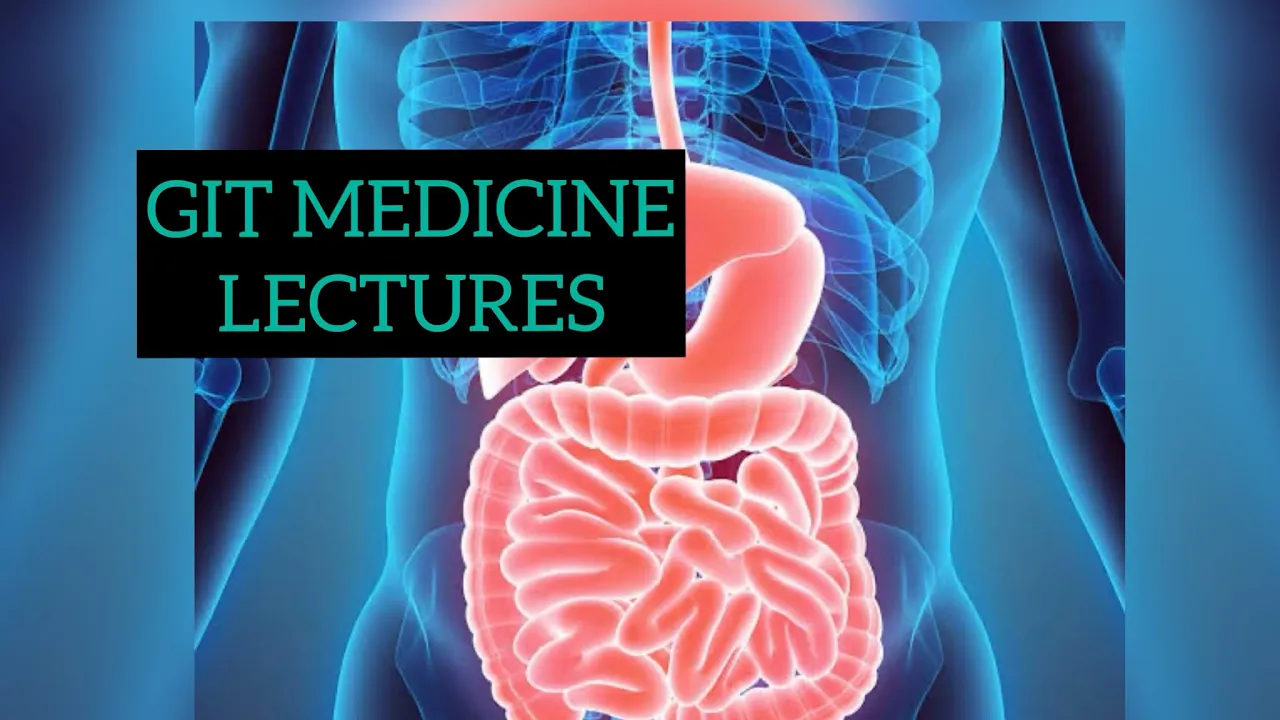


The small intestine, comprising the duodenum (site of most digestion), jejunum (site of most absorption), and ileum (absorbs vitamins B12 and A/D/E/K), processes food through specialized structures called villi and microvilli that increase surface area; digestion involves brush border enzymes breaking down proteins (peptidases, trypsin/chymotrypsin), carbohydrates (lactase, amylase), nucleotides (nucleosidases), and fats (lipase with bile emulsification), while absorption occurs via primary active transport for amino acids and nucleotides, secondary active transport for monosaccharides, and direct diffusion for fatty acids that enter lymphatic capillaries as chylomicrons.
Small Intestine Structure: Digestion & Absorption Explained
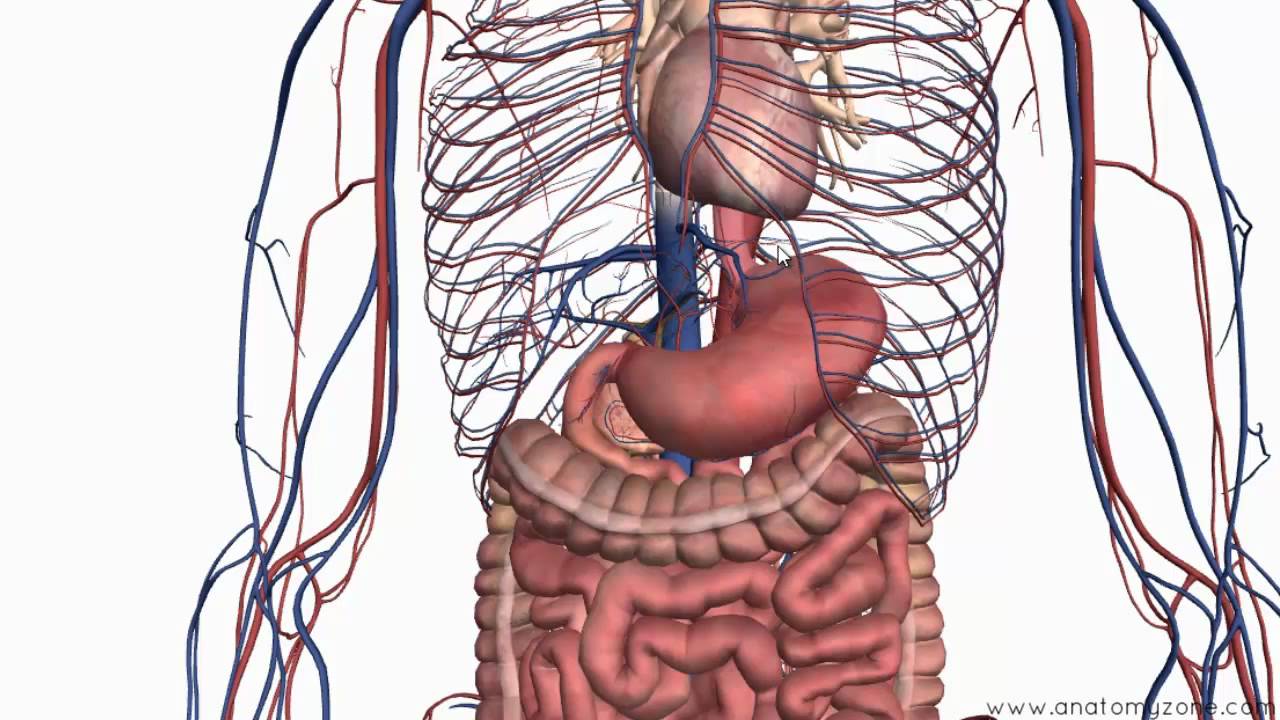
Added:Basic anatomy of the human digestive system, including the sequential passage of food from the mouth and esophagus to the stomach.
The chemical structure of dietary macromolecules, specifically carbohydrates, proteins, and lipids, and their corresponding monomer subunits.
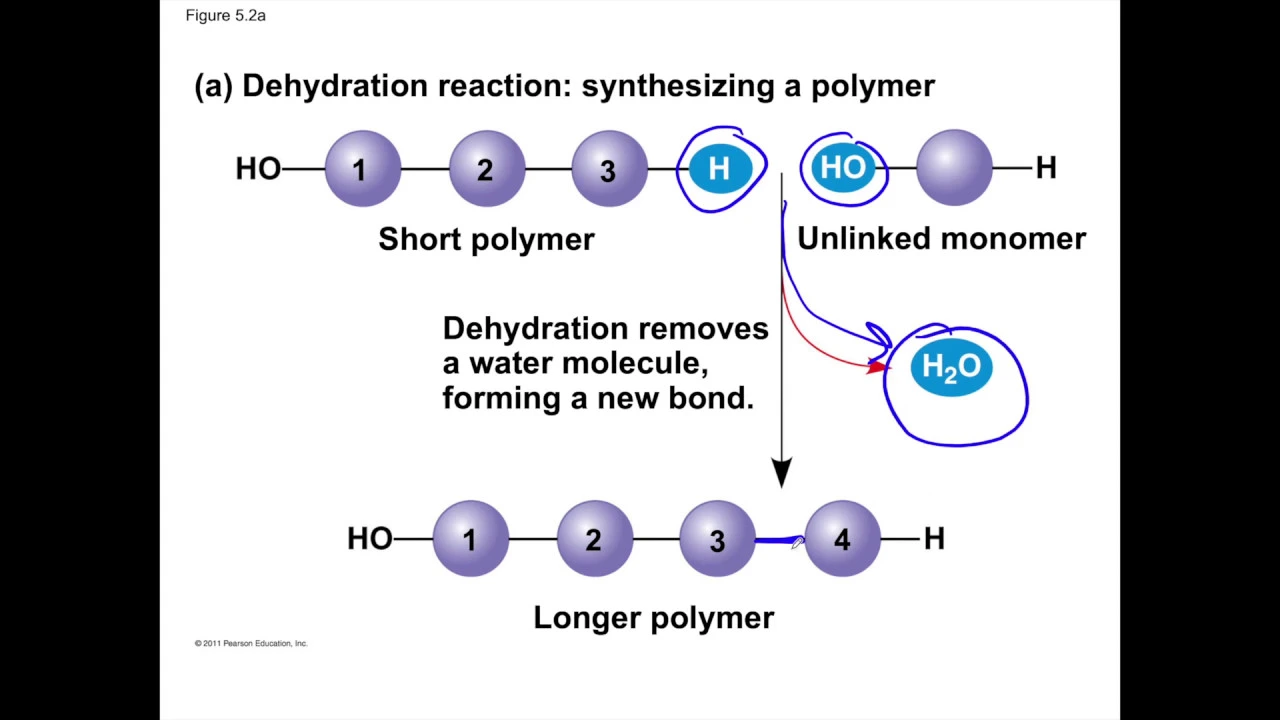
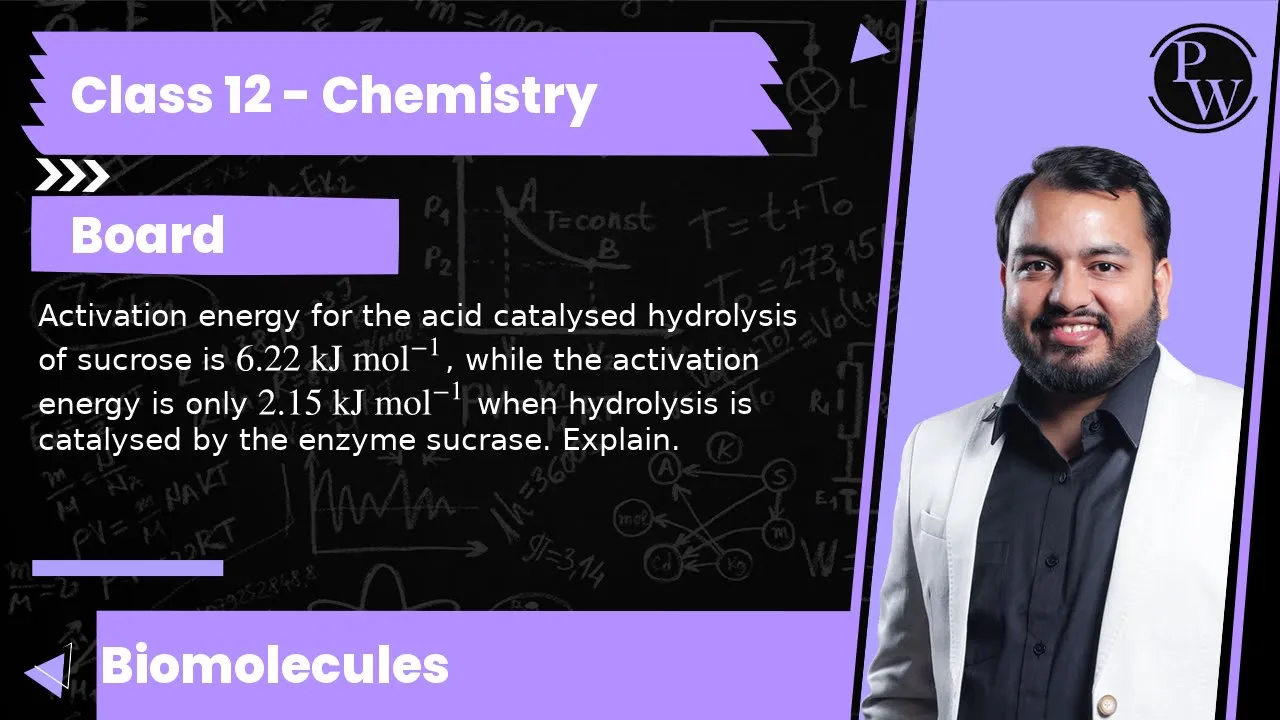
The fundamentals of enzyme biochemistry, including how biological catalysts lower activation energy to facilitate hydrolysis reactions.
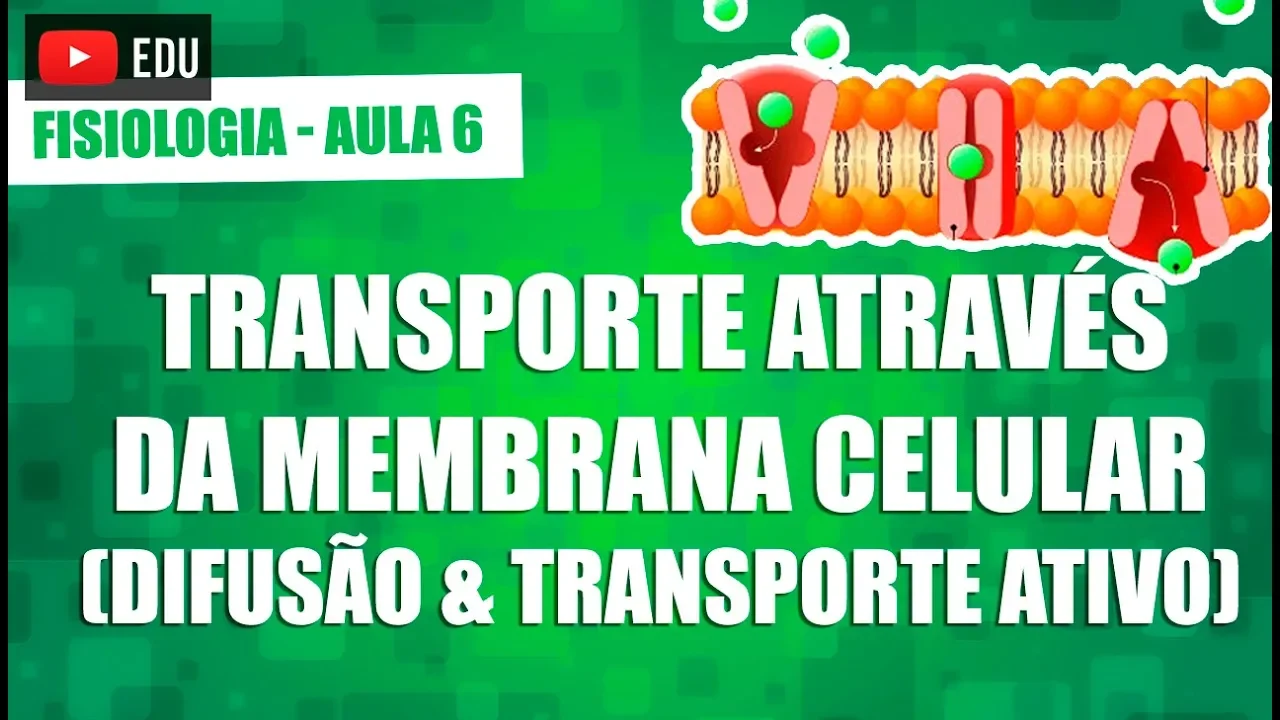
Cellular membrane transport mechanisms, such as passive diffusion, facilitated diffusion, active transport, and sodium-coupled co-transport.
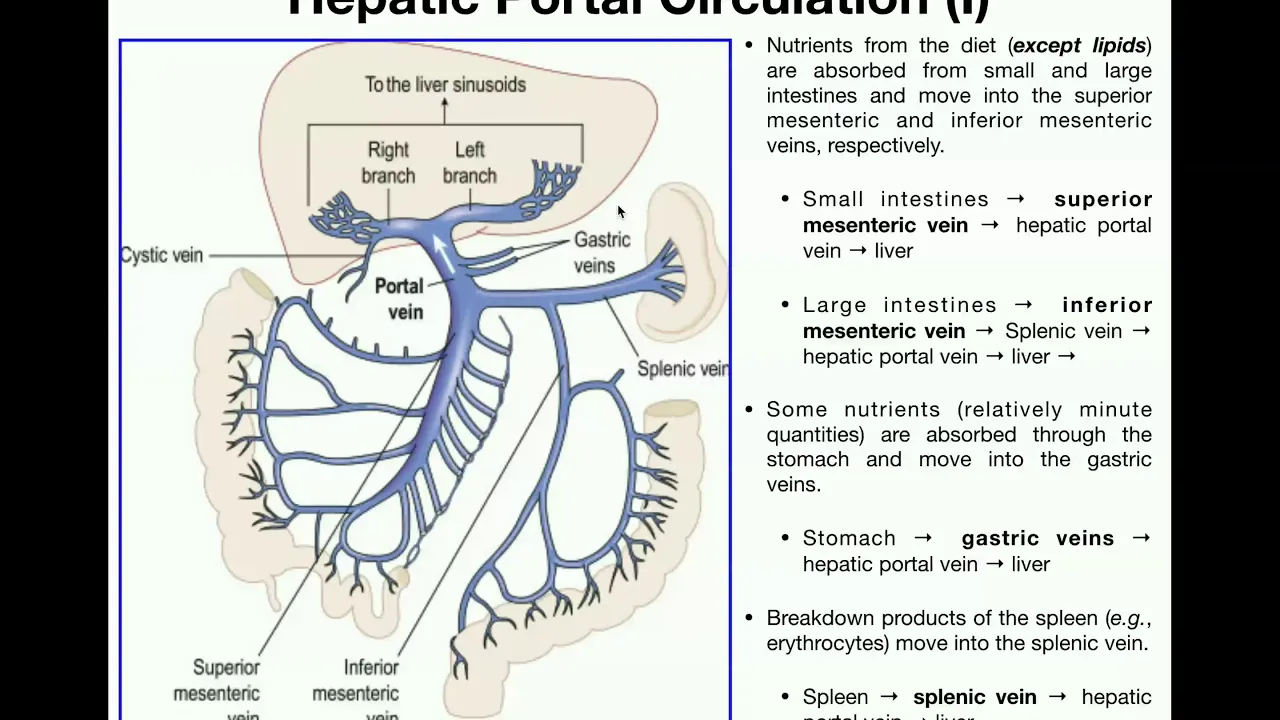
The hepatic portal system and how absorbed water-soluble nutrients are transported to the liver for detoxification and metabolic processing.
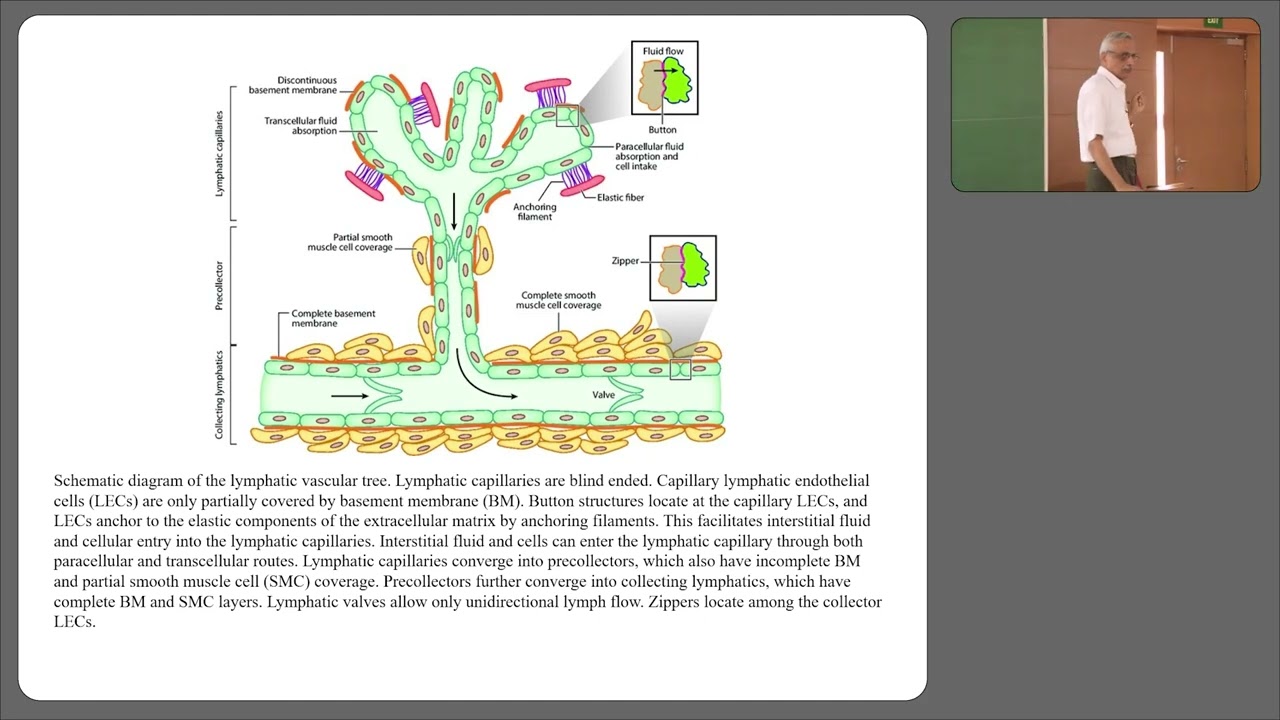
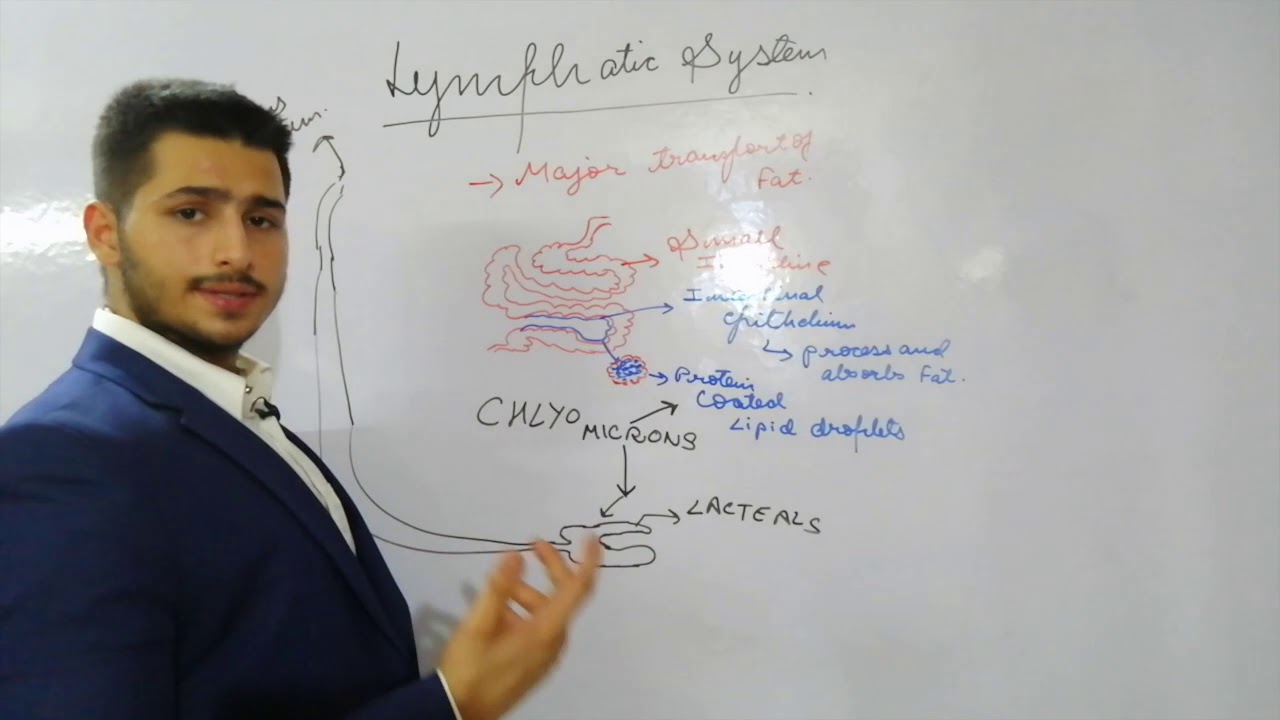
The lymphatic system's role in absorbing and transporting fats via lacteals, chylomicrons, and the thoracic duct.
Hormonal and neural regulation of digestion, focusing on the roles of secretin, cholecystokinin (CCK), and the enteric nervous system.
Pathophysiology and clinical conditions associated with malabsorption, such as Celiac disease (villi atrophy) and lactose intolerance (lactase deficiency).
325.2K views1.9Klikes18:07Original Release: 2013-08-05
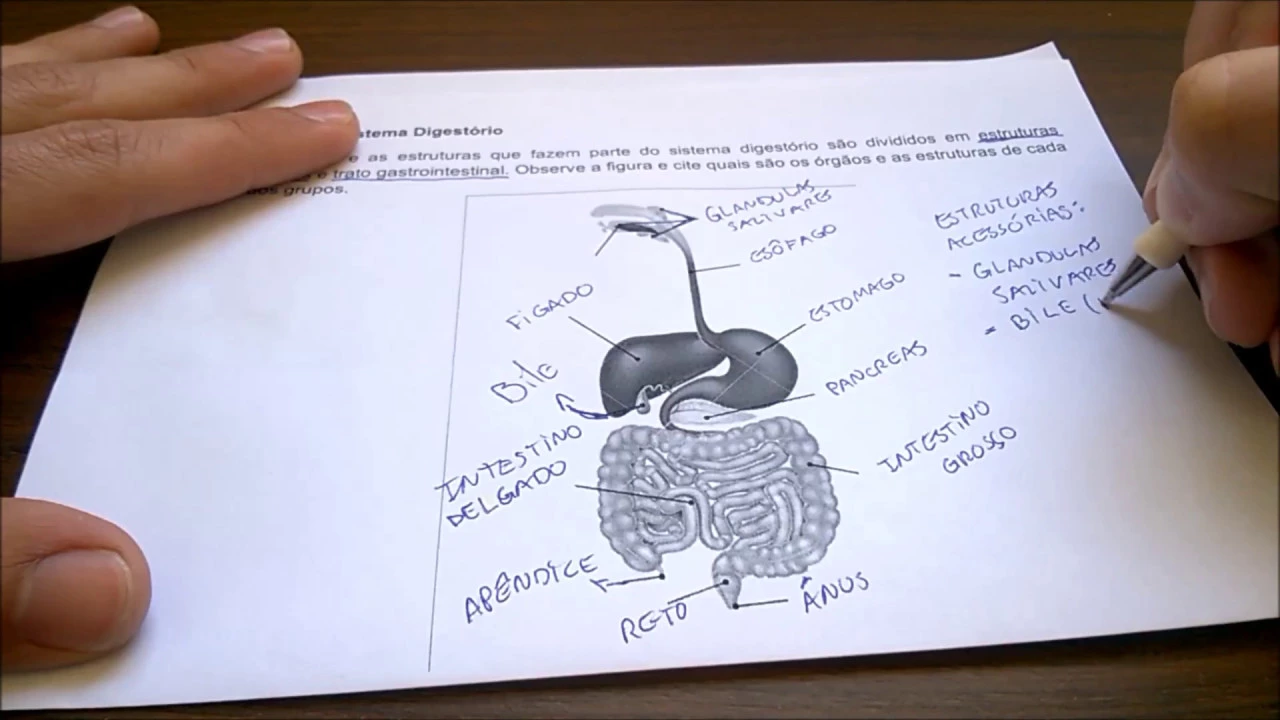
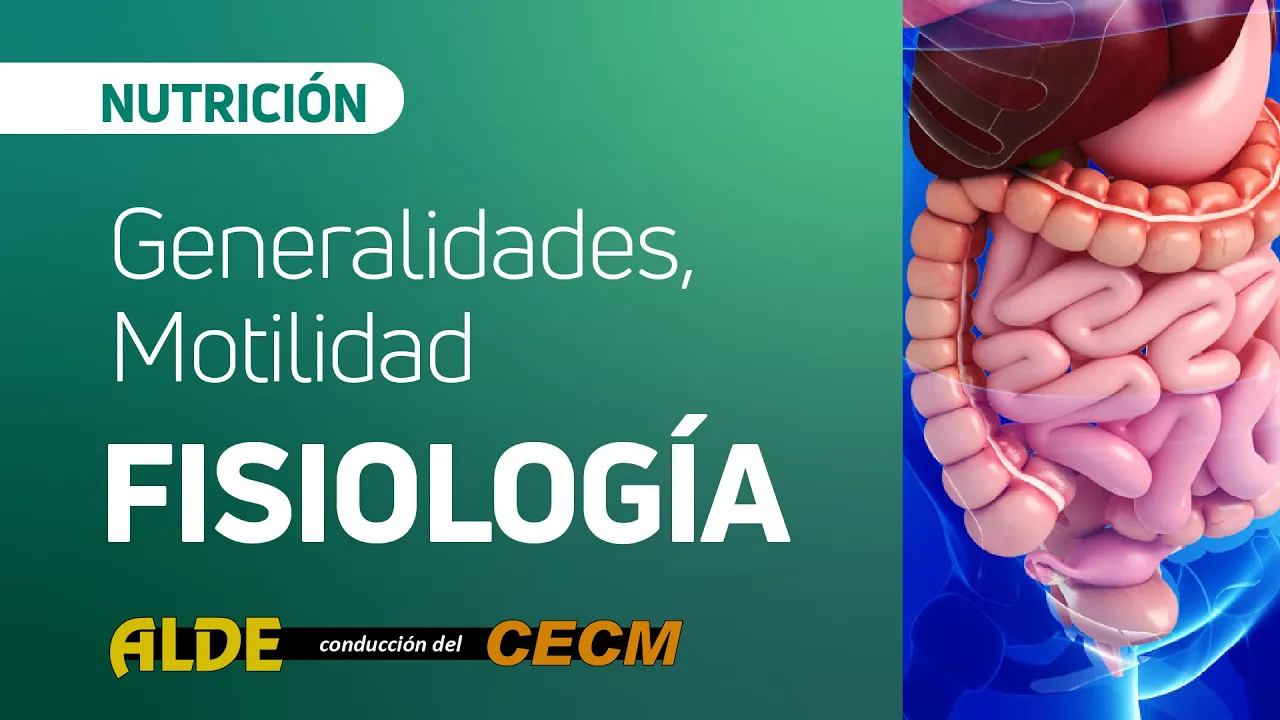
did you know that the stomach flu can make you temporarily lactose intolerant it's true so in this video we'll talk about how that happens and in detail how the small intestine works so as a review Once you put food into your oral cavity or your mouth it's chewed up and then sent down the esophagus where it ends up in the stomach where it's churned and then introduced to acid where it gets broken down into Kim and then delivered into the first part of your small intestine now the small intestine has three different parts to it so let's take a better look so the first part of the small intestine is called the dadum the duum this receives the Kim that just got processed in the stomach and it's the part of the entire GI tract where the most digestion occurs the most breakdown of food products will happen in the duum all right so so the next part of the small intestine is called the junam I'll just write that right here the junam and this is the part of the entire GI tract where the most absorption occurs anywhere so the most absorption of nutrients is going to happen in your junam the junam then finally after your food passes to the junam it gets to the last part of the small intestine and that's called the ilium the ilium i l e m and the ilium now this doesn't have a superlative like the most digestion or the most absorption but there's some pretty important things that are absorbed here things like vitamin B12 vitamin A d e k so there are some important things that are absorbed here so I'm just going to write important absorption there are some important things that are absorbed in your ilium now the busiest part of your small intestine is the duodenum because there are a bunch of things that are involv involved in this digestion process so there are four key things to keep in mind first of all your stomach is going to be delivering a bunch of Kim or processed food into the dood denum so you're going to be working with all this Kim here in addition you're going to have some stomach acid that process food into Kim that's going to be present in the duodenum in addition to the stomach the liver and the gallbladder are also going to be important to deliver bile to your Duo so they give bile and as I'll talk about in a subsequent video bile is composed of two different things bile salts and bile pigments and Beyond the liver and the gallbladder the pancreas also delivers a couple of very important enzymes for digestion here so I'm just going to write enzymes for now and in a minute I'm going to go through and talk about which enzymes are delivered by the pancreas and then finally the dood denum itself has what are called brush border ends enzymes brush border enzymes that are very important for Activation of certain enzymes and also for digestion of several nutrients that we're going to discuss so let's talk a little more about this brush border now if I were to make a little drawing of the duod denom right here remember that first part of our small intestine I would draw just this little tube connected right there and then blow up the wall if I want to take a better look at what's going on right right there we would find then that there's a whole bunch of things that just meets the eye first of all the wall isn't just a straight line there's actually a bunch of infoldings that are present on the wall to help increase surface area think about it if we're trying to digest as much as we can here we need to make sure that there are a lot of projections or a lot of space where we can make contact with the food that's passing by so if this is the inside of our Odum and this is the outside just like how we drew up here that's in and that's out you can notice that this wall here has a whole bunch of projections on it these projections are called Villi v i l l i Vil and a single one of them is just called a villis just a single villis and these are just a couple of folds or these outpouchings that help increase the surface areaa of our duodenum now that's that's not where the story ends if we take a closer look at one of these Villi then we'd find that there are even more projections sitting on that even smaller microscopic projections so for this single villis that had a horizontal line right here for its shape if I were to draw it out here you would notice that it's not a straight line but instead these also have a bunch of projections that are present on them and if you were to guess why all these projections aren't there I'm sure you would say to further increase our surface area that's sort of the name of the game when we're in the small intestine to increase our surface area and so these little guys cutely enough are called micro Villi micro Villi and a single one is just called a micro villis so we've got these Villi right here or this single villis that you can see if you just blow up the wall of the dood denum and then if you blow up a single villis you'll find that they have a whole bunch of micro Villi that are found on them too to increase our surface area because that allows for better digestion and when we say brush B enzymes these are a whole bunch of enzymes that are present on this brush border because think about it these Villi and these micro Villi they're no different from bristles on a comb they act to increase surface area or places where you're going to have interaction with food that you want to digest and so there are enzymes that are present on this brush border so just to make the point all of these microvilli and Villi together that's what makes up the brush border of our duodenum the brush border which is the increased surface area of the wall helps to digest food with our brush border enzymes that are present and as we'll see later in the junam it helps for absorption so now let's talk about the digestion process in detail so the best way to talk about the digestion process in the duodenum is to talk about the four major macro molecules that make up everything in our body starting off with protein proteins are just chains of amino acids so there's one amino acid and here's another amino acid and they're connected by something called a peptide bond after proteins we also have things that are called carbohydrates carbohydrates or our carbs and these are just repeating units of simple sugars attached to each other can you name one simple sugar yeah I think you said glucose and so something like glucose attached to say galactose would be a disaccharide and this particular disaccharide would be called lactose so a single sugar would be considered a monosaccharide two of them a disaccharide and then a whole bunch would be a polysaccharide in addition to our card we also have nucleotides nucleotides and these guys make up our nucleic acid our DNA and they're composed of three major parts there's a phosphate group that sits on a ribos sugar that I'm drawing here this little Pentagon and then right here you're going to have a base that's present and this base is the coding part of your DNA like adenine or guanine if you've heard those names before and then finally we also have fat fat has two parts to it it's got this triglycerol head that has these three oxygen groups on it and then each of these oxygens have a fatty acid tail so there's one there's two there's three so Three fatty acid tails that are found here so now that we know what the main macro molecules are we can talk about what are the main processes that are involved in Breaking these guys up so they can be absorbed into our bloodstream starting with our proteins there's going to be brush border enzymes that are present to help break our peptide bonds or the amino acid amino acid Bond that's present and so I'll just write peptidases here peptidases because as you might recall whenever you name an enzyme that ends in Ace that means that whatever comes before it is what's broken so a peptide brond is broken by a peptidase in addition the pancreas brings along a couple of important enzymes that'll help break up our proteins first of all it's got trypsinogen that's present as well as some Kimo triogen but whenever you see gen at the end of an enzyme's name that means that it's not ready to work yet that means it still needs one more cut or cleavage before it can start being completely functional well this is where our brush B comes in handy again because there's an enzyme that's present on the brush border it's called enteropeptidase enteropeptidase that is specifically present to break down trypsinogen into its active form called Trin and the same thing with kimot cinogen into kimot tripin these guys are going to be able to break down your peptide bond as well just like peptidases are able to do but need a little kick or little cut in order to start working and once we gobble up our proteins we'll have our single amino acid subunits then and be absorbed when we get to carbs we'd notice that the pancreas is also pretty helpful here as well because the pancreas releases an enzyme that's called amas that can help Break Up the sugar Bond or this glycosidic bond is another name for this link right here in certain carbohydrates the brush border is also helpful here because they have a whole bunch of very specific enzymes that break the glycosidic bond between very specific simple sugars for instance the brush B enzyme known as lactase lactase can only be used to break apart lactose like I've drawn here now the interesting thing about lactose that I should mention is that when you get the stomach flu you've got a bug that's just sitting in your tummy it actually can start inflaming the duodenal wall and by doing so it can knock off some of the lactase brush border enzymes and so you won't have lactase you won't be able to break down lactose you won't be able to separate our glucose from our galactose and so temporarily you're going to be lactose intolerant most people gain this ability back but you can understand now how precious these brush border enzymes are to us and so they'll help break up certain disaccharides the pancreas will do its job as well and eventually you'll just have your simple sugars that are going to be left over here and remember the name for each single unit is called a mono saccharide a monosaccharide when it comes to nucleotides the brush border helps us as well the specific enzyme set that we have on our brush border that helps break apart nuclear tiddes are called nucleo wait for it sases nucleoid Aces and the reason why we have nucleosidases and not nucleotidases is because it breaks this Bond right there resulting in this phosphate group sticking on the ribos sugar but now we've got our base as a completely separate unit from the nucleus side finally when it comes to Fat we're going to get some help from bile as I mentioned earlier and bile if you recall comes from our liver and our gallbladder so these guys are going to release some bile into our duodenum and they're going to help mify or organize our fat so I'll write here in parentheses organize cuz they're not really involved in breaking them down they're there to help organize our fats one of the main things that help us actually Break It Down is from the pancreas the pancreas releases something that's called lipase and the lipase comes in and Cleaves right about there so that way each of these single fatty acid chains break off and so you'll have these Three fatty acid chains that are hanging out right here including your triglyceride head that's going to be a separate unit Al together so now you've got these four things that came off of this one fat molecule all right great so now we have all of our monomers ready to be absorbed how does the absorption process work let's take a look so now we're so close we've got all of our monomers but we need to figure out how the heck are we going to get them inside of our bloodstream well starting with our amino acids here these guys are going to be shuttled into cells using what's called primary active transport primary active transport now if I say primary here what does that specifically indicate is used now you might recall when we use active transport that means we need a little bit of energy to get something to happen and the form of energy that we use in primary active transport comes from ATP the energy unit of life adenosine Tri as in three phosphate and so if we look at a single osy or an intestinal cell there'd be a protein that's here on the cell membrane this protein would break apart our ATP cleaving off one of the phosphate groups to release a Denine D phosphate so that's two diphosphate and in doing so would allow our amino acid to enter into our interos site or our intestinal cell from there the amino acid can undergo a couple of different steps but eventually we'll leave the interos site and go to a blood capillary where it enters the bloodstream and then can be shuttled anywhere else in the body for use monosaccharides or sugars sort of have a similar thing going on but instead of primary active transport we have what's called secondary active transport going on so if we use ATP for primary active transport what do we use for secondary well the fact that we're saying this is still active transport means that there is some energy that was used at some point and the energy actually was invested in setting up an ion gradient and so the ion gradient then could be used by allowing something like sodium to flow down its gradient to go from a place of high concentration to low concentration where it can relax and by allowing that to occur energy is then harnessed allowing a monosaccharide or a sugar to enter into our OS site and just to make sure we're complete I'm going to going to draw the protein transporter we have here as well as one on the other side and show that there is a sodium ion that's flowing into our interos site down its concentration gradient to end up in the interos site with the sugar and sort of the same thing happens on the other side except as the sugar leaves sodium on this side is entering so the sodium is still flowing down its concentration gradient but it ends up inside the interos site while the sugar leaves and goes to the blood capillary so this also ends up in our bloodstream and can go anywhere in the body to be used the nucleo side in the base sort of use the same mechanism that amino acids do so I'm just going to write primary active transport right here and you can take a look above to see how that happens and by doing that you can imagine where they're going to end up and that's right the blood capary as well and that takes us to our last Macro Molecule fat fat now the thing about fat that's rather redonkulous is that because it's got this really non-polar tail if it ever shows up next to an interos site like this guy all it has to do is just diffuse across the membrane and then it ends up on the inside in the interos site all of our fatty acids are going to be reorganized into what are called kyom microns kyom microns and like the name kyom microns themselves are too big to fit directly into a blood capillary I couldn't even fit it here in this interos site so it doesn't actually directly go into the blood capillary it is too big to do that too big to go to the blood capillary instead kyom microns will be absorbed into what are called lymphatic lymphatic capillary also known as a lacal a lymphatic capillary and these are big enough to accommodate our kyom microns here they're going to be further digested and broken down into smaller bits and by the time that happens they'll end up in veins that will send the digested fat through the heart and eventually to arteries that can then distribute them wherever they need to go in the body and so you can appreciate a lot that's going on here we've talked about how all four of our major macro molecules are digested in the dadum the place where the most digestion occurs in the GI tract and now we just talked about how they're absorbed most likely in the junam right cuz the dunum is where the most absorption occurs anywhere in the GI tract and that's how our small intestine works
Up Next
14:08
Biological Molecules: Carbs, Lipids, and Proteins Explained
@crashcourse
7.5M views•2012-02-13
50:12
Bacterial Communication: Quorum Sensing and Biofilm Formation Explained
@JHUAAP
12.6K views•2011-06-28

5:35
Enteric Nervous System Explained: The Gut's Brain | Neurobiology Lecture
@alumniu6029
438 views•2018-09-12
7:08
Bacteriophages: Earth's Deadliest Killers and Future Antibiotics
@kurzgesagt
34.6M views•2018-05-13
Related Study Plans & Knowledge Roadmaps
Structured learning paths in Biology
biology
RNAi: Biogenesis, RISC & Gene Silencing
01Molecular Biology Foundations: DNA to Protein
02Introduction to RNA Interference (RNAi)
03Molecular Biogenesis of miRNA and siRNA
+ 2 more learning modules
10h5 modules
Explore Roadmap
biology
Mycorrhizae: Signaling, Biophysics & Ecology
01Foundations of Mycorrhizal Symbiosis
02Molecular Signaling and Root Colonization
03Biophysics and Bioenergetics of Nutrient Exchange
+ 1 more learning modules
11h4 modules
Explore Roadmap
biology
Circadian Clocks: TTFL, SCN & Periphery
01Foundations of Molecular Biology & Gene Expression
02Introduction to Chronobiology and Actograms
03The Core TTFL: Molecular Architecture of the Clock
+ 3 more learning modules
14h6 modules
Explore Roadmap
biology
Population Genetics: Math, Drift & Selection
01Genetic & Probability Foundations
02The Hardy-Weinberg Principle and Baseline Models
03Mathematical Modeling of Natural Selection
+ 3 more learning modules
18h6 modules
Explore Roadmap