


















Biological molecules are the essential building blocks of all living organisms, classified into four major types: carbohydrates (simple sugars like glucose and complex storage molecules like starch and glycogen), lipids (fats and oils including triglycerides, phospholipids, and steroids), proteins (made from amino acids with diverse functions including enzymes and structural support), and nucleic acids (the fourth category not covered in detail here). These molecules serve as energy sources, structural components, and genetic material that organisms use to grow, reproduce, and maintain life processes.
Biological Molecules: Carbs, Lipids, and Proteins Explained
Added:Basic atomic structure and chemical bonding, specifically covalent bonds and polar versus nonpolar interactions.
The concept of monomers and polymers, including dehydration synthesis and hydrolysis reactions.
Understanding the properties of water, particularly its role as a universal solvent and how hydrophobic/hydrophilic interactions work.
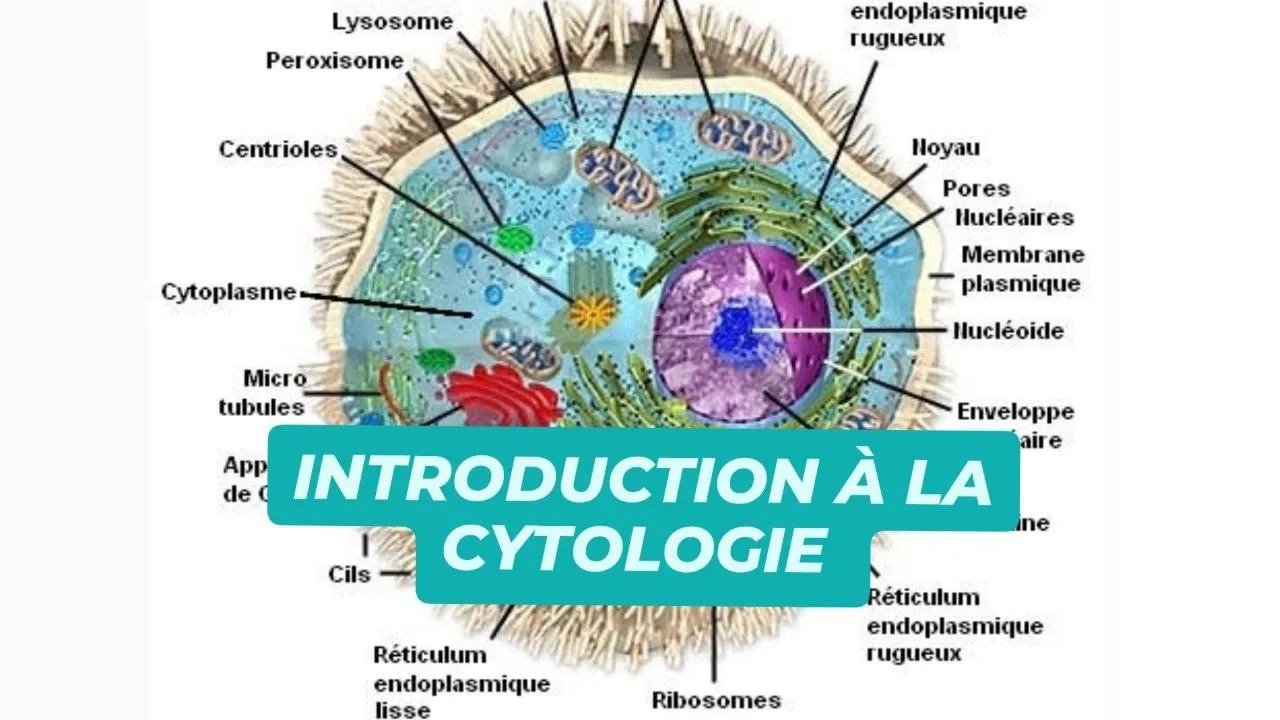
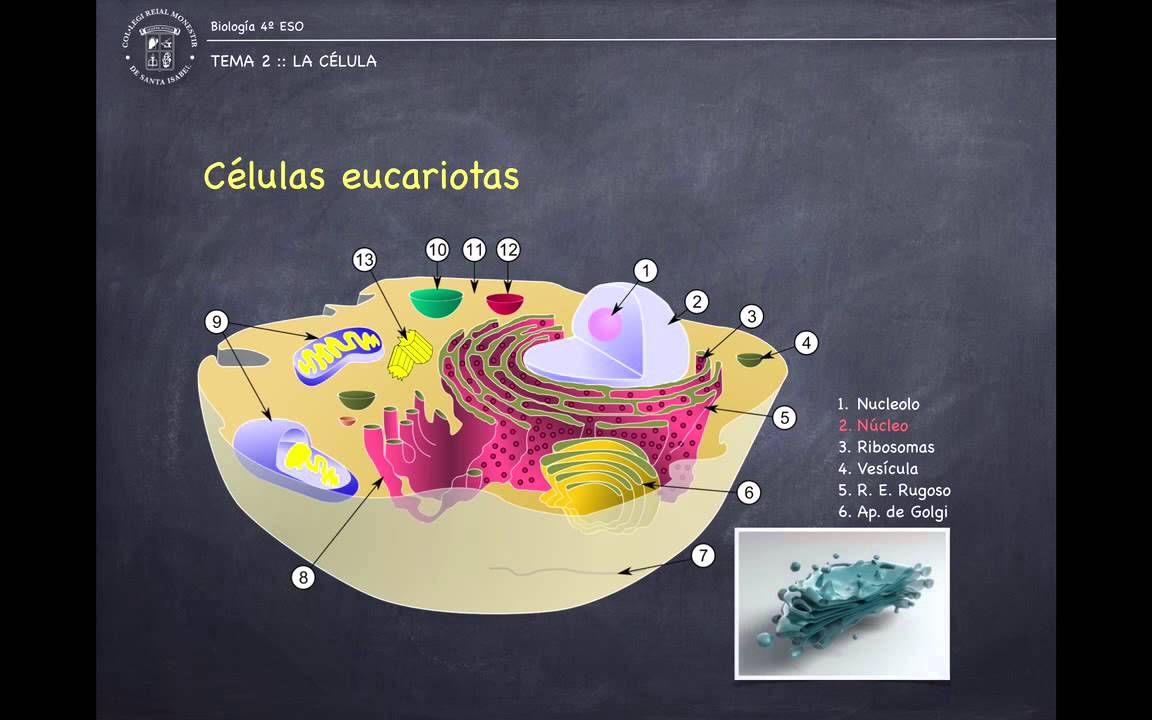
A foundational overview of cell theory and the general structure of eukaryotic cells.
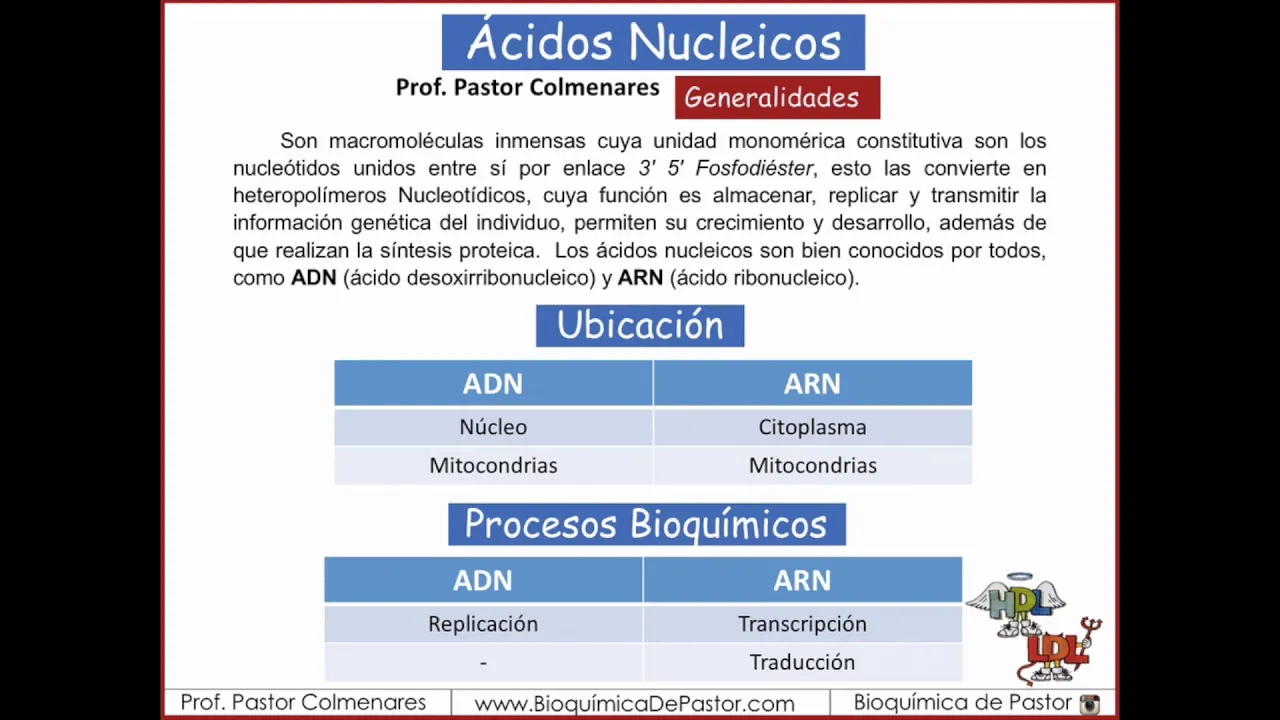
The structure and function of nucleic acids (DNA and RNA) to complete the four major classes of biological macromolecules.
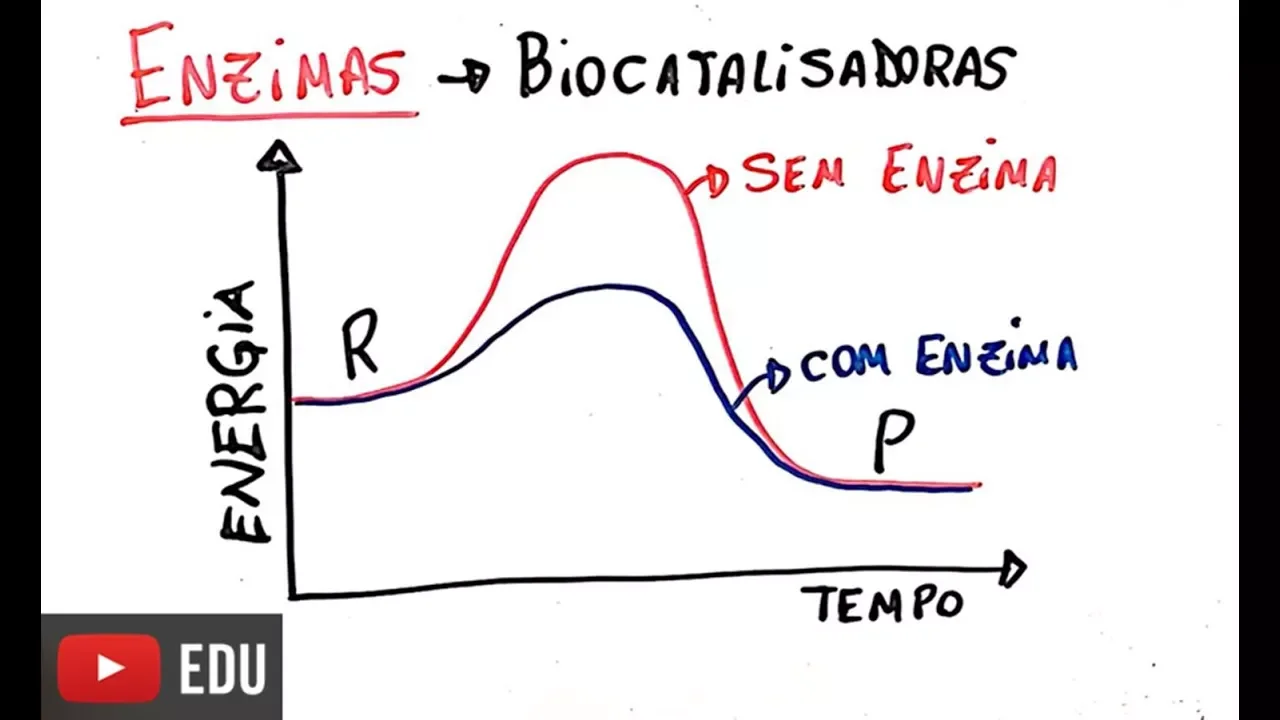
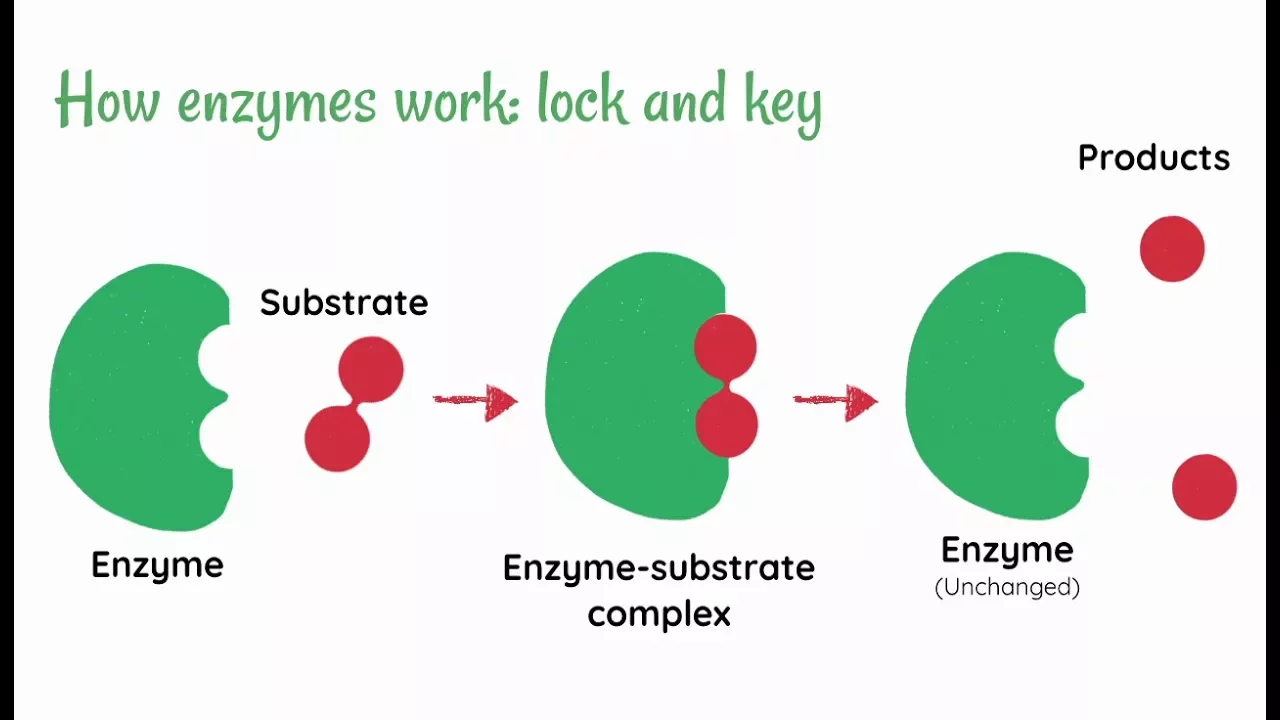
How proteins function as biological catalysts (enzymes), including active sites, substrates, and denaturation.
The structure and selective permeability of the cell membrane, focusing on the phospholipid bilayer and membrane proteins.
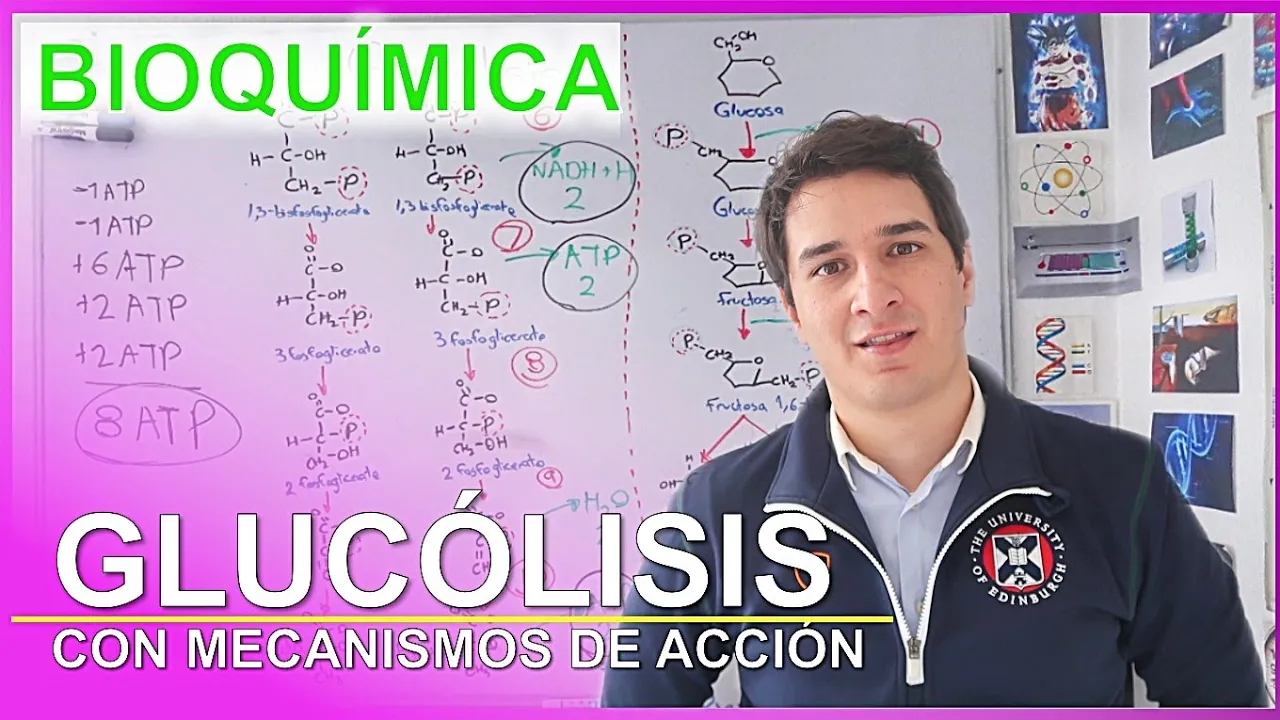
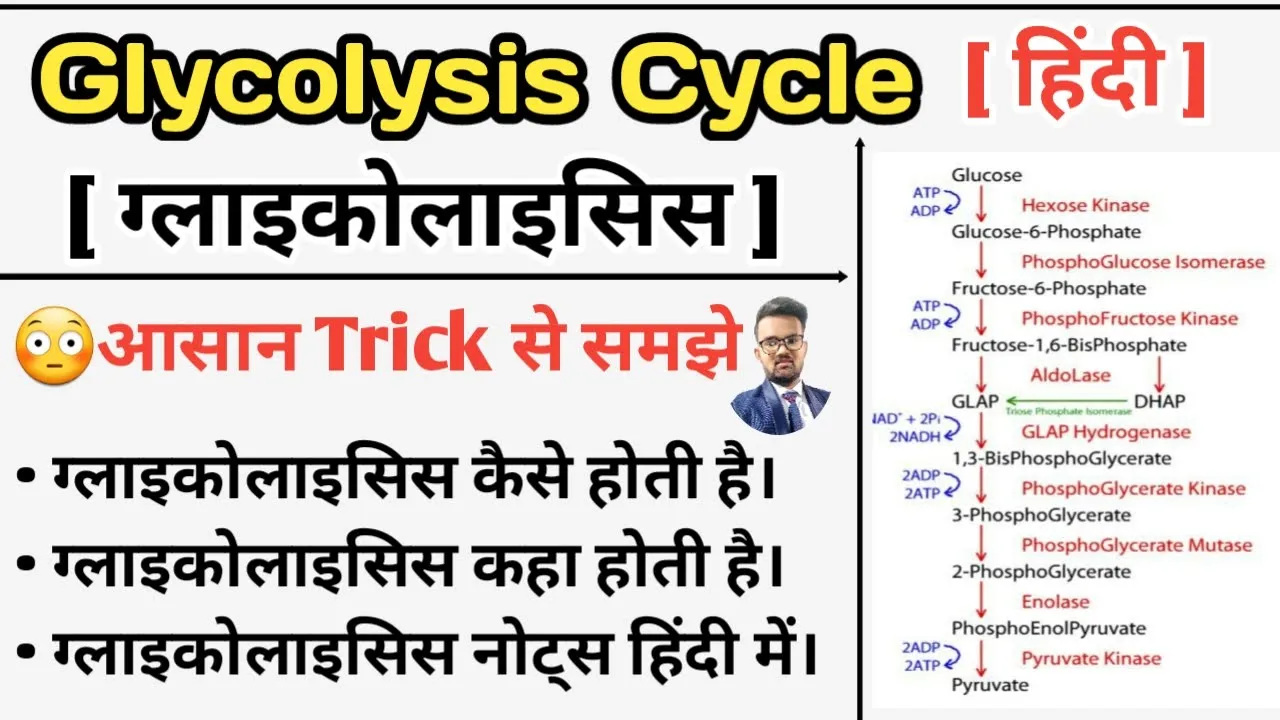
Metabolic pathways such as glycolysis and cellular respiration, which demonstrate how cells biochemically extract energy from carbohydrates and lipids.
The four levels of protein structure (primary, secondary, tertiary, and quaternary) and how folding dictates specific cellular functions.
7.5M views72.4Klikes14:08Original Release: 2012-02-13
Hello, and welcome to the kitchen. I wanted to invite you here today because last week we started off in my bathroom and kinda feel bad about that. And also because as I'm making lunch today I wanted to sort of use it as a lab. During this time in my kitchen I'm going to talk to you about three different things: 1) the three most important molecules on the Earth 2) possibly the grossest sandwich I'm ever going to eat 3) an obscure scientist who taught us almost everything we know about urine.
So far we've talked about carbon and we've talked about water, and now we're going to talk about the molecules that make up every living thing and every living thing in every living thing. I don't care if you're a bacterium or a blue whale or if you're Lady Gaga, of if you're a mite living on the Queen of England's eyelashes.
They're called biological molecules. These aren't just building blocks, these are the molecules necessary for every living thing on Earth to survive. They are essential sources of energy. They are the means of storing that energy. They are also the instructions that all organisms use to be born and grow and to ultimately pass those same instructions on to their future generations.
They are the ingredients for life.
And we call them: the carbohydrates, the lipids, the proteins, and the nucleic acids.
Today we're going to be talking about the first three. It's no coincidence that we classify them in the same way that we classify food, because they're food. [Hank so smart!]
And for this classification, we have to thank a little-known English physician who hundreds of years ago dedicated his life to the study of human pee.
Oh, my goodness... I'm back in the- That must mean that it's time for the most awkwardly named segment here on crash course: Biolo-graphy.
His name was William Prout. In the early 1800s, he became fascinated with human digestion especially our urine. That's because he thought the best way to understand the human body was through chemistry, and the best way to understand body's chemistry was to understand what it does with food. By day he was a practicing physician, but every morning before breakfast he did research in his home laboratory in London. And there he did many great things. Like, being the first to discover that our stomachs contained hydrochloric acid.
And writing a breakthrough book about kidney stones called An Inquiry Into the Nature and Treatment of Gravel, Calculus, and Other Diseases Connected with a Deranged Operation of the Urinary Organs.
And he was, of course, the first person to discover the chemical composition of pure urea, the main component of urine.
For the record, here it is: CO(NH2)2. And in the presence of water, urea gives off ammonia, which is why your pee smells.
Through his years of studying urine, Prout came to the conclusion that all "foodstuffs" fell into three categories: the saccharinous (carbohydrates), oleaginous (fats), and albuminous (proteins). Indeed, he went so far as to say that in order to be healthy, you needed to eat all three of these things and not just sheep kidneys and gin, which is what most of London was living on at the time.
But like many great minds, Prout was overlooked in his own lifetime, because while he was studying actual science, everyone else was walking around believing that the color of your urine was determined by your personality.
This guy looks like a total jerk to me!
And if you can tell that much by color I wonder what you could tell by taste.
Now he isn't understand that there were biological molecules He didn't understand what these things were, but he did understand that there were three ingredients necessary for life. And it turns out that all organisms either need to synthesize or ingest those ingredients in order to live.
We're going to start out with the most basic of these ingredients for life: Carbohydrates.
You've no doubt heard of them. You may, in fact, be avoiding them like the plague.
But fact is that nothing, and no one, can avoid carbohydrates, because they are the source of all energy that we have available to us.
Carbohydrates are made up of sugars, and the simplest of them are monosaccharides. Mono for one, and saccharides for the actual root of the word sugar. The star of the show here is glucose, because it's truly fundamental, by which I mean like Number One on the global food chain. Because it comes from the sun.
All biological energy is originally captured from the sun by plants as glucose through photosynthesis. And every cell that needs energy uses glucose to get that energy through a process called respiration.
In addition to glucose there are other monosaccharides, like fructose, which has the same molecular formula (C6H12O6), but arranged differently. These subtle chemical difference do matter.
Fructose, for example, is significantly sweeter than glucose. It's also processed by our bodies in different ways.
And then there are disaccharides which -- like the name says -- are just two monosaccharides put together. The most famous of these is sucrose, which is simply a glucose molecule and a fructose molecule joined by a covalent bond.
Mono- and disaccharides are pretty much little niblets of energy that are really easy for our body to process, but when these carbohydrates start to form into longer and longer chains, their function and their roles change as well. Instead of being sources for instant energy, they become storehouses of energy or structural compounds.
These are the polysaccharides. Instead of being just two or three monosaccharides put together, polysaccharides can contain thousands of simple sugar units.
And because they're so big and burly, they're great for building with. In plants, cellulose is the most common structural compound. It's just a bunch of glucose molecules bound together and it is the most common organic compound on the planet.
Unfortunately, it's very difficult to digest. Cows can do it, but humans certainly cannot, which is why you don't enjoy eating grass.
Polysaccharides are also really good for storing energy and not just structurally but just as an energy store. And that's where we get bread. Now, really interesting thing here: Bread is made up of starch, the most simple of which is called amylose. Amylose and cellulose looks almost exactly identical, but one is grass and the other is bread.
Like, chemistry! [Well said.]
Plants store glucose in the form of starch, and it comes in lots and lots of different forms, from roots and tubers to the sweet flesh of fruits, to the starchy seeds of the wheat plant that end up being milled into flour.
Ground-up grain is the main ingredient in the bread, of course, most of the calories, or energy content, comes from carbohydrates. When I eat this -- and I am going to eat the hell out of it -- I'm going to be eating all of the chemical energy that this wheat plant got from the sun in order to feed it's next generation of seeds that we then stole for our own use.
Now we, as human beings, can't grow fruits or tubers, so we have to store our energy in a couple of different ways. The way that we tend to store carbohydrate energy is in glycogen, which is very similar to amylose or starch, but has more branches and is more complicated. It's basically made up of the glucose we have left over after we eat and it sits in our muscles where it's ready to be used and it's also stored in our livers.
It's generally a pretty short term store. If we don't eat for a day pretty much all of our glycogen gets depleted.
But over the longer term, the way we store energy is through Fat! All of our mom's worst enemies: the fat. Which turn out to be really important and are the most familiar sort of a very important biological molecule: lipids.
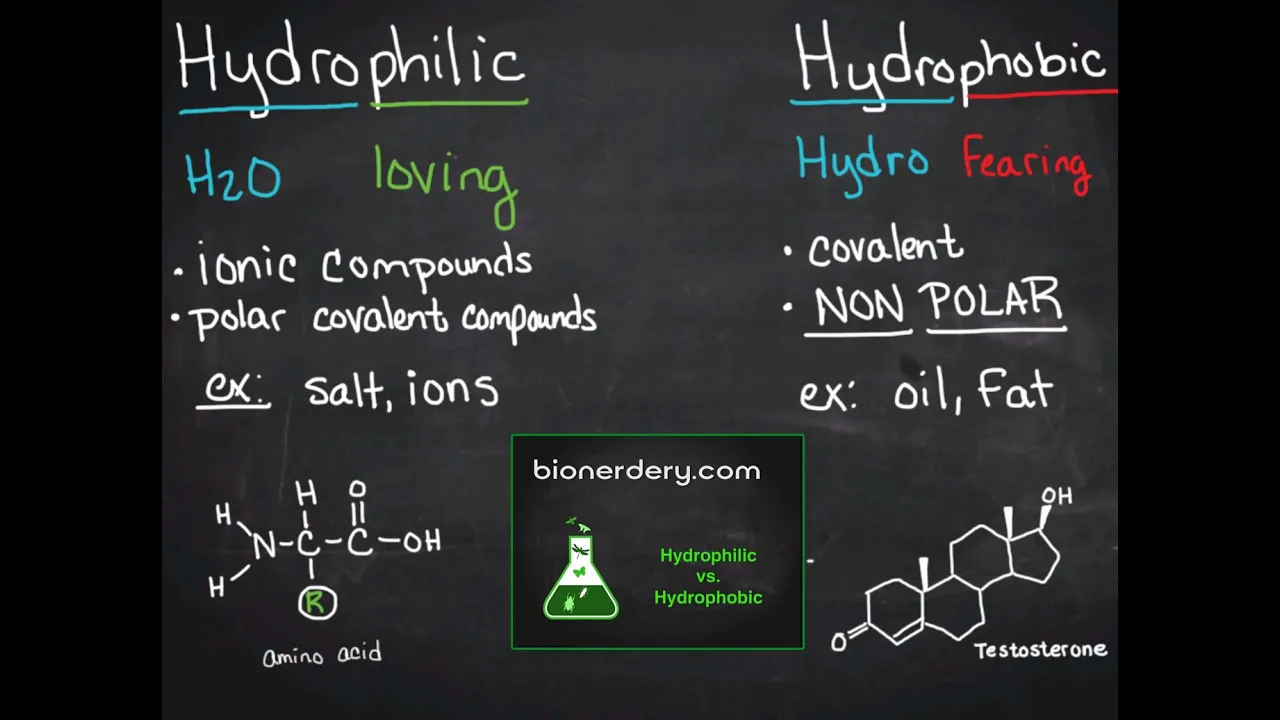
Lipids are smaller and simpler than complex carbohydrates, and they're grouped together because they share an inability to dissolve in water. This is because their chemical bonds are mostly nonpolar, and since water, as we learned in the previous episode despises non polar molecules, the two do not mix. It's like oil and water.
In fact, it's EXACTLY like oil and water!
And if you've ever read a nutrition label or seen this thing called the television, you're probably pretty conversant in the way we classify fats. But then 99% of us have no idea what those classifications actually mean.
Fats are made up mainly of two chemical ingredients: glycerol, which is a kind of alcohol, and fatty acids, which are long carbon-hydrogen chains that end in a carboxyl group.
When you get three fatty acid molecules together and connect them to a glycerol, that's a triglyceride -- they feature prominently in things like butter, peanut butter, oils, and the white parts of meat.
These triglycerides can either be saturated or unsaturated. And I know that when we put the word "fat" and "saturated" into the same sentence it sounds like an evening at KFC, but here we're talking about being saturated with hydrogen.
As you hopefully remember from our first lesson: Carbon is very nimble in how it uses its four electrons. It can form single, double or triple bonds.
This means that if the carbon atoms in a fatty acid are connected to each other with single bonds, all of the carbon atoms end up connected to at least 2 hydrogen atoms. And of them even picks up a third. So the fatty acid is saturated with hydrogen.
But when some of the carbons atoms are connected to each other with double bonds all of those carbons' electrons are spoken for, so they're not able to pick up those hydrogen atoms.
This means that they're not saturated with hydrogen and they are unsaturated fatty acids.
To demonstrate, may I direct your attention to this jar of peanut butter?
Here you can kind of see both kinds of fats. The liquid stuff you see at the top here: that is the unsaturated fat, which we generally think of as oils. The pasty stuff down here also contains lots of unsaturated fat but also contains saturated fat, which doesn't have any double bonds and so it can pack more tightly and form solids at room temperature.
And there are also other fat classifications that you've heard of.
Trans fats, which everyone tells you NEVER to eat. They're right, don't eat them! They don't exist in nature and are basically unsaturated fatty acids that instead of kinking go straight across and so they're super bad for you. Don't eat them.
Omega-3 fatty acids are unsaturated at the 3 position, which is like, right there [where?].
And that's the only difference, but the reason that these are important is because we can't synthesize them ourselves. They're essential fatty acids meaning that we need to eat them in order to get them.
All this is starting to make me pretty hungry, but before we get to more food stuff there are some unappetizing sort of lipids that we also need to talk about.
So remember that triglycerides are three fatty acid chains connected to a glycerol? Swap one of those fatty acids for a phosphate group and you have a phospholipid. These make up cell membrane walls. Since that phosphate group gives that end polarity, it's attracted to water. And the other end is nonpolar and it avoids water. So if you were to scatter a bunch of phospholipids into some water, they would automatically arrange themselves like this with hydrophobic ends facing each other, and hydrophilic ends sticking out to face the water. Every cell in your body uses this natural structure to form its cell membrane in order to keep the bad stuff out and the good stuff in.
Another class of lipids is the steroids. Steroids have a backbone of four interconnected carbon rings, which can be used to form hundreds of variations. The most fundamental of them is cholesterol, which binds with phospholipids to help form cell walls. But they can also be activated to turn into different lipid hormones.
And so now we approach the most complicated, powerful, polymorphously awesome chemicals in our body: the protein.
And by complicated I mean that they are probably the most complicated chemical compounds on the planet. In fact, they are so amazing that we're going to so a separate episode on them, and how they're created by DNA. But right now, in you, there are tens of thousands of proteins doing everything they can to keep you alive.
There are enzymes regulating chemical processes, helping you digest food. There are antibodies connecting themselves to invaders like bacterium and viruses so that your immune system can get them. There are protein endorphins that mess around with your brain and make you feel emotions [Gross!]
But they're everywhere, they do EVERYTHING!
And proteins do all of this stuff using only 20 different ingredients. And these are the amino acids.
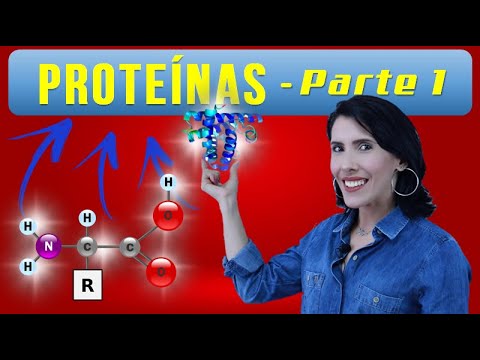
Just like fatty acids, amino acids have a carboxyl group on one end. On the other end they have an amino group. Amino acid!
Now hey, I don't know if you've noticed this, but this is the first time nitrogen has shown up in our food. This is super important, because despite the fact that nitrogen is everywhere -- it's like 80% of the air -- we can't just pull it out of the air and put it into our bodies. We have to get nitrogen from food. And so we have to eat foods that are high in protein like this egg, which by it's very virtue, because all the white part is protein, it contains a goodly amount of nitrogen.
Now in the middle of the amino and the acid group is a carbon. It shares one of its electrons with good ol' hydrogen, and the other electron is free to be shared with "R" Which is just a kind of fill in the blank. We call it "The R group" It can also be called a side chain, and there are 20 different kinds of side chains. Whatever fits in that blank will determine the shape, and the function, of that amino acid.
So if you put this in there, you get valine, an amino acid that does a lot of stuff, like protecting and building muscle tissue. If you put this in there, you get tryptophan, which may be best known for its role in helping you regulate mood and energy levels.
Amino acids form long chains called polypeptides. Proteins are formed when these polypeptides not only connect but elaborate and frankly really elegant structures. They fold. They coil. They twist. If they were sculptures, I would go the museum every day just to look at them.
And I'd walk straight past the nudes without even looking.
But protein synthesis is only possible if you have all of the amino acids necessary, and there are nine of them, that we can't make ourselves.
Histidine, isoleucine, leucine Lysine, methionine, phenylalanine Threonine, tryptophan, and valine.
By eating foods that are high in protein, we can digest them down into their base particles and then use these essential amino acids in building up our own protein.
Some foods, especially ones that contain animal protein, have all of the essential amino acids including this egg And that concludes this triple-decker sandwich of biological awesomeness, which is all we need to be happy, healthy people.
And I'm sure, because of that, it's going to be delicious.
Nope.
Thank you for watching this episode of Crash Course. I will be discussing something else very interesting next week. I don't even know what it is.
Don't forget. Go back and reinforce what you've learned today by going back and watching bits that you feel like you may not have got completely.
We'll also, of course, be available on Facebook and twitter if you would like to ask us questions or give us suggestions there.
[BURP]
Up Next
64:05
Improving Fruit Flavor Quality through Volatile Metabolism Research
@uctvseminars
705 views•2012-01-05
50:12
Bacterial Communication: Quorum Sensing and Biofilm Formation Explained
@JHUAAP
12.6K views•2011-06-28

11:04
Population Genetics: Darwin Meets Mendel | HHMI BioInteractive
@crashcourse
1.8M views•2012-05-28
7:08
Bacteriophages: Earth's Deadliest Killers and Future Antibiotics
@kurzgesagt
34.6M views•2018-05-13
Related Study Plans & Knowledge Roadmaps
Structured learning paths in Biology
biology
RNAi: Biogenesis, RISC & Gene Silencing
01Molecular Biology Foundations: DNA to Protein
02Introduction to RNA Interference (RNAi)
03Molecular Biogenesis of miRNA and siRNA
+ 2 more learning modules
10h5 modules
Explore Roadmap
biology
Mycorrhizae: Signaling, Biophysics & Ecology
01Foundations of Mycorrhizal Symbiosis
02Molecular Signaling and Root Colonization
03Biophysics and Bioenergetics of Nutrient Exchange
+ 1 more learning modules
11h4 modules
Explore Roadmap
biology
Circadian Clocks: TTFL, SCN & Periphery
01Foundations of Molecular Biology & Gene Expression
02Introduction to Chronobiology and Actograms
03The Core TTFL: Molecular Architecture of the Clock
+ 3 more learning modules
14h6 modules
Explore Roadmap
biology
Population Genetics: Math, Drift & Selection
01Genetic & Probability Foundations
02The Hardy-Weinberg Principle and Baseline Models
03Mathematical Modeling of Natural Selection
+ 3 more learning modules
18h6 modules
Explore Roadmap