





![[강연] 화학적 감각: 냄새, 맛의 정체는 무엇인가? _ by박태현|2018 가을 카오스 강연 '화학의 미스터리, CheMystery' 10강](https://i.ytimg.com/vi/7iFptGnR_pw/hqdefault.jpg)




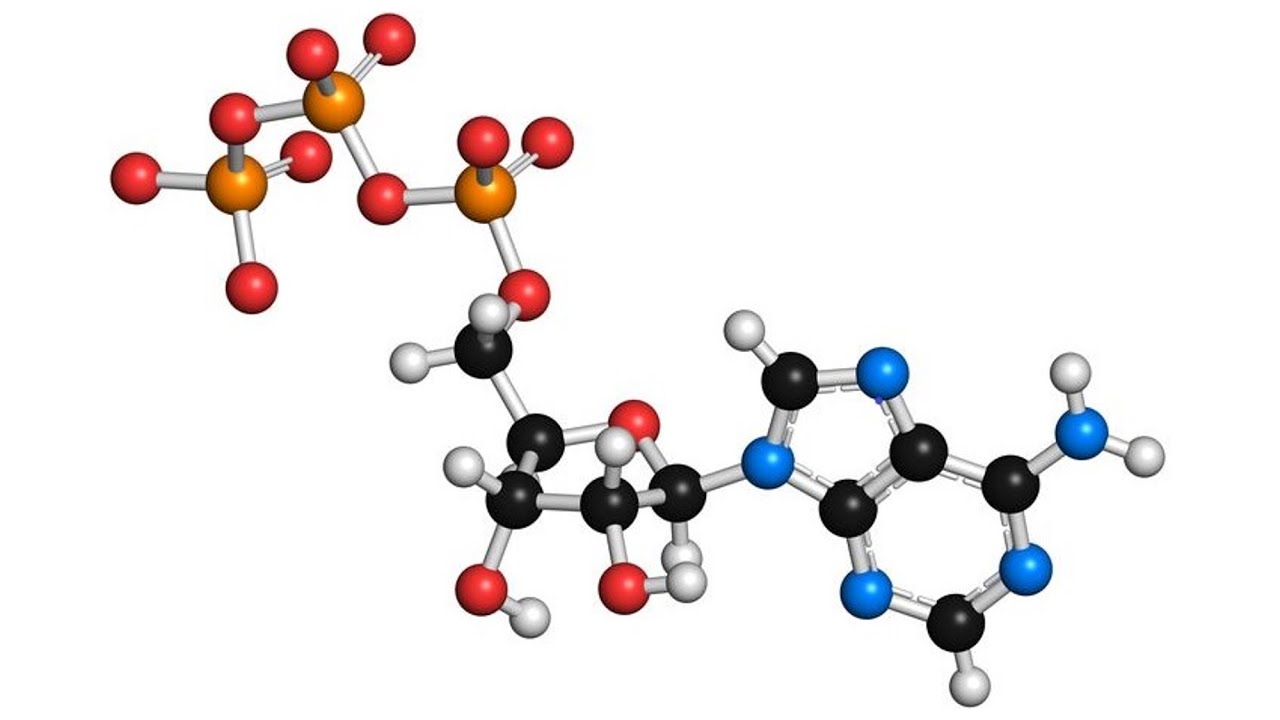


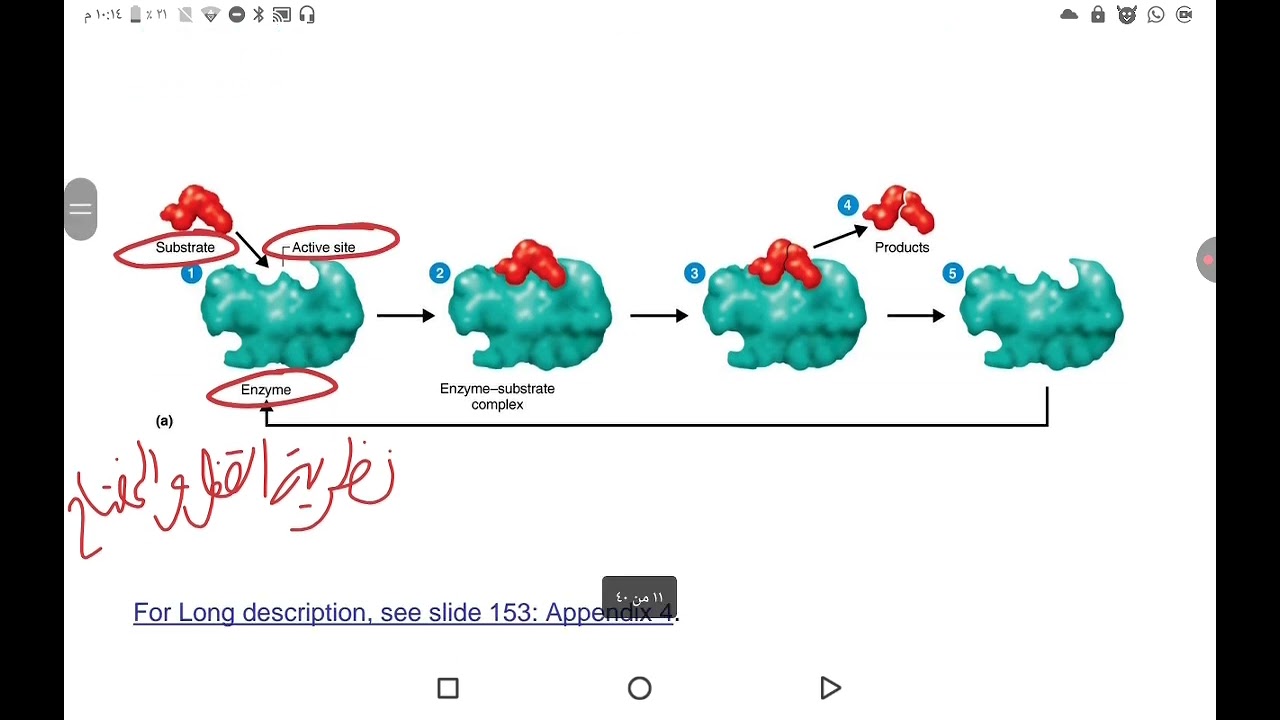




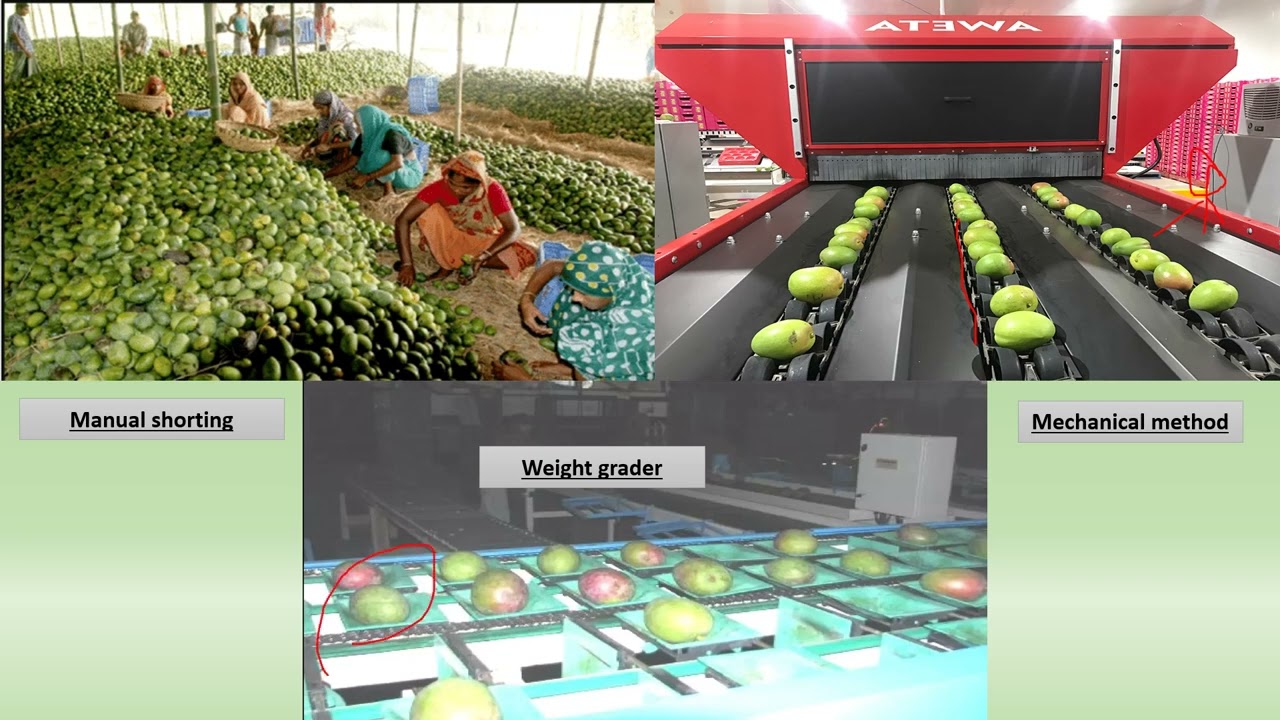

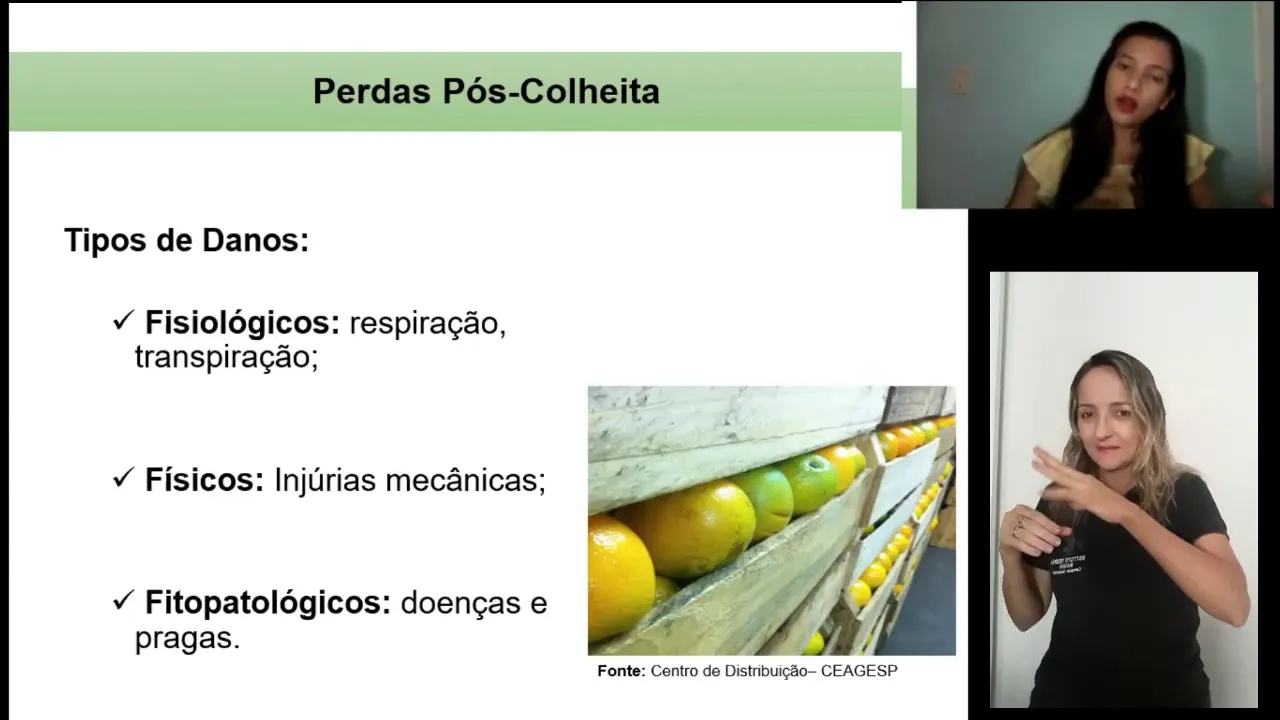





Fruit flavor is a complex trait determined by volatile compounds produced during development and ripening, which interact with taste receptors and olfactory receptors to create the overall flavor experience; understanding these biosynthetic pathways allows researchers to develop strategies for improving crop flavor quality through genetic modification and optimized agricultural practices.
Improving Fruit Flavor Quality through Volatile Metabolism Research
Added:Basic concepts of plant secondary metabolism, specifically how plants produce non-essential compounds for ecological interactions and defense.
The chemical nature of Volatile Organic Compounds (VOCs) and how their physical properties allow them to be detected by olfactory receptors.
The physiological process of fruit ripening, including the biochemical changes and the role of plant hormones like ethylene.
Fundamentals of metabolic pathways and enzymatic catalysis, which govern how precursor molecules (such as lipids and amino acids) are converted into volatile compounds.
Agricultural biotechnology techniques, including marker-assisted breeding and gene editing (e.g., CRISPR), to selectively enhance flavor genes in crops.
Post-harvest physiology and logistics, exploring how storage, transport, and packaging conditions affect the retention and degradation of volatile compounds.
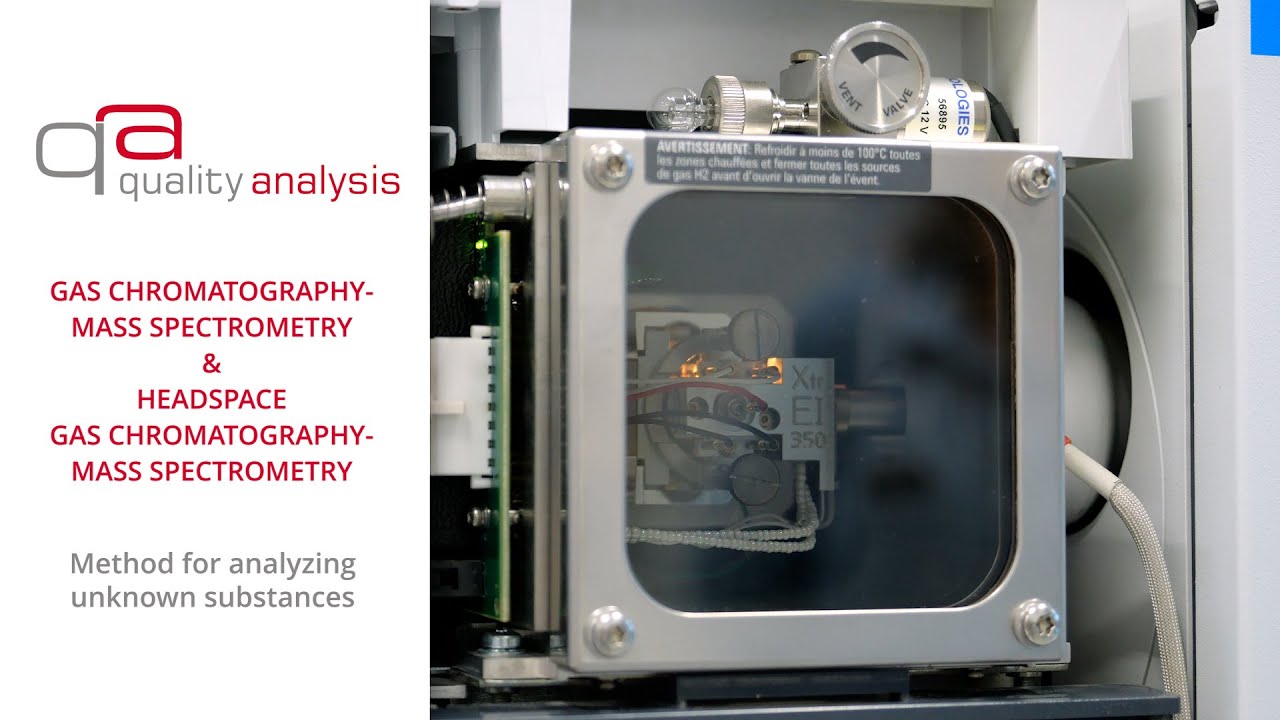
Analytical chemistry applications, such as Gas Chromatography-Mass Spectrometry (GC-MS) headspace analysis, used to profile and quantify complex fruit aromas.
Sensory evaluation and consumer science, which bridge the gap between chemical aroma profiles and human flavor perception and market preferences.
705 views7likes1:04:05Original Release: 2012-01-05
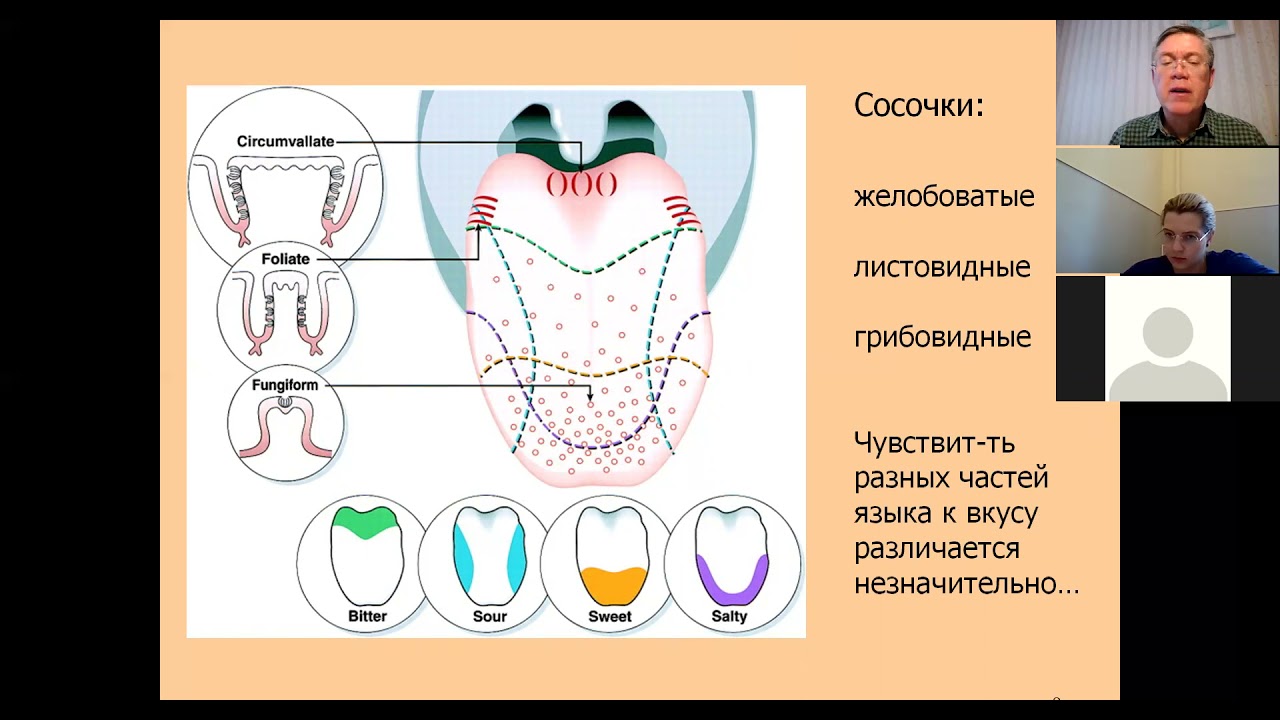
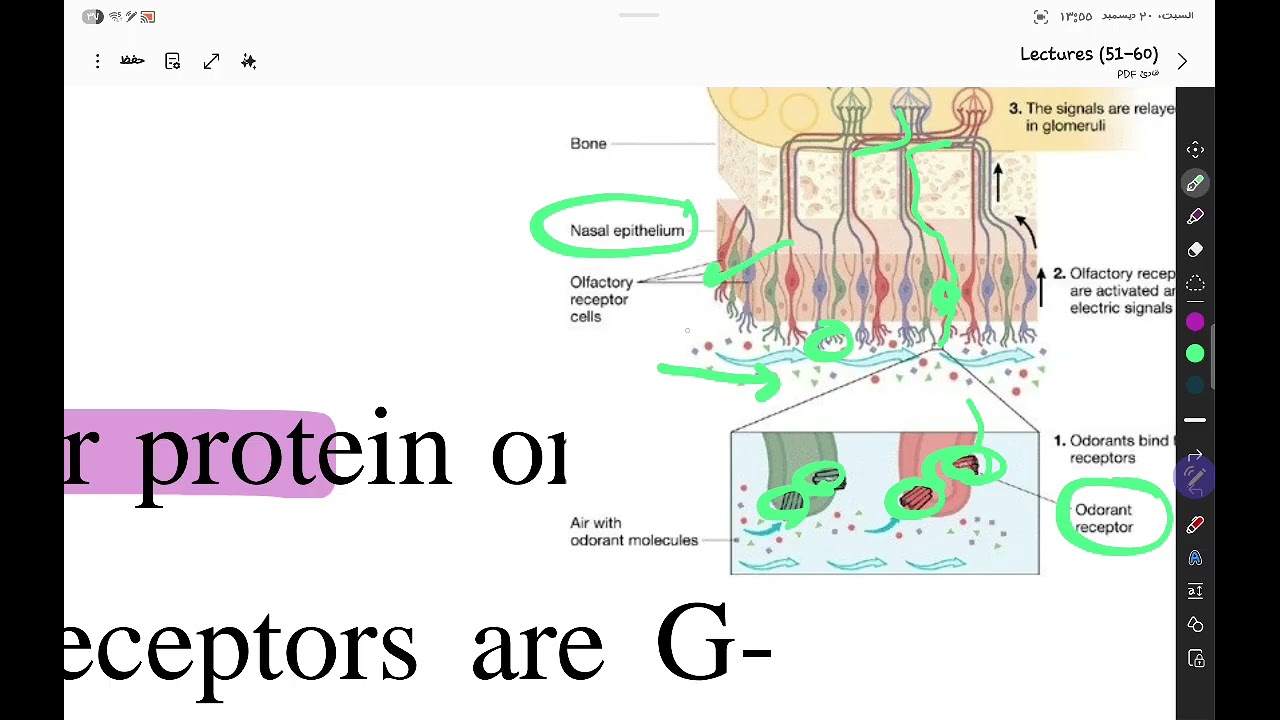
and uh welcome everyone to this seed central event uh we at harris harris brand close hm close uh are very glad to see everyone here and we're very excited about seed central today it's my honor to introduce our speaker tonight i had an opportunity to meet her i guess a couple of months ago in in florida i think it was in the middle of seemingly a tropical depression or something quite quite rainy but dr florence uh negrete zakarov received her phd in 2005 from purdue university in biochemistry and molecular biology she's focused her research on a very interesting aspect of biochemistry looking at flavor and aroma compounds applied to now into fruits and vegetables it's to me it's a very complex chemistry that she's unraveling at the molecular level and looking at all the interactions of these compounds which is quite fascinating i think you'll find the seminar to in the presentation today today to be very interesting and i think we're very fortunate to have florence here on campus and with us here tonight so if you'll join me in welcoming florence to speak please do that now well thank you mark for the nice introduction and thank you to all the organizers of state central for having me tonight it's a real honor to speak to you about my research and what's really close to my heart what i do every day investigating fruit volatile metabolism and i'll try to give you some of my thoughts about how we can use this type of research to improve fruit flavor quality okay so before i um delve too much into a lot of details about the the day-to-day research that we do i just wanted to bring everyone up to speed about quality and flavor and and what this really means just to sort of try to make you think a little bit more about about all of this so when you ask people what quality means you have to sort of take a step back and ask well where is this person in the pre-harvest or post-harvest chain right because a good quality fruit is going to be to mean very different things to different people right um the farmer wants a variety that is you know resistant to disease and high yielding you know so many fruits in a box that type of thing and then as you go along in the post harvest chain you find things like long shelf life and then when you go all the way to the consumer you find that actually you know consumers have grown pickier and pickier with times and and now they are demanding for higher quality flavor quality products especially i guess if you live in california and you know exactly what i mean so but i guess the the take home here is that ultimately i think that consumer-driven definition of quality is really what drives marketing and drives sales especially in terms of repeat buys so when you ask people well they go to the store and they buy you know a bag of fruit and go home and it really doesn't taste good it's you know full of internal breakdown and that sort of thing they're not going to go back and in the store and buy that fruit um so really um there's been a lot of studies done on on this and um repeat bias is very very correlated to flavor acceptance um and this is what we're going to focus on tonight is is flavor so um i just wanna again bring bring everyone up to speed on what flavor is um so flavor is a very very complicated trait actually um it when you ask sensory scientists what is flavor um they'll they'll tell you it's really an interaction of of all these things that i've listed here um so it starts with appearance right you actually make some decisions about what a fruit or vegetable will taste like just by looking at it what color is it what shape it has based on your previous experiences you're you're going to make a judgment already and that can influence actually your perception of flavor when you eat it taste obviously is very important and i'm going to focus more on on these two attributes taste and aroma which which are very very important and so i'll come back to those two irritation pain that's a that's a tricky one not all fruits and veggies cause that irritation or pain but you know a good example is when you eat chilis you have this burning sensation or this pungent sensation on in your mouth and that comes from certain compounds that the plants produce like capsaicin for example in chiles so texture is very important how firm it is if there is some mealiness to it so all of these things will have an influence on your overall perception of flavor and temperature is also very important so let's talk about taste briefly there's really only five taste modalities okay so when when people ask you what does it taste like theoretically you only have five answers five possible answers right sweet salty sour bitter and umami okay so if we go a little bit deeper and and and here i have some examples of classes of compounds that fruits and vegetables and plants in general make that are responsible for these taste attributes so we would have sugars that are responsible for this sweet sensation and so all of these for all of these taste modalities you have receptors on your tongue and that's that's really where you perceive all of these five taste modalities so obviously fruits are sweet and that comes from the sugars that are contained in in those fruits produced by these fruits um just for a little trip piece of trivia some proteins are extremely sweet as well monellin tomatin are proteins that are produced by african fruits that some some countries actually use as artificial sweeteners acids are responsible for the sour taste and this is because of the presence of acid like citric acid malate tart rate and in grape that's not a good thing typically but bitter the bitterness of some vegetables in cucumbers for example it comes from these phenolic compounds called cucurbitacins limonoids are responsible for that bitterness you get in citrus right sometimes if if an orange has been freeze damaged it'll start producing limonoids and that's that's what tastes bitter when you eat the orange salty typically not a modality that we see in fruits and veggies unless you add salt obviously and umami also not so present except maybe in tomato where you actually have a very high concentration of glutamate in the tomato it's it's kind of an exception in the fruit world but if you put salt on a tomato you actually make monosodium glutamate naturally so to speak so this is why salt on a tomato is is delicious because you you enhance its flavor by making msg it surprises a lot of people right um okay so let me just move on to aroma so remember all these flavor attributes so we had the taste which is really important and then remember also that really you only have five taste modalities and and these are only coming from a very small portion of the molecules that are made by the plant the sugars the acids etc aroma on the other hand comes from these volatile compounds that are produced by plants that come up to your nose and that you perceive up there in your olfactory bulb you have receptors for these volatile compounds and that's what induces a signal to your brain for aroma so it also surprises people when i say it's actually so the gene family that codes for these odor receptors is the largest family in the human genome um there's about 300 over 300 of these genes that are active and that you constantly produce in your olfactory epithelium and about 600 pseudo genes that sort of have decayed over time you know we're not really as mammals we're not really um very we're called macrosmatic because we don't have a very good sense of smell and that's coming from the decay of these genes over time compared to dogs and mice and things like that so um so actually your sense of smell is is really really crucial and very important for determining the quality of the food you eat this is actually you know one of your first reflex when you don't know if you've put a carton of milk and you've forgotten the fridge right and the first thing you do before you taste it is actually smelling it to see if you if it's going to be good to eat so it's it's actually your sense of smell is very very important and we it also surprises most people when i say it we have learned likes and dislikes so a baby has absolutely no bias toward any particular smell and then learns to reject certain smells as they go along whereas we have predetermined likings toward taste for example so babies like sweet foods and salty foods but not bitter because that could be toxic for them so there are two ways that you can smell or perceive aroma one is if you smell something a rose or a food or anything through your nose and so the volatile compounds are produced by this rose are going to go and be drawn up to your nose and are going to bind your olfactory receptors or you can perceive these when you eat and in this particular case you have a passage an airway in the back of your mouth and in your throat that comes right back up to your nose and that's called the retronasal perception of of aroma so this is how this is why when you're when you have a cold and your nose is stuck you actually prevent this retronasal passage of aroma compounds and that's why your people say your taste perception is altered it's actually your aroma perception that's altered but it has repercussions on your taste as well anyway so i've been talking a lot about volatile compounds and produced by plants so what is a volatile compound it's a it's an over simplification but in general it's a small molecule that has a high tendency to evaporate it's very nonpolar generally so it's soluble in oils so when we talk about essential oils that's what we talk about it's full of volatile compounds volatiles are produced naturally by plants also humans and all plant parts make volatile compounds we can also design some chemical reactions in a lab to make them there's actually a whole industry around the the synthesis or the extraction of these compounds right the fragrance industry and the flavor industry so this is what they look like basically anything you can think about produces volatile compounds so you have you have a few examples of structures here so again tiny molecules with a high tendency to evaporate that's how they get up to your nose and they're in wine obviously very very important for wine flavor as well so each volatile compound has a particular smell but typically we don't experience volatile compounds as a single you know you don't smell beta ion just by itself because it's present in the mixture um and i'll talk about that in a second so but just to give you a few examples if you were to come across beta ion by itself it's in the aroma of a tomato but it will be described as floral woody sweet fruity etc so people have a very peculiar language to to describe volatile smells and it's not something that we're very used to we're used to describing colors and shapes but not so much describing smells you know when i grew up my mom never asked me what does this smell like you know it's always oh what's this color what's this other color um so you know it might it might kind of look surprising to you and and difficult to imagine what what what this would smell like just by reading the description but you know in the end you you get used to it it's kind of like tasting wine right you you pick up some um different attributes of the wine so so sometimes the these volatiles can have sulfur molecules in them um and that's dimethyl disulfide that's in broccoli or onion that's probably why your kids don't like broccoli because it's got that oniony sulfury smell and then the pyrazines are very important for green bell pepper aroma actually if you smelled this compound all by itself you would be able to tell me right away this is green bell pepper okay so as i said an aroma is typically a mixture of many many different volatile compounds so tens if it's not very complex but the rule is is more complexity so we typically deal with hundreds of different volatile compounds in one single fruit or one single vegetable and the thing about them is that each and every one of them has a particular smell but when you put them all together it it they all interact to bring you a new aroma sensation um so it's a very complex thing in for example the aroma of a strawberry we've counted over 200 volatile compounds 200 different volatiles and to make matters more complicated our nose has different sensitivity levels to different volatiles so um i have an example up there um with in the aroma of a strawberry you find a volatile compound called furnial to which we're very sensitive so our nose can detect franiil at very very low levels 10 parts per billion concentration whereas um strawberries also make acetic acid okay so it's like vinegar um but we're not we're not so sensitive to it it actually makes more acetic acid than furanio but because of of our difference our different sensitivities to these two compounds it's actually perennial that's really important for imparting the aroma of of the strawberry so there's all of these things that um play um come into play when um when you're thinking about aroma as as a as a trait so what do we do when we say we study fruit flavor so the kind of questions that we ask are what kinds of flavor compounds are present in fruits how do plants make these compounds and what do we do to the fruit to that influence these these processes that influence the production of these compounds so answering these questions can lead to some applications for example define variety specific or commodity specific characteristics that can be related to sensory attributes so in my work i always try to go from from the composition all the way to what compounds are really important for for the particular sensation that we perceive and then if we understand how these compounds are made in plants um you could think that theoretically we could engineer some new varieties with completely new flavors right and well i've put the example of of grapple here i don't know how many of you are familiar with this it's an example of of you know an apple that's basically dipped in a solution that smells like grape and you know when you taste the apple it sort of has the flavor of grape but it's completely artificial right so if you knew all the genes that were required for making grape aroma then you could imagine that you could transform a gra an apple and make the apple um naturally so to speak generate these compounds by themselves okay and then of course if we understand better how we influence the formation of aroma through pre and post harvest practices then we can better control flavor quality through the production chain so now for a little bit of an introduction about the the kind of research that i do um and please don't don't be scared this isn't so bad um so um i guess the the overall um topic of of my talk is that things are complex so um so so this sort of gives you an idea of the complexity of of the different biochemical pathways that are involved in making volatile compounds the way i categorize volatile compounds because i'm i'm a biochemist is is by the way that they're produced in in the plant so here it's a it's a pretty complicated slide but it starts with sucrose that it would be imported as energy for the fruit to grow and then the sucrose the sugars are just going to be broken down further and further and distributed throughout a lot of different biochemical pathways and then along the way you're going to be able to make these volatile compounds okay so the phenolpropanoids benzenoids come from phenylalanine which is an amino acid there are other amino acids which i'll talk about in a second that produce other volatile compounds etc etc so it's you know there's a lot of arrows and and these things um in blue here represent genes that have been identified that are involved in producing all of these compounds but there are thousands of volatile compounds produced by plants and so far we know about 10 of the genes that are involved in their synthesis so this is by no means the complete picture there are a lot of holes still and this is what i work on and so on top of that you can overlay even more complexity and so you know you have the genetic factors that that basically influence this whole pathway um and hormones and regulatory mechanisms that tell the plant when to make a certain compound and in one what quantity then you have climactic factors external factors that will influence the production of these compounds and what you do agricultural factors pre-harvest the type of soil how much you fertilize et cetera so all of these factors just sort of come as an added level of complexity to the whole system so in my lab we study fruit flavor and one of the systems that we work with is melon so i argue that it's a really good system for studying fruit flavor and aroma for one it's very it's a it's a species that's highly polymorphic so i've i have some examples down here of melons that are grown typically well maybe not this one commercially but most other ones are right and you're familiar with with most of them probably this cantaloupe is the charante type that we don't grow in the united states but it's very prominent in france and europe they really like it over there reticulitis is the cantaloupe that we grow here the western shippers the eastern shippers and this is really what i focus on because i'm in california and so you know this is what we grow here um inoteris would be your honeydews i have piel de sapo here this is um i have it here that there are some really good genetic and genomic tools um available so the the um genome of this particular um melon right here um has been sequenced and the sequence is going to come out pretty soon so that is really um really good news for the melon research community because that is going to really help our research so doodaim is a is an interesting one it's called queen anne's pocket melon because it's so fragrant people used to carry them around in the quartz and as a perfume so it's um it's quite a neat melon and this one is used as a cucumber so you see there's a wide array of of types and flavors and shapes so when i first came i i started being interested in how much variability there was within the western shipper types and here i'm just showing you an example of the the profiles that we get from the aroma of of certain varieties and you know maybe some of you recognize the names this is how we collect volatile compounds i'll maybe talk a little bit more about how we do this later but this is a this is a chromatographic trace or a chromatogram where each peak each little blip here in the line represents a volatile compound so you can see it's very complex there's a lot of them but overall there's a lot of similarities between the the profiles right between the different cultivars and that's um most likely because they're all more or less the same genetic material so to speak so they're they these um these western shippers definitely produce a lot of aroma it's very diverse but most of the compounds are common between cultivars it's just that you have different ratios between compounds and that's what makes each cultivar unique in in the flavor pattern but they they mostly all have them and you can see a list here i know it probably doesn't tell you anything but um just to just to say that um these the most abundant class of compounds um is the class of asters um and i'll talk a little bit more about those so as you might imagine as the melon grows in the very beginning it doesn't produce all of these compounds and so as it starts developing and maturing and eventually ripening that's when the production of these these esters begins and so here on the x-axis you have days after pollination so in this particular case it took 46 days to full slip which means when the melon is fully ripe so it starts at 35 and you see there is mostly nothing coming out of the melon and then as you go on and go through the ripening process then the melon starts producing these compounds and here on the bottom right corner i have ethylene which maybe a lot of you know is is a plant hormone that in melons signals the for the the fruit to go through the ripening process so this is actually a good and bad because you want to prolong the shelf life of melons by reducing the amount of ethylene that fruits produce typically but at the same time it's been shown that ethylene actually triggers the formation of aroma so without ethylene you have no aroma so it's bad news right for the consumers because there's a little bit of a conflict of interest here but so you can see very clearly the correlation as you start producing ethylene you start producing volatile compounds so in my lab we use a variety of approaches to investigate the pathways that are involved in making these volatile compounds we use functional genomics where we take advantage of genomic resources that have been developed in the community microarray nowadays sequencing is so well relatively cheap so we've also started using next generation sequencing to get at these issues and but then we go even deeper and and once we have candidate genes we try to understand what the gene does really in the plant and that involves biochemical characterization we put the enzyme in a tube and and we see what it does and then we want to know in the plant what the gene does and so we do some knockout experiments to to understand the function of these genes so i won't tell you a great deal about all of this because i know it's late and people don't like seeing those pathways but so so this is the this is the pathway i work on and you notice here at the very end of it you have volatile esters which are the volatiles that are mostly made in melon and then it starts with an amino acid i told you that there are many amino acids that give rise to these volatile esters so part of the pathway is actually known and there's been a lot of research on on characterizing these genes but there's somewhat of a black box over here and this is what my lab has been interested in studying so um we just by looking at um different ways that the pathway could go um we can make hypotheses and and query databases based on these hypotheses so what we can do is for example look at all the genes that are expressed in a melon that does not produce many volatiles so a mature melon just because it just before it goes through the ripening process versus all the genes that are expressed in a ripe melon which expresses all of these volatile compounds which produces all these volatile compounds and so by comparing the two we can sort of derive some candidates um some um suspects that we could say well you know they are not present here so maybe they're involved in making um volatile compounds so we do have some candidate genes that we look at and and this one is an amine oxidase um which we found and it's it's its expression increases during fruit development and ripening and this branched chain amino transferase also increases during the ripening so again i was saying that we want to really understand really deeply what these genes do so we use bacteria as mini factories to make the enzymes that are coded by these genes and we throw at them a bunch of substrates which and we ask well will they do something with them and in this particular case we have this amino oxidase here and and now i can draw a line there because we've basically identified a gene that we know carries out this reaction which is what um shows up here this is the product of the reaction when we feed it this amine so that's the kind of thing that we do another class of volatile compounds that is very important for aroma is the norisoprinoids these compounds call come from keratinoids and carotenoids are pigments right that the orange from the carrots or the orange from the melon comes from the presence of these pigments so all of these molecules are volatile compounds the neat thing about those is that we have very very high sensitivity for them so even though they may be present at extremely low concentrations in the in the fruit our nose will pick them up because we have we are so sensitive to them they're very important in in some fruits they're also important in wines and as i said they come from the degradation of carotenoids so here are two chromatograms showing the profile of volatiles coming from here is thompson seedless grapes which i work on and an apricot and they all have these compounds that come from the degradation of keratinoids so keratinoids can be degraded just chemically naturally or they can be degraded by enzymes that the plants produce and these enzymes are called keratin with cleavage dioxygenases or ccds and what these enzymes do here on the left you have pictures of the structure of keratinoid pigments and what these enzymes do is they come in and they break carbon to carbon bonds within that molecule and you end up with the ends there of that molecule and this is what is volatile and this is what your nose picks up so those carotenoid cleavage dioxygenases actually have activity toward a wide variety of keratinoid substrates zeaxanthin lutein beta-carotene is in carrots and melons and in many orange fruits lutein is very present in those green green fruits so it's present in grape the white grapes for example so what we do with these genes is we can use a very neat system where we have these bacteria called e coli that people have engineered to produce these carotenoid pigments okay so here on the left here you have a strain of bacteria that has been engineered to produce beta-carotene okay so you can grow it and it will produce a lot of beta-carotene for you if you stick that keratinoid cleavage dioxygenase gene into the bacteria it will degrade those keratinoids and the bacterium will turn white because it no longer has the keratinoids this is what you see here this is a control bacterium that doesn't have the ccd and then if you throw in the ccd you see that beta ion gets produced by the breakdown of beta-carotene so this is another another thing we do and again we um we know that these enzymes have very broad substrate specificity meaning they work on a lot of different keratinoid substrates um which then translates into a diverse volatile profile that is produced by the plant so just to summarize this part we can identify and isolate genes involved in aroma production and this is going on in my lab and in other labs in throughout the world and we can start understanding the genetic mechanisms that underlie aroma formation and the diversity that we see all these hundreds of volatile compounds that are produced that come from enzyme specificity substrate availability and all these kinds of things so it's complex but we're starting to unravel it thankfully because it's no longer too expensive to sequence well a genome is still expensive to sequence and difficult but we can use next generation sequencing on the expression component of of the expressed component of the genome and that's fairly easy to do so in my opinion the next big hurdle is really the phenotyping because we can have a lot of genetic information and genome information but really what hinders our ability to push forward is is the phenotyping and in the complex traits such as aroma it's really critical to be able to phenotype fast which is not the case currently so my lab has also been involved in another project which bill here has been involved with too and that was to try to see and test for methods that would be more rapid for the analysis of volatile compounds all the while relating that to our sensory perception and to try to see if those methods would be good indicators for good flavor quality and so we tested this instrument here called the xenos it's an electronic nose the advantage of the xenos is that it's portable and it's a fast gc so it's a fast gas chromatograph that's how it looks like so you have a small gc column in it which means that you can actually separate compounds a little most electronic noses out there don't do any separation so we think that this is this is a little bit more powerful and the sensor is a surface acoustic wave sensor so you can do an analysis in less than two minutes so it's um it's it's very rapid so we're talking um the actual production of the chromatogram is 15 seconds so it's extremely fast compared to the gold standard here all those chromatograms that i've showed you throughout my talk were were produced by this machine right here very non-portable very expensive but it's the gold standard it's a gcms a gas chromatograph mass spectrometer but you have runs that can go as long as 50 minutes and the sample prep is is also relatively involved so you know you can very clearly see that this is faster but but you lose in resolution right so maybe you can think of it as um qtl mapping right so you have a qtl but you don't really know what gene in the genome there's hundreds of genes under your qtl well this is kind of like that you have one peak here there may be actually 10 volatiles hidden under that peak but you just get one peak same thing with qtls okay so um so the question we wanted to ask is this electronic nose capable of um discriminating between melon maturities um so we did a study where we used the electronic nose on three cultivars that are um hm claws cultivars and we also coupled that with the gold standard and um and made some fruit quality general fruit quality measurement and sensory analysis and so the stages that we chose were two pre-slip stages where you don't get the obsession zone around the stem then the green slip a lot of force to um to take out that that stem orange slip was maybe one day later and then slip plus one day so an array of different maturity stages so these are all the measurements that we did on all these melons we looked at soluble solid content which is a proxy for sugar content we looked at acidity texture color specific sugars and acids ethylene co2 and volatiles and then we did some sensory analysis on those melons as well so by a trained panel so this isn't consumer this is really training people to describe very precisely um what they taste okay so they they had these 15 sensory attributes and for each of them they scored how high the sample that they were tasting was on a scale and so overall aroma intensity fruit aroma so basically what you're doing here is using people as machines to to assess these particular characters of the flavor of the melon so a really involved study and this is the result of it so kind of difficult to read but the the points each point represents a variety and a maturity stage so on the left here all the less mature less ripe cultivars cluster and then as you go through the ripening process all the ripe green slip orange slip slip plus one cluster on the right and this is based on the xenos data so here you have early mature and ripe so we have a nice separation of the comp um the samples on the x-axis and then on the y-axis we have separation according to cultivar at the ripe stage so navigator was up here and mass rico and thunderbird were down there those were the three varieties we were working with so now if you remember this map then we can sort of virtually overlay this map with all the peaks that we found in the electronic nose and you can see that you have the peaks out there oops on the left that represent the peaks that were higher in the less mature cultivars and the peaks on the right would be higher in the more ripe cultivars and then you have a separation peak 7 and p12 would be higher in navigator and pk8 and peak 13 would be higher in mass rico and thunderbird so we actually did find some really good candidates at least for maturity to separate those melons out and so these would be good good markers that we can use with the xenos to detect maturity and i and i expect that we would see if we threw in more cultivars we would see other peaks that would be very specific to cultivars as well so if we add all of the measurements that we did that was just looking at the xenos what we did is we as i said we um we took a gazillion measurements texture sugars ethylene volatiles there were over a hundred different volatiles per sample so it was a lot of data but if you overlay everything onto a multivariate analysis and you ask well can the volatile from the gold standard predict the xenos the physical chemical attributes and the sensory you find this map which essentially clusters all the cultivars that were less ripe now on the right it kind of flipped but it's it's okay and then on the left you have all the attributes that correspond to the ripe varieties and so if you zoom in if you zoom in on this particular portion right here what you find is that all the sensory attributes that represent that it would be high in a ripe melon so fruity sweet buttery aroma color intensity all of these sensory attributes cluster with volatile compounds so we have um xenos compounds here xenos peaks that we can use now as marker for specific sensory attributes but really what i would like you to notice on this slide is is the absence of sugar so in this particular experiment we did not see a very strong correlation between sugar content and and these sensory attributes especially sweet taste which you know sort of me jumping on my soapbox and saying volatiles are really important because um you know what most people do is really look at the sugar content of fruits to determine their quality and and there's really a lot more to um to flavor than just the sugars okay and this is a rather complicated way of telling you all this but hopefully that's the take-home message so um to summarize um we think we we have an instrument that's a promising tool for assessing and phenotyping cultivars or you know fruits based on maturity and aroma volatiles are better descriptors and and predictors for um flavor attributes and i should say though that the sugar differences were rather small in this particular set so maybe that's more true when you have sugar differences that are not so big then the volatiles are really important but when we're thinking about breeding for higher sweetness than maybe if you've reached the maximum potential of your variety then maybe you can turn your attention to volatiles and by increasing or giving it a slightly different aroma profile you may influence the perception of sweetness without actually um without actually changing the sugar content of your cultivar so um i'm almost done i i hope i've convinced you that um flavor is a complicated business um but that you know really it's the integration of all of these different approaches they're going to move us forward in understanding aroma better and hopefully eventually use all of these tools to breed for better flavor again always with having the and consumer in mind for flavor quality so before i close i just want to briefly mention this electronic nose project was funded through a usda specialty crops research initiative project that's a multi-institution multi-state multi-everything project where over 30 different uh investigators on the project it's led here at uc davis by um beth mitchum and at the university of florida by jeff brecht and so i'm part of of this big team of people that are essentially trying to find ways to deliver better tasting produce to consumers if you want to know more about it that's the website and i'm part of objective 2 which is methods for measuring maturity and quality so that electronic nose story was part of that and i'm collaborating with sue eblar on this study but part of the study was actually going out to the industry and asking people well do you agree with our rationale because we think that handling fruits better will result in higher quality product and so we went out and and we asked growers and shippers and packers and retailers if they agreed with the logic so the logic one was better handling results and better taste and we had overall quite a quite quite a good agreement with that logic with some people disagreeing a little bit so you know the positive reactions are here but i just want to point out that the people who disagreed with the logic really pointed out that variety dictates taste or flavor and that variety and harvesting time makes the big difference so i'm throwing it out there to you because it's very very um i think there's a realization that really the the genotype and the the genetic material you can't go beyond that if your variety is not good tasting no matter what you do during the production and post harvest it's not going to get better right so with that i'll um thank you very much for your attention and there is a lot of people to thank so all the members of my lab min min and jonglei and simona are part of the melon project and yichia works on the keratin with cleavage deoxygenase sharon coy and scott are undergraduates in my lab that work very hard to help us with all these samples thank you very very much to all the collaborators bill is in the audience we work also with gene poulos on some other melon projects and yeah the funding comes from the usda and the generous help of hm clause so with that thank you for your attention again and i'll be happy to answer questions well thank you very much florence um it's it's really remarkable how much is going on in fruit development and then how much we what's going on in our own biochemistry to understand the flavor and fragrances volatiles that come off the fruit um so those of you who have written questions if you could pass those maybe towards francois over on that end and in the meantime we can open up the floor for any questions that anyone might have so i'm going to run around with the microphone and i have a couple of questions based on on things that you mentioned along the way uh early on you showed us some aroma compounds being produced in melons and you were talking about days after full bloom and things like that uh is there any do do melons attract pollinators or are they self-pollinating i'm demonstrating my ignorance and if they do attract them are there aroma compounds associated with that and are there any relationships between the aroma compounds that might be involved in attracting pollinators and which in the end attract seed dispersal organisms right that's a good question so they don't self they they have to they have to be pollinated by bees or by um breeders so so they they do i mean they do attract pollinators i'm not very familiar it's kind of a shame because that's my background is in flower production scent production but i know that the the in the very beginning when i was here i did a profiling of of melon flowers and the profiles are extremely different so there they don't produce esters so that there are very different compounds that are involved in attracting but i haven't really seen any studies per se identifying which compounds are important but that's a really good point i mean those those volatiles and produced in flowers are really important for attracting pollinators and so that's that's their function that's why we think though the plants make them in the first place and in fruits again there's really little to suggest that that's a mechanism for attracting seed dispersers but i haven't talked about that but early on in the development of the melon actually they produce another set of volatile compounds so no esters but they produce compounds that have been shown to have antimicrobial or anti-fungal activities and so biologists think that you know it's a way for the the fruit to protect its seeds before it's just ready to be disseminated right so and then as the as the seeds are ready then they start advertising with this huge amount of volatile compounds to potential seed dispersers which would be us in that case but one other question that may not be quite so uh so complicated and some of the things that you were saying made me think of it you know initially i would have thought that enhancing the the aroma of a ripe fruit would depend on causing the fruit to make more of a particular characteristic compound but in fact there's a lot of combination stuff going on and is it conceivable that you could enhance the aroma by knocking something out it could be yeah it could be so that's a really good point i mean and that's why that's why it's extremely complex because um you know you i mean sensory scientists just do a lot of reconstitution experiments where they look at the hundreds of compounds and then they start taking one at a time and reconstituting the aroma and eventually they come up with a very limited number of compounds that are actually important for for the particular aroma so you can you can make a case that maybe by removing some compounds you take away some interactions and it might actually result in a better flavor overall so i mean there are some some volatiles that produce off odors okay so they're not always good and so there are a lot of volatiles that come that are produced as a result of fermentative metabolism so that's really a problem in post-harvest because if you put the fruits under a controlled atmosphere low oxygen high co2 which prolongs the shelf life you may induce fermentative metabolism which in turn induces the production of of compounds that really don't smell all that good and then those compounds you will detect or when you open a bag of lettuce and it smells funky well that's that's basically what it is it's those volatile compounds coming from fermentation um if fermentation occurred in the bag so um so you know i mean that's a that's a really good example of if we knew exactly how they were made and we can control their production and reduce their production then we could we could help out with the flavor yeah so florence are there volatiles that are made that aren't perceived as aromas and if so what would they do oh um i i believe that you know i mean ethylene for example we ca we can't really smell it unless it's produced at extremely high concentration so at physiological concentrations in the fruit our nose cannot smell but you know um we have ethylene tanks in the lab just for research and it smells so pretty much any volatile has a smell um if you if you have a high enough concentration now okay so there are things called pheromones which plants well plants are not known to produce human pheromones but they are known to produce insect pheromones um and those typically our nose is not very sensitive to so we have receptors for pheromones but they don't induce so the binding of those volatiles to those receptors don't induce a an aroma sensation they you know they can trigger some specific behavior but um but yeah that's uh that's that's an example but but as far as i know plants have not been shown to produce human pheromones yeah questions more questions from the audience wow let's show a few more pathways and maybe we can right a lot more questions well i think i'm going to turn it over to francois thank you thank you again florence
Up Next

6:48
Understanding Synapses: Electrical and Chemical Transmission
@neurotransmissions
63.8K views•2015-11-15

50:12
Bacterial Communication: Quorum Sensing and Biofilm Formation Explained
@JHUAAP
12.6K views•2011-06-28

5:35
Enteric Nervous System Explained: The Gut's Brain | Neurobiology Lecture
@alumniu6029
438 views•2018-09-12

7:08
Bacteriophages: Earth's Deadliest Killers and Future Antibiotics
@kurzgesagt
34.6M views•2018-05-13
Related Study Plans & Knowledge Roadmaps
Structured learning paths in Biology
biology
RNAi: Biogenesis, RISC & Gene Silencing
01Molecular Biology Foundations: DNA to Protein
02Introduction to RNA Interference (RNAi)
03Molecular Biogenesis of miRNA and siRNA
+ 2 more learning modules
10h5 modules
Explore Roadmap
biology
Mycorrhizae: Signaling, Biophysics & Ecology
01Foundations of Mycorrhizal Symbiosis
02Molecular Signaling and Root Colonization
03Biophysics and Bioenergetics of Nutrient Exchange
+ 1 more learning modules
11h4 modules
Explore Roadmap
biology
Circadian Clocks: TTFL, SCN & Periphery
01Foundations of Molecular Biology & Gene Expression
02Introduction to Chronobiology and Actograms
03The Core TTFL: Molecular Architecture of the Clock
+ 3 more learning modules
14h6 modules
Explore Roadmap
biology
Population Genetics: Math, Drift & Selection
01Genetic & Probability Foundations
02The Hardy-Weinberg Principle and Baseline Models
03Mathematical Modeling of Natural Selection
+ 3 more learning modules
18h6 modules
Explore Roadmap