













Crowdfunding is a digital fundraising approach where many people contribute small amounts toward specific targets, offering charities unrestricted income, increased donor engagement, and the ability to experiment with new projects; however, organizations face barriers including lack of knowledge, skills, and capacity, with only 15% of organizations having used crowdfunding despite 90% being aware of it. Successful crowdfunding campaigns require setting realistic targets (£500-£5,000), using the 30% rule to build momentum, creating compelling campaign pages with videos and clear asks, leveraging social media and existing networks, and maintaining donor relationships through thank-you communications and ongoing engagement.
Crowdfunding Benefits and Barriers for UK Charities: A Guide
Added:Basic understanding of the UK charity sector, including regulatory bodies like the Charity Commission and tax-incentive concepts like Gift Aid.
Fundamentals of traditional fundraising strategies and how they differ from modern digital fundraising methods.
An introduction to crowdfunding models, specifically the distinctions between donation-based, reward-based, and equity-based crowdfunding.
Essential digital marketing principles, such as audience segmentation, social media outreach, and online community building.
Evaluating and selecting appropriate crowdfunding platforms (e.g., JustGiving, Crowdfunder UK) based on platform fees, features, and target demographics.
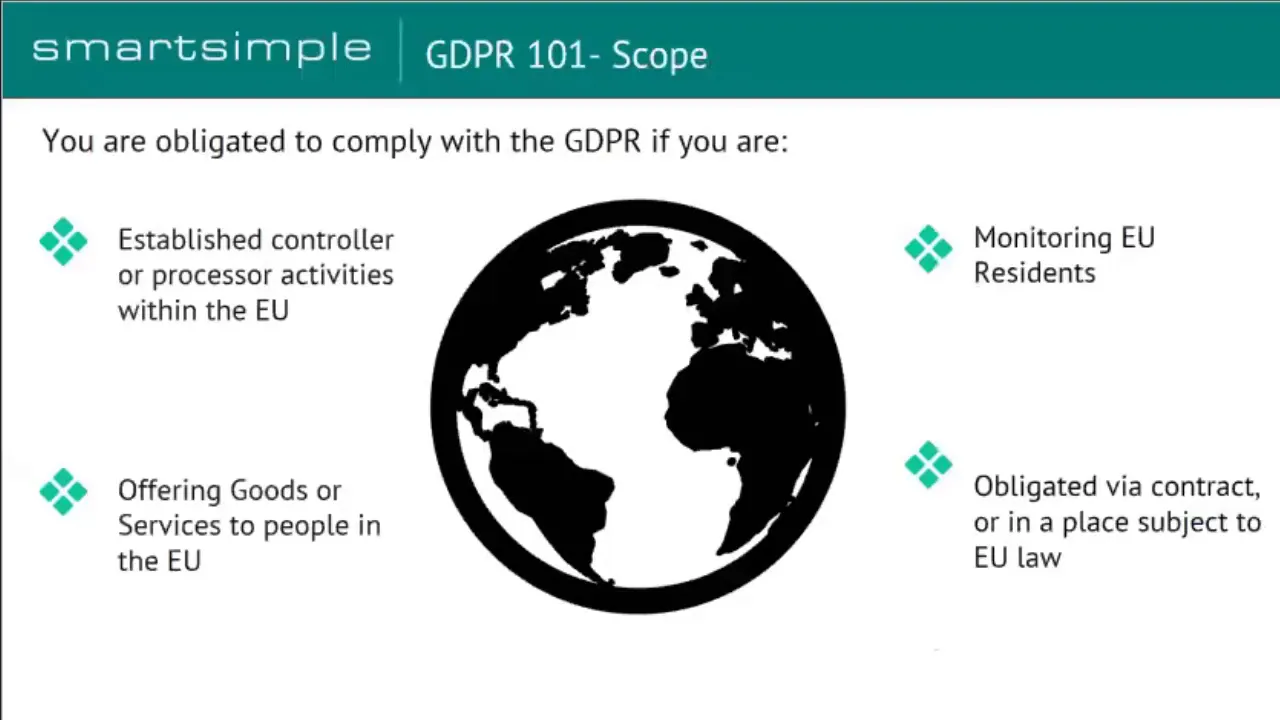
In-depth study of the Code of Fundraising Practice and GDPR compliance for digital donor data collection in the UK.
Designing donor stewardship and long-term retention strategies to convert one-time campaign donors into recurring supporters.
Analyzing campaign analytics and financial modeling to measure return on investment (ROI), platform costs, and overall campaign net proceeds.
100 views1likes32:42Original Release: 2019-12-06
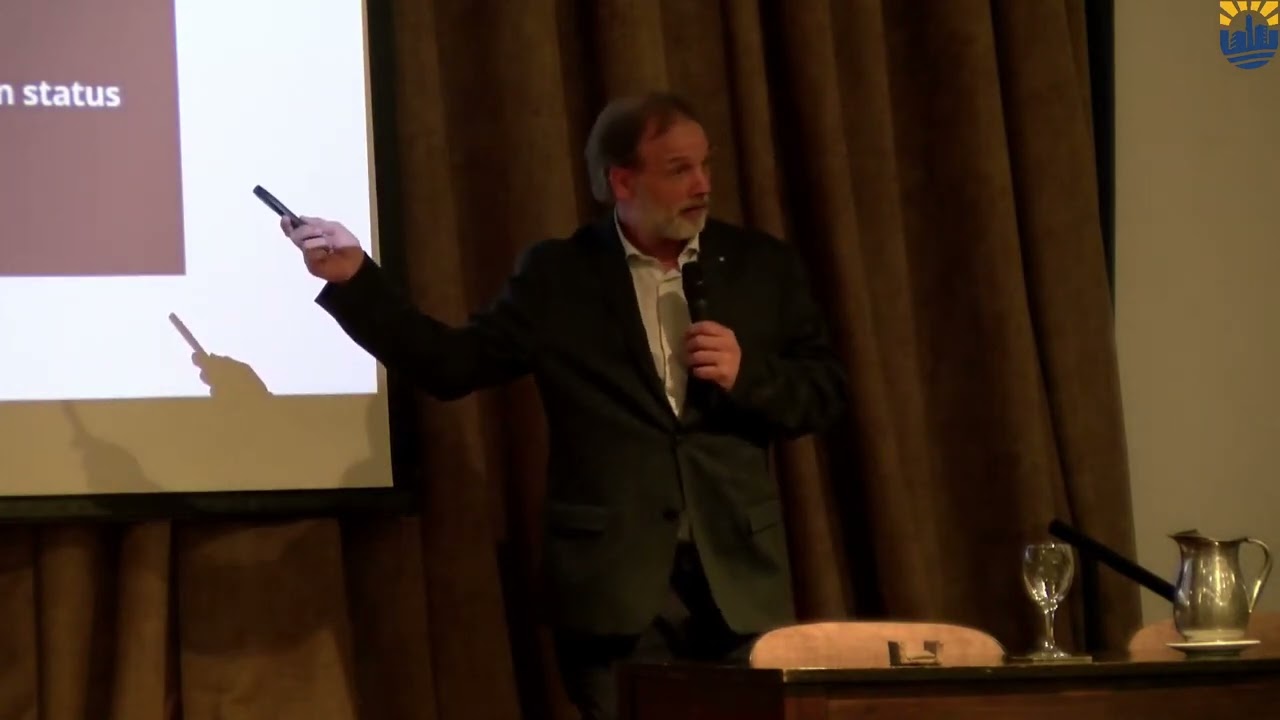
welcome to local givings webinar for charities and community groups in Wales who want to look at the benefits and the barriers of crowdfunding so charities today face many general difficulties and challenges as well before you even consider crowdfunding it's just to look at a couple of those first obviously you know everyone lacks time a lot of organizations like digital skills and also don't have the data they need to get started 78% of groups expect to see an increase in the demand and their services yet they face massive cuts and 76% have seen a reduction in staff so only 48% of charities feel confident they'll be operating by 2021 that was in local giving third sector sustainability report in 2017 so lots of concerning stuff there before we launch into crowdfunding I just wanted to talk about online fundraising and the kind of difference or similarity in terms and so online fundraising or digital fundraising refers to activity where the money is collected digitally so that can be through the internet it could be through mobile and it should be part of a larger program or fundraising activity so it'd be alongside things such as grants and corporate sponsorship as well online fundraising is really worth people looking into this information will be familiar to a lot of you answer shortly we'll go on to information that's new content but 2.4 billion is now being donated online annually in the UK which the court of all donations and because the Internet is used too heavily by adults now and such high percentages of every age group are donating online it's really worth looking into and having the means for people to interact with you and support you online the average online donation is double that of an offline donation so whilst people might put spare change in a donation bucket that always round up to the nearest pound or five pounds resonating online it's really efficient in terms of time resource and thanking donors its main benefit is that it's unrestricted income so you've got money coming in that's really flexible go to where you need it most and people are supporting your work as a whole generally and it really helps raise awareness of your cause and goes hand in hand with building networks and developing an online presents as you can see by the stats here a lot of people prefer to give online very high percentages all about 50% for every age group the majority of them prefer to be reached by social media and email so it's really important that you both offer online donation facilities and also that you promote them online as well because it's how you're likely to reach networks there so crowdfunding crowdfunding and online fundraising are generally interchangeable terms essentially crowdfunding specifically refers to where you're getting many people or crowd to donate lots of small amounts towards one very specific target for something specific to happen so on local giving we largely call crowdfunding and appeal or a campaign but they are one in the same as a whole crowdfunding is the common term that is used at this particular time but they refer to essentially getting lots of individuals to support one focused element of your work so there are multiple types of crowdfunding campaigns they usually break into two categories of where you get all or nothing' of your target so for example if you're trying to raise five grand and you only raise four ground then the donors are refunded and it's to be honest it's really it's high-risk that because you're putting time into it and you're not guaranteed that you're getting the donations as they're coming into high risk view low risks of the donor the most common form of crowdfunding that it's worth looking at it's flexible crowdfunding where you keep what you raise so just as on local giving you receive the donations as and when they're coming in all your hard work is rewarded as you're going and it doesn't matter if you're 50 quid short of your target you've got the donations that you've worked hard to get and on the whole donors that want to support you you know will do that even if you're a little bit short of your target as well and that also comes into play with the right-hand side of the slide here so there are different types of crowdfunding the most the one that we'll be talking about today and the one that you'll have most to do with is the nation crowdfunding so where someone gives a donation to make something happen they're not specifically getting anything back in return for that donation there are other types of crowdfunding where people do get things back says reward crowdfunding I'm sure you've seen sites that allow you to offer prizes or experiences or a taster of what it is they're funding so reward for the donor in return for their gift there's crowd funded lending where people can essentially put up the money that you need to get something started and then you pay them back so it's a win for you because it's interest free they've made something happen but eventually at the end of the day it's not cost them anything and so you can do crowd funded lending the other sort of crowd funding is equity crowdfunding where there is a return on investment you're essentially giving people some profit and some actual benefit back for what they're doing and donation crowdfunding is the one that's most worth your time because you haven't got to give anything in return and to be honest people that really want to support you are going to be doing it because they want that thing to happen and so it's not just going to be about the reward for what they're doing and they're really worthwhile people that you want in your network as well just a reminder for what a crowdfunding page looks like so we would call these appeal pages on local giving they are essentially a page with the target bar a crowd funder page will have a target and it will show how far you're progressing towards that target the best crowd funders will have videos this sum up what you're doing or show what you're looking to develop there as well and they will talk about a specific ask for a specific need and why you need that specific target it's all about encouraging lots of small amounts of donations and it's really about building a sense of urgency you know we've got one month to do this three months to do this and we've got a very limited time to solve this problem there's lots of research concerning me that shows that the social good sector is not engaging the crowdfunding lots of other sectors are but crowdfunding only equates to 0.5% of giving currently in the UK and you know that's concerning when we look at the benefits as well so Nesta and the University of Cambridge surveyed 450 organizations to explore why this is and they were particularly concerned when the sector is facing so many funding cuts and and there's a lot of criticism anyway about intrusive forms of fundraising such as face to face you know knocking on doors mail cold phone calls all those sorts of things there when they're being criticized surely crowdfunding is you know really risk free safe you know fruitful way to go as well the main barriers that they found to organizations getting involved with this whether 2 out of 3 did not have the knowledge the skills or the capacity for crowdfunding 90% of organizations had heard of it but only 15% had used it so in that sense the knowledge and awareness is there but it's not been actioned and so those barriers obviously you know very significant and they found that more could be done to develop practice guides and toolkits tailored to charities or community groups to make sure that they know what they're doing and making sure that they know those guys exist as well which is exactly what local giving is trying to do in local giving zone reports we've seen that only 18 percent of organizations worldwide feel that they have the skills necessary for running crowdfunding campaigns compared to 29% of groups uk-wide says a larger need in Wales which is why I've been developing our Wales program the report also indicated that 93% of groups and Wales want help with online fundraising so something they're aware of it's something that they want support to engage in and 59 percent need support with social media and 61 percent needs support with digital marketing so in that sense those things are really key to be able to make the most of crowdfunding so there's multiple areas that need addressing to ensure that crowdfunding is as successful as possible there was also a YouGov survey recently with 2,500 and respondents that were looking at why organisations aren't providing the option of donating through a crowd funder because they found that young people a 37% more likely to donate then those over 55 but by far their preference is to donate through a crowdfunding platform so that means that you need to have the means for people to donate to you online and it means as an organization you need to be looking at doing crowd funders or appeals regularly in the sense of your choosing one element of your work to really focus on and to specifically raise funds against Ron just asking for donations directly to your organization as a whole you do really specific focused fundraising to make something happen be that an existing part of your work or a new part of your work crowdfunding campaigns where it's raised 70 percent more than fundraisers so in that sense you know you're going to be raising more money as well in fundraisers are great fundraisers are really healthy for organization so for crowd funders to raise 70 percent more than their it's really good 64 percent of organizations wouldn't have had funding without crowd funding so there's lots of really good work they just wouldn't have happened without this extra form of income and similarly your organizations could benefit in the same way 27% of crowd funded supporters also went on to volunteer for that project so you're engaging supporters for the long term they're helping you out in many other ways and 90% promoted the project they supported via social media so your donors also helping you build your network build awareness and probably attracting new donors for you as well as crowdfunding raises money for specific projects run calls as a whole it's really transparent around where the money's going to as well you know it's really clear right we need six grand for this this is what it's going to achieve people you know are able to put their trust in that because it's really clear what it is that you're doing with every donation then crowdfunding also allows you to experiment in addressing social challenges you know you might come up with an idea for addressing a problem or a new project and then you know if the crowd doesn't respond as it were then you know that people aren't keen on that as a solution whereas if people go above and beyond to support it then you know that that's the solution that people appreciate you know is a good way of solving something then as well it reduces the cost of failure in terms of you know essentially it's just time there's a choir for crowdfunding so you can play around and find out what works best as well there's two main types of how there's two main ways of how you approach or crowdfunder one is reactively seller they'll always be unpredicted opportunities or spontaneous crises or things like that such as the roofs falling in or there's something really valuable in the current news at the moment that we could tag onto or there's a flood you know anything that's unpredictable you might then distribute jobs and action it straight away and raise money alongside that but most crowdfunding and it should be aim to be proactive so you specifically develop an idea in terms of what do we need to raise money for first how do we go about it how do we plan it do the preparation everyone puts their time in during the campaign as you've planned and then you do the follow-up afterwards as well so most crowd funders will look like that and we'll look at those different steps in more detail now as well so you really need to be starting off by looking at the target so that this is an illustration of how you can look at the target you can plan out what you're doing and then you can execute it then as a campaign choosing the right target is really important it's really key to look at what you've raised in the past I usually encourage groups to start with a 500 pounds to 5,000 pound target any less than that is not worth your time any more than that then you can set difficulties for yourself for your very first crowd funder the main logic behind that is if someone can only afford to give you 5 quid and you set this 20 grand target then you're immediately isolating people from feeling that their money's gonna make any difference and they're not going to donate and crowdfunding is all about getting as many people to give small amounts as possible so you need to make that accessible I'm realistic for them it's worth breaking your target into you know realistic goals as well in terms of right in a month we could raise this or these are have been our average donation size in the past so I know that if I'm setting a target 5 grands this is how many donors are going to supported me or I could be expecting to support me and you can work out what that's realistic for you or not there's also something that number of you'll be familiar with which is first 70/30 rule or the 30% rule which is that pretty much if you can raise the first third of your target then you are likely to get the whole way and the logic the logic of that is that if I'm someone is not supported you before and they go on to your your campaign page and see this as 0 pounds raised or 20 quid raised it's not very encouraging that you're gonna get the whole way so as in that first image there it's gonna put me off when you've done the hard work of getting me there whereas in the second image I forego on that it looks great you're on the way I'm going to be supporting that I'm not put off in any way and there are a couple of ways that you can help yourself along with that one of those is by doing a soft launch and getting those in your network to support you from the first week you can essentially say to people no pressure at all but if you had in mind that you're gonna support us anyway it'd be so helpful if you can support us this week because next week we're going to start public promotion share it with our wider network do social media and if new donors can see that we've already raised the first few hundred quid together then it's going to be really helpful and encouraging for new donors then and you can share that message with star volunteers trustees committees past volunteer earn past volunteers and past donors as well and they can help you get started off the other thing to consider is offline donations if you've got a grant towards the same thing or if you have received cash recently from a donor you can always log those donations as an offline donation and I'll be shown against your target and then you're never on the 0 pound mark either because you've already got that find your pound Grant or whatever listed against your target bar it's really important to plan ahead and look at how your existing assets can help you it's worth looking at whether you've got any important dates coming up in terms of anniversaries or awareness raising days or an AGM or existing events that you could tap into to just let extra people know what's going on there might be current news stories that you could jump you know if there's awareness raised anyway of a particular need and you're addressing that need then you know definitely make the most of that opportunity as well and everyone involved with the organization you know in terms of staff volunteers trustees committees they should all be at least sharing a social media post and letting people know about your fundraiser if not utilizing their skills and networks in additional ways to really help you spread the word as well a lot of campaigns can also be linked to fundraisers so on local giving fundraisers as an individual's doing fundraising challenges for you can link their fundraiser pages to an appeal page or crowdfunder and so there what they are raising is automatically added to the appeal target bar so that's another way to have another form of income tapping away at that larger appeal target as well it's really worth creating yourself a step by step plan is it worth that this could be a template for that but essentially working out what needs to be done in terms of letting people know in terms of the prep in terms of the promotion in terms of the follow-up the thanking donors and making a plan with who's the lead person who's responsible for that and who are they reporting to and what needs to be done at each stage as well it's worth looking at everybody that interrupts the organization and coming up with a small elevator pitch for each of them so if you've got your standard paragraph that sums up what your campaign is and we'll look at what should be in that paragraph as well in a minute then it's really important then to tailor that a little bit for different people in your networks you could have your few sentences then that really sum up in a way that they would understand or be interested in as well people who know you and your work are more likely to support you and it's really worth looking at how do you communicate with them how did they find out about you have they donated you before and letting that inform how you communicate with them as well Eider some of you might be familiar with this but it's essentially an acronym for marketing and so it's often used for sales pitches and how to really get someone's attention and benefit from you know having an interaction that is is worthwhile as possible so ADA breaks down as attention it's a gain in the audience's focus so they begin to listen to you interest making them intrigued and understand why this is beneficial desire convinced them that the offer meets their needs and that they want it an action invite people to take the next step so from a third sector point of view that would be changed around a little bit it'd be more like gain the audience's attention explain what problem you're working and why people should care about it convince people that your organization is the solution but needs support and invite people to take action it's really important to demonstrate so it basically get people emotionally invested in the problem first by showing why it matters if you show them why it matters and then that would their help there's a solution then you know it's really it's a much stronger ask then if people aren't convinced there's a problem that needs solving in the first place it'll be impossible to get them to feel personally responsible for helping it so it's really a case of winning them over to the problem before we assuring how you solve it and then talking about your organization and the action that you want them to take as well and there are some really important questions to ask yourself when you're looking at planning you know looking at how you can promote it and in terms of do you have a Facebook group do you have a newsletter email all those sorts of things it's worth noting that who can do extra promotion alongside you as well and what there's a hashtag you can give those people to link all your posts together it's worth looking that local media if you look at in a second as well and it's definitely worth just having almost an address an email address list of people that you're keeping updated throughout the campaign so that they've got new social media posts that they can be posting so as you're working your way through the time and working your way through to the target then you can keep everyone involved and help them to help you keep a sense of urgency then as well obviously the Clery can be the better and it's really important to make the donor son like the hero so ron just saying we're gonna go off and do this with the money you're giving us it's no because of you this is happening and this is the outcome I'm really making it's unlike it's the donor that's saving the day rather than you as an organization that's saving the day as well it's really important to have a toolkit ready to share with those people who can help you promote your campaign so in that you need to have almost that elevator pitch those that those few sentences or paragraph that sum up the campaign you to make sure they're copies of your logo if they can be familiar with case studies if not have a couple of copies and writing then great if they can have a temple email to share and you've got a really strong subject line with that which is really important because 64% of people open an email because the subject line if you've given them example social media poster share and also if you've given them you know if you've emailed them posters or flyers that they can print or even give them them posters or flyers that you've printed things like that you know can be really useful for them helping to spread the word particularly if you have a couple of different projects and groups going on and then each project worker could be distributing something like that amongst their work as well but most important you need to make sure everyone knows that link to your crowd funder page and that you're sharing it regularly on your social media or your websites that people can easily get hold of it as well if you want to be making posters or anything like that as well or social media posts if you don't have your own strong images or even if you do something like canva is a really good free resource you can for example choose to make an a4 poster use their images or upload your own make really strong visual images that you can then download and use as you want as well so there are free things out there to help you get those resources ready newsletters are well worth and well worth still looking at if someone does a newsletter in your organization definitely keep them in the loop in terms of when you're gonna want to be promoting your crowdfunder newsletters reach 100% of your mailing lists you know to arrive in everyone's email box so in that sense you know they're really useful whereas not everyone is going to be looking on your Facebook page all the time so it's definitely something worth considering still similarly local press on local giving we have a list of newspapers under Wales there's a list of newspapers each newspaper name is a link and when you click on that it takes you to the part that newspapers website we could submit a press article so it means if you've gone to the effort writing a couple of article a couple of paragraphs then you can send them to lots of different newspapers at the same time and then you're more likely to get it in one so that's a nice quick a quick stop to getting local press articles out well I would say is that a lot of press don't necessarily let you know when they do an online article of your group and so the best thing you can do is set up a Google Alert if you don't know how to do that Google set up a Google Alert and its really simple to follow those steps but essentially it's worth setting an alert for your organisation's name and then every time your organization's name comes up on the internet you'll receive an email notification so basically you you can keep an eye on what is happening without having to do anything and you can choose for email to come through to you once a week or anything else that you prefer as well and keep up to date and then you can be sharing any positive news stories that are coming up about your cause as well it's worth having engaging content prepped ready to go so some strong stories some strong images and then schedule them as well because it's worth just before you start your campaign sitting down and just scheduling social media to be going out at least every few days or what you know is appropriate so that you know that your main message is covered you still need to be logging in and keeping an eye on responding to people and doing you know spontaneous posts as well but at least you know your main structure of posts is out there something like HootSuite is a free resource where you can type a message scan it schedule it to go out an automatic date and time of your choice and then you can choose for it to go to multiple social media platforms as well so saves you time you really want the donor to progress in their relationship with you so you need to be attracting them in the first place to your ask need to be persuading them to donate you need to be converting them into donors and supporters then afterwards it's really important you retain them works we're thanking is really strong and you can then deepen that relationship and develop their relationship with you you want to guide them on to the next level involvement be that a newsletter subscriber or a facebook follower or a fundraiser or a Direct Debit donor that is your ideal outcome as well in terms of thanking donors and you will have anonymous donors along the way so it's definitely worth doing social media posts to thank your anonymous donors as you're going the most you can you know if you can tailor your thank-yous all the better lots of crowdfunding platforms have the means for you to thank donors directly through them local giving has that facility as well it's really worth being clear again where their money's going and providing a call to action sometimes that thank you will be your last bit communication with them so if you can get them to follow on social media at the very least then that's a good outcome there as well it's always worth getting donors to share that they've donated and as a donor support you through local giving local giving immediately sends an email once they've done that to encourage them to share that on social media so they instantly have the means then to do a Facebook or Twitter post where they are sharing what it is that they've just donated to and hopefully they're advocating for why you're a great group and why the people should support it and then people trust things that people they care about said so their friends and family are then going to believe that you're a great group because their loved one has just talked about you in that positive light so it's really important for donors to continue to endorse you to their networks just to touch on a couple of examples and this is a North Wales group who wanted to raise enough money for their community bands to get to an event they then made a really strong video of the band itself talking about what it is that they were doing and making it clear why this was you know really good I the year they then actually did offer a light reward for their supporters in terms of they said that if they raise a certain amount then they would be able to choose for a film to be projected in their community for everyone to come along for a community viewing and that would almost be a thank you event as well and they made a thank you video for donors too so that the band were saying thank you and it's just that last really strong but it sign-off from them there as well the that group mainly promoted what they were doing through social media it's how they got their donors and whereas this group did a lot of promotion offline as well as a touch on - world because that's that's what they were comfortable with again they made a really strong video in terms of they showed the area they wanted to develop they talked about what they were doing they were building a new garden in a in a public park so they then did things like speak to employees around the park whose employee sorry employers around the park whose employees might want to come and enjoy the garden on the lunch break they put banners up around the park they got their local councillor to include it in their update they did local press about this and lots of offline things alongside some online Facebook promotion as well and because that was their demographic anyway you know they reach their demographic and they did really well in terms of raising money so it's really important to be familiar with who are my network who are my audience how do I reach them and then reach them successfully with those most suitable methods this is a these are a couple of suggestions of support that you can find elsewhere to look at beyond this the links are in the webinar here and I will send everyone a recording of this as well so you can easily look them up but one of them is a Huffington Post article with five things to ask yourself before you start crowdfunding campaign for example most crowdfunding campaigns receive twenty to fifty percent of their funding from family and friends and so in that sense you need your immediate network of volunteers and current supports and staff to be sharing that as well because a portion of the income will be from those closest to you as well and then local giving also has a resource which is 13 tips for running a successful appeal and it talks about how you can encourage people to contribute smaller amounts as well and how important it is to have multiple people involved in fundraising in that sense collective ownership is really important it really is the duty of everyone in the organization to get behind fundraising you know it might be your role to be the person who does the research into fundraising and preps it and does the groundwork and does a lot of the running of it on the day etc but and really it's the organization as a whole should be supporting you to do that because it's their income and their jobs and their projects that are running that need funding so in that sense at the very least they should be promoting it on social media alongside you if not supporting you in more proactive ways as well feat you know be resilient every donation you get is you know absolutely brilliance you should be really proud of that but also each crowdfunder is an experiment so you will learn from each one you can test what works better and you will get better and better as you go as well you will also get more data to analyze as you go to so for example you'll literally get data in terms of a donors email addresses you'll have more people to contact next time if they've chosen to share their contact details with you you can download donor reports often from the crowd funder websites but also you can see things like what are the trends and you're giving what times a year do people give most how much did they give what times a day and then you can inform how you promote it future appeals or crowdfunders using that information the better essentially the big of a crowd the better so you really need to be able to reach people who are willing to delay or promote it or invite their networks to support it and just generally spread the word of your group so as you do more and more campaigns and crowdfunders then you're naturally going to be building that network and it's going to get easier as it goes some organizations prefer to do back-to-back campaign to that the year most preferred to stick to just two or three because they are cautious of asking their network to support them only a certain about times throughout the year so whatever works best for you that's absolutely fine but definitely do at least one crowdfunding campaign every year it's really worthwhile as you as you can see there are a lot of benefits to doing that crowd funder and you know it's really what people are looking to support now so if you're not offering that as an option and you're not doing that really focus fundraising regularly throughout the year then you know you're you're not doing yourself any favors in that sense you're not giving yourself every opportunity to raise as much money as possible if you do find that you've got barriers to doing crowdfunding and you need support there are there is increasing support out there as well these are the contact details for local giving if you want to run through it any ideas of anything that you've got do you think might work as a crowd funder and then then please do get in touch have a look at those who's also mentioned as well and there are a number of crowdfunding platforms out there so it's important to find the one that's right for you and to make sure that you have you know it can give you the support that you need as well thank you very much for listening you
Up Next
8:22
Crowdfunding Pre-Production: Organizing Your Campaign for Success
@SeedandSpark
5.8K views•2016-04-20

12:54
Triumph of Orthodoxy Icon: Byzantine Art & History Explained
@BenCallan
2.1K views•2024-08-06

9:49
FastAPI vs Flask vs Django: Choosing the Right Python Web Framework
@TechWithTim
302.5K views•2024-05-26

1:42
Game of Thrones Opening Credits: A Cinematic Analysis
@gameofthrones
46.3M views•2011-04-18
Related Study Plans & Knowledge Roadmaps
Structured learning paths in General & Interdisciplinary Studies
general-studies
Elevator Engineering: History, Physics & Cities
01From Hoists to Safety Brakes: The Dawn of Vertical Lift
02Hydraulic vs. Traction: The Engineering Physics of Elevators
03Modern Speed, Safety, and Algorithms
+ 2 more learning modules
12h5 modules
Explore Roadmap
general-studies
Rubber: Material Science, History & Geopolitics
01Origins of Natural Rubber & Mesoamerican History
02The Chemistry of Natural Rubber & Vulcanization
03The Geopolitics of the Rubber Boom & Colonization
+ 2 more learning modules
12h5 modules
Explore Roadmap
general-studies
Containerization: Evolution, Logistics & Trade
01Ancient Trade & Bulk Cargo: Amphorae to Barrels
02The Industrial Revolution & Cardboard Packaging
03The Containerization Revolution: Malcom McLean
+ 2 more learning modules
12h5 modules
Explore Roadmap
general-studies
Textile Tech: Evolution, Labor & Global Impact
01Pre-Industrial Textiles: Handloom & Cottage Industry
02Mechanization: The Spinning Jenny to the Power Loom
03The Factory System & Global Labor Transformation
+ 2 more learning modules
10h5 modules
Explore Roadmap