






















Etymology is the scientific study of word origins and relationships, which can be explored through methods like the 'cognate game' (focusing on consonants while 'spinning' vowels) and by comparing words across languages to reconstruct ancestral forms. Sir William Jones revolutionized this field in 1786 by discovering that Sanskrit, Latin, and Greek shared common roots, leading to the reconstruction of Proto-Indo-European (PIE), the ancestral language from which many languages descend. Linguists reconstruct PIE roots using principles like majority rules, sound erosion, and accounting for known sound shifts, with reconstructions marked by an asterisk to indicate they are speculative. The video demonstrates this process by investigating whether words like 'share,' 'shear,' 'shirt,' 'skirt,' 'shard,' 'score,' and 'shore' are truly related or merely coincidental, ultimately confirming some connections while identifying others as 'sharks in the tank' (superficially similar but unrelated).
Ploughshare Etymology: Indo-European Roots & Cognates | Historical Linguistics
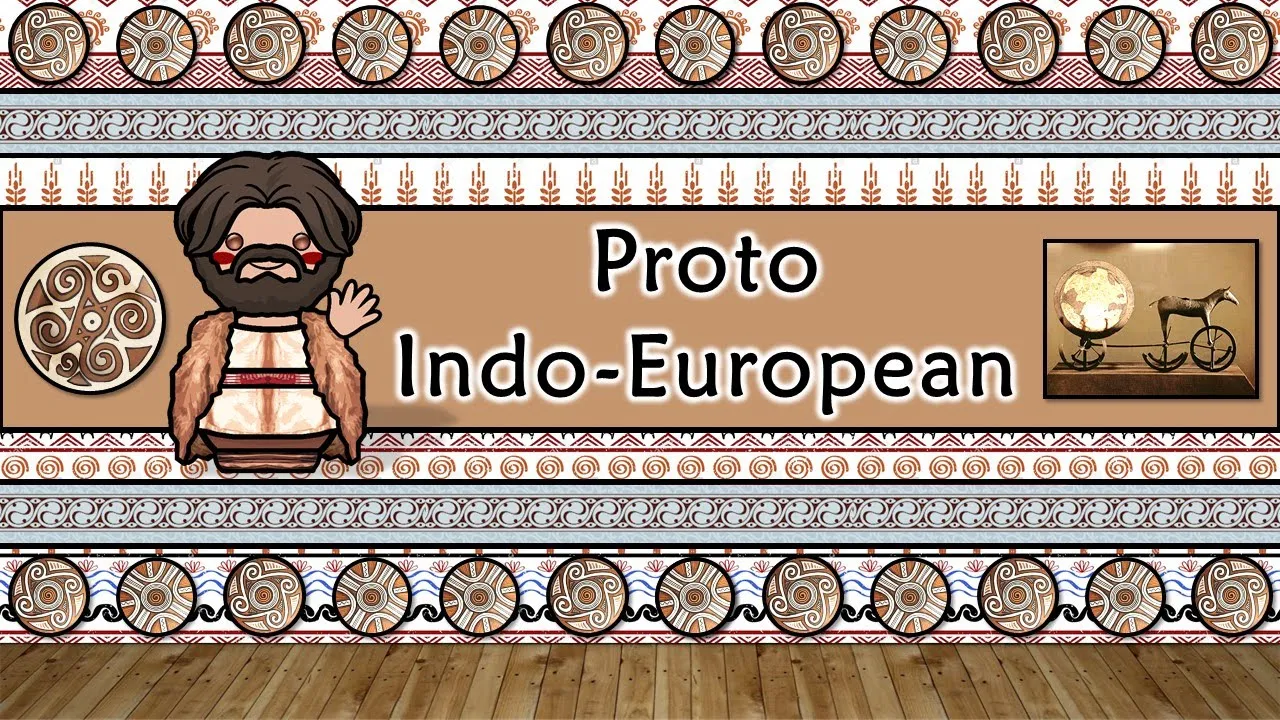
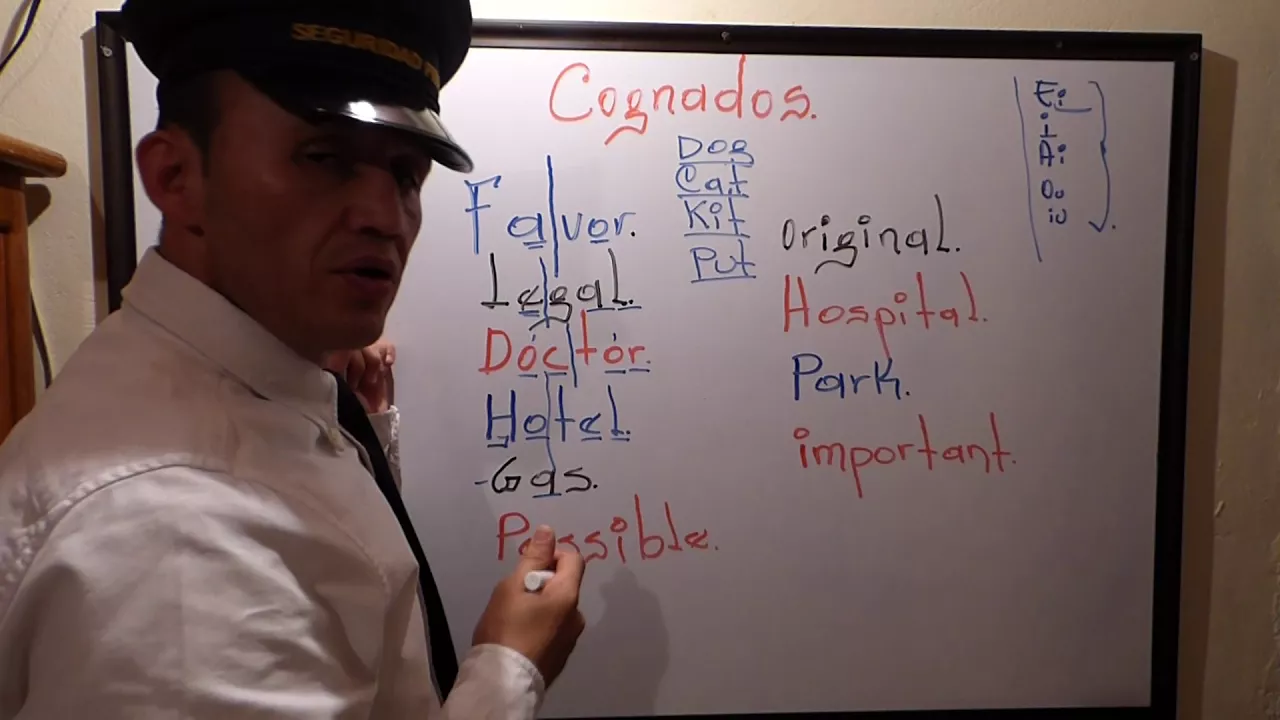
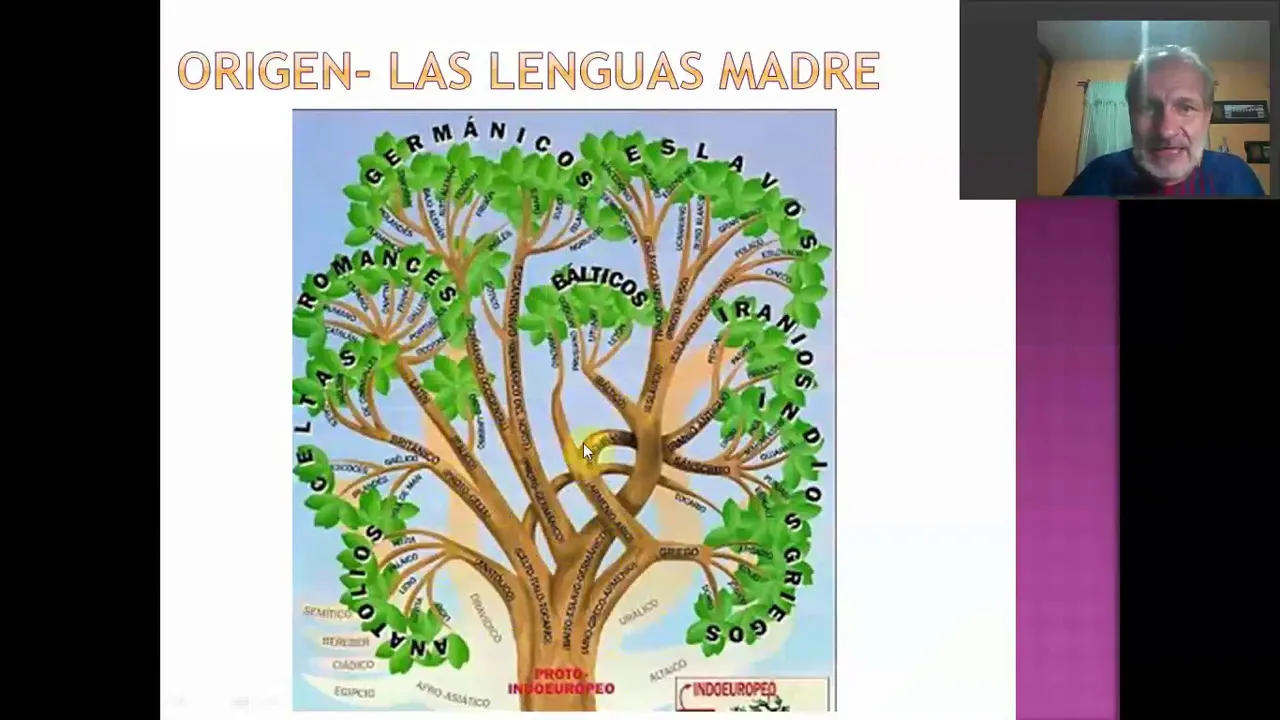
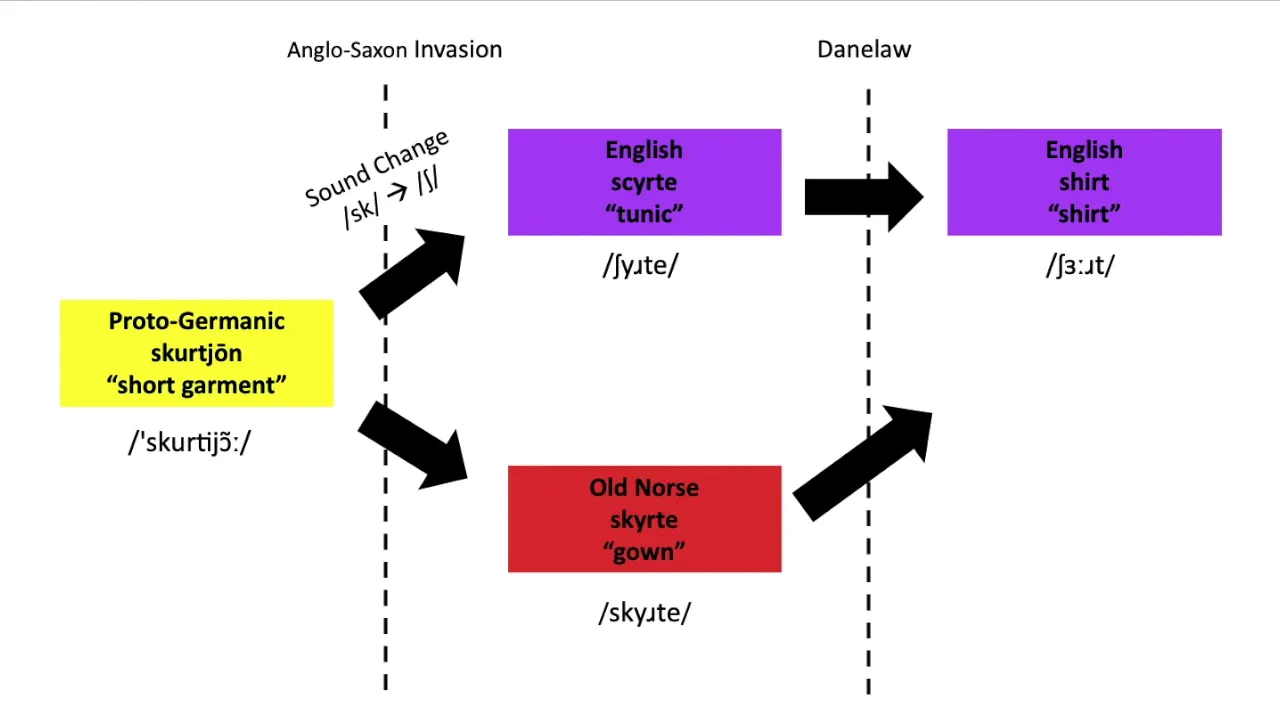
Added:on sharing because we like to share and sharing is caring I want to share the musings that I had and that led to it as well as the research tools that I used one fall a couple of years ago I was driving through the lulling expanses of Iowa cornfields it was harvest time in the fall and I was watching the combines and watching the combines got me to thinking of another agricultural tool the ploughshare now a plowshare is a a hardened blade attached to a mould board and it's used for telling the earth on the other side of the planting season the phrase beating swords into plowshares came into my mind first its familiar from Isaiah to this lovely prophetic passage about eternal peace that says in it shall come to pass in the last days many people shall go and say come ye and let us go up to the mountain of the Lord to the house of the God of Jacob and he will teach us of his ways and he shall judge among the nations and shall rebuke many people and they shall beat their swords into plowshares and their spears into pruning hooks nation shall not lift up sword against nation neither shall they learn war any more there's a beautiful statue representing this image by the way at the United Nations headquarters in New York City an organization devoted to international peace I got to thinking about the share part of the word plowing is breaking up the earth to plant seeds what's the share part all about I imagined a scenario in which early frontier farmers time shared their farming equipment maybe because they were so poor hmm that doesn't sound very likely and then I started playing what I call the cognate game thinking of similar sounding words that have similar meanings and a good rule of thumb and playing the cognate game by the way is to focus on consonants and to ignore the vowels consonants have a certain staying power more than vowels vowels are more liquidy they they come and go over and between places I call that part of the game spin the vowel so the first words into my mind were shears and the verb to shear which means to cut and that's exactly what a plough does it cuts the earth and since I know German I immediately went to the noun de shara in German which means scissors and of course the noun cognate in English shears which we use more for shearing sheep or or possibly for an overgrown hedge and what the hedges and sheeps will become when shorn they become short well what else is short because of cutting well if you're cutting cloth maybe a shirt we're still in the and a family and I thought about how in English can be related cues in other languages so how about skirt and what is a generic word for something that it's been cut off or cut short a shard and then my brain started wandering further afield what if the cutting involves land like an entire country getting cut up how about Shire the English word for country in Britain and the home of Bilbo and Frodo Baggins and I thought about the word sheriff and how the word sheriff comes from Shire plus the word Reeve a Reeve is a sort of local magistrate or official Chaucer has one tell a tale in his Canterbury Tales and thinking about a sheriff got me thinking about the phrase settling the score I thought Oh a score we usually think of that as getting a point in a game or to score a goal but originally it was to score as in to cut a notch or a mark to keep track of something like points in a game what if those score marks are made on a body what do they leave a scar how about this if there are divisions in land called shires how about where the land is divided from the ocean how about the shore who would here's another one this one might be going out on a limb it's spelled different but what matters when you're talking about etymology is the sound of language that's always primary never the written conventions what about the word sure itself if you're sure of something that you cut off a firm line between true and false in your mind actually I'm not very sure about that one and that brings us back to my first theory that early farmers shared the plow that's not very plausible but the word share itself does belong on this list of cognates or related words because it refers to another kind of cutting if you share a piece of pie you're cutting it in half and if you're sharing a toy you're cutting the time segments in which you use that toy so maybe share really is related to plow share etymological musings like this are a great way to pass the time especially on road trips one other time while doing yard chores I remember watering and mowing we got to thinking about the word throttle throttle through little throttle throat throat no it is kind of like the throat where the fuel air mixture goes into the engine throttle throttle nozzle nozzle nozzle almost rhymes that same strange ending nozzle nizzle nozzle nozzle knows who knows so I wonder is a throttle just a throat on a boat and as a nozzle just a nose on a hose and it turns out yes to the best of our knowledge that's exactly what they are but how do we know these things and what do I even mean by words being related to each other having family resemblances will return to our farm and yard musings later in the lecture but first we need to talk about this whole family tree metaphor for words let's start with a basic idea words can be or seem related pretty much for three reasons first they've been in English for a long time and they derive from a single common ancestor which split up and though the different versions have changed a bit and sound or meaning over time it's still blur a family resemblance to one another like that Habsburg nose you see it there it's in all the portraits from European history the hair color could change the eye color could change but you just cannot get away from that nose the second possibility is again they descend from a ancestor but they spent time like different cousins in the Habsburg family growing up in different countries but eventually they all made their way to English the third possibility is it's just a coincidence it would be an example of what a biologist as well as linguists call convergent evolution it's like the shark in the dolphin sharks and dolphins look a lot alike children confuse them from time to time but we know that sharks are fish and dolphins are mammals so the similarity is a result of them adapting to the similar environments that they both live in so that rather than retaining some ancestral characteristic they're more like basically unrelated creatures that have come to bear a superficial resemblance words can do that too so later in the lecture we'll find out which of my musings about share words are in fact related to each other and which of them's are sharks in the dolphin tank before we dive into the wonderful world of cognates and proto-indo-european routes pause the lecture now and take a few minutes to do your own at-home illogical musing or maybe more than a few minutes for the best luck start with some common mono syllabic word and place spin the vowel leaving the consonants in place and see what you come up with don't expect every attempt to pan out there are a lot of dead ends but practice thinking this way normally we go from one word to another word either grammatically in a sentence or alphabetically and a dictionary try going from word to word etymologically loosen up think creatively see what you come up with alright you're back I hope you enjoyed mulling your way through English now let's talk about our next field historical linguistics people have known for millennia that words were related that they came in family trees but for most of those millennia the knowledge was basically speculative the field I'd say the the science of historical and mystics began with this handsome fellow you're looking at Sir William Jones who lived in the 18th century he's British he was a linguistic prodigy by the end of his life he was fluent in 13 languages and he could get around in another 28 or so and he studied languages that were not commonly attended to in 18th century enlightenment England like Persian from Iran and Arabic and Chinese and Turkish and of course he knew Latin and Greek every educated person did that was part of the of the college curriculum he also attended to cultural and religious subjects that were not as common in his era he was fascinated by Indian literature and we're talking the South Asian subcontinent India proper Indian literature culture the Hindu religion and he was a bit of a kind of global radical thinker he also in addition to being interested in Indian culture and religion he supported America's independence from England and he worked with Benjamin Franklin in France Sir William found his life's work as a judge stationed in Bengal which is more or less northern India that's where he learned Sanskrit the ancient language of Hinduism and a lingua franca understood throughout the Southeast Asian area and that is when the magic happened he started noticing similarities between Latin and Greek and Sanskrit for instance in Sanskrit the word for three is try us in Latin its trace in a Greek three yes the word for eight Ashta in sanskrit octo in latin octo also in greek the word for snake or serpent sauropod in sanskrit sarah pens in latin the word for King Raja in Sanskrit breaks Regan and Latin to bring this concept closer to home have a look at these two slide columns on the left you have Spanish which comes from Latin so that's our stand-in for Latin in this comparison and on the right you have Sanskrit uno dos tres cuatro Cinco seis siete Ocho Nueve Diez a cat very pancha says south hasta Nava das it sounds similar doesn't it there's no way this is a coincidence these have to be related based on his observations Jones made this shocking statement to the Royal Asiatic Society of Calcutta in 1786 he said the Sanskrit language whatever be its antiquity is if a wonderful that means admirable marvelous structure it is more perfect in the sense of a finished or complete than Greek more copious meaning it can express more concepts than Latin and more exquisitely refined than either I don't really know what he means there but here's the important bit yet bearing to both of them a stronger affinity relatedness both in the roots of the verbs and the forms of the grammar then could possibly have been produced by accident so strong indeed that no philology that's a lover of words that's basically what I do for a living could examine them all three without believing them to have sprung from some common source which perhaps no longer exists this was a stunning claim to make first of all it was quite a revelation to the 18th century British because languages generally follow people who speak languages so if Latin and Greek that's the the languages of the great classical civilizations of Greece and Rome the focus of Renaissance humanism if they're related to Sanskrit doesn't it follow that the white skinned Christian imperial overlords of colonial Britain were somehow genetically related to the brown skinned Muslim and Hindu subjects of colonized India that one took a while to sink in another impact of Jones's claim was that it set off a flurry that lasted at least a century and is still going on of historical linguistics that led to the development of comparative linguistics that would be the scientific method of studying a words etymology and the grand result of all that studying was PI and isn't it nice when things turn into pie this pie is P ie proto-indo-european Jones had speculated that there was some ancestral language which might not exist anymore and we believe he was dead on and we call it proto-indo-european well Sir William turned his attention to other matters and he died rather young but just look at how many languages are gathered together into the family album of proto-indo-europeans descendants I'd like you please to memorize this chart and be able to reproduce it in every detail the next time we see each other no just kidding but do you have a look over the languages or maybe they're easier to see represented like this this actually gives me warm fuzzy feelings because this was a picture that was posted on my bulletin board above my desk in college back when I was a math and physics major and this poster represented that that poll that language was beginning to exert over me that eventually won me away from the sciences and to the humanities or to see the scope of the indo-european language is another way check out this map the dark green and light green areas represent countries in which people who speak a language that descends from that original PI language it's either the national language or an official language of the country well let's tour some of these green places using the lucky number seven based on its forms in all the indo-european languages we have concluded that those pi people had a root septum that asterisk by the way means that it is not recorded anywhere that's what prehistoric means right it wasn't written down it's been reconstructed we'll talk about how in a minute but first behold the many forms of seven these are Germanic languages Old English seven seven and Middle English seven in English Frisian Nets a Dutch dialects organ seven Afrikaans that's the Dutch dialect spoken in South Africa Germans eben Pennsylvania Dutch who not touch their German I'm not exactly sure how they say that Swiss German which is a dialect of German yet Yiddish which is a kind of combination of German and he would receive no Regents you Danish Swedish Icelandic gothic the italic languages you might think of as the Romance languages so starting with Latin Sept 10 which looks a lot like cept with Portuguese Spanish CIPA old French set zipped Occitan which was a southern French dialect Lango sein italian set and romanian zapped a Slavic which brings us into the Russian languages and the languages spoken in the former Soviet Union Russian Belarusian white Russian Ukrainian polish where my ancestors are from Czech Slovak Bulgarian Macedonian Slovene some of these languages are changing we got decent set of peas and Emmas crept in there closer to the D and some of them but it's still clearly related Celtic the languages of the British Isles and a little bit of the mainland again we've changed a little bit more but not completely unrelated Hellenic Greek not septa or septum but hepta Baltics are going up north to Latvia and Lithuania septa knee and septum e that's in the family even indo-iranian so this would be India and Iran Kurdish people who span several countries out hafte in Farsi the ancient language of Iran Sanskrit Sapta Hindi Zod and Kashmiri from the Kashmir region in between India and Nepal za even Hittite cipta is in the family well if you're starting to say well some of those don't look exactly like septum check out these other words for 7 from some non-indo-european languages and I'm not going to attempt to pronounce these oh heck it would be fun Egyptian SAP Sawa Tibetan doon Hawaiian hey Haku now we're in a completely other area right Greenlandic in Audrina Mar Luke Passamaquoddy Winnebago these are Native American languages down to Korean thanks to a sung-hee for correcting this one the group Vietnamese Tom Tagalog Pete Oh clearly these are not in the same family as the septum languages for another example take a minute and read down a couple of these columns they represent the words for a month mother new night nose and three in the languages down the left-hand side and you'll see that they bear them relatively close resemblance to one another so you can go from Welsh to Spanish - Dutch - Romanian to Greek to Persian to Sanskrit and you're still in the same family tree album take a mode and pause and read down a column before I mentioned that we reconstruct proto-indo-european roads well how exactly do linguists go about reconstructing a route that's not recorded anywhere the field of comparative linguistics which looks at this as its data has developed a set of analytical techniques for figuring out what the proto indo-european roots likely were so let's take an example one used by John McWhorter in his book power of Babel and go through it step by step we're going to try and figure out the proto-indo-european root to reconstruct it for the word sister-in-law and here are examples this will be our dataset Sanskrit Nusa old English English from about a thousand years ago snore Oh Russian Snuka Latin nervous Greek loss armenian new and Albanian new set let's decide first on what vowel comes first in the word after the initial consonant we observe that five of them have au and two of them have an O so the first principle I can give you is just like the American electoral system majority rules what's the reasoning behind this principle well assuming that these words represent what happened to an original word used by an ancient people which then split up and went their separate ways is it more likely that in five cases the vowel happened to shift from that original Oh to the same you or that in two cases the original you shifted to a no it's clearly the latter because convergent evolution that is two things coming to appear alike it is relatively uncommon so our first vowel is U and our first principle is the majority rules now let's move on to the first consonant sound three begin with SM four begin with n we've got a principle of majority rules but before we apply that let's think about linguistic processes what is more likely that an original proto-indo-european s wore off through the well-known process of sound erosion in several cases or the people in let's say India Russia and England all independently added the same sound to the beginning of the word later in time that sounds like a conspiracy theory to me not very likely so the first consonant sound was likely s N and the second principle is sounds erode and that sound erosion is more common than convergent evolution where independent mutations arrive at the same point so the root began snoo what was the second consonant then here we have a smattering of options three have s just a little bit under a majority for seven to have our one has K H and one has nothing we can explain Armenian nothing by sound erosion we can rule out the Russian KH as an outlier and it just so happens that we can do one more thing one thing that historical linguists have figured out is that in Latin in early Latin an S in certain environments could change into an R predictably in later Latin so if that's what happened here we can count the are in Latin naruse as another s giving us yet another s and thus a clear majority to know that though you have to know a few sound shifts and by a few I mean a vast and the wildering number but we won't get into all of those to complete our construction of snus something we need to figure out the last sound and here the data are the most complicated of all our final decision might be Val versus consonant five of our words have a vowel two of them have a consonant and by majority rules the Val winds and the valves are a you au and E and a sounds like a good bet and it's a smart bet because we know from other words that the a ending is feminine that even holds true in American women's first names think of all the female first names that end with Val and Terra Emma or other vowels Lily Julie Betty Katie Sally Mally the vowel ending is often feminine and to quote dr. McCord ER at least in my personal experience sister-in-law tend to be women but not so fast just like the a is a feminine ending that us and OS in Greek and Latin are masculine endings we've got to account for those furthermore the armenian new could easily have swallowed up what is a masculine ending in armenian which would be an o' we kind of got swallowed into that you so we might have three cases of the word becoming masculine grammatically because in these languages works have dramatically ender as well as biological gender for some words so how likely is it that the Romans the Greeks and possibly the Armenians all independently decided that sisters-in-law are masculine grammatically if not biologically that seems pretty hard to explain as three independent events it would be much easier to accept that for some reason lost in the sands of time the word for sister-in-law though that is clearly a biologically female person was a grammatically male noun and thus this sort of a Baretta aberration happen once and the change to the feminine endings in snore ooh Snuka news say we're restoring grammatical gender to biological gender and changing the word to the female form if that's the case which McWhorter proposes and I agree it's most likely that the original proto-indo-european root for sister-in-law was snooze sews and the principle here is well it's not really a principle it's just the rule that it's messy and that there's some art and more than a little speculation in this science so if I were to create a slide called methodology and outline the procedure for reconstructing proto-indo-european roots it might give you these steps collect all the words for X whatever it is you're studying in all of the indo-european languages you'll also have to include words for related things because sometimes meanings change just like sounds Duke in that last example the last two words were actually for bride rather than sister-in-law but they're the meaning had wandered just as the sound had wandered you're going to toss out any words that are clear borrowings from other languages if you happen to be next to Hungary where they do not speak in indo-european language and your word for sister-in-law is the same as the Hungarian word for a sister-in-law that's clearly a borrowing and that can be tossed out of the dataset you're going to account for known sound shifts you're going to appreciate the power of sound erosion you're ultimately going to come down to the rule of the majority and making your decisions and you're going to begin your reconstruction when you write it down with an asterisk because just like all those baseball records that are on the books with an asterisk in front of them because there was suspicion of doping or some other irregularity it just reminds everyone that nowhere is there a stone tablet or if a Pyrus or a manuscript with this word written or carved into it it is your reconstruction so no matter how careful you've been it remains speculation it's now time to return to my musings on ploughshare let's look at some of my favorite ref works for studying these matters and see how accurate my musings were well step one always step one is the OED the Oxford English Dictionary the big dictionary on historical principles which contains every word that's ever been in English including all the ones that have been left with every meaning those words have had including meanings that are no longer current and that includes dates and illustrative quotations and lots and lots of etymological information so I went and looked up the verb sheer let's look at the information it gives us after the IPA both in British and United States English we see the past tense form shared and sure as well as Shawn and then looking at some abbreviations oh he is Old English cheer on because SC and Old English said SH Sheeran Amy is Middle English the next line Emmy - fifteen and sixteen is Middle English of the 15th century of the 16th century down a few lines we have 17s see that's Scottish English in the 17th century with some other forms sure and Shore ooh and Sharda those start to resemble some of the words I speculated were in this family so I'm taking some hope from this and then there's an etymology at the bottom a common Germanic verb the Old English form is Sharon the past tense is shia past participle Shorin which corresponds to old Frisian that's an old Dutch for mascara hey there's an SK which brings in the forms like skirt they're fun languages that I had the pleasure of study in college like old high german middle high german as well as their modern german shiera norse is in this germanic family - as is Danish and Swedish all of these languages from the Netherlands through Germany up to Denmark to Norway and Sweden they're all essentially dialects of the Germanic languages there are twigs on the Germanic branch of the proto-indo-european trunk and down at the bottom we see some confirmation of some of my guesses we see share and shear and shard and score and Shore but on this list I don't yet see shirt or Shire or sure so we have to keep looking and I could look those words up in the OED but I'm going to go to my number two source and that source is always in the middle the American Heritage Dictionary it's sitting right here on my desk but it's also available online and for free you can look it up at a H dictionary calm as in American Heritage Dictionary calm but I believe it's actually pronounced ah dictionary.com the OED is also available online but it requires a paid subscription if you don't have one you could look to your local library or check out a local college which likely does well under share to the dictionary lists ploughshare and it gives us this critical crucial piece of information a link there in purple to the proto-indo-european root in an appendix which I have in the back of my dictionary but which you can link to and search in the online version this is brilliant it's almost like Sir William Jones riding up to your desk on horseback presenting you with centuries of linguistic etymological wisdom on a silver platter and saying open take and read I'm almost too scared to look but let's see what this link has to offer on top there's the care which we saw from Lithuanian and the essential meaning is to cut and here's some interesting derivative shears scabbard ooh interesting skirmish at division between two sides in war carnage and through some transformations that we won't begin to trace sharp scrape and screw basic forms scare and care they're more usages than just the 8 ABC that I've given you but let's go through these there's confirmation of many of our words Shearer and Cher and the German Cher and their score and there's scar oh and there's one I hadn't even considered scarf from the Old Norse with that SK sound and scarf in two senses a scarf is something else cut out of cloth it's another divided cloth like a shirt and a skirt also I'm a woodworker and in woodworking when you're going to end join two boards one thing you'll often do is cut a scarf joint and that's where you angle or beveled the end of both of the boards so that there's more gluing surface or more joining surface it's used in shipbuilding or a scarf joint there's a scar and there's shard and they're short and their shirt and their skirt so what's missing here Shire sure and sure well I did some more digging and it looks like Shire might have come from a late latin form of Cora which gives us the word care as then it's the area that's entrusted to the care of it we'll have a sheriff essentially of a shire wreath so Shire as fun as that was you're out of the family and sheriff along with it for sure the venerable Oxford English Dictionary gives us this etymology Middle English sure from that's what the it doesn't mean less than it means from or cognate with middle low German Shore and probably from the root of sheer that's what's my specula that was my speculation but the etymological notion is not easy to determine it may perhaps be division between land and water well what that essentially says is that we've reached the frontier of knowledge and given the evidence that's come down to us through history we can't determine for certain whether Shore belongs in the family or not though it's clear that others have had that same musing other dictionaries in this case would use the abbreviation oh oh oh it stands for of obscure origin but I like to say it just as it stands oh oh oh it's like an onomatopoetic etymological cry of limit oh oh oh okay finally to my longshot the word sure where you're cutting truth off from falsehood and no this one does not pan out sure comes from India Tamala ji French which comes from Latin secularists which gives us secure security you're sure if you're secure in your opinion ah that makes perfect sense oh and the reason reason why there's so much of secure the Latin word missing ensure is that it came to us via French it's like the French basically took Latin and said I do not feel like pronouncing all of you I should only take a little bit a little bit so they keep the shore pass that on to us the word probably came over on Norman French boats in about 1066 with William the Conqueror and landed in Middle English so let's tally up with my musings share sheer sheer Cheers short shirt skirt chard or in that Shire is out and along with it Sheriff score is in sure we're not sure of and sure we are sure of and it's out and Shire is a shark in the tank it's convergent evolution it came to look like our SH vowel our words but it's a shark not a dolphin sheriff likewise and also for sure these are sharks that look like dolphins swimming along in the cornfields of Iowa
Up Next
Writing Proto-Indo-European: *gʷr̥h₃-dʰh₁-o- & More | Etymology
@JacksonCrawford
22.5K views•2023-12-01
Constraint Interaction in Optimality Theory: Epenthesis & Deletion
@Vidyamitra
180 views•2018-08-20

Forensic Linguistics: How Language Solves Crimes | PBS
@pbsstoried
1M views•2024-01-25

Accent Expert Explains U.S. Regional Dialects | Part 1
@WIRED
9.3M views•2021-01-21
Related Study Plans & Knowledge Roadmaps
Structured learning paths in Linguistics