















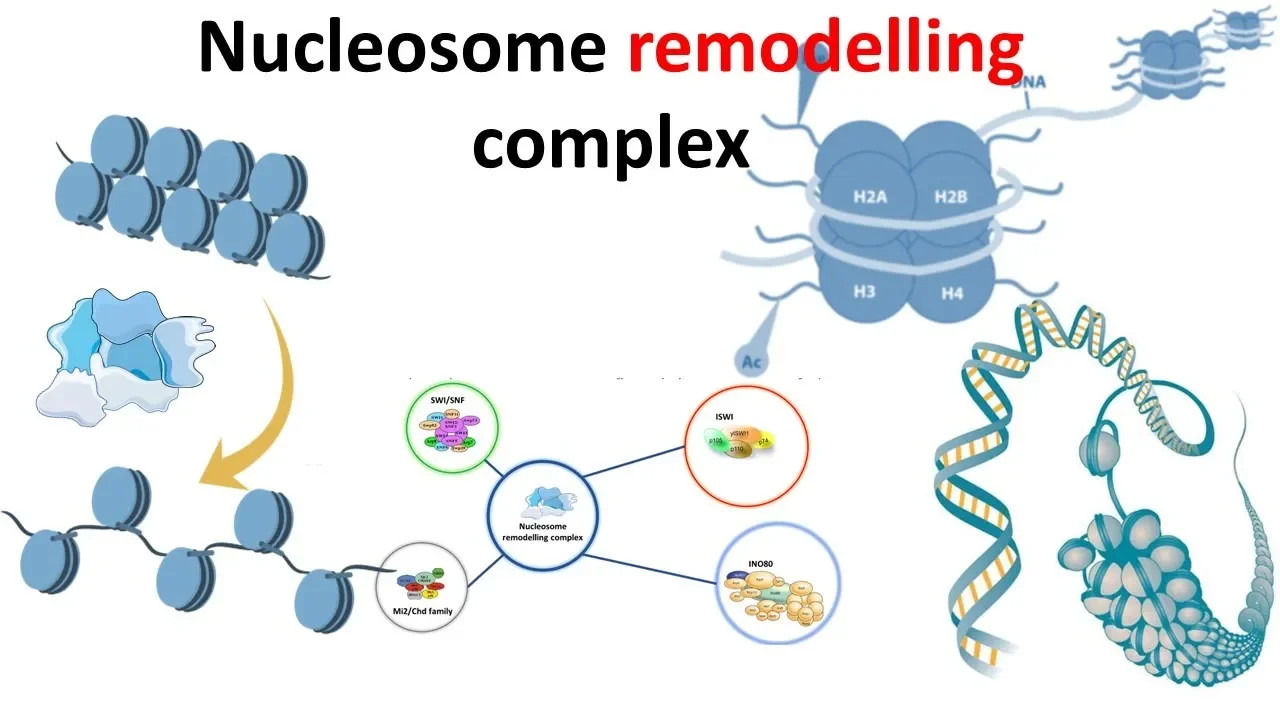

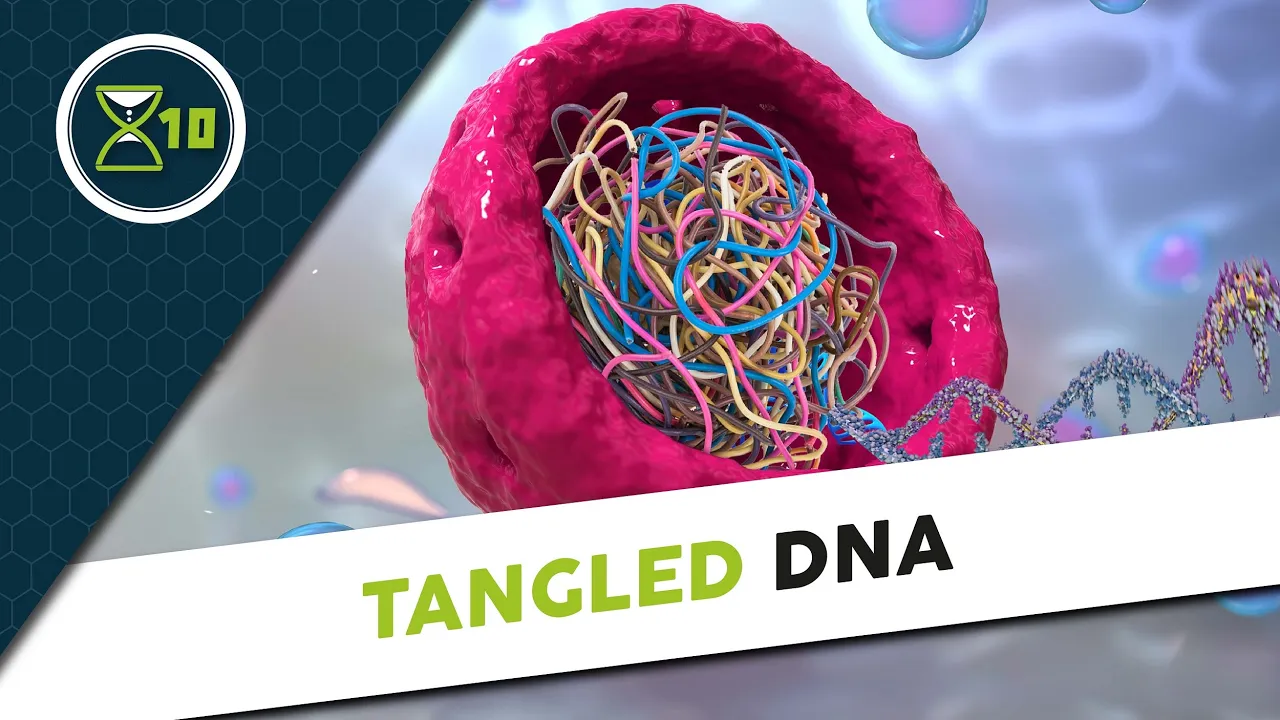


Chromosomes exhibit a hierarchical and dynamic organization spanning multiple levels: nucleosomes (DNA wrapped around histone octamers forming the basic unit), 30nm fibers (organized by H1 histones), and 300nm fibers (scaffold-associated structures); chromatin condensation is regulated by cohesins and condensins during cell division, while transcriptional activity is controlled by histone modifications (acetylation for euchromatin, methylation for heterochromatin), histone variants, and DNA methylation; additionally, chromosomes occupy specific territories within the nucleus and form topologically associated domains (TADs) that enable 3D interactions between genomic regions, such as promoter-enhancer loops, which are captured using chromosome conformation capture techniques like Hi-C.
Chromosome Structure and Chromatin Organization Explained
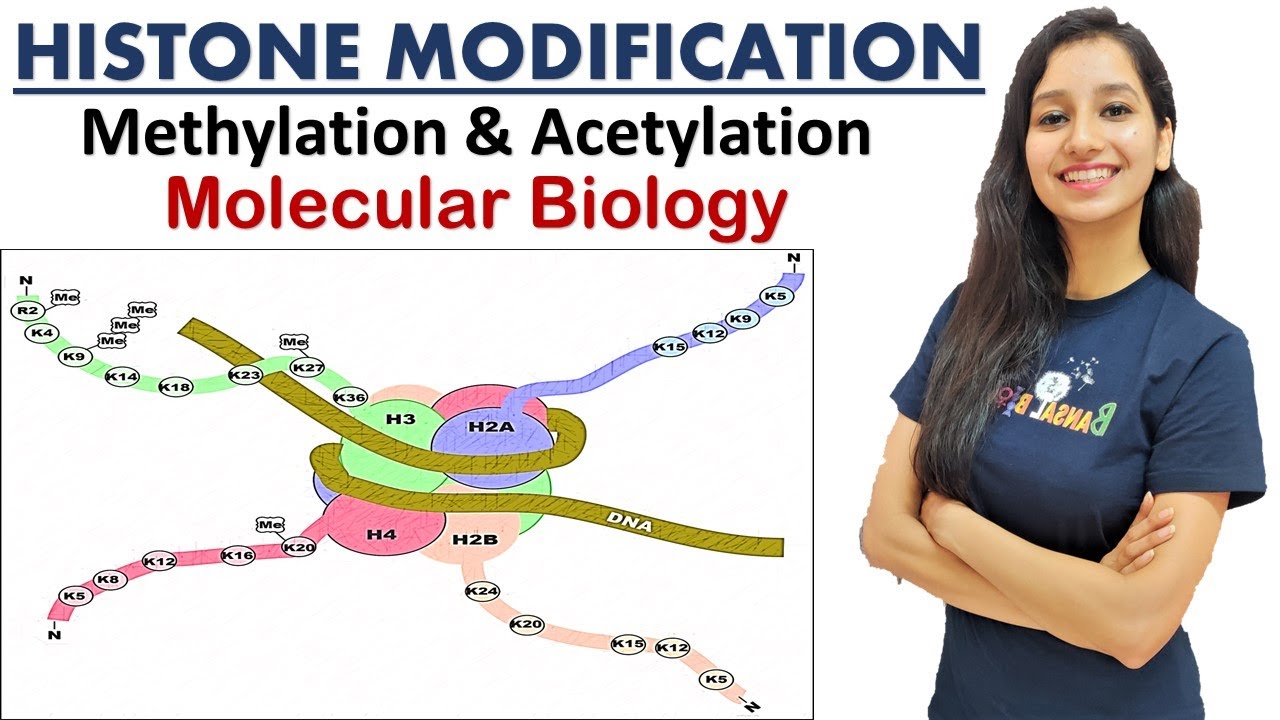
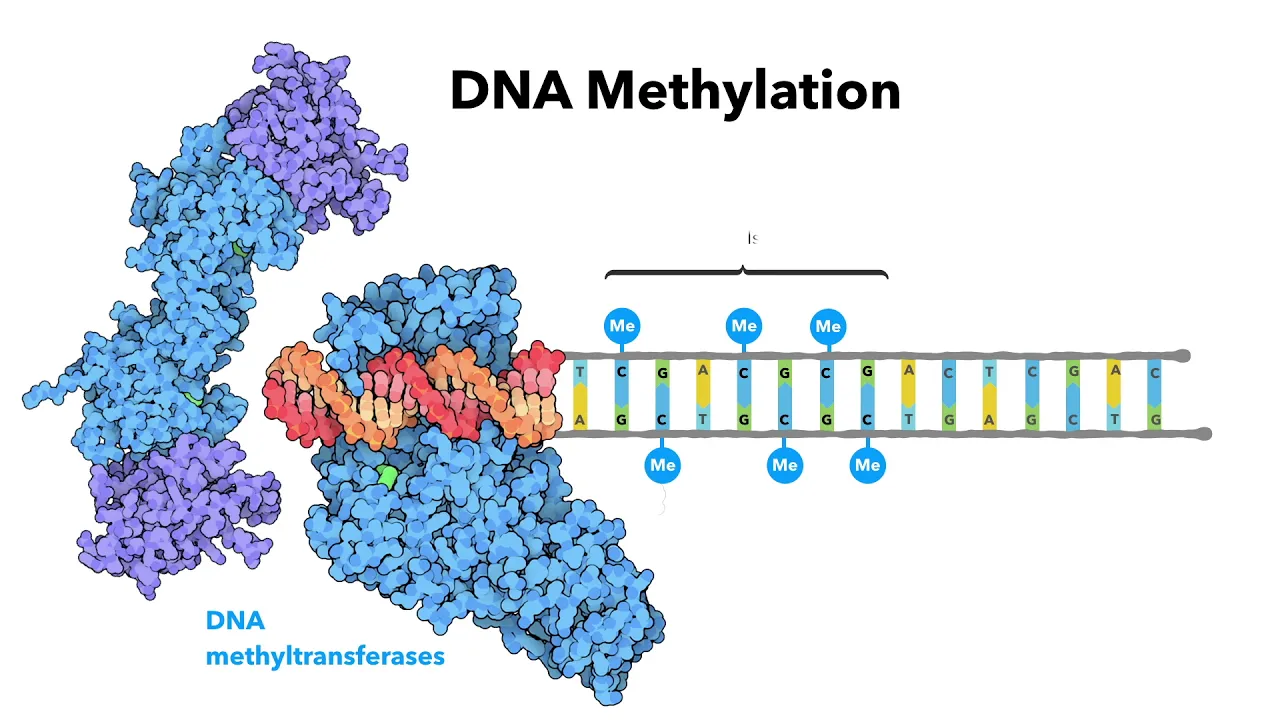
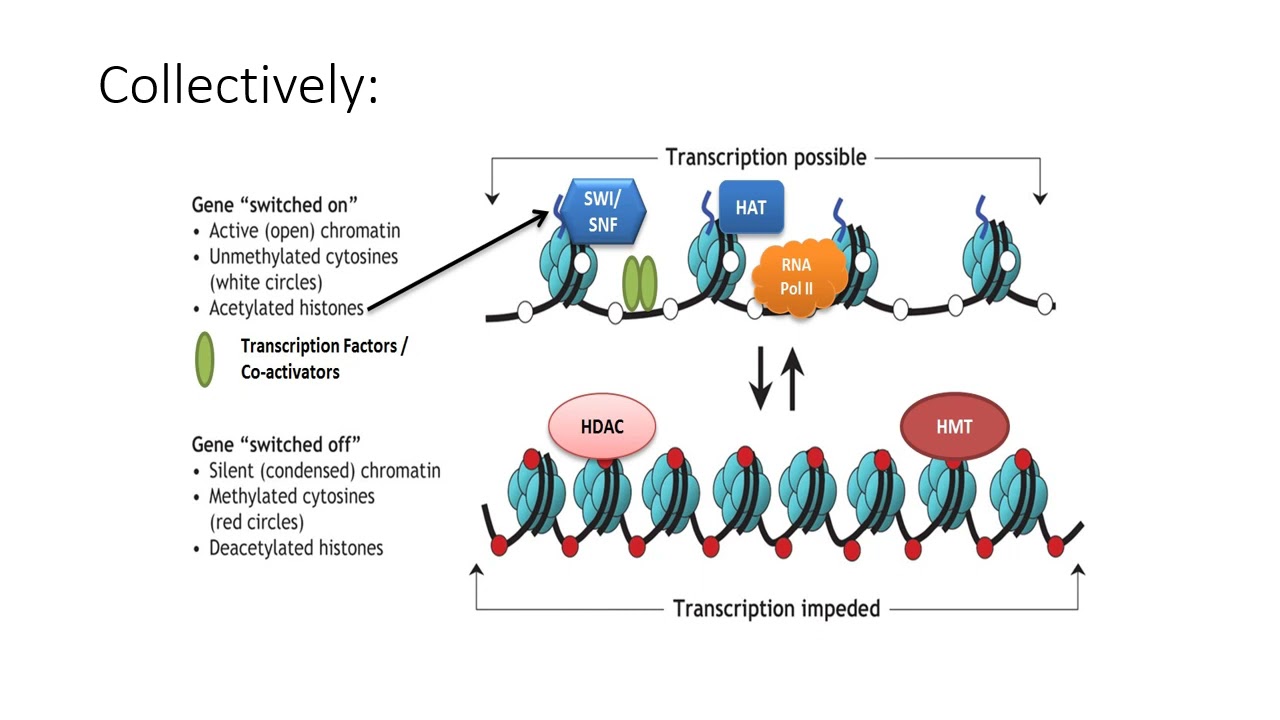
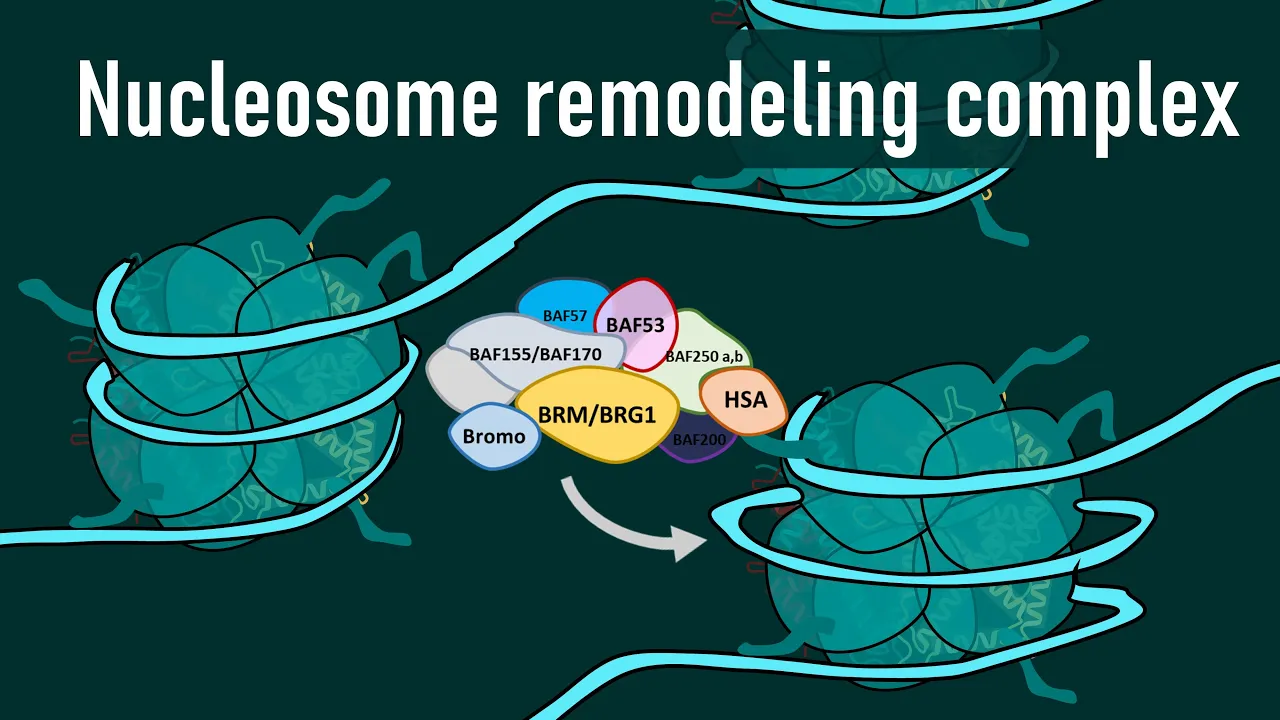
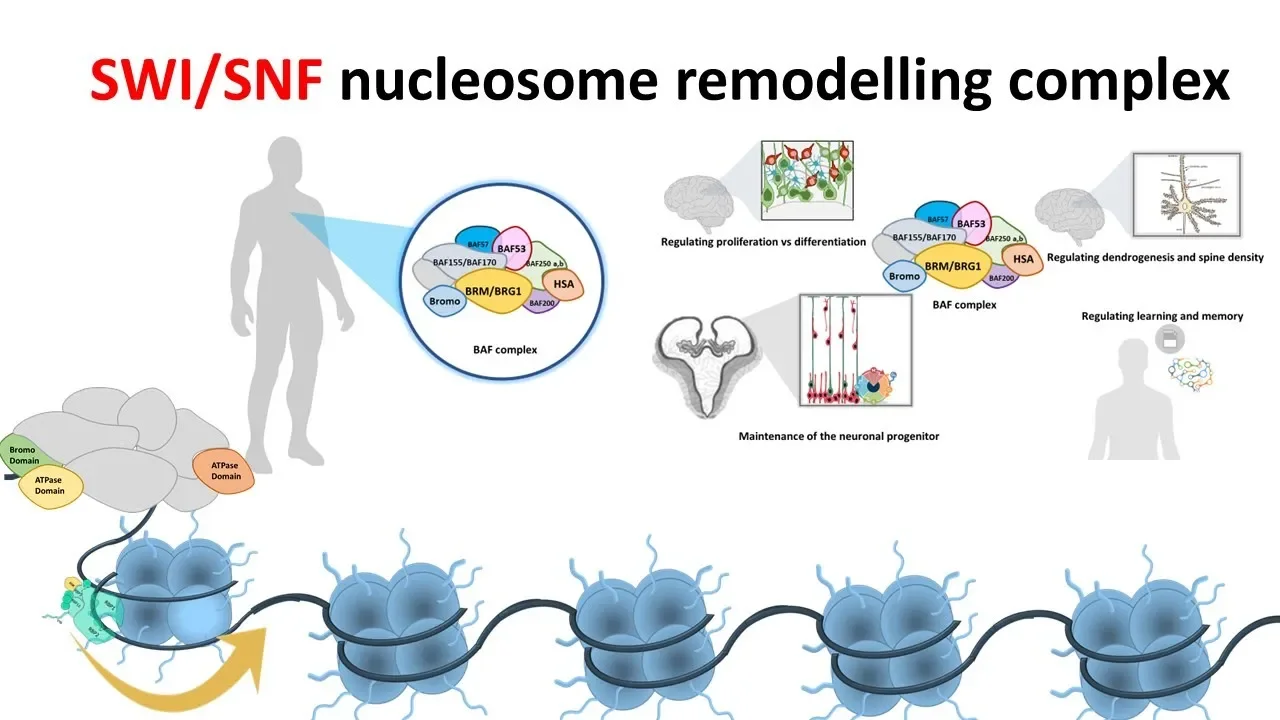
Added:in this video we'll talk about the chromosome organization this video is slightly long but stay tuned till the end of this video because you can learn many things which are not described well in the books or not available in any other part of the internet so how does chromosome look like when we think about chromosome these kind of X shaped structure Flash in our mind so this is a classical chromosome well it's not incorrect but this is more appropriately said as a metaphysic chromosome that simply means chromosome looks very different in different stages of cell cycle like an interface they have appearance like these generally beads on string in prophase Things become more complicated and chromosome is now more densely packed whereas in metaphase the chromosome looks like that characteristic x-shaped structure so a different time point in the cell cycle chromosome would look very different so overall the appearance of chromosome is highly Dynamic just like you don't look similar when you are a teenager versus a young person or even a mature person chromosome doesn't look the same always so let's look at the level of chromosome organization at the simplest level we can see nucleosomes nucleosomes are combination of DNA and histone proteins and histone is wrapped around the histones are actually wrapped by the DNA histones are basic proteins which has lysine and Arginine like basic amino acids and they are found in the nucleus there are canonical histones such as h3h4 h2a h2b they combine with each other forming dimers eventually that dimers associate forms tetramer and ultimately uh histone octamar is generated so each of these histones are repeated twice in an histone octoma so overall the octomar look like a ball and the DNA is wrapping around it so this is known as the nucleosomal DNA there are interaction between the histone and the DNA the DNA is negatively charged due to the presence of phosphate group and the histone is positively charged due to the presence of basic amino acids such as lysine and arginine so around 200 base pairs of DNA is wrapped around 1.6 left-handed super helical turns around these histone octomas this is called nucleosome or the basic unit of chromosome at the simplest organization the chromosome shows a beads on string appearance and majorly these beads on string structures are predominant in the interphase there are also other structures such as the 30 nanometer fiber the 13 nanometer fibers are bit more complicated and they are a bit more organized there are H1 histones which helps formation of these kind of 30 nanometer structure the most common model of 30 nanometer structure is the solenoid model and this is characterized by interaction between consecutive nucleosome here in this model any nucleosome n interacts with n plus one number of nucleosome there are also zigzag model it implies the interaction between alternate nucleosome that means in and N plus 2 and it doesn't interact with n plus 1 in this particular model still people don't know which model is actually found inside the nucleus all these data all these models are based on in vitro data still scientists debate on Which models are predominant each model has their advantages and disadvantages in terms of explaining the structure however there are other level of organizations which are more complicated such as the 300 nanometer fiber here several such uh beads on string structure assembles on a scaffold to form a more complicated more packed and condensed chromatin structure so there are several levels of chromatin structure but we have to understand at any point of time we don't get all these organization depend on which cell cycle phase we are looking at we would see chromosome in different Outlook so question is what factors determine chromatin condensation in some stage of cell division you see chromatins are more condensed and forming that accept chromosome which molecular factors are responsible for this one such molecular factors are cohesives and condensins as the name suggests they help in condensation and cohesion of these nucleosome structures and these proteins are important for maintenance of chromosome structure for chromatin compaction and condensation of the chromatin so the 300 nanometer fiber is supported by several cohesine and condensing Rings eventually the metaphase chromosome has several of these these proteins but when the chromat chromatins need to be separated in the anaphase there are specific mechanisms and specific molecular players which break down these cohesive rings and once this cohesion rings are broken down chromatin can be pulled on the two opposite pole with the microtubules and they can be separated in the anaphase stage most of the picture that we know about chromatin today comes from electron microscopy studies in early 1970s from the electrode microscopy studies people found out that there are specific region inside the cell which are densely stained they are known as heterochromatin and there are specific regions which are lightly stained or having less electron density then named as euchrementing so now we know more about the molecular basis of euchromatin or heterochromatin formation but this simply came from the observation of electron microscopy studies so the entire 10 nanometer string structure is generally transcriptionally active so there are specific region of the overall beads on string structure which are more active they are part of the euchromatin classical definition of euchromatin and there are specific regions which are transcriptionally inactive question is what are the factors that determines this differential response there could be specific modifications present in the histone in that nucleosomes which can change the chromatin accessibility there could be different variants of histone there could be nucleosome remodeling complex that alters the positioning and the composition of nucleosome there could be DNA methylation that change the accessibility of DNA or wrapping around the histones all these possibilities are there so if we look at a heterochromatin versus euchromatin we can appreciate that in the heterochromatin the the region which are densely packed it is less acetylated whereas euchromatin is Loosely packed and it is highly highly acetylated so several uh modifications of the histone determines what is the status of nuclear of the chromosome and the euchromatin is transcriptionally active whereas heterochromatin is inactive but how molecular molecular aspect can discriminate between these two structures so there could be different histone modifications histone variants or even differences in DNA methylation in these regions coming to the histone modifications there are several digital modifications which are pro-ecrementin that means that increases the accessibility make the chromosome lose these kind of modifications are acetylation there are several residues which can be acetylated most common ones are h3k9 acetylation h3k 27 acetylation Etc there are methylations which can also be activatory such as h3k4me2 or h3k36me3 there are phosphorylation which are also also associated with euchromatin H3 is S10 phosphorylation is a pretty common one which is associated with euchromatin or transcriptionally active chromatin in contrast in heterochromatin there are specific methylation patterns which are peculiar to these regions and which further helps in chromatin compaction there are specific histone variants which discriminate between different chromatin regions so in euchromatin one can find h2se in the transcription start site and one can find H 3.3 along the gene body promoters or regulatory elements of a transcriptionally active Gene so the histone composition of the nucleosome can also determine the chromatin state or status of transcription in a cell heterochromatin Associated variants include H 3.1 3.2 simp a which is also a H3 variant macro h2a Etc so all these things lead to chromatin compaction instead of opening up the chromatin so differences in histone composition histone modification all can determine how what is the organization of overall chromosome there are also H1 histone variants which are very peculiar to the heterochromatic region in heterogromatin region one might expect H1 to be present more H1 Associated nucleosome attracts specific components such as suvar complex that leads to recruitment of protein molecules which leads to heterochromagnization now question is um there are other aspects of difference such as methylation it has been found that hypermethylated regions are mostly associated with heterochromatin whereas hypomethylated ones are associated with euchromatin so overall accessibility in the chromatin is super important for transcription if the transcription Factor transcription Machinery doesn't get this in the chromosome how would transcript transcription happen the metaphysic chromosome is mostly transcriptionally inactive because it is densely packed it is good for segregation of the chromosome not good for other molecular biology processes so let's talk about what are the regulation regulatory elements of Chromatin accessibility so nucleosome remodeling factors are the key players determining chromatin accessibility these big complexes work on the base of ATP and they can also bind to specific acetylated residues with the help of bromodomain or methylated residues with the help of chromodomin so once they interact with the chromatin it can do many things nucleosome remodeling complexes can lead to free up of his toner they can kick out some histones from a nucleosome that is known as histone eviction histone eviction leads to accessibility of a new site in the DNA where let's say RNA polymerase or transcription factors can bind there are other mechanisms where a stone is different histone variant this is known as histone replacement especially the genes that are undergoing active transcription in that case the nucleosome associated is replaced by H 3.3 histone variant there are other methods as well where the nucleosomes can be relatively slide far apart from each other freeing up new DNA segments in between them this is known as nucleosome sliding it doesn't kick out the histone but Slide the histone push it away from its normal endogenous place and freeing up new DNA region where other proteins can bind and do their job now these kind of Chromatin accessibility can be studied at a global level with the high throughput technology known as attack sequencing if you want more details about attack sequencing you can click on my video but 8X sequencing and attack sequencing Peaks would tell us whether a chromatin region is more accessible or less accessible the video link is provided in the I button or description let's talk about the 3D organization of Chromatin we have to understand chromosome is not flattened in a 2d space chromosome is actually organized in the 3D Volume inside the nucleus so inside the nucleus chromosome has specific domains so these are known as chromosome territories so here we can see that there are specific chromosome territories now if we zoom into the chromosome territories there are topologically associated domains which come closer in a 3D space so there could be intra chromosomal interactions or inter-chromosomal interaction imagine there is a loop inside that marked in yellow where two locations such as point a and point B were very far apart from each other in a linear space but they come closer to each other in a 3D Volume same goes for two different chromosome here the blue chromosome and the yellow chromosome are different but one Loop of this yellow chromosome comes closer to the blue chromosome that is why two particular points which are X and Y which are actually very separate in a linear space they are even present in different chromosomes but they can also come close together and interact with each other this is how promoter interacts with enhancer forming new promoter enhancer loops and these kind of topologically associated domain brings out the fine-tuned regulation of transcription so let's say here is a linear configuration where the promoter is three kilobase pairs away from the enhancer region but imagine a looping event happening which brings out these three kilos per enhancer close to the promoter and now RNA polymerase and specific other transcription Factor can be recruited can be interacted with each other to give rise to the transcription and this is how 3D chromatin concept is really important now 3D chromatin conformation can be captured using methods like high C or chroma chromatin confirmation techniques here specific regions of the chromatin who are interacting with each other are frozen in a particular point of time Point using cross-linking reagent later on these portions are fragmented and sequenced that tells us okay which particular portions in the genome has actually interacted in a 3D chromatin conformation so this gives us an overall interaction or a contact map that looks like these pyramidant triangle each of that has meaning to it in a different video we'll talk about it which would be also linked in the I button anyway so looking at these high C map and looking at it in different resolution one can understand how chromosome chromosomes are interacting with each other how how there is like intra chromosome interaction and Inter chromosome interaction one can look at a very zoomed out View and looked at the chromosome territories and this correlation Matrix shows exactly that one can look in a bit more zoomed in view in a 10 kilobase pair resolution one can look at how chromatin compartments are interacting with each other at a very much zoomed in view one can understand how specific intra chromosomal regions are forming loops and coming close in time and space so all these correlation Matrix has their own meaning which would be described in different video in much more details but 3D chromating is a highly Dynamic entity that means if you imagine a Time t 0 you can see the particular A and B genomic points are closed in time and space but if you imagine a Time t equal to T1 these two region might go far away also this can happen at a inter-chromosomal level right there could be new introduction there could be a resolution of old interactions so imagine in in a inter-chromosomal interaction the point X and Y are interacting between these two chromosome it might turn out that at time T1 these interaction is resolved and new Loops are formed so these are all possibilities so overall in these videos we we learned that we learned about how chromosome is different and how the structural organization of chromosome is different at a different level what factors determine chromatin organization we looked at histone modifications DNA modifications and also histone variants that can change the organization of chromosome chromosome and actually uh ensures that okay what are you chromatin and what are heterochromatin it can give us a molecular handle to understand these two transcriptionally different structures also we looked at the concept and I introduced you to the concept of 3D chromatin and we talked about how this chromating is dynamic in time and space you can get more flashcards and notes in my Facebook page you can follow my Instagram page which is right now here links are in the description you can support our Channel using super thanks and see you in next video
Up Next
Nucleosome Dynamics in Chromatin Remodeling: A Yale Lecture
@ChalmersUniversityofTechnology
3.5K views•2015-05-27
Bacterial Communication: Quorum Sensing and Biofilm Formation Explained
@JHUAAP
12.6K views•2011-06-28
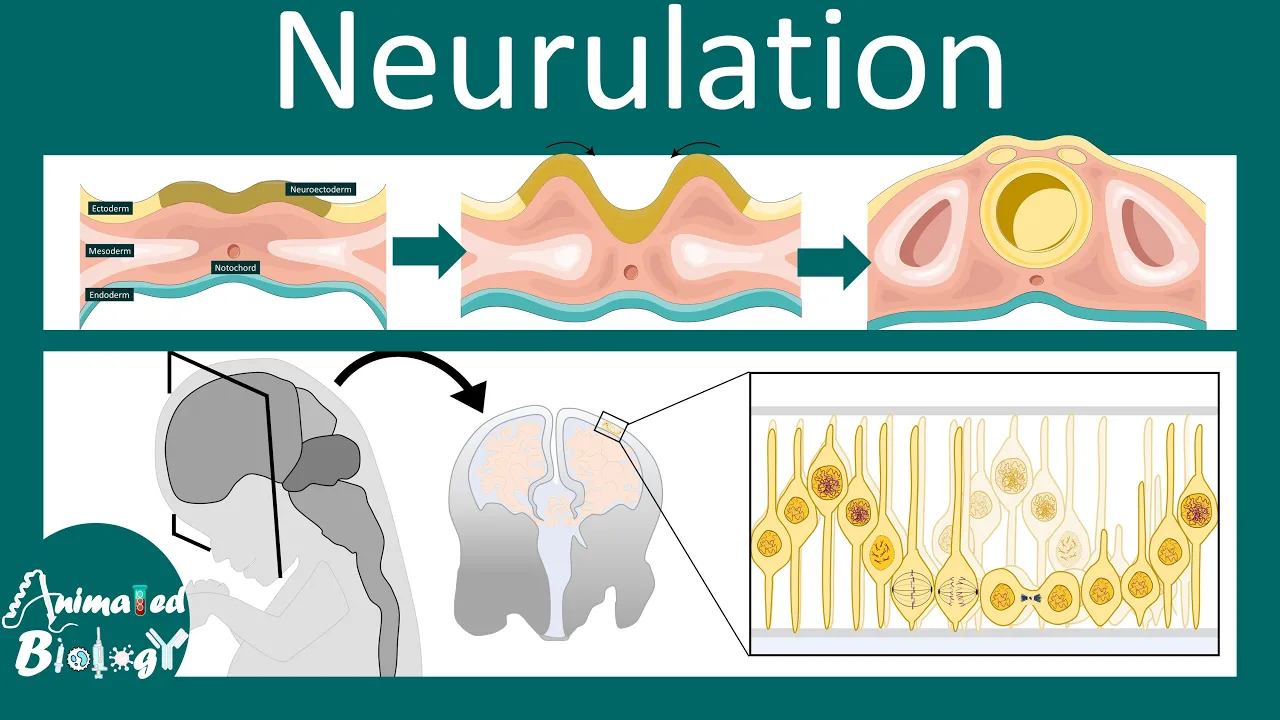
Neurulation and Neurogenesis: Neural Tube Formation Explained
@animatedbiologywitharpan
52.4K views•2023-10-18
Bacteriophages: Earth's Deadliest Killers and Future Antibiotics
@kurzgesagt
34.6M views•2018-05-13
Related Study Plans & Knowledge Roadmaps
Structured learning paths in Biology