


















Italo Calvino's 'If on a Winter's Night a Traveller' (1979) is a groundbreaking postmodern novel that deconstructs traditional narrative by presenting readers with multiple incomplete stories across various genres (spy thriller, romance, mystery), forcing them to actively engage with the fragmented text; the novel explores themes of censorship, institutional control over literature, and the human need for connection, ultimately suggesting that reading is a journey rather than merely reaching an endpoint.
If on a Winter's Night a Traveler by Italo Calvino | Summary & Analysis
Added:Introduction to Postmodernism: Familiarity with key characteristics of postmodern literature, such as skepticism of grand narratives, playfulness, and self-reflexivity.
Concept of Metafiction: Understanding how authors write stories that consciously address and draw attention to the nature of fiction and the act of reading itself.
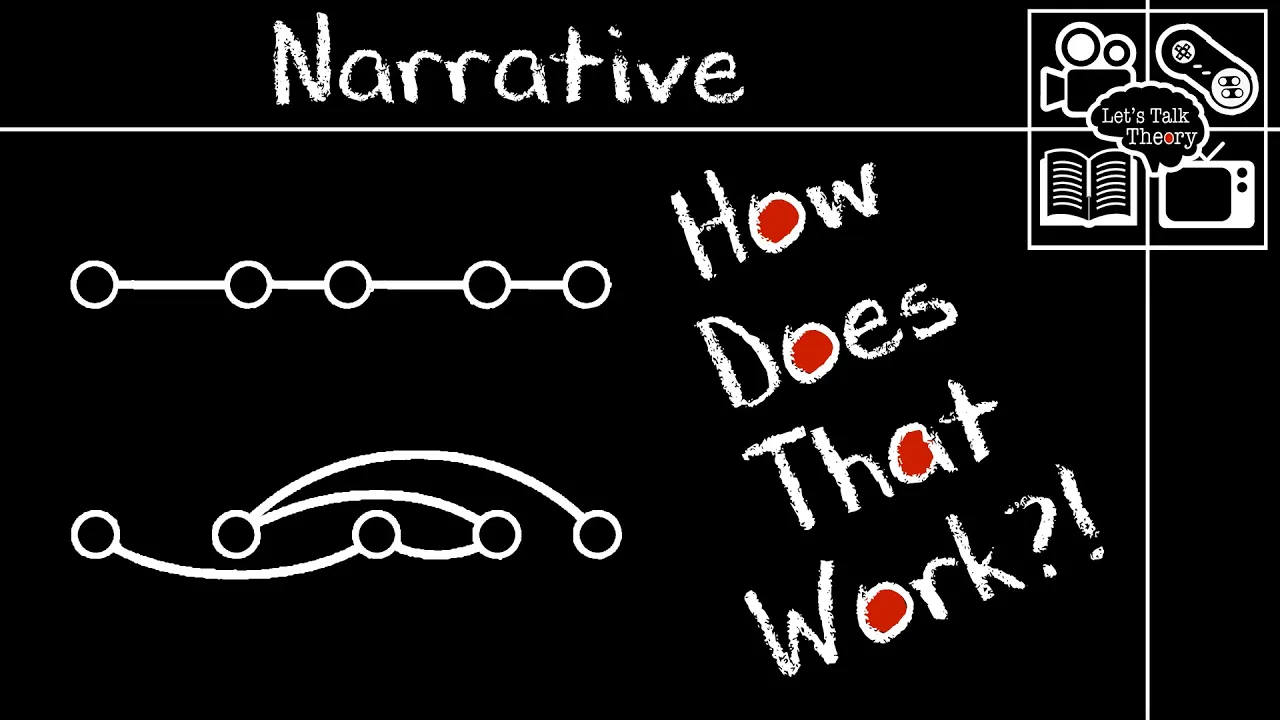
Traditional vs. Non-linear Narrative Structures: Awareness of how traditional plot progression differs from fragmented, nested, or experimental storytelling.
The Reader's Role in Textual Meaning: A basic grasp of Reader-Response criticism, which posits that the reader actively participates in creating a text's meaning.
Oulipo and Constrained Writing: Exploring the French literary movement (which Calvino joined) that uses highly structured, mathematical constraints to generate literature.
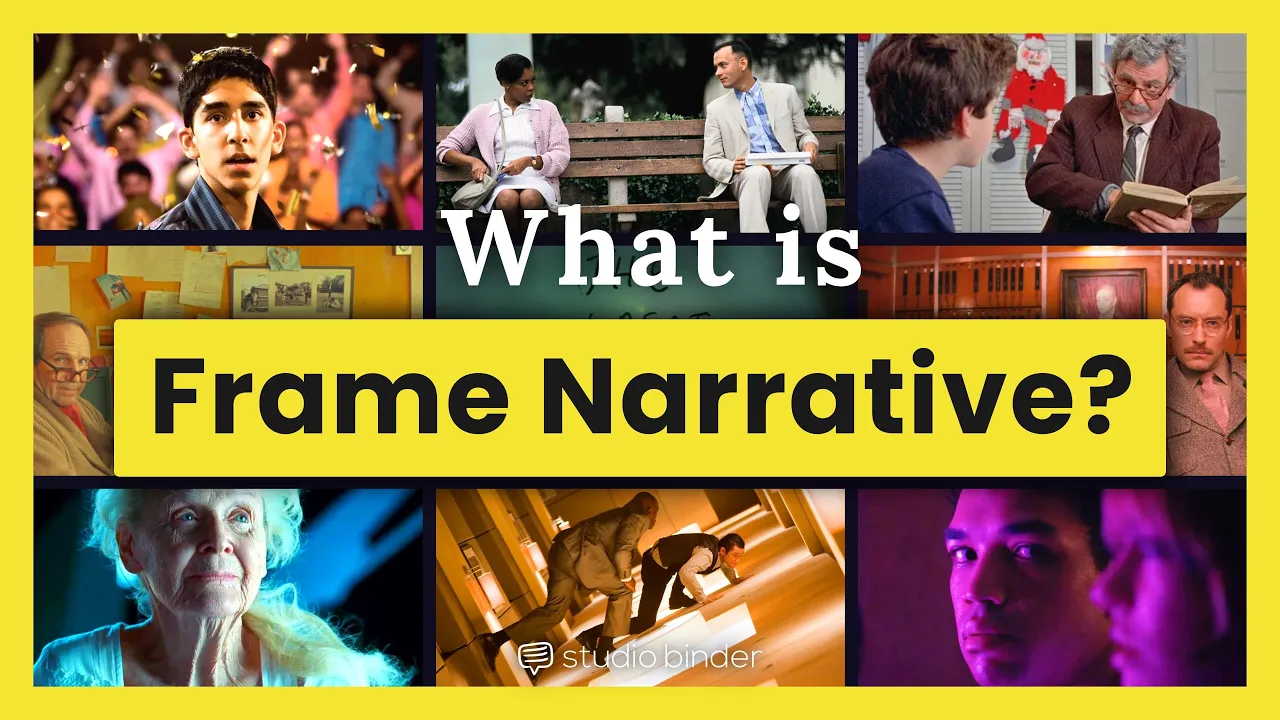
Comparative Analysis of Frame Narratives: Studying how Calvino's nested stories compare to classic frame-story structures like 'The Canterbury Tales' or 'The Arabian Nights'.
Italo Calvino's Wider Bibliography: Exploring his other major works, such as 'Invisible Cities' and 'The Cosmicomics', to analyze his evolving stylistic and philosophical transitions.
Hypertext and Digital Literature: Investigating how Calvino's choice-driven, fragmented narrative style foreshadowed modern digital interactive fiction and video game storytelling.
Poststructuralist Literary Theory: Engaging with advanced theories like Roland Barthes' 'The Death of the Author' to deeply analyze the power dynamic between author, text, and reader.
2K views44likes10:21Original Release: 2025-08-19
English if on a winter's night a traveler by Italo Calvino. So first author Italo Calvino was an Italian writer but actually born in Cuba because his parents were working there in 1923 but soon after his family shifted back to Italy. During World War II, Calino joined the resistance against fascism or writing journey started. Initially he wrote realistic stories realism but later he got interested in experimental and imaginative writing works the baron in the trees invisible cities 1974 and lastly greatest of all time if on a winter's night a traveler 1979 greatest experimental novel. The most striking thing is it structure [Music] even number spy thriller romance mystery.
So as a reader you keep getting fragments never a full story or postmodernism flavor fragmented open-ended or self-aware summary flow the novel starts with a narrator telling you the reader to relax get comfortable and start reading if on a winter's night a traveler The first story begins like a suspenseful spy narrative, but suddenly the text breaks off due to a printing error.
[Music] the other.
She also got the defective.
Then you start reading another novel supposedly outside the town of Malbok. But again it proves halfway. Every time you think you have got the continuation different setting, different characters, different genre, spy story, then political interview, romance, murder mystery.
Meanwhile, while searching for the real loop.
So we can say the novel ends on a very traditional note are closer to your personal story but ironically none of the fictional stories you tried to read ever got completed.
The act of reading. This novel constantly talks about what it means to read.
The narrator addresses you and makes you part of story. Reading is shown not as a passive thing but an active fragmented and sometimes frustrating process.
Calvin basically breaks the traditional idea of novel.
[Music] mostademia and publishing. The book also critics how literature is handled in universities, publishers and translation houses. Characters like [Music] who reads only to prove theories.
Professors lost in tech.
Resess or institution publishing Censorship and control.
Several of the interrupted stories hint dictatorship, surveillance and censorship personal experiences inspired especially because he lived during fascism. The novel indirectly warns us about how oppressive governments can interfere with literature and free expression.
[Music] Censorship dictatorship Follow and readers and Ludmila's relationship brings a human angle to this otherwise fragmented text. lust, attraction, confusion sub but at the end that marriage gives a sense of closure maybe a relief from anxiety of endless incompleteness. It shows that even if literature is fragmented, human connection can bring stability.
So those if on a winter's night a traveler is not just a novel. It's a whole experiment on what reading actually means. Instead of giving you one story, it gives you many beginnings without ending. It forces you to think about how stories are told, who control them and how readers engage with them.
It's a playful, confusing, funny, but also deep. In the end, Calino reminds us that reading is not only about reaching the end. It's about a journey.
reading complete subject question.
Important question.
Finish solution.
Next video. Happy studying and best of luck for your upcoming examinations.
Up Next
19:41
Blade Runner 2049: Cells Interlinked, Pale Fire & Nabokov Explained
@FallopiumFilms
320.9K views•2022-01-02

13:43
Formalism in Literary Criticism: An Academic Lecture Overview
@mattalberhasky9952
39.1K views•2015-08-05

6:08
Point of View in Fiction: First Person vs. Third Person
@magicalthriftyteacher
153.8K views•2014-03-31

15:25
1984: Orwell's Dystopian World and the Mechanisms of Totalitarianism
@AlternateHistoryHub
7M views•2017-03-04
Related Study Plans & Knowledge Roadmaps
Structured learning paths in Literature
literature
Graphic Memoirs: Visual Art, Trauma & History
01Foundations of Sequential Art and Visual Language
02Autographics and Processing Historical Trauma
03Visualizing Personal Trauma, Grief, and Graphic Medicine
+ 2 more learning modules
14h5 modules
Explore Roadmap
literature
Campus Novels: Evolution, Themes & Critique
01Introduction to the Campus Novel Genre
02Mid-Century Satire and the Post-War Academy
03Dark Academia and the Critique of Privilege
+ 2 more learning modules
14h5 modules
Explore Roadmap
literature
Theater of the Absurd: Philosophy & Plays
01Postwar Existentialism & Historical Roots
02Dismantling Narrative: Esslin & Absurdist Conventions
03Samuel Beckett and Tragicomic Existentialism
+ 2 more learning modules
12h5 modules
Explore Roadmap
literature
Revenge Tragedy: Justice, Madness & State
01Foundations of Early Modern English Theatre
02Anatomy of Revenge: Structural Conventions
03Psychological Complexity: Madness and Melancholy
+ 2 more learning modules
15h5 modules
Explore Roadmap