












![ВЕСЬ ВЛАДИМИР НАБОКОВ. ЧАСТЬ ПЕРВАЯ. РОМАНЫ И ПОВЕСТИ 1926 - 1933 [ погружение ]](https://i.ytimg.com/vi/KDacsEyoIU0/maxresdefault.jpg)



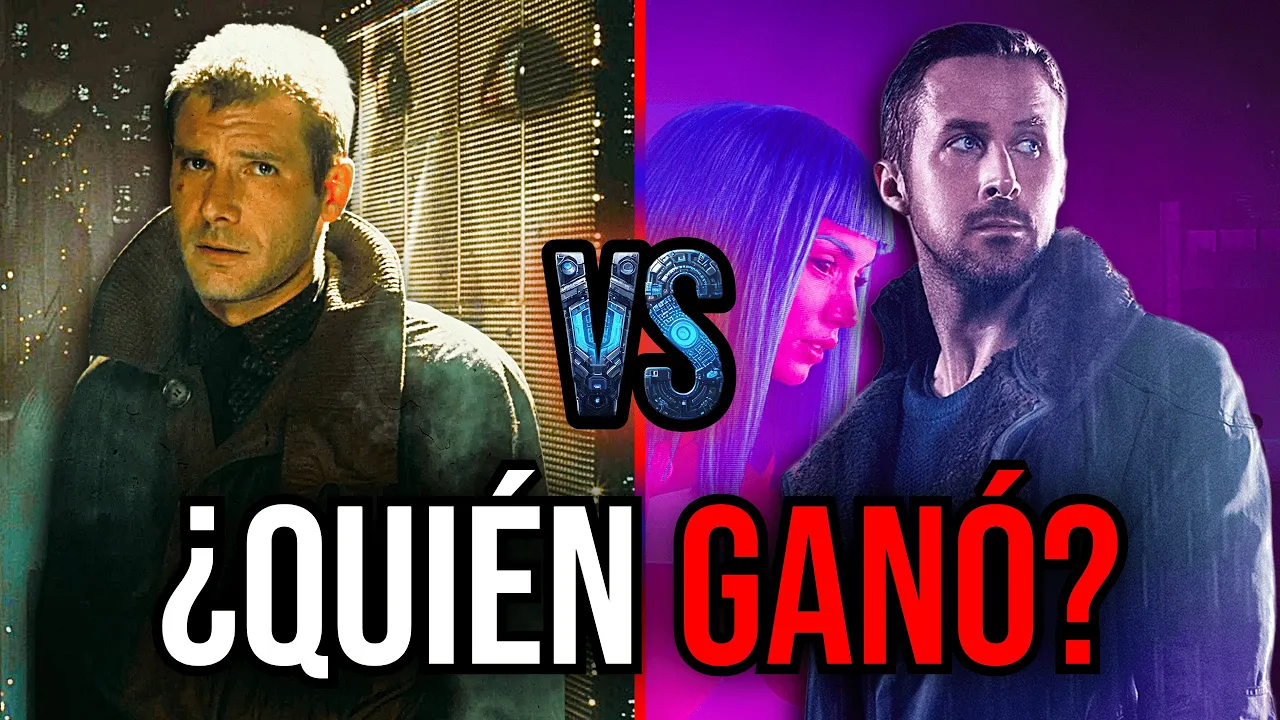
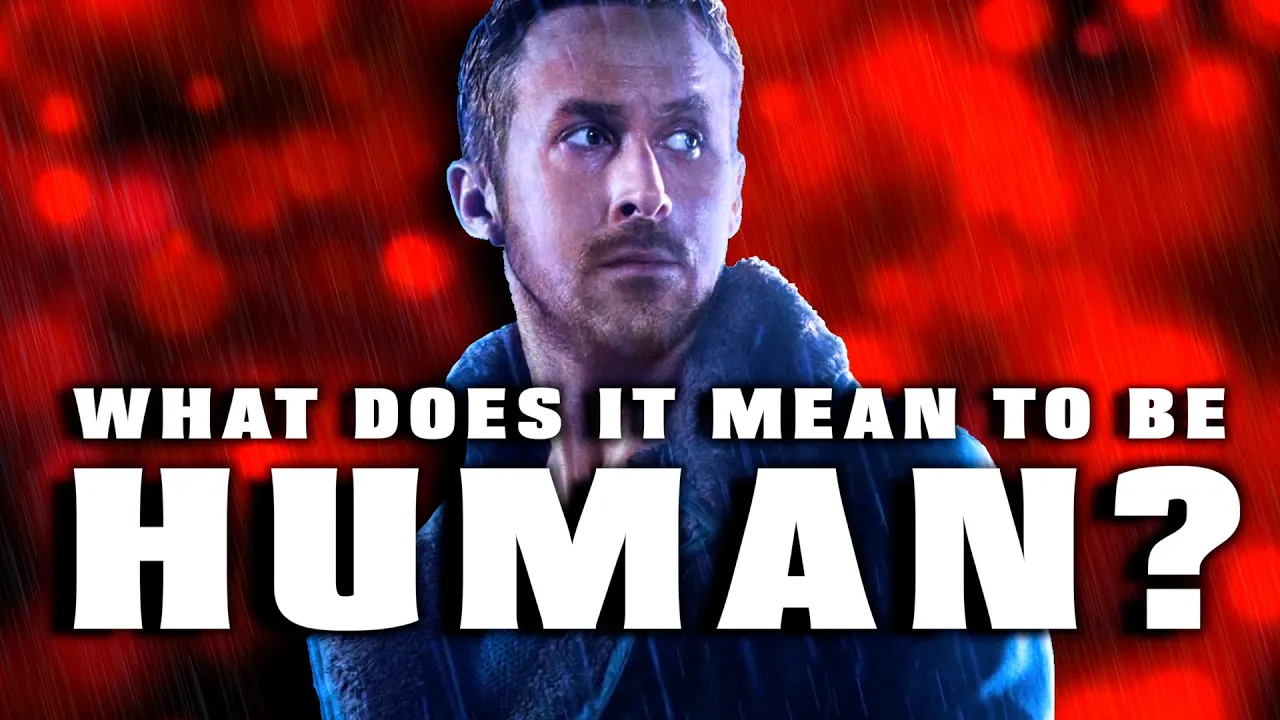
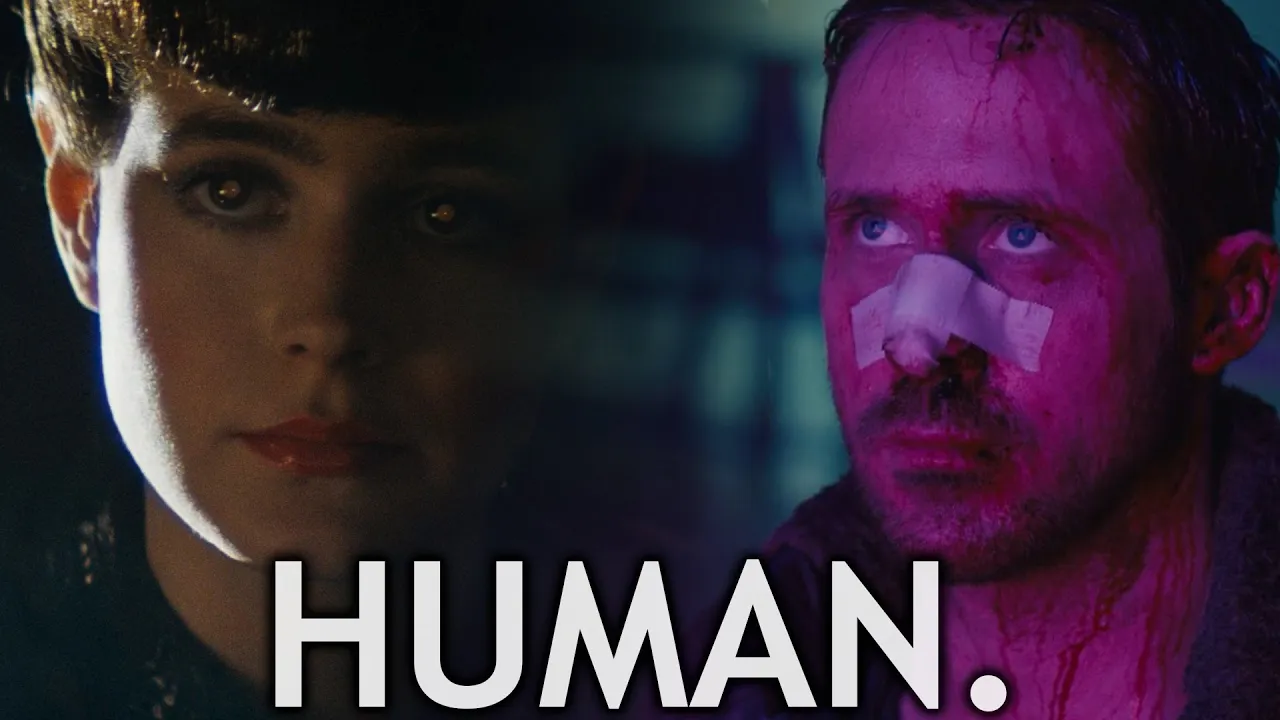
This video explores the thematic connection between Denis Villeneuve's Blade Runner 2049 and Vladimir Nabokov's novel Pale Fire, revealing that both works examine the fundamental human struggle to distinguish reality from illusion and the universal desire to be special or chosen. In Blade Runner 2049, protagonist K believes himself to be the 'chosen one' based on implanted memories, while in Pale Fire, the unstable narrator Charles Kinbote appropriates poet John Shade's poem as if it were his own life story. Both narratives demonstrate how easily we become convinced of falsehoods when we want them to be true, and how difficult it is to discern genuine identity from constructed narratives, ultimately questioning whether anything real can ever be known with certainty.
Blade Runner 2049: Cells Interlinked, Pale Fire & Nabokov Explained
Added:[Music] recite your baseline and blood black nothingness began to spin when i first watched blade runner 2049 in theaters i was mesmerized by this scene well i was mesmerized by every scene of the film but this one in particular was what i found myself analyzing and researching when getting home from the theater a system of cells interlinked within cells interlinked within cells interlinked within one stem a tall white fountain plate [Music] cells cells have you ever been in an institution cells cells i wanted to know what was going on sure in the story this string of words that kay recites is just part of a monitoring test that the humans give the replicants to ensure they aren't feeling anything to confirm they're maintaining their cold robotic nature no emotions no humanity but with a film like blade runner and a director like denis there had to be more going on in this scene i wanted to know the subtexts the meaning why did the filmmakers use these specific words what even are these specific words were they written for the movie or are they from something finding this out actually isn't at all difficult after one google search and i discovered this was part of a famous poem well sort of it's part of a poem that was part of a novel called pale fire by vladimir nabokov and on my second viewing of 2049 i realized i didn't even need to google this because the film had already kind of answered my question for me it'll make you feel better you hate that book but again why did the film use this book this poem these specific words i was so intrigued by this question i decided to read the novel for myself and i'm glad i did i discovered an author who i think is the greatest of maybe all time reading the book was just a profound experience it was so dense and engaging i honestly forgot about the link to blade runner 2049 i forgot why i had read the thing in the first place so i completely forgot about the scene and years went by and then somebody messaged me on instagram the other day randy perez asking me to do a video on blade runner 2049 and then this cell's interlinked nabakov you know this scene entered my mind again i mean it's been years since 2049 came out and you know i think it's finally time to get around to answering my original question and boy i have discovered some stuff here 2049 did not choose this novel at random there is absolutely a thematic and i think a brilliant purpose behind using pale fire here even though the film blade runner 2049 and the novel pale fire are about very different topics uh thematically speaking i think they are very similar blade runner 2049 is about much of what the first film was about identity what it means to be human to be alive and sentient like countless other sci-fi films that involve ai and robots and replicated men blade runner 2049 asks the question that philosophers have pondered for centuries what is consciousness is it something magical that's derived from a soul or is it something that can be replicated i saw a miracle delivered and god remembered rachel heeded her and opened her womb because you've never seen a miracle did it never occur to you that's why you were summoned in the first place designed to do nothing short of fall for her right then and there that is if you were designed love or mathematical precision yes no it's a pretty typical question in terms of sci-fi films but 2049 handles it in a fresh and engaging way which i will get to soon but before getting any further let's first crack open that novel pale fire the book is a piece of art like no other the main attraction of the book is the massive poem of the same name found within it the first few lines of the poem they're they're pretty famous i was the shadow of a waxwing slain by the false azure in the window pane i was the smudge of ash and fluff and i lived on flew on in the reflected sky which i mean god all he's saying is that he's seeing his reflection in the window that's just been smeared by a bird a wax wing smashing into it it's such gorgeous writing for something that's so gross and kind of uh mundane i'm off topic i'm sorry the poem is absolutely incredible within the story of the novel though this poem is written by the fictional character john shade it tells of his life it ponders love death and identity and it does so beautifully really you need to read the poem it's it's life-changing but the novel includes other writing before and after the poem this writing comes from another fictional character named kimbody who as we find out throughout his writing is john shades neighbor and close friend cambodi's writing is an analysis of his friend's poem he gives a brief forward before the poem and a lengthy one after which fills out the remainder of the novel pale fire reads as if it's the writing of these characters as if we are reading a real man's poetry and a real man's commentary on the poetry but let's focus on just the poem within the novel for a moment specifically the part that they use in blade runner 2049.
dreadfully distinct dark dark within cells into length within cells interlinked within one step a tall white fountain played let's get the full context of the words here and remember this is a poem about a man remembering and remarking on his life in this section our writer john shade remembers having a heart attack and then it happened the attack the trance one of my old fits there sat by chance a doctor in the front row at his feet padley i fell my heart had stopped to beat it seems and several moments passed before it heaved and went on trudging to a more conclusive destination give me now your full attention i can't tell you how i knew but i did know that i had crossed the border everything i loved was lost but no aorta could report regret a son of rubber was convulsed and set and blood black nothingness began to spin a system of cells interlinked within cells interlinked within cells interlinked within one stem and dreadfully distinct against the dark a tall white fountain played now i could talk for hours about this but i'll just stick to what's pertinent it's about what the writer saw when he was dying or close to dying it's about looking behind the curtain of experience falling into the deepest inner workings of our brain into the blackness from which her sentience arises where the stuff of neurochemistry is spun into soul the only thing shade sees in the blackness is a white fountain now this is important because later in the book we learned shade reads an article about a woman describing her near-death experience and she's saying that she too saw a white fountain shade is stunned by this news thinking that if there is some universal near-death experience then maybe there is actually something after death maybe there is something magical about all of this but then after researching the story a bit more shade learns that it was a typo in the story and she really saw a white mountain knot fountain much of this poem and in particular this section is a meditation on life and death what it means to lose your life and what it means to possess one it's about identity and consciousness much like blade runner 2049 again in this scene when k is reciting these lines he is being tested as to ensure he isn't experiencing the full range of human consciousness but uh this isn't the only link between pale fire in 2049 because they both are about a lot more than just consciousness while 2049 is certainly about identity i think its main message is much more specific than this the main topic of this film the main thing that this film explores is the concept of the chosen one and i mean this in a matter of identity because the real question in 2049 isn't whether kaye's identity is that of a real live man's but of the messiah the chosen one it's not just about whether kaye has a life even though he may be a replicated man he is still a man that can feel and think freely i mean at least in my opinion the film makes it very clear that replicants are people k is alive and he has a true identity the real question here is what identity it is it asks if his identity is the special one the chosen one and throughout most of the film the audience is led to believe that k is the chosen one that he is the first child to be born from a replicant the main evidence for this comes from the fact that his memories which are supposed to be synthetic hallucinations implanted into replicants to mimic consciousness are real kay actually does seem to be special he has real memories in his mind not fake ones like the other replicants he has memories of being this chosen one of being this child that everyone is after but as it turns out even though the memories are real he can't trust them because they don't belong to him they were implanted into him to inspire him to play his small part in the story he isn't the chosen one he isn't a child born from a woman he was grown in a lab like all the other replicants in the eyes of his world he isn't real for a while he thinks he is he thinks he's the main character he thinks the story is about him and the evidence seems to support this but as it turns out the evidence can't be trusted this is what 2049 is most about and i'll explore the specifics and show some of the clues to this concept but first let me show you how this concept also relates to the novel pale fire so remember the novel has two sections written by two different characters the poem written by shade and the response to the poem written by cambodi the goal of the poem within the novel is to be a beautiful piece of art and it accomplishes this but the goal of the whole novel is something else entirely the poem is about life death love philosophy all the stuff that makes great art but the novel in total is about how people react to misconstrue or even steal art because when we're reading the book after we've finished the poetry section from shade and we've come to our conclusions of what he was saying another character then comes in with his writing telling us what he thinks the poetry is about what's interesting here is that everything he says about the poem all of his reaction and commentary analysis of the poem all of it is obviously very wrong because cambodi is convinced the poem isn't about shade's own life but that it's a metaphor for his own life cambodia is convinced that shade didn't write the poem for his family but instead wrote it for him you'll realize soon after starting cambodia's writing that he is not a trusted narrator i won't spoil the specifics of the story but honestly i don't know if i could even if i wanted to because cambodi's ramblings quickly become impossibly difficult to decipher he contradicts himself constantly we can almost never tell what he's being honest about he claims to live next to shade he claims to work with shade he even claims to be a refugee from a foreign country he was the king of he is clearly an unstable man with unstable memories he doesn't know who he is but he takes the poem of a very stable man a poem about this man's memories and tries to apply this poem to his own fractured life or rather apply his life to the poem the novel itself in total is a fantastic commentary on commentary it's art about art in the greatest most mind-bending way possible because the poem within pale fire pale fire is a poem that is truly amazing whether looking at it within the context of shade or cambodi's fake world or our own world it is a monumental achievement in writing but then the rest of the novel that surrounds the poem does everything it can to distract from this fact i'm not sure exactly what pale fire is trying to say and i also think that's kind of the point but i do think in general the main message of pale fire seems to be about people's relation to the stories of others people's desire to be special to have things be about them the character of cambodi takes a poem that is truly worthy of nothing but praise and tries to steal the spotlight for himself i mean the inspiration for the title of the novel tells you everything you need to know it's a shakespeare quote the moon's an errant thief and her pale fire she snatches from the sun i'm sure you can see by now how this relates to blade runner 2049 and the story of k k much like cambodi and hey maybe that isn't a coincidence that both of their names have k in it k wanted the story to be about him but as the audience gets further into the tale they realize the story isn't about him and then of course both the film and the book are very dense and confusing and they purposely try to throw the audience off the scent of the mystery there's all sorts of confusion in both these works of art about memory and what's true and what isn't both of them tell us that certainty is hard to come by we can never know what's really going on especially when it comes to things as complex and indefinable as identity how can you tell the difference can you tell us something really happened anything real should be a mess i always told you you're special born not made throughout nearly the entire film all of the evidence was telling kay he was special he even has memories of being special but the memories don't belong to him all the evidence kay thinks he has is essentially worthless it's been copied and stolen and deleted and reassembled so many times that it can't be trusted and this theme of what's real and fake or what's known or unknown is shown in the film in many more ways than just k's memories everyone remembers where they were at the blackout you that was a little before my time when the lights came back they were wiped clean photos piles every bit of data gone it's very clever to keep yourself empty of information and all it cost to you was everything i know it's real you're so sure because he told you because we never lie i'm gonna tell mr wallace you try to shoot me first so i had to kill you oh an old one pre-blackout that's gonna be tough not much from then and what's there is thick milky yes no i know what's real do you like our owl it's artificial of course it is there are all these remnants of the past that are used to remember but the information is corrupted it's not a real recreation of the past it's all just holograms organic materials such as wood and even animals are replicated but they aren't natural i don't need a real horse is it real i don't know ask him don't you know what i am yeah guy eating rice what's that it's a tree oh never seen a tree before it's pretty it's dead much like the pages of pale fire discerning what's real in the world of 2049 is impossible photos piles every bit of data gone bank records too my mom still cries over the lost baby pictures this is really something whole time or something one time forget your troubles see a show wasn't alone for this world also something in his eyes what's your model number why don't you look under my eye and find out with my own eyes i saw her come her eyes were green like the original blade runner the symbolism behind human eyes is very important in 2049 the first shot in the film is the greatest clue to this the eye belongs to deckard's daughter the memory maker the real child of the replicant the real chosen one the identity that the memories really belong to and then this shot cuts to a field of solar panels arranged in a shape matching the circular eye these solar panels steal their energy from the sun much like the moon and its pale fire now is that totally a coincidence yeah most likely but it's a good segue for me going back to the novel pale fire and saying that it is about taking someone else's story and using it for yourself it's about inserting yourself into that story and wrapping it around yourself until you no longer know the difference between what's yours and what's theirs it's about taking something real and replicating it wrapping it around something fake until the two identities become indistinguishable attempting to unwrap and discover this distinction between real and fake is where i think the fun is found whether in watching blade runner 2049 or reading pale fire which again you should do [Music] [Applause] [Music] you
Up Next
Understanding New Criticism: A Literary Theory Guide
@PHILOnotes
19.3K views•2021-02-14

Formalism in Literary Criticism: An Academic Lecture Overview
@mattalberhasky9952
39.1K views•2015-08-05

Point of View in Fiction: First Person vs. Third Person
@magicalthriftyteacher
153.8K views•2014-03-31

1984: Orwell's Dystopian World and the Mechanisms of Totalitarianism
@AlternateHistoryHub
7M views•2017-03-04
Related Study Plans & Knowledge Roadmaps
Structured learning paths in Literature