
![[Class - 2] Sociology Optional Classes for UPSC 2026 Batch 2 by Vikas Sir Faculty @Insights_IAS ](https://i.ytimg.com/vi/OOp9mLbDPLo/maxresdefault.jpg)








![2023대비 7일 완성 생활스포츠지도사 무료 강의 [스포츠사회학] 2급 필기이론](https://i.ytimg.com/vi/UpXK0alQxaE/maxresdefault.jpg)
![[생체 2급 7일 단기 완성] 생활체육지도사 2급 필기 합격 대비 스포츠사회학! 30분 컷 합격 핵심 요약 강의! 극강의 효율로 공부해서 합격하기! 이 영상 하나로 끝내세요!](https://i.ytimg.com/vi/yn_zusV9b2A/maxresdefault.jpg)

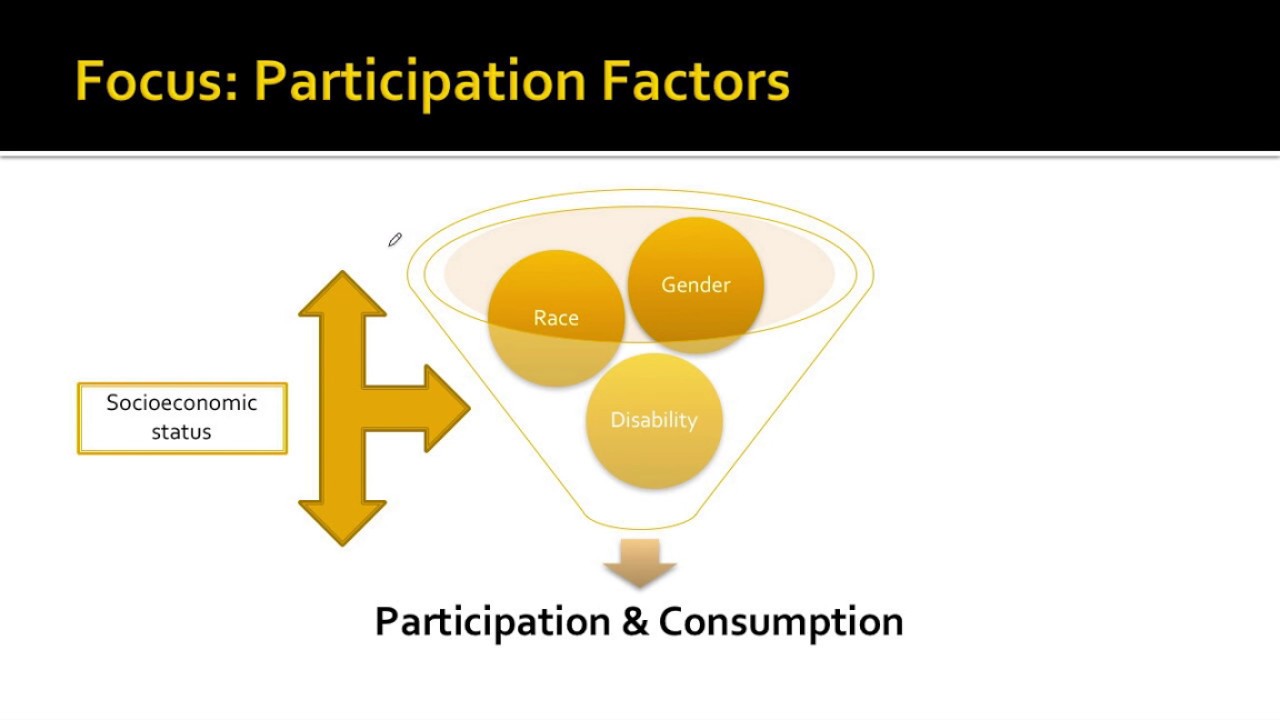
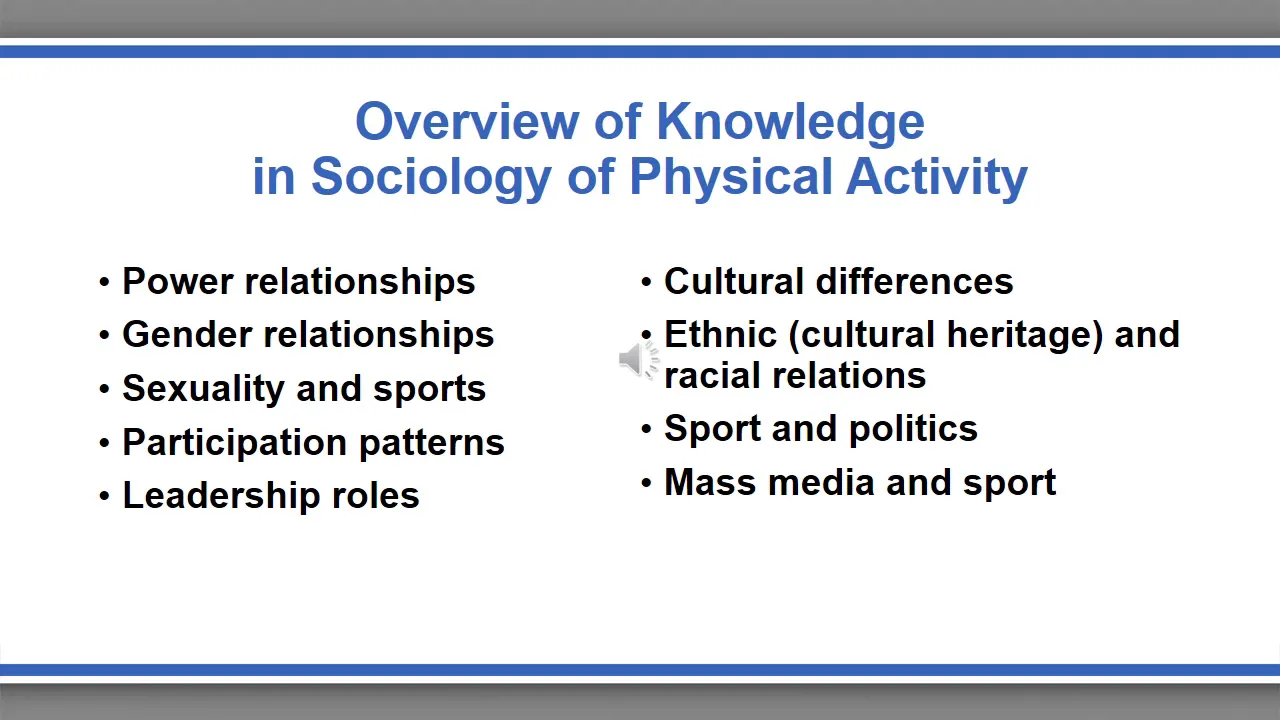





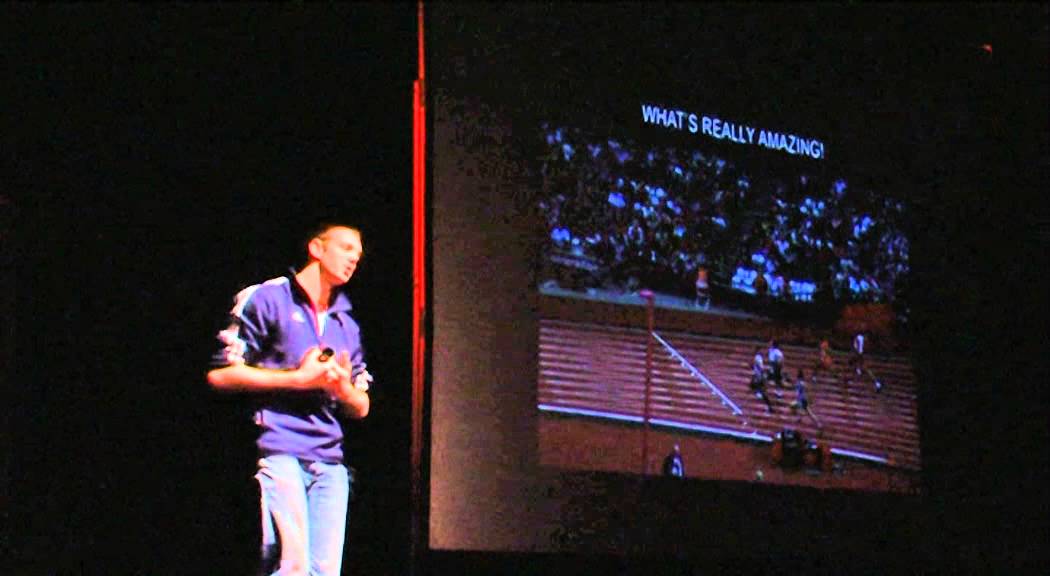


Sport sociology is the study of social worlds created, maintained, and changed around sports and in connection with sports, using sports not merely as a topic to understand but as a window through which we can learn more about the society and culture in which we live; it examines how sports reflect and influence broader social phenomena such as race, gender, and social inequality.
What is Sport Sociology? | Dr. Jay Coakley Explains
Added:A basic understanding of sociology as the systematic study of society, social interaction, and social institutions.
The concept of the 'sociological imagination' (C. Wright Mills), which connects personal, individual experiences to broader social and historical forces.
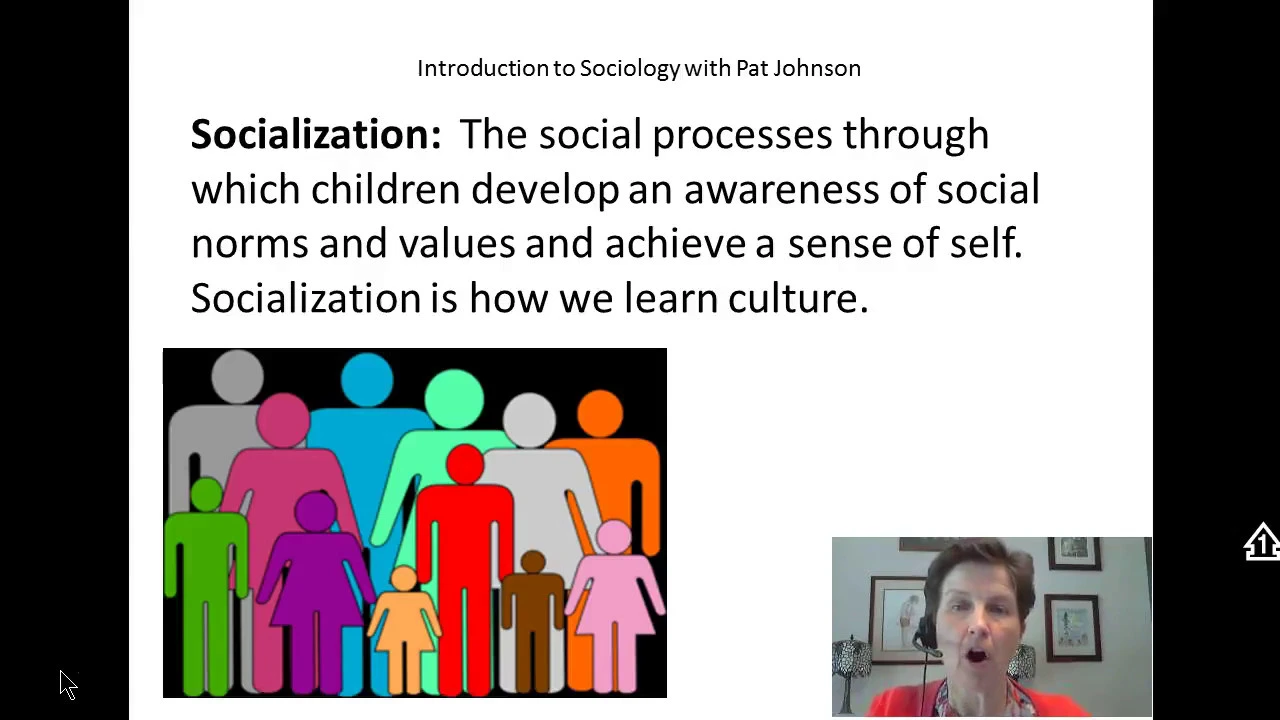
An introductory awareness of socialization, including how individuals learn social norms, values, and roles within a culture.
Familiarity with the concept of a 'social institution' and how institutions like media, education, and economy shape human behavior.
Application of major sociological perspectives (such as Functionalism, Conflict Theory, and Critical Theories) to the study of sports.
Analysis of social stratification in sports, specifically how race, socioeconomic class, gender, sexuality, and physical ability influence athletic opportunities and representation.
Examination of the commercialization and globalization of modern sports, including the role of corporate sponsorship and mass media.
Investigation of deviance in sports, exploring topics like the 'sport ethic,' performance-enhancing drugs, and athlete/fan violence.
Analysis of sports as a vehicle for social change, community development, and political activism.
8.8K views74likes6:13Original Release: 2021-07-01
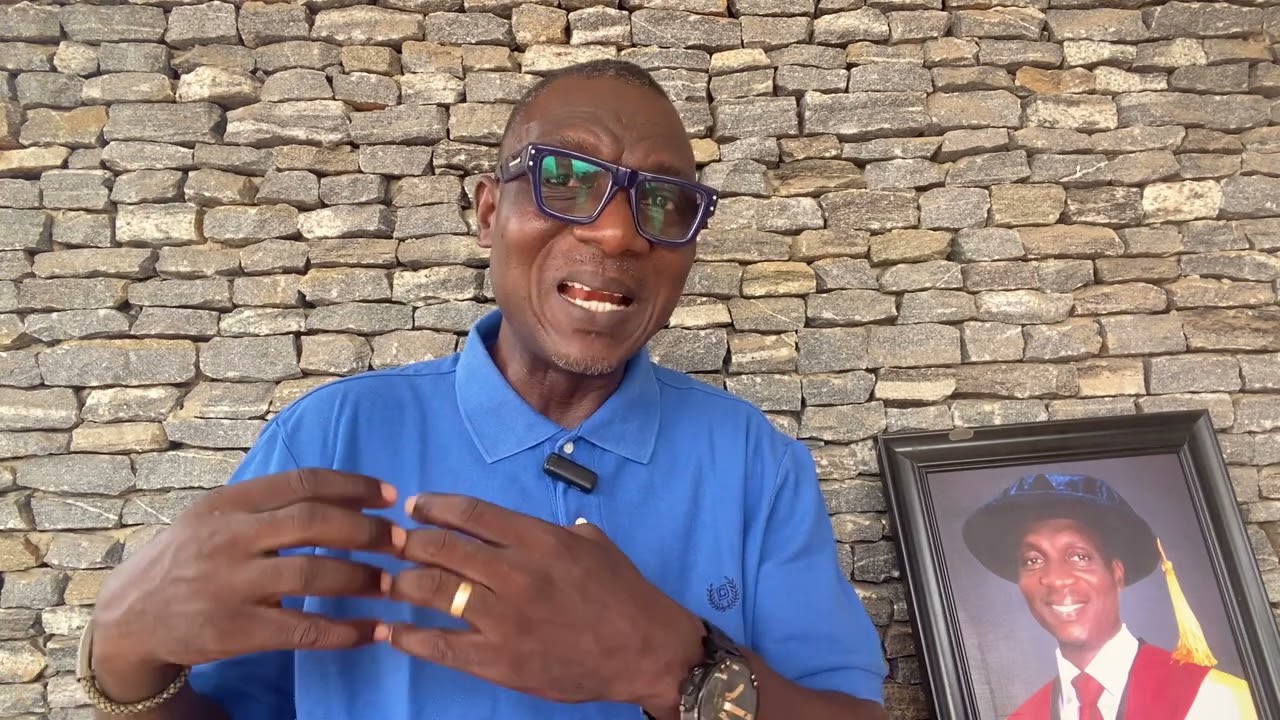
[Music] I'm here today with Dr Jay kley professor merus of Sociology at the University of Colorado Colorado Springs Dr kley has for nearly five decades done research on the connections between sports culture and Society his book Sports and Society issues controversies which is now in its 13th edition along with adaptions and translations is used in universities worldwide he continues his work to ensure the sport participation is a source of enjoyment and development for young people around the world and seeks to make Sports more democratic and Humane for people of all ages Jay it is such an honor to be here with you today well it's great to be with you we're g to um start off at the beginning and find out just a little bit more about uh about you tell us a little bit about Young Jay and and how he became interested in sport yeah well Young Jay was very physically active and I was fortunate enough to grow up at a time when parents didn't have a short leash on their kids and I was the oldest of six in an Irish Catholic Family in Chicago basically revolving around my involvement in physical activities and movement and sports and as I got older I started playing some organized Sports although they weren't as organized back then as they are now and for every hour that I spent playing in an organized sport I probably spent 15 or 20 hours playing in informal games and and just spontaneous play so Sports were a part of who I was growing up and even though I went to a high school that didn't have Varsity sport teams I I was part of a group that organized sport teams and we played in the Chicago public league and the Catholic league and uh I ended up going to uh another high school during my senior year played basketball did did well enough to get a number of scholarships to college went to uh what is now Regis University in Denver uh was recruited by Joe B Hall who later on went on to win national championships at Kentucky and played there for played at Regis for four years and then went to the University of Notre Dame whereare sport was obviously a part of the culture I was involved in the graduate program in sociology so I was attuned to what was going on around me and I kept my eyes and ears open about how sport was integrated into the culture at the University of Notre Dame South Bend and the rest of the society uh even though there were no courses on the sociology of sport back then so what exactly Drew you to Sociology well when I went to uh reges I I wanted to major in Premed and uh the coaches quickly told me first day when I went over to the coach's office that our practices were in the afternoon and that the labs at this relatively small school were all in the afternoon the lab courses so I was going to have to change my major well you know I was a little bit upset but you know I was 18 years old and flexible so I kept my my options open and I took a sociology and intro sociology course and decided that that was an interesting topic it it related to my past experiences growing up in Chicago uh and having all those ethnic and and groups around me and and the topic of race was important as I was growing up I had four sisters so I was attuned to gender issues a little bit so this kind of fit who I was so I started taking sociology and why sociology versus psychology I wasn't as self- introspective as as maybe you and and many others by the way but uh sociology was was the approach that kind of fit the way I looked at the world now with that said I minored in Psychology and uh and I took a lot of social psychology courses as well so uh basically I combined the two and and it gave me a pretty good background for trying to figure out what was going on uh around me and with my friends and in society as a whole it's interesting I think it it's one of those things where they go very much hand inand and to to link the two I know I have found because I've recently been kind of introduced more into in-depth uh sociology and it it brightens your whole thinking even in Psychology when you when you look at both together yeah I agree with you on that although the way our disciplines are organized in many universities it's very tough to combine the two in some kind of a meaningful way at the institutional level you have to do that on a personal level uh sociology is the study of social worlds that people create maintain and change over time through their interaction with one another and and social worlds are basically those identifiable social Realms within which people live their lives and when we talk about sports sociology what we're what we're referring to is a study of the social worlds that are created maintained and changed around Sport and in connection with sports so what we're doing is using Sports uh not just as a topic that we want to understand but as a window through which we can we can learn more about the society and culture in which we live [Music]
Up Next
52:57
Racism and Social Class in Sports: An Academic Analysis
@villanovauniversity
285 views•2016-01-26
54:57
Contemporary Sociological Theory: Micro, Macro, Integrative
@NaSESYNC
45.7K views•2016-02-17
19:23
How to Analyze Conversations Scientifically | Elizabeth Stokoe | TEDx
@TEDx
1M views•2014-12-04
9:41
What is Sociology? The Sociological Perspective Explained
@crashcourse
4.6M views•2017-03-13
Related Study Plans & Knowledge Roadmaps
Structured learning paths in Sociology
sociology
Celebrity Culture: From Hollywood to TikTok
01Foundations of Celebrity Sociology
02The Rise of Micro-Celebrity & Digital Platforms
03Parasocial Relationships & Algorithmic Intimacy
+ 2 more learning modules
12h5 modules
Explore Roadmap
sociology
Hostile Architecture: Space, Power & Control
01Introduction to the Sociology of Space
02Social Control and Surveillance in the City
03Hostile Architecture and Defensive Design
+ 2 more learning modules
12h5 modules
Explore Roadmap
sociology
Loneliness Epidemic: Third Places & Isolation
01Foundations of Social Capital and Community Cohesion
02The Death of Third Places and Urban Space Erosion
03The Privatization of Leisure and Atomization
+ 2 more learning modules
12h5 modules
Explore Roadmap
sociology
Sociology of Tourism: Gaze, Power & Heritage
01Foundations of the Sociology of Travel and Leisure
02John Urry and the 'Tourist Gaze'
03Staged Authenticity and Cultural Commodification
+ 2 more learning modules
14h5 modules
Explore Roadmap