



















Plant Pathology (phytopathology) is the study of plant diseases, their causes, epidemiology, resulting losses, and management, derived from Greek words 'pathos' (suffering) and 'logos' (study). It encompasses studying biotic and abiotic causes, disease mechanisms, plant-pathogen interactions, and developing control methods. Major historical epidemics include late blight of potato causing the Irish Famine (1844-1846) killing 1.5 million people, brown leaf spot of rice causing Bengal famine in 1943, and coffee rust in Sri Lanka (1867) that shifted farmers to tea plantations. Modern challenges include peanut stem necrosis disease in Anantapur (2000) and yellow mosaic virus in Andhra Pradesh (2014).
Introduction to Plant Pathology | Plant Disease Causes & Epidemics
Added:Basic Plant Anatomy and Physiology: Understanding healthy plant structures (such as xylem, phloem, cell walls, and stomata) and physiological processes to recognize how pathogens disrupt them.
Fundamentals of Microbiology: Familiarity with the general characteristics and differences between major groups of microorganisms, specifically fungi, bacteria, viruses, and nematodes.
Introduction to Ecology: Understanding how environmental factors (like temperature, humidity, and soil composition) affect living organisms and influence their interactions.
Integrated Pest and Disease Management (IPM): Learning how to combine biological, cultural, physical, and chemical control methods to manage plant diseases economically and sustainably.
Molecular Plant-Microbe Interactions (MPMI): Exploring the genetic and biochemical mechanisms of host defense responses, pathogen virulence, and host-pathogen recognition.
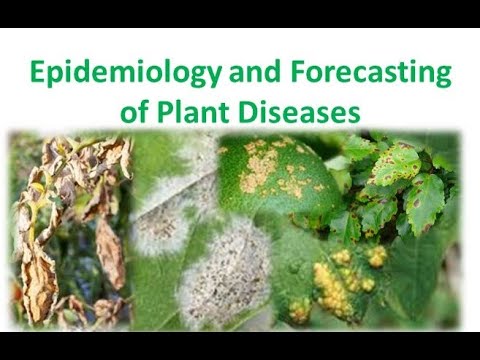
Plant Epidemiology and Disease Forecasting: Studying the mathematical modeling of disease spread in plant populations to predict and mitigate large-scale agricultural epidemics.
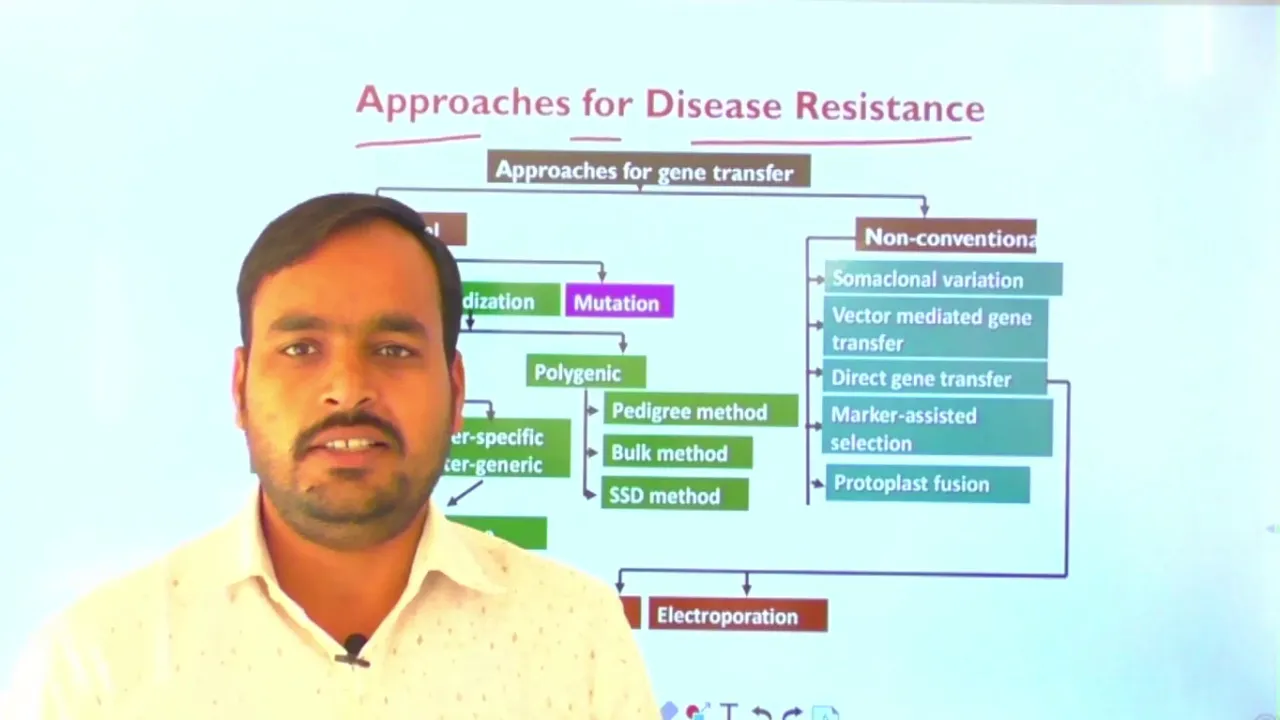
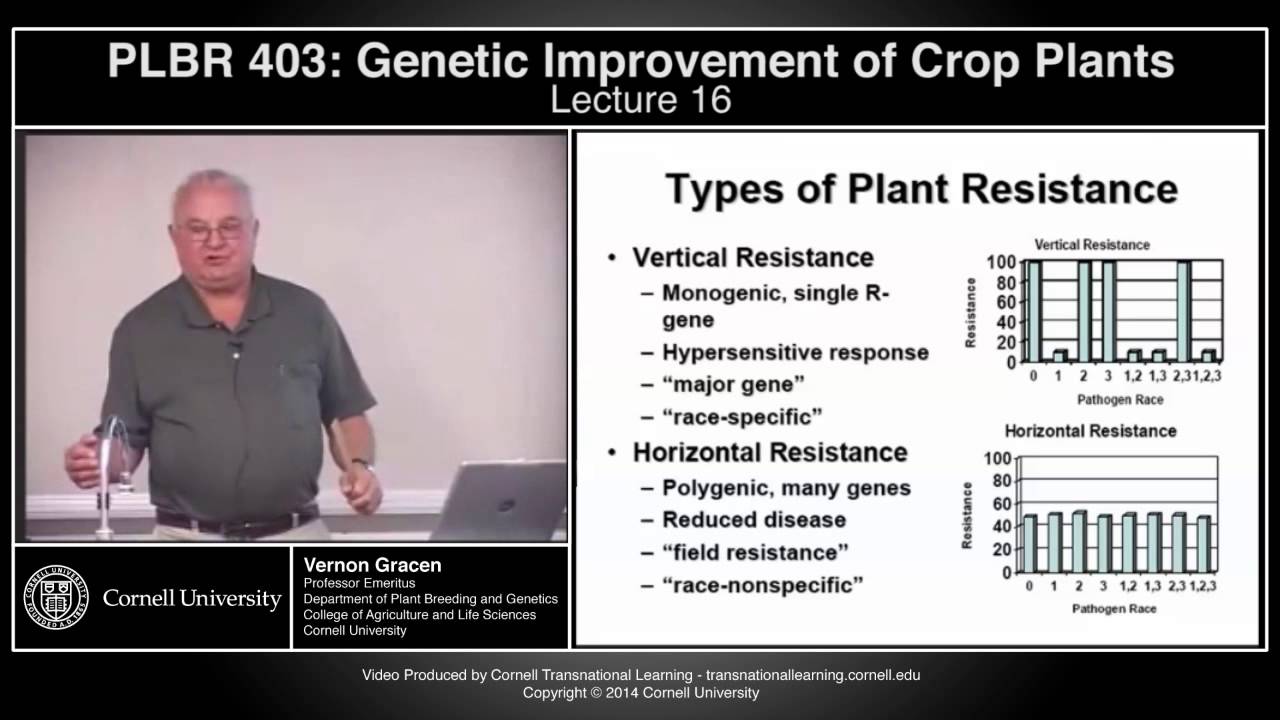
Biotechnology and Breeding for Resistance: Investigating how genetic engineering, gene editing (CRISPR), and molecular breeding are utilized to develop disease-resistant crop varieties.
359 views12likes9:15Original Release: 2025-03-20
hello everyone this is AA studying agriculture BC first year in KV College of Agriculture CS today I'm going to explain about introduction to Plant Pathology what is Plant Pathology Plant Pathology is also known as phytop pathology which it is the study of diseases and their causes iology epidemology and resulting losses and management pathology the term pathology is derived from two Greek words which means pathos means suffering and logos means study of to discuss the plant path the study of suffering of plant diseases when the plants is suffering they do not develop and functioning in their manner it is accepted this is called disease due to this abnormality the productivity of plant is reduced or [Music] lost today we'll discuss about some important of PL diseases first late light of potato the late light of potato caused sever loss in much of Northern Europe in 1840s potato crop in Ireland in 18446 caused Irish fing this fam resulted in the death of 1 and half million people and they migrated from Ireland to United States this is the picture where they are suffering from leg light of potato leg light of potato is caused by fight of the investment how the leaf deserted leaf look like this and the potato looks like this after that brown Le spot of in the time of second called for in 1943 Bengal had faced a serious fine it is known as Bengal fine it has attributed to Great loss in yield of rice due to helium Orizon the people suffer from Brown Lea spot of rice and there is no food for them and they at disted leaf look like this next one is coffe caused by himalia vasts in 1867 Coffee R attracted the plantations in C pharmers lost cres of rupees and shifted to Tea Plantation the rest of the coffee rest looks like this we caused by P Grand the infected stem look like this s caused by hel ofes the infected leaf look like this grapes down plas The Grapes buns looks like this and get MiFi and this is the how the leaf looks like banaa FX the leaves look like this and the stems are looking like this rice blast P stems looks like this infected stems look like this and leaves have the small spots there bacf caus s how this Lea looks like this infected look like this and some sh developed there o is developed there epidemics of Lal significant some of some of diseases also attacked in local peut MOS disease it is a viral disease caused in ground nut affected severely anur in 2000 yearly 0.6 million of of ground in anantapur is grown about 2 2 lak 25,000 hectar of ground nut is infected through peanut stem necrosis disease and this is how the leaves look like M mosa virus it infected green gram in castal Andra Pradesh in 2014 it is it also infected black G and soy beam the infected leav part look like [Music] this now we will discuss about the scope of Plant Pathology scope and responsibilities of path PL PL is unlimited first it is about study of ideology symptoms predisposing factors and recurrence of such diseases plant disease Plant Pathology deals with different aspects of plant diseases and it has white scope than human pathology which only deals with one ascept that is plant Health it means Plant Pathology deals with many aspects but about coming to the human it only describes about only one aspect only the branch focus on understanding house H pathogens environment interact to cause plant diseases and understanding how to control plant diseases it means the Plant Pathology focuses on the cause about the abiotic or biotic causes objectives of Plant Pathology the science of Plant Pathology has four main objectives it means to study the living and non- living and environmental causes diseases to study the mechanisms of disease develop developed by pathogens to study the interactions between plant and the pathogen to study the interaction between the plants and the pathogen and to develop methods of controlling the diseas and reducing the losses caused by them yes we'll discuss about some McQ related to this topic first one the plant pathogen is also known as phytop pathology ter PL is derived from Greek word the word plos means suffering the disease of the study of suffering of plants is known as Plant Pathology late light of poatoa sever loss in which year 1845 in which country L dat of potato is reported in [Music] Ireland Le of potato caus Rich Irish ground Le spot of ricea which bangal in which year coffee rust was reported in 1867 coffee rust is epidemic in which Sri Lanka due to the effect of coffee R farmers are shifted to tea plantes main objective of Plant Pathology is to study the living and non living and environmental causes of plant diseases L light of potato is caused by phop infest Brown Li spot of R is caused by elos we we stem rust is caused by P Coffee R is caused by hilia V SN caus by helos gra is caused by plasma of banana is caused by FX rice plast is caused by Pia War bacterial light of rice is caused by [Music] psmd stands for peanut stem necrosis disease peanut stem necrosis disease is affected in which district it is in anantapur peanut stem necrosis disease is reported in the year 2000 mic virus M MV stands for M yellow Mosaic V sorry virus Mell Yow mosaic virus M yellow mosaic virus is reported in the year 2014 thank you
Up Next

3:07
GCSE Biology: Plant Defence Responses (Triple)
@Freesciencelessons
184.5K views•2017-10-10

50:12
Bacterial Communication: Quorum Sensing and Biofilm Formation Explained
@JHUAAP
12.6K views•2011-06-28

5:35
Enteric Nervous System Explained: The Gut's Brain | Neurobiology Lecture
@alumniu6029
438 views•2018-09-12

7:08
Bacteriophages: Earth's Deadliest Killers and Future Antibiotics
@kurzgesagt
34.6M views•2018-05-13
Related Study Plans & Knowledge Roadmaps
Structured learning paths in Biology
biology
RNAi: Biogenesis, RISC & Gene Silencing
01Molecular Biology Foundations: DNA to Protein
02Introduction to RNA Interference (RNAi)
03Molecular Biogenesis of miRNA and siRNA
+ 2 more learning modules
10h5 modules
Explore Roadmap
biology
Mycorrhizae: Signaling, Biophysics & Ecology
01Foundations of Mycorrhizal Symbiosis
02Molecular Signaling and Root Colonization
03Biophysics and Bioenergetics of Nutrient Exchange
+ 1 more learning modules
11h4 modules
Explore Roadmap
biology
Circadian Clocks: TTFL, SCN & Periphery
01Foundations of Molecular Biology & Gene Expression
02Introduction to Chronobiology and Actograms
03The Core TTFL: Molecular Architecture of the Clock
+ 3 more learning modules
14h6 modules
Explore Roadmap
biology
Population Genetics: Math, Drift & Selection
01Genetic & Probability Foundations
02The Hardy-Weinberg Principle and Baseline Models
03Mathematical Modeling of Natural Selection
+ 3 more learning modules
18h6 modules
Explore Roadmap