















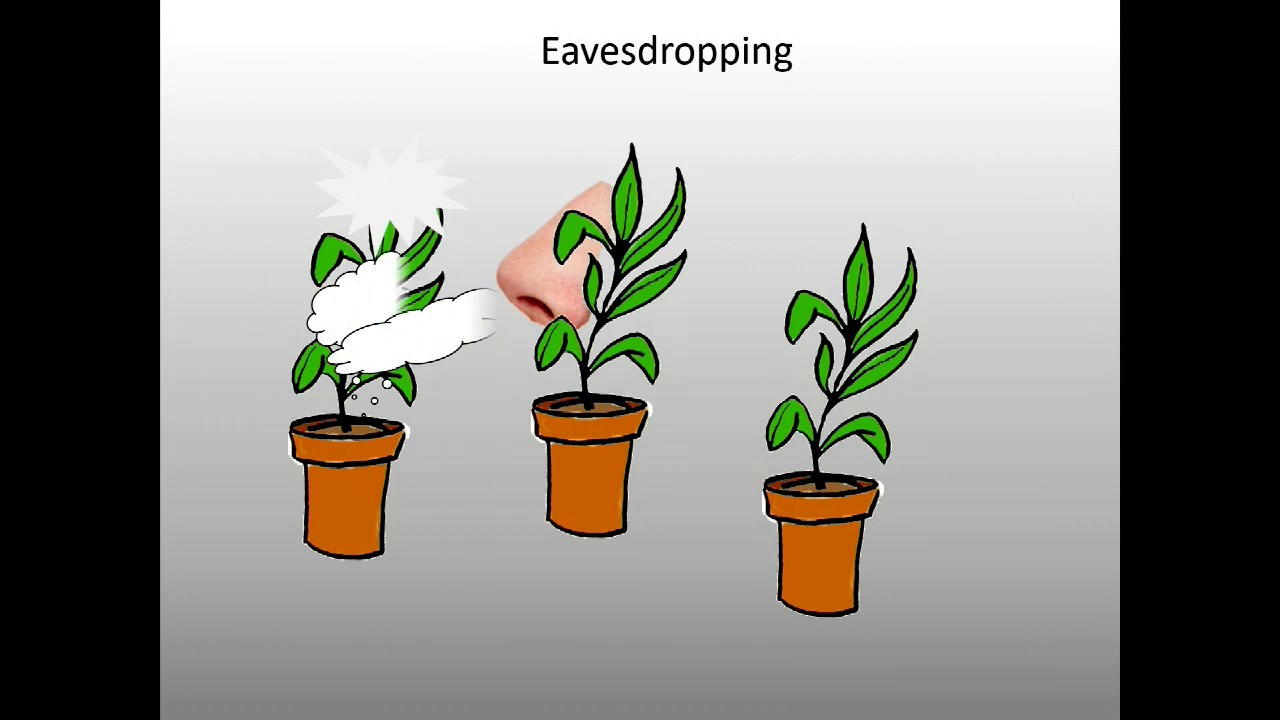











Plants defend against attackers through three main mechanisms: physical responses including cellulose cell walls, waxy cuticles, and bark barriers; chemical responses involving antibacterial substances and toxins to deter herbivores; and mechanical responses such as thorns, irritant hairs, moving leaves, and mimicry to confuse or repel predators.
GCSE Biology: Plant Defence Responses (Triple)
Added:Basic plant anatomy and cell structure, specifically the role of the cell wall, cellulose, and the waxy cuticle.
The definition of pathogens (bacteria, viruses, fungi, and protists) and the general concept of how they cause infectious diseases.
The concept of herbivory and the basic ecological relationships between producers (plants) and consumers (herbivores).
An understanding of transport systems in plants, specifically how xylem and phloem distribute resources and how pathogens can exploit these pathways.
Methods used by scientists and farmers to detect and identify specific plant diseases in the field and lab (e.g., DNA analysis and monoclonal antibody testing).
How humans harvest and utilize plant chemical defences for pharmaceutical purposes, such as deriving aspirin from willow bark and digitalis from foxglove.
A comparative study of non-specific plant defences versus the human primary non-specific defences (e.g., skin, mucus, stomach acid).
The application of selective breeding and genetic engineering to develop agricultural crops with enhanced resistance to pests and pathogens.
184.5K views2.1Klikes3:07Original Release: 2017-10-10
[Music] hi and welcome back to three size lessons cold UK by the end of this video you should be able to describe how plants defend themselves against attack these include physical responses chemical responses and mechanical responses this is a relatively easy topic so let's get started now as we've seen before plants can be attacked by microorganisms such as viruses and fungi and good examples are tobacco mosaic virus and rose black spot plants can also be attacked by insects and by animals such as herbivores plants have got three main defense systems against attack and the first is called physical responses firstly all plant cells have a cellulose cell wall this is difficult for microorganisms such as bacteria to penetrate secondly as we saw before leaves are covered with a thin oily layer called the waxy cuticle and again the waxy cuticle is difficult from micro organs to penetrate which protects the plant from attack lastly we often find layers of dead cells around stems a good example of this as bark on trees again bark is a barrier to entry by microorganisms as bark ages it eventually falls off and it's replaced with fresh bark underneath plants can also release chemicals to protect themselves this is called the chemical response for example plants can release antibacterial chemicals which kill bacteria and prevent them attacking the plant plants can also release poisons to deter herbivores from grazing on the plant now the final defense system found in plants is called the mechanical defense system so as look at that now the first example of mechanical defense are thorns or hairs sharp thorns directly protect a plant from being eaten by a herbivore other plants have got hairs which irritate the mouths of herbivores making the plant difficult to eat sometimes you find plants which have got special leaves which droop or curl when they're touched and I'm showing an example here it's thought that this might scare herbivores as they're not used to plants that move like this now the final example of a mechanical defense response is mimicry and I'm showing an example here this plant is called white dead nettle and a look is very similar to a stinging nettle but it's got no sting herbivores are less likely to you white dared nettle as they can easily mistake it for a stinging nettle this protects the white dead nettle from being eaten remember you'll find plenty of questions on plant defense responses in my vision workbook and you can get that by clicking on the link above okay so hopefully now you should be able to describe how plants defend themselves against attack [Music]
Up Next
16:02
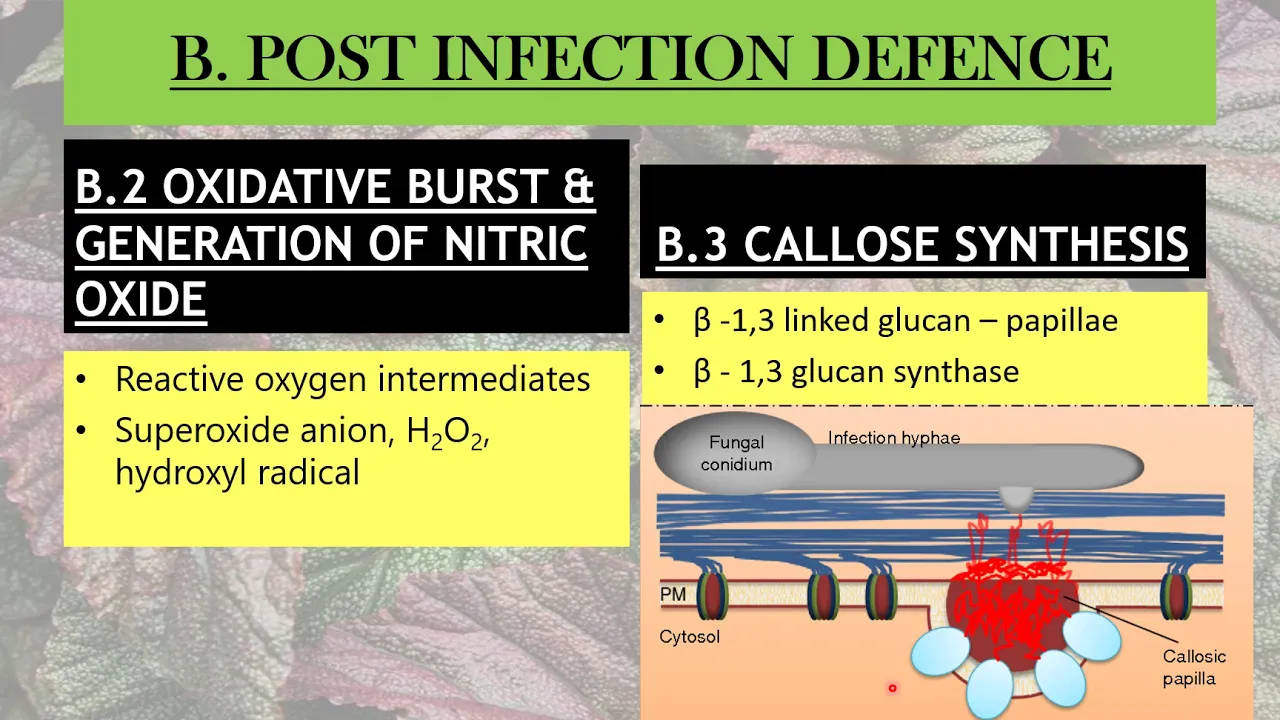
Active Biochemical Defense Mechanisms in Plants | Phytopathology
@microbiologyDV
4K views•2020-06-08

50:12
Bacterial Communication: Quorum Sensing and Biofilm Formation Explained
@JHUAAP
12.6K views•2011-06-28

5:35
Enteric Nervous System Explained: The Gut's Brain | Neurobiology Lecture
@alumniu6029
438 views•2018-09-12

7:08
Bacteriophages: Earth's Deadliest Killers and Future Antibiotics
@kurzgesagt
34.6M views•2018-05-13
Related Study Plans & Knowledge Roadmaps
Structured learning paths in Biology
biology
RNAi: Biogenesis, RISC & Gene Silencing
01Molecular Biology Foundations: DNA to Protein
02Introduction to RNA Interference (RNAi)
03Molecular Biogenesis of miRNA and siRNA
+ 2 more learning modules
10h5 modules
Explore Roadmap
biology
Mycorrhizae: Signaling, Biophysics & Ecology
01Foundations of Mycorrhizal Symbiosis
02Molecular Signaling and Root Colonization
03Biophysics and Bioenergetics of Nutrient Exchange
+ 1 more learning modules
11h4 modules
Explore Roadmap
biology
Circadian Clocks: TTFL, SCN & Periphery
01Foundations of Molecular Biology & Gene Expression
02Introduction to Chronobiology and Actograms
03The Core TTFL: Molecular Architecture of the Clock
+ 3 more learning modules
14h6 modules
Explore Roadmap
biology
Population Genetics: Math, Drift & Selection
01Genetic & Probability Foundations
02The Hardy-Weinberg Principle and Baseline Models
03Mathematical Modeling of Natural Selection
+ 3 more learning modules
18h6 modules
Explore Roadmap