

















![[대한수면연구학회와 함께하는 수면의 비밀] #4 ‘불면증 극복의 비밀’ (삼성서울병원 주은연 & 일산백병원 송파멜라)](https://i.ytimg.com/vi/FHK4Up2uX5A/maxresdefault.jpg)




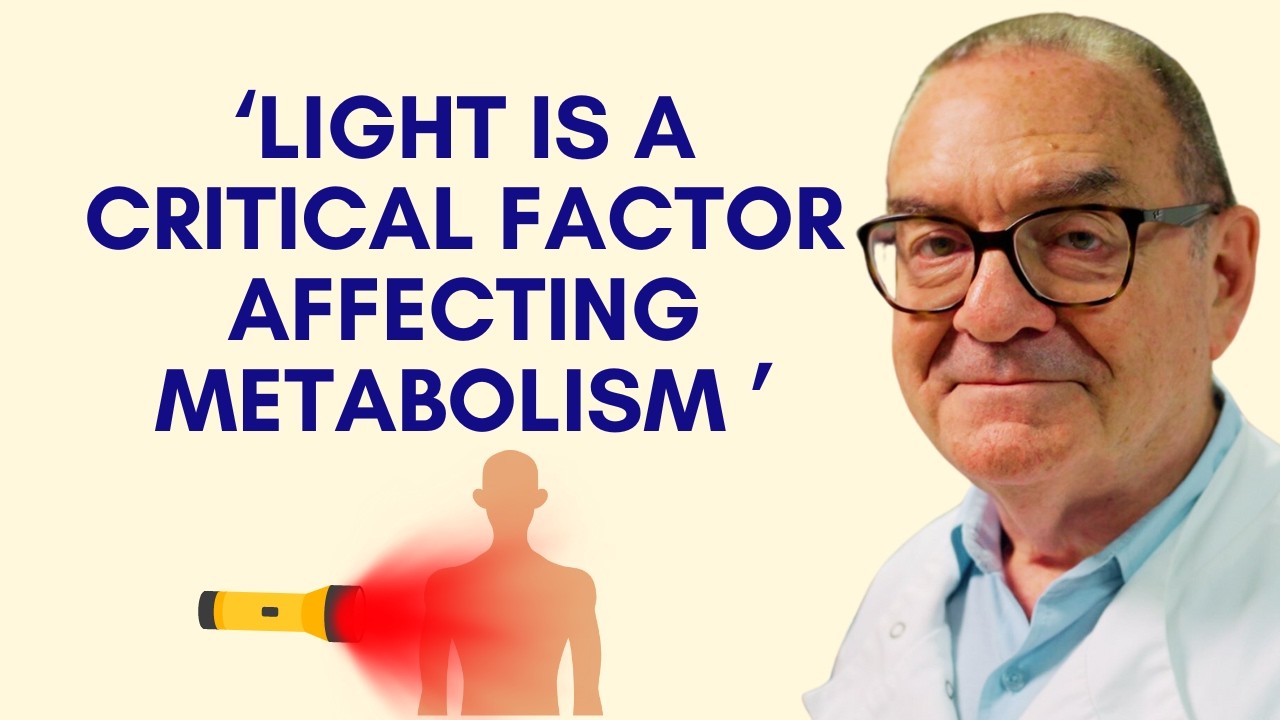
Sleep quality is fundamentally controlled by circadian rhythms, which are regulated by light exposure through the eyes; morning light exposure advances the body clock while evening light delays it, and obtaining adequate daytime light exposure (500+ Lux for 4-5 hours) insulates against the negative effects of nighttime light exposure, making it essential to prioritize natural light exposure during the day and minimize artificial light exposure in the evening to maintain healthy sleep patterns and overall mental health.
Sleep Neuroscientist on Morning Light, Sleep Hygiene, and Mental Health
Added:The concept of circadian rhythms and the role of the suprachiasmatic nucleus (SCN) in regulating the sleep-wake cycle.
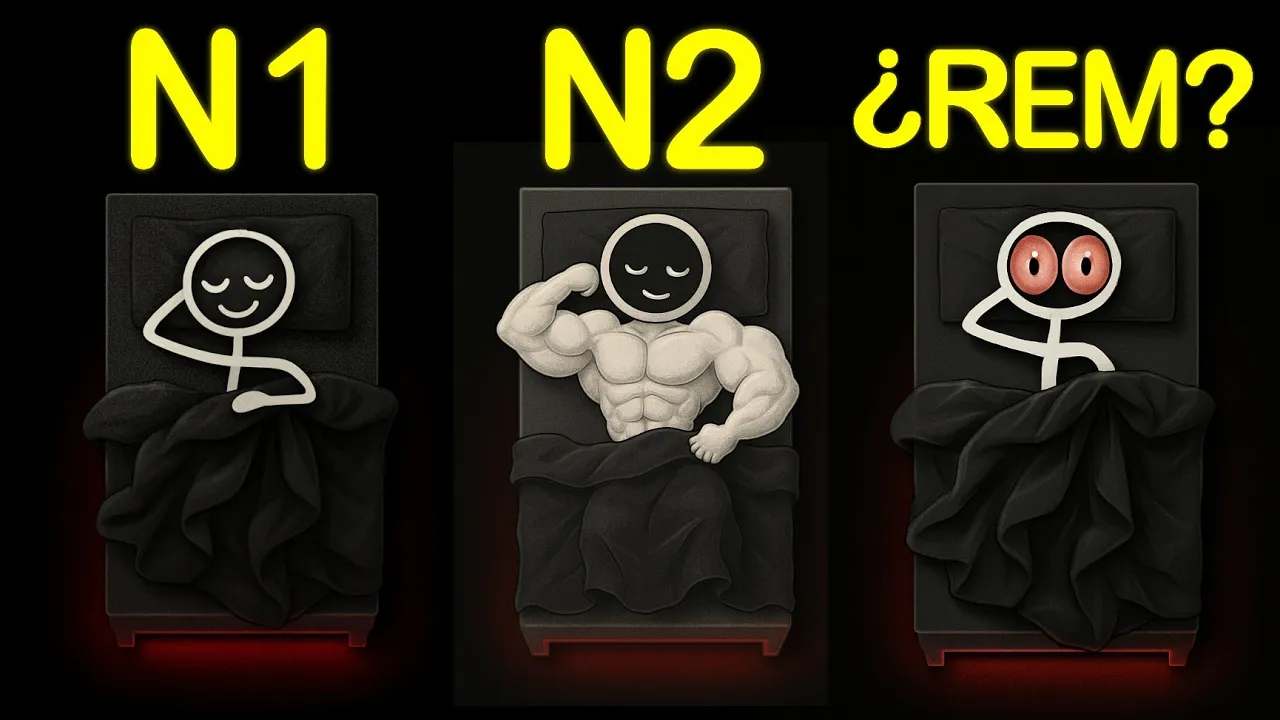
The basic stages of human sleep architecture, specifically distinguishing between REM (Rapid Eye Movement) and non-REM sleep phases.
The endocrine regulation of sleep, particularly the opposing roles of melatonin (the darkness hormone) and cortisol (the alertness hormone).
The fundamental definition and standard practices of basic sleep hygiene (e.g., maintaining a cool room, avoiding late-day caffeine).
Advanced photobiology and the specific neurological pathways through which blue light exposure affects mood, attention, and cognitive performance.
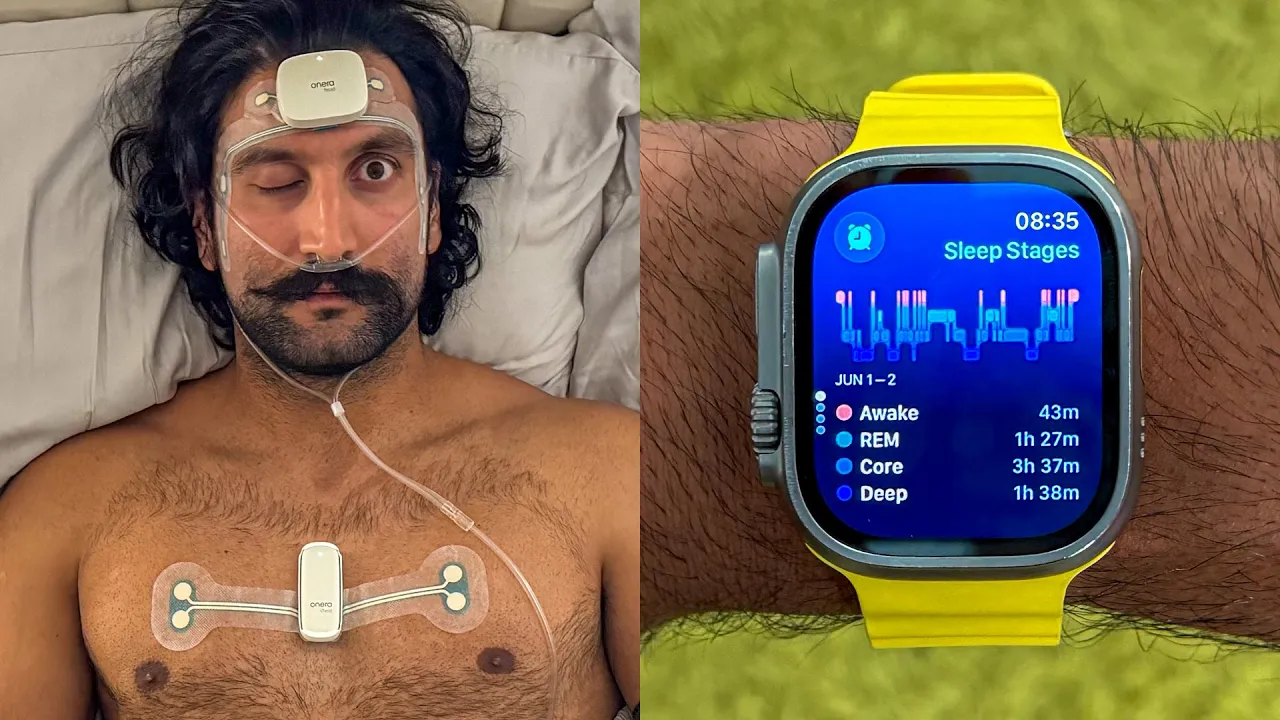
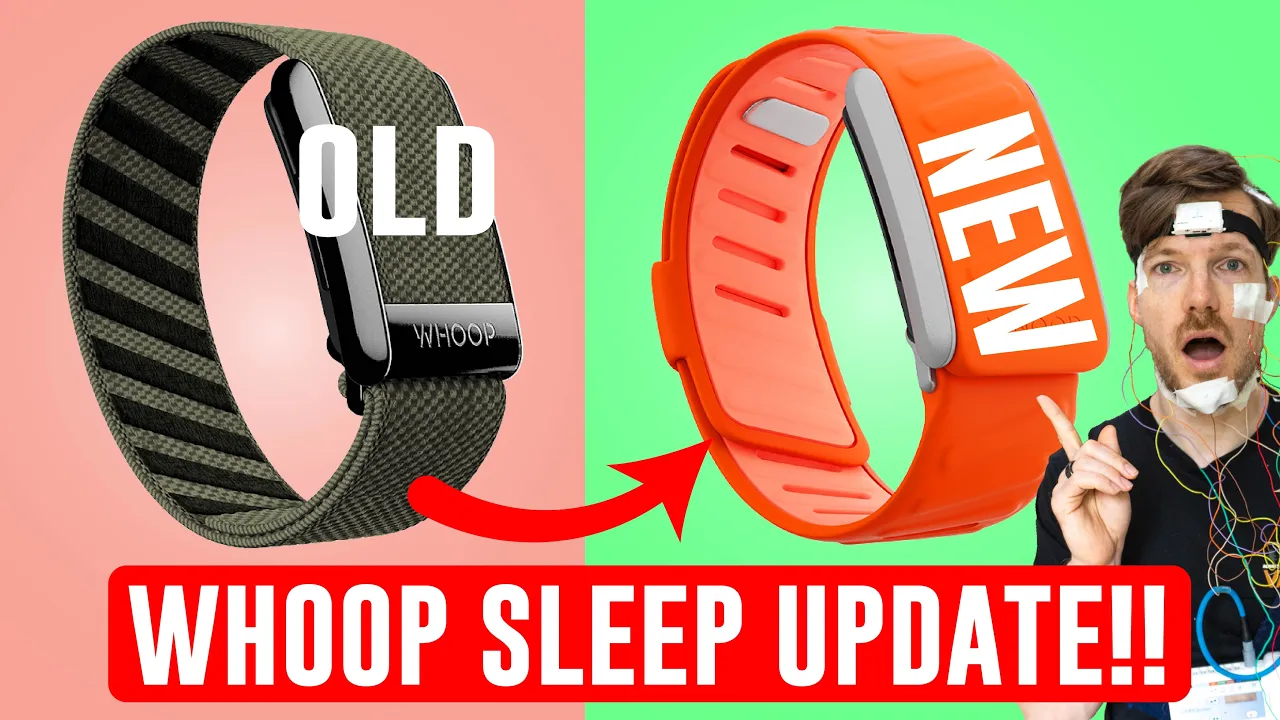
A critical comparative analysis of consumer-grade sleep trackers (using actigraphy and HRV) versus clinical-grade polysomnography (PSG).
Clinical and behavioral interventions for sleep disorders, specifically Cognitive Behavioral Therapy for Insomnia (CBT-I) and light therapy protocols.
The bidirectional neurobiological relationships between chronic sleep disruption and psychiatric disorders such as clinical depression and anxiety.
215.4K views3.3Klikes2:04:39Original Release: 2024-02-07
I wanteded to start off by talking about something that is often not discussed I think when it comes to sleep and that's the issue of Partners sleeping in the same bed yeah I you know it's interesting I I was talking about this fairly recently and and I've talked about it I think in the book too and I'm saying that look if you find it difficult to sleep with your partner then and if you can find an alternative sleeping space because it's no reflection upon your relationship if your partner snores for example or the bed is too hot or if they wriggle around a lot find an alternative space and in fact it's not the end of a relationship and so many people have come up to and say oh no I couldn't possibly sleep in a separate B it's the it marks the end of a marriage it doesn't it marks the beginning of a new wonderful phase in your relationship because you both get decent sleep um you don't resent somebody sort of jabbing you in the ribs because you're snoring or whatever and you can have nice little rituals of of of getting together in the morning to have a cup of tea or what ever so I don't see the problem at all but there is that psychology that oh you know it's it's you've got to sleep together don't agree with it if I think about the UK or the US I would imagine that in these countries and cultures there may be a bit of push back oh yes and go no no if you're in a couple you sleep in the same bed but I imagine there's many cultures around the world where this is not the case that's true um and and it it there's a whole Spectrum so I I remember when I first went to Germany as with my wife and they had we were given this fantastic room huge bed but separate dues which is a really smart thing because often the the temperature ranges for for for couples will change so separate duas is a really easy solution to that snoring is of course a lot more problem problematic but but also in cultures like Japan um it's very frequent that the children sleep with the mother and the father sleeps separately so there's there's every sort of um relation and of course the Aristocrat um was always you know they always had separate separate bedrooms yeah it's interesting I was chatting to one of my best mates about this recently and he's a spinal surgeon on the south coast of England and he said to me mate no way that's the start of the end yeah if you don't sleep in the same bed as your partner that's how ingrained it is but I guess let's look at the flip side in our first conversation we discussed together how poor sleep has so many impacts on our short-term and long-term health and if we just think about the short term poor sleep leads to less compassion less empathy um reduced sense of humor you need humor in a relationship yeah so by that logic of course if sleeping in the same bed is resulting in one or both parts is not getting enough sleep which means you have less empathy less sense of humor less tolerance to a whole host of different things it kind of ss the reason if you have the space and of course not everyone does that's the issue yeah right if you have the the space and the capability it might actually improve your relationship I that's how I would argue it absolutely yes now you have to be slightly careful because what you want to make sure that your partner doesn't have obstructive sleep out near so this is where the musculature of the neck will will will collapse and block the airway and so they'll be sort of snoring away and then they'll just stop and then they'll wake themselves up the brain realizes it's being deprived of oxygen and so the individual wakes up and and and splutters and and snores and all the rest of it and now that's serious and and and that needs to be looked at by a GP and there are easy ways to to fix it um so you know just make sure that your your partner doesn't have obstructive sleep out near so when you're um giving us that warning are you essentially saying let's look after our partner if you think there's an issue before you move into the spare room just have a look and and at least ask the question could this be sleep AP is that what you're getting exactly yes and of course you can get apps which you can download and actually listen to your snoring pattern and people have done that um and they're pretty accurate too so yes just be careful that it's not obstructive sleep up near um snoring is is one issue and of course snoring can be enhanced by increased weight gain rather sadly as we get older um we deposit more fat in the tongue and so so so that can also restrict the airway alcohol of course will relax the musculature and you're much more prone to snore uh if you've had um too much alcohol yeah it's interesting I spoke to the US physician Dr William Lee last year on this podcast and he's done a lot of research into food but also VIs Al fats and he said one of the first places we store visceral fat in the body is in the tongue I know it's an extraordinary who have thought it yeah so is it it's bad enough getting old without having a fat tongue you mention snoring and you mentioned obstructive sleep apnea yeah just so we're bringing everyone along uh and no one's getting confused they're different things aren't they yeah they they can be over yeah exactly yes so snoring would be just a vibration of of of of of the tissues in the back of the throat anything to be worried about snoring um I don't know I mean if it's very loud um i' I'd sort of think about some corrective measures such as making sure that you're not drinking too much that um you may want to sort of prop yourself up up a bit but broadly speaking straight snoring is not nothing to be particularly worried about but obstructive sleep up near is because what you're doing is you're having periods of oxygen deprivation to the brain and then when the brain wakes itself up it you're getting surges in blood pressure and that can be very bad for the small vasculature in the eye for example um and of course in the brain so so that really does need to be looked at and and so there are there's a a correlation between our hair rates of of obstructive sleep apnea and dementia for example if someone is listen to this and they do snore or their partner snores and they're not sure is this just a bit of mild snoring or is this something more serious what would you advise them to do well ideally you go your GP and they'll recommend you go to a clinic and well well you'll spend a a night and then they'll they'll look at you in some detail and and they'll monitor the breathing and and the snoring and the potentially the obstructive sleep out near but there are so few sleep clinics like that It's Tricky uh and I mentioned that there are apps you can download and so what I I I would recommend is talking to the GP seeing what the options are and if if there's a waiting list of two years or whatever it is to get to The Sleep Clinic ask specifically about what NHS recommends in terms of downloadable apps to monitor your snoring and potential sleep app near now in our first conversation Russell I asked you what your views on sleep trackers were and you were quite clear that there's very few uses you thought they were good for you were sort of saying that for some people they might be okay but you were saying that no sleep Federation actually endorses the use of them yeah that's still the case so that's still the case still the case yeah and so so so none and then and and also none are FDA approved at the moment which means what for for an individual who's thinking you know what I see all these adverts for Sleep trackers maybe a ring or maybe a bracelet that I wear 247 why should they be concerned or why should they proceed with caution over the fact that you've just said they're not approved by the sleep federations yeah well well so for example you'll often read um medically validated and that can mean just about anything um and so for example what it often means and excuse me for being cynical is that it's been tested on eight um Californian undergraduates um for a couple of nights in the sleep lab uh if you're lucky sometimes it's only one night in a sleep lab and that's just not good enough um and also because sleep is so dynamic as we discussed last time a single um um um algorithm uh is simply not going to work across the variety of sleep patterns that we see and as sleep changes as we age now I'm down on them now um and as I said before they can be useful in terms of telling you roughly what time you went to sleep and what time you woke up and that's can be and if you woke up in in the middle of the night but anything more sophisticated in that I would be very uneasy about and indeed there are now instances of people using these these devices and and and getting sleep anxiety it's now a recognized condition people get so worried about the Sleep information they're getting from these apps and they're they're in large measure inaccurate um so don't take them too seriously however what I think is on the horizon with AI is a much more interactive device which means that it can pick up biometric signals accurate biometric signals does me well it can tell you know roughly what your your breathing rate is your your pulse rate um and your activity accurately and integrate that into a dynamic algorithm which can say ah yeah I understand I can tweak the algorithm that fits this sort of person's sleep habits and so uh I think that they might as time goes on I would imagine in 10 years time they will be more useful and they probably give a much greater accuracy for the sleep that we that we actually experience yeah I guess so like many things it's early technology yeah it's rapidly evolving yeah and maybe in the future they'll be a lot more accurate was really interesting I don't think I shared this with you last time we spoke in fact I don't think I'd had the conversation at that point just over a year ago I spoke to the kenion elite marathon runner elied Kip chogi who's the only marathon runner to have run under two hours a marathon in under two hours which is just staggering basically ABS extraordinary and he does wear uh an aura ring m to track his sleep and I asked him on the morning of a big race you know what happens do you look at it you know what if you're ready in to score Z he goes and never look at it on the morning of a race because he knows that he doesn't sleep well like all of us the night before something big or like many of us I should say and he knows for his Optimal Performance in order to be confident go into that race perform at his best he doesn't need to see a poor sleep score or a poor Readiness score absolutely and I think that yeah it is absolutely and of course it's it's very interesting that we um feel as though we need to be told by some inaccurate device how we feel and we're the best in the best position to to determine how we're feeling whether we're we're firing all cylinders where we're feeling you know able to perform so what are the best questions that one can ask themselves to determine if their sleep is adequate or they're sleeping enough oh and that's straightforward you know um uh I suppose the first would be do you feel that you can function optimally during the day are you are you firing all your cylinders uh do you um rely on an alarm clock to wake you up in the morning uh or a partner to wake you up in the morning if you're staying the same bed um do do you feel tired and sleepy during the day critically do you oversleep on free days at the weekend for example what does that mean well basically um normally you know you've got you've got to get up at a particular time during during the the the the week and then you're you're sleeping in for two or three hours uh at the weekend and that's telling you you're not getting enough sleep uh during the week and so you need to go to bed earlier and get the sleep that you need um and it's worth bearing in mind that many people think oh I can just completely catch up um by over sleeping at the weekend you can partially but not fully some really interesting experiments have shown is you don't fully catch up after a a a weekend of oversleeping you're still starting Monday with a sleep debt so you've got to really get that stability the other problem of course about oversleeping is that you're not getting the Morning Light which is so important for setting the body clock and the sleep wake cycle to make it really practical though Russell some people will say I get what you're saying but my life is tough in the week with my children with my work demands I just can't go to bed at a time that would be optimal and I do need an alarm clot because my job is what feeds me and my family in that situation at the weekend let's say on a conventional uh Monday to Friday job is there a downside to sleeping in and the second part of this question is what about catchup naps on a Saturday afternoon or a Sunday afternoon yeah okay um so yes it is it is difficult but it's all about prioritizing um because we can cut our sleep we think that we can squeeze other sorts of activities into the time that we would normally sleep so we got to take our sleep seriously and if we need 8 hours or 7 hours we need to go to bed at a time that will deliver that duration of sleep that we need so it's it is about prioritizing um oversleeping as we touched on uh is you won't catch up fully and you can delude yourself yourself that you can oh I can over sleep at the weekends I'll be fine for Monday the data suggests that that is not the case you can certainly it can certainly reduce the Sleep debt but not fully the other key thing of course is you're not getting that Morning Light you're not getting that um that that important timegiver to set the clock and the sleep wake cycle accordingly so uh you know all of the the data that we've got suggests that it's regularity which is the key thing that we have to achieve for our sleep wake cycle you mentioned Morning Light I know we covered it in our first conversation but for anyone who's not heard that perhaps give us an overview you know what is Morning Light why is it so important and how much do we need yeah so we have this internal clock which is fine-tuning our biology to the very demands of the 24-hour day um and what is it you say internal clock many of us picture a clock on our desk right so so you know when you say we have an internal clock what what does that look like well actually there is a Master Clock within the brain um uh and it's called the Supra chiasmatic nuclei so essentially you can think about where this is as the optic nerves go into the brain and fuse sitting above there is a small paired structure of about 50,000 cells and and and each one of those cells is capable of generating an endogenous 24-hour Rhythm I mean it's just extraordinary and it's based upon a molecular feedback loop so clock are turned on they make their proteins those proteins then form a complex they then go into the nucleus and turn off their own genes the protein complex is then degraded and then the whole thing can start again and so it's a it's a biological oscillation of about 24 hours but it's not exactly 24 hours um and so it needs to be set to the to the real day so the internal day needs to be aligned to the external day and the most important thing for that it's not the only thing but the most important thing is light now light does different things to the clock at different times so Morning Light makes us get up earlier it advances the clock evening light delays the clock makes us get up later now because most of us 90% of us have a body clock that is slightly longer than 24 hours we under constant conditions would drift later and later and later so what we need to be in trained to get that internal clock aligned to the external world is a daily nudge an advance that's why Morning Light is so important because it gives us that advance um uh which is what we need on a daily basis so interestingly um we did some studies on some students all over the world um and of course students are notoriously late types but we found that the later the chronotype and I know we touched on chronotypes last time the more evening light they got which would delay the clock at the expense of Morning Light so they were sleeping through not getting the advancing Morning Light but they're out in the late afternoon early evening getting the dusk light which is is delaying the clock even further so when we see light is so important so we want to get light exposure ideally natural light outside as close to our wake up time as possible exactly yeah now couple of things to elaborate on there we're recording this conversation in January in the UK so we're at the height of the British winter yeah which means it doesn't often depends whether it's uh clouds in the sky or clear but it can often be 8:00 a.m. until you're getting Morning Light abely yeah well it was it is it is at the moment about 8: a.m. so many children uh many adults are having to get up let's say at 6:30 a.m. to get ready for their days activities yeah so they get up at 6:30 let's say with an alarm clock which may not be ideal but maybe in reality what's happening for a lot of people your advice is you need to get morning lights as soon soon as possible yep now Morning Light may not be available from the outside until 90 minutes after that in the summer I get it easy everyone wants to go outside and get their feet on the grass if they have gone or whatever it is right on the wet damp conditions at the moment people don't want to do that yeah so what's your advice with respect to that and also what does indoor lighting do and these kind of sad lamps I guess you know what what are they useful uh well they're certainly useful and and I think we we could learn something from our our Scandinavian cousins here um and so in tromo which i' I've visited it's the most extraordinary Place where's tromo Tromso Northern Norway um uh and it's in the Arctic Circle and of course it's dark for two months of the year and what the families do there is that they will have a light box and it's set to produce more than 2,000 Lux um and we can talk about Lux levels in a moment um for 30 minutes so 2,000 plus Lux perhaps as high as a 10,000 Lux in some cases and they have their breakfast uh in in a room where there's artificial light and they use that to set the clock to the uh to to the external world of course there's not much of a light dark cycle but of course they're stabilizing it in a sense for social reasons and have they done that on the basis of scientific experiments or has it been something that they've figured out over time we need to do this for our physical and mental well-being I think it's a both I mean we've got good data showing that morning light is really important for for for stabilizing sleep wake and also you you mentioned Seasonal effective disorder uh the treatment I mean some data for sad and light is really interesting many of us were very skeptical when this first emerged you know say oh well you you you know sit in front of a light box what's the control you know you sit on in front of a light box and you don't turn the lights on you can you know you work out the you're it's not going to work um so so is it just a placebo effect uh and then uh a range of much more sophisticated experiments showed that it really was the light and one fascinating study compared um non-seasonal depression and light and they compared Placebo Prozac and 10,000 Lux for 30 minutes in the morning and light was more effective than Placebo at two weeks Prozac was only statistically significant at eight weeks and then light was more effective than than Prozac so light seems to be very powerful for both non-seasonal and seasonal depression this is a really interesting point something I wanted to discuss with you today this idea that light is medicine this idea that light is a drug but we as a society don't see light as a drug we we just think well we can expose ourselves to whatever light we want whenever we want you know light is you know separate to our life we get on with our lives we do our work we go on social media we see our friends we do whatever but we don't give attention to lights but your trial that you just mentioned there or certainly the trial you're you're citing is really comparing light to a drug yes yes absolutely so in your view is should we consider light as powerful as drugs I think we absolutely can I me and it would be naive not to think that for the following reason you know all life on Earth has evolved on a planet that rotates once every 24 hours we're exposed to a light dark cycle the light dark cycle has dominated our Evolution and our biology um and because from what the 1950s we could produce cheap affordable efficient light we've invaded the night um and we've thrown away this incredible part of our biology uh as a result and and it's and it's fascinating that that you know the the humans are wonderful I mean we're remarkably arrogant we we think we can do whatever we want whatever time we choose I mean you know it's part of the success story uh uh but actually we do it at some considerable cost and I think I think it's about tuning in to those incredibly powerful biological drivers environmental drivers of our biology you say it's part of our success story and again this is something I've been reflecting on recently on on Long warts Russell this idea that we say that humans are really evolved and look what we've achieved with our skyscrapers and our phones and our technology but you could also make the case that we have epidemic rates of chronic disease we have epidemic rates of mental health dysfunction and so I guess sometimes we need to challenge The Narrative that this is a success story do you know what I mean I know that's slly controversial and I I'm not pushing back at what you're saying I just think there's a general point it's like worth considering that there are some cultures and some parts in the world where yes let's say they've got other issues to contend with but their chronic disease rates are much lower they don't have mental health dysfunction like a lot of Hunter gathered tribes yes they may have threats from predators and we regard Our Lives as better many of us which speaks to this arrogance I think many modern humans have but I think we could also make a case to go well is it NE I'm I'm certainly arguing for a bit more humility it's all about its understanding and of course what we haven't had is uh uh out there the education that allows us to make sensible decisions about our lives and and that's the thing that's changing and I think people are thinking hang on I do need to reconnect a bit I do need to get that that balance yeah in into balance um and and so I yeah I I it's all about education for me and it's it's trying to have the information to make the best decisions about our lives yeah um and so that we can embrace the extraordinary successes of our species but also not get kicked in the teeth by them yeah I agree I think it's possible to have the best of you know modern Humanity if we just remember some of the kind of evolutionary principles as it were you if we can remember those and apply them in the context of the modern world we can possibly have our cake and eat it um yeah but I mean we can't do everything that we want to do at any time of the day there's a balance we've got to prioritize and we've got to structure our days so that we can achieve what we need to achieve but also not at the expense of fundamental biology like sleep you mentioned it was in the 1950s that we had we we discovered ways to make light and and you know our use of light much more cheap and more accessible yeah it kind of reminds me a little bit about what happened in the 1970s and ' 80s with food we found ways to make energy dense calorie Rich super tasty foods that we can't resist and now I think many of us are aware of this junk food problem that exists in society you could kind of make the same case with lights that I think it's a good good analogy we have a junk light problem yeah yeah absolutely yes I mean it's it's it's very interesting because there was a House of Lords um Sans and technology select committee on the impact of light and noise pollution on human health and particularly how it affected how it affects our sleep wake um cycle and it was really interesting to see how Parliament is now beginning to take these sorts of issues seriously and and I urge people to to go on to the website House of Lords website and look at the select committee report it's really interesting let's just go back to Partners for a minute sleeping in separate beds when you have spoken about this at live talks or in the media before you know what kind of comments have you had from people has there been a lot of push back are some people saying no my husband and I have been doing this for 30 years and it's the best thing we ever did or are you mostly getting pushed back against the idea I'm not getting pushed back in fact what's happened is that a bunch of celebrities you know then came out saying oh yeah well of course You' be sleep in separate beds and and and and and natur of course endorsement by a celebrity means it's kind of okay to many people for getting endorsement by you studying this yeah um and so uh I know I it's been the reverse people I think actually people have felt pH I'm so relieved I don't have to feel guilty about it any longer and I think initially people probably push back because they think yeah what about intimacy but I don't think sleeping in the same bedroom equals intimacy no because you could let's say I mean it's not an extreme example at all I think it's happening in many bedrooms around the world where you're in a double bed with your partner and each of you are on your own devices right you're physically in the same space but mentally you could be tens of thousand miles away one of you is in your curated world of entertainment the other one is in their curated world so yeah sure you're in the same beds yeah but is that intimacy well no no no absolutely and of course you know if order to promote intimacy you have to have empathy you have to be responsive to the the behavior of your partner you have to have a sense of humor often you have to you have to enjoy other people and you'll enjoy other people a lot more if you've had a good night of sleep so one option is separate rooms the other option which you have touched on which you first came across in Germany is you're still in the same beds but you have a separate duvet yeah are there any other options you can think of when it comes to couples potentially sort of dealing with the this yeah I mean of course the default is is um um ear ear plugs um but a lot of people just can't cope with those um uh to to block out any snoring noise for example um but temperature I think is also an important factor um males and females have different temperature preferences on average so men prefer a slightly lower temperature compared to females compared to women um and what's the basis for that where we don't fully know but one argument is that men tend to be larger therefore they have a uh reduced surface area to volume so they're not going to lose heat as readily also men tend to have more um muscle than fat um compared to women and muscle is metabolically more active and they're prod therefore producing more heat so that might be part of the difference and why you know the Germans have you know used separate duvet but there are now mattresses which also take take the heat away from um the sleeper uh and and and you know I think it started as a bit of a sort of a selling issue but there are data suggesting that actually they do improve sleep I mean we should talk we should talk about temperature and and the importance of temperature for Sleep generally yeah let's let's see that it's interesting as you say that I S it's a friend of mine yesterday and I told them that you were coming back to the studio today and she said to me I don't know this is a bit weird or not but you know okay my husband and I like different temperatures he likes to sleep completely naked and I've got loads and loads of clothes on and the duet's wrapped around me yeah that works for us so I thought I'd put it to you that kindness speaks to what we're talking about right it's presumably there's a temperature regulation difference or a temperature preference difference between the two of them and the way they're managing that is by the clothes that they're wearing fantastic yes absolutely yeah have you heard that from others oh absolutely yes sorry to interrupt to make sure you are taking action after watching this video I have created a free special guide to help you improve your sleep and reduce fatigue in my clinical experience most people who are struggling to sleep are doing something unconsciously in their day-to-day life that is negatively impacting their ability to sleep at night so in this free guide I share with you five of my very top tips tips that I have seen transform the lives of many of my patients so if you want to get hold of this guide all you have to do is click on the link in the description box below and and the sorts of the sorts of things you can wear in bit you know some people just wear a t-shirt um uh I think night shirts are are becoming more are replacing pajamas in certain sectors maybe it's cuz I'm just dealing with an older demographic but you know yes uh and so I think it's finding as as long as the material is cotton or linen and absorbent and and um comfortable uh then I think you there's lots of different options yeah at the end of our first conversation Russell you briefly touched on basic and polyphasic sleep I wonder if we could retouch on that but then linked to that I'm wondering you know has any of your work studied tribes you know hunt gather tribes or you know tribes in different parts of the world how did they sleep if there is a couple there for example a man and a woman do they sleep in the same bed or are they in in different places yeah okay we need to go back to wonderful chap called Ro Roger ook um and he looked at the Sleep habits of pre-industrial Europeans um uh from the writings the Diaries um and and kept on finding references to a first and a second sleep um and and so went through and and there were records that go way way back to polyphasic sleep so not sleep in a single Consolidated eight hours as we're all told we've got to have but people would wake up they'd interact um then they go back to sleep again and this was common this was just the norm and then it seems that uh as we've developed a more industrial society and we've compressed our opportunity to sleep the polyphasic sleep pattern is not as clearly pronounced as it was you know in the pre-industrial societies light was incredibly expensive I mean the cost of a candle in the 19th century was almost equivalent to a working man's daily wage you couldn't afford and also they were made of fat and you couldn't afford to burn fat because you know most people were were food poor and so you so we would so the sleep wake cycle was was dictated to a large extent by the the the the natural light environment so anyway um Roger's work then stimulated a chap called Tom Weir to do some experiments and and he got young people into the lab exposed them to 12 hours of light 12 hours of Darkness so you know expanded the nighttime opportunity to sleep and what he found was they became basic so they then then sort of would go to sleep they'd be asleep for a few hours wake up and then they go back to sleep again uh and and so you see this also in societies now without electric light so people have studied till runberg for example Societies in South America and shown very nicely that sleep isn't a single Consolidated block and that's so important because we know we're told eight hours Consolidated this is the perfect sleep pattern and when people wake up they think oh my God never going to get back to sleep um I might as well start doing emails and drinking coffee and and of course if you know that the biology uh is is like it is and so if you stay calm you stay relaxed you keep the lights low your chances are you will go back to sleep so potentially we could make the case that a bif phasic sleep pattern is the kind of natural human way to sleep can we say that well I think I think that's fair under those sort ofum circumstances so for example you would expect that biphasic polyphasic sleep would be the dominant sleep type during the long nights of winter I think perhaps the time we get to the short nights um in the summer we might find that the Sleep patterns would will will change so I think it'll depend upon changing you know light dark signals but yeah I it's perfectly normal to have basic or polyphasic sleep at certain times of the year I would say and on that something I've often felt which kind of speaks to your work really Russell is that Society has really lost its relationship with rhythm you know everything in nature in life operates with absolutely whether it be a heartbeat whether it be electrical activity uh whether it be the sleep wake cycle and even if we think about let's say a 7day rhythm and we think about the fact that certainly when I was a kid supermarkets in the UK were closed on Sundays oh yes now what's really interesting if we really reflect on that and of course many religions have a Sabbath or or some sort of day of rest ingrained within them pre- internet pre supermarkets been open seven days a week and having online shopping seven days a week you would naturally have rest on a sth day yeah right so we have a rhythm there and I I kind of feel modern society tries to make us feel that every day is the same now I get that we want similar wakeup times and bed times to help us with our Cadian Rhythm but you mentioned winter and summer and for many years it's felt quite natural to me that in the winter let's say in a Northern Hemisphere country like the UK where you do have short days in the winter and you know it's not light till 8:00 a.m. it's it's dark at 4:30 p.m. and it's even more pronounced of that in places like Scandinavia it kind of makes sense that you would spend longer in beds and potentially sleep more in December and January as compared to the light months of June and July yeah what does the research say well Studies have been done uh we suggesting that we do increase our sleep duration a little bit during the winter it's not huge but but it does occur historically I suspect it was very marked but because we can manipulate our environment in terms of light and temperature I think it's become less pronounced but it certainly occurs for in many people yeah so it's reasonable to think that your sleep need might be different in the winter than the summer yeah I think that's fair too yes uh we don't have huge amounts of um studies underpinning that statement but I I I think it's a perfectly reasonable assumption but then we could go to what you said before which is we don't need fancy Tech to tell us about our sleep we need to ask ourselves some simple questions and therefore yeah if in the winter and the summer whatever your sleep amount is if you're functioning well if you have empathy if no one's calling you moody if you can concentrate all day you know you may well be sleeping enough for you exactly and and it's also worth bearing in mind we're not unique we are just like every other kind of mammal and mammal all mammals have some form of biphasic or polyphasic sleep they don't sleep in a single block and their sleep wake patterns expand and contract over the seasons so it's not surprising that we show those trends as well temperature right what's the relationship between temperature and sleep yeah it's really interesting so if we if we go if we start with the Circadian changes in temperature uh so so we're told that temperature is about 37° see um but actually if we go to the early morning uh 2 4:00 in the morning it's at its lowest point and it might be as as much as one degree below 37° this is our body temperature our Core Body temperature yeah and then in anticipation of increased metabolic rate uh increased activity our temperature is driven by the clock to start rising and it rises and Rises throughout the day and then about 6 7 o' in the evening it begins to decline to that low point in the early hours of the morning now what's critical is that that Cadian driven rhythm in temperature also impacts upon the sleep wake cycle because that evening drop in core body temperature uh seems to be a signal to initiate sleep so part of the physiology of going to sleep involves a dropping core body temperature and if you block that drop in core body temperature it's much more difficult to go to sleep so it's a really important part of our biology and this of course is why hot showers and hot baths can be helpful before beds I know this it's ironic isn't it you think you you've got to you've got to promote cooling but you're doing with a with a hot bath U or warm bath um and the reason of course is that what the warming of the bath water does is to vasodilate to expand the blood vessels in the hands and the arms and the legs and the feet which means that blood is being shunted from the core where it's hot to the periphery and that that that heat is being lost to the outside so that's why a a warm bath can actually um promote going to sleep relaxing of course but also it's it's producing that that helping produce that that subtle drop in core body temperature and again that makes sense if we think about our Revolution um you know we were living on the equator and presumably in the day it would be hot and presumably at night the sun would go in it would be dropping temperature right so we've evolved under those conditions and so I guess these modern temperature controlled houses again I could speak about Britain because that's where I live in the winter with heating on I think a lot of people don't realize that having the heating on in the bedroom there's a balance of course but you can make it too hot oh absolutely yes um and and there's some discussion about what's the optimum temperature for a bedroom I suppose the consensus is about 18° personally I like it much cooler I turn the heating off um and sometimes even open the window so I like it nice and cool um uh but a recent study showed that in elderly people 65 70 and older that the optimum temperature for sleep was closer to 22° so quite a big change it's a big change yes and I have to say the data surprised me uh so you know everybody's different you'll have to find you know what works for you but of course it's not simply the the the temperature in the room it's the sort of bedding you're using and of course whether it's an effective duvet with layers which are keeping keeping you warm or it's something much lighter and therefore you're going to lose heat and and certainly if it's too cold you're more likely to wake up uh so so yeah you've got to get the balance right again with as with uh but yes but ideally a slightly cooler bedroom temperature would be um the best for promoting sleep you mentioned Lux before which of course is a unit of light could you expand on Lux you know what exactly is it and maybe give us some examples of the amount of Lux we're often exposed to when we're either inside or outside yeah so Lux is a an old measure of of environmental brightness and and it's essentially calibrated to give you a sense of brightness as it would appear to a human Observer so the the the the the response of the detector is not flat meaning that it doesn't absorb all wavelengths equally it actually has a bell shaped response which peaks in the sort of greeny greeny part of the spectrum at 555 nanometers um which is which is where humans are are maximally sensitive to their daylight Vision um so so uh Lux comes in values so if we think about um the sort of light that we'd see outside uh so shortly after Dawn on a clear day you would have about 10,000 Lux by noon that could get to 100,000 lucks even in Britain no you know it's not and is it do we just measure as a static measurement or is it more if you are outside on a sunny day in July in the UK for 10 minutes you get x amount of Lux if you're there for 20 minutes you get y amount of Lux is it like that yeah you it's certainly additive and and of course it's constantly fluctuating because of cloud cover and and whether you're moving inside or under a tree or whatever so but if you just took your Lux meter out and you pointed it Skyward you could get up to 100,000 Lux on a bright bright sunny day most of the time it's going to be something around 50 60,000 Lux but as we go inside this is where the big changes are occurring so if you stand on a reasonable sunny day uh and you point the the the meter at the window you could get between 3,000 Lux and and a thousand Lux walk 2 to 3 meters into the middle of the room and it's dropped to maybe as little as as as a 100 Lux and why is that a problem well or a potential problem well yeah uh and of course the sorts of levels of light you're seeing in the evening would be something like 90 Lux um in in most domestic settings even with bright kitchen LED lights on it varies of of course a lot and and kitchens now are are very well illuminated so that would be more that would be four 500 maybe even 600 Lux so the sort of light you get from a Kindle for example on maximum setting would be 30 Lux so very low so low yeah uh and and so what is does it all mean well the Circadian system requires relatively bright light over a an extended period of time and so there's a lot of controversy at the moment because sort of people have said okay well in fact domestic light setting let's say 100 luck will actually shift the clock but you have to have seven and a half hours of light exposure to get any effects so it's a good example of where intensity and duration are being titrated and integrated by the Circadian system however other more recent Studies have shown that actually those low levels of light even for 7even hours or so are completely abolished if you've seen relatively bright light during the day so we said that Dawn and dusk is sort of the most important times for Shifting the clock but the clock is the clock sensitivity is being gated by the sort of light exposure that you get during the day so what these these studies showed is that 500 luxs or more during the day for four or five hours would actually abolish even subtle effects of dim light in the evening which I think is really interesting okay let me just try and summarize that to check I've got it right so you're initially saying that essentially that the Lux you will expose your ey to outside dramatically outweighs anything you you could get insides broadly speaking Yeah broadly speaking which is why getting outside particularly in the morning is so important to set the Cadian Rhythm exactly and unless you use a light box which is in the 2 to 10,000 range like you mentioned before in Northern Norway what they're using exactly okay then you were saying there was some research and I know you touched on this last time I think it was the Harvard research showing that actually light exposure in the evening will delay the clock but it was 7 hours plus it was It was a long well well the the particular experiment um individuals were exposed to a Kindle brightest intensity for five consecutive nights for 4 hours before bedtime and that delayed sleep onset just statistically significantly by 10 minutes okay so it had an effect but it was a small effect but what's so important is that the later studies showing that if you had reasonable levels of light during the day abolished those small effects of reading a light emitting ebook and this is something I became aware of maybe five six years ago I was reading some research that indicated that if you get a lot of light exposure in the day it mitigates and insulates you from some of the negative impacts of light at night and you're saying more research is now supporting that exactly yes so if you work outdoor for whatever reason MH or you're able to um get out you know for I don't know 1 hour walk at lunchtime I know many people in offices probably can't do that but if you can walk to work walk back from work assuming it's light outside yeah get get off the tube a bit earlier so you can extend that walk yeah it's cumulative the more light exposure you get in the day the more it insulates you from Nighttime light exposure that's I think very empowering because there is a lot of concern over nighttime light exposure you also mentioned in our first conversation that light exposure in the evening may not delay the clock so much but it increases alertness yeah I really want to unpick that because a lot of people will report to me that when they're not looking at screens for let's say an hour before beds and I've seen this on my own life when I'm not my sleep is much better I fall asleep quicker and I'm more rested when I wake up yet some of this research is saying it may not be to do with the clock that's right can you help us understand that so of course light is critically important for regular ating the Cadian system but light can have a direct alerting effect upon uh the brain and so we're not ABS it looks like lower levels of light can have an alerting effect that won't have such an effect upon the Circadian system so it still could keep you up it could yes but it's not by Shifting the clock but it's very dis difficult to disentangle because of the there's the light alerting effect but if you're if you're working on a computer screen and you're let's say doing doing social media and you're being energized by emails and you're doing all that sort of stuff that will also have an alerting effect so in fact relatively low levels of light and other activities that have an alerting effect on the brain could act synergistically so I think the rule of thumb would be ideally don't use devices for 30 minutes or maybe an hour before bedtime for two reasons one it could have an alerting effect upon the brain but also because of the sorts of alerting effects that social media emails and all that and and and just thinking does if you're if you're if you're sitting in front of a computer screen and it's all part of the process of winding down as we discussed last time most people don't have a sleep problem they have an anxiety or a sleep issue and the more you can do to relax and wind down before that transition into sleep the the easier sleep will become you mentioned the Kindle which seems to have um a very limited effect on the clock mhm might have have an alerting effect but limiting effects on the clock what does TV do and of course there's a difference between the TVs of the 1980s and the big LED that's right Mega screens of today interestingly we don't have uh any really good studies on that um that's incredible I know it it's extraordinary and and a lot of it is is extrapolation from from other other sorts of studies so what what would a television screen produce well the old Tellies were producing something again in the order of what 56 70 Lux but then you're the further away and and and so actually the amount of light would be relatively low what you're getting from a big LED screen it's interesting we should we should try our Lux apps that we've loaded onto our phones earlier today and see what the LED screens are although I don't have one unfortunately so we can't do it okay um uh but but but we don't have any really good studies um and it's it's I think it's a very interesting question I think there's a great citizen science project there what about you know your iPhone um or you let's broaden it out your smartphone or these modern laptops which are really bright have got very high contrast colors which is often a selling point for these companies right do we know what the Lux is doing there the problem that we have is that the Cadian system response to light depends upon the intensity the duration the color the wavelength your light history how old you are and we don't have a really clear model about how this is integrated so many patients tell me that life just feels like a blur because of the pressures so many of us face the busyness the overwhelm the endless to-do list I've heard it time and time again why haven't things changed why can't I bring these healthy habits into my life and make them stick I've been a medical doctor for over two decades and I have to say one of the most transformative practices I have ever seen is the practice of journaling because it breaks the loop we have these unconscious patterns these subconscious patterns running our lives we don't realize how many anxieties and worries and concerns we have worrying around and journaling is a very simple way to get the stuff out of your brain you get it down onto paper and you see it and that does something really really powerful when there's a new diet that you were following Fall by the wayside when does the new healthy habits that you were sticking to start to fall off track that's the self-awareness that journaling is going to give you when people ask the right questions they get the right answers and those right answers allow them to change their life take up journaling today and watch your life start to change so recommendations have been sort of kind of come to but they they're they're based upon many lab-based experiments so for example that was one suggestion is that you shouldn't see more than 40 lucks which is really dim for two hours before you go to bed now that's extracted from from Lab based studies where where people were not exposed to a natural light dark cycle during the day but kept in a lab under dim light and then exposed to dim light in the evening um furthermore it would have been on youngish people and it looks like the the the the clock of younger people is more sensitive than older people and so I think we need to be really careful because I don't don't think we should recommend elderly people should be wandering around in their homes under 40 40 Lux that the the chances of tripping and falling under those levels of light I think uh uh outweigh any potential benefit particularly as the potential benefit isn't well founded in science you mentioned there that children they are more sensitive to the effect of light it seems so yes in the evening do we know the age category there not really no I mean usually what's happened is that teenagers have been compared to 65 year olds and and 65 think teenagers are more susceptible yeah and it that that might also be why the sleep wake Cycles are more easily disturbed because they are more sensitive to light so again the key experiments need to be done so I want to come on to nighttime exposure in the evening I'm very passionate about what's going on in schools at the moment we'll get to that but perhaps a way of getting into this part of the conversation is this paper that was published in October 2023 in nature it's called day and night light exposure are associated with psychiatric disorders an objective light study in greater than 85,000 people now can I just read a couple of lines from the abstract greater nighttime light exposure was associated with increased risk for major depressive disorder generalized anxiety disorder PTSD psychosis bipolar disorder and self harm Behavior okay so greater nighttime light exposure is associated with all of those things and then it says independent of nighttime light exposure greater daytime light exposure was associated with reduced risk for major depressive disorder PTSD psychosis and self harm Behavior which speaks of some of the things you you've just been mentioning and one of the conclusion lines was avoiding light at night and seeking light during the day may be a simple and effective nonpharmacological means of broadly improving mental health yeah now that's really really interesting you know this uh paper very well perhaps you could comment on some of your thoughts about it yeah I mean over a decade ago we were were talking about the influence of sleep and Cadian disruption on uh mental health mental illness and and you know we showed that um uh led by Dan Freeman a psychiatrist in in Oxford that if you could even partially stabilize the sleep wake profile of individuals with insomnia and showing paranoia and hallucinate to experiences partial stabilization of the Sleep weight profile using cognitive behavioral therapy which of course is going to bed and getting up at the same time eating at the same time and of course that involves light exposure um would reduce paranoia and hallucinatory experiences and so what this paper has gone on I think really very elegantly to show is that yeah a stable robust light dark cycle almost certainly improves Cadian health and therefore sleep health and therefore mental health so it's all part of the same package uh and I and it's great and and I think this is this is another really important way of showing that the sleep wake cycle is a therapeutic Target for mental illness we should just you know use it much more effectively than we are at the moment now also on a personal level in my capacity as a medical doctor I have seen at least twice actually more but two very clear cases one I've spoken about before in this podcast when I haven't where adolescence who were suicidal significantly improved their well-being and I I mean significantly by reducing light exposure in the evening MH right one of them in particular it was 2 hours before bed I said look let's really try get off everything yes phone off laptop off the difference in mental well-being was marked yes yes and and Studies have have been you know would support that and even what I've just read out there would would kind of support that where the increased nighttime light exposure was associated with you know in this case suicidal ideation right so so really quite striking and so I then think about the school system in this country and before I before I go into it I when I was reading your book yesterday on page 314 you say it is perplexing that while there is raised awareness about the importance of sleep and the consequences of sleep disruption in the media decision makers across all sectors of society have not done much about it yeah right so obviously yeah this was published maybe a couple years ago yeah um 20 2022 sorry 2022 yeah and so you would have you would have written it probably in 2021 right so what's interesting to me if I think about schools and I'm very passionate about this because my kids are 13 and 11 and what I've noticed not just in my Children's Schools but when I talk to other parents is that there has been since Co where homeschooling came in and Google Classroom came in on a huge scale now lots of schools are giving homework to their kids sometimes quite a long quite a significant amount of homework all on screens now in medicine I've always adopted the precautionary principle which is when something new comes in let's just be very cautious before we start introducing it we've already mentioned that light could be considered as powerful as a drug I've mentioned how I've seen two suicidal adolescents dramatically improve their mental well-being by reducing nighttime light exposure so I have a concern with this widespread adoption of homework in the evenings on screens and actually Russell there was a question from one of um someone who had our first conversation they emailed my website to say if you have Russell Foster on again please can you ask them what I can do this is a uh gcsc and a-level biology teacher what can I do to help my children live and exist better in harmony with their Cadian rhythms so I think this is kind of related to this do you think we should be this Blas about widespread use of children being on screens doing homework in the evening or do you think we should be a little bit more cautious I think we should absolutely be more cautious it strikes me that the educational sector is is what happened to the business sector you know 20 years ago uh or more which is you squeeze more and more and more into an overpacked day and therefore you invade the night and of course the demands the educational demands on our young people is extraordinary you know pressurized by metrics of schools and they've got to do well and all the rest of it and um it's I think at some degree that personal well-being is is being sacrificed as a result we should allow I mean the one thing we know about sleep is that it enhances our ability to not only memorize facts but actually come up with innovative solutions to complex problems and by packing masses and masses into the evening and reducing the opportunity to relax and sleep we're actually impeding the one thing that we want to enhance which is which is our ability of our brains to function and I don't think that message has got clearly into this into the educational SE no and I really I really feel passionately about this and and look I'm not a teacher right so I I want to reiterate what what I always say which is I really have so much respect for teachers absolutely I'm I'm sure like all professions they're trying to do the best that they can absolutely but sometimes what happens is that you just get swept in the tide of what's happening around you and often you find no one's actually giving this any thoughts and I actually would like to start maybe a national campaign on this in some in some way to go listen guys let's just be cautious sure technology is coming into the workplace you may feel that it's important to teach kids about technology okay maybe do that in the day maybe do that in the mornings at school let's not get our kids having loads of light exposure in the evenings because also Russell what happens and I give talks at schools so often when I go and present all this research lot of fit your research I present the guidelines from these organizations and then they contact me afterwards or send me DMS on Instagram and they say Dr CH I get all that but the school is making it impossible because Johnny goes to football practice after school school's half an hour away by the time he comes back and has had dinner he's going to be on a screen all the way until bedtime or he can't get his homework done I don't mean to sound like a broken record but I actually think we could be setting off a ticking Time Bomb here I'm biased because I've seen two suicidal patients in the past in this teenage adolescent age group and I really would love schools to go okay look I get we're bringing in technology but what do we want from our kids we want concentration Focus empathy problem solving we want all those things to get all those things you need good quality sleep yeah and the duration of sleep of course in young people you know I know I don't like averages but it is certainly longer than the eight hours that adults are recommended to have it's not possible in the school day if you measure it out I've done this with parents actually unless some schools change their approach to technology in the even evening I think it's impossible for some children to not be on their screens in the lead up to bedtime yeah we do need to think about ways in which um we can mitigate some of these issues yeah uh look every industry I guess we could call education an industry although it doesn't sit that well with me has got its own metrics right it's got its own levels um it got its own performance metrics which it is assessing yeah now let's argue let's say that a teacher or a school thinks that look it's very important that our children are up to speed with technology because all the jobs require it let's say that's the case they're making then we need the wider question which is okay if the cost of meet those metrics is that some of our children now suffer with severe mental health problems and let me just read out that line again greater nighttime light exposure was associated with increased risk of all of these kind of psychiatric problems including self harm including self harm yeah I mean I don't think it's a difficult answer to me at least and I'm a doctor so I'm biased as well which is if the cost is poor mental health well I would say that price is too high to pay so what I would love and I've I'm I'm going to try and do this with some schools is actually have a really open discussion and go okay what are your challenges what are you trying to do how can we mitigate this you know maybe it's we give the homework on screens but we also give guidance and say listen guys do what you can but really 6090 minutes before bed we'd encourage you to reduce it or when you're doing this turn the light down on your screens or give an option because if you are a proactive family who want to reduce light exposure in the evening for an alertness standpoint and a cating clock standpoint well you're kind of taking that option away from me by giving my children homework on their screens yeah yeah when should be the cut off and I think the debate has to involve an engagement with the students with the teachers and of course the parents so a few years ago we we we we developed some educational materials for schools and part of that was a leaflet um which was sort of trying to give guidelines for parents about how they should prioritize sleep and what was on that leth oh it was basically you know trying to restrict um social media use regular bed times one of the things that emerged rather chillingly from that discussion is that we asked the these are early teens um does do you SL do you share your sleeping space do do you share your bedroom with with anybody else um what we didn't ask is do you have a bed and what emerged from this group who were socioeconomically deprived was that a chunk of them didn't have a bed they didn't have a bedroom of course and their sleep consisted of trying to sleep on the family sofa while the family were watching TV so I think this is raises a very important point in in the educational sector because these kids were then going to school the next day chronically sleep deprived they can't then take advantage of their educational opportunities and are already being socially marginalized because they're being deprived of a decent education because they're being deprived of a good night of of sleep at night and and I think that's so so so we poor sleep is is the Hallmark of poverty I think in many sectors but not least our young people and and and and we see as we've discussed the Spectrum from terrible sleep because there's no bedroom there's no bed to essentially over over stimulating over pressurizing our young people to get the grades and and as I say I think the analogy with the business sector 203 years ago is squeezing more and more and more into an already overpacked day overpacked syllabus and and maybe the debate should be okay let's step back what do we really want to prioritize and when do we want to prioritize it and and the the problem is they say oh the easy thing is you you cut out music or you cut out you know non non English non science and that also I I find offensive um because you we live in a a glorious civilization which has contributed to every human endeavor and whilst I clearly see the value of the sciences and maths and English we can't ignore those other things so it's a really difficult discussion I don't know how we do it but it's a debate that we really need to have I guess business deals with adults why I'm so passionate about this is because it's about children and children are more sensitive to light the mental health rates in children I mean you cover it in your book you know that I think it was us research you quoted that the increasing rates of mental health dysfunction in adolescence in US it has been shown to be a cause of great concern I know when I'm at my son's bus stop in the morning most kids are yawning yeah right okay you can yawn for a variety of reasons but we know that sleep is going uh down I think also something for schools to consider is that for many kids their downtime these days is on screens as well whether it be on an Xbox a PlayStation so therefore if light exposure is cumulative and the more you have off it the more impact it may have on your clock it's going to have an impact on your alertness but it may also push your clock back it's like well should schools of course parents have to do the you know parents have to do what they feel is right for their children but at the same time I kind of feel homework going into screens is just increasing the accumulation of light exposure at a time when our biology actually doesn't want it yes well somewhat tangentially of course there's some very interesting studies emerging um particularly from Asian countries like Singapore uh which has shown that myopia shortsightedness is hugely On The Rise um um and now there's a very clear correlation between levels of outside light exposure and the incidence of myopia and these children in particular don't see much natural light the the pressure that's on them to succeed means that they're inside working on their television uh they inside working on their computer screens uh essentially every free moment uh and and so there are other consequences uh than just Cadian Rhythm disruption I read some research suggesting that was a correlation between if you get under two hours of natural light exposure a day your your risk of myopia goes up significantly is that absolutely yes I was at a a meeting just recently talk just recently and there some fascinating studies this is a real real tension in Australia because um you know you need to get the kids outside into the light but of course in Australia and in New Zealand where the ozone layer you know is is somewhat depleted uh particularly in the south you know there's greater instance of ultraviolet light and the risk of skin cancer and one of these studies showed that the uh lower rates of myopia were noted in individuals with skin cancer so so you you know yeah get the kids outside but make sure that they're um they're they're suitably protected with hats and and and sunscreen let's play devil's advocate for a minute what if someone's hearing that and going okay so the downside of not having enough natural light exposure or one of the downsides is myopia shortsightedness so my kid has to wear glasses so what yeah I suppose so what um I'm not saying that I'm just putting it there like what what why why is that a problem I mean look as someone who's worn glasses and contact lenses the whole life I really wish I didn't have to let's put it like that well I think it's suggesting that that our biology has evolved to to to to actually need suitable light exposure natural light exposure and so what what those data what those observations are showing us is that we're not getting the light that we need that's impacting upon Eye Health at some level and of course these changes in one's ability to focus can have other sorts of effect so for example retinal detachment and other other implications so I don't think it's just a matter of wearing glasses but it's other stuff as well and and things that we're probably only just becoming aware of so it's probably more of a of a of a shot across the bow saying hang on team you know let's just step back and think about what we're doing here um because this parameter has been affected chances are other parameters will be too to finish off the the children's part of this discussion in terms of teachers who were thinking about practical things they can maybe introduce straight away yeah I imagine one conclusion from what you're saying is that encouraging your kids to get outside mhm during the day at lunchtime at break not keeping iners com's naughty kids inside as a punishment to make them naughtier to make them naughtier it might be counterproductive maybe because I know in a lot of um a lot of secondary schools a lot of high schools BEC I know this from chatting to to a lot of these children that there's such a pressure of homework that at lunchtime they go to the library so that they get ahead yes and then what's that doing it's a ering I know it's eroding yeah light exposure in the day yeah so I guess schools could immediately start to go okay we need to at least in assemblies we need um across you know all the lessons be encouraging our kids even if school start to educate their kids say we're giving you all this but look get outside in the day get outside at lunchtime even that may make a difference and have a cut off of computer use in the evenings yeah and you need to wind down 2 hours before for um your bedtime okay and and and whatever that is and maybe that's the time that you could listen to some music that you love you could read the novels That You Love or Whatever It Takes whatever young people like to do before they go to sleep I'm too old to remember um but but you know it's it's about it's not about squeezing more and more and more into this overpacked day it's about stepping back it's about I don't know embracing the broader value years of life the teacher who wrote Into Me also wanted to know what your chronotype is are you happy to share it yeah I I of course chronotype changes you age but I was a very late chronotype um so you like to lie in in the morning I I would go to bed late and get up late where at all possible as you age of course you get up earlier so it's quite noticeable I mean I I this week I've had to get up early twice and if I'd have had to have done that even 10 years ago I would I feel utterly wretched but uh so but but by yeah I'm I'm by default a later chronotype um but um and and did struggle a bit when I was younger um but now it's become easier so that's something for late chronotypes to look forward to as you age along with a fat tongue um wonderful yeah you get an earlier chronotype let's move on to sleep aids okay so let's talk about sleeping pills let's talk about magnesium let's talk about melatonin these are things that people commonly use either by themselves or they're prescribed by their doctor what's your take on them if we look at the biology first of all then these sleep aids largely speaking um hit the Gaba system so gabber amino beic acid it's a neurotransmitter which acts to inhibit the actions of the central nervous system so we've got all of these excitatory neurotransmitters which increase alertness increase the stress axis and all the rest of it and what Gaba does is turn that down so you mentioned the word neurotransmitter for anyone who doesn't understand that can you just put that in layman's terms so we have neurons and they talk to each other via synapses and chemical synapses involve the release of a neurotransmitter at those Junctions which then stimulate the next neuron down the chain so chemicals in the brain to send mess is between nerve cells and Gaba is one example can you give us examples of others and Gaba is one of the ones which actually reduces that transmission so it it calms things it calms things down yeah and so for example the benzodiazapines valum or the Zed drugs um uh zopiclone um they actually act by promoting uh increasing the sensitivity of the Gaba systems which means that you're you're sort of turned down so you're reducing excitatory neurotransmitter release okay so Gaba is a calming neurotransmitter what are examples of neurotransmitters that do the opposite that excite us oh oh just about everything else I mean so so yeah the elements of the of the sympathetic nervous system adrenaline adal cortisol yeah exactly yes um so they would be all excitatory and of course we have those projections from from the hindbrain called the excitatory arousal system which is this this this whole system that is bathing the the cortex that that bit of the brain for Consciousness in excitatory neurotransmitters okay so Gaba calms things down so if we can enhance Gaba we can help to switch things off in the brain which in theory is going to help promote sleep so sedation is not the same as sleep so although it's working on a similar pathway so so sleep does involve a a a w you know an increase in the in the gabber systems and a winding down of the excitory systems but it's a whole bunch of other stuff as well and you can think of um benzos and and and Zed drugs as being a hammer hitting the conscious centers of the brain so you're not providing a biological a complete biological mimic for sleep and in fact some of these drugs can um benzo in particular can actually reduce memory consolidation and the formation of of of new ideas in response to to complex sort of questions so so and and of course the the SED sedative that we've used since time in Memorial is alcohol so one of the reasons people love alcohol is because it has a carbing effect and so you think you know great that's fantastic but of course alcohol when it's broken down um produces a whole bunch of sort of alahh and of course they're extremely toxic and of course that's associated with all the Met olic failure that you get associated with excessive alcohol consumption so so people have developed a sort of mimics of alcohol which give you the the gabber effects the calming effects but it's not uh not converted into um some of these these um AC Al heart yeah okay so in terms of prescription medications you mentioned benzos and Zed drugs so some people may know you know examples like tamopan or zy clone these are things that are commonly prescribed by physicians to help their patients sleep yeah and shortterm use of course as you'll know uh can be very useful okay let's say someone's listening to this and they take zy clone each night and it helps them nod off whatever that means if you were to put them in a sleep lab right and you were to compare what goes on in their brain when they've taken a pharmacutical like zy clone compared to when they've Fallen sleep naturally without that would you see a difference you would see a difference yes um not a huge difference but you would see a difference the problem is that our our metrics of sleep using EEG are pretty crude I mean you think about it it's it's a cumulative changes in the in the brain's electrical activity frankly it's extraordinary that we can identify any different states of nonrem 123 and REM sleep so you you will see some subtle differences but not huge differences um but but the use of these drugs is correlated with deficits in cognitive performance the following day and long-term use has an increase of dementia right absolutely and in and in fact in individuals with dementia uh it's not recommended that these um drugs are used because it causes excessive daytime sleepiness and that can be a a a real problem as well so I think uh my position would be and I'm not a clinician but on the basis of the the papers that I've read short-term use yes that's fine let's say a week or so to correct let's say a really difficult time let's say you're struggling with emotional issues there's been some bement in the family um then you might want to just have a shortterm uh correct um but then uh either ease out or um try and then use the cognitive behavioral therapies for Sleep light exposure winding down all those sorts of things that we talked about last time and there that are in in lifetime just to um I guess stand up for clinicians for a moment what often happens is the clinician's desire is to give it as a short-term tool yes that's my understanding too yeah but then what you'll often see is a patient found it useful and then seven days later when they're there for their repeat consultation it can be quite a difficult discussion because often not always of course every situation is unique but often the patient like listen I just it was so good it really helped me I just want it for a bit more and I think clinicians can especially if the consultation is Tim limited yes and I've been in many of these tricky consultations before where it's just really hard and a patient can often feel hard done by yeah if you don't repres cribe it and and then they become anxious and they don't sleep yeah so it is quite complex let's talk about magnesium magnesium is seen as a natural sleep aid what happens yeah and the data are emerging which suggests that magnesium May indeed be useful as a sleep aid um it's still not absolutely solid but but there are some studies some correlation studies which have given additional magnesium and and there's been a statistical difference a statistical Improvement of sleep and interestingly magnesium is thought to act on those Gaba receptors in in you know enhancing Gaba responsiveness and of course anything that reduces anxiety and and produces more of a la a relaxed state can be useful in getting out to sleep and magnesium of course many of us call it the relaxation mineral and so I have used it effectively with many many patients when you get that sense from them that yeah everything's a bit tight right there's they're wound up like even the bowel is tight right they're constipated all these things you start to build up a picture oh maybe magnesium might be helpful and of course I don't know if you're familiar with the research on different forms of magnesium or not well I know that depending upon the rates of absorbance can be so the formulation is quite important as I understand for sure because some are work particularly well on the guts and can help with constipation yeah um others are more helpful for sleep but you're basically saying that yes the data seems to support that magnesium for some people can be useful I think that's that's a very fair statement yes and and I have to say I was I was suspicious to begin with and then I looked at the the published papers and I become convinced that yes I think it's it's an interesting Avenue um so yes I'm I think magnesium could be very useful under certain circumstances yes melatonin oh dear yes here we go all right what is melatonin melatonin is this neuro hormone produced from the pineal gland which is a psize structure right in the middle of the Brain Dart said the pineal was the source of the Soul it was the seat of the Soul because it was it's one of the only unpaired structures within the brain most most of you know most bits of the brain have a have a twin as it were what's your take on that is it the seat of the soul I well I I think it would be fair to say that the pineal has no soul function sorry about that um so not just the scientist a comedian as well Russell so so so the Cadian system and the light dark cycle regulates VI the sympathetic nervous system the release of melatonin from the pineal and the release of melatonin is confined to the dark period of the light dark cycle so um as as dusk approaches melatonin levels will rise they'll Peak at around about 4:00 in the morning on average and then they'll decline in anticipation of dawn so there's a circadium driven rhythm in melatonin and it's Modified by the Light Dark cycle directly so if you turn the lights on in the middle of the night you can acutely suppress melatonin as well which is why it's problem itic to do so let's say you're going to basic sleep you're up at 3:00 a.m. is that a problem to have bright light exposure um well it'll increase alertness but the alerting effects um occur before you change the Melatonin so it is not the Melatonin that is driving those changes and alertness and and so that's what we that's the biology of melatonin let's discuss its role where we know it's important um and so that's in seasonally breeding mammals so as the day lengths expand and contract for a a small mammal let's say hamster then the then the um increasing day lengths trigger the reproductive system and and you and you trigger reproduction and that's associated and is driven by a decreased profile of of melatonin release now for sheep and deer and animals like that they use the expanding night lengths during the Autumn to trigger their reproduction because of course they have a long gestation which means that the they they they they mate and then the then The Offspring are produce the next spring when there's lots of new um production so the expanding and Contracting melatonin profile uh is a beautiful reflection of the seasons and that signal is used by seasonal mammals to regulate their reproduction and other processes as well that's that's clear that's beautiful biology which has been well well documented Ed what's it doing in humans it's often called a sleep hormone and it is most emphatically not a sleep hormone uh so individuals who are on beta blockers for example produce very little melatonin uh individuals who are quadriplegic and have severed those connections from the brain into the pineal um uh have poor sleep but it's no worse than um paraplegic individuals who have that pathway intact so the evidence suggests that yes you can have a perfectly reasonable sleep wake profile in the absence of melatonin what melatonin does is probably um have a mild modulatory effect the most efficacious study showed that taking 3 milligrams of melatonin before bedtime could reduce the time it takes to get to sleep by around about 20 minutes or so so yes it can have a mild monitary effect um it won't keep you asleep uh so so so we shouldn't be thinking of it as as as a sleep home at all it's a biological marker of the dark and it's also probably enhancing the effects of light on the clock so light comes in sets the clock then melatonin is produced at night and it's reinforcing a light signal and so it's also been used for example in jetlag so there's some evidence that taking melatonin at local bedtime in the new time zone can speed up the rate at which you can lock on to the new time zone so it has an effect on the clock it's having an effect on the clock and it's also seems to be having an effect upon the sleep wake systems but a mild Effect one area of action which is really interesting and we go back to sleep and we talked about that drop in core body temperature one idea is that melatonin released at night is is actually causing that vasod dilation those that expansion of the blood vessels in the in the hands and the feet in the arms and and promoting that loss and so that may one way that melatonin is making it easier to get off to sleep but it's it's still I mean I I'm fairly much P persuaded by those data but we do need a bit more so a mild modulator of sleep it is not a sleep hormone I've also heard melatonin has antioxidant effects well yes it does um as but it's no more effective than vitamin C and so you know 20 years ago it was people were saying ah the reason why uh children using nightlights um uh we've seen a doubling of childhood leukemia since the 1950s it's because everybody's turning nightlights on and that's suppressing melatonin at light at night and and uh that's that's um uh taking away an antioxidant and all that nonsense absolute nonsense because the level of light you get from a from a nightlight is too low to suppress melatonin just to take a quick aside there from melatonin children's nightlights many kids want to have a on at night um in your view should we be careful of course you probably don't want it as bright you want it as dim as possible what about different colors like a red light I know when my children were young we put a red light there that seemed to make a pretty Mar difference compared to a white light so perhaps you could speak to that yeah I think low levels of light and NightLight if it's comforting for the child is perfectly fine um and and and these lights have really low I mean the the old um night lights would produce one or two Lux which is terribly low and is is enough it's a good good illustration that it's enough to sort of be aware for the visual system to sort of kind of function but it's not going to have an effect upon the clock melatonin is often used in pediatric clinics uh for children what's your sort of take nothing else that's the problem um and and melatonin has also been used uh in the case of the blind so if you have no eyes or no functioning eyes you've lost those special cells within the eye that are regulating the clock um You've Lost Your Eyes uh then you're drifting through time constantly so you're not only visually blind but you're time blind as well and so melatonin has been used uh to try and stabilize the Sleep awake profile so yeah I I we don't have anything else it's been the only the only drug what's your take on the idea that we set the clock through our exposure to light not just through the eye some people say that you can also set it or there was some talk in the past I think from light on the skin a light in other areas I believe there was one Tri that was then not replicated again yes what's the lest with that so um CU some of these myths kind of they won't go yeah absolutely so there was a paper published in science in about I think it was 98 1998 uh suggesting that light behind the knee uh could be used to set the body clock um and this was published as I say in leading Journal PE reviewed um and it could not be replicated by any other lab um and we don't quite know what happened but and I don't want to speculate but but basically the the experiment was profoundly flawed so there is currently no way you can set the clock with light exposure outside the eyes so in theory in theory if one could uh sleep in a room full of lights but you had a eye mask on that we could measure stopped all light coming into your eyes in theory you could have a sound night's sleep um uh well yeah I mean but but of course in theory we we don't have to talk about Theory I mean if you're given a light dark cycle and your eyes are covered you won't entrain to light dark cycle you'll drift through time so you have to have light exposure via the eye now I'm not saying that there may well be in the future some some receptor somewhere sure um but at the moment we know that eye loss or covering the eyes means you can't ENT tray I get it things may change in the future and of course I'm not sure any of us want to wear an eye mask and have a brightly lit room just to try and prove a point unless they in one of your experiments but it's been done yeah but it has been done and and therefore would you say but I I should say I mean when we were I remember when um we had a grant into one of the funding bodies you know and these are the early days we were looking for these novel receptors within the eye these non-rod non- cone photosensitive retinal ganglin cells and uh I remember the grant went down it was just blitzed and one of the comments is why is Foster looking for a novel receptor in the eye when we know it's behind the knee so I'm not bitter well but but I was completely shocked and it's still there I mean it's it's still it's still in some text yeah and and that I think you know we mentioned humility before in this conversation I think we all need to adopt a bit of humility in terms of what we know and what we might know in the future because I remember so well in our first conversation you basically saying that in 1987 you were at a conference talking about light being one of the main ways to entrain our Cadian Rhythm and it was almost left off oh well because I was saying that it's not the visual system it's not the rods and cones detecting this light there's something else in the eye and and as I may have said last time you know the comments were we've been studying the eye for 150 years are you seriously telling us you young pup uh that we've missed an entire class of photo receptor of course I was young full of vigor I said yes and these are the data um it really does help to be young if you want to say something new no and it's so we all need a bit of humil about what we may not know yet absolutely and and how things might change but you know the data is the data um and and what we accumulated was 10 years of absolutely you know solid data showing it's got to be something else in the eye just to finish off melatonin um there is a concern often being expressed that if you are taking melatonin longterm it will suppress your body's own natural endogenous production is that within your expertise do you know much about that it's not really within my expertise but I don't think that's likely to be the case I I don't think I think it would be additive rather than suppressive unlike you know most other systems which have a feedback look and and they would turn it off I think it's because of the way melatonin works is that it's not secreted it's released so the pineal is generating melatonin and because it's so lipid permeable it just spreads you know into the brain into the cereal spinal fluid and everywhere um so it may well there may well be a feedback loop but I'm not aware of it actually something that often affects people as they get older it affects their sleep is the need to pee at night oh yeah I'm so often asked about this yeah yeah so what are your initial thoughts about that well there's there's a couple of things going on here one is that as we age the amplitude the strength if you like of the the Cadian Drive becomes diminished so sleep wake cycle becomes less robust it's it it's sort of it's a bit more wobbly but that's also true for the release of many hormones which are under Cadian regulation can I just pause you there second Russell do we know that that sleep weight cycle becomes less robust as we get older because that's how we're programmed or because of what we do is it environmental you know as we get older are we going out less are we getting less of those environmental inputs yes and it's it's a very good point because of course um it may well be that because the Cadian response to light diminishes as we age then light that we could you know normally Drive the Cadian System earlier in our lives is not as effective and and so if you increase the amount of light for example in the nursing home environment you can increase the the the the the stability of the sleep wake and and what sumon showed is that when you do increase your light in a nursing home you not only improve sleep but you can improve cognition in those individuals showing mild dementia I think that's a really important Point Russell and one we should just pause on because whether we have parents in nursing homes or they're living by themselves in the house or whatever it might be paying attention to light exposure in the day even if they're not going outside you're basically saying put the lights on get it really bright in the day that's going to help sleep and cognition yes absolutely what's interesting is that uh Architects are getting this that it's really then they're responding beautifully so the people designing modern nursing homes and and buildings generally are not relying on artificial light to light but is actually as much as possible letting natural light in and and in fact there's now there's an award called the daylight award for Architects who've actually shown that in their building design they've enhanced uh the exposure to Natural Light um it's brilliant it's fantastic and I'm I'm on I'm on actually the jury to select these prizes and and and so it's I've learned so much about what Architects are doing and the and how they value light in fact there's a there's an architect cian Richie and he says the first principle of AR architecture is natural light isn't that brilliant I love that you you can almost retire now go my work is done right that that's wonderful isn't it because that actually is such a serious and such an important point if more and more buildings work buildings home buildings blocks of flats nursing homes hospitals whatever it might be were designed with natural light at the heart of them you probably immediately going to have an improvement in physical health mental health cognition all kinds of things without even having to do anything so there's a very interesting set of studies done about 20 years ago to make sure you're taking action after watching this video I've created a free guide to help you build healthy habits we can all make short-term change but can those changes become a fundamental part of our life often they don't and that's why in this free guide I share with you the six crucial steps you need to take they're really really effective if you want to get hold of that free guide right now all you have to do is click the link in the description box below uh which looked at different schools and measure the amount of light the pupils being exposed to and then correlated that with grades um and the greater the light uh in the classroom the higher the success in terms of grades I love that and then I think about all the research on exposure to Nature and what that does to lowering cortisol and our well-being and you think well you know when you're in nature you've been exposed to light right so it's hard to pass out what's the difference between looking at a tree in a dark place versus in a in a light uh Park let's say but all the data is supporting it's all kind of saying the same thing get outside as much as you can again yes light okay let's go back to peeing at night yes we we got deflected there yes asual so we were talking about the Cadian system um and that the Cadian Drive the amplitude becomes flatter so that means that the sleep wake cycle is less robust it's less strongly driven but we also said that of course if you can increase light exposure you can sort of kick it in and you can increase the drive um but but it's still going to diminish to some extent uh and that's also true for the hormones that are under Cadian regulation and the hormones regulating urine production are under Cadian regulation of course they're high during the day when we're moving around and we want to pee and they're low at night when we're asleep and we ideally shouldn't pee and that that difference becomes slightly blurred so the hormonal Drive underlying urine production is not as precise as we age so we're more likely to want to pee at night the other thing of course if we're on uh antihypertensives they can also U make you want to pee at night uh more readily um but another thing that is so fascinating particularly in elderly individuals who are sedentary you know they're sitting in a chair all day and at the end of the day you look down there's puffy ankles swollen lower Limbs and of course fluid blood has collected in the lower limbs now when you lie flat that is then reintegrated into the body that increases blood pressure the heart detects that increase in blood pressure and triggers the production of urine and so actually just by lying down after a a day of sitting and you know you're probably slightly hypertensive um you can generate a liter of urine so that's why it's so important for the elderly not to sit in day and to move around as they as much as they possibly can to prevent that sort of settling of fluid in the lower limbs yeah it's it's super super interesting I think for many years we would often put down particularly in men if they were having problems we would often say after doing investigations and tests and examinations that it was down to the prostate getting bigger something called BPH benign prostatic hypoplasia so not cancer just a benign um mechanism you can't void as much as you you need to yeah and so the pressure of that would cause that urge I think you're also saying that the Sleep um the depth of sleep might be lower as you're older so you're going to be aware of that more that's right I mean you you you might become sort of conscious and then you are sens that your bladder's full and then you you then then you go and pee but it's not necessarily the bladder waking you up uh it's just that you have lighter sleep and then you become more aware that you need to to pee there there was a nice paper I think it was 2018 called Cadian rhythms in the kidney and it was one of the first times I came across this idea that you know I knew about Cadian clocks and that every organ system is running on its own clock and that paper I think was saying that for the first 10 hours after waking that kidneys are filtering fluid at a really rapid ratees then after 10 hours it goes down dramatically yeah and when you think about that and I was actually chatting about this literally a few days ago a friend of mine um who's I think in the mid-50s he has to get up at 400 a.m. for his work and he's really struggling with his sleep and getting up multiple times in the night m and he's been to see his doctor I think all kinds of Investigations have been done but I don't think there's anything that that's come up and I was rereading this paper recently and so I said to him Hey listen you get up at 4:00 a.m. so that means if we're to believe that your filtration system and your kidneys is working as per this paper on the cadium system that actually that means by 2: p.m. right things are start to shut down yeah how much fluid are you drinking after 2 p.m.
turns out a load of fluids uh Cups of Tea maybe uh at the evening meal with his family at about 5 5:30 he would also go to bed early at 7 half 7 because he had to be up yep so I said listen you might want to try really being mindful after 2: p.m. he go is that early I said well it's worth a try yes I think it's going to make a difference I think you're absolutely right I think it's going to make a massive difference difference because this of the Cadian system right yeah and and of course we talked about changes in those hormones underpinning um urine production so Vasa pressin being one now there are synthetic analoges of Vasa pressin because I think it's called Desma pressin is that right yeah and that can be used to actually reduce nighttime peeing as well because it's sort of compensating for that that drop in amplitude um so yeah that's one thought talking about humility Russell yes do you ever think don't know where this is going do do you ever think um this this idea that every organ system in the body is running on its own clock and we're learning with all this modern science how incredible that is and how the liver has its own clock the bladder the kidneys all these things have their own clock to my knowledge yep traditional Chinese medicine has been saying this for I don't know two 3,000 years I find that really fascinating that there was in that culture an understanding and knowing of rhythmicity of rhythmicity yes yes I don't know did you ever reflect on that well yes I do um and every time I sort of give a sort of a public talk um somebody says what about Chinese medicine and yeah yeah people are very sensitive and aware about of it and of course in the west we've we've rather sort of rejected it as you know being something a bit weird um but they did get the bigger picture that biology follows a rhythm and that one needs to think about medicines and one's activities that that enhance that Rhythm yeah it's fascinating it is absolutely fascinating yeah I want to talk about rest for a moment oh yes it's something I've I've been thinking a lot about recently rest and what one of the reasons this has come up for me is that you talk a lot about sleep I talk a lot about sleep and what I would notice for quite a few years now is that some people who are apparently sleeping well are waking up feeling unrested and in particular when I've died deep here what I've noticed is a lot of people these days they are staying stimulated in the one hour before beds yeah whether on a device or anything else right they're staying stimulated so they're not winding down and they say yeah I sleep fine but I wake up feeling exhausted and I found that with those individuals when I can help them realize the importance of winding down for an hour ideally 90 minutes well let's say an hour they're actually having the same amount of sleep apparently they're not measuring it or tracking it but they're waking up feeling refreshed I don't know if you have any data to support that or you have any on that yeah I mean where we have some interesting data is that during the day if you could go into a state of quiet restfulness then you actually do um benefit you you do feel more restored and and your productivity during the second half of the day can improve and that's without sleep that's just with quiet you know quiet relaxation it helps you sleep at night and it helps you sleep at night so so there's it's napping is a very interesting issue so the so the the the agreed sort of metric for napping is 20 minutes ideally no longer than 30 minutes round the middle of the day can enhance your your your ability to function later in and that's going into sleep longer than that it can be counterproductive and of course the danger for napping is of course if it becomes very long because then and it's close to bedtime because then it'll push back the pressure for uh sleep and and you'll find it very difficult to get off to sleep but short naps fine and um I don't see anything wrong with that on the basis of the of the data that we know um that quiet relaxation before bed I think is really interesting we know that uh relaxation will allow you to get to sleep easier whether it produces more restful sleep and what do we mean by restful sleep and it's essentially restful sleep is regular sleep I don't know and and and whether the structure of the REM non-rem cycle is influenced in some way and maybe if you're waking from REM sleep naturally you will feel more rested cuz that's how we naturally wake up so if you've use that relaxation and it's and it's changed the timing of sleep in some way so that you then ultimately wake up in REM sleep rather than non-rem sleep you probably will feel more rested but we don't have any studies I've seen it in enough people to know there's something going on sort of my clinical Acumen tells me there's something going on here and I haven't measured it about I I've seen that if you apparently for the same amount of sleep in the same way if you relax for an hour before that compared to being stimulated subjectively at least people are saying oh I feel much more rested I felt that myself yeah there's some also some really interesting stuff emerging on using sound frequencies to induce slow wave sleep while you're asleep and um MDR well no yes so what you've got is the specific um frequencies um and you can actually you can increase slow wave sleep uh and that has been there's one or two papers suggesting that your uh memory formation and problem solving might be enhanced by that but it's a very tiny effect trouble is it's now you know commercial companies are now jumping on it saying all right you can enhance your sleep you know with these fan frequencies and I don't I don't know how beneficial it will ultimately turn out to be I guess yes it comes down to what we've repeated on many occasions if you use sound therapy and you're waking up feeling better and you answer those questions and subjectively you have more energy your relationships are better your patience is better great yep if it isn't and it's making you feel more obsessed about measuring all these metrics it's possibly not yes yes I mean bottom line is uh anything that relaxes you um before you go to sleep is going to be good for sleep um and and you know I I I was unconvinced by mindfulness when it first started you know rumbling around 20 years or so ago were you an Oxford neuroscientist with a healthy dose of skepticism about something called mindfulness in fact it's worse than that you talked about arrogance and I I object apologize because the data are now clear that that that type of relaxation technique can be very useful for enhancing for reducing insomnia um ideally before you go to sleep um you know so it's in that sort of few hours uh running up to sleep but yeah I think it's anything that de-stresses relaxes towards the second half of the day is going to be helpful and I think just picking up on the point you mentioned a few minutes ago that lunchtime break you know I talk a lot about stress thresholds and that that we accumulate micro stress doses throughout the day I call a micro stress dose a dose of stress a little dose of stress in isolation you can handle just fine but when they accumulate one after the other they get you closer and closer to your stress threshold and what I find these days is that people they're just accumulating these micro stress toes continuously they feel pressure I'm not going to take my lunch break I've got too much to do so they're just accumulating accumulating accumulating so in the evening they're just wound up they're past their threshold they can't sleep they need to stay up late to binge watch but a little lunchtime reset a 20 minute walk yes it can just reduce how how much that thresh you know how much that dosage is as it were yeah and and connected to that I think it's very interesting that poor sleep is associated with the reduced ability to multitask because what we're having to do is make lots of decisions from a cloud of stuff that we're being exposed to and and so good sleep will actually help with teasing out what's needed to be done from the massive information that we're being inputed and so reduced to some extent that feeling of being overwhelmed um during the day weighted blankets you know much about them yeah yeah I did look into this um in the book and and because uh individuals parents with children with autism swear by them absolutely um and they ABS you absolutely say they're fantastic sadly the data doesn't support that um and so the studies that I've seen and when I published um lifetime uh the data was that it makes no difference I I I've looked it up for other reasons recently and um one of the uh Royal colleges uh Royal College of Occupational Health their conclusion also was that weighted blankets have probably little little or no effect so what people like them they they feel more relaxed with them but it's not having a big impact upon sleep that's the consensus I mean I find that slightly awkward because anything that relaxes you and de-stresses you is probably going to enhance your sleep so it's teasing I think it's teasing aart let me put this to you you're you're a you know you're a very well respected scientist right so you do studies you assess what works what doesn't work you know and a host of other things if we just take waight of blankets for a moment you and I both know plenty of mothers who say that was gamechanging yes for their child so in that individual case it's working something's working right and then could we say to play Devil's Advocate that sometimes could we say one of the downsides sometimes to Scientific studies which lead to these singular conclusions and you're you're the world respected scientist here not me right so I'd love your perspective on this let's say that study had 100 people in it right and let's say 20 kids did improve their sleep but you know 20 didn't and 60 you couldn't tell or whatever it might be when you're then uh averaging this out to say does it work or does it not work might we sometimes miss out the individuals who do get benefit when we give these broad conclusions were you in my home last night I was not to my knowledge because that is exactly the conversation I was having with our youngest daughter Victoria who second year of medical school and I was saying that by taking an average we're losing the variation and what I want to see is ideally longitudinal studies where you can where you look at individual responses over time to a particular stimulus by taking a great and and the larger the the larger the the the the cohort often the the the the averaging loses that variation and and I think that's an incredibly important point because we might be missing the those individuals who do respond to that sort of thing by taking aage and I wouldn't want any mother listening to this who is finding benefit to stop using it no no I completely agree and and if it works there's no downside either right let's look at side effects there's no downside and let's not be rude about Placebo because you know Placebo has an effect if it's a placebo effect well that's fine it's working um and I think there is you but you raise a really important point and something that I find increasingly frustrating is that we take an average and therefore we set that as a standard for everybody and it's completely wrong and it goes back to you must get eight hours of sleep well that's the average but it ranges between six and 10 and a half hours um and and so an average an average can be deeply misleading and very harmful under certain circumstances it's a guide it's kind of an indicator but it shouldn't be used as a metric for everybody Russell you know how much I love your work you know how much I love your book lifetime it was published two years ago if you were publishing it today what would you add to it well I think there's been progress in the past two years almost in every field um and so uh understanding of fundamental mechanisms and and it's not a mechanisms heavy book it's more of sort of you know consequences but I'd like to have a bit more mechanisms because it's turned out to be so fascinating it's very well written and one thing I I really enjoy about it is I think you have a certain style as a writer you bring a lot of historical perspective a bit of humor that you you know you've touched a bit on dur in this conversation today I think that really adds to it there there is the science in there but there's also some really nice human stories thank you well uh and I didn't have the courage to do that originally I mean I threw in an anecdote and the and the and the Tom killingbeck who was who was my editor at the time said oh that's great Don't Be Afraid put that thing and so it was like a PC Court going off I you know I could then add in all these sorts of things I'd love to add in and and and people have have said that it's very much helped just the the equip um has helped them sort of get through some of the tougher bits of the science was there not a bit about the song Yesterday being oh maybe tell the story yesterday well I mean it's incredible we were talking about you know the importance of sleep and and actually coming up with novel solutions to complex problems and you know what our grandparents said was sleep on it and there are loads of anecdotal examples whereby people have slept on an issue and and so Paul McCartney C woke with the entire song as I understand it of yesterday formed in his his brain had been ticking over and constructing I think it's right the the uh uh the chat that um uh worked out that the Benzene uh molecule is a ring he had a dream about a snake biting his tail so he woke up and thought ah it's a ring structure that's how the carbon atoms are organized and there are and I think we all have had those sorts of anecdotal experien oh gosh yes that's that's what I need to do I love it yeah it's a great illustration our grandparents knew our grandparents as as always tended to know to finish off our conversation Russell we've covered so much in our first one and in this one there's plenty more in the book that we've not spoken about for people who want to dive deeper just to finish off though the importance of sleep I would say has grown significantly in the public sphere over the last 10 years or so yeah there's much more awareness now that sleep is really important are there any downsides to raising awareness of sleep yes I think there are I mean I I think if we raise awareness without providing the educational underpinning we can generate anxiety and you do have a condition now called Sleep anxiety because people are now bombarded with conflicting advice the six hours the waking up in the middle of the night what you should and what you shouldn't do whether you should wear an app um and all of the other sorts of things and and I think what we must do is embed knowledge about sleep and circadian biology within our curriculum let's get our young people understanding the value of sleep and and and have that voice that's authoritative and I and I think that would be really useful um and I've I've sort of argued that that what we need is a is perhaps the government should should sponsor an authoritative website where you get a where where different questions are addressed about sleep and Cadian rhythms and it's not simply a you know melatonin as a sleep hormone you know all these sorts of short hands which are confusing people oh if I take melatone I'm going to sleep well no you're not necessarily yeah thank you and I want to make sure we did cover this in the first conversation um shift workers we did a deep dive on that in in conversation one we you know we recognize that it can't be easy to hear all this if you are a shift worker also we covered young parents who often get really anxious when they hear about some of the consequences of poor sleep and what we said in the first conversation what you said was don't be afraid to ask for help you're feeling tired get a friend around while she have nap you know recognize that it's hard and don't worry too much no and get that structure in place I mean you know as we've shifted from the extended family to the new family you know we've got to reach out to our friends and family to get that additional support we did not evolve without that support a single you know a mother on her own is would never evolve to to do that support so we must and and get rid of the guilt yeah and final words Russell for someone who feels inspired by what they've heard and is thinking you know what I've not given sleep enough of a priority I've heard some new things today I'm going to go and try and get it sorted in my own life yeah what are your final words of wisdom for then well I think that um it's it's everybody thinks that that sleep is what you get rather than having any control over it and so I think understanding that the quality of our sleep defines the quality of our wake but it's an incredibly Dynamic and flexible Behavior we just need to find the ways that work for us and then embrace it um it's it shouldn't be too difficult um and and so that was the the key message in lifetime which is that you know we we have control to a greater extent than we think over our sleep by using simple modifications of behavior Russell you have been doing incredible work all throughout your career it's helping individuals it's helping wider Society thank you for coming back on the show thank you so much it's been a great privilege if you enjoyed that conversation then I think you are really going to enjoy this one that I picked out especially how you start each morning can absolutely set the tone for the rest of your day so in this video what I want to do is share with you some of the things that have worked really really well with my patients and my hope is that it work really well for you too
Up Next

115:32
Matthew Walker on Sleep Science: REM, Dreams & Health – JRE #1109
@joerogan
9.9M views•2018-04-25

21:55
Deciphering Neural Circuits Controlling Anorexia in Mice | Richard Palmiter
@AllenInstitute
2.3K views•2011-10-10

4:10
Vagus Nerve (CN X): Anatomy, Nuclei & Functions Explained
@Alilamedicalmedia
305.2K views•2022-10-31
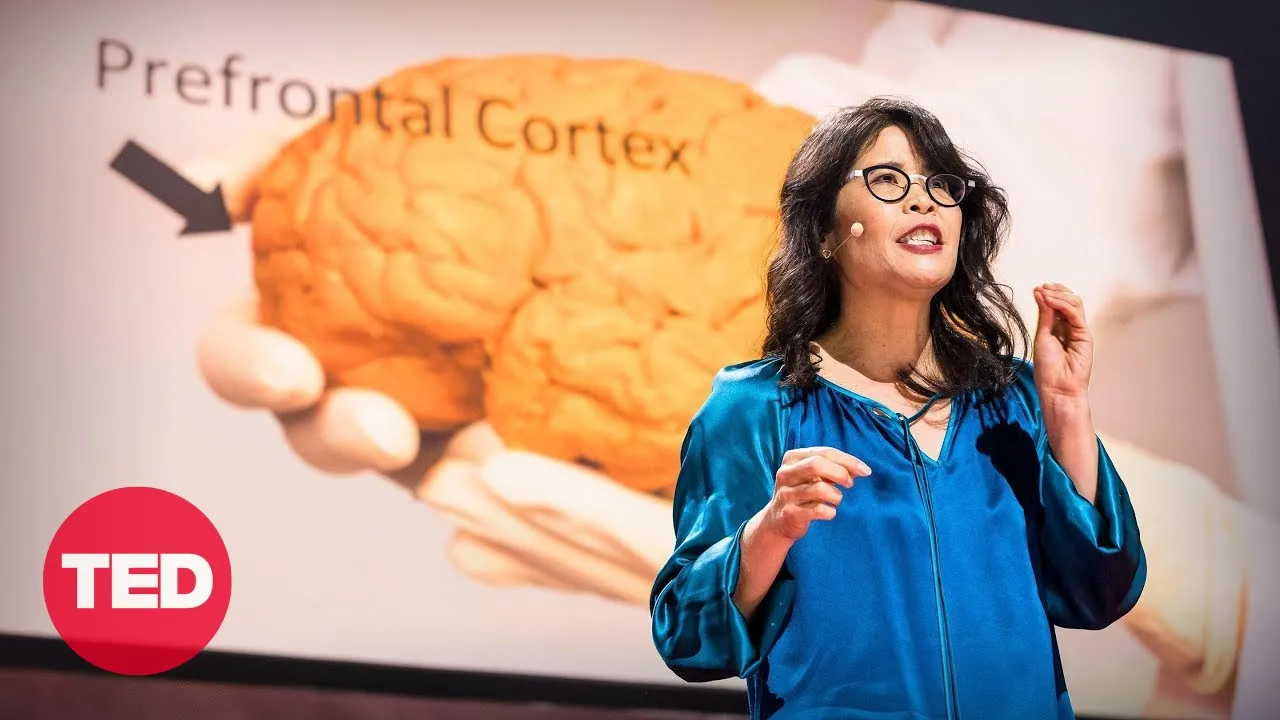
13:03
How Exercise Benefits Your Brain: Science Explained
@TED
11.4M views•2018-03-21
Related Study Plans & Knowledge Roadmaps
Structured learning paths in Neuroscience
neuroscience
Appetite Regulation: Brain Circuits & Hormones
01Foundations of Endocrinology and Brain Anatomy
02Introduction to Energy Homeostasis
03Peripheral Signals: Leptin, Ghrelin, and Insulin
+ 2 more learning modules
14h5 modules
Explore Roadmap
neuroscience
Neuroeconomics: Value, Risk & Brain Mechanisms
01Foundations of Neuroscience and Brain Anatomy
02Introduction to Neuroeconomics and Subjective Value
03Dopaminergic Prediction Errors & Reinforcement Learning
+ 3 more learning modules
18h6 modules
Explore Roadmap
neuroscience
Spatial Navigation: Cells, Grids & Brain Maps
01Foundations of Brain Anatomy and Memory
02Place Cells and Head-Direction Cells
03Grid Cells: The Brain's Coordinate System
+ 2 more learning modules
12h5 modules
Explore Roadmap
neuroscience
BCIs: Neural Decoding & Prosthetic Control
01Neuroscience Foundations: How the Brain Signals Intent
02Signal Acquisition: Recording the Brain's Activity
03Neural Decoding: Translating Brain Waves into Data
+ 2 more learning modules
25h5 modules
Explore Roadmap