















A ball-balancing robot maintains dynamic stability by continuously adjusting motor speeds across multiple axes (typically four omnidirectional wheels) based on real-time data from an inertial measurement unit (IMU) containing a gyroscope and accelerometer; the system requires precise mechanical design with proper wheel placement, suspension systems to handle surface irregularities, and accurate motor control with encoders to achieve stable, responsive movement.
Designing a Ball Balancing Robot: HAL 9000 Build, Mechanics, and Control Systems
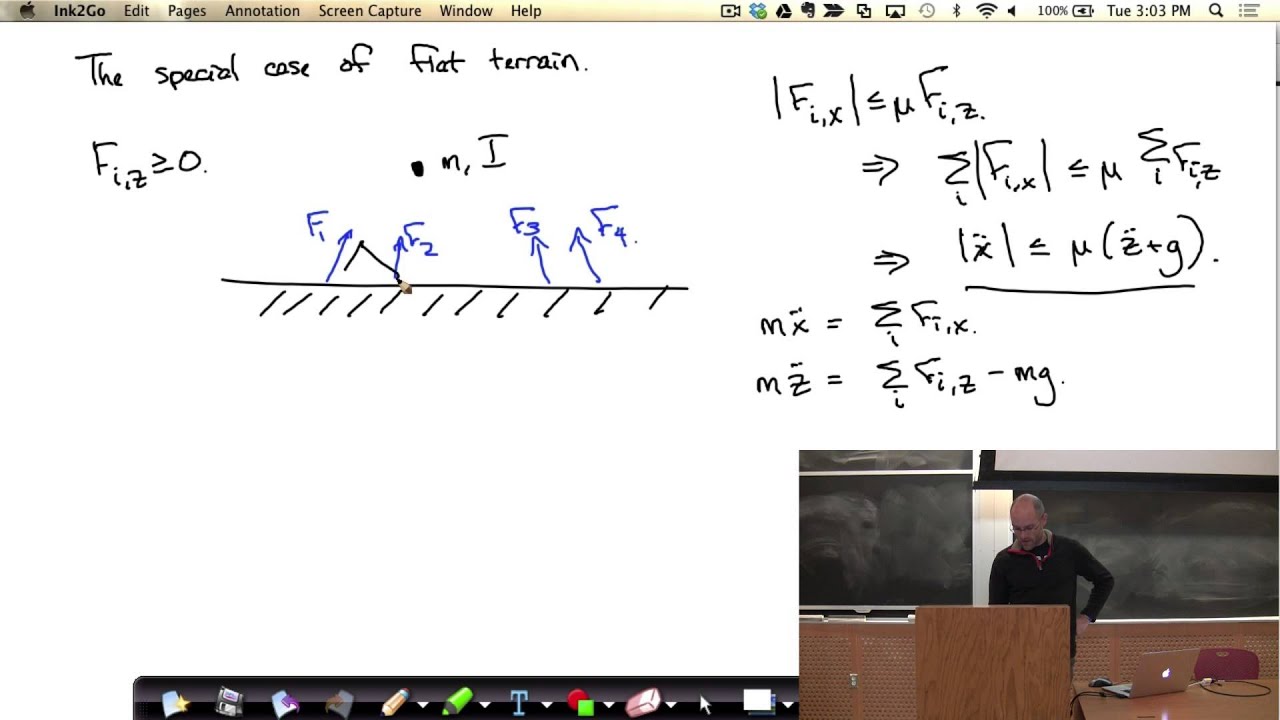
Added:Fundamental physics concepts, including center of mass, torque, angular momentum, and the dynamics of the inverted pendulum model.
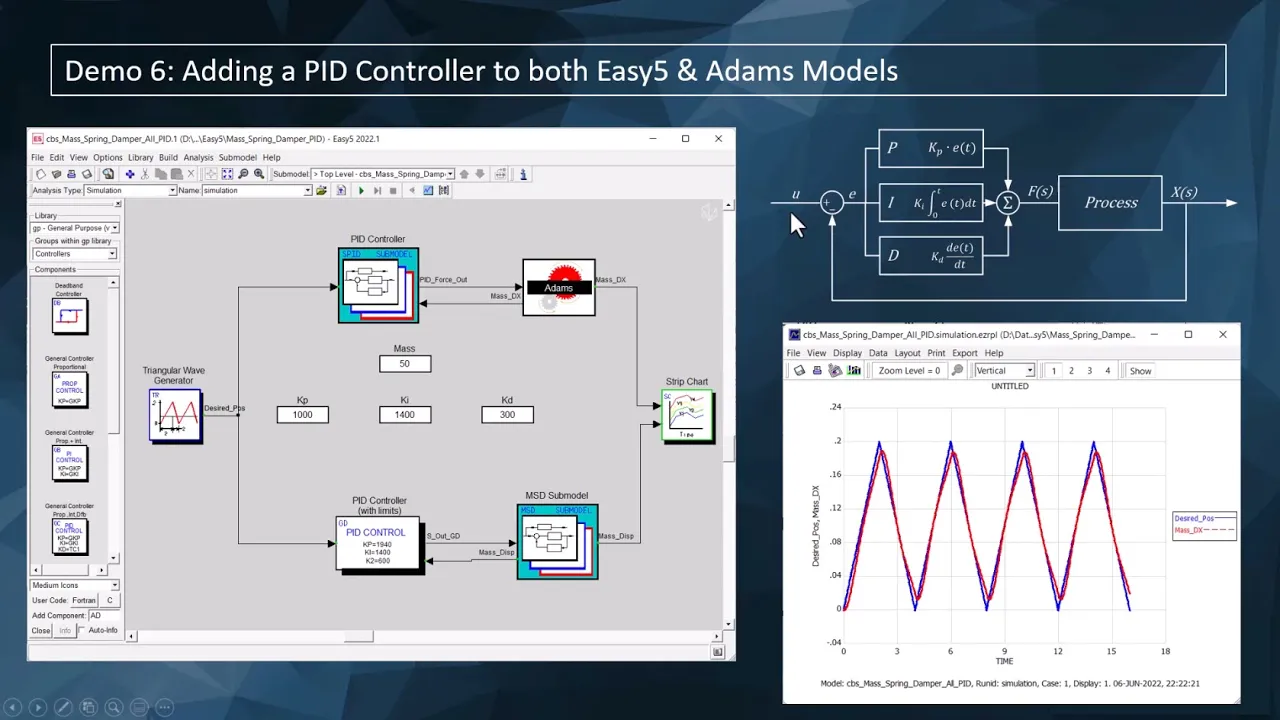
Basic control theory, specifically the mechanics of feedback loops and PID (Proportional-Integral-Derivative) controllers.
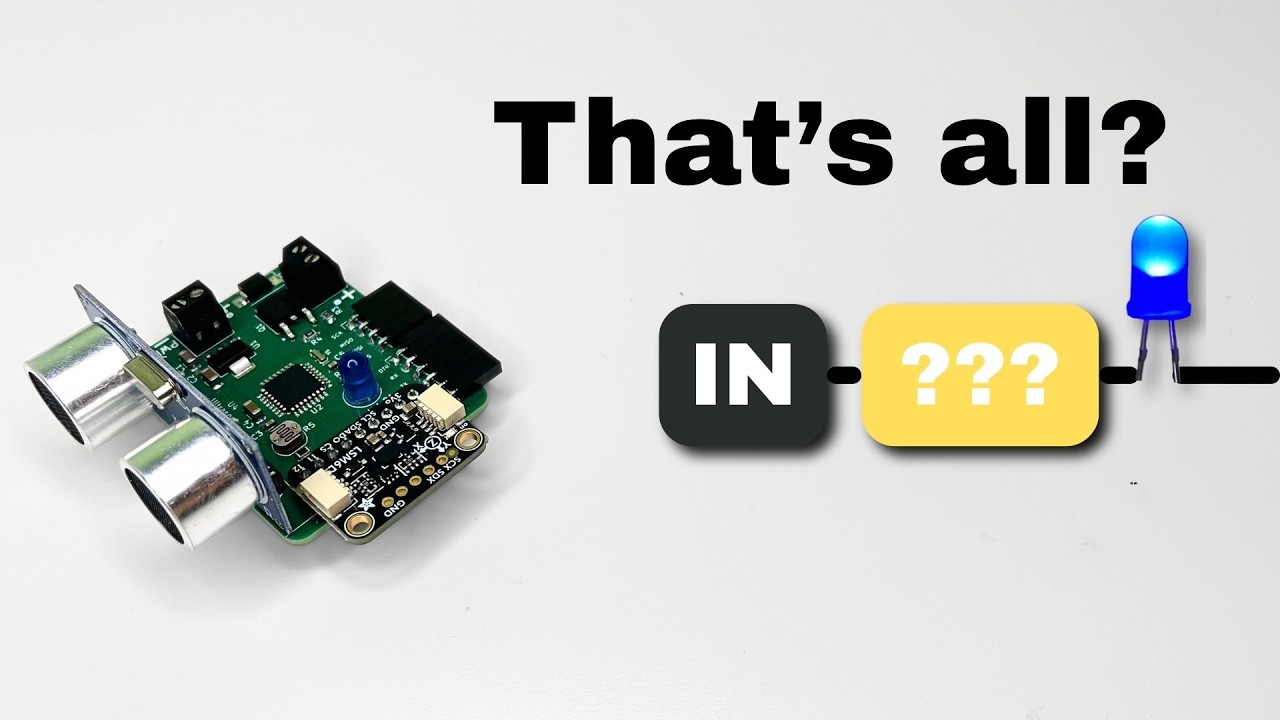
Introductory electronics, including working with microcontrollers, motor drivers, and Inertial Measurement Units (IMUs like gyroscopes and accelerometers).
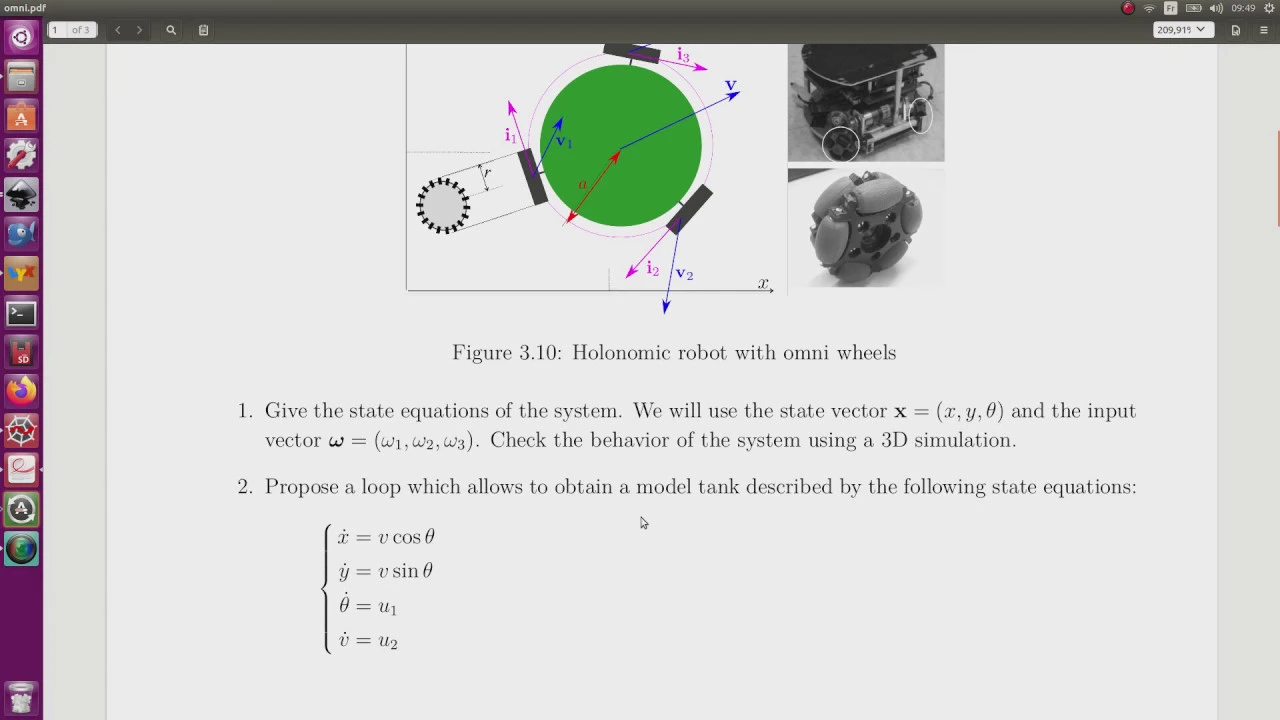
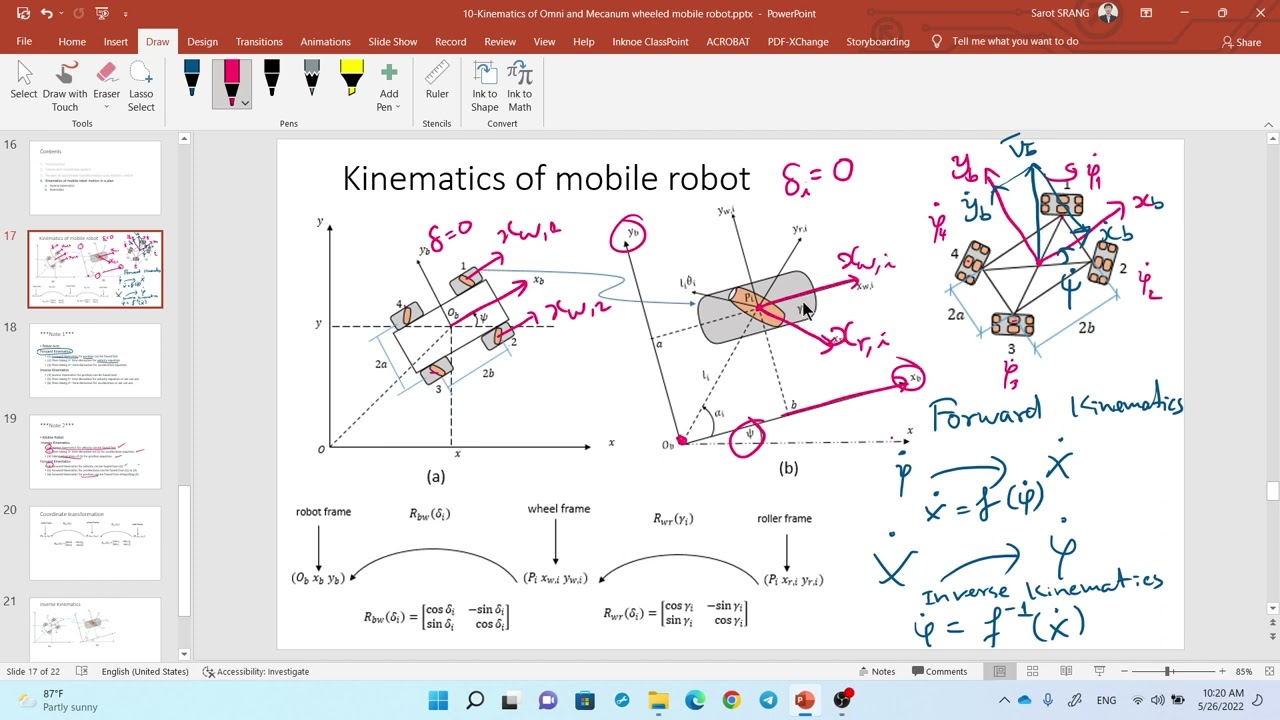
Elementary kinematics, particularly the operation of omnidirectional wheels and coordinate system transformations.
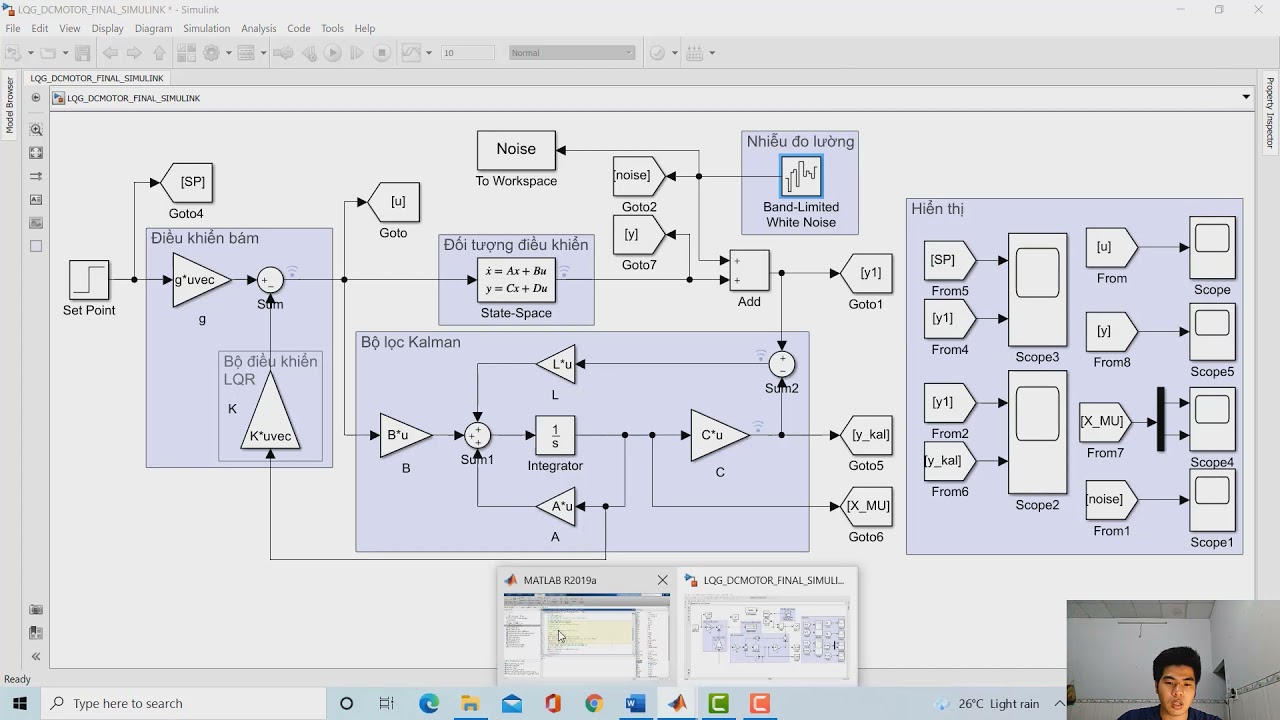
Advanced control systems, such as implementing Kalman filters for sensor fusion, LQR (Linear Quadratic Regulator), or Model Predictive Control (MPC).
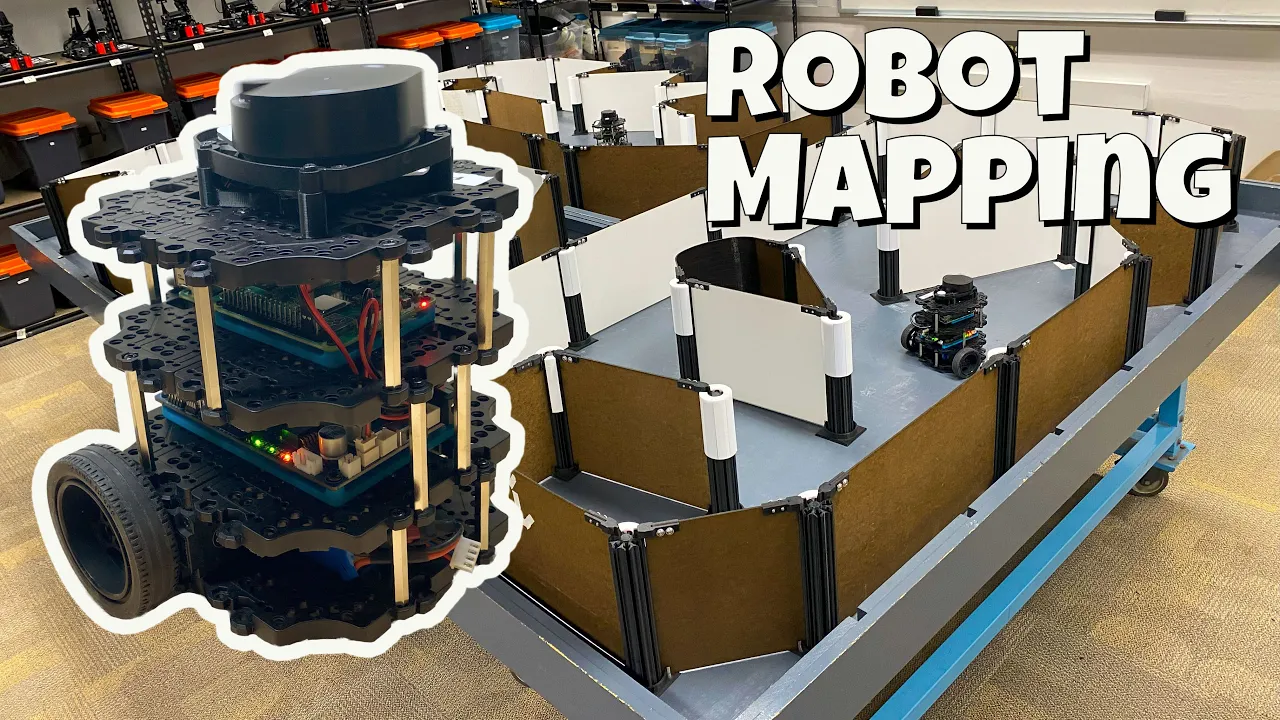
Autonomous navigation and path planning, including integrating LiDAR, SLAM (Simultaneous Localization and Mapping), and obstacle avoidance algorithms.
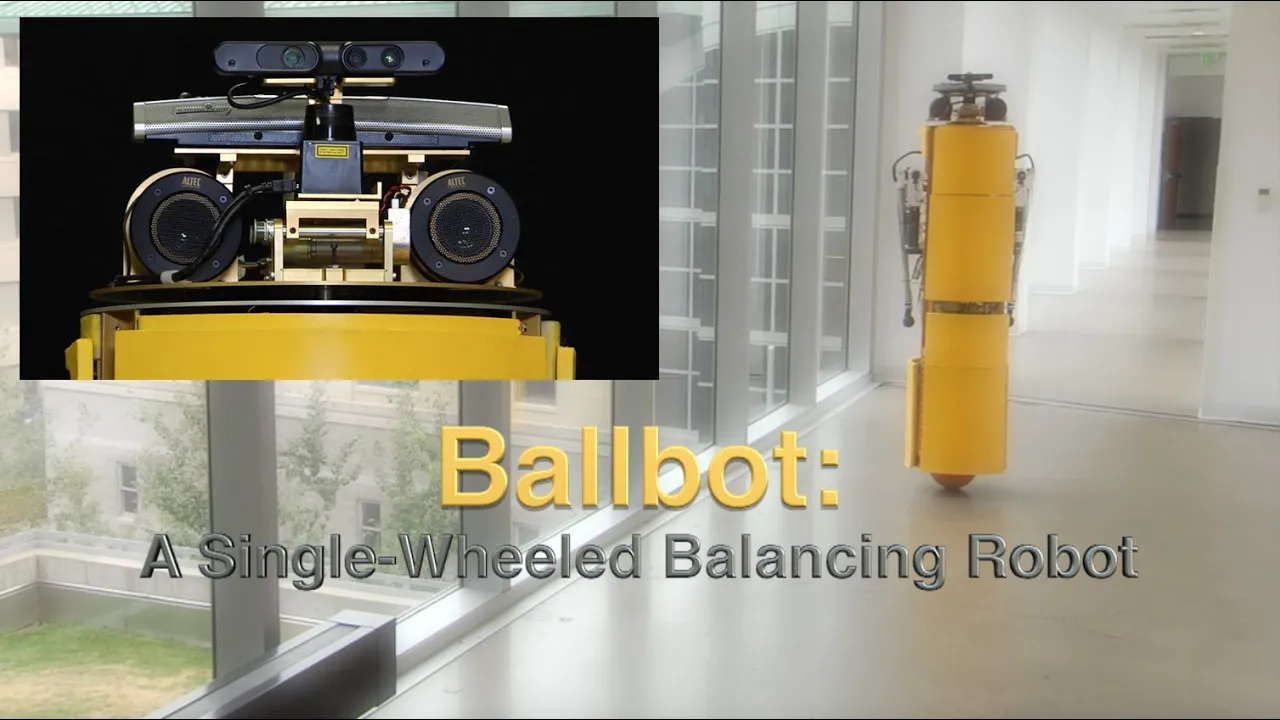
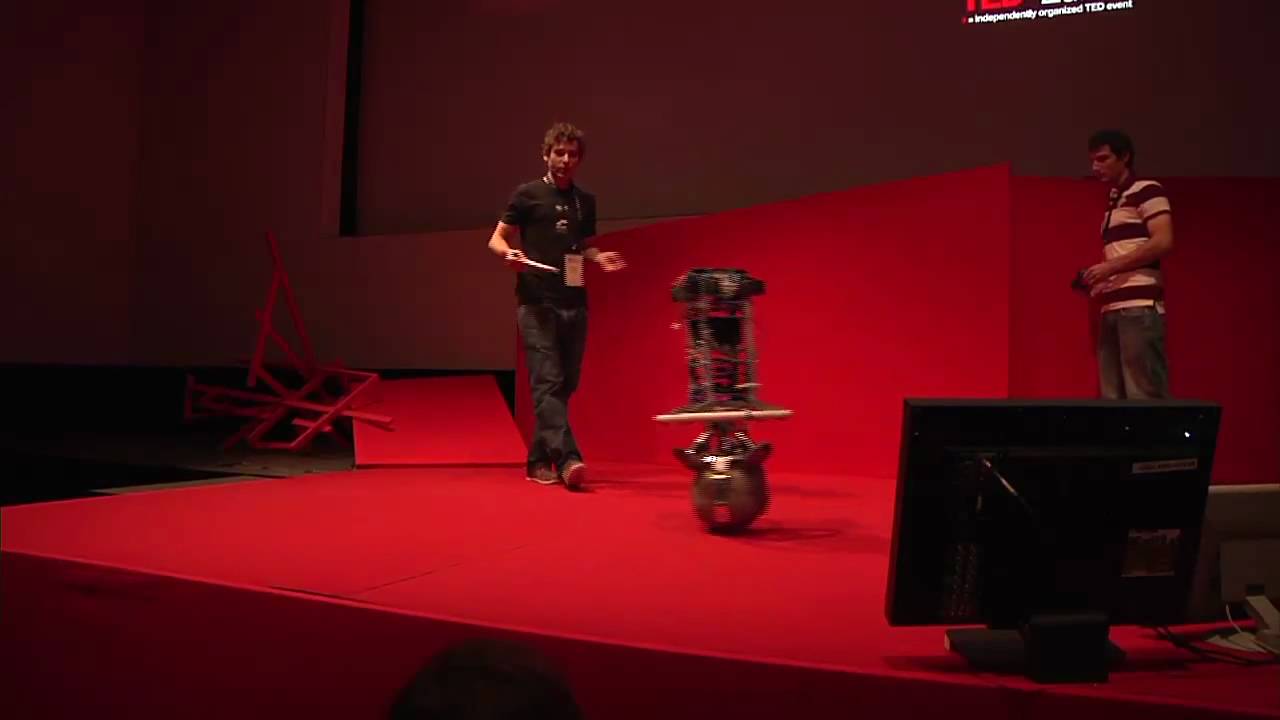
Real-world application studies of ballbot platforms in logistics, human-robot interaction, and agile indoor transportation.
Dynamic simulation tools (such as MATLAB/Simulink or ROS/Gazebo) to model and refine robot stability under varying load conditions.
194.7K views7.4Klikes13:24Original Release: 2020-06-16
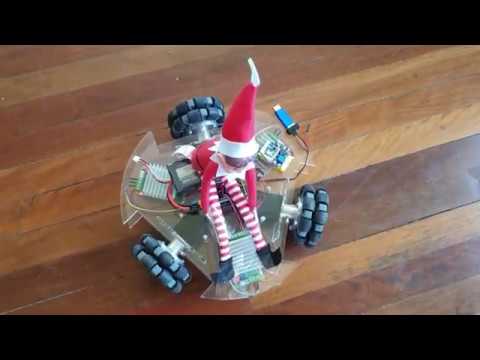
today we're gonna be looking at a project I built in the past and trying to build an upgraded version now it's not another bb-8 cuz I only built four of those over the years which worked in various different ways most of them have the mechanisms inside the ball and the head held on with magnets this isn't actually that easy though because the droids still needs to be dynamically stable this means it has to adjust its motor speeds and positions around a hundred times a second to stay stable and wise it becomes a wobbly mess it does this by reading an inertial measurement unit which includes a gyro and accelerometer and using a controller to adjust each of the six axis of the droid in real time of course each of the six axis needs have the same center of rotation in the middle of the ball which means there's quite a bit of creative mechanical design the first droid I built like this didn't have any ability to lean to steer so I had to stop on the spot and use a flywheel for rotation the next version did have a side-to-side axis and this is probably the one with the most features being able to move the ball in three axes as well as the head in another three axis lastly I built BB 9a with only parts bought from eBay for an official eBay in Disney promo at the time Star Wars Episode a came out this was featured in the promo video we've Colin Furze and the life-sized Thai silencer that he built but today we're gonna look at the first bb-8 I tried to build and this one is totally different the ball is mostly empty and the head has all the clever stuff in the head actually bounces on the ball like a two wheel balancing robot but we fought omnidirectional wheels this is one of the first Arduino projects I've ever attempted though so there are many improvements that could be made to it it worked ok Eber is pretty temperamental than the only really like driving on thick carpet since then I've built quite a few balancing robots including the LG robot and Sonic the Hedgehog which also had active motor driven suspension in each leg so it could lean to steer to absorb rough terrain I also be a robot that runs along using a single row of lakes similar to Theo Johnson's strand lease mechanism to see if a walking robot will balancing the same way as a wheeled robot so I thought I'd have another go at making a ball balancing robot using all the knowledge that I've acquired since I built this version I'm pretty sure we can make something a lot better but before we look at the improvements it's a quick ad from the video sponsor and that is PCB way PCB where you provide both PC beam new fracturing and PCB assembly and that means as well as manufacturing the PCB they can solder all the components on for you as well as standard fibreglass PCBs PCB you a can manufacture aluminium PCBs flexible PCBs and rigid flex PCBs which are part rigid and part flexible price you start at just five dollars for ten standard PCBs and $30 for ten PCBs with assembly but new customers can get $5 credit and that means you can get 10 PCBs for free with your first order PCB we can also offer advanced services such as PCB design x-ray inspection electronic probe inspection impedance control and various certification capabilities including our OHS and ul certification find out more now at PCB Wacom and I put that link in the description to this video and I'm actually going to be using PCB way to make PCBs for projects in my channel in the future right let's have a look inside this robot head well let's see what's inside this less-than-perfect vbi your head mostly a massive mess of wires so let's start with the wheels we've got four omnidirectional wheels and that means they call these little wheels all around the outside that means that this pair of wheels can drive this way and these would slide and that means we can control two axis at the same times abundance on the ball now the motors aren't really ideal they do have gear heads on but there's no wheel encoders here so there's no way of accurately positioning the motor or controlling the speed of it which is what we've got in all of the subsequent balancing robots the wheel is a bit loose feeling as well it looks like it's attached with hot glue because it's the wrong shaft diameters that won't have helped as well if any of those wheels start slipping around the top we've got an Arduino Uno which is dealing with the balancing and that's only eight bit at 16 megahertz but it still should be enough to actually make a balancing robot this is the inertial measurement unit this is a spark fun device and this one we can read the gyro and accelerometer data but we have to do our own math to combine them which is running on that 8-bit Arduino so that's not as good as the results that we get for the angle and the tipping degrees from say an MP UCSD 50 or something that does that DMP on board and that's what I've been using in subsequent builds the motor driver for this is an l2 9/8 by the looks of it which is dual channel and it's only I think two amps a channel which should be alright for those tiny motors but it's a device that's probably 10 or 15 or 20 years old or something now so it's not the most efficient but it should be okay I guess and round the back we've got the radio control receiver for a normal six channel handset and that's plugged into another odds we know Pro minion looks like my current mood well the reason is for that but it's probably because I didn't know what I was doing at the time overall though it's not the best build of course all these things are held on with elastic bands and some of these things aren't fixed on at all there is a piece of bread board in the middle still with the breadboard jumper wires all plugged in and some of those are actually glued onto things with hot glue obviously it's a mess of wires so not the best quality build and I'm surprised it actually worked at all and the ball I use this basically expanded polystyrene they come in two halves I've glued it together painted PVA all over it and then painted it with liquid latex and that's so they gets a bit of grip and gives it a sort of harder surface there are some dings and dents all over it and also the painting on here was hand painted and this was done at the time the first trailers just came out for Star Wars Episode seven so no one really knew exactly what the details were on bb-8 so it's pretty much a guess you'll also notice it rattles and that's because I filled it with ball bearings to try and slow down and decelerate it as it accelerates so that the balancing heads didn't have such a hard job and that so anyway it really worked so it might be repurposing this ball for this build by painting a different color but I like to get the ball bearings out over that or try and find a fiberglass ball or something else like that this time I'm using metal omnidirectional wheels they're really similar to the last ones with the two rows of little wheels around the outside but these are aluminium and they've got metal flanges on which fit on the motor properly there's a grub screw there so hopefully that will never come loose and that means that the wheel will rotate properly and the motors I'm using here are brushless motors these are the turning G 50 55 280 kV motors that are using quite a lot of other builds you'll have noticed in the previous build I've actually got four wheels in here and each one's on a little suspension arm we actually need though of course is three wheels and three motors so it's like a tripod making contact with the ball that doesn't mean though that we'd have to do some vectoring to work out what speeds to run them out to move in perpendicular axis that we get out of the IMU and that's to be quite tricky because it means even if we were to run in this direction this wheel can just turn but these ones that can have to slip slightly sideways doesn't so mean that we can't use the maximum speed of this motor because these ones want me to go fast enough to catch it because we're not getting their full velocity now it's debatable while the pros and cons are between the two systems but I'm actually going to go for four motors again and that means they can just run in straight lines this way these ones will slide and straight lines this way and these two will slide now makes it much easier to actually sort out where to run the motors in relation to the two axis of the inertial measurement unit it's going to measure if the robot tips over and how fast it needs to drive it does mean of course of course situation where we don't have a tripod anymore so one wheel could lift off the surface however the balls pretty round and I'm gonna put them on suspension arms again so should be pretty forgiving so it's going to look something like this with the four wheels and each one's in a cradle and it's on a pivot which means that it can raise up and down and then we're gonna put that on a sort of spring in fact we're gonna use a foam pad as part of a suspension arm so each wheel is going to have a cover which is going to cover it nicely down to the ball and the wheels are spread slightly further than they were in the bb-8 build so it's slightly bigger and the top of the cover is actually going to stop that wheel from pushing all the way up so we're going to rest it on there between this bridge part that I've got and the top surface of that cover with a foam pad of about ten millimeters thick and that's going to act as the suspension of course we've called plenty of space for the electronics and batteries in the middle which fit just in there and that's going to carry 200 drives and a teensy 4.1 microcontroller [Music] so I fitted the motors into their cradles there and each one's got a block of foam on top witches can act as a cushion for the suspension each one's got an encoder on the back and each of these encoders is an 8 1 9 2 C PR encoder which means we get 8,192 counts per revolution it's a pretty accurate and they'll allow us to accurately control the motor velocity and also whatever position we want to send it to i've already fitted the full motor into the chassis here which has got these removable mud guard pieces which is where the motors fit and of course that also supports the block of foam so that this will be pressed against it and that will give me some suspension as that foam squishes so i fitted all four of them and now there's a tiny bit of movement in there we don't really need very much we just need to make sure those wheels are seated properly on the ball but that looks pretty good and of course each one's got an encoder and the motor wires to go to our brushless motor drivers so that seems to fit nicely on there and all my wheels run smoothly and it should be to move in any direction now a bit worried about the ball being too soft and the wheels digging in and the little metal bits in between grinding on the ball we might have to file them back a bit or get a more rigid ball but as it is I did the cat for this by drawing a line right from the middle of the ball up to the wheel to get the angle right and planning everything from there so they should be pretty flat on the ball as they move around and that means that both sets of the inner and outer little wheels around the outside should go and grip on the ball perfectly well and hopefully having that suspension in there will just help get all those wheels seated they all seem to be gripping fine actually so I don't think there's going to be any problems there so I'm pretty happy with the chassis is much better than what I had last time I don't make any more Star Wars droids though but I still want it to be a character so I've decided it's gonna be Hal 9000 from Stanley Kubrick's a 2001 a Space Odyssey balancing on a ball [Music] like we've got an electronic smell that fits on there and that will hold motor drivers either side the electronics on the top and batteries right in the middle there the next piece is this which is the bottom of the head and has got these pieces that stick down will fit perfectly in between the mudguards we've also got the middle here which actually holds the eye and then we've got the top of the head which is another separate piece and that fits on just like that and I've also made these pieces which fit on the bottom of the mudguards and that just covers the wheel and it fits the profile of the ball all the way around I'm pretty happy with the mechanical build of the chassis that I've got here it's definitely more substantial than last time even though it is slightly heavier because those motors are bigger and we still have to put the batteries in so hopefully the ball will hold up it may be a bit soft and we'll have to get one that's more rigid I'll be painting it black anyway to match the new Droid if you can call it that and next time we'll be coming back to put the electronics in and the control system that's going to make it balanced and also make it radio-controlled hopefully and also putting in the red eye so don't forget to subscribe to check out more updates on this project and all the other projects you can also support me on patreon or for a YouTube channel membership which really makes all the difference of the projects and those links are in the description below along with my merchandise store where you can get mini Dawg t-shirts and various other designs of things that I've built over the years alright that's all for now [Music] [Applause] [Music] you
Up Next

37:28
Sensor Fusion Kalman Filter C++ Implementation with Eigen
@BuildTheBot
748 views•2020-06-17

58:25
MathWorks Virtual RoboSub Simulation Environment | Webinar 2026
@RoboNationInc
209 views•2026-03-10
27:04
openDog Robot Leg Motor Homing and Calibration Guide
@jamesbruton
176.3K views•2018-09-11
25:22
Micromouse: The Fastest Maze-Solving Robots on Earth
@veritasium
23.5M views•2023-05-24
Related Study Plans & Knowledge Roadmaps
Structured learning paths in Robotics
robotics
Building Delta Robots: Kinematics & Pico
01Foundations of Delta Robots & Mechanical Design
02Electronics and Microcontroller Setup with Pi Pico
03Delta Robot Kinematics and Coordinate Math
+ 3 more learning modules
65h6 modules
Explore Roadmap
robotics
Building Ballbots: Dynamics, Kalman & LQR
01Embedded Electronics & Omniwheel Actuation
02Ballbot Kinematics & Rigid Body Dynamics
03IMU Sensors & Kalman Filter State Estimation
+ 2 more learning modules
42h5 modules
Explore Roadmap
robotics
Micromouse: Hardware, PID Control & Flood-Fill
01Electronics & Teensy Microcontroller Basics
02Sensors and Actuators: Motors, Encoders & IR
03Precision Movement: Implementing PID Control
+ 2 more learning modules
35h5 modules
Explore Roadmap
robotics
CDPR: Kinematics, Arduino & Winch Control
01Foundations of Arduino & Basic Electronics
02Stepper Motors and Winch Mechanics
03Kinematics of 2D Cable-Driven Robots
+ 2 more learning modules
28h5 modules
Explore Roadmap