


















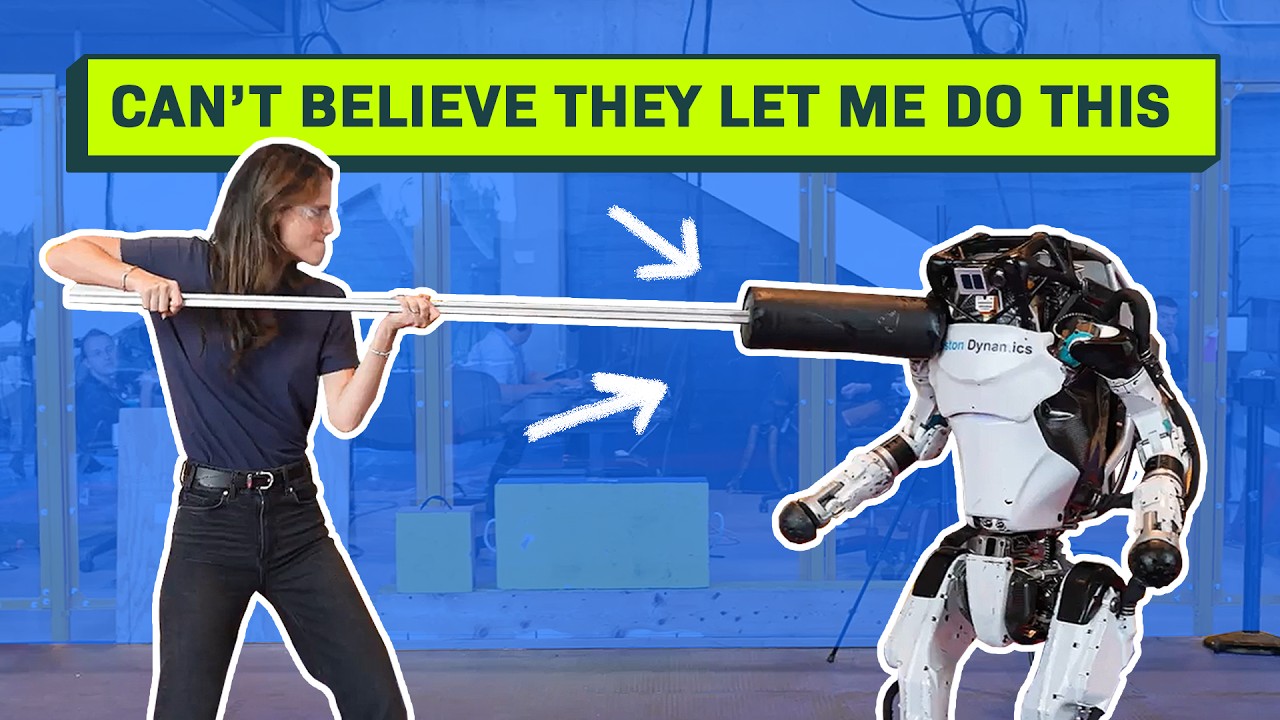

A single-wheeled balancing robot (Ballbot) achieves omnidirectional motion and dynamic stability by continuously adjusting its center of mass relative to its spherical wheel, using an inverse mouse-ball drive mechanism where the robot leans in one direction while the ball moves in the opposite direction to maintain balance; this design enables the robot to be easily maneuvered with minimal force while providing inherent compliance for safe physical interaction with humans in applications such as elderly assistance, navigation guidance, and cooperative carrying tasks.
Ballbot: A Single-Wheeled Balancing Robot | Dynamic Mobility
Added:The physics of the Inverted Pendulum, which serves as the fundamental mechanical model for dynamically balancing systems.
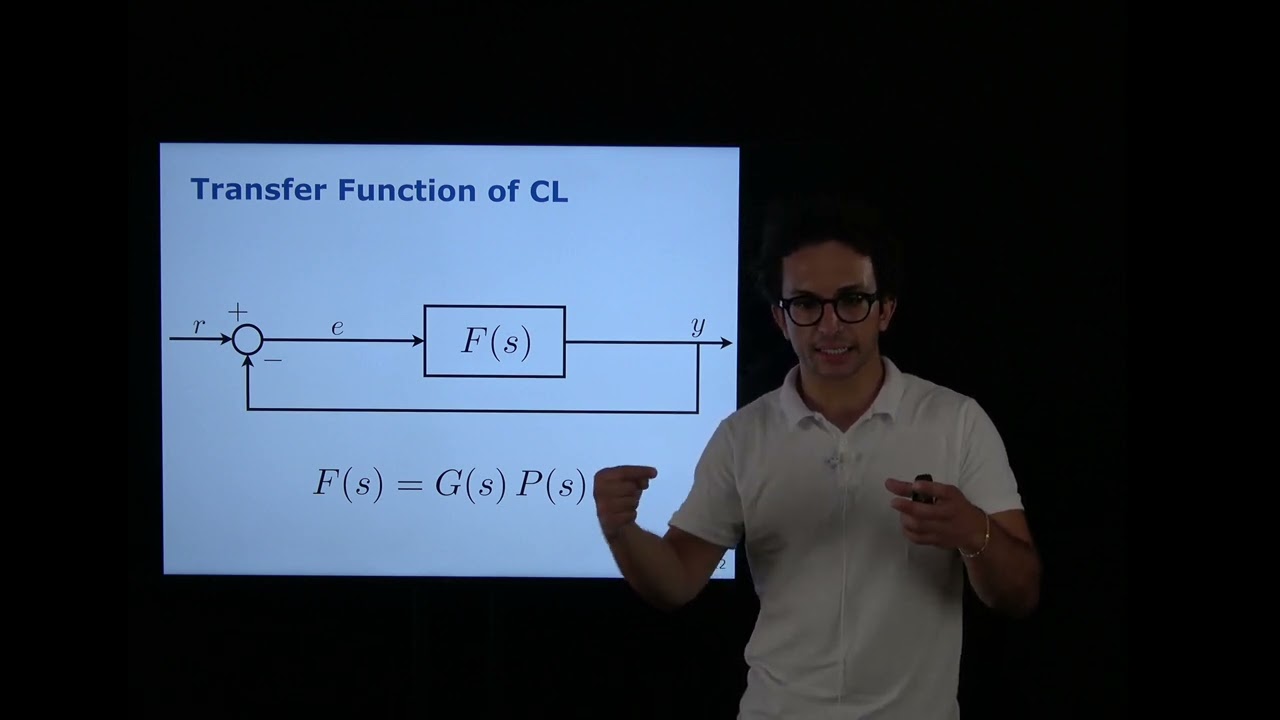
Basic control theory concepts, particularly feedback control loops, system stability, and state-space representation.
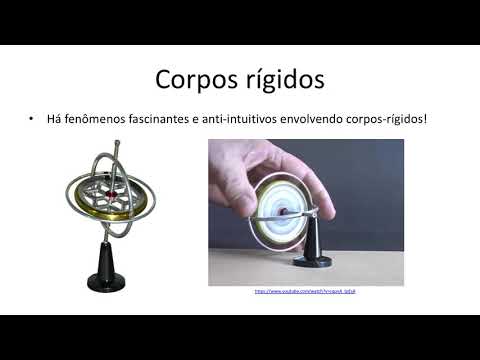
Rigid body dynamics, specifically understanding how torque, angular momentum, and center of gravity affect movement.
The role of Inertial Measurement Units (IMUs), including gyroscopes and accelerometers, in estimating a robot's tilt and orientation.
Advanced optimal control techniques, such as Linear Quadratic Regulator (LQR) and Model Predictive Control (MPC), used to manage underactuated systems.
Motion planning and obstacle avoidance algorithms for holonomic and omnidirectional mobile robots navigating cluttered environments.
Human-Robot Interaction (HRI) design, focusing on safety protocols and physical compliance for robots working alongside humans in daily environments.
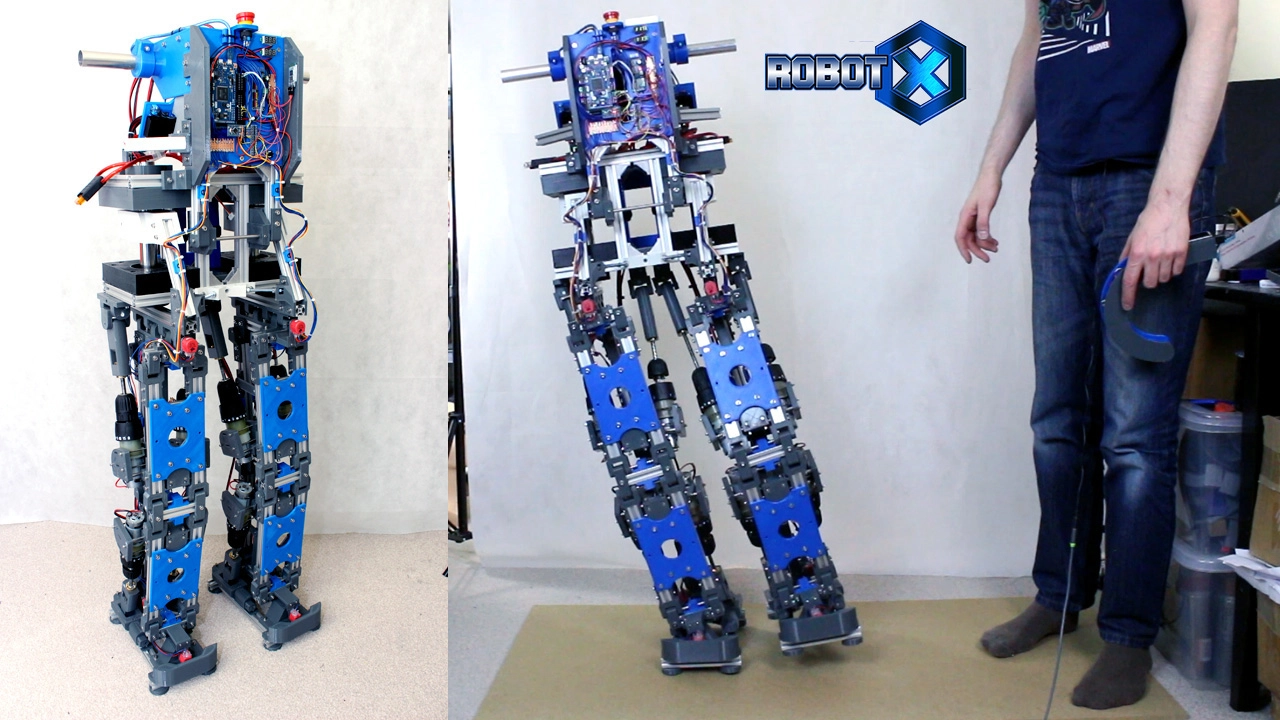
Design and analysis of alternative dynamic mobile platforms, such as wheeled-legged hybrid robots and bipedal humanoid locotransportation.
86.5K views1.8Klikes7:17Original Release: 2015-09-09
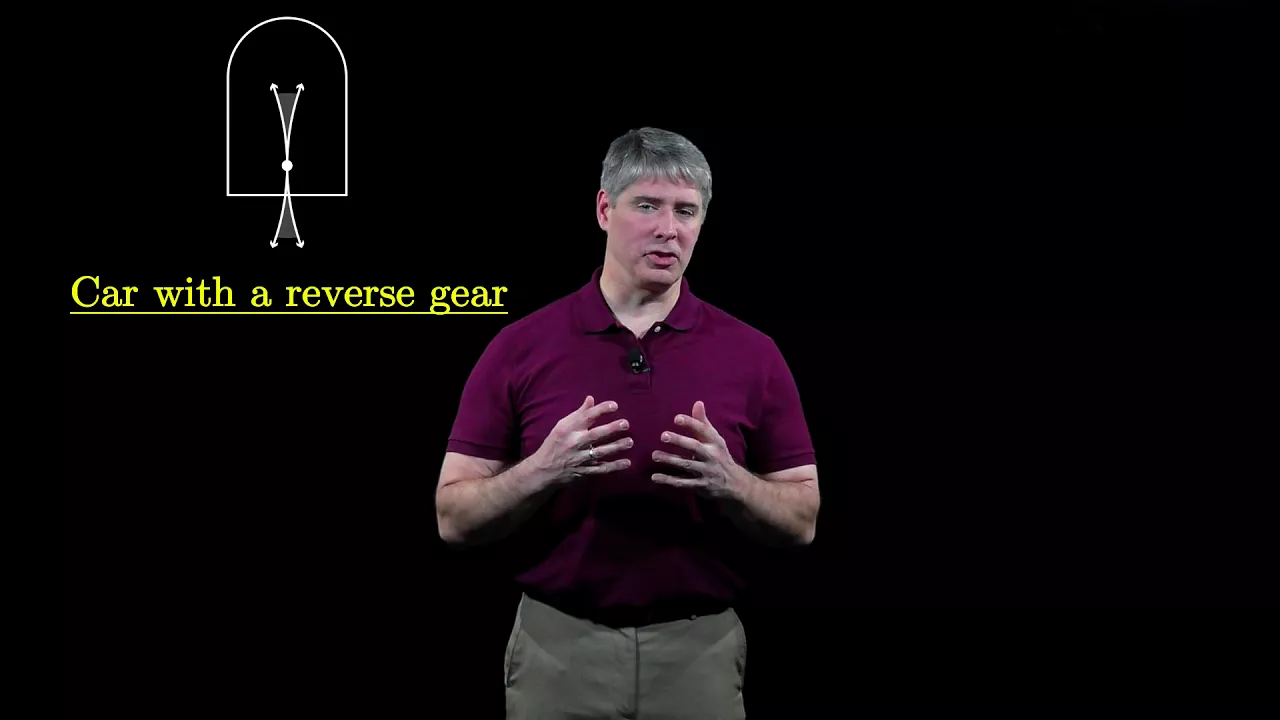
my name is Ralph Hollis in 2004 I invented a new kind of mobile robot that I call a [Music] ballbot conventional mobile robots have several wheels and have trouble moving without first turning in place if these robots are tall enough to effectively interact with people their High centers of gravity make them at risk from falling over especially if they start or stop too suddenly or operate on slopes according they tend to have wide heavy bases making rapid navigation very difficult in cluttered human environments in 2004 I invented a new kind of mobile robot that is person sized and has only a single spherical wheel making it capable of omnidirectional motion we call this new tall and slender class of mobile robots ball Bots the ballbot body must dynamically balance on the spherical wheel and move about by managing its Center of mass with respect to its point of support on the floor our ballots wheel is driven by an orthogonal set of rollers that's essentially the inverse of the drive arrangement in a ball type computer mouse ballbot and its progyny represent the Vanguard of a new type of wheeled mobile robot capable of agile omnidirectional motion ballots might well function as aids to elderly or disabled persons provide guidance and assistance in public spaces help with education and entertainment perform domestic cleaning and housekeeping chores or fetch and carry everyday objects the dynamic capabilities of the ball bot come with some Associated control challenges the ball bot moves around by applying a torque between the body and the ball using an inverse Mouse ball Drive mechanism so when someone pushes the ball bot it naturally leans away from the direction of the push and at that point the balancing controller takes over and accelerates the ball in the direction of lean to keep it from falling over so when someone pushes the ball it naturally moves away from the push the result is that the 75 kilogram machine can be easily pushed around with a pinky finger in order to do anything useful at all the ball bot first has to balance an object balances when its Center of mass is directly below its point of contact with the floor since we can't control the lean angle of the ball bot the only way we can make it balance is by driving the ball underneath the center of mass this means that the ballbot controller continuously accelerates the ball in the direction of the lean angle the combination of underactuation and this relationship that the balancing controller causes between lean angle and acceleration causes some really non-intuitive behaviors when you want to move the ball bot around particularly if you think about the case where the ball bot starts off standing still and it wants to move in a in a given Direction in order to move in that direction it has to First lean in that direction but since we cannot directly control the lean we have to get it to lean in that direction by having the ball move in the opposite direction this causes the body to fall in the desired Direction and then once the lean angle is pointing in the desired Direction the ball reverses Direction it goes in the desired Direction too and the whole robot moves that way the Dynamics of the ball and the body are coupled by a set of equations called Dynamic constraints and these constraints Define the mapping between the ball motion and the body lean motion so if you want to achieve a particular motion on the floor then this ball motion can be transformed into an equivalent body lean motion which when tracked by The Balancing controller results in the desired motion on the floor and all this happens by virtue of the Dynamics of the system with arms on the ballb manipulation is the next obvious step mobile manipulation with balancing robots like ballot can be tricky because every time the arm mov moves the center of mass shifts and hence the ball moves which is undesirable if the base keeps moving the arm will not be able to reach the object it wants to reach correctly but by exploiting the natural dynamics of the system we can compensate for the effect of the arm motion on the ball by leaning the body appropriately now when the arm moves the body leans in such a way that their effects cancel each other and the ball mind stationary despite the fact that it's a a large heavy robot as big as a person it only takes uh the push of a finger to move it away and this inherent compliance we think makes it really appropriate for interacting physically with people and we eventually want to see it even in places like hospitals uh and Elder Care Facilities leading people physically by the hand and we think this is really interesting in a couple of applications one is elderly people who need some help uh getting around who might rely on holding someone's elbow for stability while they're walking or uh possibly visually impaired people maybe blind people that um could benefit from from someone holding their hand and leading them through an environment which they're not familiar with we uh can take our our work that we've already done in navigation getting the robot through a building uh that it has created a map for and apply that to helping someone physically navigate through that building so one thing we might be able to do with with the ballot is take it by the hand lead it through a building as it creates a map for itself and uh tell it about what's in that building for example this is the kitchen this is the living room this is the oven this is the fridge and B will remember where those things are now when somebody comes into that building who's not familiar with it or who might need some help getting around they can ask bbot um can you please take me to the fridge and ballot can offer its arm and actually help that person go there something else that the ballot can do just because it's a balancing mobile robot and because it's a powerful robot as well is help you carry something from place to place so when we say Cooperative carrying we mean that maybe a load that you want to get from A to B is too heavy for you to lift by yourself so the ballot can actually help you to pick it up and take it where you'd like it to go some of our recent work focuses on assisting people in a Sit toand maneuver healthc Care Professionals are about three times as likely as any other profession to suffer a back injury and the leading cause of injury among healthc Care Professionals is transfers so one place where we think bot can offer some real assistance is in helping people get out of chairs and take that load off of healthcare professionals the more immediate goal of our research is simply to gain a deeper understanding of how such Dynamic agility can be achieved in Mobile machines interacting with people and operating in normal home and workplace environment
Up Next

13:24
Designing a Ball Balancing Robot: HAL 9000 Build, Mechanics, and Control Systems
@jamesbruton
194.7K views•2020-06-16

14:50
Autonomous Sailboat Heel Control: N4N1 Field Tests
@meholden
456 views•2025-03-14

11:04
How to Build a Self-Balancing Robot: Arduino Nano & MPU6050
@easytechzones
16.8K views•2022-03-09
25:22
Micromouse: The Fastest Maze-Solving Robots on Earth
@veritasium
23.5M views•2023-05-24
Related Study Plans & Knowledge Roadmaps
Structured learning paths in Robotics
robotics
Robotic Sailboats: Arduino, Sensors & Tacking
01Sailing Physics and Aerodynamics
02Arduino Programming and Electronics Basics
03Sensors and Actuators Integration
+ 2 more learning modules
35h5 modules
Explore Roadmap
robotics
Building Delta Robots: Kinematics & Pico
01Foundations of Delta Robots & Mechanical Design
02Electronics and Microcontroller Setup with Pi Pico
03Delta Robot Kinematics and Coordinate Math
+ 3 more learning modules
65h6 modules
Explore Roadmap
robotics
Building Ballbots: Dynamics, Kalman & LQR
01Embedded Electronics & Omniwheel Actuation
02Ballbot Kinematics & Rigid Body Dynamics
03IMU Sensors & Kalman Filter State Estimation
+ 2 more learning modules
42h5 modules
Explore Roadmap
robotics
Micromouse: Hardware, PID Control & Flood-Fill
01Electronics & Teensy Microcontroller Basics
02Sensors and Actuators: Motors, Encoders & IR
03Precision Movement: Implementing PID Control
+ 2 more learning modules
35h5 modules
Explore Roadmap