























Cancer arises from DNA mutations that disrupt normal cellular controls, specifically through oncogene activation (which causes uncontrolled cell division) and tumor suppressor gene inactivation (which removes braking mechanisms), leading to unregulated cell growth, tumor formation, angiogenesis for nutrient supply, metastasis to distant sites, and drug resistance due to genetic heterogeneity within tumors.
Cancer Biology Explained: Mutation, Metastasis, and Drug Resistance
Added:The Cell Cycle and Mitosis: Understanding the normal phases of cell division, replication, and the basic checkpoints that regulate cell growth.
DNA Structure and Mutational Drivers: Fundamental knowledge of DNA replication, transcription, translation, and how genetic mutations alter protein function.
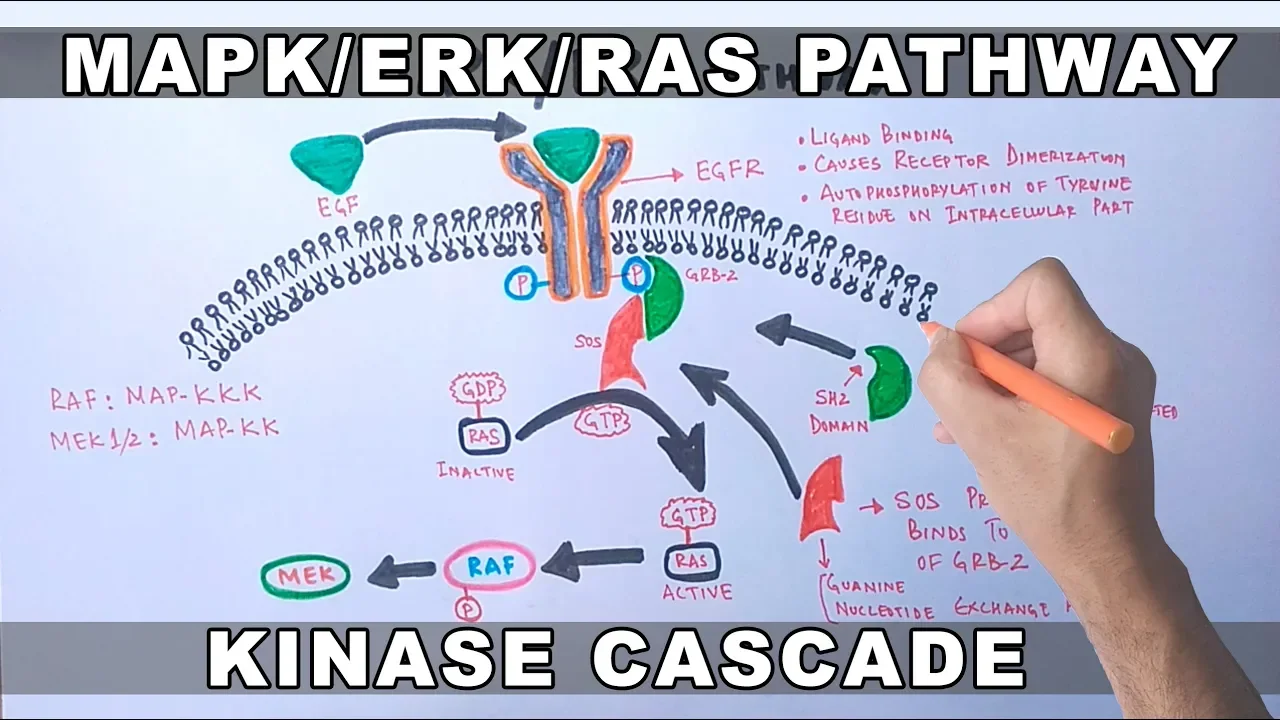
Basic Cell Signaling Pathways: How cells receive, process, and respond to external signals (like growth factors) via intracellular pathways.
The Concept of Programmed Cell Death (Apoptosis): Knowing what normal apoptosis is and its critical role in maintaining healthy tissue homeostasis.
Targeted Cancer Therapies and Immunotherapy: Exploring how modern treatments specifically target oncogenic proteins or harness the immune system (e.g., checkpoint inhibitors) to destroy cancer cells.
The Tumor Microenvironment: Investigating the complex ecosystem surrounding tumors, including stromal cells, immune cells, and blood vessels, and how they influence tumor progression.
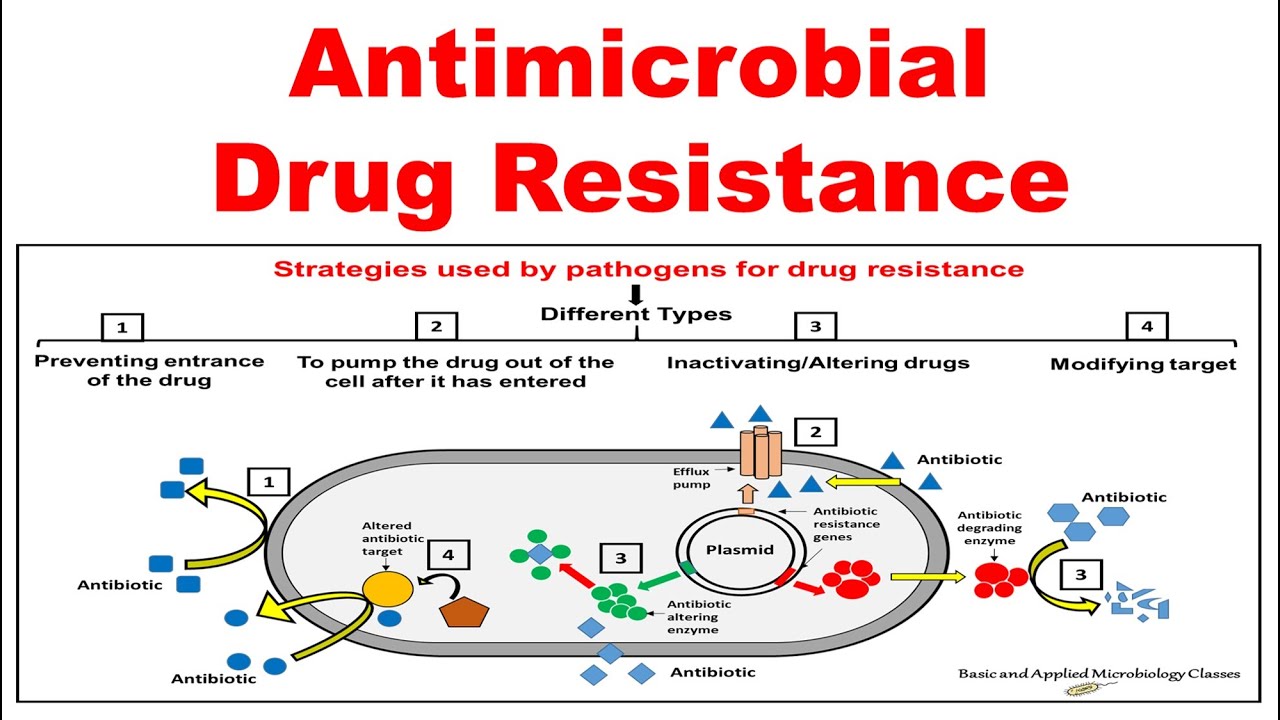
Mechanisms of Drug Resistance: Studying the molecular pathways of chemotherapy resistance (such as efflux pumps or alternate signaling bypasses) and clinical strategies to overcome them.
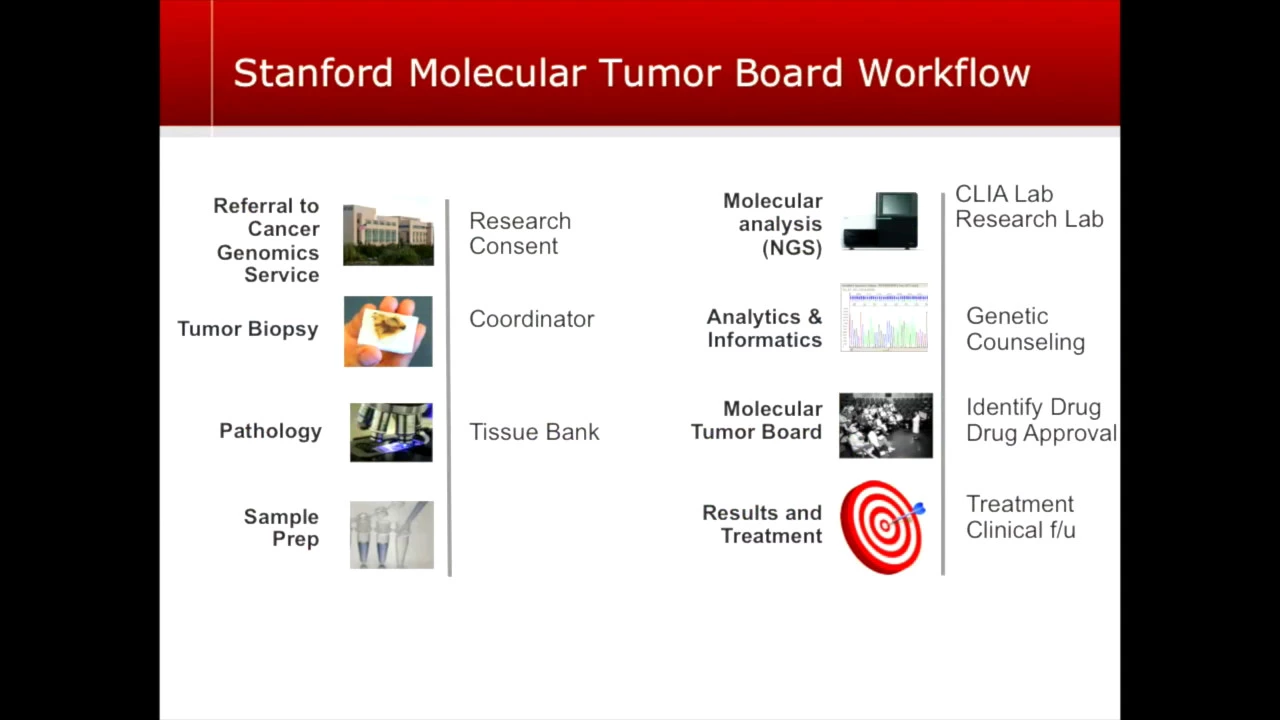
Cancer Genomics and Personalized Medicine: Learning how high-throughput sequencing is used to profile individual tumor genomes to tailor patient-specific treatment regimens.
1.8M views12.9Klikes12:07Original Release: 2013-10-02
The human body is a complex and wondrous living machine like any machine our bodies are composed of smaller parts that work together the various tasks that are performed each day such as breathing eating and digesting food and the movement of our blood are performed by specialized structures known as organs. Examples of organs include the lungs stomach, heart and brain.
All of these organs and other body parts like our skin and muscles are made of smaller living units called cells.
Our lungs are a good example of how many cells work together to perform a specialized task the cells in our lungs work together to allow us to take in oxygen from the air and get rid of waste products such as carbon dioxide.
our lungs are composed of many millions of cells working together to accomplish this task cancer is the result of a long process that begins when one of the cells in an organ or tissue becomes damaged or altered in a way that causes it to break free from the normal controls that allow our cells to work together in harmony.
A group of misbehaving cells can cause the same kinds of problems in a body that a defective part would cause in any other type of machine.
A normal cell will divide only when it receives a chemical signal telling it to do so these signals are interpreted in the nucleus and the cells reproduce their genetic information and divide into two identical daughter cells through a process called my mitosis. Cancer cells do not obey this rule and will divide even if they do not receive appropriate signals in addition to the signals that normal cells receive telling them to divide they are also told when to stop dividing. This prevents too many cells from being made in fact the cell division process is a highly ordered process. This is a critical issue in cancer because cancer cells do not obey or require normal signals for division. This can lead to the formation of a mass of cells that piles up and may form a tumor. Also different from normal cells is the ability of cancer cells to continue dividing indefinitely An important point about cells is that no matter what their job is in the body they all have the same general structure.
the cells that make up our lungs, heart or brain are all similar in their overall appearance even though their jobs are quite different. just as the organs that the former made a smaller structures cells themselves are composed of smaller parts that help them perform their jobs.
these smaller structures are called organelles.
Of particular importance in cancer is the organelle known as the nucleus. The nucleus can be thought of as the brains of a cell it contains the information that acts as the blueprint for each and every one of us just as a manual would contain instructions to assemble a chair.
Specifically this information is contained within the chromosomes that reside in the nucleus.
individual units have information are called genes.
At a chemical level genes are made of deoxyribonucleic acid or DNA. All of our cells contain the same set of information It is only how the information is used that makes them different.
For example cells in the lungs use different bits of the blueprint to do their job than the cells in our stomach. In cancer changes to the DNA cause some of the genes to fail to perform or to do their job in a way that causes problems for the affected individual In short all cancers are thought to result from changes to DNA that alter critical genes and change the behavior of the affected cells.
If a change occurs to the nucleotide sequence it is like having the letters of a word changed.
An alteration in a gene is called the mutation How do all these changes occur? There are actually a number of different things that can cause mutations Examples include chemicals that can be swallowed or inhaled Such as those found in chewing tobacco and cigarette smoke and radiation from the Sun or artificial sources like a tanning bed Sometimes mutations occur without any known external cause They just happen.
Certain genes make products that lead cells to reproduce This would be equivalent to the gasoline system in cars The genes that are responsible for making cells divide are known as Proto-Oncogenes. Changes in these normal genes lead to the production of Oncogenes The result may be cells that divide in the absence of proper signals It is the equivalent of a gas pedal that is stuck in the on position Making a car go, even when no foot is pushing down.
Genes whose products function as the equivalent of cellular breaks also exist As a group these genes are known as tumor suppressors Humans have two copies of each gene one inherited from each parent If a single copy of a tumor suppressor is damaged the other copy is usually able to stop the cell from behaving abnormally This would be like losing either the front or rear brakes of a car. The car may be damaged but would still be able to stop and but if the second set of brakes is damaged as well the car would not be able to stop. Just as the cell would not be able to stop dividing if both copies of the tumor suppressor genes are damaged The process by which tumors cause the body to provide them with nutrients is known as angiogenesis Like the hungry plant in the Little Shop of Horrors a growing tumors sends out signals that essentially say feed me The messages from the tumors cause nearby blood vessels to send over new extensions that deliver food and oxygen Importantly, the blood vessels also serve as a passageway for the movement of tumor cells to neighboring and distant parts of the body. Spread of tumors to distant locations is of great importance in cancer.
About ninety percent of the deaths due to cancer involve tumors that have spread around the body. The movement of tumor cells to other parts of the body is known as metastasis. Metastasis is a complex process During which cancer cells break off the original or primary tumor and move through the body to form tumors at new locations From the point of view of a cancer cell, this is a dangerous and often unsuccessful process A trip through the body is full of hazards that cause the death of most cells that begin the journey even tough cancer cells. To begin the process individual cells must break away from the tumor and invade nearby vessels the cells crawl along the surface of other cells and the fibrous stringy structures surrounding them and then force their way in. Shown here is the invasion of the blood supply. Once inside a blood vessel, the cancer cells may parish from a variety of causes Some cells die simply because they are unable to survive floating around in the bloodstream.
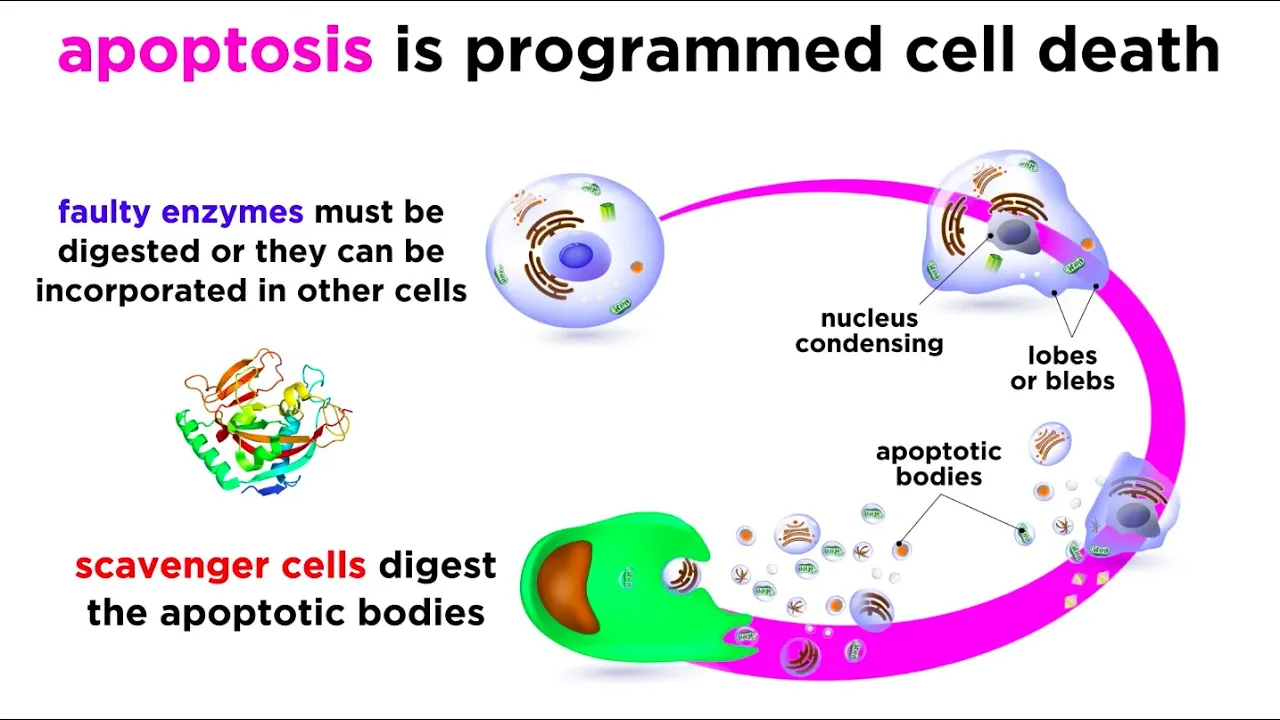
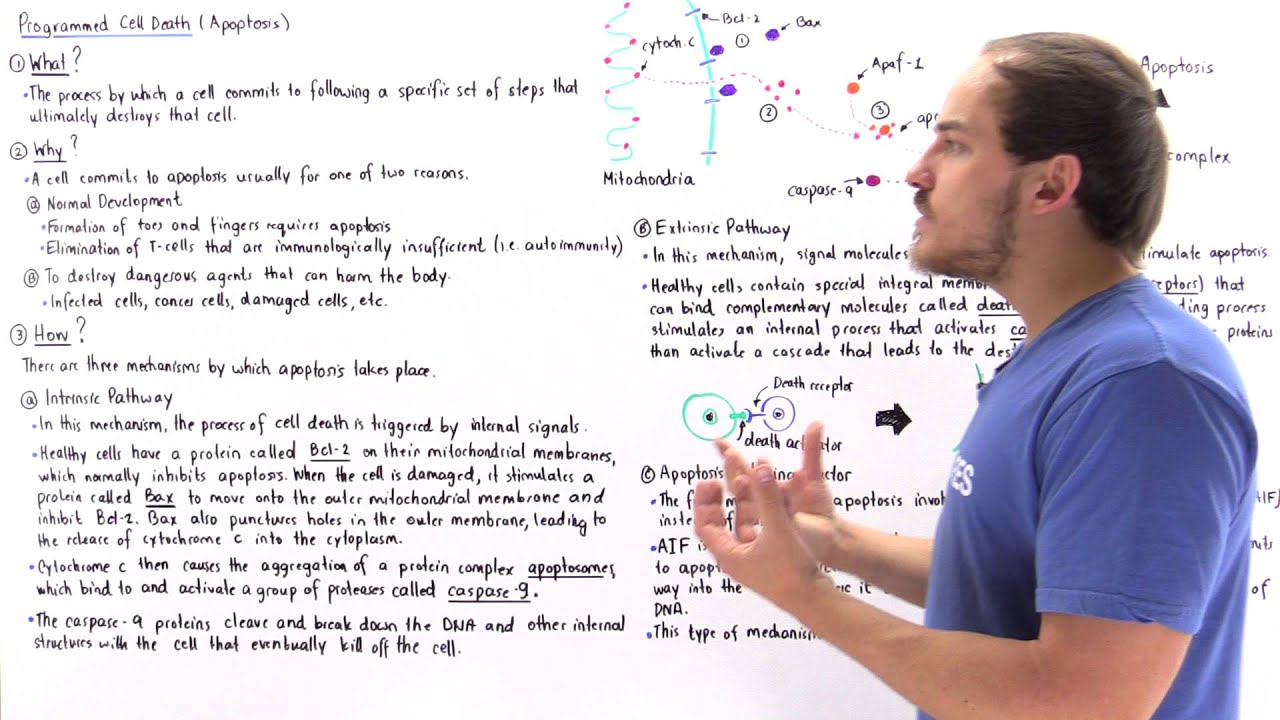
Others may become damaged and die when they squeeze through tight spaces or bump into the walls of the blood vessels. Still other migrating cells may be recognized and destroyed by cells of the immune system. How and where the migrating cells stop is different for different cancer types Once the tumor cells are no longer moving they can begin the process of forming a new tumor by leaving the blood vessel and beginning to reproduce in the new location This does not always occur and cells that have made it this far may still die or fail to divide If the new environment is suitable the newly-arrived cell will begin to grow and a new tumor will develop One way that the development of cancer is prevented is via the death of defective cells A cell that becomes mutated or damaged will first attempt to repair the damage. If that is not possible the cells will commit the cellular version of suicide An orderly process called apoptosis leads to the breakdown of key cell parts and the death of the cell Cancer cells lose this critical capability and will continue to divide This can lead to the accumulation of cells that can become more and more abnormal Due to the high rate at which cancer cells accumulate mutations a tumor that originally started as a single abnormal cell is actually made up of many slightly different cells they are all cancer cells and are similar to each other but they may not all have the same sensitivity to any particular cancer drug or treatment When this mixed bag of cells is exposed to a drug, most to the cells will probably die.
Those cancer cells that are resistant to the treatment may reproduce to form a new tumor Importantly this new tumor will be unlikely to respond to the same treatment Their mutations make them invulnerable to that drug
Up Next
6:43
MAPK/ERK Signaling Pathway Explained: Ras-Raf-MEK-ERK Cascade
@hussainbiology
207.5K views•2018-07-09
50:12
Bacterial Communication: Quorum Sensing and Biofilm Formation Explained
@JHUAAP
12.6K views•2011-06-28

5:35
Enteric Nervous System Explained: The Gut's Brain | Neurobiology Lecture
@alumniu6029
438 views•2018-09-12
7:08
Bacteriophages: Earth's Deadliest Killers and Future Antibiotics
@kurzgesagt
34.6M views•2018-05-13
Related Study Plans & Knowledge Roadmaps
Structured learning paths in Biology
biology
RNAi: Biogenesis, RISC & Gene Silencing
01Molecular Biology Foundations: DNA to Protein
02Introduction to RNA Interference (RNAi)
03Molecular Biogenesis of miRNA and siRNA
+ 2 more learning modules
10h5 modules
Explore Roadmap
biology
Mycorrhizae: Signaling, Biophysics & Ecology
01Foundations of Mycorrhizal Symbiosis
02Molecular Signaling and Root Colonization
03Biophysics and Bioenergetics of Nutrient Exchange
+ 1 more learning modules
11h4 modules
Explore Roadmap
biology
Circadian Clocks: TTFL, SCN & Periphery
01Foundations of Molecular Biology & Gene Expression
02Introduction to Chronobiology and Actograms
03The Core TTFL: Molecular Architecture of the Clock
+ 3 more learning modules
14h6 modules
Explore Roadmap
biology
Population Genetics: Math, Drift & Selection
01Genetic & Probability Foundations
02The Hardy-Weinberg Principle and Baseline Models
03Mathematical Modeling of Natural Selection
+ 3 more learning modules
18h6 modules
Explore Roadmap