








![MICROBIOTA INTESTINAL: su importancia para determinar la salud de los pacientes [Dr. Arturo O´Byrne]](https://i.ytimg.com/vi_webp/IDaAFRyUF58/maxresdefault.webp)



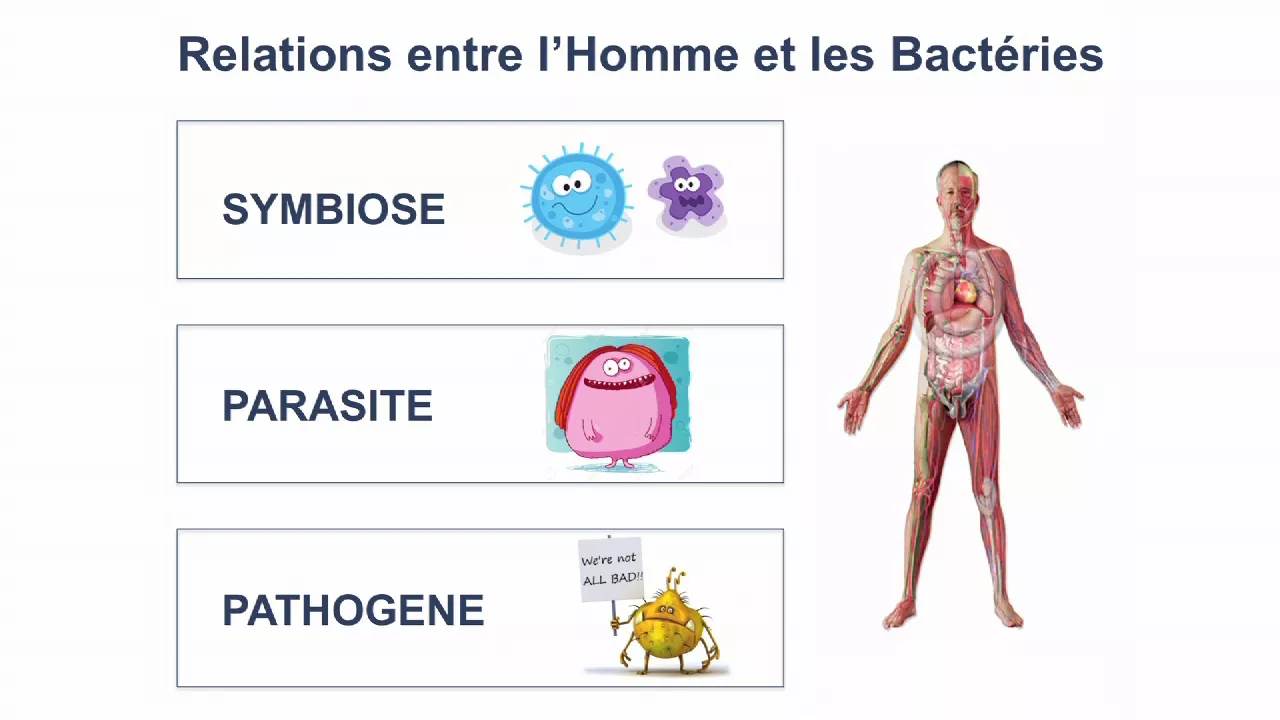



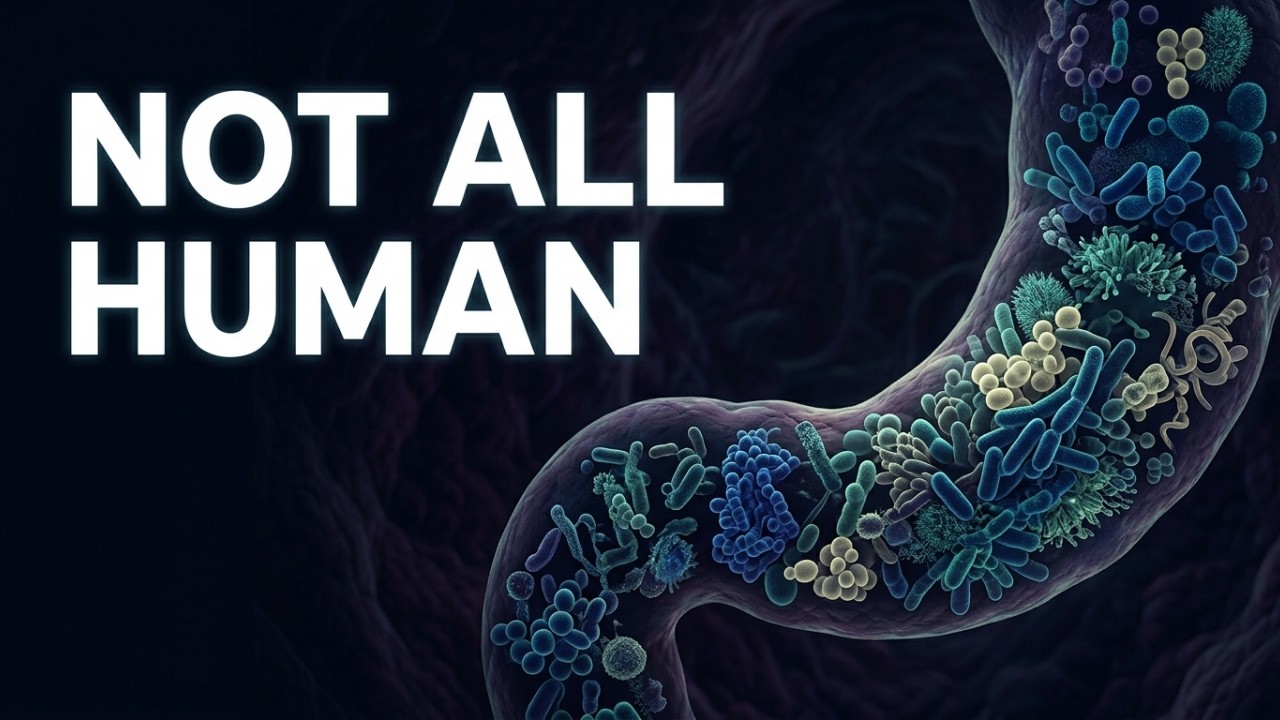
The human body hosts approximately 100 trillion bacteria (ten times more than human cells), forming a complex ecosystem called the microbiome that begins developing at birth through vaginal delivery and breast milk, playing crucial roles in digestion, vitamin production, immune system development, and even influencing brain function via the vagus nerve; this microbial community exists not only in the gut but also on the skin, in the mouth, lungs, and other organs, with research revealing that despite individual differences, humans share only three main types of intestinal ecosystems.
Human Microbiome: How Bacteria Affect Health and Immunity
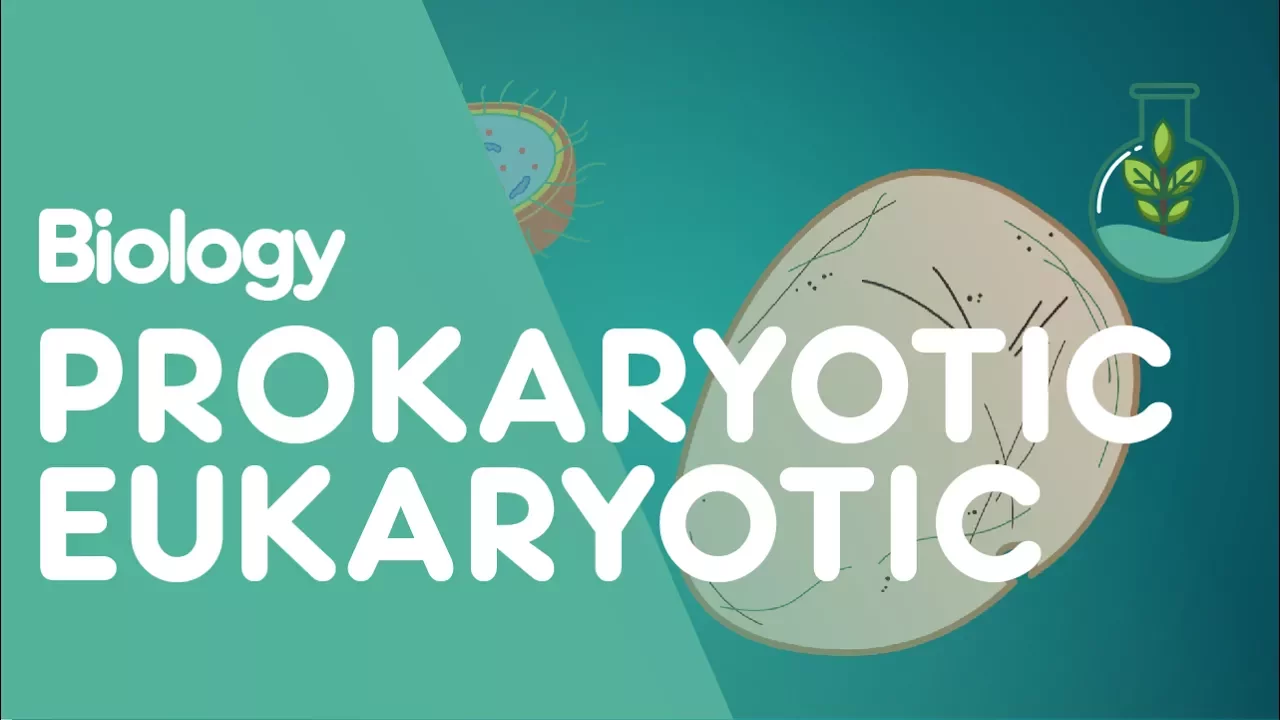
Added:Basic cell biology, specifically the distinction between eukaryotic human cells and prokaryotic bacterial cells.
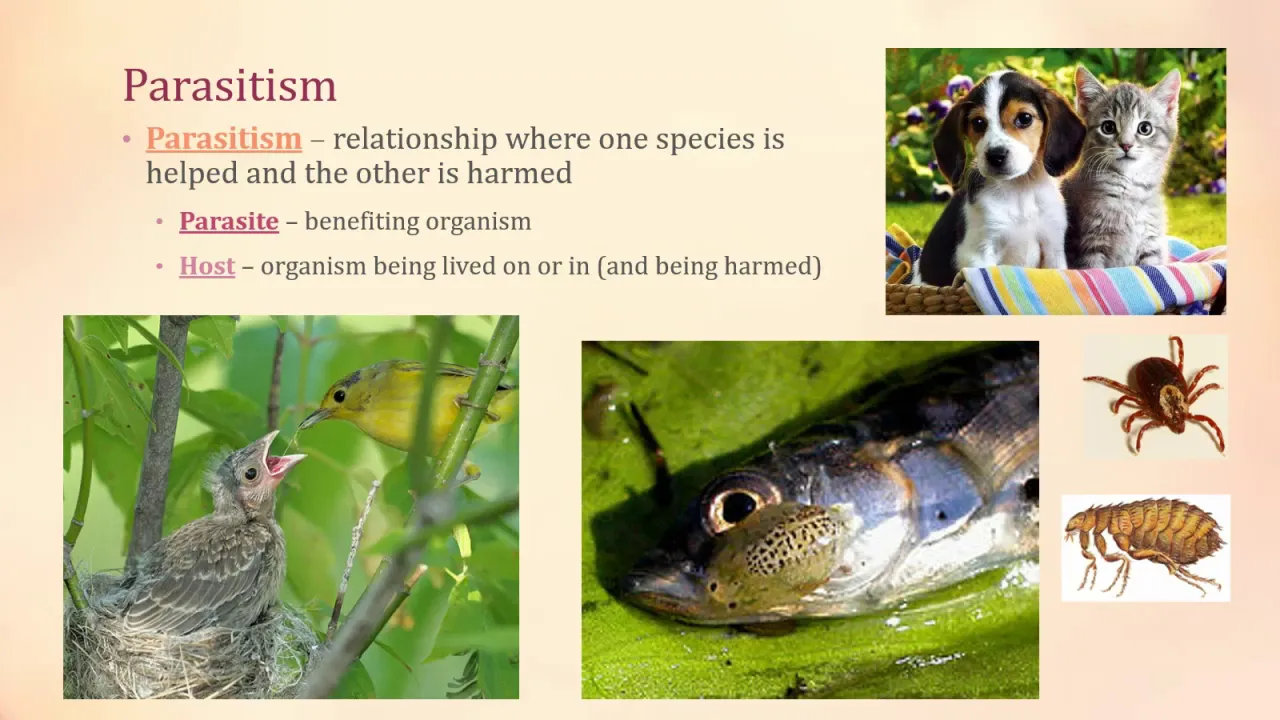
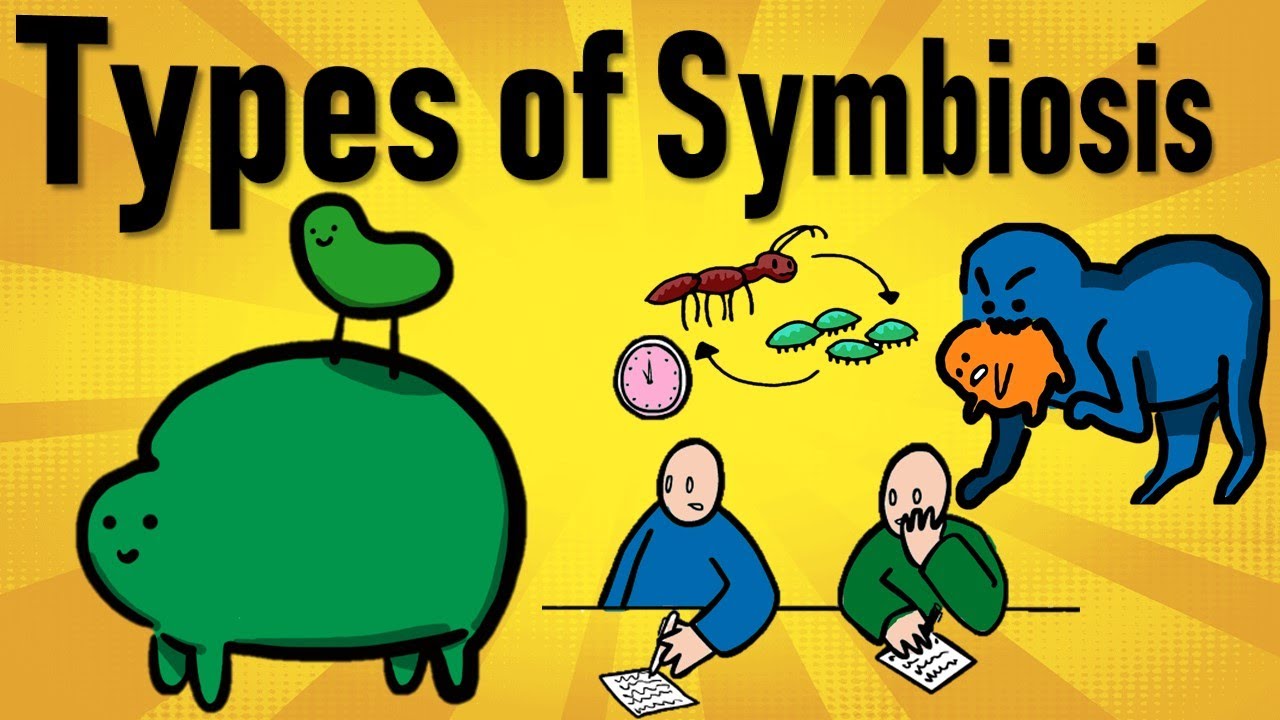
The ecological concept of symbiosis, including mutualism, commensalism, and parasitism.
Fundamentals of the human immune system, including how the body distinguishes self from non-self and responds to pathogens.
Anatomy of the human digestive tract, which serves as the primary habitat for the largest population of human microbes.
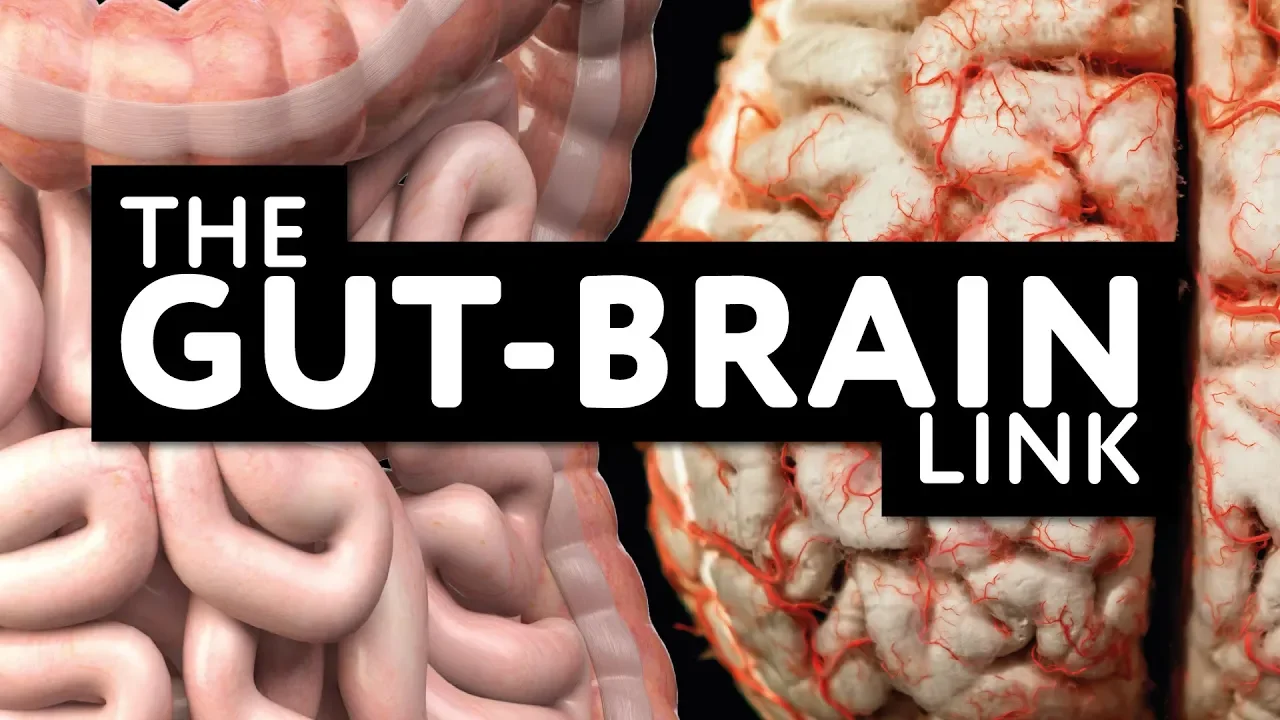
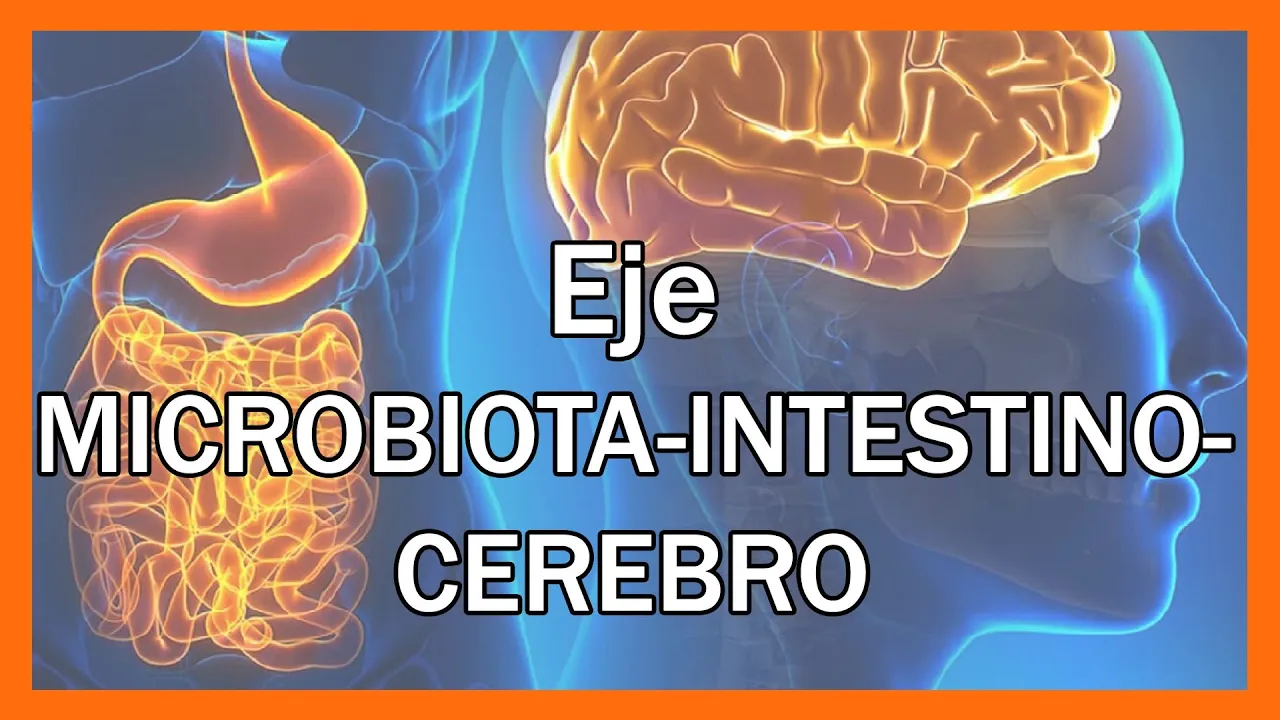
The gut-brain axis, exploring how gut microbiota communicate with the central nervous system to influence mood, stress, and behavior.
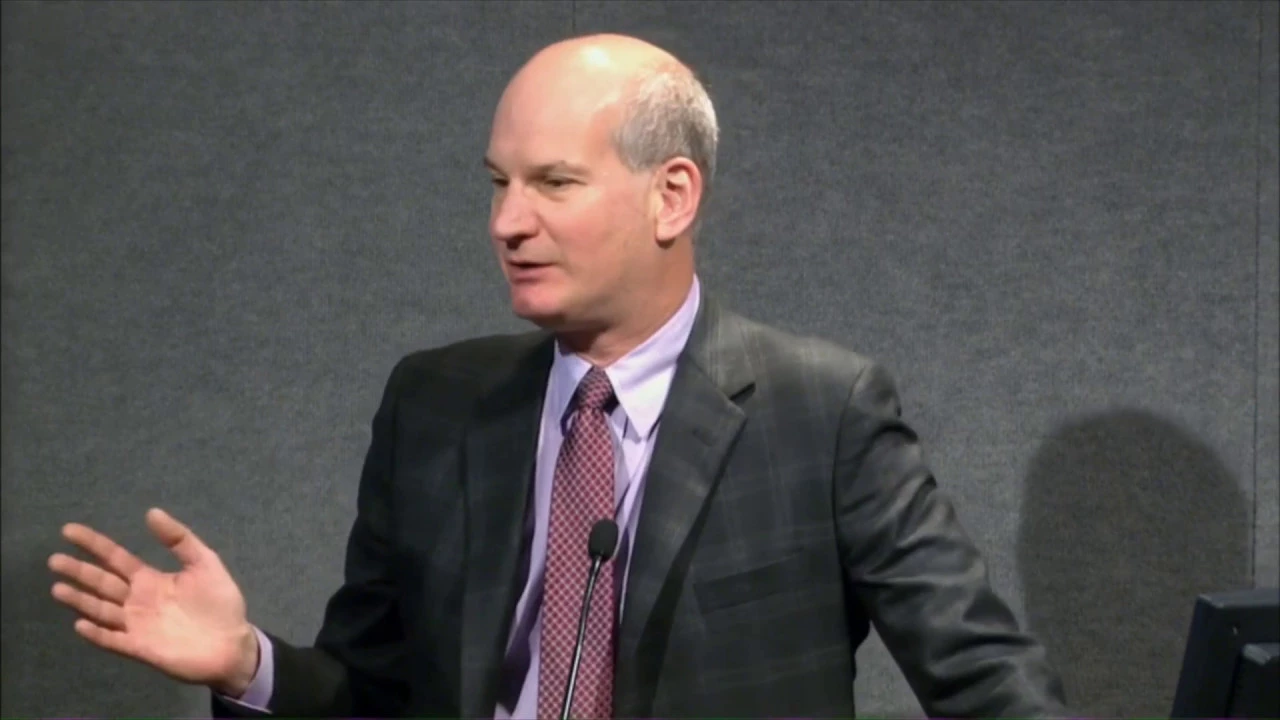
The role of dysbiosis (microbiome imbalance) in chronic conditions such as Inflammatory Bowel Disease (IBD), obesity, and autoimmune disorders.
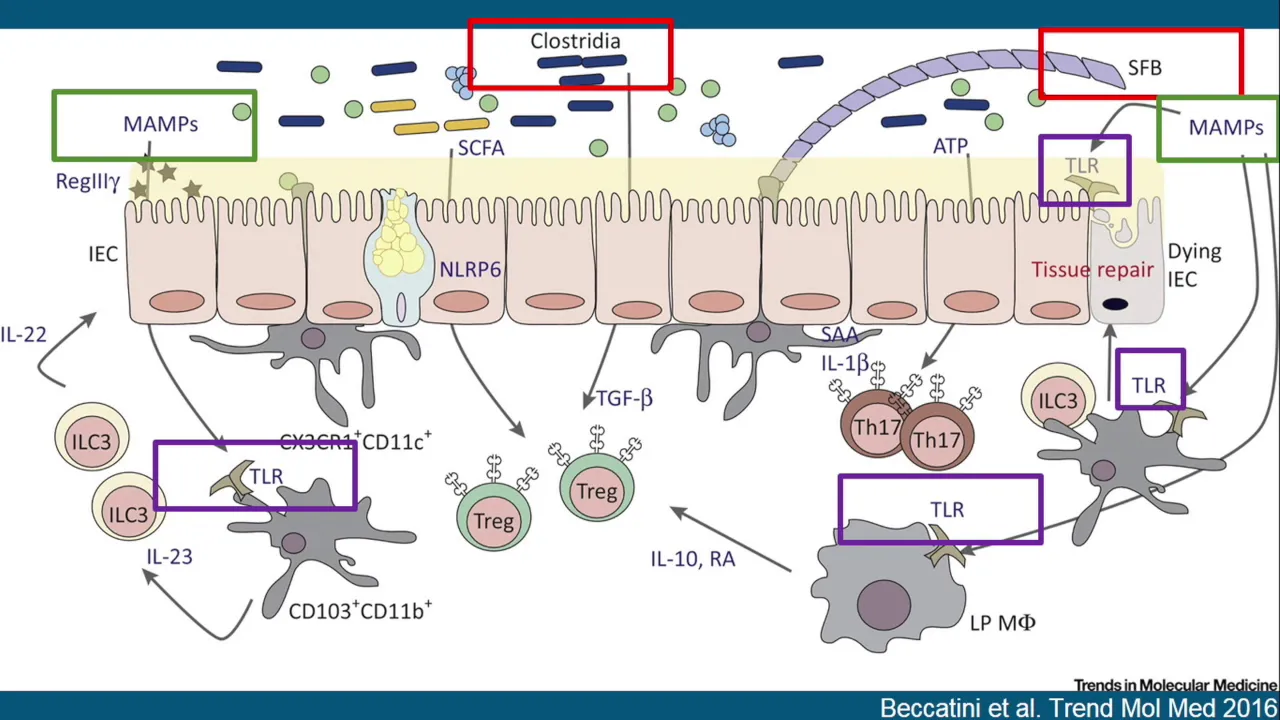
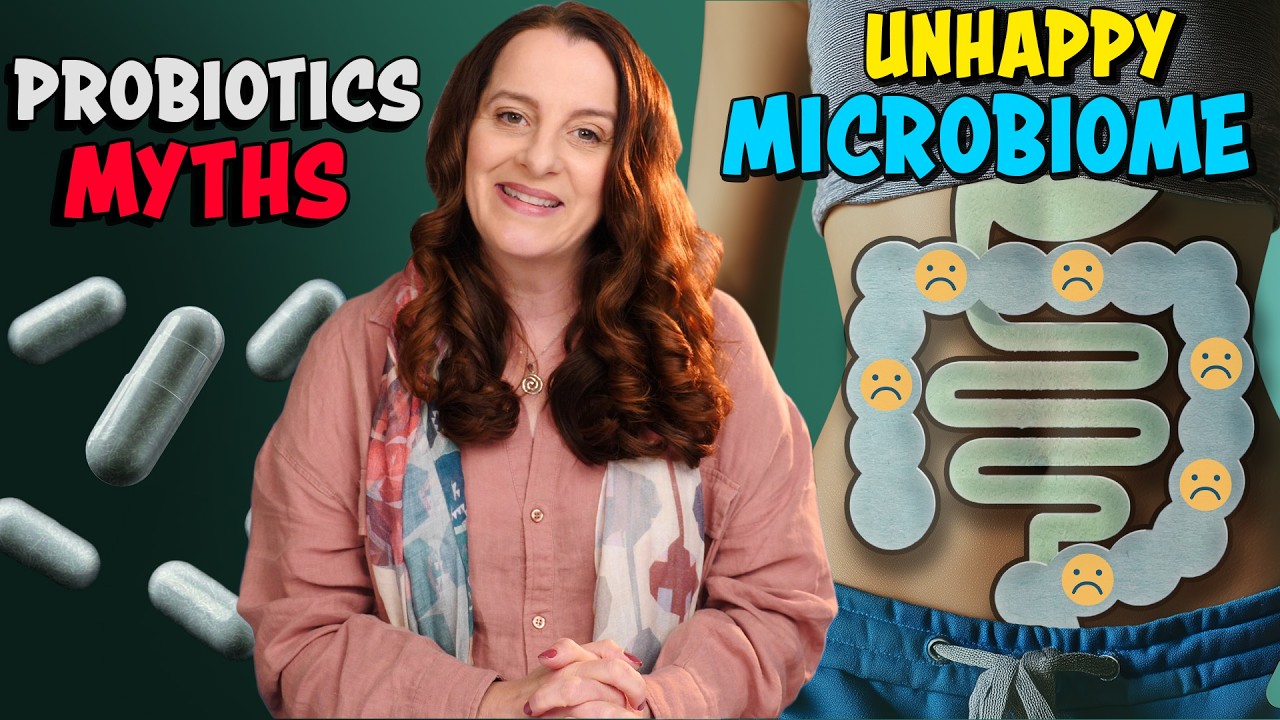
Microbiome-targeted therapies, including the clinical applications of prebiotics, probiotics, and fecal microbiota transplants (FMT).
Metagenomics and sequencing technologies, such as 16S rRNA sequencing, used to profile and study complex microbial communities.
230.1K views3.3Klikes3:54Original Release: 2013-03-25
We humans tend to obsess over cleanliness. We wear masks in public when we feel a cold coming on, we cover ourselves daily in scented soaps and antibacterial gel, and we’re crazy about our hand sanitizer. But no matter how much we steam, sterilize or scrub ourselves, we’re still outnumbered by our inner ecosystem. Meet your “microbiome.” The average adult human is made up of about ten trillion cells, but each of us is carrying ten times that number of bacteria--a hundred trillion microbes--on our skin, hair, mouths, and inside of our intestines.
You and I and everyone on Earth is mostly microbe. But we’re not born that way. We start out in a sterile womb, completely free of bacteria, and we get our first dose of bacteria before we’re even done being born. As we pass through the vaginal cavity, we ingest a tiny bit of this guy: It lives in our intestines, where it’ll join about 600 other species that come along with our mother’s breast milk. Their job? To break down sugars in that milk that we couldn’t digest on our own.
As we are cuddled and kissed and eat and play in the dirt, eventually over a thousand species of bacteria will call our guts home. Early on our little friends start fighting off bad bacteria and help teach our immune system the difference between good and bad. Mice without a microbiome are much sicker as adults. Children who take too many antibiotics, which kill our good bacteria along with bad, can be more likely to get asthma and intestinal diseases later in life. These bacteria don’t just protect us--they help feed us. Vitamins like B3, B6, B12, and K are all produced by our microbial friends and taken up by our bodies. When babies switch from milk to mashed carrots and pureed peas, plant-eating species take over their intestines.
Our microbiome goes way beyond our guts. Antonie van Leeuwenhoek became the first person to ever lay eyes on our little friends in 1683 when he scraped his teeth and placed them under a microscope. Even after we brush our teeth, hundreds of species live in our mouths fighting disease and tooth decay. No two people have exactly the same mouth bacteria, and you share your mix with everyone you kiss. We used to think that sterile lungs were healthy.
But there’s bacteria there, too, helping prevent asthma and lung infections. We’ve even found them in ears and arteries, and manufacturing antibiotics in our noses. And then! there’s our largest organ: the skin. About a trillion bacteria live on our hair follicles and epidermis. Some are playing defense, making our skin slightly acidic or producing chemicals to keep fungi from setting up shop. Some skin bacteria prefer to live in warm, dark places on our bodies munching on our skin oils and sweat and releasing chemicals that give us our particular... “aroma” There’s a lot of weird microbiome science that we don’t understand: Regardless of your age, diet, gender, or where you’re from, you probably have just one of three intestinal ecosystems. Like blood types, we all share only a handful of gut microbiome types across all people. Have you heard of bacterial mind control? The vagus nerve serves as a sort of direct phone line from your gut to your brain and mice that have certain friendly bacteria in their intestines are calmer and less anxious than those who don’t. Maybe you really ARE what you eat. Here’s another weird microbe mystery: If you looked at all the species of bacteria on your right hand, only about 1/5th of them would also live on your left hand. Even if you do this! [rubs hands together vigorously] It’s like our bodies are a new planet that we’ve just discovered. One team of scientists found 1,458 brand new species in just 60 belly buttons. All in all, we carry about 20,000 or so human genes and three million or so bacterial genes. In a sense, we’re 1% human and 99% bacterial. Sure, some bacteria are bad, but most of them are just happy to call us home, and happy to help us stay healthy. If we don’t start treating our microbiome like the friends they are, they might rise up against us.
Up Next
66:41
The Human Gut Microbiome in Health and Disease
@IHMC
137.3K views•2017-02-13
50:12
Bacterial Communication: Quorum Sensing and Biofilm Formation Explained
@JHUAAP
12.6K views•2011-06-28
6:25
How Baby Sea Turtles Navigate Home Using Earth's Magnetic Field
@besmart
1.6M views•2016-10-17
7:08
Bacteriophages: Earth's Deadliest Killers and Future Antibiotics
@kurzgesagt
34.6M views•2018-05-13
Related Study Plans & Knowledge Roadmaps
Structured learning paths in Biology
biology
RNAi: Biogenesis, RISC & Gene Silencing
01Molecular Biology Foundations: DNA to Protein
02Introduction to RNA Interference (RNAi)
03Molecular Biogenesis of miRNA and siRNA
+ 2 more learning modules
10h5 modules
Explore Roadmap
biology
Mycorrhizae: Signaling, Biophysics & Ecology
01Foundations of Mycorrhizal Symbiosis
02Molecular Signaling and Root Colonization
03Biophysics and Bioenergetics of Nutrient Exchange
+ 1 more learning modules
11h4 modules
Explore Roadmap
biology
Circadian Clocks: TTFL, SCN & Periphery
01Foundations of Molecular Biology & Gene Expression
02Introduction to Chronobiology and Actograms
03The Core TTFL: Molecular Architecture of the Clock
+ 3 more learning modules
14h6 modules
Explore Roadmap
biology
Population Genetics: Math, Drift & Selection
01Genetic & Probability Foundations
02The Hardy-Weinberg Principle and Baseline Models
03Mathematical Modeling of Natural Selection
+ 3 more learning modules
18h6 modules
Explore Roadmap