





![[MC-CT02] Imunologia do Câncer - 27/01](https://i.ytimg.com/vi/-CJmgi7xdFQ/sddefault.jpg)
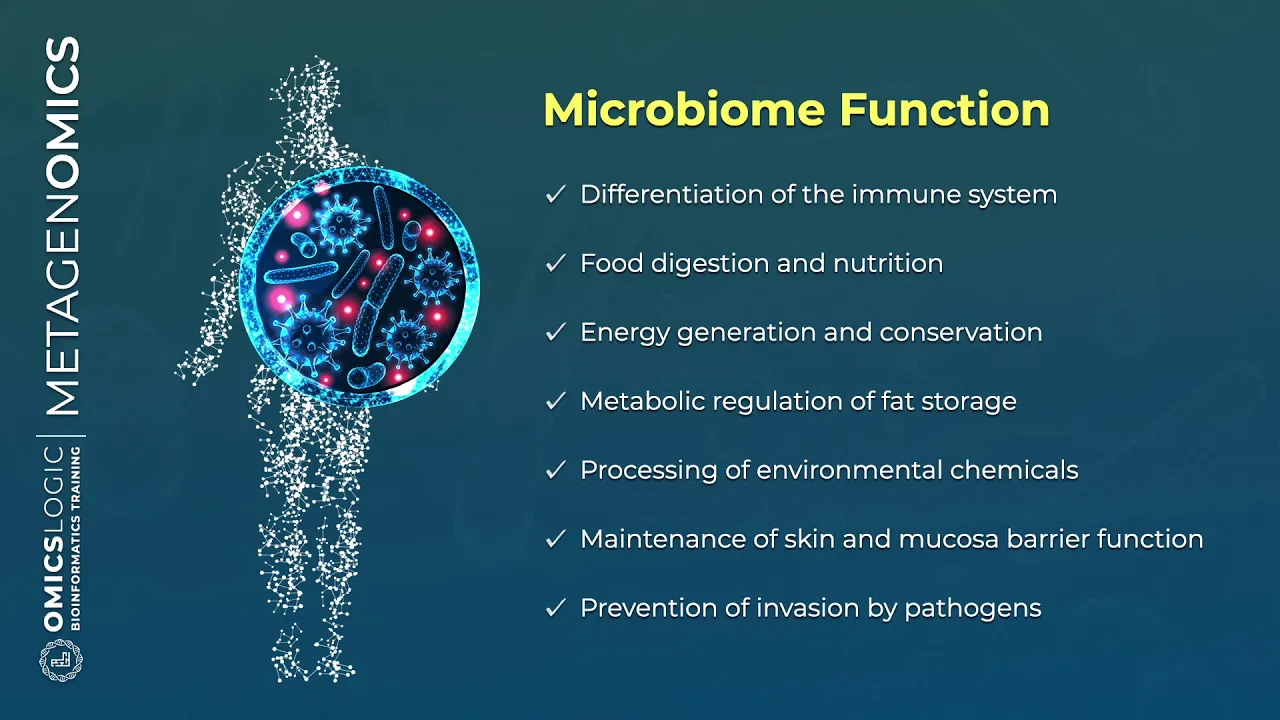











The human gut microbiome is a complex ecosystem of approximately 100 trillion bacterial cells containing thousands of species that perform essential functions including extracting energy from food, producing vitamins, regulating immune responses, controlling glucose metabolism, and protecting against pathogens; however, factors such as diet, antibiotics, and modern lifestyle choices can disrupt this delicate balance, potentially contributing to chronic inflammatory diseases, and understanding these relationships opens possibilities for therapeutic interventions like fecal transplantation and targeted probiotics to restore health.
The Human Gut Microbiome in Health and Disease
Added:Basic human anatomy and physiology of the gastrointestinal tract, including the functions of the stomach, small intestine, and large intestine.
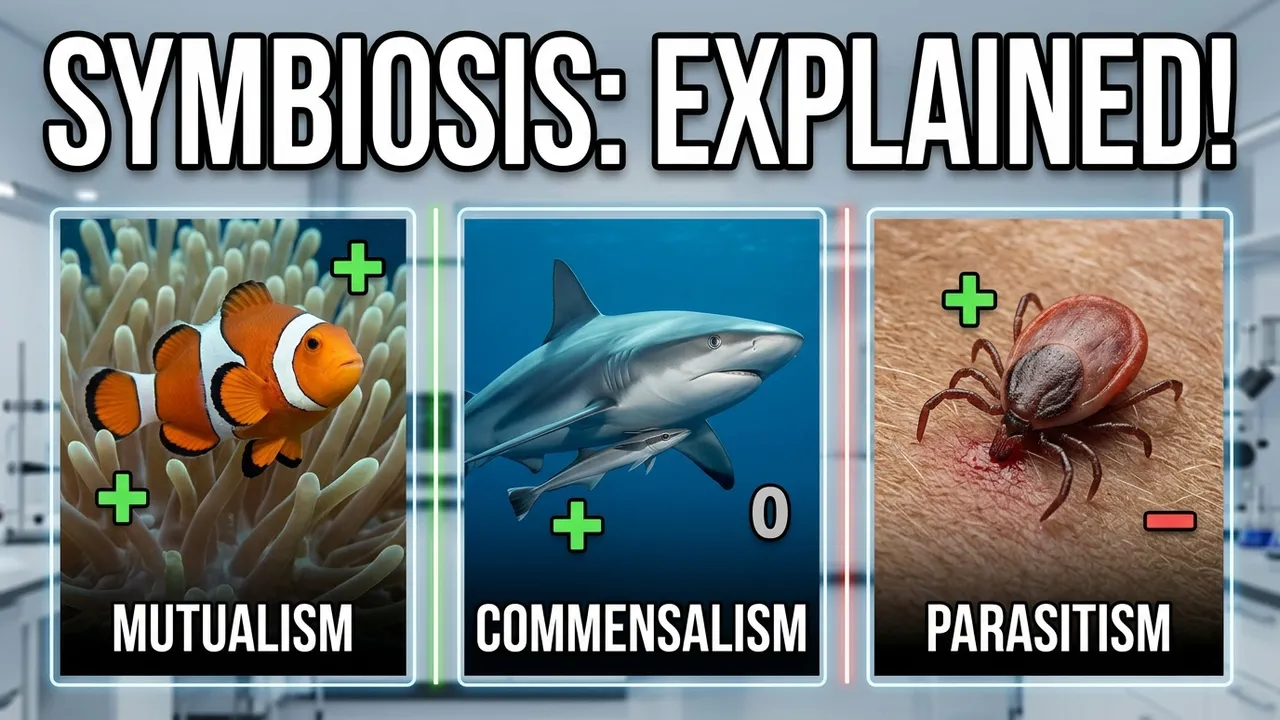
The concept of biological symbiosis, specifically distinguishing between mutualistic, commensal, and pathogenic relationships.
Fundamentals of immunology, particularly how the human body tolerates beneficial microbes while recognizing and attacking harmful pathogens.
An introductory understanding of genomic sequencing, such as metagenomics, which allows scientists to study microbes that cannot be cultured in a lab.
The Gut-Brain Axis: Exploring the biochemical signaling pathways between the gastrointestinal tract and the central nervous system, and its links to mental health.
The clinical application of microbiome therapies, such as Fecal Microbiota Transplants (FMT) and the development of next-generation probiotics.
The role of dysbiosis (microbiome imbalance) in chronic inflammatory, autoimmune, and metabolic disorders like IBD, obesity, and diabetes.
Precision and personalized nutrition: How individual microbiome profiles can be analyzed to tailor diets and pharmaceutical treatments for optimal health outcomes.
137.3K views1.9Klikes1:06:41Original Release: 2017-02-13
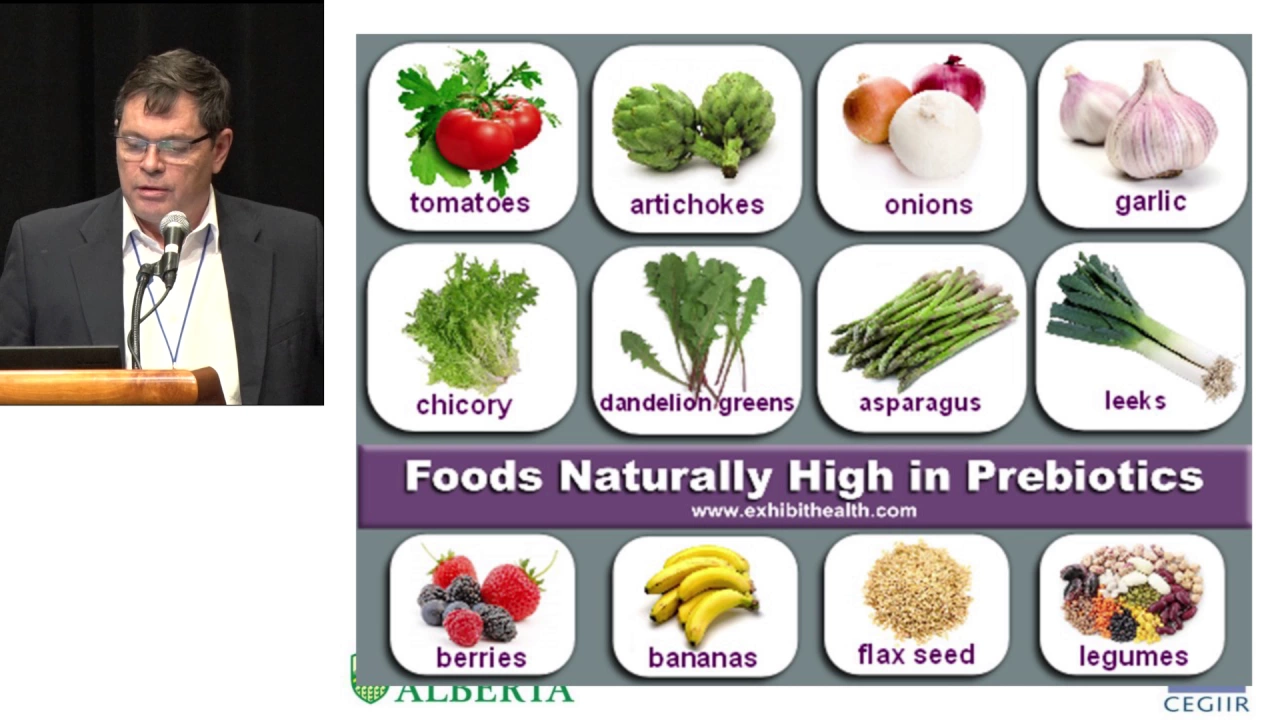
[Music] this lecture is being brought to you in part by the generous Gifts of these sponsors thank you very much Ken I am delighted to be here I have had an absolutely amazing day um and I wish I could stay longer but I hope at the very least I'll be invited to come back back um just funny story before I begin about cell phones in in lecture halls I was once giving a lecture and had didn't pay any attention to my phone and I was about 10 minutes into the lecture and a phone starts to ring and the organizer who in and the phone kept ringing and ringing and ringing and the organizer time out whose phone is that ringing and I I just said it's mine so I to come down off the stage and turn off my phone but my phone in my purse are somewhere else so if it phone rings tonight I know it's not mine so what I want to do in the talk this evening is give you an introduction to the human microbiome and and before I get into the talk let me just see by a show of hands how many of you have heard of or read something about the human microbiome feel like you have some yeah I'm not surprised because in the 40 years that I've been doing research this has been for me the most interesting and exciting research that I've been doing and it's also the research that I think has most captured the imagination of the public and I think for good reason so I hope in part by the end of the talk tonight I can convey to you some of the the excitement that I have for this field of study so let's begin and I'm going to pose a question to you I would like you to think of a thriving ecosystem just and so I'm going to guess that for many of you when you think of an ecosystem you think of a rainforest for others you may think of a coral reef although I think if we look at what's in the news we might say that these ecosystems aren't particularly thriving anymore this is an interesting example of a thriving ecosystem this is Mr Owens he lives in the UK he planted this terrarium about 30 years AO go sealed it up and it's been doing just fine so that ecosystem has everything that it needs but what I hope I can convince you of tonight is that we as humans along with our microbial Partners represent a thriving ecosystem that is just as interesting and just as important and just as worthy of study of any of these other examples so these are some of the topics that I'm going to cover tonight how we study the microbiome what we know the implications um for the microbiome in chronic disease I'm going to talk about the gut brain microbiome axis because I think this represents the Forefront of the field and finish up with a few thoughts about how we might deliberately manipulate the microbiome to enhance health and maybe treat disease um certainly if there are questions we can go beyond any of the topics in the Q&A period but this is how I plan to structure the talk and just two two other items here in terms of terminology and sometimes these are used inter interchangeably these two terms but they really shouldn't be you'll often times hear someone refer to the microbiota what this represents is the collection of all of the organisms that share our body space microbiota is a collection of organisms whereas the mic microbiome is the collection of all of these organisms and their Collective genetic material so um just a a minor point but if you hear me use these two terms hopefully I'm using them correctly and and I'm using them for a reason I'm either talking about the organisms or about the organisms and their genomes and as is so often the case in science um even though a lot of intense focus on on the human microbiome began about 10 or 12 years ago we weren't the first to do this in fact the first description of the microbial life that's found in association with humans was made by Antonin Von Leen hook one of the very first samples he looked at after he invented his compound light microscope he was the inventor of the microscope was um some of the material that he scraped off the surface of one of his teeth and he suspended that ins Solution on a microscope side and looked and what he saw just amazed him so much so that he wrote about this in a letter to his colleagues at the Royal Society of London um this was the first time and really think about how profound this was this was the first time any microorganisms were seen because before the development of the microscope they were invisible no one was calling them bacteria at the time Von Leen hook called them animal cules but he noted they were present in such enormous numbers that the water seemed to be alive and this is interesting and we've really come full circle 350 or more years later because the oral cavity has been one of the sites one of the environments in the human body that has been the target of intense study as part of the human microbiome project so I would say that for the better part of that 350 360 years the human microbiome the organism M and their genetic material were really still very much beyond the reach of our understanding um other than being able to see these microbes there wasn't really much else that we could learn about them and for a very long time it was thought that these microbes this collection of microbes which had been called Flora or the normal flora for a very long period of time it's thought that they were inert we were just um carriers that these were relatively stable over the course of a lifetime that they weren't at all relevant to disease they were just you know sort of like dust particles that we were carrying with us and I think to a considerable extent even within the field of clinical microbiology um pathogens disease causing microbes were really thought to be the ones that were most relevant to human health and I would argue that even still um in medical schools around the world the first introduction that students have to microbiology is in the context of disease causing organisms not the organisms that we share our environment with from the day we're born until the day we die and certainly at Maryland my colleagues and I are trying very hard to get the curriculum changed because I think that in the not too distant future we're going to see that um measurements of the human microbiome in one way or another will start to become part of the standard of care much like you think if you go to the doctor now for a physical he or she will draw blood and measure all of your blood chemistries so it was um about 2005 2006 um in this country that um an effort out of the National Institutes of Health in Bethesda was launched to put together a collaborative project involving investigators across the US to study the human microbiome why then well I think in large part it was because the tools of genomics that in large part had been developed to complete the sequencing of the first human genome were equally amenable to the study of all of the microbes that we share our space with and quite frankly all of these big centers and smaller centers like my own that had been set up to do some of this work we're now sort of looking for a next big project so um after a number of planning meetings that I participated in um a road map for the human microbiome project emerged and one of the primary goals of the first 5 years of this project was to use the available tools that we had to try and understand what a normal microbiome looked like and that may sound easy in principle but as I hope I can explain to you it's been a little bit harder in practice normal might not be the correct descriptor maybe it should be healthy but then we got into discussions well what does healthy mean is Health just the absence of disease or is Health something more and so not only were there scientific challenges but we're still struggling with some of these philosophical challenges but what the microbiome project did was enroll about 300 health volunteers between the ages of 18 and 45 and I have very sad news for all of you in the audience over 45 with a lot of scientific studies once you once you pass 45 years of age you're considered elderly I'm I'm in that same category it's hard to take and these volunteers then had to agree to donate samples from multiple body sites over multiple periods of time and the scientists involved in the project set about characterizing what um these collections of microbes looked like from each of these individuals I was also involved in a couple of projects there were a total of 15 projects to investigate whether or not we could identify some sort of change in the microbiome in various humans human environments either the um oral cavity or the skin or the GI tract or the vagina whether we could identify changes associated with various diseases these were called demonstration projects for obvious reasons they were meant to demonstrate or not that there might be a link this is the only slide like this that I'm going to show you just because so much of what we know to date is based on this and this is using a particular Gene that you find in all bacterial species that's part part of a key component of the Machinery in the bacterial cell that makes proteins um and what we can do with this is specifically Target regions of this Gene called the 16s ribosomal RNA Gene and we can generate DNA sequence data from portions of this molecule and we get a readout from every single cell in the community that we're studying and what I like to do is think of this kind of information as being absolutely analogous to a barcode so the way we analyze this data is we generate all of these barcodes it's very straightforward we can process hundreds or thousands of samples at a time and then we count how many of this barcode do we see how many of another bar code and the number of barcodes that you can capture is really infinite so what we're doing and what the field did for the mo the better part of the first five years was really use this approach to take a molecular census to count how many of this type of organism how many of that type of organism and much of what you read um in the lay press to date is based on these kinds of measurements and I would just caution you while the stories that you read can be very exciting and suggest very definitive links between changes in the microbiome and disease what this information doesn't capture is anything about what these organisms are doing so again if you think about it um analogous to a census here you've captured the name and think of you know we if you've participated in a census um and I go on ancestry.com look at you know what my grandparents and great-grandparents did other information will tell you what their occupation was what their age was it gives you a richer view of the community whereas this is just a name but it's a pretty good start so as I say one of the um one of the most important first objectives was trying to define a healthy human microbiome my environment of interest is the gut and everything that I'm going to talk about tonight has to do with the gut but the ideas the approaches are equally relevant to any of the other human environments and so part of the reason why defining a healthy gut microbiome was so important is that if you know what's healthy then you can better identify a diseased microbiome if you see one and if you know what's healthy then perhaps it gives you some ideas about how you might deliberately intervene to move a disease microbiome back to a healthful state state does that make sense great okay and so what we found um somewhat to our surprise was that when you looked across the human body as a result of all of these analyses we immediately see that we're not a singular environment we're not a single ecosystem if you will depending upon depending upon what portion of the body was sampled and these pie charts represent relative abundant es of different types of bacteria their identities don't matter so much but what's important is that you see no two piie charts look the same um and additional Studies have been done looking at the skin for instance and revealing that if you're right or left-handed and you sample the right or the left side of your body you can actually find differences in the skin so the variability is phenomenal but that's really in keeping with what you would ECT in a complex ecosystem not every Niche is exactly the same they may be related but they're not exactly the same so what's there and what do all these microbes do some of these numbers just blow me away it's it's estimated that there may be 100 trillion bacterial cells that we carry with us as adults you make some calculations and some assumptions and we quickly come to realize that those 100 trillion cells which are made up of thousands of different species of bacteria and fungi carry 10 times the number of genes that we think are encoded in the human genome that's a lot so just on the fact of sheer numbers alone I think we have to pay attention to our microbiome but what we've also come to understand is as I said earlier these aren't just passive um hitchhikers if you will they're essential to human health and they're involved in some really important biological processes they help us extract energy from certain kinds of food and I'll say a fair amount about this in just a few minutes they produce essential vitamins that we can't make on our own they regulate our immune system starting very early in life and it's thought that the increase in certain diseases like asthma and food allergies and um eczema diseases that are thought to have perhaps some sort of autoimmune component may be the result of inappropriate cross talk between the microbiome and our immune system early on in life they've been shown to regulate glucose levels and also be involved in other aspects of our metabolism and I think this is a really important role here they protect us against disease causing microbes I've been doing some interesting studies with a collaborator at Maryland looking at both in humans and in some non-human primate models looking at infection with shagel and salmonella that are two anic pathogens these are pathogens that cause food poisoning they're particularly um a public health concern in the developing world and we can find subjects who can take a highly virulent highly infectious dose of either of these two pathogens and not get sick not develop a single clinical symptom and you probably know people if you travel you probably know people there are some people that get sick the moment they touch down on foreign soil and there are other people that can go through an entire trip and eat exotic food and never get sick well we've actually again found some interesting correlations it doesn't prove cause and effect that some of these that the people who seem to be protected have a different microbiome in their gut than the people who get sick well that's pretty cool maybe we can exploit that for those of us who travel um and I think one of the real surprises that came out of the first um phase of the human microbiome project was the finding that there is tremendous interindividual variation in the microbes that we share our space with um so much so that even in a given individual from one day to another these communities may look to change but if you look across individuals and certainly if you look across populations around the world you can see some pretty major differences and we're just beginning to explore this and we'll talk about this now in a bit more detail in the next phase of the talk um we know some of the factors that we think influence these changes in the microbiome and the two that I'm going to talk about are diet and antibiotics those have tremendous effects but there are other effects we know that stress certainly chronic stress can have an effect um expose you know infection with various pathogens um the and I I have a colleague at Maryland who's who's trying to convince me to get involved in a study Because he believes exposure to air pollution May somehow alter the structure or function of the communities in our guts so um we I certainly now have a much more holist IC view of health and disease and I think that the data are absolutely pointing Us in that direction a lot of emphasis has been placed on trying to understand the changes in the microbiome over a lifespan so there have been studies looking at what's in utero looking at newborns babies all the way through to the elderly and we know now back going back thinking about these as ecosystems that in the very young in infants these communities are fairly low diversity they're they're um changing all the time and at about 3 years of age they stabilize and take on the structure and function of what we see throughout most of adult life the mode of delivery whether it's vaginal delivery or C-section has an effect because we inherit our microbiota from our mother so we're either getting our inoculum through the birth canal or from the skin and these infants have been followed for the first couple of years of life and these differences that you see at Birth persist and that raises an interesting question do they ever converge and if not is there a consequence of that and breastfeeding versus Formula feeding have also been shown to have really profound effects and in fact some of the key components in breast milk that formula companies have been trying for a very long time to um reproduce are the um oligosaccharides that you find in breast milk infants don't have the mechanisms to digest these oligosaccharides and it appears that they're there to feed the new microbes in the infant's GI tract so talk about a co-evolution of a whole system um once once um we move from adulthood into old age and here it's shown as 65 to 80 um we see we see that we we've seen that we these communities tend to lose diversity again and think about ecosystems you think about a healthy ecosystem is one that has a lot of biodiversity so if you start to lose diversity maybe there's a potential consequence and I can tell you the worst possible situation to be in is an elderly person in a nursing home the diversity in those cases in a couple of pilot studies that have been done is almost non-existent and the reasons for that are not entirely clear um so we talked about age but there are a lot of other factors and we'll move right on because I've I've mentioned these already um diet and antibiotics are the two that I'm going to um focus on tonight so let's take the next few minutes and think about diet this is um a schematic diagram of our GI tract starting at the stomach and what you see here in red green gray and blue are the different types of microbes that you find across the length of the GI tract and we also have a couple of different kinds of nutrients shown here simple nutrients nutrients that we can we as humans can digest without any help from our microbial partners and what's labeled as undigestible nutrients this string here this string of beads which essentially represents fiber we can't digest any of the fiber that we eat on our own it's it's through the actions of our of the microbes in our GI tract so by the time food gets through the small intestine which is shown here most of these nutrients that we can digest proteins and fats and simple sugars are gone and what ends up being delivered to the large intestine or all these undigestible nutrients where a completely different collection of organisms goes to work and starts to digest um this fiber this is a critically important process for health and I hope that the next slide gives you some idea why I actually have this I have this slide right next to my desk because I have to refer to it all the time to try and make sense of my data but what it's meant to show don't don't worry too much about this but what it's meant to show is that there are different grp groups of organisms that we know have the capability to metabolize different types of dietary constituents so here we have dietary fiber and mucus dietary protein dietary and host phospholipids or fats and these are the input the bacteria do their thing work magic and various metabolites are then produced and I put this up here just to make um a couple of of important points these butyrate producing bacteria in the large intestine are critically important for health and you can see that what we have to feed them is dietary fiber and if we do they produce these metabolites called short chain fatty acids berate I would say belongs on the list of Wonder drugs or wonder metabolites it helps to nourish the cells that line the GI tract and I think perhaps more importantly it has been shown to have potent anti-inflammatory properties the only way you will get berate produced in your GI tract is if you feed this group of microbes and they need fiber to be happy so I am certainly guilty as guilty as anybody where days or weeks used to go by I've changed my eating habits but days or weeks would go by when I didn't consume particularly much fiber um so you might ask well what happens if that's the case these microbes are still there they need to be fed and if we're not feeding them what they need they start to feed on us and on the top of the cells lining the GI tract is a thick layer of mucus that's typical of epithelial cell layers and if these guys don't get what they want they're pretty darn happy eating that mucus layer and you can see in patients with a lot of GI diseases that this mucus layer in some places is completely gone and that leaves a vulnerability that exposes these epithelial cells lining the GI tract to everything else that's going on out here we'll come back we'll come back to that message that's an important message that I'm going to be delivering um this is another interesting part of the story here are the some of the bacteria that digest fats um they can either be dietary fats or or phosph lipids that come from breakdown of cells in the human body um but if you think about um a key source of dietary fat it can also often be animal fat you know who out there doesn't occasionally like to eat the big steak I was with you that was me bacon thank you bacon well what these microbes then have the capability of doing is taking that input and metabolizing the fat to produce compounds like trimethylamine and ethanolamine and these compounds have been shown unequivocally to promote atherosclerosis so I think we know that eating a lot of red meat is associated with atherosclerosis and cardiovascular disease what you maybe didn't know is that that doesn't happen directly ly it happens through the action of some of the microbes in our gut are you starting to reconsider what you eat maybe I haven't convinced you yet um this was a really interesting study um published a few years ago by Peter turnball Lab at Harvard um I just take a figure from this paper but what he did was take a group of volunteers and feed them I think it was for 4 weeks on a plant-based or vegetarian diet and then switch them to an animal-based diet this is looking I think fiber overall fiber intake fat um I can't read that here um but the point is that very as as the um constituents of the diet changed relatively quickly so too did the relative abundances of these types of organisms that I was just talking about um on the previous slide so we know from these kinds of studies that if you change what you eat you can either feed or starve the good or the L good bacteria in the GI tract bad news here is that a week or two of good eating habits doesn't last you forever you need to you need to keep going with it and this again just I I won't spend any time on this this is just the same idea that um what we eat the different components of of our diet feed different groups of organisms in the GI tract and we can either make use of that to develop to increase the types of metabolites that promote health and reduce inflammation or conversly um promote things like atherosclerosis um deposition of fat and um in some cases cancer so I get to ask this all the time and I'm not a nutritionist and I'm not going to say any more of this but what are you supposed to eat well probably a good place to start would be to think about a Mediterranean diet versus what I think is a typical Western diet I flew in yesterday in the airport and I certainly saw an awful lot of people between flights eating pizza and ice cream and greasy Burgers and Fries um and if this is if these are the main constituents of your diet and fruits and vegetables and whole grains are down here and what you eat occasionally probably not a good thing whereas this really need this food pyramid really needs to be flipped and there are and I'll give you a recommendation at the end of the talk if you're interested in a book that gives you more information about this but when you talk about diet I think an obvious question is well then how should I be eating what should I be eating and I'd say that this is a good place to start so now again getting back to this concept of ecosystems um we know that ecosystems in general are very Dynamic and a stable ecosystem has two properties the first is resistance and that is shown here by the blue line that even in the face of different disturbances whatever they might be the ecosystem function is maintained you might reach a point where um one more disturbance causes the ecosystem to crash and burn but in general a resistant ecosystem is a healthy ecosystem and can maintain its function but even if that doesn't happen there is another ecosystem property that's important and that's the idea of resilience and that is shown here by the red dotted line that's the ability of an ecosystem to absorb a disturbance and recover retain its basic structure and function so you could think about it like this function something happens function changes but then it comes back and maybe happens again and again and this I think becomes very very important when we think about ways that we may be in unintentionally altering our microbiota this is again just another diagram here's a here's a healthy system everything's in Balance you have a an intact epithelial cell layer in your gut here are the microbes and the microbiota you might have pathogens coming through but um the system is such that they don't really cause much damage contrast that with a disrupted Community where you have lws of Integrity here in the epithelial cell layer uh these pathogens come in and can over grow and and cause problems what's in the Lumen here gets into the circulation and can cause systemic infection and probably one of the most probably one of the easiest ways to trigger this kind of disruption um oh and and this kind of disruption very often then leads to inflammation and one of the easiest ways to trigger that is through continued exposure to antibiotics um and what's interesting again sort of a show of hands how many of you out there can remember how many times in your life you've taken antibiotics wow that's more than I would think because for a lot of us we don't even remember certainly as kids I don't know if I was given antibiotics much of at all as a kid I suppose I could ask my mother but um uh but this idea that antibiotics disrupt the microbi and lead to changes that can promote inflammation I think is supported again it's it's not cause and effect but it's supported um by some a little bit of research that I did I was reading this paper unrelated to the microbiome that had to do with chronic inflammation and a number of diseases and I you know I know this isn't easy to read but these are sort of all the chronic diseases that we face and as I was reading that I thought gosh you know I think there's been a fair amount of microbiome work done on a lot of these diseases so I did literature searches taking each of the diseases one at a time and went into mline which searches the scientific literature and typed in each one of these diseases in microbiome and in every case where you see an asterisks I found at least one and sometimes tens of papers reporting links between changes in the microbiome and these various diseases and what all of these diseases have in common and what was the point of this particular article was that there is a component of inflammation associated with each of these chronic diseases so we need to be careful here because these are just associations and Association does not mean causation but there're it leads one to wonder is there is there a common theme emerging here all these diseases that have inflamation as a component and the loss of a healthy microbiome that can be associated with inflammation it makes you start to think are we inadvertently altering our microbiome in such a way as to promote these inflammatory diseases and I think that we have to pay particular attention to the potential role of antibiotics in driving the evolution of our gut microbiome in that direction in a way that we don't particularly want um there have been some fascinating studies done looking at numbers of different types of antibiotics in volunteers and we see after antibiotic Administration two things happen one is that we see um a real enrichment for antibiotic resistant genes that's not good but we also see and I think this shows on the next slide here that and these represent the results of multiple studies looking at antibiotics These Bars show you percent decrease in biodiversity in these communities in these gut communities after exposure to antibiotics and in all cases there's a s there's a decrease in diversity in some cases a significant decrease in biodiversity once we take these broadspectrum antibiotics they're partic I mean they were designed to go after disease-causing bacteria and when they're medically indicated we absolutely need to take them but the problem is that there can be collateral damage and this is an example here and if you look at what happens in these patients following discontinuation of antibiotics in some individuals the communities restore to the state that they were in prior to antibiotics but in all of these studies there was a subset of individuals where the structure and presumably the function of the microbiota is seems to be irreversibly changed so if you think about that happening over over and over and over again over the course of a lifetime we may be inadvertently driving the evolution of our microbiome to a less diverse State and this is work from my colleague friend and colleague Marty Blazer who's at NYU and he has proposed the idea that if we look at the blue line here this is an example of what might be happening in the United States it goes back um you know almost 100 years so these are not real data this is this is um this was a an oped piece if you will so it may have been that 50 80 100 years ago we had a microbiome that was considerably more diverse but through um continued exposure to antibiotics both medically indicated and in our food supply the increasing um ingestion of more processed foods we're starting to see a loss in the diversity of our microbiota and remember I told you that we inherit our microbiota from our mothers so the there's no real way to reset the diversity of the microbiota once it's been lost and this isn't just total speculation because if you look at some data that Marty has also collected from populations that live in the Amazon rainforest for example that these are completely these these are populations that are essentially untouched and you compare the diversity of their the microbes in their guts to what you would find if you sampled everybody in this room and it's dramatically more diverse so it really it's it doesn't prove anything but it's consistent with this idea that Modern Life may be moving things in a direction that we don't want and so one of the really critical questions is and this is almost in some ways analogous to the climate change discussion is there a way to stop this Decline and can we figure out ways to start to reverse this trend and why do we care does this really matter well again Marty's done a number of studies in mice looking at the effects of antibiotics um and he has shown that when you change the structure of the microbiota with antibiotics you also change the body composition of these animals and they start to ACC accumulate fat this promotes what's in humans is called the metabolic syndrome it's a pre-diabetes State and genes involved in immunity are also downregulated and I will be the first to tell you that mice are not humans but if you think about the increase in obesity and diabetes certainly it's being driven by um dietary changes over the last several decades but this could be contributing as well and again what also is consistent with this idea is the fact that in the livestock industry antibiotics are used at subtherapeutic concentrations to promote growth so um again the you know these are intriguing ideas and they're linked together but we still have a lot of work to do um to prove all of this but there have been a couple of studies published and the results are here um one was looking at a large cohort of children in Finland who who received early life antibiotics exposure before 6 months and then another study even larger study in the United States looking at 64,000 children showing that in children that were exposed to antibiotics before 6 months of age if they were then looked at or two or at two or three years of age those kids had a higher BMI than kids who did not receive antibiotics it's pretty causes you at least causes me to stop and think so it may be um that this is where we have ended up um not in any deliberate way and we didn't have the tools to study the impact of things like diet and and antibiotics on the microbiota until fairly recently and so if you're interested in this in any more detail I would highly recommend this book by Marty Blazer missing microbes this was really it was written for an interested um General audience not it's not a science book um and he puts forth some really intriguing ideas so let me get on to one of the last topics and I'm almost out of time here I want to make sure there's time for questions and I just want to make a couple of comments about what I think represents the New Frontier um in the microbiome field and that is looking at the connection between the gut and its microbiome and the brain and you might say how could there possibly be links between the gut and the Brain well we know that there are lots of different lengths um there are the nervous system innervates the gut the vagus nerve um is sort of a super highway between the brain and the gut microbes in the GI tract make compounds like dopamine and serotonin that are key targets for various disorders um when they're produced by neurons in the brain and the immune system Also may play a role so there may be some real links here between the gut and the brain and it's really sort of turning the the whole idea of understanding mood and behavior on its head I would say and getting us to focus on things outside of just the nervous system again this is just a slide to try and reinforce the idea that there are multiple types of connections between the gut microbiota and the brain and and when things in the GI tract get out of balance the impact may not just be locally in the gut but there may also be an impact in the brain so this slide here is really meant to summarize um some of the studies that have been done to date many of these have been done in mice and again with a caveat that mice are not humans but mice are whole lot easier to work with than humans particularly for some of the these kinds of studies but you can think that again if we we've talked a lot about a healthy microbiome everything is in Balance everything is O operating as it should be but what we know is that if you um this equilibrium is perturbed whether by stress or disease you end up with increased levels of inflammatory mediators in the circulation you have an altered composition of microbes in the gut and what we've seen in a number number of studies in mice is that when that happens you also see very significant changes in mood and behavior you end up with mice that are more anxious mice that don't learn as well um and so again if it's true in mice might it not also be true in humans and I think one of the really interesting findings from studies on mice is that there seems to be a critical window when this disturbance is most impactful um I'm not going to get into details about these studies with germ-free mice but the critical period in mice seems to be during adolescence and if you think about it there are certainly mental illnesses like bipolar disease like schizophrenia that don't manifest often until young adulthood so it's not it doesn't prove this in any way but it's consistent with the idea that there may be some disturbance during adolescence that pushes things in that direction these are going to be really tough studies to try and put together and get meaningful data because you have the complexity of the microbiome you have the complexity of the nervous system and then you're really going to try and put these together but it's where my research is now starting to go and um you know I hope we and others can start to make some some real progress there in understanding all of this final topic final question this will just take a couple of minutes all right we think we know we may not entirely be able to define a healthy microbiome but maybe we are a little bit better at identifying an unhealthy microbiome if we see one so that raises the question can we intentionally manipulate our that microbiome to move a disease State back to one associated with health I would say at this point there were probably four main approaches that we have at our disposal currently to think about doing this antibiotics um and we've just talked about why antibiotics are bad but certainly antibiotics are one way to affect the microbiome um I I put this up here more forward thinking because it's not out of the question to think about developing species specific antibiotics that might Target uh one type of organism that you want to um modulate but for now we we don't have any of those currently but that's that's a topic of discussion is it is it feasible can we do it and I think it is feasible I'm not sure if it will be done probiotics prebiotics and fecal transplantation let me ask um have many of you take probiotics or and I'll and I will put my hand up as well that doesn't necessarily mean it's a good thing um but probiotics I would I would say that let me go to the next slide probiotics are there's a very specific definition of probiotics and this was a definition that came out of a meeting at the World Health Organization back in 2001 and the working definition of probiotics is live microorganisms which when administered in adequate amounts caner a health benefit on the host seems seems pretty obvious what we're talking about here but scientifically to try and quantitate some of these things it's a little bit diff difficult what's an adequate amount and what's a health benefit but there are lots of bacteria and in one case a yeast that you can find either in the Dair isle at the supermarket or in capsule form these are all organisms that originally were derived from microbes in the human gut and they were originally used um to ferment various Foods as a way to preserve them probiotics weren't developed um to improve health but there was this um Association that was noticed that particularly in Eastern Europe there were populations of people that ate a lot of fermented dairy foods for instance that seem to live that seem to have a good amount of longevity and that's where this whole potential link between probiotics and health came from this is an area that my lab is actively investigating um a lot of Studies have been done but I would not say that they've been done with the rigorous tools and analyses that we're now applying to the study of the microbiome and a lot of that work is being repeated so stay tuned um one thing that we have found and I don't think it's all that surprising is that if you look at a specific a singular probiotic it's unlikely that it will have the same beneficial effect effect in all individuals and that shouldn't surprise us we know that's true with prescription drugs so why should it be any different with probiotics but I think that this is um a field that's that's ripe for Progress now that we have these tools in hand and this is the last idea the idea of fecal transplants again how many of you have heard of fecal transplants well this is a really um good audience uh hopefully I me I I I could ask this question but I I won't you can you can you can go online and find do-it-yourself protocols for feal transplants I'm not going to ask how many of you have done that um but you you can actually do that um we teach this we teach this to the medical students at Maryland and there's a certain yuck factor about it um and at the end of my lecture I always ask the class okay so if you needed a fecal transplant who would you want to be the donor and you know and the most the most interesting answer I ever got was one guy said his dog um I I didn't I didn't explore that further um but there is one particular indication where fecal transplants um and for those of you who aren't familiar with them it's really just as it sounds it's taking feces from a healthy donor and delivering them in either direction they both seem to be equally effective to someone who is sick um and it's been shown to be highly effective and it's probably very soon going to become the standard of care to treat antibiotic Associated diarrhea as a result of overgrowth of clostridium defil um this is a terrible disease it it it will um at times develop in in patients that have been on chronic IV therapy with antibiotics sometimes a whole cocktail of antibiotics well it wipes out all the beneficial microbes in the gut and gives cicil which is a normal resident of the GI tract an opportunity to overgrow and C diff can make these toxins that will lead to terrible diarrhea it's not just a disease that's inconvenient people have died people die from CDF diarrhea a couple of clinical trials were underway comparing fecal transplant from a healthy donor into someone suffering with cff diarrhea to the standard of care which has been high doses of anomy and these clinical trials were stopped because the difference in the Cure rate between fecal transplants and yet another antibiotic was so great that it was deemed to be unethical not to offer this to all of the um patients who were enrolled and it's just exactly as it sounds and again it makes sense from an ecosystem perspective you take a terribly Disturbed ecosystem and receed it with everything that should be there and these bacteria have the ability to take hold and colonize um and it's amazing within 24 48 hours in these people diarrhea resolves um there but there is a bit of a yuck factor the FDA for a while was just saying this is a treatment of last resort we're not going to get involved but now they are starting to think that they really need to consider this and is this something you think of as you would say in any other organ transplant plant but a number of companies have been established that are trying to see if they can identify the key organisms that you find in feces from a healthy donor and grow those up in the lab and basically put them in capsule form um and this I think is kind of cute repopulating the gut and there have been some there have been some hints of success there have also been some um failures in these clinical trials but there's an awful lot of um interest in that approach so this is my last slide and I apologize that I've gone over but I think that now when we consider diseases um we have to think about us as the host our microbiota and various environmental factors and we've talked about a number of these we know that the microbiota is highly individual varies over the course of a lifetime but we can do certain things to really influence its trajectory um and I would say that diet is very important and staying away from antibiotics as much as possible equally important but there's also through development of brand new probiotics or fecal therapies many other possibilities and I think for me um this is incredibly complex but what always seems to simplify it in my mind is when I go back and think about these studies in the context of an ecosystem and I think we can um go back and um really uh remind ourselves what the field of ecology has learned over many many decades and so oh just one other thing this is um if you're interested now after listening to all of this to know what's in your gut there is this great project the American gut project just Google American gut um it's not terribly expensive they will send you the swabs you can sample yourself you can sample your partner you can sample your dog um and you you mail the swabs back and you get information that tells you how you relate to everybody else this is me I'm the I'm the Big Green Dot here compared to everybody else who was in the American gut study at the time but you can see it tells you where you are but we don't really know what that means so I say oh that's good at least I'm at least I'm part of the group I'm not an outlier but you know I don't know what that means um but it it makes a great gift this was a couple years no this was this was a couple years ago my husband asked me what can I get you for your birthday I said let me tell you here's your swab um and it was kind of freaky we were both very very similar but you know we eat the same thing we probably share microbes um but this is the book that um and this is this is my last slide if you want a book there and there are lots of microbiome books out there and I've looked at most of them but this is the good gut by Justin and Erica sonenberg this is solid science behind this it explains some of what we've talked about from a slightly different perspective um and they do give you some dietary recommendations there are some books out there you know the the all these various microbiome diet books I don't put a whole lot of um stock in them because I don't think there's solid science behind them but this I can highly recommend and it's very very readable and this is a weird comic strip that I happen to like called toothpaste for dinner and I think I hopefully I have convinced you at least in some way tonight that your microbiota really should be considered as your new best friend and with that I'm happy to take questions thank thank [Applause] you yes first first question right here in the second row I saw that hand go up first thank you for one of the best speeches I've heard here over the years thank you very [Music] much my specific my specific question has to do with croh disease is there a specific bacteria that causes it are there specific bacteria that could cure it that's a great question I've actually done a little bit of research on Crohn's disease um we see changes in some Crohn's patients where we see losses in these key anti-inflammatory bacteria but there has been an idea circulating for a while and there certainly they're an analogy um with cattle the Crohn's disease may be caused by a singular organism that acts more as a pathogen a micob bacterium species and I'm getting ready to Launch um a study with some collaborators at Maryland to try and go looking for this particular bacteria what I would say is um it may be that both of those are correct because Crohn's disease inflammatory bow disease itself is it's not a singular disease as you know Crohn's disease can have very different manifestations and that and that may reflect different underlying ideologies um but not surprisingly um inflammatory bowel disease in its entirety has been looked at um with a fair amount of scrutiny but we're still without answers and then I saw another question up here uh I probably not the only person here with artificial knees but uh you know when I left the hospital I left with uh prescriptions for antibiotics to be taken anytime I was going to have any other kind of procedure by any other kind of doctor it seemed to me that had more to do with ill issues of liability than it did about the possibility of any uh uh medical implications of these other procedures I wonder if you'd comment on that yeah um I want to be careful about commenting on that because that is outside my area of expertise I I my husband has an artificial hip so um I I bug him every time he goes to the dentist have you taken your antibiotics and he says no I don't want to take them because they don't you know I feel lousy afterwards I think some of the wisdom is changing um I mean I think to your point I think there is very much a liability concern there on the flip side though I will say that if you get an infection in a prosthetic joint and that infection moves into the bone um bone infections are terribly difficult to treat so I think ultimately it sort of in part depends how much of a gambler are you I mean there's there's probably a low likelihood of that kind of infection happening but nobody can predict and uh but I but I I I am under the impression that uh this sort of wholesale thought that no matter what you have done you need to take antibiotics is maybe being looked at but I'm not giving you advice not to take antibiotics here just wait for the mic uh you mentioned something about the birth canal and what about adopted people who uh you know at B who were adopted at Birth who the skin contact is now a different set of microbiomes so yeah that's a really interesting question I've never received that question before um I obviously with adoption there's going to be have been an initial exposure to the microbiome of the birth mother um but over the first two as I said over the first 2 or 3 years of life that microbiome is very unstable and almost seems to be trying on lots of different confirmations until it figures out what it wants to be when it grows up so um while I I'm not sure whose skin contact makes as much difference as whether it's a vaginal birth versus a C-section and you think about it once once you you know say once you bring a baby home from the hospital and gets passed around to all of the relatives and you know friends that want to come and ooh and a over a newborn um they're exposed as they probably should be to lots of different bacteria so I'm not I'm not sure it really matters so much oh gosh I this is this is bad I'm trying to I'm trying to give everybody in the room a chance do uh levels of physical activity have anything to do with the biome either positive or negative uh good question and there hasn't been as much done on that but the answer seems to be yes um and so we again we can we can measure these differences we don't know what they mean but you might guess that um physical activity releases endorphins and does all sorts of other good things and that presumably would promote a more healthful composition of the microbiome but nobody has looked at it in that level of detail oh God this is awful somebody else choose the questioners stand vaccines MH and what they're made out of and when you add our new diet that has genetically modified foods how is this affecting our gut well um those are two very different questions I can tell you I've been involved in a couple of studies um looking at live oral attenuated vaccines against intestinal pathogens now that's not you know the measles mumps rebella vaccine but um these are vaccines you know not unlike the polio vaccine that I got when I was a kid I don't have children so I can't speak you know I don't even know what kids get for vaccines we saw absolutely no effect on the microbiome in any of the individuals that we looked at with we've looked at five different vac vacines now oh these are um these are these are not vaccines that are routinely given these are vaccines in development to treat travelers diarrhea or treat diarrheal disease in developing countries so that's a segment of the vaccine World um quite frankly we were kind of surprised but and then we decided you know maybe this is really a good thing that these vaccines they're inducing the production of antibodies but they don't seem to be um impacting the microbiome I can't say and I don't know that I've seen any studies looking at any other vaccines um so I guess the jury is still out on that and again I'm not sure it would be you would expect one result but at least some of these preliminary studies suggest we're not seeing big differences and then GMOs GMOs um I don't I don't necessarily think that GMOs are so terrible um and but I don't know that anyone has looked at GMOs again it's the the number of papers that get published each year on the microbiome is enormous it it could be 10,000 papers a year nobody can keep up with all of that I'm not sure and again GMOs are you know when you talk about GMOs there are a lot of things that fit under the GMO umbrella so I'm not sure we I'm not sure it makes sense to generalize across all GMOs and I'm not I'm not trying to deflect your question I just don't know the answer yes back there when I went to the pharmacy several weeks ago to buy probiotics there were probably six or eight different type bottles on the Shelf how do you determine which is the better of those or can you you at this point I would say you can't um this we're really still in a very much in empirical phase try ones you know maybe they make you feel better maybe they don't and I think that's really the advice that pH a lot of Physicians will give their patients what I will say what matters if you believe that um uh the presence of live organisms matter which I think it does you want to look at the packaging you want to look to see if there's an expiration date I think there is a great range of quality in the manufacturer of probiotics um no guarantee that if you get a product that's well packaged that's going to do something for you but if you get a probiotic that doesn't seem to be you know the a lot of these come in foil blister packs and things like that that's probably better than something else but the science is still so early um and it's um you know I I I I I happen to take one um I I take a bifido bacterium um only because I've I've been working on probiotics and I've read the scientific literature and there seems to be good data in the literature to suggest that this bifidobacterium strain um has some beneficial effects but it may be doing nothing to me but there is a placebo effect I I'm feeling pretty good every morning so yes so here if the fermented items if they are heated through the microbes yes in generally that's the case uh I read a book I mean I haven't read a book but there is a book says eat dirt are we are we washing our Foods uh our vegetables uh too much you think well you know that's an interesting question because I would say if we weren't worried about pesticide residues then yes we probably are washing our fruits and vegetables too much but I would certainly not recommend nor do do I um you know take what I bring home from the supermarket and just eat it without washing but you know if I was if if I was growing tomatoes in my backyard and knew how they were grown I I I doubt I'd run them underw before I sliced them and do they cause gas mic do they cause uh do they cause gas oh yeah um gas gas is gas is really important gas is a sign that you're alive if you're not passing gas that's not a that's not a good thing I'm uh on that love on that lovely note let's thank our speaker [Applause]
Up Next
28:46
In Vitro Gut Microbiome Fermentation for Disease Prevention
@isbsci
266 views•2020-10-28
50:12
Bacterial Communication: Quorum Sensing and Biofilm Formation Explained
@JHUAAP
12.6K views•2011-06-28

5:35
Enteric Nervous System Explained: The Gut's Brain | Neurobiology Lecture
@alumniu6029
438 views•2018-09-12
7:08
Bacteriophages: Earth's Deadliest Killers and Future Antibiotics
@kurzgesagt
34.6M views•2018-05-13
Related Study Plans & Knowledge Roadmaps
Structured learning paths in Biology
biology
RNAi: Biogenesis, RISC & Gene Silencing
01Molecular Biology Foundations: DNA to Protein
02Introduction to RNA Interference (RNAi)
03Molecular Biogenesis of miRNA and siRNA
+ 2 more learning modules
10h5 modules
Explore Roadmap
biology
Mycorrhizae: Signaling, Biophysics & Ecology
01Foundations of Mycorrhizal Symbiosis
02Molecular Signaling and Root Colonization
03Biophysics and Bioenergetics of Nutrient Exchange
+ 1 more learning modules
11h4 modules
Explore Roadmap
biology
Circadian Clocks: TTFL, SCN & Periphery
01Foundations of Molecular Biology & Gene Expression
02Introduction to Chronobiology and Actograms
03The Core TTFL: Molecular Architecture of the Clock
+ 3 more learning modules
14h6 modules
Explore Roadmap
biology
Population Genetics: Math, Drift & Selection
01Genetic & Probability Foundations
02The Hardy-Weinberg Principle and Baseline Models
03Mathematical Modeling of Natural Selection
+ 3 more learning modules
18h6 modules
Explore Roadmap