










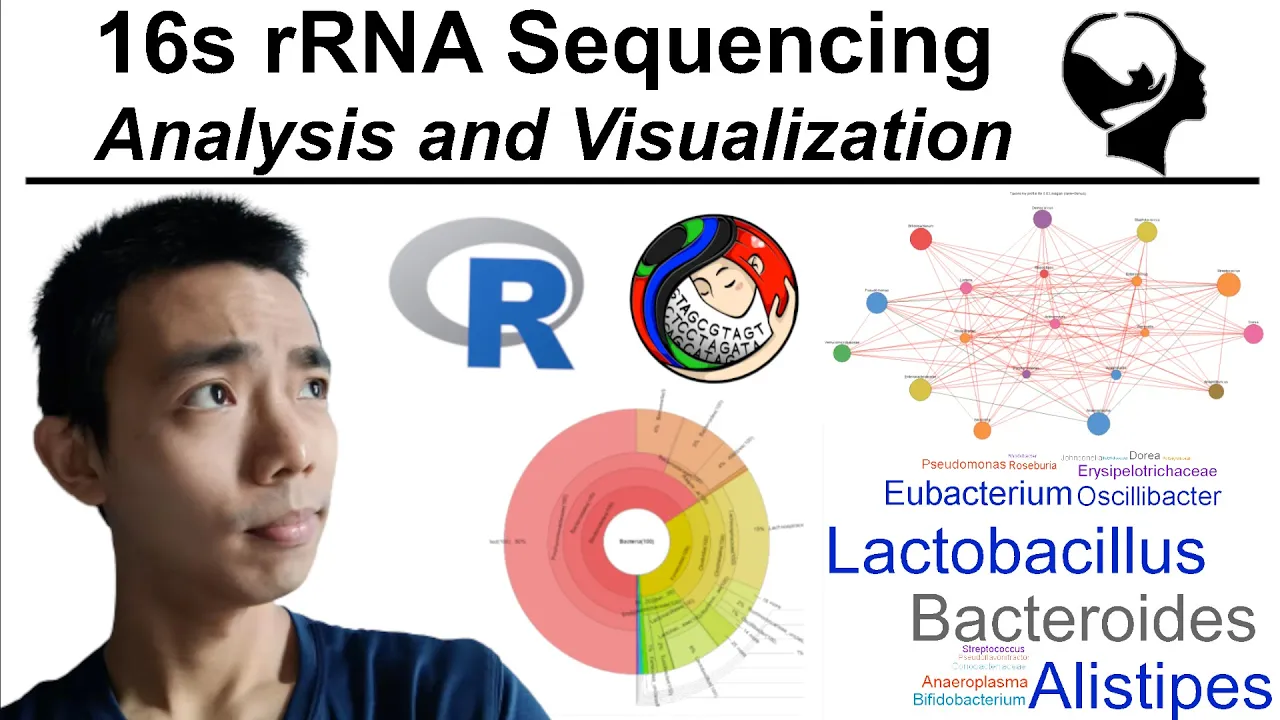



Metagenomics is the genomic analysis of microbial DNA from environmental communities, enabling researchers to study the 99% of uncultivatable microorganisms in their natural environment; this field emerged from historical microbiology tools like microscopy, bacterial culturing, and Gram staining, and has been advanced by major initiatives such as the Human Microbiome Project, which revealed that the human microbiota contains 10^13-10^14 microbial cells with approximately one microbial cell to human cell ratio, contributing to critical metabolic, physiological, and immunological functions including immune system maturation, food digestion, energy generation, and barrier function maintenance.
Introduction to Metagenomics: A Bioinformatics Overview
Added:Fundamental concepts of molecular biology, including DNA structure, genomic replication, and the central dogma.
Basic microbiology principles, particularly the concept of microbial communities, taxonomies, and the microbiome.
Introduction to Next-Generation Sequencing (NGS) technologies and how raw genomic data is generated.
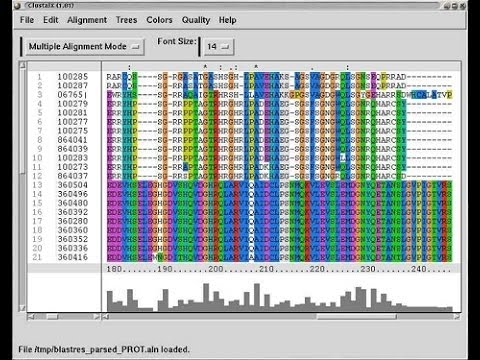
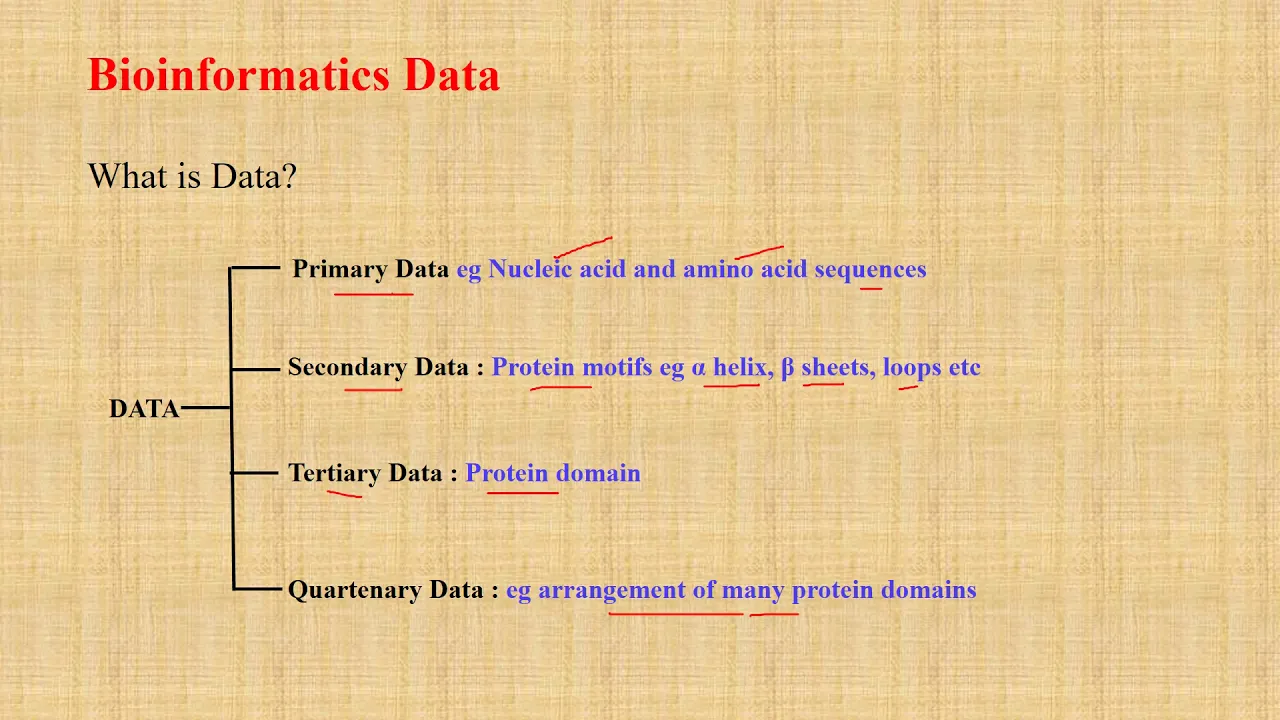
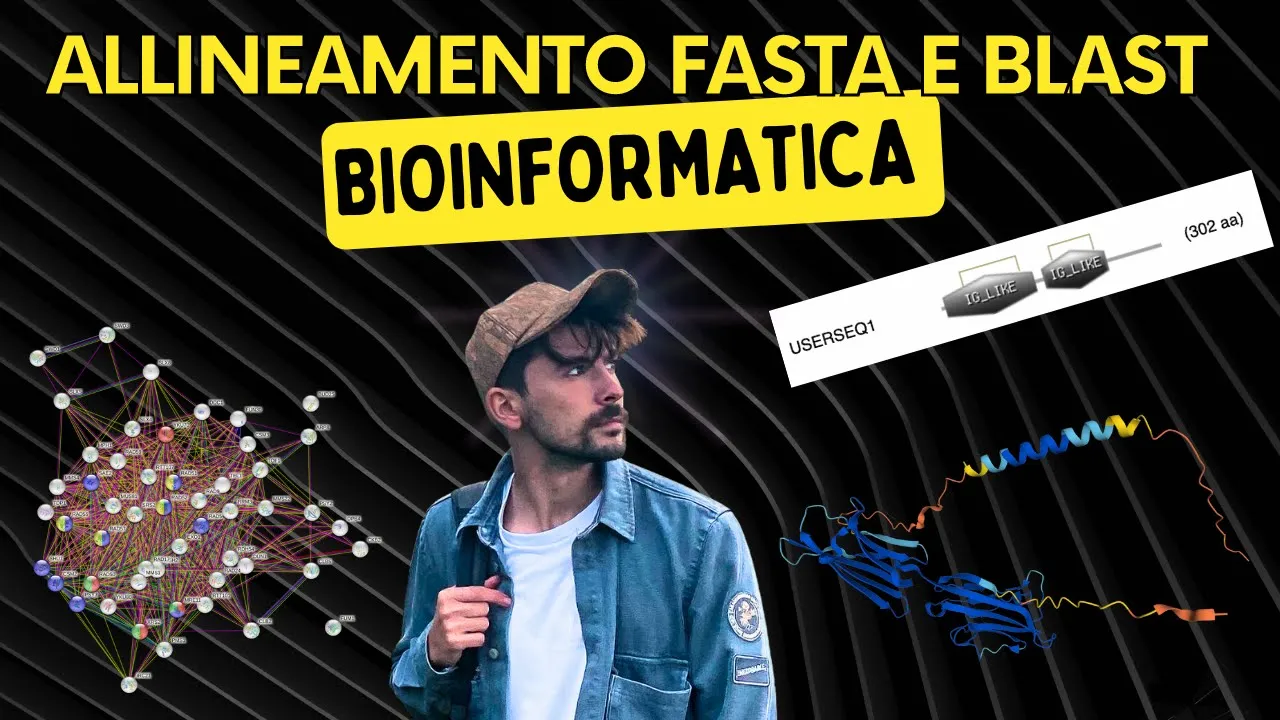
Basic bioinformatics concepts, such as sequence alignment, database searching (e.g., BLAST), and file formats (FASTQ/FASTA).
Metagenomic assembly and binning techniques to reconstruct individual genomes (MAGs) from mixed environmental samples.
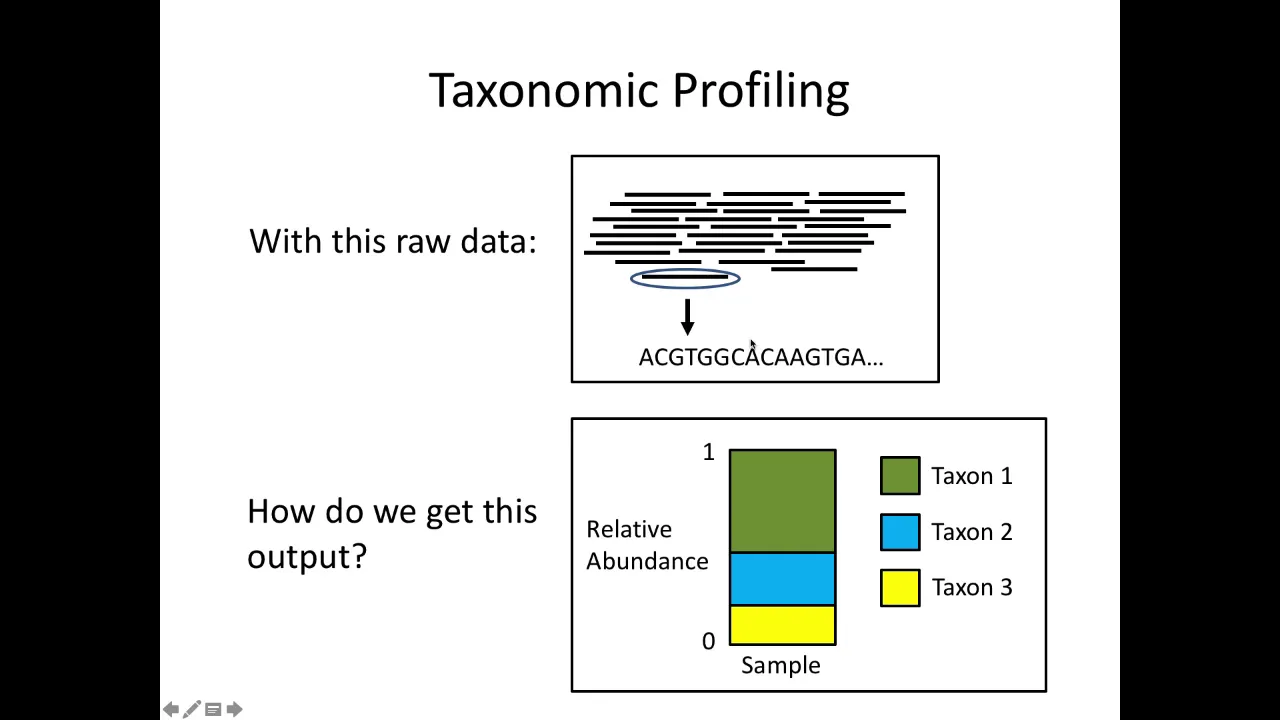
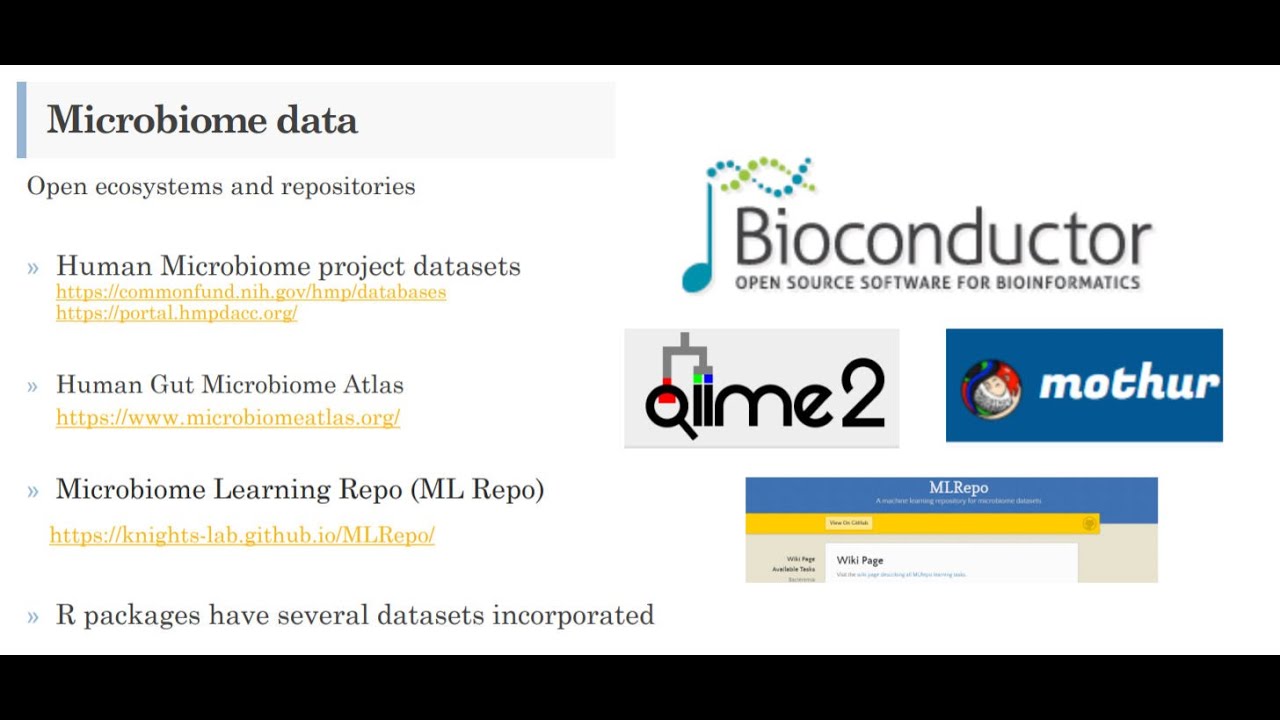
Taxonomic profiling and functional annotation tools (such as QIIME 2, Kraken, and HumAnN) to determine microbial composition and metabolic potential.
Statistical analysis of microbiome data, including alpha and beta diversity metrics and multivariate visualization in R or Python.
Advanced multi-omics integration, combining metagenomics with metatranscriptomics, metaproteomics, and metabolomics for functional insights.
20.9K views329likes18:28Original Release: 2020-11-24
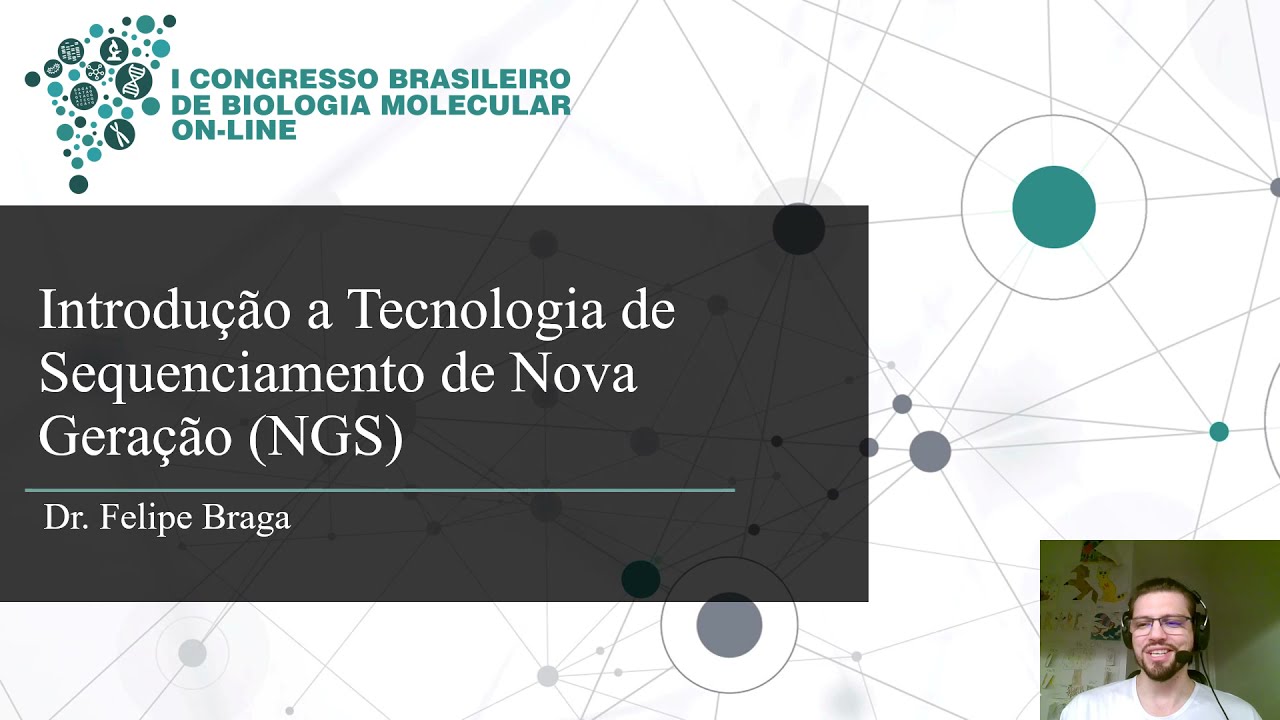
welcome to armex logic metagenomics this course is going to introduce you to bioinformatics analysis of metagenomic sequencing data in this first session we will start by speaking about genomic sequencing technologies as one of the methods to study microbes and map out how such data can be used then we will introduce you to several data analysis tools for metagenomic studies and take a look at a few examples where such analysis approaches have been used let's start by reviewing a little bit of history of microbiology where the study of microorganisms led to the creation of tools and approaches that are still used today and continue to uncover the veil of a world which we do not see but yet has such a profound effect on everything around us for millennia the smallest thing humans could see was about as wide as a human hair when the microscope was invented suddenly we saw a new world of living things in our water our food and in fact everywhere around us the first observation of a bacterium was made around 1673 by the dutch microscopist anton van thanks to the microscopes he has developed those enlarged whatever he studied from 50 to 300 times as the resolution of the microscope improved more and more representatives of the unseen world have been discovered today the microscopes are tremendously powerful allowing humans to see smaller and smaller elements that reveal how the world of microorganisms functions and every imaginable surface microbiology is defined not only by the organisms it studies but also by the actual tools used to study them these tools have evolved to allow us to study microorganisms and categorize them technology for bacterial culturing coupled with a technique to stain bacteria and view it under the microscope has improved our ability to isolate categorize and determine whether a bacteria is a cause of human disease and even select an appropriate treatment more advanced technologies like sequencing are now being used to further study the complex environments where such bacteria originate and grow the discovery of culture media allowed for the development of microbiology in the 19th century bacterial culture is the artificial medium that allows growth and isolation of bacteria the first to have cultured a bacterium in a reproducible way was lewis pasteur in 1860 today such methods are still often used and are being driven by discovery and perfection of specific mediums to grow and cultivate bacteria in the lab gram staining is a bacteriological laboratory technique used to differentiate bacterial species into two large groups gram-positive and gram-negative based on the physical properties of their cell walls gram stains are performed on body fluid or biopsy when infection is suspected gram stains yield results much more quickly than culturing and are especially important when infection would make an important difference in the patient's treatment and prognosis examples of gram staining applications are cerebrospinal fluid for meningitis and synovial fluid for septic arthritis the connection between disease and microorganisms has been established already in the 1800s these studies provided important information about bacterial function in isolation however it became apparent that most microorganisms live in complex communities many members of which are actually impossible to culture in isolation today we know that the microorganisms or the microbiota that make up the human microbiome are not just unicellular organisms living alongside each other but instead form highly regulated structurally and functionally organized communities attached to surfaces as biofilms with inter-species collaborations as well as antagonisms that contribute to ecological stability due to the advances in metagenomic sequencing and other armix technologies today we have enormous databases of sequence data from such communities which has led to the emergence of computational metagenomics this discipline allows us to study the 99 of uncultivatable microorganisms in the context of their natural environment the stability of such communities is fascinating as many of us probably know from trying to battle such common skin conditions as eczema acne and dry skin forming distinct communities these microorganisms are interconnected and determined to maintain their community bacteria within a biofilm can communicate with each other by producing detecting and responding to small diffusible signal molecules in a process called quorum sensing which confirms benefit for host colonization biofilm formation defense against competitors and adaptation to changes in the environment quorum sensing activities and biofilms are also involved in the virulence and pathogenic potential of bacteria and are therefore an important factor in the understanding and controlling bacterial infections as they enable microorganisms and biofilms to become more tolerant of host defenses and antimicrobial agents inside each community there is a balance of bacteria fungi and viruses that control species abundance and activity the human microbiota is extremely complex it is estimated to be 10 to the 13th to 10 to the 14th of microbial cells with around one to one microbial cells to human cells ratio these numbers are derived from the total bacterial cells in the colon the organ that harbors the densest number of microbes however each one of these microorganisms carries important functional properties in genes that contain genomic information these properties and the genomic information about microorganisms have been of growing interest to the scientific community resulting in over 80 000 publications the majority of the studies have focused on the intestinal microbiome however since the 1990s microbiome studies were significantly advanced through such major initiatives as the metagenomics of the human intestinal tract and the subsequent human microbiome project these are huge studies that have been made possible through the advances in metagenomic sequencing as a result skin lung gut and even brain microbiota is starting to be characterized in great detail each new project represents vast opportunities as well as challenges to determine which microorganisms play key roles in the development of certain environmental conditions that are needed for healthy function of human organs and which can be harmful to it over the past decade more than 1.7 billion us dollars has been spent on the human microbiome research major projects are also underway in the united states the european union china canada ireland south korea and japan this investment has confirmed the importance of the microbiome to human health and development some 20 percent of us investment in such research has gone to two phases of a huge project called the human microbiome project or hmp which is creating the research resources needed for studying the human microbiome one of the main objectives of the hmp launched in 2007 was to create a toolbox of reference data sets computational techniques analytical methods and clinical protocols many of the findings from this project is what we will focus on in this program it is because of the huge investment of capital and human research that we know that the endogenous human microbial communities contribute to critical metabolic physiological and immunological functions including differentiation and maturation of the immune system food digestion and nutrition energy generation metabolic regulation and control of fat storage processing and detoxification of environmental chemicals and maintenance of skin and the mucosa barrier function as well as development and regulation of the pro-inflammatory and anti-inflammatory processes and the prevention of invasion and growth of disease-promoting microorganisms metagenomics is the genomic analysis of microbial dna from environmental communities metagenomics tools enable the population analysis of unculturable or previously unknown microbes the ability to identify microbes without a priori knowledge of what sample contains is opening new doors in disciplines like microbial ecology virology microbiology environmental sciences and biomedical research unlike other omics metagenomics does not study a single organism but the whole community at once it provides us with a snapshot of a collection of organisms directly in their natural environment since the genomes are so diverse this is typically accomplished by sequencing a specific marker portion of the genome instead of all the genomic material present in a given sample such marker gene has been the 16s ribosomal rna 16s amplicon sequencing is a recently developed technique that is widely used to study microbiome directly in its environment this metagenomic sequencing focuses on the 16s or the 18s gene within the small subunit of the ribosomal rna it has to be amplified with pcr amplification and that's why it's called amplicon sequencing the 16s gene sequences contain hypervariable regions also known as hvrs that provide species specific signature sequences used for bacterial identification the benefit of amplification is tied to the nature of sequencing read length which can maximize effective output from affordable sequencing technologies to account for the diversity of such sequences they are usually combined into operational taxonomic units or otus which can be used to classify groups of closely related individual sequences otu's are formed from groups of closely related genomic sequences and represent a cluster or a phylogenetic clade that has a meaningful abundance in a sample such otu sequences are annotated by mapping to a reference database such as the ribosomal database project or rdp green genes or the silva database such databases contain taxonomic information for the domains of bacteria archaea and eukarya based primarily on phylogenies for small subunit ribosomal rnas based on the mapping of specific regions amplified from the 16s ribosomal rna gene and the small subunit of the bacterial ribosome otus can be assigned to belong to a taxonomic class of bacteria yielding a proportionate view of the community each community can then be studied by comparing with other communities or between individuals and conditions such analysis requires an in-depth understanding of data preparation methods reference databases as well as analytical approaches to answer specific questions based on solid evidence in the data importantly sequencing data represents only one type of microbial omics with many more becoming increasingly available in fact many questions about the role of microbiome members in communities are now being answered using next generation sequencing as well as mass spectroscopy approaches for proteomics and metabolomics indeed it seems like the next phase of microbiome research lies in the ability to integrate multi-omics data sets that combine next generation sequencing mass spec and structural data with detailed phenotypic information about overall changes and the results of changes in the community and the environment it produces now you have learned about the history of microbiology the emergence of sequencing technologies and hostage data can be used to study microbial samples so let's now discuss additional resources that you can rely on in this program to study these topics in greater detail these will also include practical analysis tools for you to get experience with such data sets in the following sessions we will look at example data sets and run analysis together but for now let me give you a brief overview of the tools methods and project examples associated with this program the materials in this program are expanded in our metagenomics core series which includes introduction to metagenomics metagenomics 1 2 and 3. each module in these courses is designed to provide an explanation on rationale and objective provide engaging activities additional multimedia resources and tutorials with examples and practical applications importantly the course material will be reviewed in module quizzes and tests these are timed and tied with overall student progress the modules also explain key terminology as well as explain some of the project data sets that we will use in the analysis let's now talk a little bit about the practical analysis approaches that we will cover in this program throughout the course you will be given directions to access the t by info platform for bioinformatics processing and analysis of metagenomic data the platform includes demo pipelines as well as data management and analysis cloud infrastructure to run bioinformatics pipelines on large data sets different stages of analysis are performed in different sections of this multi-omics platform the visual interface of the tbi info platform will enable users to quickly build logical graphs of their analysis and understand each step's significance and role in what's called a bioinformatics pipeline for those interested to implement the pipeline on their own we will offer guidance and references that can be used to effectively install all of the needed packages that are explained in the program behind many of the methods are scripts written in popular coding languages such as r and python these are also explained in tutorials that you will have access to these are beginner tutorials on data importing preparation for analysis and standard visualization of processing data as well as more specialized packages with publication ready outputs that will also be covered in more detailed sessions so what kind of projects can be studied using metagenomic sequencing and how will we get data for these projects there are many applications of microbial research that include skin conditions food sensitivity of the gut autoimmune disorders cancer antibiotic resistance drug resistance and even ecological studies in this program we will learn to find and analyze data from such repositories as the human microbiome project which includes a data set called the american gut this is a citizen science project that has a lot to offer for those interested in basic microbial composition of different types of samples from healthy and mildly sick or unhealthy individuals but we will also look at more controlled studies where animal models were used to separate the roles of environments lifestyle and genetic inheritance to study microbiome association with such conditions as anxiety following the gut brain axis other examples we will review include studies of microbial drug resistance viral adaptation and analysis of soil bacteria but microbiome seems to be involved in many more important areas of biomedical research for example screening for diagnostic signatures in precision medicine and association with treatment efficacy or the therapeutic considerations for microbiome transplantation study such conditions as alzheimer's disease that's why we are not just going to focus on the examples that we provide but we will provide you with a framework on how to go from data to integration and analysis that leads you to ask specific questions and rely on data to be able to perform the analysis independently after completing this program you should be able to find analyze and interpret metagenomic data on your own if you have any questions along the way you can always post a question on the program forum before the next session we ask you to start working through the metagenomics course series below this video you will also find important links to additional reading material on metagenomics and associated bioinformatics methods you
Up Next

7:14
Metagenomics Overview: DNA Sequencing of Environmental Samples
@GenomicsLab
3.3K views•2021-10-08
50:12
Bacterial Communication: Quorum Sensing and Biofilm Formation Explained
@JHUAAP
12.6K views•2011-06-28

5:35
Enteric Nervous System Explained: The Gut's Brain | Neurobiology Lecture
@alumniu6029
438 views•2018-09-12
7:08
Bacteriophages: Earth's Deadliest Killers and Future Antibiotics
@kurzgesagt
34.6M views•2018-05-13
Related Study Plans & Knowledge Roadmaps
Structured learning paths in Biology
biology
RNAi: Biogenesis, RISC & Gene Silencing
01Molecular Biology Foundations: DNA to Protein
02Introduction to RNA Interference (RNAi)
03Molecular Biogenesis of miRNA and siRNA
+ 2 more learning modules
10h5 modules
Explore Roadmap
biology
Mycorrhizae: Signaling, Biophysics & Ecology
01Foundations of Mycorrhizal Symbiosis
02Molecular Signaling and Root Colonization
03Biophysics and Bioenergetics of Nutrient Exchange
+ 1 more learning modules
11h4 modules
Explore Roadmap
biology
Circadian Clocks: TTFL, SCN & Periphery
01Foundations of Molecular Biology & Gene Expression
02Introduction to Chronobiology and Actograms
03The Core TTFL: Molecular Architecture of the Clock
+ 3 more learning modules
14h6 modules
Explore Roadmap
biology
Population Genetics: Math, Drift & Selection
01Genetic & Probability Foundations
02The Hardy-Weinberg Principle and Baseline Models
03Mathematical Modeling of Natural Selection
+ 3 more learning modules
18h6 modules
Explore Roadmap