
















Forensic science examiners follow strict protocols to prevent cross-contamination when analyzing physical evidence, including wearing protective gear, using bleach to disinfect work areas between items, and collecting touch DNA samples separately from blood screening tests to preserve evidence for potential DNA analysis; they also examine trace evidence like hair and fibers microscopically to determine if they are human in origin before forwarding them for nuclear or mitochondrial DNA analysis.
Michelle Troconis Trial Day 16: Forensic Evidence Testimony
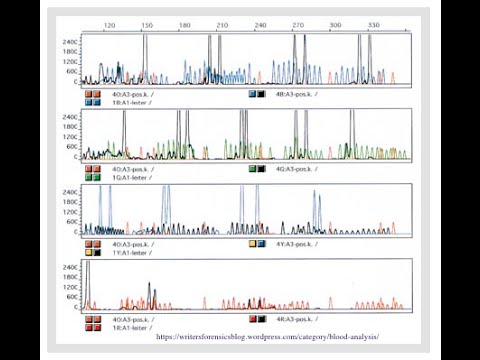
Added:Fundamentals of DNA profiling, including how Short Tandem Repeats (STRs) and Polymerase Chain Reaction (PCR) are used to identify individuals.
Basic forensic serology, specifically the distinction between presumptive and confirmatory tests for blood and other bodily fluids.
The concept of 'chain of custody' and its critical role in maintaining the integrity and legal admissibility of physical evidence.
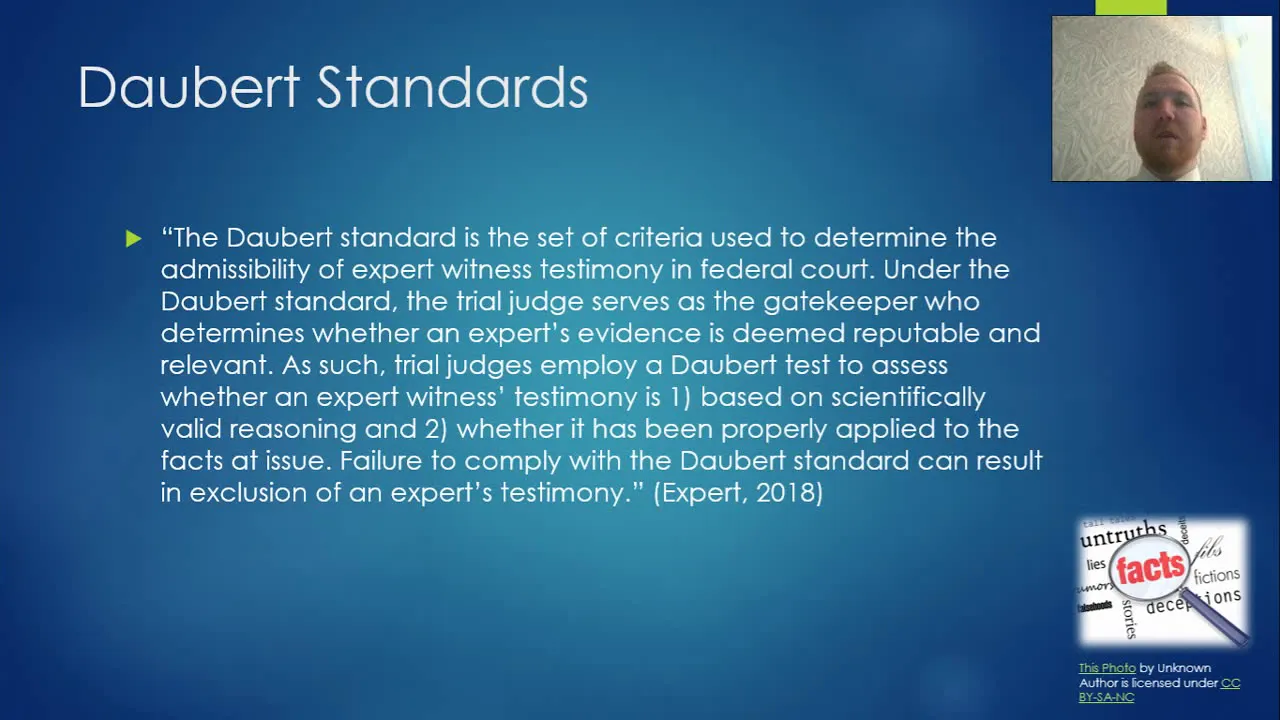
Understanding the legal standards for admitting scientific expert testimony in court, such as the Daubert or Frye standards.
Analyzing defense strategies for challenging forensic evidence, including cross-examination techniques regarding laboratory contamination or procedural errors.
Exploring advanced DNA analysis methods, such as touch DNA, mitochondrial DNA, and the use of probabilistic genotyping software.
Studying cognitive and contextual bias in forensic science and the protocols implemented by modern crime labs to minimize human error.
Investigating the 'CSI Effect' and its impact on jury perceptions and expectations of physical evidence during criminal trials.
83.9K views943likes3:00:35Original Release: 2024-02-02
all right honorable super J District Stanford Business now open session rid good morning morning please be seated thank [Music] you we concluded yesterday well ended yesterday with Miss Roy on the stand is she now available yes judge thank you we can bring the Jerry in please [Applause] [Music] I [Applause] okay would Council stipulate please yes judge yes thank you good morning ladies and gentlemen morning we continue uh this morning with the state's witness Miss Roy she's being brought in now thank you good morning M Bo you may be seated thank you good morning [Music] [Music] [Music] okay going need to use [Music] this good morning again good morning so we're doing our own AV information again so yesterday when we left off I was about to ask you about 88- one which was the um garbage bag that was tied up is that correct it's knotted noted okay but this is the item that you examined correct correct now I I note that from your report that you did uh split some of the work from 8-1 between yourself and your colleague an vonis correct there was um in the submission 88 I did not do all the work Anita did some of the work did you undo the knot on this bag no I didn't undo it did someone else undo it did it arrive in this format as we see in this particular image which is part of my defense exhibit r or was it um for uh number 408 or was it um in a different condition it was noted this is a photograph of how I received it okay so you don't know if anybody had already opened it up turned it around retied it or anything like that no I don't before you got it that's correct were you made aware that this was an item found in a garbage pale a recepticle with a a large number of other items that were not inside it I was aware that it was collected from the garbage on in Hartford on the Albany Avenue area I was aware of that okay and you were aware that it was there were a number of items exposed in the receptacle in and around this bag when it was obtained correct I'm I'm aware that there were other items I don't know what you mean by exposed as opposed to being inside that B I am I just know that that bag came in submission 88 all right so you don't know the condition it was in and what it was found amongst when it was retrieved by the state police thats correct okay and you indicated that one of the things you do in the lab is you have to be very careful you wear gloves you wear a a a smok or some kind of lab coat correct correct and is that part of the reason to make sure you don't contaminate one item with another right well that's the the reason we are uh covered up is that a we don't want to get any of our biological material on the evidence and of course we don't want to expose ourselves to any hazards that may be on the EV evidence do you also switch gloves between each item you look at oh of course and we switch gloves at least I do often while examining something in other words that's so that you don't contaminate an item or a portion of an item from something we already just looked at correct correct I mean we clean the whole area we clean all our utensils um everything um gets very well cleaned and disinfected with Clorox and and you indicated oh Clorox is a substance that will get rid of many of the biological materials you look at well by Clorox I should have said bleach Clorox is a brand of bleach um yes it it's what we use to clean down all our working areas yes and but my question was do you use that because it eliminates a lot of the res residual biological matter that might be on the counter or on your gloves or anywhere else right uh yes we just discard in a biological Hazard we um don't clean our gloves off we just discard them you indicated also that your concern one of your concerns is not putting some of your own biological excretion if you will for one of a better word uh onto the items you're examining correct correct I wouldn't want my um be coughing on an item or sneezing on an item or even getting some of your skin cells on it right correct I'm I'm just the basic of not getting anything of my biological material onto a piece of evidence fair enough and if you take off gloves I assume you do it away from the item itself right yes and I'm turning them inside out as I'm taking them off is it uh in from your training and experience can uh some skin cells actually shed just by flipping uh uh the gloves off the latex gloves if in from that action alone that I don't know okay but you in any event it's part of your protocol to move away from the item remove the gloves and make them inside out and throw them away correct well I have a hazardous waste container um that's not sitting right next to the item I'm examining it's over there on the side of my lab bench and I'm over there taking off the gloves um so yes in general I'm taking the gloves off not on top of the item I'm examining that's correct okay so um I also understand that when going back to my question about about Miss bonus you acted as the technical reviewer of the work that she did on this item 88 is dash one correct I I exam this 88- one no my question is you said you split the work in relation to items from 88- one is that a fair statement yes she examined um some of the items in 88 and the submission 88 I believe she examined plastic bag I also examined a knotted plastic bag but that was 88-2 okay so I'm just putting this up for a moment this is again from my exhibit R I'm not going to ask you we've been through this this is uh uh says page 184 it's my page 485 for these purposes but this is the same form the blood and touch evidence examination worksheet that we've talked about yesterday correct correct and again if we look at the um the km column and the kmot this is the screening column it says NT NT for the first two correct correct uh positive for km on the 3 and 5ifth correct correct and a weak one on the 6th right correct but if we go to the next column there was no human blood uh confirmatory test done on those items correct that's correct okay did you observe inside this bag a green and yellow sponge no was there another black bag garbage bag that you saw and at least were the technical revie viewer of that Miss fonus opened if I could explain something so when the submission was originally opened 88 there was a number of items within 88 so the um lat print examiner itemized all those items that were found in 88 so and then he individually w wrapped those items and put a barcode the laboratory barcode with the item number on them on it and that was how we could um the work got distributed without us having to exchange the U mother package submission and US each going in and out of that submission so I did not see that sponge come out of the submission 88 now I did review a technical reviewer Anita's um report that she wrote up of the sponge that's correct okay so let me just break that down a bit 88 was identified as whatever came in in Toto from that particular garbage receptacle from Al Avenue is that a fair statement I don't know that I know that a number of items were placed into submission 88 but um whether the garbage receptacle that part I don't know okay let me ask this a different way then you did not break it up into 88- one 88-2 883 or any other 88- other number correct somebody else did that that's correct did you and the reason I'm asking this is was there more than one green and yellow sponge recovered from item 88 looking at my notes Here I see that there was one uh sponge that was um located in 888 I don't have any other notes that there was another sponge you did not have any other note about that just that 888-11 was a sponge that was found in the non-damaged bag which was the two bags which were taped together which was referred to as 8-1 uh let me I could check um something else that I have here the reason I'm asking this is you know I'm going to I want to make sure that we're not confusing too different items that may have been retrieved at the same time that's what I'm asking I I only have notes on that there was within submission 88 there was one sponge which was itemized as 888-11 okay so you you just indicated that it was an 88- one not 88-2 correct it's 8 8-1-1 did you at least you testified that you examined 88- one cor yes but it was already removed oh okay because Kevin or the lon print examiner Kevin py had taken the contents of 88 like I tried to explain earlier itemized everything and packaged everything separately so therefore I didn't have to go get 88 submission 88 to examine something 88 I could just get the individually packaged and labeled 88- one and then when I wanted to examine um uh the uh the piece of cardboard which came from exhibit uh 42 folder it's cut off but it says three Albany and green and I'm just going to ask you are you able to tell us you see there's um there's uh a number 502 on a yellow sheet of paper here oh no you don't see that excuse [Music] me [Music] all right if you now could look at the screen you see there's a fi number 502 next to what appears to be a um green and yellow item next to the word Green in this image this is 7-2 275 in uh States exhibit 42 you see that I see a sponge on the on the screen yes did you yourself and this is what did you yourself ever examine that particular sponge that we see in this image here uh no I I never examined a sponge in this case okay and I want to be clear was do you know whether there were two sponges recovered at the same time or in the same trash receptacle I don't know okay [Music] [Applause] I just want to lose any of the exhibits your honor you also testified yesterday that you did some testing on a swab or a uh cutting from a cover of a car seat is that correct I did um examine a cutting from a car seat yes could you just tell the jury what did you do with that cutting going to refer to my no [Applause] course so it was a cutting of black upholstery type fabric with a foam backing and there was an area on the black side that was circled when you um did this cutting did you have the entire car seat there I did not do this cutting this was what I received as the evidence a cutting did you have a picture of the seat that it it come from no you did have some communication did you not with uh a detective Riley about which uh side this uh this cutting came from um I might have I don't recall I'd have to find um I could sign that with reviewing a um email between that you may have involved and assist you in um yes in refreshing your memory yes it would all right I'm just going to have this Mark for ID please [Applause] for I approach your Hunter yes showing you what has been marked is exhibit f for identification I'm just going to ask you to review uh this two-page document and I'll just note you recognize your initials on there uh actually that's my um co-worker do you you recognize your name on there yes okay so you just look at this um you can it's just be take as much time as you need and when you're done let me know and I'll ask you a question it refreshes your recollection okay thank you is that refresh your recollection as to whether you were privy to any communication about the location of the seat being either left or the passenger or the driver's side should I read what it says here no no I'm asking if it refreshes your recollection that you would receive that communication oh yes this is um an email that I received yes okay so I'll take that okay thank you so having had your um memory refresh um do you recall that that you were unable that the police were unable to determine whether the seat cutting that you received was from the passenger or the driver's side that's correct you said it had a sponge rubber backing correct a foam backing foam backing a soft foam that what you meant by that like upholstery that little thin layer of foam yes okay and and uh a and upholstery foam is absorbed isn't it as is cloth yes there was no uh you did not see any visible sign of any staining of any sort on it correct on this entire piece no there was none at all right not on either side so if somebody had identified it as a blood-like stain you saw nothing to support that correct visually no with on my uned eye no and you looked at both the front upholstery side right yes and the backside with the foam on it right that's correct just a moment thank you I don't have any further questions redirect please good morning good morning yesterday you were asked on Cross examination about whether or not you had performed confirmatory blood tests on a number of swabs in this case do you recall that line of questioning uh yes and I believe during your um answer you indicated that the information received from the DNA unit would be a lot more individualized yes could you just explain to the jury what you meant by that well if I did uh a test confirmatory test for blood it would either say um it human blood was present or that human blood was indicated now if they did receive or obtain a DNA profile from that evidence then there's I'm sure as you've probably already heard from the DNA analyst that there's um genetic markers that are are identified and then they can be compared with the same tests that are run on a known sample of someone's uh swabbing of their cheek or their blood and you can compare those and that's what I mean by individualizing in other words if you had done a confirmatory blood test it would have told you human blood is indicated but DNA can actually give information about who may have contributed to a profile is that correct that's correct and so the more confirmatory test that you do the less DNA that there is to analyze is that well this line of questioning was developed yesterday and so uh it is not leading to the extent that the state is essentially testifying it stems from that line of questioning concerning the amount of DNA and the interpretation of the sample once the DNA unit analyzes it so overrule yeah if I'm sending them less sample then potentially there's I'm reducing the amount of of DNA that I'm that's in that sample that's going to DNA and I don't know how that's going to affect their overall result or interpretation that's why I say um Lon Prince does their examination before I do because if I swapped over a latent print maybe I would remove enough information where that latent print was no longer useful so that's why we're aware of what other sections um that we work with how we um want to uh best utilize the evidence available you mentioned on Cross examination that you use bleach to clean your um bench area in between each item why why use bleach because it destroys biological material we make up fresh 10% bleach every day and we constantly are cleaning um I would say anybody interested in forensics you better be prepared to clean uh it's just part of the job clean your work area clean your what you're using and um just everything has to be maintained to clean so if things are bleached or other cleaning products are applied or car goes through car wash for example that could destroy potential biological material is that correct it depends on the type of cleaning agent that you're using sure yeah bleach being the most prevalent one that is used in forensic labs to clean than your yes nothing further thank you just a quick follow up if I may um have you ever heard of a car wash using bleach to clean a car I don't know anything about car washes or what detergents or no what kind of cloths they use that's not any part of my fair enough knowledge and in in answer to a couple of the other questions about not wanting to you recall just saying that the reason you didn't do a lot of testing is you didn't want to um maybe diminish or um or reduce the amount of any potential DNA that for the DNA uh section correct that's correct if I'm sorry didn't mean to interrupt I'm finished but that includes touch DNA that is skin cells right that's correct yes it includes you mentioned even a fingerprint there's that it would might it might um diminish the amount of of skin cells in a fingerprint rid correct what I was giving an example of was saying that if I swapped Away part of a latent print that would give the latent print examiner maybe less information to identify a latent print I was just trying to make a kind of a comparison that that's why we try to work with the other units in order to maximize or utilize get the most information that we can hand out of a piece of evidence I wasn't talking about I I'm I I guess I didn't make myself clear that all right but what I want to do to be clear though is when you're talking about wanting to reduce to prevent the reduction of any potential DNA source that didn't mean that all the items that you did not do a confirmatory test were were blood correct if I did a screening test it just indicates presence of blood it doesn't determine that blood is there you say it indicates the potential presence of blood correct it indicates it indicates the presence of blood that's what it indicates we're not saying blood is there but we're saying it gives a positive test for screening test for blood and that's the way we describe the result it indicates the presence of blood it's a presumptive test as you said yesterday correct no I said it was a screening test screening test don't the word presumptive in the lab right but you also testify that other things besides blood show a positive positive um reaction to km correct object at this Point's outside the scope see well this line of questioning uh has not yet become circular but the clarifications are fair overruled should I repeat my question oh yes um plant peroxidases um also will give a positive result with the um screening test for blood that's because I that's fine I that's fine all right I just didn't want to give the let the jury have the false impression that just because there was a K&M screening for blood that was positive that that meant there was blood that's not a question stating that I just want to give the jury an explanation is not a question I will with I will rephrase the question to be clear you're not saying that just because there was a positive reaction to a km screening test that that in fact sample contained human blood correct well definitely uh not saying that it says I'm saying that that that's fine you're not saying what I just said right right no that's fine no further questions you were asked on Cross examination just now about car washes using bleach I wanted to ask you could vacuuming a surface potentially remove biological evidence from that surface your honor that's definitely outside the well now we're talking about what goes on of the car wash again the term Car Wash doesn't open every door sustained I have nothing further Jud nothing else sir well you may step down thank you of the state calls need of H us sh oh this is what you did yesterday cor yeah oh [Applause] that's [Music] [Applause] just [Music] you could please raise your right hand do you solemnly swear or solemnly and sincerely affirm as the case may be that this evidence that you should I'm sorry I'll start do you solemnly swear or solemnly and sincerely affirm as the case may be that the evidence you shall give concerning this case shall be the truth the whole truth and nothing but the truth so help you GA or upon penalty of perjury I do please state your name and spr for the record Anita vonis a n t a v a i l o n i s thank you long as you may be [Applause] seated [Applause] for good morning good morning Miss Fon would you just uh indicate to the jury where you were working in 2019 I was employed at the state of Connecticut forensic science laboratory and have you since retired I have have when did you retire April 1st 2022 what was your position at the laboratory prior to retirement I was a forensic science examiner to in the forens in the forensic biology unit and how many years did you work at the state laboratory I started well I started first at the Department of Public Health state of Connecticut I worked there for 12 years doing a approximately what I am doing now when I retired from two from 1999 until 2 until my retirement I worked at the state forensic lab in Meridan and what were your responsibilities at the state forensic lab in the forensic biology unit I was tasked with examining evidence for the presence of blood and body fluid as well as taking samples for for touch or wearer DNA analysis I also was able to be educated by the FBI laboratory and I examined human hairs um for the the lb as well what type of uh educational and training background you have in doing these things I have a bachelor's of science from St Joseph College which is now University of St Joseph in West Harford Connecticut I majored in Biology chemistry with a bachelor's of Science degree I also have a masters of science from the University of New Haven I have a i a concentration in criminalistics I've I've also performed other continuing education courses throughout my career and do you have any specific training with respect to Air and fiber analysis yes the FBI uh I was trained by the FBI I spent four months at the FBI laboratory in quanico Virginia where they trained me as their own I learned how to examine hairs identify hairs determine what body area a hair came from and also do microscopical hair comparisons and uh since you've retired you're being conf ated for your preparation and time here is that correct yes now I want to direct your attention to laboratory case number 19-00 2984 did you perform analysis under that case number I did and um would it be fair to say that you split the responsibilities of the forensic biology unit with Miss Christine Roy in this particular case yes so in some inst instances you analyze certain evidence and another instances she analyzed certain evidence is that fair to say yes and can you just tell us sort of your personal process or normal process when you receive a piece of evidence when I receive a piece of evidence either through the evidence receiving unit another person in the laboratory or from a storage location in the laboratory I proceed by documenting the packaging by photographing it I would then garve myself appropriately wearing a hairnet a face mask a lab coat disposable paper sleeves and gloves which I change often I lay down a piece of brown paper on the bench toop that I've previously cleaned and start to examine the evidence I open the bag pour the evidence onto my paper I photograph it as I examine it to and I look for the presence of any blood uh in this case or any hair light fibers that I might uh uh come upon I would package certain things separately but for example the hairlike fibers to be examined later on um and then I began to test any reddish brown stains that might appear on this item of evidence um with a chemical screening test for the presence of blood and choose the appropriate samples that I believe should be sent to the DNA unit just approaching with what has been marked for identification purposes as States 110 Miss fonus is this your curriculum B yes it is Judge I move it in no objection State 110 admitted as full have an exhibit number please 110 just returning that to the C you at this time I have what has been premark for identification as exhibit 111 which is a paper copy of thumbnail photographs and 1111a which is a DVD with the name Anita loan us on it I move these in as full exhibits at this time can I just compare it to my copy please gave this opportunity earlier but yes [Applause] I [Applause] [Applause] I have no objection that's 111 and 111a yes sir admitted as full and your honor similar to yesterday I would just uh ask for the Court's permission to be able to proceed the examination SE so I can see the screen a little bit better yes [Applause] [Applause] Miss F you offered authored a number of reports in this case is that correct yes just ask Mark for identification purposes [Applause] [Music] for [Applause] I'm approaching what has been Mark for identification as exhibits 113 through 116 I'm just going to hand these to the witness Miss bonus if you need to refer to these at any point they're available to you although I know you brought your own notes is that correct that's correct I hear that was by for identification I don't know if I heard the oh they're Mark for identification [Music] right Mr you indicated that you examined physical evidence under that case number is that correct that's correct and um we've learned well the laboratory when evidence is submitted gives it its own submission number is that correct that's correct so that submission number does not necessarily match a police agency exhibit number is that fair to say that's correct okay you however refer to things by the submission number at the lab is that correct yes and then subsequently there could be even Subs submissions under that number is that fair to say also yes okay honor I'm just going to publish uh stipulation between the parties States exhibit 103 specifically paragraph 6 and would you read it slowly please yes sir thank you State Police exhib exhibit 502e seized from Hartford by Sergeant Kevin Dugen on May 31st 2019 and identified as one pair of black husky gloves contained within State Police exhibit 502 seized from the scene corner of Albany Avenue and Green Street Hartford Connecticut was subsequently submitted to the division of scientific services and designated as submission number 62 Miss fos I'd like to talk to you now about submission number 62 permission to publish exhib Tron and I'm just going to open the folder on this disc entitled State Police 502e lab submission number 62 firstly what was submission number 62 submission number 62 consisted of a pair of black husky brand gloves and what condition were they in when you saw them they were intact and uh did you do a visual examination of the gloves I did and did you notice anything on the gloves I did what did you notice I noticed um reddish brown type staining on each of these gloves were the gloves given different designations in other words was one glove given a submission number and another glove given a different submission number yes and can you just explain to the jury which glove was given which submission number so this was submission number 62 and I designated the left glove as 62-1 and the right glove I designated as 62 D2 and I'm just going to display the first photograph in this folder lab 621 S1 Miss leonus can you see that on the screen in front of you I can and can you just tell the jury what we're looking at here we are looking looking at sub item number 62-1 the left glove and can you just explain what if any action you took with respect to this particular glove yes the first thing I did was I collected wearer DNA from the interior of this glove I took a a sterile swab applied some sterile water purified water and rubbed the inside palm area of this glove um I preserved that sample and I labeled that um as sample number 62-1 S2 um where um what where DNA and you're referring to it as wear DNA does it have any other names it it has also touch DNA they both fairly synonymous okay and um specifically I want to direct your attention now to um 61 S1 was that a swabbing of the Interior Palm side um it's actually 62-1 S1 it's a little cramped on the photograph I apologize for that but that is in fact a designation of where I took the uh sample of the swabbing of the left glove interior Palm side and uh on the bottom of this Photograph there's an arrow with a notation is that the general area where you took the swabbing uh the arrow is designating the interior of the glove clear clearly I can't point to the actual area but it was meant to imply that I swabbed the interior of this glove on the palm side and so because you tested or excuse me because that swabbing was for wear DNA as you call it um you did not do any uh pres or screening blood test or anything like that on that particular swab that's correct I want to um direct your attention now to 621 S2 can you just indicate to the jury this is photograph lab 621 S2 and 621 S3 just beginning with the top photograph and I'll Zoom a little bit can you just indicate for the jury what we're looking at in the um photo on the left hand side of the top half of the photograph yes the image on the top left of this uh document is a photograph of the back side of the glove um the husky logo on the back side of the glove and did you notice anything on that particular logo yes I noticed some reddish brown staining and because you noticed reddish brown staining did you take any action with respect to that area I did what did you do I tested a portion of that reddish brown staining with a chemical screening test for the presence of blood I obtained a positive result indicating the presence of blood and then with respect to 621 S3 and again just to be clear this is all still with the left glove is that correct that's correct I'd also like to add a little bit more to that photograph sure May um so the sample that I did collect I labeled as 62-1 S2 I erroneously labeled it on the photograph here as 61-1 S2 but clearly it is 62-1 S2 there is no sample in this case that is a 61- 1 S2 and now directing your attention to the bottom of the photograph the bottom left image on this page um documents two things the velcro closure to in my opinion was very clean and very new looking there was no Trace material or hairlike fibers embedded in the velcro closure I also tested an area of this glove the chemical screening test for the presence of blood um that is designated as the red positive sign on this photo um the positive screening test for the presence of blood indicates the presence of blood I did not collect a sample from that area I just noted that there was also reddish brown staining in that area so with respect to six 521 S3 which was another swabbing that you took what area was swabbed there that was the strap like closure at the base or opening of the glove I noted reddish brown staining on the smaller husky logo on that strap and um with also the stitching on that strap as well as the what I call the ribbing of that strap that allows it to bend easily reddish brown staining was noted in all of those areas I tested um portions of this reddish brown staining and obtained a positive result indicating the presence of blood and just to be clear you did um screening tests for blood is that correct that's correct you did not yourself do any confirmatory tests for blood is that correct that's correct and were all of these um swabbing that you took from item 62-1 submitted for DNA analysis they were from the strap I labeled that sample 62-1 S3 um staining on left glove areas on exterior wrist closure and uh I take it that the same process with the swabs in that you cut the swabs and put them in a tube and prepare them for the DNA analysis is that fair to say that's very fair to say now with respect to the right glove or what you designated as 62 D2 just going to pull up a photograph of that is this um photograph entitled lab 622 S1 and 622 S3 a photograph of that right glove I'm sorry I might have confused the numbers could you say that again sure well this is a photograph of 62 2s1 so that would be the right glove is that correct this is a photograph of 62- two right the right glove and um did you do a visual inspection of the right glove as well I did and can you just indicate to the jury what if anything you notice about this particular glove I did notice some reddish staining near the base of the small finger and ring finger um I tested that area with a chemical screening test for the presence of blood and I obtained a negative result therefore that stain was not blood similar to the left glove did you do a swabbing of the interior of this glove I did and was that for touch DNA or wear DNA yes it was and was that designated as 622 S1 62- 2s1 that is correct and uh s similar to the last uh item you have a notation of that with an arrow indicating that you swab the interior of the glove is that fair to say correct and uh since it's displayed in this Photograph I'm going to just jump ahead to 622 S3 what what was that a swabbing of sample 62 D2 S3 was a swabbing of some of the stitching on the wrist closure um that area I tested with a chemical screening test for the presence of blood I obtained a positive result indicating the presence of blood and um is that area that you SWA displayed in this particular photograph and outlined yes it is it is outlined in red of the wrist closure tip of the wrist closure stitching that's where the mouse is second that correct that's correct and um I want to direct your attention now to a swabbing 622 S2 what was that a swabbing of I observed reddish brown staining on the back of this glove on the husky logo identically to the left glove um the reddish brown staining I tested with a chemical screening test for the Pres pres of blood I obtained a positive result indicating uh the presence of blood I collected uh a sample from that logo area and designated it as 62-22 and uh just to be clear in this particular photograph that is the lower right hand portion of the photograph which designates the area for the swabbing designated 622 S2 is that correct that's correct and is the reddish brown substance that you observe visible in this Photograph yes and I circled it in red pen this area here correct and you actually took one additional swabbing of the right glove um you did four swabbing of the right glove is that fair to say yes I did and so I want to talk to you now about what you designated as 6224 as a swabbing what was that of it was a reddish brown staining on the right glove the stitching on the wrist closure again but the back side of the glove and I'm just going to zoom in if I could and direct your attention to the bottom portion left hand side of this Photograph does this um photograph display the area that you swabbed and designated as 622 S4 Yes and that's this area here correct it's the area of the stitching correct [Music] just going to publish a stipulation to the jury your honor this is state exhibit 103 specifically paragraph 8 State Police exhibit 502 I seized from Harford by Sergeant Kevin Dugen on May 31st 2019 and identified as one white standard textile towel with blood-like substance contained within State Police exhibit 502 sees from the scene corner of Albany Avenue and Green Street Hartford Connecticut with subsequently submitted to the division of scientific services and designated as submission number 53 did you um perform any analysis on a sub item of 53 yes what was that of I examined sub item 53 S3 which was designated as Trace material from towel and uh just displaying the photograph entitled lab 53s 3-1 um can you just explain to the jury what we're looking at here you're looking at a series of photographs I took during my examination of a hairlike fiber that was enclosed in 53- three and who actually recovered this particular fiber of Christine Roy and so she ended up retaining it and then you analyzed it later yes um did you do any um analysis of this particular fiber or hair to determine what exactly it was I did and what was it I determined that this hairlike fiber was in fact a human hair and you had mentioned that you have some training in this area can you just walk the jury briefly through the process for how you make a determination as to whether or not something is uh human origin yes when I obtain Trace material a packet from a item of evidence it may contain anything that we designate as Trace material it could be a hair a fiber glass soil mineral matter all of this is contained within the trace collection I remove anything that I believe is hairlike and I separate it out I intend to examine that item microscopically um I the questions I ask myself really are is is this a hair is this a human hair or an animal hair if it's a human hair do does it have a root and does this root have tissue like material on the end meaning a piece of follicle perhaps that could be sent for nuclear DNA analysis so in order for me to understand what I'm looking at I microscopically examine each and every hairlike fiber I place each hair light fiber on a glass microscope slide add a little bit of water and put on a glass cover slip I want to document the length of that hair light fiber the color it may be and the texture is it curly hairy straight or curly wavy straight um and then I proceed to perform a microscopical analysis when it's on the glass microscope slide and I put it on a microscope with a light source that comes from below the light is transmitted through the sample and I can see the interior of that hair light fiber and it's that morphology that I can observe that helps me determine whether or not it's a human hair or an animal hair again I I will set any animal hairs aside when I then proceed to look at this human hair and ask myself does it have that root um if it has a root again I photo document all along as I'm going I photo document that root and ask myself does that root have any type of follicular tissue like material on it if it does I may choose to lock off that root with a sterile scalpel and put it into a sterile tube for de nuclear DNA analysis um I also maintain the shaft of that human hair for potential mitochondrial DNA analysis down the road and so um this particular hair you determined to be human in origin and you ended up forwarding this to the DNA lab is that correct I forwarded the root portion of this human hair to the nuclear DNA section this is uh State's exhibit 104 your [Applause] honor specifically paragraph n State Police exhibit 363 seiz from the Toyota Tacoma by detective Matthew Riley on August 27th 2019 and identified as one interior door panel from right door was subsequently submitted to the division of scientific services and designated as submission 99 now miss fonus you did not um actually examine submission 99 yourself you examined Trace material from submission 99 is that correct that's correct Christine Roy did the initial examination of 99 correct and she identified um Trace material that was either hair or Fiber like object and designated as 99 S14 is that correct yes all right and I'm just going to display within the folder State Police exhibit 363 lab submission 999 S14 specifically a photo lab 99 [Music] specifically this was designated as 99 S14 and um did you go through the same process in that you attempted to determine whether or not it was human in origin correct and did you determine that it was I did and was that forwarded to DNA it was the root portion of that hair reading from States 104 paragraph 10 State Police exhibit 364 seized from the Toyota Tacoma by detective Matthew Riley on August 27th 2019 and identified as carpeting cut from right floor who subsequently submitted to the division of scientific services and designated as submission 100 did you examine submission 100 I did and would you recognize photographs of submission 100 yes I'm just going to begin by opening the folder entitled State Police exhibit 364 lab submission 100 and I'm going to open the photograph lab 100.1 top side um can you just tell the jury what we're looking at here it is submission number 100 um and it consists of two pieces of carpeting the first larger piece of carpeting that is displayed on the bottom um I designated it as sub item 100-1 and named it uh a brownish portion of vehicle interior carpeting on top of that lies a smaller mat which I designated as 100-2 um and named it one vehicle floor mat and now I'm going to display lab 100.1 bottom side yes that is the bottom side of sub item 100-1 so essentially took it flipped it over took a photograph for that side as well correct correct and uh specifically with respect to um 100-1 the vehicle carpeting itself did you take any swapping of it I did and um specifically what areas did you swap this is an image of a part of the sub item 100-1 it has the floor mat removed from it um I took a I tested various areas of this carpeting one of the areas that I tested um gave me a positive result with a chemical screening test for the presence of blood indicating the presence of blood and that area is um shown on this photograph and designated as 100-1 S1 and so just so the record is clear this Photograph there appears to be almost a grayish outline in a circular pattern near the uh upper portion of the photograph is this the area that you are referring to yes it is and so based on that result did you send 101 S1 to the DNA unit yes I did and um you took a second swabbing of this as well is that correct that's correct and is that also shown in this Photograph it is the area that was swapped and is that in the upper leftand portion of the photograph it is it's uh closer to a what appears to be a tear in the carpeting I tested that area as well with a chemical screening test for the presence of blood and obtained a a positive result um um I collected a swabbing of that sample designated it as 100-1 S2 and forwarded that sample to the DNA unit and then with respect to the underside or the vehicle floor mat rather this is a photograph lab 100.2 and this is the item that you designated as lab submission 100-2 is that correct correct and uh did you do any screening tests on this particular item I did and what were the results I swabbed the top side and the bottom side I also actually sliced it open to expose the interior of this mat tested both sides the inside of this mat and all of the testing that I performed was negative with a chemical screening test for blood therefore blood was not ident identified on this item and so consequently this was no swabbing were taken that were forwarded to DNA from this particular submission that's correct okay the time is now 11:16 Madam clerk we are going to stand in our war recess this honorable sui court is now open in back in session good morning honor please be seated thank you we will wait for turn if we can thank you honor while we're waiting I I don't know if that's what Mr M is doing but I'll note that um I was given a very large almost 600 page download from the lab and I believe the witness has certain documents that were not in that so I think he's either looking to download it for me or at at the lunch recess I think they'll just make a color copy it's like four or five pages but it's something I would be asking about I didn't know she had the actual images with her just letting the court know thank [Music] you [Music] [Music] thank you Jud you're welcome I'm ready for see judgment yes [Music] [Applause] the council stipulate please yes judge yes thank you Miss fonus I wanted to um pick up with a different submission if I could yes so I'm just going to read the stipulation to the jury this is from States 103 just specifically paragraph 2 State poli police exhibit 502a seized from Hartford by Sergeant Kevin Dugen on May 31st 2019 and identified as one clear plastic bag with blood-like substance contained within State Police exhibit 502 sees from the scene corner of Albany Avenue and Green Street Harford Connecticut was subsequently submitted to the division of scientific services and designated as submission number 50 Miss fonus um you did not work on submission 50 but you did examine Trace material that was seized from submission 50 is that correct that's correct so I'm just going to open the folder State Police exhibit 502a lab submission 50 and specifically the photograph entitled lab 50 S11 can you just indicate to the jury what we're looking at here this is this document displays a series of images from submission 50 S1 it is the hairlike fiber that I designated as hairlike fiber number one and did you do an analysis to determine whether or not this was human in origin I did and um what was your determination I determined that this was in fact a human hair with tissue like material at the root portion and so was this um was the root portion of the hair submitted for DNA analysis it was and was that submitted as submission 50s one-1 yes paragraph three of that same stipulation you honor States 103 State Police exhibit 502b seized from Hartford by Sergeant Kevin Dugen on May 31st 2019 and identified as one clear plastic bag with blood likee substance contained within State Police exhibit 502 seized from the scene corner of Albany Avenue and Green Street parkford Connecticut was subsequently submitted to the division of scientific services and designated as submission 51 1 and Miss bonus once again you did not examine submission 51 but you did examine an item which was removed from submission 51 is that correct that's correct and uh can you just describe the item for the jury the item that I received uh item number 51 S1 was Trace material from Poncho as it was labeled within the laboratory and I'm just going to display in the folder State Police exhibit 5 2B lab submission 51 the photo entitled lab 51 S2 what's being displayed here I'd like to make a correction I was looking at the wrong worksheets oh this was 51 S2 hard whitish material with reddish brown staining cross and did you take any action with respect to this item I did what did you do the first thing I did uh was remove any of the reddish brown material from this item of evidence there was also a hair lifee fiber attached to this item of evidence and Christine Roy who examined the mother item asked me to just photograph it without the reddish brown staining for documentation purposes um later on I was tasked to prepare it uh to be outsourced to another laboratory that's when I took off the hairlike fiber the reddish brown material and I'm displaying photograph lab 51 S2 what is this yes that is how the trace evidence came into my possession it was packaged within a white paperfold labeled 1929 84 51 S2 CMR which Christine Roy's initials she placed that white paper fold into what we call a trace tin the trace tins help protect any items of evidence that are within it so that is how it came to me the samples I collected from this evidence uh was actually the hairl fiber was actually determined to be a blue fiber um I did swab up the reddish brown stainings and at that point I just collected and did not test and there was also some reddish brown debris within that paper fold so each of these items I retained separately and so your analysis was that the hairlike fiber was simply a a blue fiber a blue fiber there's going to read the stipulation paragraph 4 State Police exhibit 502c Seas from Hartford by Sergeant Kevin Dugen on May 31st 2019 and identified as one yellow and green kitchen sponge with blood-like substance contained within State Police exhibit 52 seized from the scene corner of Albany Avenue and Green Street Hartford Connecticut was subsequently submitted to the division of scientific services and designated as submission 54 now submission 54 you analyze your is that correct yes I did and would you recognize photos of that submission yes I'm going to open up the folder entitled State Police exhibit 502c lab submission 54 and within that folder a photograph entitled lab 54 could you just indicate what we're looking at in this Photograph this document uh is two photographs of of a what we call it I call a scrubber sponge yellow colored with a green scrubber area on both sides of the sponge and uh did you notice any reddish brown staining on this sponge I did and so did you take any action with respect to the reddish brown staining yes I did what did you do I located a reddish brown stain along the short edge of this sponge I tested that stain with a chemical screening test for the presence of blood which gave me a positive result indicating the presence of blood I collected that stain and labeled it 54 S1 stain on Sponge along short Edge and I'm displaying now a photograph entitled lab 54 S1 and 54 S2 directing your attention to the upper right photograph is that the general area where you collected swabbing 54 S1 yes if you look at the left top photograph um you can see that I've labeled S1 with a line to the reddish brown stain um the top right photograph is a photograph of the sponge and the stain after I removed the stain and did you notice additional reddish brown staining on the sponge I did and did you swab that particular area as well um well I collected another reddish brown stain close to the short edge of that sponge I obtained a positive result with a chemical screening test for the presence of blood indicating the presence of blood I collected that stain and labeled it 5 4 S2 and named it stain on Sponge near short Edge yeah and perhaps I stand corrected you actually submitted the U material itself for DNA analysis is that correct I did okay and so it's not you didn't swab it you actually cut a piece of the sponge and put that in the tube for DNA analysis is that right that's correct so I just want to direct your attention now to the bottom leftand photograph is that the um area where you remove mov D 54 S2 where your scissors are pointing here yes okay and then to the right at the end of The Arrow depicted in the photograph is that what you removed from the sponge and designated as S2 yes and then you took one additional swabbing of this sponge is that correct yes I'm going to display a photograph lab 54 S3 and directing your attention specifically to the bottom of this Photograph can you just tell the jury what we're looking at here we are looking at um two photographs are on this page the bottom photograph shows the side one of the sides the long side one of the long sides of this sponge and is the area that you designated as swabbing three depicted in this particular photograph yes however um the swabbing 54 S3 was not only the edge long side of this sponge it was also the um top side of the yellow portion of the sponge so all of the yellow sponge area avoiding the reddish brown stand chains uh was labeled was collected and labeled as 54 S3 and so I'm now now displaying lab 54 again this shows the entirety of the yellow area is that correct that's correct and you did you avoided the areas which you had previously collected for additional testing is that right and any additional reddish brown staining I might have noticed yes and were all of those swabbing submitted for DNA analysis yes it was and I'm saying swabbing but again there were two cuttings as part of that group yes okay just going to publish the stipulation paragraph five State Police exhibit 502d seized from Harford by Sergeant Kevin Dugen on May 31st 2019 and identified as one black rubber and fabric glove with dirt-- likee substance contained within State Police exhibit 502 seized from the scene corner of Albany Avenue and Green Street Harford Connecticut was subsequently submitted to the division of scientific services and designated as submission 61 Miss fonus did you work on submission number 61 I did and I'm just going to open the folder entitled State Police exhibit 502d lab submission 61 and I'm going to display the photograph entitled lab 61 S1 through 61 S3 Miss Fus can you just uh indicate um for the jury what we're looking at here this is a black light duty gardening type glove as I described it it has fabric on the back and a sort of rubber like palm and finger area and I want to direct your attention specifically to submission 61 S1 swabbing interior Palms side wear DNA um what particular area did you swab I swabbed the interior um rubber side the Palm side of this glove the swabs that we use have 6 in sticks so the swabs are very long so we're able to reach into the glove area and collect a sample for wear or DNA does that also include the fingers yes it does and um I I don't think I asked you that for the Husky gloves where you also examining the finger areas of the gloves on those yes okay and again this this was for wear DNA meaning that you did not um test this particular area for blood is that correct that's correct you took um additional swabbing specifically 61 S2 could you just indicate what that was 61 S2 was an area a sample from an area from the cuff edge of on the palm side of the glove as we you can see in this Photograph there is some soiling on this glove but there is less soiling in that area along the edge so I proceeded to test that area with a chemical screening test for the presence of blood I obtained a positive result um indicating the presence of blood and in I chose to swab up that area um and label it 61 S2 and forwarded that to the DNA unit and the area that you designated as 61 S2 that is um outlined here in the photograph in red is that correct that's correct all right there appears to be for lack of a better term two red boxes on the bottom of the glove 61 S2 would be the bottom red box is that correct that's correct all right and uh now with respect to 61 S3 we see that is the area designated above 61 S2 is that correct that's correct and um what type of swabbing did you do for that I also tested that area with a chemical screening test for the presence of blood um and I obtained a positive result indicating the presence of blood therefore I took an additional swabbing and labeled that 61 S3 for DNA analysis and now I'm going to display the photograph lab 61 S4 and 61 S5 uh beginning with the um top photograph could you just indicate to the jury 61 S4 was a swabbing of the Interior Palm side is that correct that's correct I took addition two additional swabbing the top image indicates that I took an additional swabbing from the um Palm side interior of the glove I wanted to be take a a better more complete sample so I turned that glove inside out and swabbed the Palm side for DNA [Music] analysis and then with respect to 61 S5 which is denoted in the bottom photograph here yes 61s five was simply a swabbing of the Interior Palm U Back of the hand excuse me interior back of the hand uh for DNA analysis so no screening test done on that is that correct that is correct [Applause] [Music] I'm going to publish paragraph nine of States exhibit 103 State Police exhibit 502 J seized from Harford by Sergeant Kevin Dugen on May 31st 2019 and identified as one red and black bent Brom mock handle with blood likee substance on the black handle contained within State Police exhibit 502 seized from the scene corner of Albany Avenue in Green Street Hartford Connecticut was subsequently submitted to the division of scientific services and designated as submission 55 Miss bonus did you um work on submission number 55 yes I examined that item of evidence I'm just going to pull up um a photograph in the folder State Police exhibit 502 J Lab submission 55 lab 55 forent RB stain Miss fonus I'm going to zoom in can you just indicate to the jury what we're looking at here that is the end of this um mop SL broom handle it I called that the black cap end and on the black area I noted a reddish some reddish brown stains um one of which was located on the cap um when I examined this I just simply photographed it at this point and uh did not do any testing at this time and why didn't you do any testing this was also requested to be examined by the latent print area so I didn't want to disturb the uh that particular stain uh at that time I noted where it was and uh I continued my examination and did you eventually receive submission 55 back yes and when you received it back was it in a different condition it was how did it appear um it was covered with um latent print examination dust or powder so it had a different appearance altoe and I'm just going to pull up the photograph entitled lab 55 S2 through 55 S4 Miss fonus I'm going to ask that you look at this photograph is this uh a photograph or I suppose it's three separate photographs but do these images show the room or the excuse me the mop as you received it back yes okay and I believe you can see the dust in these particular photographs from the fingerprint analysis that wasn't present earlier correct now did you um take any swabbing of reddish brown deposits in uh from this particular item I did and is the area that was swab displayed in one of these photographs yes okay would you just indicate which one the top left photograph um displays the interior broken end of this mop handle uh within that interior area I noted reddish brown deposit I tested a portion of that reddish brown deposit with a chemical screening test for the presence of blood and obtained a positive result so I collected a portion of those deposits as 55 S2 and forwarded that sample to the DNA area and in the bottom leftand photograph 55 S3 55 S3 three was the stain that we previously viewed now it's covered with the um fingerprint uh powder but I did collect that stain tested it a portion of that stain with a chemical screening test for the presence of blood and I obtained a positive result indicating the presence of blood so I collected that stain as 55 S3 and forwarded it to the DNA area and the bottom right image 55 S4 the bottom right image depicts the exterior of the broken end of this mop hand or broom type handle um there was a staining reddish brown staining on the exterior I tested a portion of that staining with a chemical screening test for the presence of blood and obtained a positive result um therefore indicating the presence of blood I collected that stain and labeled it 55 S4 and forward it to the DNA area now I'm going to display a photograph in that same folder entitled lab 55 S5 and actually this Photograph displays nine separate images I'm going to direct your attention to the image in the middle on the right hand side in the middle row just indicate to the jury what we're looking at we're looking at the entire item of evidence which was a broom SL mop handle which as you can see was bent in two places um I collected a swabbing for touch DNA analysis uh from the entire red barrel of this handle and labeled it 55 S5 and no screening test done on this it was just for Ed to DNA is that correct that's correct going to publish paragraph 10 State Police exhibit 502k ceased from Hartford by Sergeant Kevin Dugen on May 31st 2019 and identified as four pieces of black plastic garbage bag with black duct tape attached to two pieces contained within State Police exhibit 502 seized from the scene corner of Albany Avenue and Green Street Harford Connecticut was subsequently submitted to the division of scientific services and designated as submission 88 now um you used a phrase earlier and if I could borrow it you did not work on the mother exhibit of submission 88 is that correct or at least with respect to 88- one that's correct but there were items found by Mr Parian fingerprint analysis that you subsequently analyzed is that correct that's correct so I'm going to open the folder entitled State Police exhibit 502k lab submission 88 there's a subfolder entitled 88- one um specifically what item did you um analyze from 88- one I examined an item of evidence labeled 88- one -1 and it was named green y green/ yellow sponge located inside untorn bag and and just to be clear this was a different sponge than the sponge we discussed earlier which was a different lab submission entirely is that correct that's correct so I'm going to open the photo entitled lab 88.1 point1 S1 is this sub mission number 888-11 yes it is and did you take any action with respect to this I did what did you do I examined this uh looking for any reddish brown stains on this sponge and I did not observe any reddish brown staining on this sponge um there was a a darkish stain on the sponge which I tested with a chemical screening test for the presence of blood and it was negative um I did collect a swabbing of this sponge for touch DNA analysis and I labeled that swabbing as 8-1-1 S1 swabbing of and named it swabbing of sponge all sides and did you collect any um trace evidence from this sponge I did I located a hairlike fiber uh within the green side of the sponge and retained it as 888-11 S2 um for further analysis and I'm I'm now displaying the photograph entitled 88.1 point1 S2 and I'm going to ask if I could just direct your attention to the bottom photograph or bottom image does that um Image Design show the hair light fiber that you collected yes the hair light fiber is there and also a portion of other Trace materials so if we could just draw a distinction between the two is the other Trace materials in the in the center top of the particular image yes it is and so the hairlike fiber that you collected is um to the left side of the image and underneath that is that correct yes it's above the one to half one and one and half cm of the ruler and um this was also similar to the hairs that you discussed earlier did you analyze this particular hairlike fiber to determine whether or not it was a human origin yes I did and um what was your conclusion I determined that it was indeed a human hair um and it had a root with tissue like material on the root and did you go through the same process process in terms of putting it under a microscope and things of that nature yes I examined it uh microscopically photographed it as per protocol and um took my sample meaning I took the root portion of the hair uh from the shaft and forwarded that to DNA and um within submission 88 there was also a submission um designated as 888-382-8138 on one side black tape attached to the bag RB stains on bag and what does RB stand for reddish brown and I'm going to open the folder the subfolder 8-3 um you had mentioned that Lon Prince analyzed this particular bag did did they have an opportunity to analyze this bag before or after you did both okay they opened it up and uh they observed the reddish brown stains I believe they didn't want to do anything to those stains so they packaged it back up and sent it to me for examination so I knew I had to return that item of evidence to them eventually and did you take any well first I'll just um display the photograph entitled lab 88.3 Pern [Music] interior can you just indicate what we're looking at here that is the black plastic bag interior and I have two areas designated the top left says duct tape B and it points to a portion of black duct tape I know it's difficult to see in this photograph the uh lower right hand uh markings that I've applied to this Photograph says duct tape a and it also has a line drawn to a separate portion of duct tape on attached to this bag and just to be clear here this is an image of the interior of the bag meaning that you sort of how did you show us the interior of the bag did you pull it out or what did that look like well it it it came to me in a certain fashion and as received there was an exterior and an interior so this is the interior of the bag as I received it so I took the bag and turned it inside out to photograph the duct tape and I'm going to show a photo lab 88.3 does this image depict the exterior of the bag as you received it it does the bag opening is on the bottom of this image so you might have to think uh upside down at this point but that the bottom is at the top and and the top is at the bottom all right so just to be clear I have the benefit of the mouse here this is actually here the opening of the bag is that correct what I'm circling that's correct and then this would be the bottom of the bag correct now um was this eventually submitted uh back to lton Prince after I performed some analysis yes okay and that's what I wanted to talk to you about the analysis that you did um you took some swabbing of this particular item is that correct yes and I'm going to display the uh photograph lab 88.3 S1 and and 88.3 S5 prior to giving it back to Lon Prince so that they could do their analysis how many swabbing of this particular bag did you take I took four swabbing so I'm showing you an image and I want to just direct your attention to the topic image here if I could I see a designation S1 with a blue circle around a particular area of the bag can you just tell the jury what that is yes this B this bag was received with a knot in it and I proceeded to loosen that knot a bit so that I could swab the knot area as well as the internals surfaces of that knot um during that time I observed a hairlike fiber that was entangled in this knot so I removed that hairlike fiber um so the swabbing that I took from the interior of the knot I labeled that I removed I ultimately um labeled as human hair with a root and there was tissue like material on the root end of that hair I removed that root end and forwarded that root to uh DNA I designated that root area is 888-353-6529 2 and 88 3s3 and so um this particular image once again has the bag upside down if you will is that fair to say yes and so the um opening of the bag is at the bottom and the bottom of the bag is at the top here is that correct that's correct all right I want to direct your attention now to the S2 and S3 beginning with S2 you Syndicate for the jury what that designates um S2 was a reddish brown stained area which I tested with a chemical screening test for the presence of blood and obtained a positive result indicating the presence of blood I swabbed that reddish brown staining onto swabs and called it 8-3 S2 and that's what you see it says S2 it's sideways and km positive which is our chemical screening test um was that swabbing submitted for DNA analysis yes it was and how about S3 S3 again was a reddish brown stained area which I tested with a chemical screening test for the presence of blood I obtained a positive result indicating the presence of blood I swabbed up that staining designating it as 88 -3 S3 and forwarded it to the DNA area and now I'm showing you a photograph lab 883 S4 what does this show these are two images of the two different duct tapes on the interior of the bag the duct tapes were situated in such a way that they were folded over over with a slight um exposure of the sticky side and I wanted to collect a sample from the sticky side of those pieces of duct tape so both pieces of duct tape I swabbed the exposed white Sticky Side uh for DNA analysis and I designated that collection as 8-3 S4 and so no um screening test for blood was done on that particular swabbing is that correct that's correct now after you um completed the four swabbing that we've just discussed on this particular item was it given back to Laton fingerprints for them to do their own analysis um I did take one more sample I labeled an 8-3 S6 and those were a trace collection hairlike fibers and other Trace materials from the bag interior so I collected those labeled those and set those aside but after I collected the trace I did forward this bag to the Laton print unit incidentally you had mentioned that some of the areas that you swabbed um had a a red or a brown um color is that correct yes reddish brown staining not visible in the photographs how were you able to view them it it was it was difficult because it is a black surface um but I saw some reddish brown staining and I knew that I had to collect that sample prior to going to Laten prints I didn't want to lose it after they process it maybe with their dust or however they process it so it was my intention to make sure that I collected that staining before it might be more difficult to find it after their process and um you eventually got the item 883 back from Lon Prince is that correct yes I'm just going to display the photograph lab 88.3 post LP excuse me can you just uh indicate to the jury what we're looking at here this is a photograph of the bag after it had been processed by the Laten print unit as you can see it's it's in a different form right now the knot has been uh unnoted per se and I received it back in uh two separate portions the main portion of the bag and above that main portion of bag was a smaller portion of black plastic and so I want to just direct uh the jury's attention so we're clear um this is now the top of the bag where the mouse is scrolling back and forth is that correct yes the top is on the top side um correct and this portion here which appears to be a oval or circular portion of plastic bag you indicated that this was detached from the rest of the bag yes it is and so after this did you perform any additional swabbing when you received it back in this condition yes I did I'm just going to pull up the photo lab 883 S7 and can you just indicate through the jury what we're looking at here those are two separate images of the exterior of the bag you know one side of the bag and I flipped it over and photograph the other side of the bag both being the exterior of the bag and is the area that you swabbed and designated as swabbing number seven dis displayed here it is and I'm just going to direct your attention now to the left hand side of the plastic bag in the top image which appears to be near the opening there appears to be a blue outline is that the area that you swapped yes I designated on that image the air the approximate area that I swabbed uh on the exterior of this bag for touch DNA analysis and uh similarly the bottom yes correct I swabbed the exterior opening of the bag um for DNA analysis and now I'm going to show you photograph lab 883 S7 for N2 what does this show that shows the um separate portion of the black plastic bag as I received it uh from the Laten print unit and um did you swap this as well yes I swapped both sides of that black portion of plastic bag um as S7 as well may I take a moment to review my notes certainly so I want to be clear that um S7 was a swabbing of both sides of this piece of black plastic bag as well as as the opening interior and exterior of the bag collected all together as one swabbing and designated as S7 and um that included this area here the detached portion of the bag is that correct yes and you swapped um both sides of this as well yes okay Miss Le do you have gloves I do okay [Music] just I'm approaching with what has been already entered into evidence is State's trial exhibit number 53 specifically a bag labeled submission 88- 003 and I'm just going to ask if you wouldn't mind just looking at the contents of that bag and telling me what it is it is the black plastic bag and piece of plastic bag that I examined labeled [Applause] [Applause] indicate to the jury and I could help you to I ask Council to stand back just a little so I don't have to stand over by his table so I can't see what what's going on okay is this yes okay so this is indeed the the black plastic bag that I examined as you can see the area that I tested and collected the reddish brown stains labeled S2 and S3 are marked on this bag with a silver marker my initials are also within those circles the swabbing that I took that I designated as S7 was approximately the edge of the black plastic bag interior and exterior as well as the black portion of the bag so this this top area here the interior and exterior would have been swapping seven is that correct yes along with the separate piece yes well imagine that the B bag was knotted and someone may have been handling this bag as I imagined as I examined my evidence that perhaps the bag was knotted and someone would be touching or carrying this bag and that was my thought process in collecting that sample [Applause] [Music] [Applause] [Applause] [Music] [Applause] thank yes I just a moment I have nothing further judge thank you may I just return the exhibits so yes is um Miss bonus just just um a couple of areas I just want to um go over with you some of this a lot of questions I asked your colleague Miss Roy was here yesterday correct she was here yesterday you saw her yesterday yes and you saw me talking to her and you yesterday right yes okay so I want to clarify just a few items you talked about doing uh screening tests for blood correct correct used mostly was it the castle Meyer for that that yes you said a number of times that it is a screen for the indication of the presence of blood and then you said it concluded that it indicated the presence of blood you remember saying that I said it's a chemical screening test for the presence of blood if it's a positive result it indicates the presence of blood didn't you mean to say it indicates the possible presence of human blood the word indicates means possible okay that that was what I wanted to clarify with you possible blood and that's why you would that might be one reason you would send an item on to DNA to have it confirmed correct correct did you do any withdrawn there are confirming blood tests correct there are and the lab has them right yes they do there is a way for you to use use a confirmatory blood test to actually be able to say yes this was human blood correct yes you were very careful to keep and I think your testimony may clear each item separately correct yes anything that you examine you didn't have three or four of them strewn about on the table at the same time correct or even near each other at the same time correct correct and you use gloves when you touch items correct yes not just here in court but in the lab right yes you want to make sure there's no cross-contamination right correct before you got the item you don't even know who was touching those items do you no I do not you also don't know whether there was any cross-contamination of any of the items that were part of what you referred to as 88- one correct I received items of evidence as I received them I know nothing about how they were processed or handled prior to that okay well interestingly I'm going to show you um what has been previously um filed in this case it's um let's see if I find the [Applause] exact it's from um exhibit 42 folder 4 item think it's seven I'm just going to show you an image and I just want to make sure this is not how you would examine this is not how you would examine or or or store the items it takes about I guess 10 seconds for this to um if you would look at that screen this is not how you would store the items that you are examining is it well I just object I mean it's vague and well well the question is would you store items as they would appear in a trash can on a city street the answer is obvious yeah what it's an obvious answer but what would the answer be clearly I would not store evidence in a trash can on a city street now you don't know the the items that you um uh looked at you were you even aware it came out of a trash receptacle in on Albany Avenue at the cor of green and Albany yes but you never nobody ever showed you this image did they 4-2 72 I've never seen this image before is it fair to say that if this is how the items were in the receptacle there might be some cross-contamination of the items as they were presented to you yes but I also need to mention that crime scenes are not forensic Laboratories exactly right you are doing the science right yes you are taking the items individually correct I take them in as they are packaged by the submitting agency you do not take into consideration whether they might have been mixed up or even dumped together in a in another uh item and so they would be easily transported before they came to you correct I trust the submitting agency to perform their duties as they are trained and I take in the evidence as it is presented to me all right so you would trust then to handle it correctly is what you're saying right yes so dumping everything from that Barrel into one larger construction bag and bringing it someplace else would that not be within the protocol as you understand it I don't see any alternatives would you like them to spread out of paper and go through this garbage can item by item on a city street I think the I would personally also bag that take it back to a secure location and sort through it oh but by doing that you also agree that it would cross-contaminate any items that were in that Barrel correct it's a barrel of garbage [Music] I just want to ask you about um lab exhibit 81-1 d1s one which was a sponge yellow and with a yellow side and a green side you testified about that correct yes please let me retrieve my notes 80 88- 88- 1-1 S one I'm sorry what was that 888-11 S2 or 888-11 oh hold on you may be no 888-11 yes you have a document on that when you were shown a different uh set of of hairlight F this was the yellow and green sponge that you one of the two yellow green sponges that you testified about correct yes it was labeled yellow excuse me green yellow sponge located inside untorn bag when you say the untorn bag it's one of the two black bags that were part of 8-1 correct garbage bag I'm assuming so from the numbering but I've not seen those other bags so when you obtained that item the green yellow sponge that we just we saw those pictures right at the end there correct at the end of your testimony on Direct I mean correct yes and I just want to make sure that um we're talking about the same one so I'm going to [Music] takes about 10 seconds for the machine to boot up there it is this is the item that you identifi this is um from the state's exhibit and it says lab 888-11 S1 correct yes 88 D1 D1 S1 swabbing of all sides and this item appears to be what I would call like a pot scrubber type of of uh kitchen sponge I call it a household or kitchen type sponge but one side is an abrasive the bluish green side is abrasive right that's correct and the other side is a yellow more absorbent side right that's correct and it's like any of these um I can't think of a brand name but the ones where you know you can wash you know the abrasive side you can use to remove maybe dirt or or food items and then you can use the other side for a more smoother finish for want of a better way to describe it yes you looked at both sides of this item correct I looked at all sides of this item correct and then you said you noted well first of all was this item the way it's it's labeled was this inside the black garbage bag that that you were talking about before or indirect I received it individually packaged do you know did you discuss this with any of your fellow forensic uh colleagues as to how it became individually packaged I don't recall any conversation do did you have notes as to whether or not uh the Laton uh print examiner removed this from the interior of the garbage bag well I would just object to the form the question there's multiple garbage bags here and he was specifically asking about the one we just saw in court which is 8-3 which is a different bag then I will rephrase the question my apology so you're aware that there was you you didn't see 88-2 in the courtroom but you discussed 88- one didn't you I'm sorry repeat the question in your testimony didn't you discuss 88- one the garbage bag just I'm just going to objec and this characterizes the testimony we discussed 881 D1 not 88- one the court understands the designations as 80 whatever 80 we're using dash one dash something else oh okay where there let's just get this clear there were you described there were two black garbage bags that were brought through the lab and designated as 88 D1 is that correct I don't believe I did you were asked to examine this sponge correct yes where did it come from 8-1-1 which is what green yellow sponge located inside untorn bag okay did you observe the un torn bag that it was removed from no do you know who removed it from the bag I could look it up um off the top of my head it may have been the lateen print examiner okay so we're back to or or Christine Roy I'm not sure I'm not sure all right one of them it was done in the lab though correct I'm assuming so all right so then I'm going to show you um and I'm going to zoom zo in a little bit here the um item that you're referring to as the hairlike fiber or the fiber uh is this this curved item that we see in the bottom image is that correct yes and since this is also on the same uh photograph the top image is the bag it was presented to you in is that right that's the back side of the bag right and whose initials are that on the tape here I believe those are Kevin pes's and who again is Kevin paresi he is the Laten print examiner so does that then um help uh indicate where this came from yes okay and you opened it up correct yes and then you examined this curved fiber item here correct yes it's a hairlike fiber and even though it's curved the curve it's about a half a centimeter in its curved shape from one point to the other end correct according to this image um I documented it as approximately 7 cm in length is that flattened or did you actually measure the curve uh flattened okay so if this was a crescent if the sem we're just talking about the the circumfer not the circumference the um diameter as a as a Arc it was about a half a centimeter correct point4 and if you flatten it out it's about 7 right correct now you did said you did some microscopic analysis of this particular here is that right yes and I understand you have some images with you that were not shown to the jury yet is that correct regarding this hair correct and can I see that report that you have there please and we'll make a copy at so but I don't want it to um I don't want to um stop the the questioning because I only have a couple more questions about it is that it these are the images and I take it these are from the lab correct I yes I took those images at the laboratory all right and then this is just your set but it's from the original documents that the lab keeps right yes all right so um I'm going to mark this for ID with an understanding that I am only going to uh at at the we could replace this copy so the witness can have this back but I'd like to Mark these two images I have no objection but I would maybe I don't know if we should not actually put the um label on the so we'll make a copy after the break they belong to the witness so we should not label them okay what could I just have a I'll just take you can use you can use a sticky just to I'll use a paperclip with the ID on it for now that all and for the record this is going to be T and U and I'm going to need some assistance just to turn on the U Elmo because [Music] is the power on can't tell to press that it looks like it's on it's not on okay so for the um for the record use this more grade school you're probably just a minute it's like film Scripts that should be it do I press something else oh perfect go okay so we're going to call the top but you have two pages that are stapled together correct can we um the image is upside down is there well how's that better okay so the one with the um the ruler on it with the centimeters will call we'll call T and the next one will be U how's that so we're looking at U four images on exhibit T correct yes you took these four pictures right yes and the again the hair we see somewhat enlarged in in this image here correct in the upper left image yes upper left well the way well as it's displayed on the screen yeah I realized so um all right so as it's displayed on the screen this is the more the real size of it correct that's taken let's say with a naked eye and this image which is on the screen which is the I'll just identify it since it's turned I don't know how to fix that but there's there's some language written around this enlarged version would you just describe first all what does this say there is a square that I drew on this image this square is encompassing a the root portion of the hair that I removed so the square and there is a line that leads to some writing the writing says 888-11 S2 dash1 with a asteris and it says 2 DNA so that is the human hair the root portion of the human hair with tissue like material that I collected from the sponge um and I sent that to DNA the other writing on that image says remaining shaft 8-1-1 S2 D1 R A which means retained at lab and that's your handwriting right yes it is and then the other two images there is a a blue square at the edge of the um what looks like the fiber here is that correct the human hair yes so you did by now determine it was a human hair correct I did okay and then if we go over to this image here is this a microscopic enlargement of the hair itself yes it's it's a low power microscope that that I used to capture these images and this is the shaft part that you testified about in that image there's a bracket and the bracket has an number labeled 888-11 S2 D1 asteris now the bracket and the line leads to the other photograph so I am depicting a magnified image of the same hair root um in those two images all right so in other words this blue line here it looks like it maybe has an arrow at the end this is what you're referring to right this blue line that goes between those two images yes it's the same hair the same human hair with tissue like material at the root at different magnifications okay so now we're going to go to exhibit U which we're not going to put on the your copy it will be replaced with a u the color photo copy so there are three images on you correct yes and would you just read what it says in the image and I realize it's sideways so I can either turn it it's sort of counterintuitive but all right first of all what does this image here the one on the U left top indicate to you what is it showing us it is a picture of the human hair after I removed the root with the tissue like material it is labeled on the photograph root portion previously removed with an arrow pointing to the end of that human hair and then the this image to the right what is this showing us the image to the right shows the tip of that human hair and what about this lower image here on the left here what does that show us lower left uh depicts the a mid portion of the shaft of that human hair these photographs are taken the root end the tip the mid portion uh for clearly photo documentation and review um of the ex of the evidence by other examiners who review my work and uh testify that my work is accurate and complete in fact everything you do has to be reviewed by another technical person correct that's correct to make sure that what your conclusions are what you wrote there are no mistakes or typos or anything like that that I haven't gone Rogue and gone off the Sops that I'm doing things according to the Sops and just tell them what sop means um standard operating procedures and there are written procedures and training you go through in order to follow a certain procedure right correct and finally could just read what it says here at the your there's your handwriting below where it says 8881 D1 S2 D1 just read what it says for the record please after root portion removed all photos 100x objective and 100x is that 100 times uh enlarged not necessarily tell us what that means then um the microscopes that we use for this image um is basically your standard microscope that you might have used uh in high school where you have the oculars that you look through it go you see through a tube and there are lenses at the bottom that you can rotate some smaller less magnification to higher magnification so I used the objective that was labeled 100x um because I take a photograph I'm I'm not only going through the lens of the microscope but I'm also going through the lens of the camera so I can't say that that's a true 100 times magnification of uh the object because of the lenses and the the the camera that we use has a zoom feature so we don't really know exactly how um how many times magnified that thing is in any event this is magnified larger than the4 cm of the original size correct correct you sent this over to DNA for examination correct I sent the root portion of this hair to DNA for examination and and you these are going to be the last couple of questions so just bear with me for a moment the um you talked a little bit about you mentioned mitochondrial DNA and nuclear DNA in your direct examination right and you're not the DNA person on this case correct that's correct that would have been as far as you know Christine Ro I mean um Christen madell correct correct but there is a difference between mitochondrial DNA and nuclear DNA correct correct when you're examining well mitochondrial DNA is from the mother side of the family or the maternal lineage correct yes and so therefore there would only be ex chromosomes in it right yes but if whether it's from a man or a woman you'd still only get the X chromosome from mitochondrial I take that back I don't want to go down that route because I I think I misspoke mitochondrial DNA does not have X and Y chromosomes so I would like to withdraw my answer and leave that to the DNA analyst all right but in any event you do know that mitochondrial DNA is from the mother's side of the family right that's correct okay and um you know enough about biology to know that the mother side of the family doesn't have a y chromosome correct in New nuclear DNA in any DNA right there's no why chromosome I'll withdraw the question I don't have any other questions nothing further judge bonus you may step down thank you I have a moment with Council for a moment your honor uh by agreement the state is going to make a color copy of exhibits t and u defense exhibits tnu which I guess are admitted as full I didn't hear if we were agreeing that oh there was no offer yet well they were displayed to the jury your honor I don't have an objection obviously it was her work right thank you so defenses T and you admitted as fall but by agreement for the benefit of the witness uh the state's going to make a color copy and the copies will be the exhibits rather than the witnesses so she can have this back thank you I will leave it with the clerk or should I give it to the state with the cler's permission well probably just give it to the [Applause] state are there any other Witnesses the state intend to call not today judge thank you so ladies and gentlemen this is the end of your day uh we plan to reconvene on Monday at 10:00 please have a safe weekend please do not discuss the case please follow no media about the case have a good afternoon
Up Next

5:44
Biopiracy and New UN Treaty: Intellectual Property and Indigenous Rights
@dwnews
7.7K views•2024-05-25
4:27
US Secondary Sanctions Impact on EU Businesses and Blocking Legislation
@Bureauvandijk
1.6K views•2019-03-20

12:45
Depp v. Heard: Cross-Examination on Abuse Claims
@LawAndCrime
935.9K views•2022-05-17

24:42
Police Interrogation Tactics: False Confessions & Legal Reform
@LastWeekTonight
7M views•2022-04-18
Related Study Plans & Knowledge Roadmaps
Structured learning paths in Law
law
Self-Defense Law: Imminence & Castle Doctrine
01Foundations of Self-Defense Law
02Imminent Threat & Reasonable Belief
03The Principle of Proportionality
+ 3 more learning modules
12h6 modules
Explore Roadmap
law
Defamation Law: First Amendment & Actual Malice
01Introduction to civil torts and the First Amendment
02Elements of Defamation: Libel and Slander
03Public Figures vs. Private Individuals
+ 2 more learning modules
8h5 modules
Explore Roadmap
law
Hearsay Rule: Trial Evidence & Exceptions
01Introduction to Trial Evidence & Courtroom Basics
02Demystifying Hearsay: The Core Definition
03Non-Hearsay: Exclusions Under FRE 801(d)
+ 3 more learning modules
14h6 modules
Explore Roadmap
law
Medical Malpractice: Law, Liability & Care
01Foundations of Tort Law and Civil Liability
02The Four Elements of Medical Malpractice
03Defining and Proving the Standard of Care
+ 2 more learning modules
12h5 modules
Explore Roadmap