
















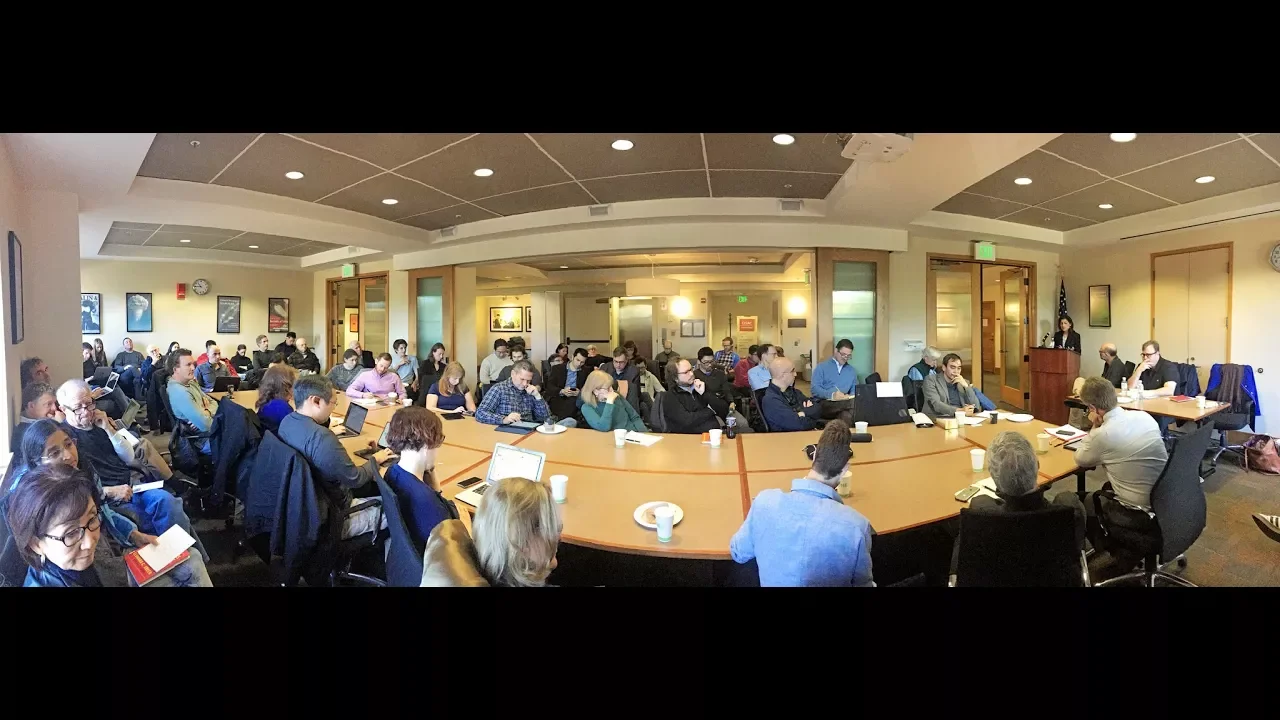
![The Revived Debate About Antitrust [21st Annual Faculty Conference]](https://i.ytimg.com/vi/ROPCVZ1oIMw/maxresdefault.jpg)

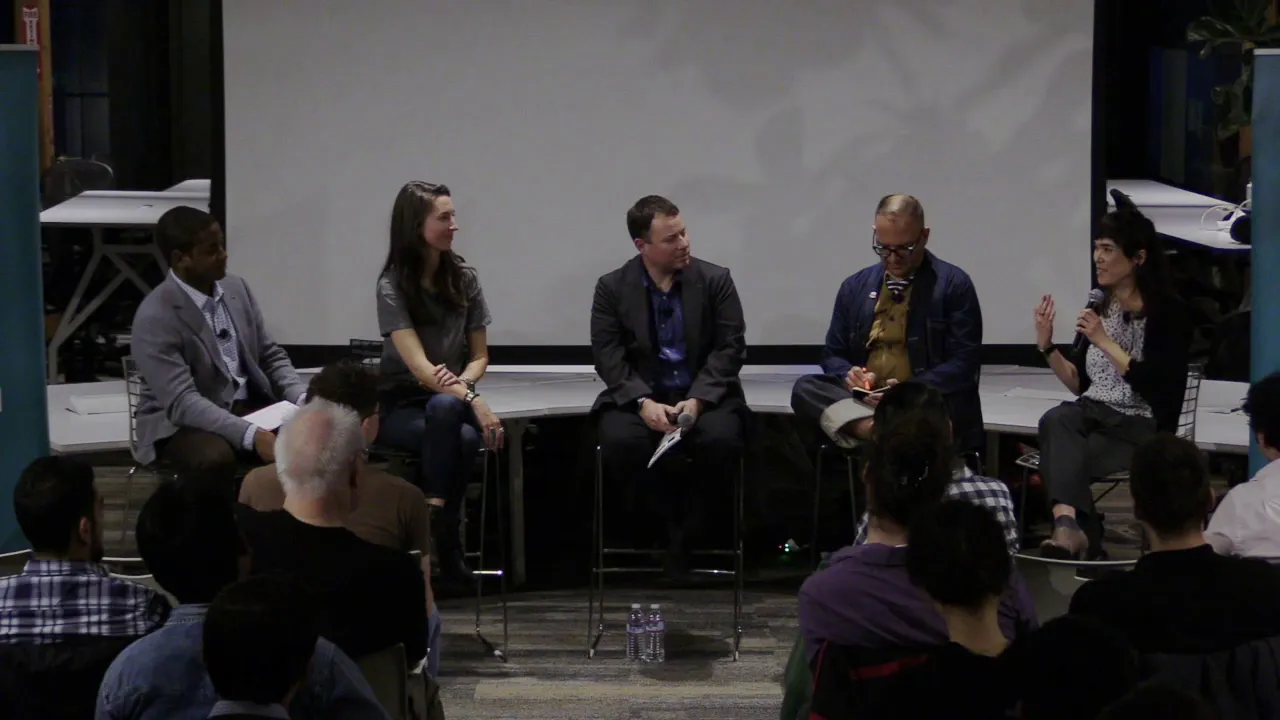

This panel discussion explores the intensifying debate over whether Big Tech companies constitute monopolies that reduce competition and exploit user data, or whether competition in technology markets is flourishing and these companies empower consumers. The panelists, representing different perspectives on antitrust law, examine historical cases like Standard Oil, AT&T, IBM, and Microsoft to analyze how antitrust principles apply to digital platforms. Key questions include whether courts should address concentrated power in Big Tech, what economic and cultural issues exist, and what power these companies wield over users' lives. The discussion highlights the tension between the Chicago School's focus on consumer welfare and efficiency versus the New Brandeis movement's emphasis on competition policy as a democratic check on corporate power.
Big Tech Antitrust Debate: A Public Policy Panel
Added:[Music] hey good afternoon everybody my name is john adams i'm the president of the chicago federalist society and i also practice antitrust law in chicago at imer stall we appreciate you spending time with us today to discuss an increasingly intensified debate over antitrust law a few weeks ago major league baseball pulled its all-star game out of georgia in response to the state's newly enacted election laws in reply in just this week a group of senate republicans announced a bill to break up mlb's monopoly by eliminating its statutory anti-trust exemption their bill follows recent statements from senator bernie sanders who said it to congress that it should reconsider the same anti-trust exemption after mlb interfered with vermont minor league teams this year a few months before during the heat of a presidential election big tech companies suppressed a new york post story about hunter biden that could have embarrassed then candidate joe biden again in reply republican members of congress raised antitrust concerns and held a series of hearings with the ceos from major technology companies democrats have also sounded the alarm about concentrated power in silicon valley firms last month president biden named big tech critics professor tim wu to his national economics council and miss lina khan to the federal trade commission both adhere to it the so-called new brandeis movement of antitrust law that emphasizes competition policy as a democratic check on corporate power this movement stands in sharp contrast to the prevailing view of consumer welfare championed by believers of the chicago school of antitrust law while the current norm focuses on promoting efficiency that results in lower prices for consumers some in the new brandeis movement believe in restructuring markets when power becomes too concentrated now whenever chicago school of thought or practice is challenged us in chicago have to host a discussion in a debate about the merits of those complaints and we have two members on our panel from chicago that i look forward to hearing more about as we can see all around us antitrust law has become a dominant way of analyzing and framing sweeping economic and cultural changes taking place in our country today and the analyses and solutions proposed by law and policy makers carry no clear political or ideological labels conservatives libertarians progressives and more all worry about concentrated power though for different reasons and with different solutions soon our public laws and courts will take these issues of concentrated economic and cultural power head on as justice thomas just predicted two weeks ago and biden against knight first amendment institute at columbia university our courts will have no choice but to address how our legal doctrines apply to digital platforms and concentrated power in big tech so what should our courts do how should our public laws react what are the economic and cultural issues with big tech if any what power does big tech wield over our lives if any to help us answer these vexing questions is an excellent panel of antitrust experts who have studied all these issues and more moderating the panel is our dear friend professor richard epstein we all know professor epstein well he is a distinguished scholar at both new york university and the university of chicago he is also the director of the classical liberal institute at new york university and the peter and kristen bedford senior fellow at the hoover institution he is a prolific author and speaker on among many other topics antitrust with some of his most recent work analyzing big tech companies as common carriers professor epstein thank you for joining us and moderating this esteemed panel well thank you so much for having me um let me first set out the the rules of engagement that we're going to do be and give a cautionary note before i introduce the panel this is going to be a kind of a round robin operation we will agree to have sort of opening statements from the three panels of about three minutes each and then we might have some rounded replies and then some discussion which i would moderate in the fair impartial neutral and sublime matter i hope uh and then we let the end open it up sort of to the audience but the methodological question that i want to give everybody is a phrase that i've come to use a great deal whenever you're dealing with a difficult issue which has multi-facets what you have to do is to think a la carte rather than offering open column a and column b uh there may be tech companies that you agree with on one point and rapidly disagree with them on another point and it would be a terrible mistake to say that well since i'm pro-amazon with respect to its labor policy i have to agree with this policy with respect to books and so forth we are going to sort of split these things up into components and then put them back and once you understand this policy you can see why what john said is indeed correct uh since they're going to be so many cross currents it's very hard to sort of take a position that favors this out of the other interest group now to address these issues what we do is we have three panels i'm going to talk about them very briefly uh jessica malugan is the director of the center of technology and innovation at the competitive enterprise institute guess what she specializes in uh greece agarwal my student uh he is the deputy general counsel at uh freedom guess what he specializes in uh dr hal singer knows antitrust and um regulation law you don't even have to guess what he's in and i think at this moment at least he's unaffiliated so what i will do is i have the three names in one order on my sheet so miss melvin can you sort of start us off with three well-chosen minutes of stuff then we'll go to dr agawa and then we'll go to dr singer okay well thank you so much it's such a pleasure to be here with you all today i'm gonna very quickly highlight a couple of the cases that i hear most often cited and invoked to recommend further antitrust action today um and i'm going to give you hopefully a few things to keep in mind when you hear that done so we're going to start with the granddaddy of them all standard oil and a couple things i want us to remember about the standard oil case and just at the time of the trial standard oil was already lowering its prices to consumers and increasing its output in an irrefutably dynamic sector of the economy so right out of the gate for antitrust we have a consumer harm question there would be difficult to find that consumer harm not competitor harm but consumer harm uh the case is often referred to as a predatory price case even though there wasn't a lot of evidence of that offered at the trial but today we see new offerings to make predatory pricing cases easier to bring and i think the cautionary tale about that is let's make sure we don't create a disincentive for companies to offer the lowest possible price to consumers especially at a moment where a lot of people's economic situation is very fragile moving on to at t this is a great one because people like to talk about all the innovation that was released when we got around to breaking up a t but i would like to humbly offer that it's also important to remember that at t was a government created and maintained monopoly they protected the government protected at t from competition for decades and in doing so uh kept consumers away from lots of innovations i don't think it's a fair parallel to say that if you broke up a google or facebook you would see the same kind of boom um ibm 13 years of litigation tens of million dollars in taxpayer funded litigation and all came to naught not even a settlement dropped without merit and uh in the meantime it did create an incentive for ibm to raise its short-term prices to consumers because they were worried about the threat of whatever antitrust remedy might have been applied to them so the lesson there is beware the unintended consequences of antitrust even with the best of intentions no doubt um and then i'll just finish up with microsoft because that's interesting it came after the revolution in antitrust putting economics and consumer well-being at the heart of the law and i think the biggest takeaway from microsoft we could probably have a whole panel discussion on whether they won or lost is that the market often moves much more quickly and in ways that it's very difficult for regulators and courts to predict and keep up with um and at that i will hope that i have obeyed the rules so far inside of three minutes and i'll stop talking uh you have not committed a temple trespass so we are grateful to you for everything that you've done and uh being able to knock all four cases in receptive fashion at 45 seconds of visa it turns out that you're going to win some kind of a prize doctor agua can you are you're a lawyer right like me a a lawyer not not a not a phd economist actually whatever it is you can do whatever you want but you're an expert so you have your three minutes of fame well thank you professor john and really the chicago chapter so i it's a real honor to be here i was served on the board of the chicago lawyer chapter for many years with laura cottleman and david applegate and others so it's great to be with you what i thought i would do really building on jessica's comments is provide just a brief overview of what antitrust law is and is not and as i go through it i suspect you might end up concluding that a lot of the concerns that you hear about big tech companies these days really aren't antitrust concerns at least that term has been used over the past four decades so start out anti-trust 101 antitrust law is about the protection of competition and consumers and the touchstone of antitrust law is what's called the consumer welfare standards and the idea is that you're going to judge business conduct is whether it's you know violates the sermon act or any other anti-trust laws is it is what the company is doing good for consumers or bad for consumers that's typically measured by you know price and output which are very objective criteria but you also have non-price competition which of course look at that's things like variety and quality um innovation uh since we're talking about tech the tech market uh you know tech companies compete on on you know in other ways too you know data security privacy these are all things that are subject to the consumer welfare standard um there's been a bipartisan consensus on this for really the past 40 years since the the revolution introduced by uh you know judge bork in no doubt richard epstein and in others in the 1980s so um what what is antitrust not antitrust is not about you know big is bad there was a strain of that thinking um in the early 20th century with president roosevelt when it was enacted but as time has developed of course determined that really wasn't a manageable standard in fact in the 1960s lbj's anti-trust chiefs said hey we need to move away from this biggest bad mentality and trust law is also not about abuse of dominance which is a very much a european concept which for this audience should um you know make a suspect by itself but you know abuse of dominance is this notion that hey big companies uh they have so much resources available to them but they're able to coerce you know unfair contractual terms that's not something that american antitrust law has ever thought of as being a viable theory finally antitrust law is not about non-economic social values and again until very recently there was a broad ideological consensus about that which is now starting to break down so last year the house judiciary committee issued lengthy 450-page staff report which called for abandoning the consumer welfare standard says it's inadequate to deal with the big problems and instead of wanted to replace your welfare standard or add to it with um criteria that called the protection of workers entrepreneurs fairness and democratic ideals i think we can all agree that those are good those are good values in and of themselves but very hard to operationalize if you're talking about anti-trust law so bottom line what i would say is that you antitrust law is flexible enough to deal with the concerns of big tech and uh as jessica said their major report cases pending and we'll see what happens with those thanks all right great thank you so much and now uh dr singer howe uh you have your three minutes of fame have to unmute yourself about that i want to thank the federalist society for having me and i enjoy being the token liberal on a panel every every now and then i i do have a fairly narrow view of what antitrust can achieve in this space so in that regard uh there might actually be some consensus on this panel i think the anti-dress landscape is fairly hostile to policing anti-competitive acts of the platforms anti-trust can only address exploitation of power supported by restraint and not just any restraint i i want to focus on two specific characteristics one is i think the restraint has to cut across the firm's boundaries conduct that stays within a firm's boundary such as self-preferencing is given great deference by the courts and i wouldn't personally steer clear from such a case the second characteristic is i think the restraint has to be causally connected to a consumer price effect non-price harms such as innovation loss or privacy harms i think again are going to be received with great skepticism by antitrust court and i think not only you need to connect it to a price but it must be aimed at the consumer side of the platform amex shows american express case shows that it is not sufficient to merely connect the restraint to a price effect on the merchant side of the platform having said all that there are some good anti-trust cases out there against big tech and by good i mean satisfying these two conditions that i laid out but there are also some uh sketchy cases and uh in disclosure i i think i should tell everyone that i am working on one or more of the good cases um there are some gaps in protection however uh that come about from anti-competitive conduct that isn't going to make it through this filter that i've that i've laid out and i believe that these gaps and this is probably where we're gonna dissent or have a little debate on this panel i i believe that these gaps in protection should be filled by regulation remember antitrust isn't the only tool in the tool kit um and there are two areas that i have in mind for for regulation if i have time i think it does about 30 seconds but one is that i worry about a self-preferencing by dominant platforms and it's usually a two-part strategy where an idea is appropriated uh and then and then um after the idea is taken the platform uses its platform power to steer users to the clone and just yesterday we saw a story in the wall street journal about and how amazon was bullying echo b um and uh threatening to deny it could be accessed unless that could be turned over its data i think this would be a very tough uh anti-trust case to bring um and as it doesn't really fit into any well-established rubric there's no there's no uh rubric called bullying um but but we can understand it doesn't take a phd in economics understand that if um if enough of these merchants feel like they're being shaken down and that they're they're really in an unfair or unlevel playing field they're going to throw in the towel and future merchants might throw in the towel and that's when we could start to see an innovation harm but something very difficult to get at through antitrust the second area that i think could be plugged with a gap in protection that could be plugged with some regulation is when you have a power imbalance between a platform and some input provider where there's no restraint that's necessarily supporting the power and balance just comes about because there's a power imbalance the platform got there first and they've been able to either through acumen or through mergers whenever to kind of take over or monopolize their market and so i'm thinking in particular about the kind of lopsided dealings between individual newspapers say and um and facebook or google here's a place where i think that if we get if the payments these input providers are too low we can have a harm we can have basically an output effect in this input market resulting again in the newspaper example and two little news produced or two little quality news produced or even news deserts and and my second disclosure i'm going to give for you guys today is that is that i am working for the newspapers in that case as well so with that i'll wrap it up okay great all right well let me just see if i can distill some of this uh and i'm gonna say essentially if we try to summarize what the chicago school of economics said if i get the orthodoxy correct uh you start dealing with monopolization and cartelization we kind of like uh some antitrust if you're dealing with predation we're very suspicious and when you're dealing with vertical arrangements there are obviously efficiencies but occasionally abuses so we tend to think of something in terms of the rule of reason now the way in which the panelists all of you have sort of discussed this has been more christmas past until the last remarks of dr singer and so what i want to do now is to sort of ask you questions about christmas future in the following way which is if you were to take the basic framework start with you jessica and you talked about things like the standard oil case and all the rest of that stuff and you started looking at some of the major issues how straightforward you think is the application of the theory that you have to a platform economy where it is generally understood there are no perfect competitive solutions um and so what modifications of any would you want to make from the received wisdom and how do you think they would fair so we'll start with you and then we'll take it all the way through so this is if if dr singer is the token liberal i'm the token non-lawyer and the token extremist probably um i i i place myself farther along the spectrum of skepticism than even the chicago school probably um you know when we talked about um there's no uh nothing illegal about bullying uh yeah i have less of a problem with with people kind of duking it out and bumping snouts in the marketplace um non-perfect results happening every second and is less troublesome to me than all the possible implications of growing the regulatory state and um all the pitfalls of antitrust litigation so i i am fully prepared to say that the cheese will likely stand alone uh that being said if there is a legal conduct going on under the laws that are in place with these pending cases uh that remains to be seen would i change anything fundamentally about antitrust law because big tech companies have uh come into existence i i have to perhaps not be lawyerly and just stay bluntly i i would not okay i've got to ask you one follow-up question i'm gonna basically sharpen dr singer's remark and say that what is happening is it's not only that amazon is asking echo or whatever its name is to share data it's asking it to breach its contract with other consumers where they've pledged to keep it private right under that circumstance it also looks like a inducement of breach of contract and so forth um so would you have some sympathy for that kind of a case and so it's to help our worthy quote-unquote liberal along with him by bringing it to bear a basically a 19th century theory yes i think the contract element of that remains a legitimate concern uh certainly uh i i just can't help but having to point out that you know all of these people who sell on the amazon marketplace are selling on the amazon marketplace whether a contract has been breached that is obviously a very legitimate concern and then it's interesting to reach a contract i think that's a legitimate concern i would say too though that do i believe that the amazon marketplace will be the o will ever be or will continue to be the only place to sell your wares is something that i don't want us to lose sight of as we get into the weeds um of what the market looks like right at this moment okay dr aguero i've got a question for you um and it sort of follows on all of this one of the big issues that we had in late 19th and early 20th century antitrust laws had to do with the durability of cartels and monopolies right and so there was an argument that if you didn't enforce the contracts they would kind of fade away and other people saying no you got to really hit them with a ham when you start looking at amazon or some other companies with power do you think that what jessica said is correct that you're going to get some shall we say suspect durability that they're going to be eroded if they play these things or do you think in fact that they have persistence that will last to the long or at least to the middle run well i i definitely agree with jessica the markets are not static but just in the in the past year since the uh you know since the pandemic you've seen the growth of zoom of tick tock uh you know facebook faces all sorts of competitors from you know new and younger social websites who are growing at a faster rate and even amazon which is the number one online retailer right now is going to face and is facing more and more competition online from you know walmart and target walmart is the biggest retailer in the country so markets aren't static some of the things that the big tech companies are doing that we as you know conservatives and libertarians might not like and john alluded to some of them in his uh in his opening framing comments um i think are things that are going to have market consequences if people don't have confidence that they can get you know the information that they want from these platforms um you know people will react and markets will adjust i also want to make just two other quick points one is you know antitrust law really is flexible enough to deal with these concerns that people have you know as you as you know professor epstein a decade ago there was this big you know bipartisan blue ribbon commission called the anti-trust modernization commission which looked at digital markets and platforms and concluded that no no substantial statutory changes were necessary because you do have the rule of reason out there and the final point i would make is that you know in one level there's nothing new under the sun right yes you have you know digital marketplaces and they're new in some respects but in other respects they're not the touchstone should continue to be output in price and before you think that there is an antitrust violation in any of these markets i'd ask well what what's happening in that marketplace so if you're looking at you know app stores for example apple apparently gets a hundred thousand requests for um from developers every week to um to sell on the app store and prices are falling there facebook has invested billions of dollars and whatsapp and instagram make those more consumer friendly so there's a lot of evidence that you know of non-price competition and prices remaining zero and of a lot of innovation happening great all right now dr singh i've got my last set of questions um which is you announce yourself as being a liberal and i will take that on faith although there was no discernible evidence of that in the presentation that you made so far to date uh but there is some legislation and as we noted that there are two rather strong nua brandeisians in the government right there's lina khan and there's tim wu and so the kind of question i would want to ask is if you take some of their positions and you now start to look at merger policy there's the klobuchar regulations coming out on that the proposal do you think that the current standards in which essentially the thing goes through unless it could be stopped is the appropriate one what do you think you would want to reverse the burden of proof and perhaps lower the level of concentration that you regard as dangerous yeah i think in the realm of mergers i i feel that there's a an area that could be tightened a bit is the vertical merger reviews i feel like it's very difficult to try to stop uh any kind of vertical merger um and so there is an idea i don't know if it's yet reflected in senator klobuchar's legislation but you may have heard of it uh called this dominant platform presumption which would be if a dominant platform would it were to make a an acquisition not that that that acquisition would be subject to subjected to a higher form of scrutiny either say for example the burden would be on the emerging parties to prove that the acquisition was pro-competitive so that's that's an idea that i have on the on the back okay let me just answer question there's a piece that was written by tim wu and my colleague scott hemphill right basically trying to deal with nascent mergers and one of the arguments they say you see look how big instagram is and you know if it had been a freestanding company you would have a much better industry but the question i'm going to ask is essentially playing off what dr agarwal said which is quite simply uh would they have been that big if it turned out that the acquiring companies didn't put billions of dollars in them or whether they simply died for insufficient capital and expertise and so in other words if you take that as the test case for this kind of merger presumption and so forth um is it a good rule or a bad rule um in light of these mergers how should we understand to think about that and then maybe go around to jessica and she could ask her as well so i think if it's the question is to me yeah why not got a counter factual what what would we have in the absence of that merger i think we'd have a much more competitive uh social media market and more competitive digital advertising mark you know if the facebook and instagram were competitors and competing for eyeballs competing for advertisers i think we'd probably would they have been competitive if one was ten times the size of the other and now the smaller one is larger would they have been able to sustain that if they hadn't gotten the capital on the expertise from the aquarium corporations yeah i i hear you saying we'll never know the answer to that with certainty right but it seems like they were well on their path and in fact the amount of money that facebook paid for them seems to suggest that facebook believed that they were a serious threat and you know there's internal documents that have been uncovered through ftc investigations and the likes saying that uh you know facebook acknowledging the threat and what and what instagram could evolve to become so i am i am sympathetic to these concerns and i do think that that we should seriously reconsider or consider at least a dominant platform presumption against acquisitions by by some of these tech titans jessica are you going to stick to your position against him or are you going to sort of wave her under the attack well i'm trying to earn my honorary legal degree today so i'm going to stick to it um i'm going to back up a little bit and just talk about what kind of unintended consequences and incentives something like that would set up and if you look at the venture capital situation for these startups because ipos have gotten increasingly expensive and uh difficult thank you sarbanes-oxley you know being acquired is i think i read you know 50 of these startups say that's that's their goal is to be acquired that's how they get cashed out and in the process we get a lot of new products in instagram's case what we got was a obscure glitchy photo sharing app that when facebook paid all that money for it uh even the late night talk show host ridiculed them for that um so to be able to do a bad deal for making for overpaying yeah they couldn't believe that um i think it's stephen colbert i hope it's stephen colbert that would be more satisfying we're all huge but let's just do that since we're recording it uh so i i think that you have to think about sort of down the line of economic incentive i want to keep goofy new social media apps churning out from northern california like crazy and if that means a bunch of college dropouts need to feel like they can get a check from mark zuckerberg i don't really see the consumer harm in that instagram is now a much better product much more available um similar with whatsapp it went from a feed to use it to free after facebook bought it so again if you look at it through the the dynamism of the market you have to watch what you're doing to incentives when you say oh well this dominant firm and you're this big now so you can't do this and you're not quite that big yet so you get to do this for six more months i i think that that chills innovation in a way that that concerns me okay so i'm gonna just put it through the abstract way if you recall that i mentioned at the beginning that when you started to deal with certain kinds of merger situations you wanted to use a rule of reason and that would require you in many cases to figure out whether the restraints were dominant over the efficiency advantages well you've heard dr singh is saying they paid a lot because they knew it was a great product and you heard jessica saying they paid too much because it was a lousy product now since you are a guy who works for tech freedom uh which way do you put the scales when you're dealing with this kind of emerging questions well i would say we should leave it up to the market participants to determine a price rather than you know trust government regulators to determine what an appropriate price is but um with with respect to to dr singer what i would say is you know there's nascent acquisitions didn't just come around through the invention of the platforms you know they've been around for a long time in a lot of industries let me give you a brief historical example because i wrote a paper on this 100 years ago john deere was a full-service agriculture supplier at sold wagon 1910s wagons buggies plows you know what have you they didn't sell tractors because they weren't able to develop them internally they tried krc and gas two cylinder four cylinder nothing they were nothing they tried to develop internally was successful in the marketplace but they heard from their customer base and they anticipated that that's where the market was going so what did they do they bought out the waterloo engine gasoline company which had made the first or the most successful tractor at the time they bought the company they invested in it and within a couple of years output had quadrupled well if you look at what facebook did with instagram and whatsapp it's kind of a similar story uh facebook you tried saw that the future was in mobile they tried to develop the technology internally they didn't do that great of a job of it so they purchased companies invested the heck out of them marketed the heck out of them and then output skyrocketed isn't that what we want our companies to do to anticipate where consumer demand is going to be and then invest in it to make that a reality isn't that what we want doctor singing can i just respond is that okay to do yes i i insist that i don't want to be defending any straw man so let me just make real clear what i was proposing i was not proposing any price regulation i wasn't suggesting the government should be setting the price for the acquisition so i don't know where that came from and i also i'm not proposing a ban i know that some people are we've you know during when coveted the onset of cover there was talk about a pure ban on exit not opposing that either the dominant platform dominant platform presumption if i could say it would merely change the presumption it would shift the burden from the government's obligation to show harm typically through price effects which are nearly impossible even in mature industries to show to shifting it back over to the merging parties right so making those those that narrow category of acquisitions presumptively in violation and putting the burden on the on the platform to prove otherwise so i'd like you to respond to that like how why do you think the sky would fall if that were the law okay well let me ask the first question i want to switch out one thing first uh and then i will put the question that you have about chicken little to everybody the two other paneling um you say it's going to be a presumption as a lawyer when i think of a presumption i always ask the question how rebuttable is it easily rebuttable strictly rebuttable certain kinds of evidence to be required for rebuttable that is i could have everything from presumptions that are almost impossible to overcome to those that become trivial and so essentially what would be the burden of proof beyond a reasonable doubt clear and convincing evidence preponderance of evidence substantial possibility that you would want to use to overcome the presumption dr singer so which of my four standards which i take from the traditional toolkit uh as an economist it's going to be tough for me to tell you the exact standard here um my comparative advantage right i am sensitive that critique and i i think that you just want to make sure that there is a way out and so i wouldn't want to make it an impossible burden but something that something concrete that that the merging parties could demonstrate that there's a true efficiency and it offsets the presumption of harm okay so i would treat that as a substantial probability of gain even less than 50 so i think it's there and then the question how much of a difference that it is i don't know anyhow are you biting jessica on this uh well i will not attribute this to dr singer but i do believe and she's you can correct me i think that senator holly's latest bill does actually ban mergers for companies above a certain cap is that it's a ha yeah i think so 100 billion dollars 100 billion and i think that incorporates like a it's 150 some u.s companies that would be and not just in the tech sector just you can't buy a company kids sorry with apologies to professor costs there is no more independent decision about where your firm can do something internally like the john deere example and and when you have to bring in and outs i think like i think that's a huge impediment to progress and i i just it's not like uh federal regulators are having a difficult time winning merger cases i i again not a lawyer but so you can correct me but my impression of watching the cases is that um they have a perfectly reasonable success rate there i'm not sure that's where i would i would tweak things yeah um i have a question as she said let's put it this way um senator hall is generally thought to be to the right of center am i mistaken about that or no he is on most issues but on these issues this seems to me like the fact that he's symbol and lena khan in disguise um that is what you do is you're seeing the far left and the far right meeting somewhere in a dark alley and coming forward with a uniform presumption on this can you explain why it is what it is that drives hawley if he's supposed to be a small spade government guy is this simply a kind of a brandishing nexus of one kind or another or no well look i think i think there's some frustration with big tech companies on the right and that relates to some of the speech issues and the section 230 issues that that we might talk about and there's a lot of populist frustration with um you know twitter and what have you and i think that's driving i think that's what's driving some of this um a couple other things first of all dr singer you know kudos to you for coming on this panel to a fed sock pedal obviously you're i'm glad your views are out number two two to one and you knew that coming in so it's great that you're you never know josh halley could show up well that's right that's right you know but uh to to the way you framed the question you know what would this guy fall with change no no they wouldn't but i do agree with that they would make financing more problematic or uncertain for some of these smaller companies is that a good thing i mean you know most innovation we're fortunate happens in the united states not in europe and part of the reason for that is i think is the availability of financing and the legal regulatory regime that we've created that doesn't punish success i think that's a good thing the other thing i'd say is you know why should we change murder presumptions without a strong showing of harm to consumers and we have major lawsuits pending right now that will help us determine whether uh when we read the court opinions whether consumers have been harmed um and whether antitrust law has a remedy for them and i think after we see those play out i think we had a much better position as a country to determine whether we need statutory changes i'm saying i have another question to ask you about this one of the traditional worries that we had with antitrust was how you start to think about products that actually sold for a positive price most of the things that are basically an issue today are given away for free at some level uh there's an advertisement take on that and they're the funding is completely different from so forth does that change your view on how you want to think about the antitrust laws if you don't have the same kind of problem that you had in 1930 when the anp came on the market and started to undercut people so here's here's the problem if i if i'm reading your question correctly is that most of the exercises of market power by the platforms are occurring on the mark on the merchant side of this tuesday platform so for example amazon charges an excessive i can talk about amazon amazon is charging an excessive take rate on its merchants so apparently it was in the 20s moving up the high 20s and then on top of that amazon is allegedly forcing merchants to take amazon's fulfillment services if not the punishment is that you get disappeared in search and that allows amazon to to exact an even greater tax it's now for one one merchant who's profiled in wall street journal her take rate was now in excess of 50 that is every dollar merchandise she sells on amazon's platform right is going right back to amazon through the amazon tax and now the question is if you were to bring a case against amazon would it be sufficient to be able to connect a restraint that amazon is say putting in the merchant contract to an excessive take rate i would submit that under amex unfortunately that that wouldn't be sufficient that that the that the plaintiff would have to go one step further and demonstrate that the excessive take rates um find their way into the into the uh through pass-through by the merchant into higher end user prices okay let me do to ask you one thing you said amex i know what you mean i know our fellow panelists know but i suspect there's some people in the audience who might not uh so could you give us a kind of a very short survey of why it is that you think amherst the amex basically blocks this particular development yeah so what amex did amex said it wasn't sufficient for the plaintiff to demonstrate a causal connection between the restraint in that case it was a no steering rule which amex said that you can't you merchant cannot steer your customer to a lower cost card and do so by say offering a lower price right you basically have to give the same price to everyone regardless of how much we want to take from you right and so what what the court was basically saying was that that isn't sufficient you have to trace the effect through to the other side of the market then the court got a little confused they saw that transactions were increasing over time and so they thought there couldn't be output effects uh on the consumer side of course they were wrong to the extent any of those excessive taxes on the merchant side were passed through to end users in the form of higher goods prices and there was an output effect right but the court just couldn't see it it's a long way of saying that now when we apply that standard into a hypothetical case against tech um i don't think the plaintiffs are going to be able to stop at the harm to the merchant side that is even if they could show a causal connection between the restraint and an excessive take rate that would be sufficient i think they'd have to go one step further and show that say the merchants on amazon's platform are actually passing through those inflated take rates in the form of higher prices to their end users and they haven't been able to show that yet we don't have a case yet again do you think he's going to be able to make out his case how's going to be able to make it out i i i mean i i agree that that would go to bring it back to the larger question here that would go to a more direct relationship to consumer harm um but i have no idea if that's what's happening there um i think that we'll get a chance to find out with the introduction of lena khan into our lives uh we'll probably get um some more insight into that through the courts uh if i had to guess uh whether or not that's happening i don't know but um but i mean i not happily to agree with it go ahead i'm sorry oh yeah i want to ask this more agree what you're seeing here is there a tension between your claim that markets always tend to introduce new competitors in the dynamic flash that undercut car undercut these kinds of monopoly powers and the recent development in which amazon seems to be raising fees seems to me that there's at least some tension there or is the explanation that amazon has gotten so much better at what it does that it could claim a larger share of the pie and still leave the uh merchant better off than he or she was before i i mean i yeah i think you have to ask those larger questions and then the other part of that is you know if they are in fact raising these fees to a point that is the market decides is unreasonable um doesn't that create without a barrier to entry that i'm aware of doesn't that create an incentive for another platform to come about uh and offer the same thing in fact i would say they already exist uh and there's more competition coming that way uh i would prefer to let the market work that out uh over a little longer period of time than to come in with a big regulatory uh intervention okay as she said let's put it to you how long are we prepared to wait for markets to work i think it's this is the fundamental question that you asked back when they put the sherman act below and the basic attitude that they had then was that our enforcement of horizontal arrangements uh through the courts did not result in their breakdown because these guys found ways to have self-enforcing contracts that seem to last much longer and so the question i'm going to is the sense same question as before that i put to jessica is that they're charging a larger number with respect to these companies is that because they're supplying better services than they've ever supplied before so that the company is no worse off in terms of its rate of return or is it in fact because it kind of sees the time horizon for not so durable monopoly it's being longer than uh you had presupposed that to me it seems to be a real kind of difficult empirical question and can we solve it by our presumption or do we have to get some kind of direct evidence in order to figure out which way it's going to go well again ultimately i think you need evidence of consumer harm and look i will you know you know agree with doctors with a view that dr signer probably has which is it it is certainly possible both as a matter of case law and as a matter of economics for a company that has you know market power or you know you might say monopoly power in one market to you know extend that uh you know power into another market in a way that's you know anti-competitive and ultimately uh would and should violate the antitrust laws that that certainly is possible and you know we'll see what happens when some of these cases play out and certainly it sounds like for public reports that amazon is under investigation and some of those suits might be might be bodies so so we'll have to we'll have to see what happens but what i would say is you know you know dr singer you know kept back kept coming back to his phrase oh they're charging excessive they're charging asses in an excessive markup well who's who's to say what the appropriate markup is i mean walmart takes a cut out of you know every product that's sold at walmart and i took a couple of years ago i checked i took a cruise you know you can build these uh you can book these little excursions from your cruise ship and talking to some of the some of the guys on the islands running the excursions they they were complaining that the cruise ships takes too big of a cut there i mean going back to a point that jessica made at the very top it just seems to me this is just just bargaining between parties all of whom are trying to capture as much revenue as possible there's nothing wrong with that um you gotta you better be able to show there's a harm to consumers before you're finding their advantage all right now doc singer let me put the question this way and these are very complicated markets and i'm just thinking of what happened with paula when it was kind of forced off the market because it couldn't get anything through the app store right um do you regard apple's decision to sort of keep them out of the app store as being essentially a restraint in trade or do you regard that as legitimate content well uh you know i i'm asking questions to which i don't know the answer right no i i i wasn't very sympathetic to the to the parlor case but i you kind of threw me with the case because they've filed the case against amazon you know with respect to the aws the hosting service yeah and i and i have formed uh semi-intelligent opinions on that case i thought that case is fairly weak when you when you i don't think they filed a case against apple but a hypothetical case against apple may have been stronger to the extent that apple could could allegedly be characterized being dominant um in a certain space you know for for um apple based phones um i don't think that amazon at least with respect to aws fit the bill there right can you explain aws yeah and aws is amazon's web hosting uh uh subsidiary okay and and and i think i'm doing this by memory i think their market share and again mark chair is in the end i'll be all measured but it's on the order around 30 of hosting services in the us so so the notion that that amazon aws had some kind of obligation to provide web hosting to parlor i thought was a fairly weak a weak claim you know when when do we impose duties to deal on firms it's generally under very extreme circumstances right and dominance you would think would be an element and i didn't think the element was present in that case yeah and jessica i see you nodding in a complete agreement on that um i would yeah i was just thinking that dr singer is my kind of liberal if that's what merkel is yeah i mean i think there's a lot of role reversals going on here yeah it keeps it fun can i just say one thing about what i feel like okay well thank you i call it the crisis of faith and creative destruction from some on the right and that goes to this aws um kicking parlor off this is that move i think was something that tipped a lot of concern people on the right over from well you can always go get a different social media it went up the stack to the cloud and a lot of very um smart thoughtful people on the right said okay this is crazy now now this has gone too far now parlor really can't exist and i would just point out that the next generation of social media applications is very likely to be decentralized so this will be too old for most of the people listening to this but it will be napster-like it won't be sitting on someone's cloud it won't be controlled by a corporation there won't be content moderation from the top down it'll be more community oriented and controlled and i think that it will solve a lot of these kinds of questions but again i hear myself repeating myself and i understand that i'm pouring it over but i tell you making the same argument i take it when pauler is now considering lawsuits and other things am i corrected assuming that it's also made the independent decision to build its own base for its own uh distribution services my understanding is that there's a lot of companies that based on what happened are thinking of building out their own infrastructure in a way to stay more in control of that and to me that suggests not that we need to regulate all of that but that suggests that maybe that that's a really smart market solution uh depending on where you need to be up and down the stack so essentially what i would say is if you could find free entry into that market you'd be less worried about the short-term situation uh aggiesh is there any going to be any kind of hidden barrier to entry that you and i are overlooking not that i'm aware of you know according to public reports um you know former president trump is going to be planning to be back on social media within you know the next two or three months uh when he does that i'm gonna go out on a limb and say you know he's gonna attract tens of millions of users and i suspect whatever platform he joins is going to be you know very open and receptive to uh you know conservatives and republicans in a way that people perceive that twitter has has not been and so you know again i think i think the market is going to adjust it's certainly not static all right do you agree huh i i think in this everybody sorts to agree now i'm going to ask john adams a question we have now gone about 50 minutes which is what i think is the appointed time for reporter were there any questions in the chat room or anything else that i ought to be uh addressing because if anybody has them please sort of send them my way and then we will take all wizard panelists to do it well john what is it a professor you do have two questions in the chat box oh uh where do i go i i look at um it's right next to participants and there's a a red dot that says two oh that one yes all right okay this is from john sweet and what he says is he's i'm going to shorten it a bit we worry about consumer prices uh she'll be speaking to that or it's consumer welfare the two of welfare closely related welfare's equal benefit miners course but if a business increases cost to consumers it can currently increases benefit to the invite even great should that be of concern in other words if consumer surplus increases um is that if one only looked at price one might be less and misled into identifying the firmness of monopolist when in fact both producer and consumer surplus may rise so what he's saying is in fact a classic situation it's kind of what i hinted at when i asked my mother my uh my question about amazon taking a larger cut is they're gonna is he right about the standard do you think how uh that when you're looking at these things it should be consumer welfare rather than consumer prices i.e maximizing surplus rather than worrying about revenue as such well i think that as a practical matter what courts have been focused on are price effects um so as as i hear the question is could welfare capture something that's non-price is that richard that's a good way to take it yeah yeah look i'm not going to go into a court and and try to convince a judge of some non-price uh consumer harm there are cases out there they're privacy harm cases right now for example and uh but i i if i could just kind of pivot one one bit i i do worry is that okay richard i do worry about about the notion that we're that we're asking courts to engage in these trade-offs between uh harms uh on on one side of the market say to merchants say in the mx case against purported benefits to consumers or card owners right i am very worried about that you know in merger law we we explicitly tell courts not to do that you know under philadelphia national bank we we do not want them engaging in multi-market balancing and i feel like amex has set us up on this court where the consumer is supreme and we would even tolerate a known harm to someone on the other side of the market so long as consumers are better off and where you see this really kind of leading to a horrific potential outcome is in this ncaa case that was just arguing from the court where the ncaa is saying we should tolerate a worker harm through a price fixing conspiracy on the on the on the input side because certain consumers have a taste for amateurism which is kind of code for a taste for exploitation or even worst cases for white supremacy all right yes let me just make one very very bad place if we i just in conclusion if we if we make every other every other uh provider in the stack to be subservient to to the consumer yeah i think the amex case the argument that was made was slightly different it was that if you look at these as two-sided markets it turns out you want to put the cost on the basically on the plus side that's inelastic and then have it pay subsidies to the other side and that's would mean that it would be on the merchant side that you would have these done and then they give lots of goodies to bring more people on the other side in order to increase the size of the market so it's not as though they're independent markets it's it's an argument that's made only i think with respect to platform economies i don't know whether it's right or wrong i should tell you i have divided loyalties in that case my friend evan chesler argued on one side of my student eric murphy now on the sixth circuit argued when he was solicitor general for ohio i regarded as quite a close case on these situations um the ncaa case is a kind of a different problem because it's not at all clear exactly what how universities profit or whether that's the coin of the realm uh we can think about that but let me just say uh uh here is another question for you dr singer said what kind of umc i don't even know what that means rulemaking would you like to see the ftc promulgate under the biden administration what does umc stand for first of all somebody know tell me you see isn't it made with three experts we can't figure out what's going on someone should google it no somebody should guilt it but anyhow what kind of rulemaking would you want um and then the two of you could follow up on him uh so how which way would you want to do on this thing would you want to see singapore fair methods of competition under section 5. thanks yeah um yeah you know there are there is a constituency here there are some some proponents that the ftc should just kind of go out on its own and start start issuing rules and given how dysfunctional congress is that that might be the only practical way to to kind of stop some of the abuses that we're seeing what i would much prefer but i realize i'm being completely naive here is that the direction instead would come from congress so for example if congress were to instruct uh the ftc to treat self-preferencing as a form of unfair practice and to subject self-preferencing cases to some say tribunal where where a case could be heard a merchant say brings a case against amazon in front of a tribunal pursuant to a non-discrimination standard that's how i would write it up if i could write it up on a chalkboard but i know that a lot of a lot of liberals and people on my side aisle are losing patience because because nothing is happening in congress despite all these all these you know horse stories and so they're saying well if the ftc has the authority itself to go out and make these rules say a non-discrimination standard on its own why not just strike out and do it under its own rule-making authority by the way do you jessica believe that self-preferencing is a problem or the only self-profits if in fact the internal vertical arrangements are more efficient than entering into spot market contracts with other parts you'll be not surprised to hear that self-preferencing does not keep me up basically consistent to the end age property rights all the way i'm not saying you're wrong i'm just asking i'm amazingly definite right just do your two comments in terms of in terms of rule makings you know we do have uh you know an antitrust law you know per se rules for things that we know are anti-competitive like you know naked price price fixing of course and that's appropriate but for everything else you know largely judged by the rule of reason and in some cases self-preferencing uh probably in most cases self-preferencing is is not problematic if they're you know if if a grocery store wants to put its store brand at eye level um in more expensive brands you know higher or lower i mean is that really problematic from an nhs perspective or a consumer perspective you know maybe and if a case can be made all right let's um you know lay it out there but i would question the need for rules um yeah i mean i have the following question if it's dubious that a court would do it why does it become clear when it turns out that the ftc does it here's another question which is directed in part to me so i'm going to direct it to everybody else um what is the future of richard epstein clarence thomas come and carry approach to content restrictions on major sites uh this is a reference to something that uh judge thomas said justice thomas said recently uh which had its origin and something i wrote uh with actually not broke but when i was interviewed by tunku bhararaj in the wall street journal and suggesting that common carriers have a general duty to take all takers on reasonable non-discriminatory terms and the question is can you transfer that from dealing with rate regulation as it existed in the say the early part of the 20th century to dealing with these more obscure situations or in effect is it a situation where there isn't any real common carrier issue because new entry will obviate the problem uh so i'll start with you on on this one okay ashish which way do you think about it well look i mean obviously professor i would doubt your greater wisdom but my understanding of common carriers uh you know regulation is that you know this this arose where um the you know the product or service had to be available to everybody uh so whether you're you know a you know a communist or a white nationalist you can you you can get uh you know directv or comcast or what have you that's never been the case with the social media companies as i understand it they've always had their terms of services and reserve the right to um you know tonight deny service to people who you violate those terms so whatever sort of regulatory regime you know is being contemplated now um you know one is it would have to be consistent with the first amendment query whether any of these proposals would do that and secondly i don't think it would be common carrier regulation as that term has been understood historically well i mean it is a little bit more complicated than that but certainly you can't get escape your common carrier obligations if you have some by simply announcing that you do not wish to be bound by it these are public obligations that are put against you with your real on the ground that they have no other place to go and so it started off when there was only a single coach that went from oxford to to london and it was only a single in along the way and you could always charge a reasonable rate to get a competitive rate of return uh and you could always excuse people for cause i.e disruption and abuse but otherwise you had to sort of more or less take everybody and so the question how is do you think that these common carrier countries the common carrier conceptions could be used to deal with content or is the jessica position that new entry is going to solve everything uh going to be correct here i've been on both sides of this question so i asked if the uh there's a degree of difference that is uncommon for me so i i was i was surprised pleasantly surprised surprised by justice thomas's comments uh about about treating these dominant platforms as common carriers because i'm peddling two forms of common carrier regulation right now for the platforms and and i and i look back uh and it's not just justice thomas by the way there there's other things going on ken buck i would i tell you to commend you to go look at what ken buck is saying with respect to non-discrimination regimes and structural separation uh there has been there seems to have been a shift at least among some elements of the right uh taking a more favorable attitude towards this i want to ever just kind of remind everyone that before cable uh was was regulated under common carriage rules you know they weren't and at some point someone decided hey we got to knock this off and in 1992 cable act we we imposed non-discrimination regime on cable people saw that cable was picking off the best content out there um appropriating the idea making it their own uh network and then and then removing the competitor the independent competitor from the basic tier right that was that was the strategy yeah enough enough independence started complaining and said look this is an unfair playing field our best ideas are being appropriated and we can't compete when we're on the sports team or even worse when we're taking off and so congress gave them a venue it's at the fcc where by a disfavored or an affected uh independent network can bring a discrimination case against a comcast uh alleging that they've been treated unfairly by virtue of their lack of affiliation so right right and so and just one more too richard you know we also have a form of a duty to deal that's imposed on cable through through the must carry rules right so so broadcasters were deemed to be an important aspect from a societal perspective they were threatened because of the power and balance with cable and so the idea was that uh cable would would have to deal with them if if a broadcaster so chose so you know these ideas have been imposed in the past it did not cause the world to end or the sky to fall and it solved a real social problem and i think that we're seeing kind of similar similar issues evolve you know in the in in the new economy and it seems to be calling out for these sorts of common carrier regulations jessica's still skeptical jessica yeah yes but i'm trying to earn my honorary degree so i hate to disagree with the moderator of the panel i mean look i i'm the sole of the on this issue i have basically taken both sides of the question with equal form i think that there's a lot of specifics to the cable example that don't overlap with social media i think that there's a lot um of a more curated approach and branding uh with social media that should be considered when you're when you're contemplating common carrier i think that if um it really removes those companies ability to differentiate themselves at all right if you all have to carry everything then where's the innovation coming from where's the the specialization where's the differentiation i think that's a pretty heavy hit um to take to a very dynamic industry um when the best example people can the best recommendation is look at all this great stuff we did with telecom i'm not i'm not convinced on that i i would like to let it play out a little bit and see if we can't get some innovations from the market that might take care of a lot of people's concern at least from the right i mean one of the things of course that was difficult is that the net the broadcast industry itself was not the model of competition and new entry there was extremely difficult to acquire and the ability to fragment frequencies to create additional statements um channels was explicitly barred by the terms of service that were given for the through the fcc so i mean there were market imperfections and these may or may not have been done but anyhow we have a couple more questions here this is from nathan lazarus nice question should there be more merger retrospectives uh miss mellon started off the panel by doing basically that discussing historical antitrust action are there some mergers that are allowed that just lead to higher prices and no efficiency gains in retrospect do you think that uh the looking back is a good idea or a bad idea and what do you hope to find if you do it i do think it's a good idea but just just briefly on the prior discussion okay you know professor i think i think you put your your your finger on it which is that um there are you know multiplicity of options now online there's more than one one horse and wagon that go from oxford to london there's um you know just it's not just facebook there's there's linkedin there's you know snapchat probably a hundred other things that i've never heard about where people can go to so the idea that you have to regulate you know you know the biggest ones because those are the only speech outlets that people have simply it's not it's just not borne out by the facts i think that's another reason why i'm very skeptical of treating you even our biggest websites is common character well i'm asking again just a simple question that she's yeah has there been any decline in loyalty to a company like facebook have actually lost customers to anybody else or not i don't know the answer to that what i can tell you is that other smaller companies are growing at faster rates that appear that appeal more to younger younger social media so remember let me ask you i'll ask this to how in the same way we remember life magazine right this was the all-purpose place that everybody went to and then all of a sudden it started getting capitalized even by time companies like sports illustrated and so forth and then every specialized niche seemed to get its own magazine and so the only thing we see life magazine for are commemorative issues of things that happened 15 years ago is that going to happen to facebook that they're going to become the life magazine of the 21st century asking me yeah why not i don't think so their position seems to be pretty durable and they have taken out i think the most potent threats uh to to their to their platform power so uh no no fear in in my if i was a facebook investor i wouldn't be fear i wouldn't be worried about that at all i could still let me just give an anecdote um about 25 years ago i was invited to talk to people at microsoft and it was very interesting conversation if you actually talked to them privately every one of them had said my god we think that our control position something like microsoft explorer can disappear in a twinkling in some other day we don't lose sleep over slow deterioration of position we lose sleep over the fact that they're going to be a major technological innovation and that was 25 years ago i take it microsoft explorer is still viable right i mean you know i i i that is it's kind of a paradox that the guys who are inside the company feel that they have this sort of damocles hanging over their head and then they respond in ways which make them more innovative than they would otherwise be so a company like microsoft kind of reinvest itself from the inside right uh to do something different from what it did and so there's more dynamism in the market than you would might expect by simply looking at the the name of the company rather than uh by what the thing it's done so anyhow that's a great example look explorer has been overtaken by you know google chrome there's all sorts of public reporting that apple is developing its own search browser if apple gets in the market um look out for google's dominance these markets are dynamic well yes i mean is chrome used more than explorer now yes i did also they were wrong okay see how much i learned all right well in effect okay so you know it look as as we kind of wind down to the end there i'm just gonna i'll ask my next question but i just really wanted to say as best i can tell the grounds that seem to separate people from empirical judgments very hard to quantify as to the rate of decline of dominant positions through new entry and the slower you think that is the more you're willing to take the regulation the more rapid you think it is and the more skeptical you are that seems to be the equilibrium right so that there's an empirical disagreement and a theoretical unity for that stuff now here's my next question from a man named ed sienger what about the tying issue conditioning the use of a product is to give up your personal transaction data for free to them uh to monetize this is similar to what happened with this echo transaction so jessica what do you think about that is you perfectly happy with this or are you kind of upset i'm perfectly happy perfectly happy with time perfectly happy perfectly happy now i'm going to ask you guys suppose what it said is um there are two ways to use this information and the traditional method has always been to take it and then to make it anonymous with respect to people whom you deal further business with in fact your own self-protection because if you give your consumer list out to somebody they'll use it if you simply give them a promise that they're going to have x numbers of consumers meeting y parameters and don't give them the names and then sort the list you could sell it over and over again right that i think is perfectly stable but would you think jessica if they decided that they wanted to go all in you have to sacrifice it you think a there would be consumer resistance or b if there weren't do you think there'd be some reason to say now that you've deviated from the previous model that's worked in the last 30 years we should really think of this over again i think consumers can think it over again um i i'm not sold on the idea that you know i i am being forced to give no one is forcing me to hand over my data to instagram instagram is a fun goofy thing that i enjoy doing i do it for free i'm willing to put up with a certain amount of data being extracted from me and ads being shown to me that i probably want to see or have something to do with me um you know i so the argument i think that there's different kinds of data right there's different levels of concern about what kind of data we're talking about but if you're talking about the transactional like i go online and i see a pop-up ad and it follows me to the next i i don't think that those kinds of models last forever first of all and i i don't i don't see some reason why that necessitates a revolution in uh the way data is regulated do you agree how can i yeah just weigh in right here so i think what's happening is that because congress is so broken and because we haven't managed to write a new privacy law to take on the digital platforms right we're using the only tool that's really left at our disposal which is anti-trust and so yes you can make a case if you splint your eyes that a privacy arm could be construed or cognizable under anti-trust law but you know that's not a first best solution and i certainly don't want to be the guy explaining that to a judge uh you know because i like to leave the courtroom you know with every piece intact yeah no i mean essentially as she's is the real issue that we're worried about with privacy misappropriation or is it voluntary transfer of equal danger well i think it's probably it's probably misappropriation you know it's it's interesting to jessica's point that you know everybody values privacy in the abstract but when they've done studies about like how much would you as a consumer be willing to pay to keep all of your information private it's almost nothing quite frankly and there are websites that are much more protective of people's privacy so duckduckgo is a perfectly good search engine that doesn't track your data across websites in a way that you know google you know has uh for for its ads um you know still uh you know it's still a you know a much smaller player than google for example so i look i i agree that some sort of you know privacy legislation makes sense but i mean you don't know what i mean but my observation about it is if you don't have the ad the data collection you get ads that you don't want to see in addition to the ones that you might want to see and that's the extent that i had to target it to you and they're more valuable to you it seems to me it's a consumer win on that particular point and why do i say that because i don't think there's anybody who wants to have an ad-free universe i mean you know just that really this business has been around a long time and there's a debate which goes back to the 70s as to whether ads essentially are designed to give people information that they value or whether it's designed to give them kind of seduction and siren form my viewers in consumer markets if you try it once and it doesn't taste good you don't buy it again and companies know that so the improvement is there look we have a grand total of two minutes and i don't want to end this conversation with myself so we're going to even do it more compressed than in reverse order we now have 30 seconds each hal ashish and jessica and then i'll have the last word which will be thank you now do you have a parting thought well i i think there are some some good anti-trust cases out there i think it'll be fun to watch them unfold but but just remember that's not the only tool we can we can if we think that there's a market failure or abuse of dominance that's not supported by restraint it crosses a firm's boundary and generates generate surprise effect you know by all means stop it through regulation all right so this is a man of mixed market responses yes hashish well thanks again to you and to the chicago fed slack chapter uh i would close by saying that um you know we have multiple major lawsuits uh pending right now against you know apple google and facebook uh the antitrust laws you know are flexible um let's see what happens in the courts over the next you know one to three years and i think at that point we'll have you know if there is a basis for changing the law statutorily or through rulemaking we'll have a much better understanding now jess jessica are you willing to wait that long i do know the answer now i i'm willing to wait i'm willing to wait we'll also see along along the parallel lines of what happens with that litigation we'll see what happens in the marketplace and we'll we'll have a better idea of what issues we're worried about today we're still worried about by the time that the google case in 2025 uh gets probably settled so um but i want to say thank you so much for having me and i have so much respect for all all three of these gentlemen so it's really been a pleasure to talk with all of you today okay and i want to have a beef retrospective everybody remembers when whatever it was aol managed to acquire time warner and we knew what the dominant player was and 10 years following no more aol and time warner's a powerhouse so that's the moral for this particular presentation we exceed in content even if we are slight in transmission i want to thank everybody on the panel for being here i want to thank john adams and kate fugate for organizing this and i want to tell everybody i'm getting off now because i have to teach a class in 20 minutes so i thank you all and take care and goodbye uh john you can shut us down and we had a great panel i want to thank all three of you thank you everybody
Up Next
EU Approves Sweeping Tech Regulations for Big Companies and Online Platforms
@WSJPodcasts
77.8K views•2022-07-06

US Secondary Sanctions Impact on EU Businesses and Blocking Legislation
@Bureauvandijk
1.6K views•2019-03-20

Judicial Review vs Community Values | Federalist Society Symposium
@TheFederalistSociety
815 views•2011-04-19

Police Interrogation Tactics: False Confessions & Legal Reform
@LastWeekTonight
7M views•2022-04-18
Related Study Plans & Knowledge Roadmaps
Structured learning paths in Law