



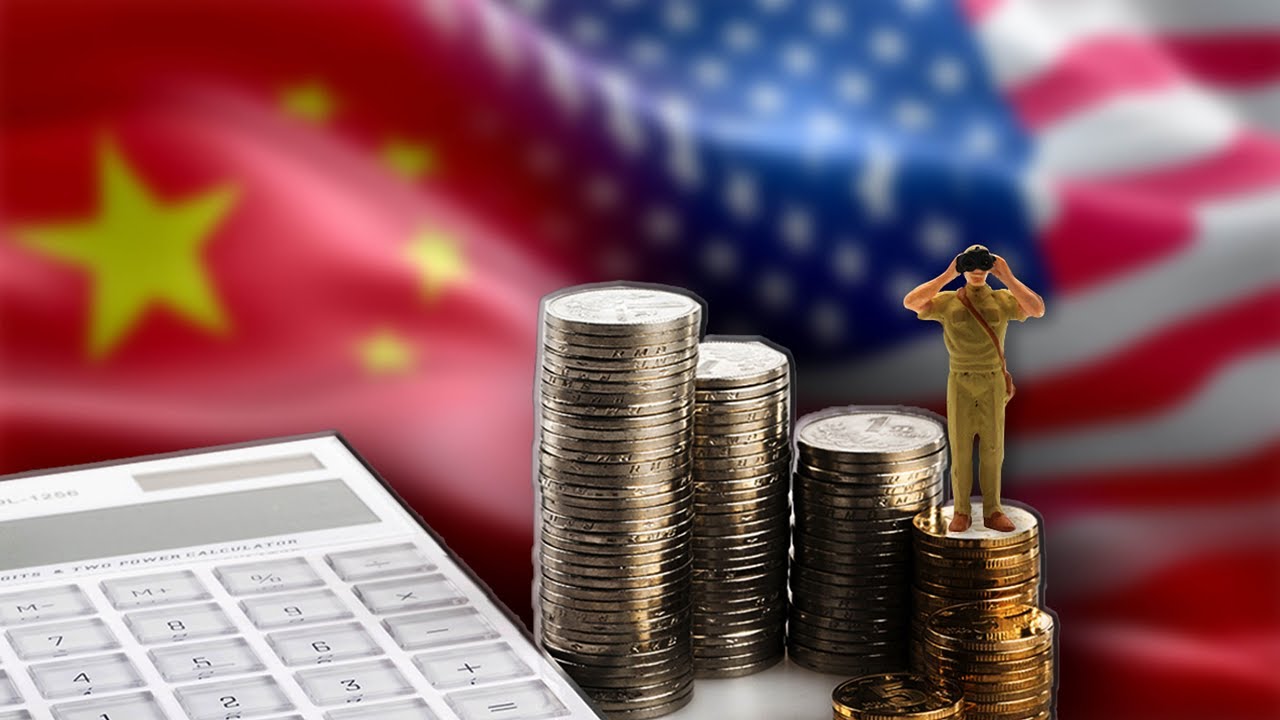
















The trade war between the United States and China, initiated under President Trump through aggressive tariff policies, represents not merely a trade dispute but a fundamental competition between two vastly different economic systems—the American free-market approach versus China's state-directed 'China Model'—with profound implications for global economic leadership, technological innovation, and the future balance of power in the 21st century.
US-China Trade War: Tariffs, Tech Conflict, and Economic Fallout
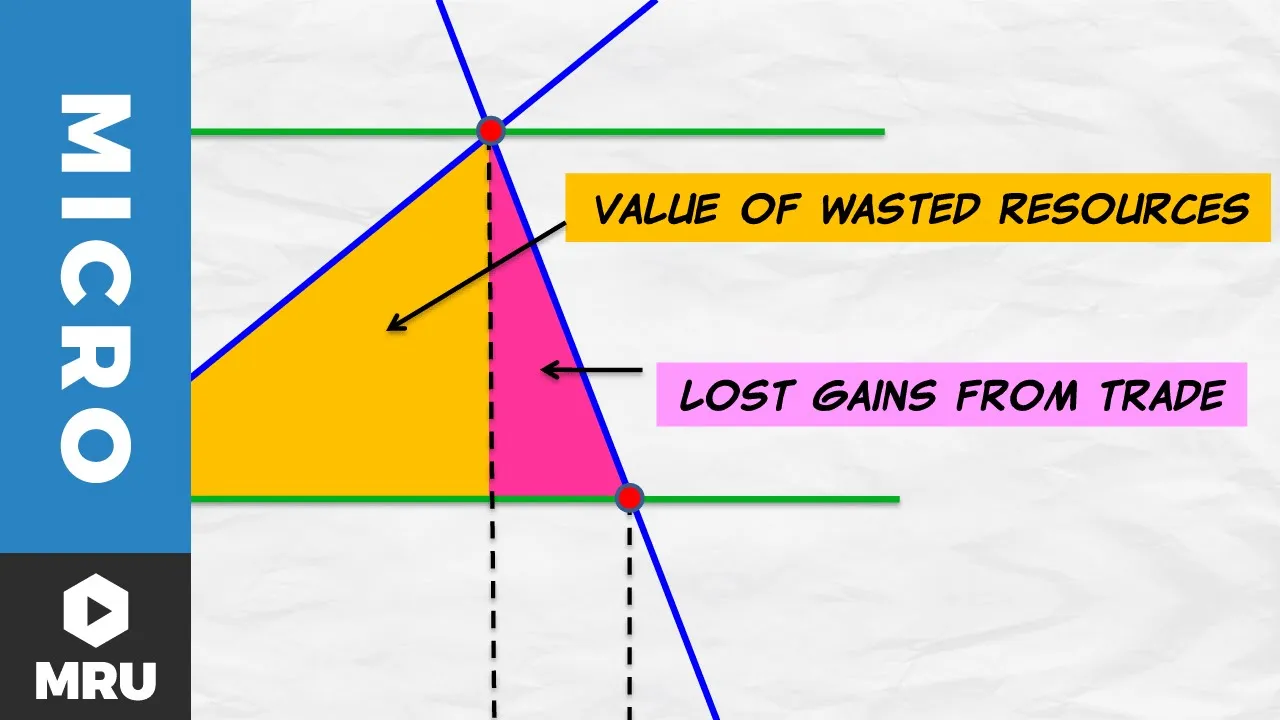
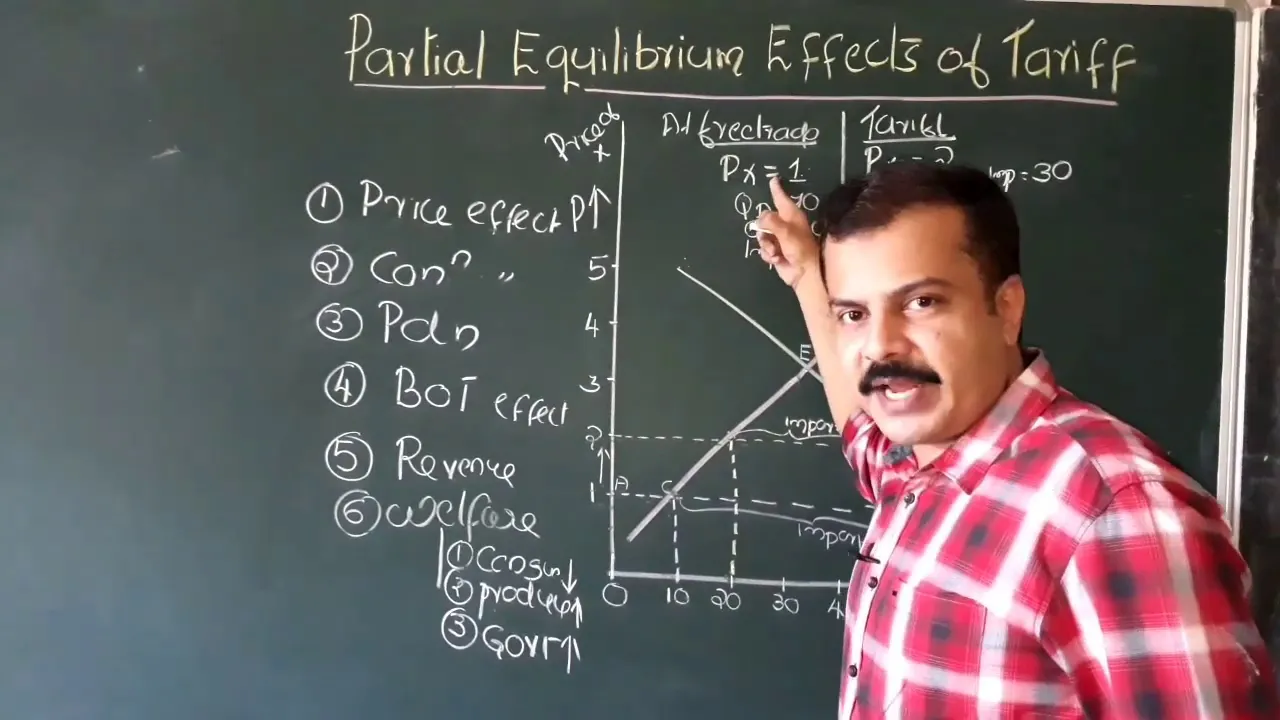
Added:The fundamental mechanics of tariffs, import duties, and how protectionist policies impact domestic and international market prices.
The concept of the balance of trade, specifically what constitutes a trade deficit and trade surplus between trading partners.
An understanding of global supply chains and the high level of economic interdependence between US and Chinese manufacturing networks.
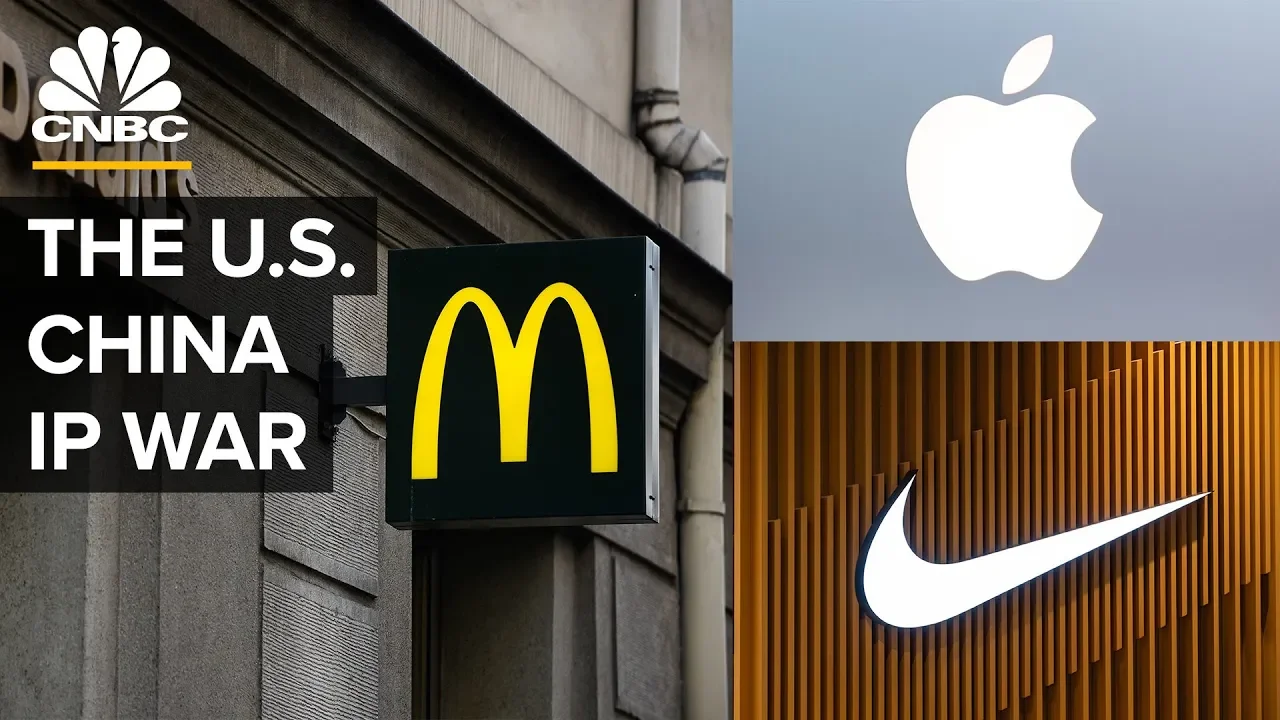
Basic principles of Intellectual Property (IP) rights and the controversies surrounding forced technology transfers in foreign markets.
The economic and logistical strategies of 'decoupling' and 'nearshoring', where corporations relocate supply chains to countries like Mexico or Vietnam to mitigate geopolitical risks.
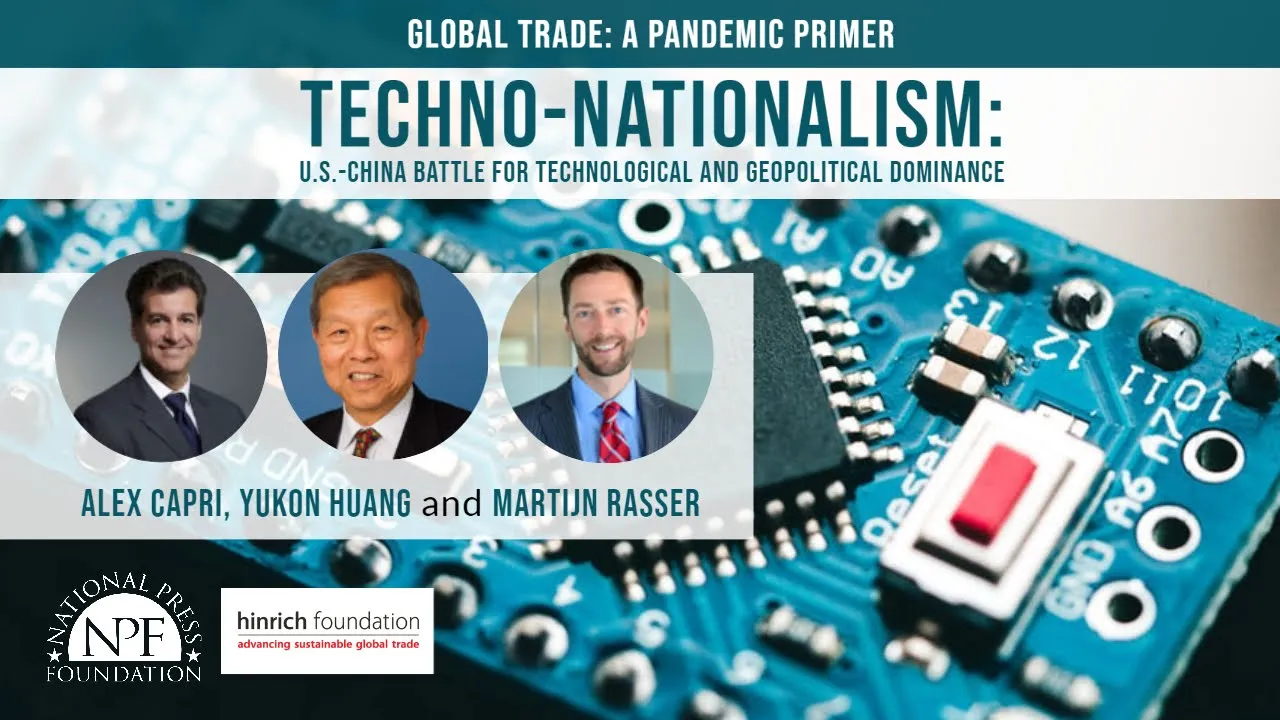
The study of 'techno-nationalism', including specific policy instruments like export controls on critical technologies (e.g., advanced semiconductors) and the US CHIPS Act.
The role of the World Trade Organization (WTO) in arbitrating trade disputes and the structural challenges it faces in enforcing rules during bilateral conflicts.
The macroeconomic consequences of long-term trade conflicts on currency valuation, global inflation, and foreign direct investment (FDI) patterns.
5.4M views36.3Klikes54:48Original Release: 2019-05-13
♪ ♪ >> NARRATOR: Tonight... >> The trade tensions are flaring up between the U.S. and China.
>> NARRATOR: With President Trump upping the pressure for a trade deal with China... >> President Trump announcing plans to increase tariffs on billions of dollars worth of Chinese goods... >> NARRATOR: "Frontline" and NPR correspondent Laura Sullivan investigate... >> China is going to be number one market from any perspective.
>> SULLIVAN: For G.E. or for everybody?
>> For everybody.
>> NARRATOR:...the forces behind the conflict... >> We're not in a trade war; we're in a techonomic war.
>> NARRATOR:...both here and abroad... >> This is a great power struggle.
>> SULLIVAN: Do you think that Americans should be worried?
>> Oh, yes, I think so.
>> NARRATOR:...and what's at stake.
>> Tariffs announced by the Trump administration.
>> China is now punching back.
>> China has a ten-year, a 20-year, a 50-year plan.
>> They've outsmarted us.
They've done some things that we don't agree with.
We've got to fix our system to compete with China.
>> We do have a chance to see the new cold war.
I think it's a comprehensive confrontation.
That's dangerous.
>> NARRATOR: Tonight on "Frontline," "Trump's Trade War."
♪ ♪ >> Wow, that's great. Yay!
>> Air Force One landing at the Palm Beach International Airport.
>> LAURA SULLIVAN: In April 2017, President Trump headed to Mar-a-Lago for the most important diplomatic meeting of his early presidency.
>> The key to Mar-a-Lago is, once Trump got there, as often he does, he finally focused on the schedule.
>> A very large delegation of almost every relevant Cabinet member... >> And said, "Hey, why are we having these big meetings?
I want to spend as much one-on-one time as possible."
>> First one president arrives, and then another.
>> SULLIVAN: Within hours, President Xi of China was on the ground, bringing together the leaders of the world's two largest economies.
>> One of the things that President Trump believes-- he believes in this totally-- is that personal relationships of great powers can make a difference.
>> The presidents face-to-face for the first time.
(cameras clicking) >> Thank you, everybody. Thank you.
>> There was a lot of time in the schedule with them literally one-on-one, being together and creating the relationship that the, the two big economies needed to have with each other.
>> SULLIVAN: The leaders seemed to connect.
And so did the families.
>> We wanted to make you feel at home.
>> Nihao. >> Nihao.
>> Hello, how are you?
>> That summit was important, because the two leaders established a strong personal relationship.
I think the image is that the two leaders sit together, and two family actually sit together.
President Xi and his wife had a very good interaction with President Trump.
>> We've had a long discussion already, and so far, I have gotten nothing, absolutely nothing.
But we have developed a friendship, I can see that.
>> Come on, thank you, thank you.
>> We say, "Okay, you see, President Trump is a president that we can work with, and he is someone that we can talk to.
He's a reasonable leader, and maybe he can do something the ordinary conventional U.S. leader won't do."
So the expectation was very high, and the hope was, maybe they can control the situation and they can work together to solve the problem gradually.
>> Thank you.
>> SULLIVAN: But long-standing problems between the countries were reaching a crisis.
And despite the promising start and all the optimism... >> I believe lots of very potentially bad problems will be going away.
>> SULLIVAN:...within a year, Trump would turn on Xi, imposing billions of dollars in tariffs and leading the United States into a perilous confrontation.
>> The fights were nasty that came out of Mar-a-Lago.
The most intense fights and debates in the White House were about this issue of tariffs, but tariffs as a proxy to the great economic war with China that we're engaged in.
There's no middle ground.
One side's going to win, and one side's going to lose.
And so we knew the stakes were high.
♪ ♪ (cameras clicking) >> On the frontline of the rapidly escalating trade war, American companies are bracing for battle.
>> SULLIVAN: Last fall, I headed to southwestern Ohio.
President Trump had fired the first shots in his trade war with tariffs on a wide array of imported Chinese goods, from electronics to furniture to steel.
>> President Trump turns up the heat on China.
>> SULLIVAN: I wanted to see first-hand how these tariffs were playing out on the ground.
>> As things come to a boiling point between the two largest economies in the world, tariffs are now hitting too close too home.
>> SULLIVAN: Trump claimed the tariffs would help American workers, boost U.S. businesses, and bring life back to places like this, which for decades had been hurt by automation and, more recently, imports from China.
>> President Trump says he's keeping a campaign promise to bring back steel-industry jobs.
>> On the streets of Middletown, the signs of economic struggle are everywhere.
>> SULLIVAN: The tariffs on imported steel were particularly welcome news to struggling communities like Middletown, where I met up with some steelworkers at a local coffee shop.
>> There used to be a mall down here.
We had three city parks and three city pools, and now there's none.
>> SULLIVAN: What did you think when you first heard that Trump was putting tariffs on steel?
>> I thought it was, you know, it was about time.
I've watched the, the farmers get their subsidies.
I've watched the banks bailout, the automotive-industry bailout, and I've just watched us wither on the vine for the last 30 years.
>> SULLIVAN: Do you think it's going to help the town?
Do you think it's going to help your hometowns?
>> Sure. >> Absolutely.
>> SULLIVAN: What are you expecting to see?
>> Everybody always talks about jobs and America, and we hear that all the time.
We want to see that, that reality happen.
You know, you can't just depend on foreign countries for, for steel.
We've got to make it in the United States.
>> We just want China to play by the rules.
>> Right. >> That's it.
We don't, we don't want a bailout.
>> SULLIVAN: So you're saying it's not that you want your industry propped up? >> No, not at all.
>> SULLIVAN: You want your industry... >> A level playing field.
>> SULLIVAN: You want a level playing field.
>> That's all we want.
>> SULLIVAN: But using tariffs to level the playing field has a flip side.
They've brought unwelcome consequences for many other U.S. businesses.
I saw that not far from Middletown.
>> The state of Ohio could be the hardest hit by this looming trade war with America's biggest trading partner.
>> SULLIVAN: At Industrial Tube and Steel, Damon Gaynor is in the business of buying and reselling steel.
>> We buy from a bunch of steel mills.
Our main bread and butter is distributing steel tubing.
>> SULLIVAN: Trump's tariffs on imported steel-- essentially a 25% tax-- ended up raising the price of American steel, too.
And that sent Gaynor's costs skyrocketing.
So how did you handle that?
Did you guys eat that, or did the customers eat it?
>> See, that's the hard part.
We just have to pass it along to the customer, our customer has to pass it along to their customer, and so on, down the chain.
>> SULLIVAN: Do you think that there'll be a point, though, where the, the end consumer will just say, "I, I can't afford this, this is too expensive"?
>> Yeah, I, I think there's always that risk, and that's the thing with tariffs is, are you kind of artificially messing with the price of, you know, what the market dictates?
>> SULLIVAN: And what people will be willing to pay.
>> And what people will be willing to pay.
Yeah, absolutely.
And I think that's the question with tariffs.
Is it going to do good, or is it going to do bad?
>> SULLIVAN: Manufacturers like Shepherd Chemical were also hit hard by the tariffs, especially when China retaliated with tariffs of its own.
>> So all these tanks around here produce various metal carboxylates.
>> SULLIVAN: C.E.O. Tom Shepherd sells products to China, and he also imports raw materials from China.
>> Our sales to China have gone down, and our raw materials from China have increased in cost.
>> SULLIVAN: How big of a problem is that for you?
>> Several million dollars of, of profit lost, in a year.
>> SULLIVAN: Okay. Yeah, you're getting it from all sides, then.
>> Yeah, that's right.
If what we're trying to do is protect the American economy, this is a bad way to do it.
>> SULLIVAN: But despite the uneven consequences, President Trump was all in on the tariff strategy.
It's a strategy he's been talking about for years, as far back as the late 1980s, when he first tested the possibility of becoming president.
>> Our guest, the famed developer Donald Trump of New York... >> SULLIVAN: Back then, Trump's target was Japan and its trade practices.
>> The fact is that you don't have free trade.
We think of it as free trade, but you right now don't have free trade.
And I think lot of people are tired of watching other countries ripping off the United States.
This is a great country.
>> He believed from the beginning that there's really nothing worse than being laughed at.
>> They laugh at us behind our backs, they laugh at us, because of our own stupidity.
>> And he came to see the Japanese as laughing at the United States and taking advantage of the United States by stealing the jobs, by dumping product here.
>> We let Japan come in and dump everything right into our markets and everything.
It's not free trade.
If you ever go to Japan right now and try to sell something, forget about it, Oprah, just forget about it, it's almost impossible.
>> SULLIVAN: After Japan's economy cratered, Trump shifted his ire to a rising economic power, China.
>> They are ripping us like we've never been ripped before.
If you look at Japan, if you look at China, where we lose $100 billion a year with China... >> He's been saying the same thing for 30 years.
Donald Trump has a very binary view of life and certainly of the world.
And, and so to confront China, which he perceives as America's most important and dangerous rival, and to be able to use blunt instruments against them, and to come out and at least be able to say that you are a winner and they are a loser, there's, it's hard to imagine anything more appealing to the core of his personality.
>> Please welcome the next president of the United States, Mr. Donald J. Trump.
(people applauding and cheering) >> SULLIVAN: By 2016, Trump's message had finally found an audience.
And his focus on trade and China had found its moment.
>> First time I ever met Trump, I was, you know, coming out of Goldman Sachs, and, and being somebody that had been in finance for a number of years, I was set to be unimpressed.
I was actually very impressed.
Now, he didn't know a lot of details.
He knew almost no policy.
But what I found most extraordinary was, when we got to the section on China, which I kind of threw out there, of a two-hour meeting, almost 30 minutes or more was all about China.
>> We have a $500 billion deficit, trade deficit with China.
>> And you've got to remember, a lot of this he was just reciting everything he'd heard from Lou Dobbs.
>> We're talking about a trade deficit of $315 billion last year with the Chinese.
>> He's been a guy that's watched Lou Dobbs for 30 or 40 years.
And the only thing he had formed as a worldview was China.
>> Because we can't continue to allow China to rape our country, and that's what they're doing.
It's the greatest theft in the history of the world.
>> He talked in this kind of vernacular that, that kind of hit people in the, in the gut, and particularly when he talked about trade and jobs and jobs shifting overseas.
>> SULLIVAN: What was his message to these people on trade? "China's to blame"?
>> Yeah, the message's very simple, is that, "The elite shipped the jobs overseas, and I'm going to bring them back."
>> Thank you, Indiana.
>> SULLIVAN: That message helped propel Trump to the presidency.
And once there, he assembled his team of advisers on trade.
To oversee economic policy, he brought in the former president of Goldman Sachs, Gary Cohn.
>> The job I had in the White House was to convene everyone who basically had an opinion on an economic topic, and try and come up with a recommendation or two, or present to the president completely diametrically opposed opinions and allow the president to make a decision.
>> In the Roosevelt Room, we would have a trade meeting every Tuesday, and then we would take some version of that into the Oval in a smaller group.
If you take all the other nastiness on the things like the Paris Accord and TPP, all this other stuff, roll it up, and put it to the factor of ten, they don't compare to these weekly nasty trade meetings.
♪ ♪ >> SULLIVAN: From the start, the weekly trade meetings surfaced deep divisions among Trump's advisers over how to deal with rising economic tensions with China.
The two camps came to be known as the globalists and the nationalists.
On the one side, the globalists included former Wall Street executives like Gary Cohn and Steve Mnuchin.
On the other side, the nationalists included Bannon, along with Robert Lighthizer and Peter Navarro, a hawkish economist whose film "Death by China" caught Trump's attention.
>> One of the most urgent problems facing America, its increasingly destructive trade relationship with a rapidly rising China.
>> SULLIVAN: The two camps disagreed sharply over whether aggressive measures like tariffs would help or hurt the American economy.
>> We had a mindset that to be a great power, you know, it wasn't just your military.
You had to be a great economic power.
And a great power had to be built upon, had to be built upon a great manufacturing base.
To "make America great again," you've got to bring manufacturing back to the country.
>> SULLIVAN: Some of the people that are very pro-tariff right now make an argument that the United States has lost its manufacturing base, and that this is actually real people's lives at stake here.
>> Well, the data would show manufacturing jobs have gone down in the United States, so I understand where they're saying there.
The flip side is, factory output, or what we produce in the United States, has actually gone up.
There's this thing called technology that's happened in the United States.
Factories have changed.
But we have also created millions upon millions of jobs in new industries that didn't exist 20 years ago.
>> SULLIVAN: The split between globalists and nationalists was about more than just industrial policy.
It reflected a fundamental difference over how best to confront China and what each saw as the endgame.
>> The nationalists said, "This is a great hegemonic, you know, great-power struggle."
It's definitely two systems that couldn't be more radically different, right, and, and one of these two are going to win.
We need not just a trade deal, we need fundamental structural changes in your economy.
>> SULLIVAN: Some of your former colleagues have sat exactly where you are and said, "This is a winner-takes-all situation."
>> Yeah, I, I understand that, and that's the nationalist versus the globalist.
>> SULLIVAN: Yeah. >> The globalist, okay.
As a globalist, as a market practitioner, I think that we can have a globalized world that works well.
The question is, "Can we both be complementary to each other?"
I think the answer is yes.
>> These arguments would get quite personal.
We would get through the facts quickly, because the two sides are just never going to agree what the facts are.
Then it would get, then it would get personal.
>> From time to time, there were people that tried to use un-footnoted, undocumented facts.
It's my job to get rid of the undocumented, un-footnoted facts, and make sure that those don't enter the Oval Office.
>> And a couple of times, we had blowups.
I mean, there was a blowup in the Oval Office that Kelly had to... we kind of... the first couple of days General Kelly was there, we had to exit and go back into the Roosevelt Room, and it's kind of a, it's kind of, uh, in-your-face with a couple of people.
>> SULLIVAN: Where was Trump while these two parties are on different sides of this?
>> He has a default position.
His default position is, you know, "Build the wall."
His default position is, "Engage, engage China in the economic war."
You know, "Get tariffs," but he's going to let you fight it out.
>> President Donald Trump arrived in China for his first official visit there.
>> SULLIVAN: With the battle between the two camps playing out, Trump headed to Beijing in November 2017.
It was a royal welcoming... (band playing march)...filled with pomp and ceremony, and the two leaders seemed ready to work together.
(band continues playing) Their negotiators agreed on a plan for China to buy billions of dollars in U.S. products, like beef and natural gas.
♪ ♪ But behind the celebrations, Trump's nationalists had devised a different plan.
>> We had a couple of tricks up our sleeves.
Navarro and I start to dust off the, the secret weapon we had, to call a national security emergency, kind of what we're doing on the border right now.
(people applauding) To use the national security emergency powers that are invested in the Defense Department to really start to go after steel, aluminum, maybe autos, but eventually technology.
It's time to get it on.
>> SULLIVAN: By March 2018, the president was ready to take action.
>> Thank you very much, everyone.
We have with us the biggest steel companies in the United States.
They used to be a lot bigger, but they're going to be a lot bigger again.
>> SULLIVAN: Executives from the steel and aluminum industries were hastily gathered in Washington.
>> They were all called to the White House, had the meeting.
And at that time, the president announced what he was going to do.
>> Next week, we'll be imposing tariffs on steel imports and tariffs on aluminum imports.
>> SULLIVAN: What was the reaction?
>> The reaction was surprise.
>> It will be 25% for steel.
It will be ten percent for aluminum.
>> This moment was a seminal moment in trade policy, because it's the most aggressive use of this kind of trade law approach ever.
This is done under the theory of national security.
>> And we need it. We need it even for defense.
If you think, I mean, we need itfor defense.
We need great steelmakers.
>> Steel was important to our national security broadly.
Military, critical infrastructure, and the economy as a whole.
And that had never been done before.
>> Thank you very much, everybody, thank you.
Thank you very much.
>> SULLIVAN: The sweeping steel tariffs also surprised America's closest allies.
It turns out, those tariffs hurt U.S. allies more than China.
That's because allies like Canada sell much more steel to the U.S. than China does.
At the State Department, the top China specialist quickly started getting complaints.
What were some of the United States' allies saying?
>> Well, certainly the allies were very much taken aback that they were the target of the steel tariffs.
They don't understand the focus on tariffs, they don't understand the focus on deficits, they don't understand the rejection of the international trading, you know, norms and institutions.
They don't understand the U.S.'s rejection of global free trade, since this is the system that we basically set up.
>> SULLIVAN: Trump had upended decades of U.S. trade policy, determined to start a fight he felt was his.
>> In several meetings, even in high-level meetings with the president, some foreign leaders, you know, offered, they said, "We want to help with China, we want to do this together with you."
But he seemed to think that this was his fight alone and that he wanted to do it mano a mano.
>> SULLIVAN: At that point, were you disappointed?
Were you frustrated?
>> If you adamantly believe that something doesn't make sense, you're personally disappointed, but, ultimately, it's not your decision to make.
>> SULLIVAN: Within a month, Cohn would leave the White House.
The nationalists had won.
>> President Trump turning tough trade talk into action.
>> New tariffs announced by the Trump administration on $50 billion worth of Chinese exports.
>> China is now punching back with an equal amount of tariffs on American exports.
>> President Trump has just slapped tariffs on another $200 billion of Chinese exports.
>> Igniting the biggest trade war in economic history.
(train bell ringing) >> SULLIVAN: This was the tariff fight that had first brought me to Ohio.
It's what was dominating the headlines and the politics.
But the view was much different 7,000 miles away, in China.
♪ ♪ I arrived in Shanghai last fall, in the middle of what was being billed as the world's largest import expo, a week-long trade extravaganza that drew more than a million people.
It had been eight months since Trump's first tariffs, and I wanted to hear what businesses at the expo had to say about the trade war.
♪ ♪ Thousands of companies from all around the world were here... (man speaking on P.A. system)...focused on selling their products in the growing Chinese market.
>> We have actually a, a very special Italian wine.
The cream of the top of the Italian wines.
>> SULLIVAN: U.S. companies have been doing business here for decades and seemed unfazed by the trade war.
>> China is going to be number-one market from any perspective, and... >> SULLIVAN: For G.E. or for everybody?
>> For, for everybody.
>> SULLIVAN: With 1.4 billion customers, China's a market U.S. companies can't resist.
>> We've been in the China market for 34 years.
We have over 40 wholly owned or joint-venture subsidiaries in the market.
So very, very important to DuPont.
>> SULLIVAN: It seemed like business as usual.
So what do you think the trade war will do?
>> That's another thing you really just have to not worry about, because today I met myriads of Chinese businesspeople... >> SULLIVAN: Okay. >>...men and women, that look you in the eye, and they want to do business with you.
>> SULLIVAN: They do. >> And you're going to find a way.
>> SULLIVAN: It was hard to gauge if Trump's tariffs were having any impact here.
As I traveled around the country... Nihao. >> Nihao.
>> SULLIVAN: Hello. Some Chinese businesses told me they'd been hurt a bit, and others not much at all.
When it came to the trade war, even the government was downplaying it.
One of China's top trade officials agreed to talk to me.
>> SULLIVAN: Why do you think the U.S. and China are in a trade dispute right now?
>> I think we may have different perceptions.
We think that the Pacific Ocean as, in President Xi's words, "Big enough to accommodate the two economies."
We do not want to have a war, even a trade war, with any country in the world.
And we do not have the secret strategy to replace the United States as the global superpower.
♪ ♪ >> SULLIVAN: But U.S. companies have long complained about an economic strategy that China does use.
They say it gives Chinese businesses an unfair advantage.
The government plays a heavy hand in the market here, through massive subsidies and support.
Special economic zones, for example, have been created to spur industries the government believes are critical to China's success.
I found one six hours south of Shanghai, in the industrial port city of Wenzhou.
This economic strategy is called "The China Model."
>> The China Model is a blend between national control and ownership of resources and economic activities dominated by private entrepreneurs.
90% of the new jobs are in the private sector, but all the land is still owned by the state.
Control of energy resources controlled by the state.
Control of the financial system, basically by the state.
So you come up with this socialism with Chinese characteristics, or socialist market economy, which is what China calls itself.
>> SULLIVAN: Here in Wenzhou, the government has prioritized high-tech development, providing support to companies like WM Motor to build electric cars.
In 16 months, WM built a massive manufacturing facility that will be able to produce 200,000 electric cars a year.
(music playing in commercial) >> We focus on the intelligent smart car.
>> SULLIVAN: And this is them? These are the cars?
>> Yes, this is actually the very early-stage car... >> SULLIVAN: Freeman Shen is the C.E.O. of WM Motor.
♪ ♪ The China market for auto sales is now the biggest in the world.
It's also where American car companies make some of their biggest profits.
But they're facing increasing competition from Chinese companies, like WM.
How does this represent sort of a changing China?
>> Oh, interesting.
You know, when a country upgrading the whole industrial base, the best example would be a, a vehicle, the car industry.
>> SULLIVAN: Car industry.
>> Yeah, car industry is the representative of the whole industry.
>> SULLIVAN: You're saying, like, the, the cars are the, the bellwether of how a country... >> Exactly, exactly-- exactly.
>> SULLIVAN: Why, why do cars... >> Because, you know, it's assembly of all kind of technology.
It's equally software, mechanical, lighting.
You've got, cybersecurity's in there.
>> SULLIVAN: So you're saying that countries that can build a car... >> You've got all kind of industry very strong before you can build a strong car in that country.
>> SULLIVAN: And if you can build a car, it means you are moving up the technology chain.
>> Exactly, exactly. >> SULLIVAN: You're coming up.
>> The value chain, basically. >> SULLIVAN: The value chain.
>> Is going up.
>> Well, the Communist Party has long seen the automotive industry as a pillar industry.
And so they've devoted huge amounts of resources and policies towards building up that industry.
It's all about bringing China up into the top tier of global economies, in terms of its manufacturing capabilities and technological capabilities.
You're not going to get rich, you're not going to become a superpower if you're just making the low-end stuff.
♪ ♪ >> SULLIVAN: The state-sponsored China Model is credited with transforming the country's economy.
China's middle class is now bigger than the entire United States.
And its economy is growing twice as fast.
This success has become a major source of tension in the trade war.
>> The question is, is America complaining about the way China handles economy, or is about China's legitimacy to become a prosperous and powerful country?
Our population is four times bigger than the U.S.
We have 1.3 billion people. Right?
You have 300 million people.
So China's economy should be four times higher than the U.S. economy. Now we are only... >> SULLIVAN: That would be difficult for people in the United States to accept. >> Yeah, of course, I know, this is, this is difficult to, to accept, right?
Today we are only 60% of the size of the U.S.
I think we do have the right to be at least as powerful as the U.S. and even, one day, much powerful than the U.S.
>> SULLIVAN: Do you think that Americans should be worried?
>> Oh, yes, I think so. >> SULLIVAN: Yes, they should?
>> You know, the Chinese government thinking we are become stronger and stronger.
>> SULLIVAN: Yeah. >> And the U.S. still number one, big brother, right? >> SULLIVAN: Big brother.
>> And hope that big brother not trying to punch me on my face.
And big brother were thinking, you know, "This little brother someday probably will do something to me."
I think that the... it is... I think that really depends on the, the intelligence of both countries' leader to make sure.
Worry is fine. But please don't fight.
♪ ♪ (audience applauding) >> SULLIVAN: But back in the U.S., Trump was eager to escalate the tariff fight.
>> Thank you very much.
>> SULLIVAN: In fall of 2018, he upped the ante by threatening even more tariffs.
>> As you know, we have $250 billion at 25% interest with China right now, and we could go $267 billion more.
And China wants to talk very badly.
And I said, "Frankly, it's too early to talk."
Can't talk now, because they're not ready.
Because they've been ripping us for so many years.
>> SULLIVAN: Trump's position was that it was time to hit back, and that prior administrations had been too soft on China.
>> They have a surplus of $375 billion-- with a B-- with the United States, and it's been that way for years and years and years.
I don't blame China, I blame our leadership.
They should have never let that happen.
And I told that to President Xi... >> SULLIVAN: But while Trump was blaming his predecessors, we were hearing about other reasons why the problems with China had gone on so long.
Dozens of interviews we did in China and the U.S.
pointed to an unlikely obstacle-- American businesses themselves.
>> They were worried about the operations they had in China, whether they would lose the profitability.
>> SULLIVAN: One of the biggest problems the U.S. has had with China over the years is what's come to be known as forced tech transfer, where companies wanting to do business in China say they're pressured to give up their technology.
>> China started adopting what were called indigenous innovation policies to make sure that their own companies, state-owned or otherwise, were going to be the ones who really were the leaders in the new economy.
>> SULLIVAN: So you're saying they didn't compete fair.
>> They engaged in predatory and protectionist policies.
They demanded that many foreign companies seeking to come into their market had to do it through joint ventures with their own firms.
And in many cases, requiring that their technology be transferred to empower Chinese entities to become, you know, great world companies.
>> SULLIVAN: China wasn't supposed to be doing this under rules set by the World Trade Organization, which it had joined in 2001.
And though China says it has no official policies forcing companies to hand over technology, U.S. trade officials started getting complaints about the practice just years after China joined the WTO.
But the complaints came with a catch.
>> Companies would come in and complain.
They'd have great information, but, "Oh, by the way, you can't use any of this, but solve our problem."
And so that was always a challenge.
>> SULLIVAN: Why did that make it harder?
>> It made it harder because you couldn't really prove your case.
>> SULLIVAN: So you saw the U.S. business community not only say, "Don't use my name," but they would say to your office and the administration, "We don't even want you raising this issue too loudly."
>> Right, right, right.
>> SULLIVAN: "Because if you raise this too loudly..." >> "They're going to think it's us, and we will be hurt."
>> SULLIVAN: And they had too much money at stake.
>> They had a lot of money at stake.
>> SULLIVAN: How did that... sort of having your hands tied behind your back in a way, how did that affect, in the long run, the, the U.S. position against China?
>> Yeah, it probably emboldened China a bit, right?
Because as more and more problems came up, individual companies were very spooked and didn't want to, you know, visibly be associated with any strong action by the U.S. government.
♪ ♪ >> SULLIVAN: By 2008, U.S. companies were facing more and more competition from Chinese companies, and China was becoming an economic force.
>> The Chinese tonight reaching their hands out to the world in a really unprecedented way.
>> SULLIVAN: The China Model was working, and ready for prime time.
That opening ceremony, do you remember it?
>> I was there. >> SULLIVAN: What did you see?
>> Oh, my God.
I sat up in a high seat, and I was around all these Chinese people who'd come in from all over the country. >> (cheering) >> They were beaming with pride.
>> SULLIVAN: What do you think the world saw?
>> The world saw a pretty incredible place.
I think it blew the world away.
On... "Holy cow."
And all of a sudden, they just do this incredible opening ceremony.
(crowd cheers) They know how to put on a show.
It was like the biggest coming-out party in history.
>> (cheering) >> It was go-go years in Beijing.
Everything was possible.
You know, and there was still a lot of respect for the U.S.
and the U.S. economic system, the U.S. financial system.
And, you know, there was still a lot of respect for the big banks, and the idea that the U.S.... they understood how to run a financial market.
And then... the crash happens.
(closing bell ringing) >> A meltdown on Wall Street, the worst since 9/11.
>> The worst financial crisis in modern times.
>> Three of the five biggest investment banks are gone.
>> You can see it in some of the policy circles and the, sort of the academic writings, the Chinese think tanks, but I just saw that with my friends was this idea of, like, "We thought you guys knew what you were doing."
>> A crisis which is unraveling homeownership, the middle class, and the American Dream itself.
>> I definitely look at the, the financial crisis, 2007, 2008, as a, as a really key turning point in how the leading Chinese thinkers saw the U.S., where the U.S. maybe was up here in terms of something to emulate in certain ways, went down to here or lower, because basically the emperor has no clothes.
>> The attitude changed profoundly.
C.E.Os. who used to be able to go see the, the premier, and president, they would come, and they would have to meet a low-level official, who would berate them.
It was very stark.
But you got to remember, for, for all these years, we had, you know, we had low-voltage congressmen or businesspeople coming in and, and shaking their finger in Chinese, saying, "You should have all the children you want, you should do this, you should do that."
And these very capable Chinese people would just bite their tongue and say, you know, kind of, "Thank you for your wisdom," because they, they needed, they needed America, they needed, they needed us, so they had to tolerate us.
Then all of a sudden, global financial crisis, and it was payback time.
It was, like, "You listen to us for a while."
(crowd applauding) >> SULLIVAN: Publicly, China would promise to open its markets more to U.S. business.
>> The new Chinese leader is revealed.
>> SULLIVAN: But internally, it would double down on the China Model.
>> (speaking Chinese) (translated): China needs to learn more about the world.
The world also needs to learn more about China.
>> SULLIVAN: And under Xi Jinping, it embraced an ambitious national plan, called "Made in China 2025," that put even more focus on dominating key global industries.
>> There is this belief that China is destined to return to its former glories, and you can't restore your, your fabled glory if you're not the leading country in all sorts of areas, be it military, be it technology, be it, be it manufacturing.
♪ ♪ >> SULLIVAN: But early on, U.S. businesses discovered China was also using other means to get ahead.
>> In early January of 2010, I get a call from Google, who had just announced that they had been hacked.
>> Google traced the sabotage back to China.
>> In the course of the investigation, they actually realized that there were many more companies that had been targeted.
>> Not only was Google itself targeted by the cyber-spies, but so were at least 20 other major corporations.
>> SULLIVAN: You thought at that time, "This is something bigger."
>> For the first time ever, we were facing a nation-state, an intelligence service, that was breaking into companies, not governments, not militaries, but private-sector organization.
>> In all more than 72 organizations were hacked by spies, dating back to 2006.
>> SULLIVAN: The Google hack led to revelations about dozens of other Chinese cyberattacks.
>>...dubbed Operation Shady Rat.
Is it coming from one particular place?
>> SULLIVAN: And Alperovitch was called to the White House Situation Room to brief Obama's top national security officials.
>> I briefed them on what we were seeing with both Aurora, Night Dragon, Shady Rat.
>> SULLIVAN: What did they say?
>> My impression was none of this was a surprise.
And when I pressed them on why they were not taking stronger action against China, their response was, "It's complicated." >> SULLIVAN: "It's complicated."
Did they explain that?
>> Well, they were telling me straight out, "Those same customers that are getting victimized by China, they are the same companies that are coming in to tell us, 'Don't do anything to harm the relationship with China.
We want to continue doing business there.
We want to continue making money there.
We need that market.'"
>> You know, the, the U.S. government listens to companies, so if the companies are saying, "Chill," they'll chill.
>> SULLIVAN: How can businesses walk into United States agencies and complain about being treated unfairly, if they're the ones that are preventing any action from being taken?
How do they get to have it both ways?
>> Sometimes two things can be true at the same time.
I mean, their incentives are to make money.
If your business is in China, Xi Jinping is more important to you than Donald Trump or Barack Obama.
And it's, it's not that these are bad people who don't care about America, but their incentives are to shareholders, not to the government of the United States.
(band playing "Hail to the Chief") >> SULLIVAN: Neither Google nor any of the other companies we contacted about cyberattacks would agree to talk to us.
And Chinese officials deny they've been involved in such practices.
But by 2015, American businesses and government officials were increasingly alarmed.
In negotiations with President Obama, Xi pledged that China would not engage in economic cyber-hacking.
>> I believe that we have made significant progress in enhancing understanding between our two nations.
>> SULLIVAN: Obama also brokered a major trade agreement with allies, the Trans-Pacific Partnership, or TPP.
(crowd applauding) It was supposed to put pressure on China to fix the growing economic problems between the two countries.
But all of that would come unraveled with a new president in the White House.
(march playing) Trump quickly withdrew from the TPP agreement.
And by the fall of 2018, with his own trade negotiations stymied, the conflict was widening.
The administration took a tough turn, confronting China aggressively.
>>...releasing a new report tonight detailing just how big the threat China poses.
>> SULLIVAN: It accused China of breaking the cyber agreement... >> Chinese intel officers charged with hacking U.S. businesses... >> SULLIVAN:...and engaging in widespread technology theft.
>> This latest indictment adds to the growing tension between the U.S. and China in the middle of this fierce trade war... >> Now, through the Made in China 2025 plan, the Communist Party has set its sights on controlling 90% of the world's most advanced industries, including robotics, biotechnology, and artificial intelligence.
>> Really an extraordinary speech, attacking China on the domestic politics front, the trade front, and the military front.
>> Chinese security agencies have masterminded the wholesale theft of American technology.
>> They don't want to wait 20 more years to catch up.
They're just reaching into the cookie jar and taking whatever they want... >> And using that stolen technology, the Chinese Communist Party is turning plowshares into swords.
>> That speech was not a hawkish speech, that speech was a declaration of economic war and potentially a real war.
>> In China, it was read by everybody all the way up to the top.
>> Did the vice president issue any kind of evidence?
>> SULLIVAN: As what? >> As a harbinger of, you know, something really, really different and something that was really alarming for them.
>> SULLIVAN: Why was it alarming for them?
>> It was a very unnuanced, undiplomatic speech.
It was kind of a bill of indictment.
>> Both China and the United States need to make an effort to make sure that the bilateral relations do not get out of control.
>> Our message to China's rulers is this: This president will not back down.
(audience applauds) >> That was the point of no return, and it's not being acknowledged enough.
It was the most important speech of the whole Trump administration.
♪ ♪ >> SULLIVAN: Early on, the focus of the trade war had been on tariffs and reviving 20th-century industries.
But it'd now become about far more.
About who will dominate the cutting-edge industries of the 21st century.
So I headed to Silicon Valley, where the battle was being waged.
>> The fear inside this White House is that China is using its vast financial resources to leap ahead, technologically, of the United States.
>> SULLIVAN: The Trump administration was trying to restrict China's access to valuable technology developed by American companies.
>> First up, though, this morning, the Trump White House announcing a pivot.
>> Using existing law related to national emergencies to restrict Chinese investment in sensitive technologies.
>> SULLIVAN: On Sand Hill Road, I met one of the most experienced high-tech bankers in the valley, who was troubled by what he was seeing.
He told me about a flood of calls he started receiving from Chinese investors about five years ago.
He remembered one Chinese investor in particular.
>> He'd been sent to invest in technology; could I help?
And I said, "Well, what kind of technology?"
And he, he had difficulty answering the question.
And if I pushed him hard, clearly in the end, it would be artificial intelligence, semiconductors.
Maybe things having to do with automotive.
>> SULLIVAN: The Chinese government's top priorities.
>> The Chinese government's top priorities, right.
And, and then I said, "Well, how much do you have to invest?"
And he claimed that he had access to a billion dollars.
>> SULLIVAN: A billion dollars? >> Yeah.
And then I met a private equity firm that had $15 billion from some entity in the Chinese government.
>> SULLIVAN: How much money? >> $15 billion.
>> SULLIVAN: With a B. >> Yeah, and they told me that their only, their only mandate was to invest in semiconductors.
>> SULLIVAN: What did you think of that?
>> I thought, "This is... I don't know if this is good."
>> SULLIVAN: I mean, you've been at the heart of Silicon Valley financing... >> Yeah.
>> SULLIVAN: For 35 years. >> Yeah.
>> SULLIVAN: What do you think is happening here?
>> I think China is doing its absolute best to make itself self-sufficient, from a technological point of view.
They realize that in order to accomplish that, they either have got to start pedaling faster on their own, or they've got to buy a lot of technology.
(talking softly in background) >> SULLIVAN: That one. Thank you.
At Stanford University, I found investors and entrepreneurs grappling with China's high-tech ambitions.
>> Silicon Valley is very much at the heart of the trade war.
>> SULLIVAN: Why do you say that?
>> The U.S. needs to keep a technological advantage.
Silicon Valley, it's generating a lot of the innovations that are powering the U.S., in terms of all sorts of different technologies.
>> On this chart, in terms... >> Somebody from the business community said, you know, "We're not in a trade war, we're in a techonomic war."
And I think that's what we probably are really worried about.
>> A lot of Chinese technology companies invest heavily in 5Gs... >> Now there are areas where they're actually, you know, quite competitive, and some areas where they even seem to be maybe having an, an edge.
>> And you know what?
Chinese companies already working on 6Gs.
>> SULLIVAN: Despite their worries about China, people here also depend on Chinese investments and were concerned that the Trump administration would go too far.
Do you think the administration had good reason to clamp down on investments from China in Silicon Valley?
>> I think so, but there's a difference between, "Yes, there's a problem," and the response being measured, appropriate, and grounded.
I think they, they may end up operating to our detriment broadly economically, but also, without the ability to collaborate, it's going to be very difficult for the U.S. to keep up.
>> Business used to be the ballast in the relationship, because American companies made money, American consumers got cheap goods, kept inflation down.
China got know-how, capital, et cetera.
The business relationship is now the major conflict, 'cause we're both going for all the technologies of the future.
We're both racing for global leadership influence.
So now business is, is an irritant, and it's the conflict.
♪ ♪ >> SULLIVAN: As I drove around the valley, I could see the challenge of this high-tech conflict.
Chinese businesses are visibly present, tightly connected to the economy.
And few people I met here thought the Trump administration's hard line on China would be good for anyone in the long run.
>> The endgame here is the decoupling of the American and Chinese economies.
>> Which, by the way, is already underway, and it's going to continue.
>> I think there are people who think that sealing ourselves off is, is ultimately the best solution.
>> SULLIVAN: To break China and the United States' economies apart. >> Yeah.
But that seems so sad, because we could do so much for each other.
If your goal is to stop China from advancing, you're not going to accomplish that anyway, because they'll, they'll just innovate around you.
Why would you want to stop anybody from making progress?
I, I don't see that.
What I think our goal should be is to... >> SULLIVAN: Some people would say because they could become more powerful in the world marketplace than, than the United States.
>> The better goal is for us to spend time on becoming more powerful ourselves, I think.
♪ ♪ >> SULLIVAN: That was a sentiment I'd been hearing throughout my reporting on the trade war.
And back in Ohio, where I'd first seen the impact of the tariffs.
>> The future is on the line for more workers at General Motors.
>> SULLIVAN: People were making the same point in the face of seemingly unstoppable economic forces.
>> A large American factory stopped production today... >> SULLIVAN: Earlier this year, the GM plant in Lordstown stopped producing cars... (horn honking, crowd shouting) the latest hit to auto workers.
>> This plant can't close.
When it first opened, it was the largest plant under one roof in the world.
>> (chanting) >> SULLIVAN: With China aggressively pursuing next-generation technology, the talk in Lordstown that day was how this plant could be transformed to keep the U.S. competitive.
>> My personal hope is that General Motors, which is investing billions of dollars in all-electric, emission-free, green cars, will decide to build them right here.
(car horn honking) >> We've got to fix our system to compete with China.
We've got to internalize some of this blame and not spend all our time blaming it on China.
They've outsmarted us, they've done some things that we don't agree with, they've done some things against the agreements they've made, but they're focused and moving ahead.
>> China has a plan.
They got a ten-year, a 20-year, a 50-year plan.
I mean, we really need to get serious about this in, in terms of electric vehicles, in terms of, of new technology, in terms of manufacturing, and make sure that our government is supportive.
>> We didn't do what China's doing.
We didn't look at, "Where are the industries of the future?
Where do... what kind of training do we need?
What kind of people do we need?
What kind of incentives do business need to do this?"
This is where, actually, the Chinese system that we've always looked down on actually has an advantage now.
♪ ♪ >> SULLIVAN: Over the past several weeks in Washington, President Trump has been upping the pressure to get an agreement on at least some of the long-standing issues.
>> We are rounding the turn.
We'll see what happens.
We have a ways to go, but not very far.
>> What's still left to agree to, sir?
>> We have things, we have things.
We're talking intellectual-property protection and theft, we're talking about certain tariffs... >> SULLIVAN: Despite challenges, he says a deal is possible.
>> This is the granddaddy of them all, and we'll see if it happens.
>> SULLIVAN: But whether a deal is made, Trump's trade war has heightened the economic conflict.
>> I think I'll quote my Chinese friends... >> SULLIVAN: And the specter of a prolonged rivalry looms large.
What does Trump want from China?
What did the camp in the White House that you were in, what do you want?
>> I believe you need... you need actually a change of the top leaders in the Chinese Communist Party.
>> SULLIVAN: How on Earth... >> I think the goal into China is quite simply, is to bring them... is to break the back of this totalitarian mercantilist economic society... >> SULLIVAN: You're talking about regime change.
>> Well, first off, nobody in the White House is talking about that, okay?
And the president would never even consider that.
They're talking about a trade deal and some fundamental economic change.
I'm saying, one of these two are going to... this, either, this, this mercantilist, totalitarian system that has a network effect, or the kind of, you know, liberal, democratic West.
One of those two systems is going to be the system at the end of the day.
(man speaking Chinese) >> Trade wars can get out of control pretty fast.
>> The arrest of a top executive at Chinese telecom... >> This is really the United States ramping things up against Huawei.
>> Tensions in the South China Sea escalate.
>> Taiwan has become a hot-button issue.
>> Our next major war could be fought against China.
>> This is my optimistic scenario, that we will have a managed tension.
But we do have the, uh, pessimistic scenario.
We do have a chance to see a so-called... I don't like the term, but the new cold war.
I don't think like the one the U.S. had with the USSR.
But we will have another type of cold war that nobody have ever experienced.
But I think it's a comprehensive confrontation.
That's dangerous.
That's really dangerous, and if that happens, if that happens, it will last for quite a long time.
Then that's a tragedy for everyone, I think.
♪ ♪ >> Go to pbs.org/frontline for more reporting on "Trump's Trade War".
>> Some of the people that are very pro-tariff right now make an argument that the United States has lost its manufacturing base.
>> We have also created millions upon millions of jobs in new industries that didn't exist 20 years ago.
>> Then visit the "Frontline" archive where you can stream more than 200 "Frontline" documentaries.
Connect to the "Frontline" community on Facebook and Twitter.
Then sign up for our newsletter at pbs.org/frontline.
>> Today we officially opened the United States embassy in Jerusalem.
>>...Jerusalem claimed by both Palestinians and Israelis as their capital... >> What a glorious day.
>>...Violence erupted after thousands of Palestinians marched towards the border... >> Our brave soldiers are protecting the borders of Israel as we speak.
>>...the death toll is now more than 60... >> NARRATOR: "Frontline" investigates what happened.
"One Day in Gaza."
♪ ♪ >> For more on this and other "Frontline" programs, visit our website at pbs.org/frontline.
♪ ♪ To order "Frontline's" "Trump's Trade War" on DVD, visit ShopPBS, or call 1-800-PLAY-PBS.
This program is also available on Amazon Prime Video.
♪ ♪
Up Next

7:05
The Geopolitical Battle Over Undersea Fiber Optic Cables
@halfasinteresting
674.9K views•2023-06-30

12:54
Triumph of Orthodoxy Icon: Byzantine Art & History Explained
@BenCallan
2.1K views•2024-08-06
84:19
Big Oil's Climate Change Disinformation: FRONTLINE Investigation
@frontline
3.4M views•2022-04-20

1:42
Game of Thrones Opening Credits: A Cinematic Analysis
@gameofthrones
46.3M views•2011-04-18
Related Study Plans & Knowledge Roadmaps
Structured learning paths in General & Interdisciplinary Studies
general-studies
Elevator Engineering: History, Physics & Cities
01From Hoists to Safety Brakes: The Dawn of Vertical Lift
02Hydraulic vs. Traction: The Engineering Physics of Elevators
03Modern Speed, Safety, and Algorithms
+ 2 more learning modules
12h5 modules
Explore Roadmap
general-studies
Rubber: Material Science, History & Geopolitics
01Origins of Natural Rubber & Mesoamerican History
02The Chemistry of Natural Rubber & Vulcanization
03The Geopolitics of the Rubber Boom & Colonization
+ 2 more learning modules
12h5 modules
Explore Roadmap
general-studies
Containerization: Evolution, Logistics & Trade
01Ancient Trade & Bulk Cargo: Amphorae to Barrels
02The Industrial Revolution & Cardboard Packaging
03The Containerization Revolution: Malcom McLean
+ 2 more learning modules
12h5 modules
Explore Roadmap
general-studies
Textile Tech: Evolution, Labor & Global Impact
01Pre-Industrial Textiles: Handloom & Cottage Industry
02Mechanization: The Spinning Jenny to the Power Loom
03The Factory System & Global Labor Transformation
+ 2 more learning modules
10h5 modules
Explore Roadmap