
















![[고려대학교 KTN] 고려대-조지워싱턴대 공동 심포지엄 Session 2,3](https://i.ytimg.com/vi/YBdETh-4kdo/maxresdefault.jpg)


Richard Feynman's 1959 lecture 'There's Plenty of Room at the Bottom' proposed that physics and engineering could advance to create nanotechnology by manipulating matter at the atomic scale, demonstrating that information could theoretically be stored in volumes as small as a piece of dust (containing all human knowledge) and that tiny machines with movable parts could be designed, though practical implementation would require overcoming challenges related to scale-dependent physics such as heat dissipation, material strength, and manufacturing techniques.
Richard Feynman - There's Plenty of Room at the Bottom (1959)
Added:Basic atomic structure and the physical scale of atoms and molecules (nanometer scale).
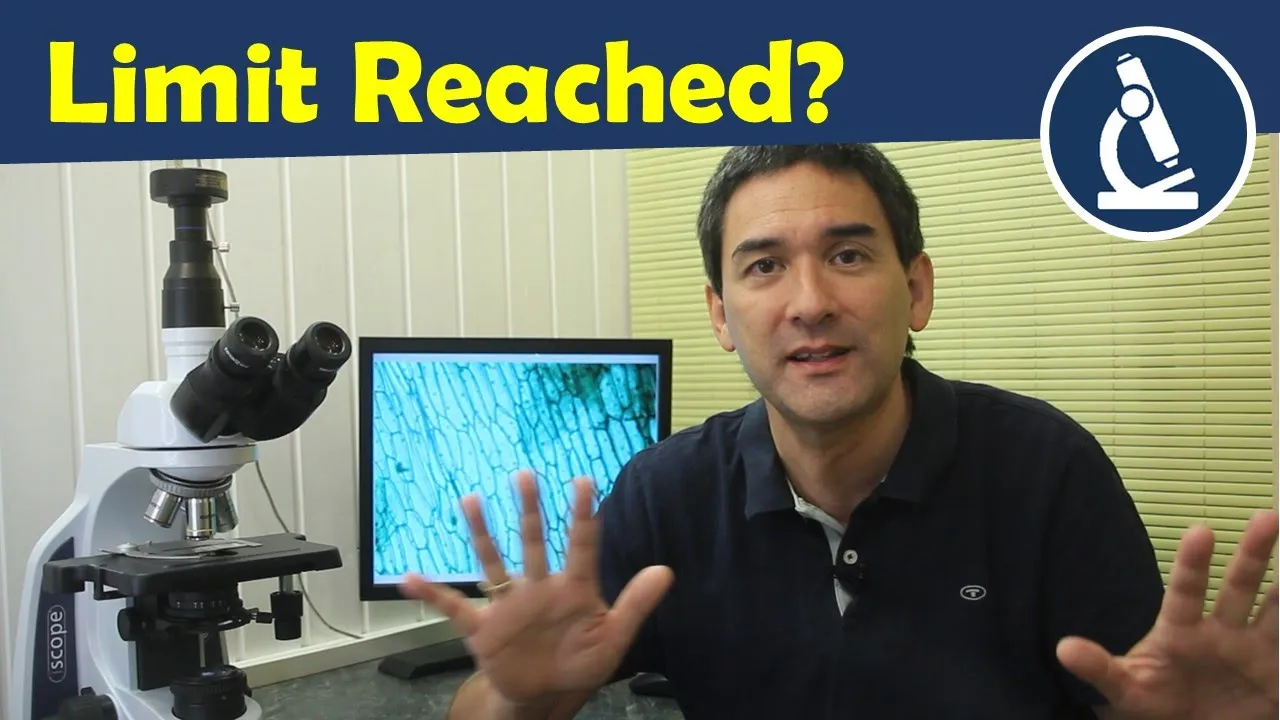
The diffraction limit of light and the limitations of traditional optical microscopy.
Fundamental principles of classical physics, particularly how physical forces (like gravity versus electrostatic attraction) scale down.
The development of Scanning Probe Microscopy (specifically STM and AFM) to visualize and manipulate individual atoms.
The concept of molecular manufacturing, self-assembly, and Eric Drexler's expansion on Feynman's ideas.
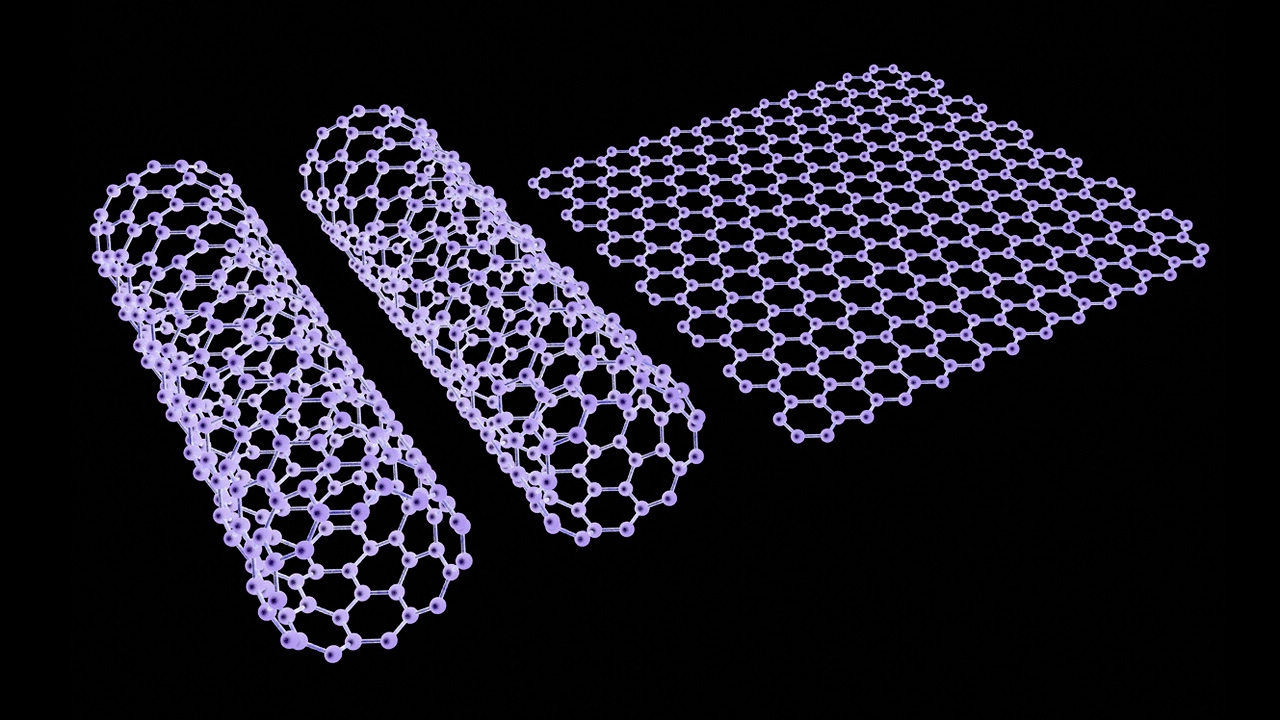
Synthesis and applications of modern nanomaterials, such as carbon nanotubes, graphene, and quantum dots.
Real-world applications of nanotechnology in semiconductor scaling (Moore's Law) and targeted nanomedicine.
528.3K views6.8Klikes1:19:47Original Release: 2012-08-23
[Music] e [Music] how small can you make Machinery okay that's the subject and because I've heard people around in the bath saying tiny machines what is he talking about tiny machines and I said to him you know very small machines and it doesn't work I am talking about very small machines okay now before I start on machines I'd like to talk about very small writing first okay how small can we make writing or say numbers how big does a number have to be if you want to write numbers down what's the smallest you could possibly make them I don't mean how high if you're very delicate with your finger how small you can make them but with special machinery and so on what is the ultimate limit well the ultimate limit is that you can't make a number of course the number is just as good if you write it bigger or smaller you say any size any size but you can't make it smaller than atoms you can't write on an atom you can't Mark the atom number one because marks you see are just more atoms spread over other atoms black atoms on top of white ones or whatever so the way that you have to do to write something would be let's say to have a little patch of gold followed by a little patch of silver by another silver by a gold and so in some sort of code like dots and dashes to represent numbers and though you could say the smallest we could go would be say perhaps 100 atoms probably can go down to one atom but if you want to make it nice 100 atoms on a side and I'd like to talk about how small that really is because you don't quite appreciate how much you could write if you could write that way so I start out further back and talk about uh uh things that have done in the past people have pointed out to me that the Lord's Prayer has been written on the head of a pin all right now let's see what we would have to do if we wanted to write the entire encyclopedia britanica on the head of a pin can we do that well first of all the encyclopedia Botanica has something 20 30 some odd thousand pages and you imagine that each page is on a special piece of paper and you put them all over the ground and you get a a great big area you know 20,000 Square ft and that has to be shrunk down to the size of a head of a pin and if a little figuring you'll figure it out yourself it's about 20,000 times reduced so if we could reduce the size of the words the letters the dots in the pictures the whole thing everything that's in the andik up here only by 20,000 times this way and of course this way too so it's 40 million times difference in area there's a lot of difference in area between the head of a pin and 20,000 Square ft uh then we could write the entire encyclopedia on a head of a pin and as I will indicate soon that's not too difficult to give you some idea of the scale in which that to which that corresponds an entire Library like the Caltech scientific Library can all be put on one library card we could send all the information that's in the library on one library card say to Brazil if the library in scientific library in Brazil Burns that out and we just send them a one library card which contains all the information in all the books in the Caltech Library the Congressional library of Washington is larger and requires something like Time Magazine to have all that information at the scale and so we see that if we could go down to 20,000 times smaller and I'll show tell you in a moment right away that that's nowhere near limits of atoms are not coming in at all at that scale there's no problem in going 20,000 times and that's the kind of scale that that would be possible so just a moment while I look at my notes if uh we made it in the three-dimensional manner you see all that I've done so far is writing on the flat of the pin I haven't used the guts of the head of the pin the encyclopedia britanica actually uses a volume it has page after page if we could write deeper you see not just on the surface of the pin but in the interior we could ask ourselves let's do it now with the atoms that's much further reduced to get five atoms on a side little cubes that's 100 atom of gold and silver and so on and now I'm not doing the pictures but I'm just putting all the words in some Call of code like moss code with dots and dashes gold and silver how much could we put into what space all right now it turns out if you take all the books in all the libraries Turkish Hungarian everything all over the entire world and just take the information because I can't get the pictures at this scale then all this goes into a volume of material one two 200th of an inch on a side which is the smallest piece of dust that you can possibly see that's the net result of all Mankind's arrangement of information but all that information could Be Remembered in a piece of dust that size and that gives us some idea about the fact that there's plenty of room to make things very much smaller than we ever made them before our books are obviously too big what's the sense of having all that stuff in this big Library when you can put it all in one card oh it's convenient to have the books in your hand but for some kind of a summary of all the information and to transmit the sub information from one place the other or send it or suppose that you're afraid that all of civilization is going to collapse and you would like to leave copies of the libraries cuz you say everything in the Alexandria library was in one library and that got smoked out and that was the end of that knowledge it would be guide good hurry up we should make copies okay so we have all this dust you see little pieces of dust that have all have copies of all over and they can't get rid of all the dust you see anyway that's what it amounts to now you might ask if we had something that small I the five atoms on a side is a little well we could still read that but let's go back to the 20,000 times reduced encyclopedia which isn't as small as you can get but pretty dramatic and good enough right how can you read it well if you try an ordinary microscope to look at it you can't see you can't manfy more than 2,000 times because light has a structure and you can't see any closer than the structure called the wavelength of light but you can use electron microscopes which don't stop at 2,000 go up to 200,000 well we only need 20,000 it's only 10 times better than light it's rather easy actually to see 20,000 times reduced pictures with an electron microscope it would be very easy to read this book that we wrote on the head of the pin or this encyclopedia with an electron microscope the next question is how would we write it well it it's possible to write it someday by using a kind of a thing like an electron microscope in Reverse in which to take the large scale writing and use the lenses backwards to control a beam which is so F which is very fine instead of running the mic you know you can run a telescope backward you look through the wrong end you've probably done this and everything looks small you can do the same with a microscope and you can do that with an electron microscope so you can make the pictures very tiny and imprint them easily 20 not very easily this turns out at the present time to be very difficult at the moment that reverse electron microscope has not been developed very far but I'm going to tell you what the situ situation is today the first time I ever gave this part of the speech was 20 years ago and you just said that someday I'm surprised we haven't done it yet and someday it'll be done now I can show that it can be done but before I do that I would like to talk about what we are now actually doing commercially in making things how small do we make things how delicately can we make them are we writing the Lord's Prayer on the head of a pin no we're not actually writing the Lord's Prayer on the head head of a pin we're doing a much smaller scale than that but we're not writing the Lord's Prayer because in the meantime interests have changed somewhat and uh I'll show you on the first slide if it's available please uh something that youve all heard of which is a computer chip which is made uh what happened to the slide oh I see okay this is only uh they're 20,000 times reduced and it's very difficult to see it because it's so fine is that we have that's it good and it has to be focused it's really quite difficult to see that there's a very fine structure and you can see some of the structure but you can't quite see how fine it really is this whole thing is about a 3 mm across and you've seen these things in magazines and you say well it's just Compu computers and so on but from a point of view of humankind and its development it's really quite an achievement to be able to manufacture something with such finess of detail the patterns look rather beautiful when they're worked out and it does appear as an artistic thing too but the beautiful thing about this is the delightfully accurate workmanship we always talking about workmanship don't do anything like we used to do we used to polish things down the accuracy which they polish things is less than one of these little notches in here now we can even make something in that much detail and it's made and used as is an example of a computer chip I'm sorry to bother you to put the lights back again but it'll be a minute or two before I get to the next slide is okay it's a kind of a complicated Arrangement because I wanted to explain how such a thing is made this is made I that was magnified about 20,000 times we can make things at 2,000 times I mean that was 2,000 20,000 times is very much harder because 2,000 times we can use light and the way it's done is to use a lens system a microscope backwards what we do is uh you take some material in fact in this particular case it's silicon and there's a layer very beautifully made very pure silicon the reason is any piece of dirt or Scrat or anything that's wrong with it it's a great big monster Boulder at this scale and you don't want any dirt so you get very pure silicon and then in a vacuum you let in oxygen and then what forms on the surface of this is a layer of a compound silicon dioxide which is simply quartz or sand or or like glass it's a thin layer of glass which is an insulator silicon is a conductor see we're going to build this thing up now on top of this the next layer we put on some uh oh I got lots of colors that's great another chemical which is called is evaporated on in the thin layer which is called a photo resist and then light is shine shown on here light comes down let's say like this in a pattern no light here and only light here and here because it's an optical system it's a picture in other words a picture is projected black and white picture is shown on here and what happens to the light what the light does is make this material resist etching later or rather dissolving it off excuse me so it gets to be resistant here where the light shown I've got a simple pattern but you might have a little section in here and so forth so you can make the shapes that you want by using the light backwards to make this thing so that it doesn't dissolve and then what happens you dissolve this material away right and just have these then you attack the silicon dioxide to glass with hydrochloric acid which dissolves glass and this part is erased so that this disappears i w let's say the silicon dioxide is white and oh oh brown brown Brown and so we get things like this you see little Columns of brown on top of the Silicon right and then the red stuff that I showed there isolved by another chemical because it was only a tool and a scaffolding and so we get to this picture remember that these are insulators and this is a conductor so the next step is to shine some is to evaporate some silicon again and to make a contact it goes on and on and I'm not going to go on and on but the next level say silicon or transistor material which is silicon with something dissolved in it let's say is L laid down here in a layer all over filling all this but then again with a resist and so forth pieces of it are dissolved away so they get little caps and so on and make more insulator in various layers each time deciding where the stuff goes by using this photo resist trick and there ultimately building up say a metal connector finally with a similar device the same general idea let's say metal is put across the media so now we have two transistors connected together and that slide that I showed showed the result looking down on this of such a work of art and Commercial effort industry to manufacture a particular design of an electric circuit it's an enormously complicated electric circuit they can make calculations all by itself with the design the thing that determines the pattern is the original arrangement of light and I just wanted to show you how it is made that's only 2,000 times and we want to now talk about 20,000 times small and uh that is new and different it hasn't been made yet because we can't do it because light can only go down 2,000 times so we have to do it some other way if we're ever going to do I spoke about writing at 20,000 times reduced and what I want to show you now is writing 20,000 times reduced this is a non-commercial process this is a process that is being worked out in the frontiers of this business trying to see how small we can make things and how small we can write things and there's a particular example there a laboratory at Cornell that makes these that's doing this particular research micro something or other laboratory right very small making very things very small and I have a friend Tom vant who's an artist who loves Art and Science and commerce and everything else together he's a real man of the present era and not one artist who snear at science and doesn't understand the world he's in he loves the world he's in and he loves art and so he was asked them if he they would make a drawing for him he designed the paint the drawing and he made a drawing which is the smallest drawing ever made by anybody in the world okay and in the next slide I want to show you the smallest drawing in the world okay this is supposed to be a drawing of an eye it's an artistic work okay what it really is was a salt crystal and a beam that was moved around to make whole to dig away the salt so as to make this image and then the image is looked at in an electron microscope this thing compared to the normal human eye is 100,000 times reduced that's more than I've been talking about before 100,000 times smaller than the human eye is the actual drawing and of course this is a magnification back again so you can see it the artist of course has the right quality all art has this quality of of a kind of you don't really care it's sort of you know it's very beautiful this was caused by a truck that came by shaking the beam you know shaking the apparat because even the tiniest vibration at this scale is a big movement and that produce that which makes a very beautiful picture to get some idea of the scale of this the cross the distance across this thing is approximately 100 atoms which is a as small as anything has been made yet the a the uh Tom had a definite idea he wanted 100,000 times less than an eye for a reason that I'll you'll understand in a moment and they were people there were disappointed because they can make the dot about half as big and the lines about half as thick and a whole drawing about half size but we insisted he and Tom insisted that this be the side because he had another drawing of an eye which I would like to show you the same artist had previously made another drawing of an eye which is in the next slide and that of course is the true kind of art with different kinds of Patches at different colors and so on which represents Modern Art right that's a beautiful picture of an eye I really you know if you made an eye you'd make a circle and a line but they make it such beautiful colors and everything else to see more about this picture I want to show it at a different scale which is in the next slide because he has included here the eyebrows of the eye and something Rings under the eyee you see and there's the eye to get still a better idea of the true scale of the canvas for this picture we look at the next slide this is the city of Los Angeles and there is the eye all right and this is the largest picture in the world that has ever been drawn okay okay it it is 100,000 times larger than a normal eye now I would like to tell you a little bit about how the picture was made how did that this of course is a picture from the lat satellite this drawing is so big you can't just look at it you got to go up there 600 miles into the sky and look down with the landat satellite to see it is it possible go backwards with the slides to two slides back from this yes thank you what was actually done is what happens with the lat satellite is this it has a beam and it looks at the ground goes back and forth like this as it sails over the ground and the beam goes back and forth and it's computed the light that comes at any moment into the cell moment after moment is computed and an image a spot a little square is made for that direction at that moment there are three different colors information that's taken in and that's added together to get the color each one of these is called a pixel because it's all calculated from the thing and you don't see that when you look at the full picture just just like when you look at a complete picture in a magazine you know it's made of a lot tiny dots well the dots they're too small to see on the normal picture but here they are big enough to see now each one of these covers about an acre and we'd like to know how Tom vant had the energy to cover all these Acres with white over a distance of 2 and 1 12 kilom this drawing this picture corresponds to a drawing 2 and A2 kilometers wide and this is the way he did it he set up a mirror at different stations there are 24 mirrors in this picture each mirror is set somewhere and the angle exactly calculated because the the pro the timing for the lat was well known was given to him by the lat people and he calculated the angle to set a mirror so that at the moment that the beam went to look at that acre the angle was just right that the sun went right up into the right into the camera and you know saturated the camera it was a flash of white so that that particular pixel looked like the whole thing was white it's just as though you see you don't have to have a whole acre so he had 24 uh mirrors set up in the desert each one calculated very accurately could we just see that just one moment uh can I see the picture just one moment because there's one slight error in it which I want to call your attention to this pixel didn't come out quite right there's an error there now I come to the next to the next slide I mean the final Slide the seventh one yeah that's right that shows them setting up this is Tom vant and there he is with the angles you see and the levels and everything else setting up his mirror to the correct angle in order to uh reflect the light into the lat in order to produce this picture for us what happened was it turned out after he saw the picture and he went back to discover what happened a jack rabbit had run over the mirror and changed the angle so it didn't work I know that's not got to do with small things it has to do with large things but I couldn't resist after I showed you the smallest drawing ever made to show you that the same artist has also made the largest drawing ever made and the comparison between the the eye of the child in this side can be seen something like this if you think of the eyelash which is a hair on the on the ordinary eye and magnify that hair until it's about the size of an eye then an eye gets to be across this room then you're halfway there then you take an eyelash or that eye and magnify till it's across this room and the big eye is 2 and 12 km another way of expressing the size is to say let us go up another scale of the same amount again of another 100,000 what and try to draw an eye where would we have to draw what is it 100,000 times bigger than the 2 and2 km eye it turns out as a beautiful eye in the heavens namely Saturn with her rings so that gives you some enor idea of the enormous scale both up and all the way down how tiny that draw that drawing actually is as 2 and 1 12 kilm is to your eye so that your eye is to that original first drawing which is so very tiny then next question is what about making computers still smaller and now I launch onto another thing not a question of what's practical today but what's in principle practical it's already noticed for instance that if we were to try to make the wires about half as big or a third as big as the wires in that particular design it's a strange thing that when wires carry electricity tool on they move the matter moves it doesn't move much it doesn't make any difference there but when the wires are very much thinner it tears the wires apart so you can't have a problem with wires and everybody's worrying about that but that's like the sound barrier you may have be all too young to have heard of the sound barrier but there was once a time when it was said that no airplane can travel faster than the speed of sound and the reason was of course that airplanes were designed considering for assuming that the air does is not essentially not very compressible it's not easy to squeeze it into a small space because the airplanes went small slow enough that there wasn't much force to squeeze it into a small space so it always expanded it was always not squeezed and the theory and the analysis and the experiments all dead with air that was not compressed it was then realized that if you took into account the compression that airplane wouldn't work with its propeller and everything wouldn't work the propeller go too fast and it wouldn't pull so there was a barrier how are we going to go fast in the speed of s it just means there's no but there's no law of physics that says that you can't go FAS than the speed of s it just requires a completely different design so these limitations that you hear about mean only that you can't go on with the same design but it doesn't mean that it's not possible in principle and therefore I have considered the question never mind about making it with wires let's make it a different way make computers a different way with atoms with interactions with certain kinds of connections how small can it be made can it be made so that each one atom in it the state of one atom tells you yes or no instead of gold and silver and the answer is of course that the laws of physics that you have to use are very different than the laws here they're called quantum mechanical laws the scale is so small we have to worry about the uncertainty principle and everything else but just let me tell you that it turns out to be possible according to the laws of physics in principle to build a computer in which each bit or each little piece of information is one atom large and there's no problem in that that was something I had some fun working out but I said that this talk was about machines and of course a computer is a kind of machine but the machine you usually think of when you think of machines as machines with movable parts now let us talk about the possibility of making machines of movable Parts which are very tiny the immediate look in all the faces what for mental entertainment maybe someday they'll find a use for it okay how small can we make machines it's just thinking for the fun of it okay don't worry about it that hasn't any application it doesn't cost you anything not to have an application it's just fun okay so we're not going to worry about how we use these dumb things we're just going to try to make them how could we make movable matter Little Machines tiny machines that would operate that are very very small you see today we have great big hands and they're this fat and lumpy and we can make tiny little watches but that's nothing compared I don't mean a computer watch cuz that's not got moving Parts but a machine with moving parts inside that is extremely small how can we do that one way that has been suggested is this you know that the power the radioactive plants and so on have to manipulate bottles and turn n nuts and so so forth and they have slave hands which are operated through electrical connections with bigger hands you move these levers and that controls the hands on the other end of the wire well there's no reason why the hands on the other end of the wire that is wrenches and whatever they are you know they were operated from out here need to be the same size as the thing so you have the wires run to control very tiny wrenches to make small things and what do you make with that you make another pair of hands that are still smaller so that now you can Rec connect your wires to a smaller set of hands in which you work for a while manufacturing things at a smaller scale and then with those making things at a smaller scale and so on of course when you got all through with this you'd say h I've only got one pair of hands to make one tiny little machine but actually the right way to do it naturally is that when you made the first pair you make two pair and then they make two pair and they make two pair so you have really thousands and thousands and thousands of very tiny pairs all following the same wires and manufacturing small devices machinery and otherwise that's one way that's been suggested I don't that was probably not a very practical way people had tried a little bit but it didn't go very far but how about using this scheme how it's all solid well why does it have to be all solid why can't we do the same layer scheme and put in a piece I want going to go into the details of laying down the different layers but it's the same idea you have the silicon and then you have some other substance perhaps not silicon oxide this time let's say a substance we call Blue of this shape let's say it's no harm at manufacturing there's a piece of silicon in here I guess I should fill out the blue there's a piece of silicon in here and perhaps uh just to make an interesting silicon dioxide i c most Brown last time so to keep the things more or less similar other substances here yeah insulators or conductors and other layers let's simplify it you can make all kinds of things but something like that and then there's the blue material here but the blue material is a substance that's easily dissolved the way but not the brown if you dissolved the away that's a loose piece okay now these things are electrical they have all kinds of wiring you can bring electrical voltages and stuff all over these devices by using the old other technique so you can put electrical voltages on this the sides and move this back and forth with an electrical charge so you can move things around now we've never done anything like that but it's possible to make devices in which we have loose pieces that's another way of that's a very simple Elementary fact that we can move one piece you say that's nothing yeah I know it's nothing but with a little more imagination you put a sequence of pieces or a sequence of to and move it in succession from place to place and carry objects over the surface of the Silicon like cars and so on it's kind of fun I haven't got the time to follow the amusing time I had working on all these things but you can start out and find out that you can move things about with Electrical uh devices and so forth and therefore the second way of manufacturing small machines would be the evaporating edge freeing pieces of object Etc you can move them with electrical forces for example what would the uses be I told you I wasn't going to consider it but just for fun the first use of this thing would be to make an optical shutter you could have this thing over a hole and when you move it the hole opens they're very very tiny and they're all over an area that's a light control you can make pictures because you have electrical control of which ones you open and which ones you shut you say we can always already make pictures but we can make very powerful pictures that is TV pictures are projected only in a small box a big projection is rather poor because you can Shine the Light and it's kind of too weak for the fluorescent screen but you can shine a strong light directly through this thing because there nothing but shutters and open them and close them in different places and make pictures move and so on with electrical control sir what I'm confused about you said something can only be magnified 2000 times optically with Optics problem if you could reduce the light as you're talking about small shutters or small cameras would it be possible then no you can't make the light any smaller than the size of the w length of light these pictures that I showed you of the with an electron microscope which can go to a smaller scale I'm back here at the scale 2000 I should have been more clear it's much smaller than any machine has ever been made let me assure you already very much but this would still be at the scale of light and it would open and close holes that light could go through yes I not talking about making it smaller than that I mean we haven't done anything like that magne make Genera you could think of doing things like that yes uh the question is other uses of the stuff I thought of a few things the present way of manufacturing these things and putting different substances in different places is a long and tedious thing the workmanship needed to get those second pictures to be at the right place relative to the first ones and so on it's a hell of a job suppose instead we could squirt the stuff where we wanted it how by having a big flat framework with a whole lot of nozzles with movable holes with the chemicals coming through with but you have to have a vve you have to move something so we make it out of this kind of stuff once you see then we bring It Go and now we have all of the stuff in the right place then of course there's no limit on the scale light is not involved anymore and we could gradually make things smaller so there's another direction another thing is to imitate a large number of important chemical reactions and biological reaction uh we have membranes with special enzymes or special molecules in special places they act like special catalysts they control reactions very delicately the kind of delicate control that's in the human body or in any living thing and these controls we beginning to understand how they're made they're layers of membrane in which these protein molecules have been set in certain particular places but the scale is so tiny compared to where we are and we can't think to manufacture them directly and put the stuff exactly where we want we may be Try by putting something and maybe it lands in the right place and by some technique or other we can make a membrane or another about right but we can't make all the variety and all the different possibilities for different types of reactions by simply placing the enzymes into the layers where we want them but we need tools we need tiny tools to push things around to make things go as a matter of fact if you went to the full limit we wouldn't need chemists anymore all that a chemist does is rearrange make a new molecule with a different arrangement of atoms so if you went down to a small enough scale you just put the atoms down where you want them to make the molecule no h Hocus Pocus with bottles and colored liquids actually that's really magical how they do that well to uh other things have been thought of the question of making piece of Machinery not that's connected like this in a hole but a free swimming mechanical thing you see naturally the first application for things just like it was for computers that would be most popular would be games and the game this time is that you have this little thing that goes you have a control from the outside it's electrically sensitive and you can send it signals it has a kind of Sword see and it fights paramia you watch under the microscope and you have this thing and your controler and you're fighting the paramas with your little device a friend of mine named Al hi suggested something else that's going to shock you and the idea is to swallow follow the surgeon the surgeon is a machine with knives that's very tiny they can go down around and be controlled and go into the blood vessels and down in here and carve away the plaque or whatever heck that has to do and come okay you SW yes fantastic you swallow the surgeon yes Fant well I'm a little late with my idea but the problem is that I manufacture this hi gave me the idea 20 years ago and this is a rather in some respects an old talk but not in all respects because of these new pictures I would like just to finish this off though to say that there's quite a considerable amount of u things that you have to think about if you try to make machines smaller because it isn't merely a matter like you say of magnetically making the same thing smaller you take an electric motor and made every part smaller it won't work various things that come out in in different proportions you see like the weight and the strength and the air resistance and ordinary thing like electrical resistance in the other scale is enormously too high relative and makes a serious problem but we know how to get around that with superconductors and again the trick other design when some proportions get very enough different so that it's impossible to use the old design then you can use some other thing that's bigger to make a new design just like you did with jet planes there's no real barrier but I would like to explain the idea that scale doesn't really work very well by imagining a rather silly thing to try to do is to make a very tiny internal combustion engine very very tiny because it works the internal combustion engine works like this you have a cylinder and a you know spark plug and the gas goes in the spark plug goes off nothing wrong with making a smaller spark plug that's all right the gasoline explodes it gives a lot of Heat and the heat expands the gas pushes the the piston and then something happens or other and there you go okay now some of the heat of the gasoline is lost by heating up the walls of the cylinder you know that because you have to cool the engine I mean that gets warm but it's rather an insufficient in not very significant amount of the heat most of the heat is still used to expand the gas now if we made the thing let us say 10 times smaller that's you still would work actually but you get the idea from 10 let's we want to make it 100 times smaller you'll see it's absolutely hopeless let's take 10 times smaller then because the cylinder is 10 times shorter 10 times narrow and 10 times each way the volume in the cylinder the amount of gas that you made is a thousand times smaller and the heat that's been generated is a thousand times smaller but the surface of the cylinder to where the heat loss is going to go if after a little bit you see it's only 100 times smaller it's Square in and if you contract just two ways to make the Surface smaller it's only 100 times smaller so you have a thousand times less heat for 100 times less surface that is to say the surface relative to the volume that you're heating is 10 times more it leaks faster 10 times faster into the casing and if you try to think of making the machine the 100 times smaller which is really not a very tiny machine from the point of view that I'm taking of E wheaty Machin you see that it's hopeless as soon as you would explode this infinitesimal amount of gasoline in this tiny tiny cavity then the heat of it wouldn't be before it had any chance to push any anything it would leak out immediately into the Container so you have to redesign turns out following the laws of physics there's no thing in against it in principle every time I mention this somebody always pulls up some difficulty about electrical resistance or something like this the most interesting one is when I talked about the object that was sailing along in the water right flowing moving through fluids is entirely different things like resistance it turns out if you look in proportion is different if I would to take a very tiny thing in water and expand it to our Dimensions the analogous situation is that it's swimming in extremely thick honey and the ordinary ways of flapping let's say a fish you want to make a tiny fish of flapping the the fins and so on to push it nicely through the Water by the inertia of the water doesn't work because they're just ick ick in the icky stuff okay and if the fish is stuck in the in the goo but how do I know then that I can make very tiny machines that it's possible according to the laws of physics because I'm a physicist and I check the laws of physics and it's okay I'm telling you but I got another way to tell you living things have already done it bacteria swim they swim through the water at the scale that corresponds the thick goop and how do they do it it would be analogous to the following you have a kind of a cork screw a piece of iron or something this is more magnifi inside a sleeve like a leather sleeve or a rubber sleeve and you simply turn this thing okay so the cor screw turns inside the sleeve you got to Picture This you see the sleeve is there so this cor screw is turning the surface is the same and it screws its way through the fluid the fella of a bacterium is built that way it's a cork screw of a piece on the inside which is solid which turn and the motion that's produced by this is really like working with a cork screw going through the stuff you're pulling yourself forward it's as if you were in sufficiently tough like cork you want to move through cork you take a cork screw go and push you know of course the Cork's got to give a little because it's not cork it's slightly thick honey so you keep going and pull yourself forward the only problem is what happens to the cork screw that's the trick of having the solid thing inside of the sleeve so that you can carry it along with you it doesn't get lost in the back and that's the way a bacteria moves by a completely different scheme that scheme is utterly inefficient in real water turning this C screw would have very little effect unless you turned it very fast to get some uh inertial resistance which is better at the flap of flap like the fins of a fish you see so when you allow for the fact that when you go to different scales different things at different proportions become important you have a delightful time in redesigning all kinds of familiar Machinery to see if you can do it and give what take 25 30 years there'll be some practical use for this what it is I don't know and maybe in 20 or 30 years I'll think about that and tell you give you another lecture on how these damn things could be used thanks very much yeah I can answer well okay questions any do that you mentioned when you go very small in scale the liquid becomes very viscous does that imply that if you could build a very large being it could move through the air in the same way and that the air would then become thick enough to support it if you up the scale you have big airplanes it work fine yeah I know but supposing you up to 10,000 times or something with nothing much happens because already the uh the resistance of the air I mean it's a dynamic resistance now the the ickiness of air what we call a viscosity the analog of the honey is long since very unimportant the Motions that you produce with air propellers and so on start a flow which it is true that the last motions as it dies out has something to do with the viscosity but the initial motions are the ones that are important they're Dynamic the airplane goes by the inertia of pushing air down not everything to do with resistance you see by thickness it's just the mass that moves that's pushed down by the wing as it goes through and The Recoil from the air going down holds the plane up and that would be just as good for a larger plane however it is true that if you took the same kind of an airplane and simply increased it by 100 times it won't fly the reason this time is that weight has increased as the cube and the lifting power from the area of the Wings only by the square you know the the same thing backwards so you have to have it Hollow notice our big aanes are Hollow because the weight if the airplane really had the corresponding weight as you increase the size it would get more and more difficult to make it fly it goes like that I mean everything that you think of there this changes and that changes and there it's true that are different scales different things are important so at a 10,000 times as big the Air does not become this no the air doesn't become viscous no you're going the wrong way viscous you got to get effective viscosity go going for smaller Sky yes sir well let's see if I can phas this right you're an original thinker I would like to ask you how would you go about designing maybe a miniature somewhat smaller the grand Ki an anti-gravity machine I can't you could use for no I can't I don't know how to make any anti-gravity machine you would lick the most problem it doesn't make any difference I still don't know how to uh what the game I play is a very interesting one it's imagination in a tight straight jacket which is this that it has to agree with the known laws of physics I'm not going to assume that maybe the laws of physics have changed then I can design something but I try supposing it's everything that we know is true as we think it is as if we do if we're wrong of course we can red design something with the new laws later but the game is to try to figure out with what we know what's possible so it requires imagination to think of what's possible then it requires an analysis back a checking to see whether it fits it's allowed according to what is known okay and in the case of anti-gravity machine I immediately give up because my understanding of the laws of gravity are such that I don't see any way it doesn't make sense for anti-gravity okay the only anti-gravity machine that is things which oppose gravity which are very effective are things like you're using now a pillow or a floor under your behind that is an anti-gravity machine and will support you in space above the earth a few feet in this case for un resonably unlimited time yes how absolute are the known laws of physics they always we find more things all the time uh and there are things that are not known so there's an edge that's unknown and there's a certain amount that of behavior that's been studied over and over in a certain realm you see there are variables you change like the size or the dimensions or something like that when you get too far to too small if I start to talk about distances that are a million time a million time a million time a million times smaller than a ctim then I don't know what the right laws are okay but in the realm of a few centimeters for example in ordinary Behavior they're pretty well gone over there doesn't seem to be anything wrong with them and the laws that I need for the scales that I've been using down to Atomic scales and so on are in extremely good control it's not very likely that I'm making any mistake there okay in the realm that I've been talking about in this lecture if I were talking about much smaller than that then I would be more more humble yes got one from way back when you early started that was way high I know slow you know it's it's it's about making things with with parts that are one atom big or even five atoms big I got I use 100 until you said you were not going to break the laws of physics I wasn't going to Heckle you about this but I it it has been concerning me from well now how you going to make these atoms stand still or do they do that the atoms don't stand still at an ordinary temperature they're always jiggling but if you take a substance like gold or silver the forces between them is rather strong and they stay next to each other they just jiggle in place atoms which jiggle in place are solids things that are solid are made of atoms which although they're jiggling they never get out of place if you took one away the others in the right place it comes it pulls them back you see it's a perpet check with your friend you okay yes I'm it's like the people Marching In A it's it's like the high school band March okay nobody really knows what to do they're going like this and it's okay it holds together okay but if there's too much jiggling and too many people are out you can imagine if this line gets broken up because he looks at him and he's far out so he tries to get out and he gets and so all tumbles around each other so if you make too much temperature or use a substance where the forces are too weak they roll over and they lose the strength and that's a liquid okay so I don't want to make this out of liquid I wanted I said gold and silver and I meant ordinary temperatures and that's why I used those five atoms in a lump because it's if I had used only I mean 5x 5 by five was 100 atoms if I used only about five atoms the jiggling would from time to time by accident let one atom move away I would get lost and then another and another and after some years I would have lost my the description of the human Race's knowledge and I want the seed to last longer so I figured five atoms and calculated that the time for that is billions of years before that gets disturbed by these jiggling sorry oh does the lasers give you a chance to work in that small no the lasers are light and they are used in these devices because they're accurate light they're very helpful in controlling the light and focusing and everything else but they can't get any smaller than a scale of about 2,000 reduction because the light wavelength there's a wave of light is uh that big I mean it's millions of an inch but uh they can't get any smaller than that scale light has a scale and you can't it's like using a uh Chopsticks right to pick up something well it's not very good because you can still make it with Chopstick because they have sharp edges so I haven't got a very good analog yet but it's using some kind of blobs to pick something up that are much bigger than the thing you're trying to pick up and you can't do it yes sir one thing that's always fascinated me kind of brought it up today is the fact that at one point in time man didn't know what would happen if we went faster than the speed of sound yes obviously we designed something we got there yeah well the human eye can really only detect light that's true when we know the speed of light when it's using in the ordinary way it also can detect the suck and the jaw suck on the side of the head as a flash too but the normal uses were like now my question is does physic the law of physics include the fact that uh matter can actually go faster than the speed of no now any object which is going slow according to the present laws of physics and relativity any object which is now going less than the speed of light cannot be accelerated beyond the speed of light if you keep on pushing it harder and harder using up more more energy to give it energy it goes faster and faster and faster but what happens is it gets heavier so to give it a little bit more speed it's more inertia right so it's harder and harder and you put more and more energy and put more and more energy just gets heavier and heavier and gets closer and closer and cl but never quite gets to the speed of light and certainly never surpasses it in the machines in which we accelerate electrons for instance and you go around like in slack here or wherever we get them going so that the man we've put so much energy in that they become they come to something like one and I been doing this quick so my number may be slightly off 160 billionth that may be slightly of the speed of light in other words it's not the speed of light it's short by about 160 millionth okay sorry 160 millionth of the speed of light and uh 1,600 milon never mind very small fraction it's very close and the mass of these things has gotten to 40,000 times the mass they have when they're standing still an electron becomes 40 20 times heavier than a proton what about antimatter when you're dealing with antimatter wouldn't it appear and what I bring the question up uh it's because this a likely community that to bring this up is the fact that in uh in the spiritual World which a lot of people delve in it's possible that things exist exist and live beyond our ability to see them and if this be the case is it possible that they are vibrating at speeds which are greater than the speed of light therefore have a different law the only thing I can tell you are the things that I can make observations about if you ask me questions about something that I cannot see with any instruments whatsoever they can be doing anything whatever I have no way to tell I have no you can have what you want long as I can't see it with any instrument okay as long as I can't see with any instrument but if you give me one clue way you see I can make some tests and i' be able to answer your question otherwise I'm I'm empty minded I Su anti no we know all about antimatter we can see it in the laboratory we do experiments with it there's nothing spiritual about it I mean excuse me because the whole world might be completely spiritual and all that stuff that's fine but it's the same kind of stuff as matter it's just is available to experiment we know we know a large amount about the laws of the way it behaves does it vibrate is it substance yes it's substance in the same way that any other substance is I mean normal matter is substance and whether normal matter vibrates or not is something we'd have to discuss what circumstan of course the normal matter vibrates when you hit a bell with a hammer it vibrates yes a small question my lady is asking me constantly what makes the world work Isn't it nice that small questions are so easy to answer are you have problems with your lady there was a your problem not my problem is there any other yes yes what next if if this is the area you're now doing res searching no no I I play sometimes this I've been doing over since about 1950 on and off you know I played on a beach one day I began to think of how small a space I need to write a book and I thought the way to do it in those days an easy way would be to evaporate layers one after the other across on a big area and that's easy to do and so and I had five atoms again for one bit and so forth and found that the thickness I'd have to go is about 1 in in order to write the whole information in the book but it's a 1 in square and every inch is the same so if I sliced that into wires each one would be the same and I have thousands and thousands of wires which a copy of the same book and I was absolutely amazed that a book could be put on a wire 2 in long nowadays that's relatively easy but at the time I was amazed I went around to all the people on the beach and said Hey listen do you know it's possible didn't sell any bananas yes what would you say is the most difficult problem I'm sorry I didn't finish but I I know I I work on and off and so it's not real work sometimes I get interested in the small computer or the machine or some question about resistance or something excuse me what is would you say is the most difficult problem in all of physics that you can visualize what you ready to work on it we have a very large number of problems in physics that are not this kind of problem this is a a game engineering problem because the sizes I've used are well within the realm where there's not much uncertainty and there's technical problems of making it which are interesting but not the most important problem in physics if you mean by physics fundamental physics or the laws of physics then the more important problems have to do with disc covering the places where we don't know the laws okay which is a detailed thing which is outside of the subject would take me some time to explain I will be happy to do so at another occasion sir okay see my group is a tough group yes these are members yes um I get one that's like Pistons you know and se's done he'll think of something else yes at the end at the end of your book you mentioned your book character of the one autograph for me oh you you mentioned that you thought there would come a time when the excitement of what was going on in physics would would slow down because things have been discovered and you your analogy was tourist discovering an otherwise beautiful area and it becomes less interesting and less nice as more people know that book was written 20 years ago do you think that's happening no the well it's true that experiments are going more slow slowly and each experiment is more difficult than the one before and information is coming in slower nevertheless I made a mistake I thought therefore that the theorists would have less to work on and therefore would they wouldn't be quite as interesting but uh I didn't realize a propensity of human beings to speculate and so as a matter of fact when less data comes in more theorists are working with more crazy theories than before and I hadn't contemplated that because my day things were more vigorous when we got a theory we could check it nowadays since the data comes in slower we have much more fun making large amounts I see everybody's getting ready see them sneaking out then so I think we should uh let's do it this way let everybody who wants to go go and if someone wants to stay I'll answer some more questions for them but those who have something to do cuz there are other interesting activities in this wonderful wonderful place of vessel so forget I'll come back to it in a minute but wait let's the others leave who wish to leave and then we'll come back to those who have some questions yet oh my God so many questions the front oh she had a question I ought to answer hers first well it's something about the time that's coming when all the things going to f together and we're going to have all the answers and we won't fin we don't know whether that's true it's possible but we don't know if it's true it's possible it's see either thing is possible either that we find all the laws that is to say we find laws and as we check and check and check everything fits everything fits everything fits and it looks like we're done and maybe we would be or it's possible that the the data comes in slower and slower like when you fall asleep or something like that not really it doesn't go slow but uh people get tired of it there's too many new things and they not have any application and it's too far out and it's too expensive and the high priests were involved in it and not supported it much and less and less people doing it that's another way that the fundamental physics can stop but Applied Physics like discussions of matters of this kind will go much longer than that because there's all kinds of applications of the laws we haven't thought of yet we're talking about two things finding new laws that is discovering new things about nature and the other is finding new ways to use what we know the second one will go on much longer than the first and I cannot Invision how it stops but the first one I could imagine either that we get the answers or that we don't get the answers and we don't get the answers but we're frantic All Forever thousands of years or we don't get the answers and we give up or we get the answers that's all obvious I can't see any other possibilities it's obvious some other possibilities is what's going to happen yes you say as the laws of physics we need talked about the heat engine and because the cooling rate that's all at the scale that we know the laws well what if you wanted to make a heat engine what other mechanism would you use because you've got to follow some sort of cycle yes but there are many cycles of magnetism of I magnetized the nuclear magnetism for example in the atoms and so on there's many other things the heat is at random motion but the random motion what it doesn't have to be the motion of molecules bouncing like an ordinary heat in a engine but it could be the heat of spin that is magnets swishing up and down although the atoms that the correspond were staying in place and so on so there are different scales at which we can get the heat operating systems and reversible Cycles if you want but I use the internal combustion engine to illustrate that a particular type of engine internal or heat engine is not necessarily the way to go we might get a clue from living creatures which do get their power from chemical reactions and you might call them heat engines or not they are in a way but uh actually so it's hard to answer exactly I don't know exactly what you want but I don't need to follow any particular type of engine you see I use different combinations of the laws yes sir I put you down once let's see if we can do it again I wonder power to be in physics power to be in physics will a will put a new original thinker to the state and burn him alive because the Earth is flat after all well I think not but we perhaps I'll be the guy that gets burnt because the Earth is f I'll take the risk right I want to back to something drawing it yes wasn't clear no it wasn't very the one thing that I'm not clear about is that that scale yes what is it that physically makes light impossible to be reduced any further light a light is like a let us consider ocean waves or something okay and imagine a large number of corks on the shore and I want to move Corks And a small space and the only waves I'm allowed to use are this long it's impossible to figure out how to get waves at that this normal wavelength to focus any shorter than about this size you can by bringing the waves from different sides from a much bigger Dimension bring things in focusing the waves but you can't get them any shorter than this characteristic length of the weight and so the sloshing on the shore will move corks over about this much area it's impossible to pick one cork out with waves that are this long no matter how you combine them okay well by taking different waves yes yes oh yes indeed because now what different waves are not called light we call them ultraviolet light or x-rays for instance x-rays are in fact exactly that they're light but with a shorter wavelength than normal light now in principle you could do and people are trying to do this kind of a thing in which the xray affect the resist you're absolutely right they have to go through other technique the photographic technique for making the pictures can't be silver and so forth but you do it a different way and there's a lot of work and x-rays is in fact one way that is being worked on in various Laboratories to reduce the size of this yes that's a good idea I'm sorry I answered your question wrong before saying there was a limitation because it's light I propos I was assuming it was light yeah but it could be x-rays uh or ultraviolet light that's going a little bit ultraviolet light about half size okay but beyond that we call it super far ultraviolet or X rays then there's soft x-rays hard x-rays so on the size is going down and down and down and that size can get smaller than an atom it can get way much much smaller in size of a nucleus Z hard gamma rays and so on it's all the same scale but the other direction in scale of longer waves is called red light infrared light far infrared light heat waves radio wave or television transmission waves and radio waves there's all one enormous scale from one end to the other which from a physics point of view properly is the same thing and should be called by the same name if we call it light you may get a mistake because you think you mean visible light okay we call it electromagnetic radiation which is a great big word but it's supposed to Encompass this this phenomenon which can have a scale like the ocean waves but depending on what the scale is the normal name of the thing is different it's radio waves when one day harmonic yes harmonic oscillation slow for radio weight faster for television weight faster for heat WS faster for and very fast for red light and even faster for blue light and then ultraviolet and and so on it's just the same damn thing along a whole scale from one enormous range okay yeah I'm confused about I have such trouble with you you're always confused how can you detect something that's smaller than atams what can we have to detect them with that takes a great deal of Ingenuity let me explain to you how you might be able to do that suppose that you wanted to detect the something smaller than tennis balls and all you have is tennis balls okay now if you hit a tennis ball against a tennis ball it's unlikely to bounce directly back well excuse me that's too complicated I got to better suppose you throw tennis balls at a wall of these things that you want to test if they're smaller then by seeing that the number how many tennis balls come through and how many bounce back you can see how big the targets are if one tennis ball has to occupy an area size of a tennis ball so if you if you had one tennis ball on the wall and you threw them at random at it the number that would bounce back would be depending on the size of that ball but if that wasn't a ball but a pin you'd have to have better aim yeah something like that it's something like that so we measure that's one way of going down in size okay uh another way of going down in size is to discover some relationships for example when the ways of making light one of the ways of making light is to let electrons hit something with a certain energy hit a metal as you increase the energy when you can still measure this wavelength cuz it's still bigger than an atom you measure it and you find the wavelengths getting shorter as you increase the energy of the Collision now you get to a point where you can't measured directly anymore but the the way you understand the laws you just use more energy you'll get shorter wavelengths and that's the way we go to very much shorter wavelengths and then after we make measurements everything fits together and there's lots of internal checks and so on it's not very easy to describe in a few words smaller than atom not smaller than an electron I guess gu smaller than well it's hard to say how big an electron is but it'll be pretty damn much smaller than an atom in the following sense an atom say is the size of the room okay okay then the nucleus of the atom is a tiny Spectre that takes me a minute 100,000 times smaller 100,000 times smaller so you have to think exactly it's it's a little tiny dot like a period in a sent which is much smaller and that we can measure too but today we have by using this method of using high energy collisions with the high energy corresponds to short wavelength we can go down to a thousandth of the size of a nucleus of the smallest nucleus so we're down on the insides of protons and things at the moment that's what your taxpayer money has been able to produce yes ma'am can you use sound the way you use light could those little arrows be sound they could in principle but sound wavelengths are very long on this scale these are these little things and the distances I'm drawing there are millionths of an inch but aren't there new kinds of sound ultrasound ultrasound same sort of yes ultrasound is smaller and shorter and you could indeed your right yes you could use this very super frequency sound not ordinary sound not sounds you can hear with the ear no no I don't supersonic no not yes you're right I made a mistake I'm sorry yes not auditory sound but you could do this with short I mean is there any it's so easy with the light and to get at these small distances it's rather difficult with the sound because the sound is a wave in matter of motion and the matter is disorganized the matter is shaking all the time and it's hard to keep organized waves going any distance so it's kind of strong absorption when you get the such short wavelength so it's but it's not a bad idea as a matter of fact and something that must ought to be considered more a sound waves can be made short rather easily and that's a nice idea I'm going to think about it some more no I'm not fooling because it's not so e see to get to the dimension of x-rays is rather complicated but to get sound that has the size for the x-rays is if I'm not mistaken not that difficult although I'm not sure I have to check the numbers and stuff okay but it's not a bad idea I think tomorrow I'll see it's a bad idea but right now what happens to sound as you increase the frequencies and go up goes up and Pitch no no I mean Way Beyond that upper limits Way Beyond That Way Beyond it it goes to the point where the wavelength is the distance between the atoms and the substance that's trying to carry the sound and then the sound can't be a wave anymore and then what does it become it's no long you can't make sounds of any higher pitch there's no there isn't any okay yeah it's uh as though you let's see if I can get an easy example you have a whole lot of people standing in a row and you want to make a wave this way you tell this one to raise his hand and when the other one sees that hand going up to move his hand and so on that's the rule everybody looks at the other and so you can make a wave in which the hands go up in a succession along the stream right and there's a certain distance it depends on how fast people respond to who's moving their hands up you know what I mean there's this this the Ser like the Rockets only not they're all doing it at the same time but you get this wave that they like to make you know one one end does the next next next next so you see this wave of beautiful legs Rising okay over a distance but it's perfectly clear that if I would ask you how with those rocket can you make a wave where the distance between the ups and the Downs is less than the distance between the Rockets how can I answer there is no such a way you can make the ups and downs of the legs you know this leg is up and that one's down quicker than one rocket difference and so you can't make a sound wave where the vibration of the successive atoms is in a pattern which is what a sound wave is it's a pattern like the rocket but which each atom next to each other is any faster than opposite there just isn't any way to describe it so that's what I mean by there's no more sound it doesn't mean anything anymore okay just a moment we'll get to you yes sir you mentioned in the electron accelerator say that it approaches a a speed of light close it uh the mass increases in the electron what is is it still an electron or oh yes it's still an electron just a electron moving very close to speed of light and has the correct properties for such an object does it get heavier you have to about relativity does the diamer increase uh there isn't the particular diameter for an electron so until you define what you mean by the diameter of electron I would have a discussion have to make a discussion however if you take an object that has an evident diameter such as an atom a complete atom and accelerate it very fast the diameter stays the same in the direction at right angles to the motion but the object appears to be more and more flattened like an ellipsoid until it becomes almost like a disc as you get very close to speed of light I'm sure you know this about relativity I not giving lectures to my idiosyncratic thinking class on relativity I just want everybody know that as an advertisement for next year we're not discussing but I can't keep them down okay I can't keep that so we have any other questions yes sort of a interview type question what would you say is the most exciting exciting thing if there is one thing that you have discovered or been thinking or playing with over your career well that's an accident of history of a particular individual that has got a profound sense um but nevertheless um it's not very easy to answer it's exciting in the sense that the answer came quick suddenly that's it's not the most important Discovery but it's the one that was fun because well there were two like that so it's a little hard well I was a guessing at the laws for the disintegration what's called beta Decay weak in Direction laws I didn't guess them right but I guessed them much wrer than they had been guessed before and it was right for quite a while and then it was improved by another generation of physicists in a more complete form that was fun and the other time I've been working for two years trying to understand why liquid helium liquid helium is a helium when it's liquefy for at sufficiently low temperature flows without any resistance that is no more viscosity it just goes if you have a long thin crack for example if you take a glass rod and put a piece of platinum why in it and seal it together then when you lower the temperature because of the change in expansion there's an infinite desmal crack between the glass and the Platinum or then you can use this crack and connect two vessels of helium one higher than the other and they'll flow through like this and they'll overshoot by coasting and then go back the other way there's just absolutely no resistance to flow helium had also a large number of other properties that were strange and unusual but we thought we had the corre direct laws of physics which are in the form of what's called quantum mechanics but exactly how the quantum mechanics behaved the formulas would produce these results was not at all clear because there were so many atoms involved that it was too hard to solve the equations directly and it took a lot of imagination to see how the thing really worked and uh I got a Big Thrill of that because uh that sort of came to me suddenly I had the right idea and I gave myself an argument which showed it was wrong because I supposed a certain curve was smooth and I suddenly remembered that that curve isn't smooth because we have another experiment and then it sort of went bang everything was okay cuz I was in trouble see I had the idea and I had talked myself I couldn't see what was the matter because I had this wrong idea about a certain curve from experiment and I forgot and then I suddenly remembered this fact which would have saved the explanation so it was like suddenly discovering it opened up Suddenly it's always fun when it's sudden and uh of course it's very exciting and delightful when something like that happens in you work for several years trying to understand something then all of a sudden it becomes sudden rather all of a sudden it's clear okay or it's not completely clear but it's clear that you got the key that the whole thing is now pouring out I mean everything is just roaring and now you can do all kinds of things and look at the details and keep on going and so on and hope that you don't get stuck that you didn't make another mistake which happens very often I have been very often excited my wife says all the time I have a lady too she says I come down I've gotten it I got it I got it you know I've heard it before wait till tomorrow she's almost always right almost always and again and again and again wait till tomorrow well I find out that would they made a mistake you know okay the Russians discovered like tennis you know H the Russians have already discovered it 200 years ago like tennis like tennis right thank you Mr President okay help help I was okay
Up Next

38:12
Units, Dimensions, and Scaling Arguments | MIT 8.01 Physics I
@ForTheAllureOfPhysics
497.6K views•2014-12-10

12:53
21cm Hyperfine Transition in Neutral Hydrogen: Radio Astronomy Basics
@AaronRobertParsons
12.4K views•2011-10-13

32:32
NMR Spin Physics I: Zeeman Effect, Resonance Condition & Larmor Frequency
@nptel-indianinstituteofsci8064
2.3K views•2024-01-17

27:14
Entropy and the Second Law of Thermodynamics Explained
@veritasium
27.5M views•2023-07-01
Related Study Plans & Knowledge Roadmaps
Structured learning paths in Physics
physics
Nuclear Physics (Decay, Fission & Reactors)
01Atomic Structure and the Binding Force
02Radioactive Decay and Half-Life
03Nuclear Fission Mechanics and Chain Reactions
+ 2 more learning modules
12h5 modules
Explore Roadmap
physics
Soft Matter (Polymers, Colloids & Rheology)
01Foundations of Soft Matter & Thermal Forces
02Polymer Physics and Macromolecules
03Colloids, Surfactants, and Self-Assembly
+ 2 more learning modules
38h5 modules
Explore Roadmap
physics
Analytical Mechanics: Lagrangian & Hamiltonian
01Mathematical Foundations: Calculus of Variations
02From Newtonian Mechanics to Constraint Dynamics
03The Principle of Least Action & Lagrangian Mechanics
+ 3 more learning modules
28h6 modules
Explore Roadmap
physics
General Relativity (Spacetime & Cosmology)
01Foundations of Relativity: Special Relativity
02The Geometry of Spacetime: Equivalence Principle & Curvature
03Einstein's Field Equations: The Mathematics of Gravity
+ 2 more learning modules
55h5 modules
Explore Roadmap