


















When presenting to senior executives, success depends on three key imperatives: (1) Get to the point immediately within 30 seconds rather than building up with stories or data, as executives lose attention quickly and prefer direct conclusions; (2) Avoid lengthy PowerPoint presentations—executives want discussions, not slideshows, and bullet points are the worst communication method; (3) Be improvisational and adaptable, as business moves rapidly and executives expect presenters to think strategically on their feet rather than reading from slides. Research with over 10,000 trained professionals and interviews with C-level leaders reveals that 67% of middle managers break one or more of these rules, and executives value presenters who can deliver concise, adaptable messages that facilitate decision-making discussions.
Speaking Up: How to Survive Executive Presentations
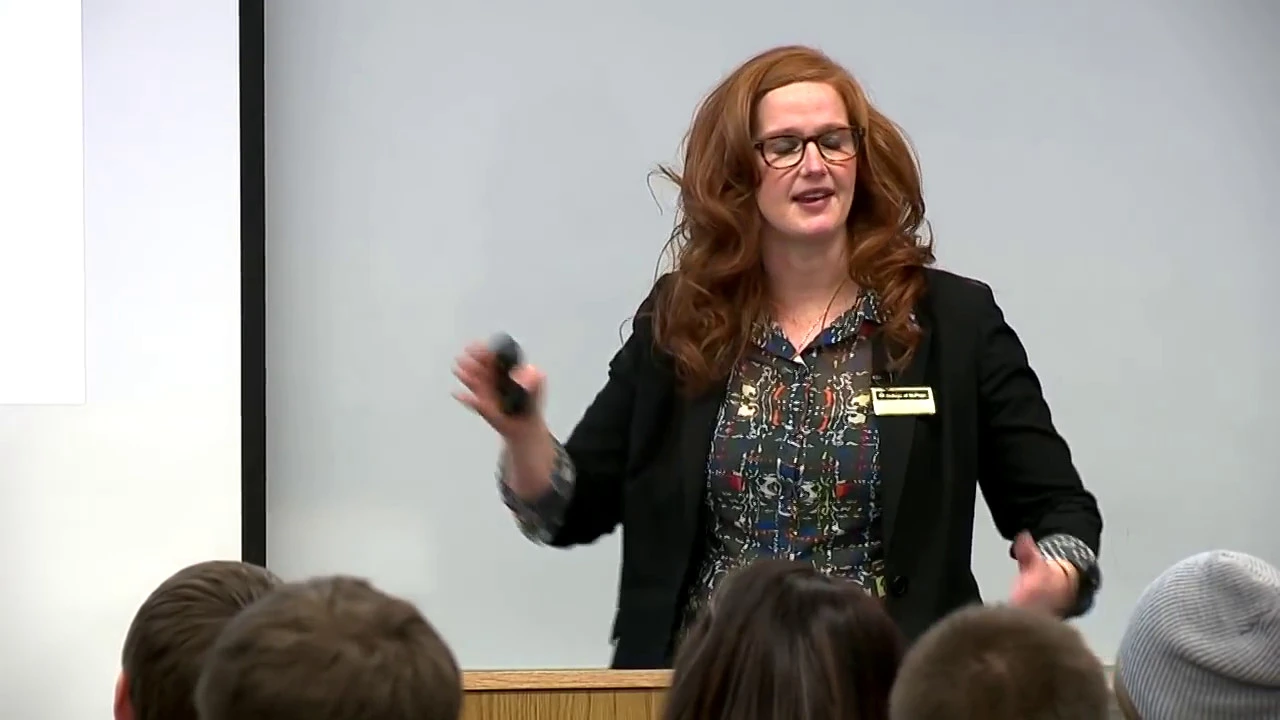
Added:good afternoon I was here for the morning section at the back and I have this to help dress that works with these tips and techniques for people who've been there have been in the trenches one of the things I really like about they said was it works of listening and we're going to talk a little bit about that up the chain how many of you are now are happening in jobs where in order to move a kid with being successful you have to get permission or approval from somebody one or two levels above you progressing so hammers might just just not everybody as Cheryl said we teach speech communication at River City to travel all over the country and we've been doing it for 28 years the long about the year 2000 2001 I had an opportunity to work with a VP of a San Jose company if I - but - presentations because he had not feedback that he needs to cover what I did to this person so I'm another time rod man one of the things I said be sure his stories because stories are much more powerful than data and there's a ton of research in chosen so this fella went up after he taken my class and the end game is quarterly report to the senior management so these were people who founded the company and the scene friend of mine was in the room and she said what happened as he started tell him story like I pulled into and he gets into the story about thirty seconds and the see whole old was in the back of the room starts yelling and literally yelling at her Bob where are you going with this get to the point now the bob was not exactly an innovative and powerful and confident leader and the person who was there and important listen with the net not yell at him the fella just kind of withered he well the speech notes that he sent me to Rick Gilbert said to his stories at which what the CEO kept yelling at it and said well fire me or burn and get on with so I I was impressed with this story because it had been a bad day for me implicit so they did an appointment to talk to the CEO on the phone about a week later I said so what my mom put what how did did Bob will think about it and he said look he started telling stories and we don't have time for stories and I said but wait the research is great but the stories increase retention and then the c0o said to me something with a light bulb went on said to something that has changed our business from that day to this he said we don't care about retention we have to get on the team will make the decision and move on this is a decision making me the moment I'm speaking at the top level is really different than other kinds of speaking that we do so we started an investigative and because we had contacts with a number of senior people I started doing videotaped interviews with CEOs you sit down and give me a half hour at the video camera greater say so what does it you demand from subordinates who come to speak to you and these CEOs look at the camera and they said look if they do this this and missus career living through this this and this and if Security Council now if you're a middle management I didn't have to get approval that's all you raise your kappa at some point you have to get approved wouldn't you like to know what was on this list and so we've continued to work on this with a number of publications and new videos that we have online programs and just stirred by the way it's our Boston representative and she can tell you all about how you get access to this stuff edition them Joe said I'm not selling books today I'm nationwide book to her I can't I don't have enough strength of them so if you want you can go to Amazon so so what happened he started researching this got some incredible insights which I'm going to share with you today and since way back then in 2001 we trained about 10,000 people in these techniques my goal today would be that when you leave and let's say we have an hour 45 s where every time you leave here with two or three things you actually the new tomorrow next week that will make a difference in how you come across the senior decision-makers because it turns out it's like through the looking-glass folks I'm get into that top level meeting or making just to a few levels above you reality changes I'll boost nap powers up everything is different why is it dick it's because of who the people are not grown now I'd say a little bit about why I do this work I have a social science background when I see something online autonomy sort of something I'm understanding I love to do what research can figure it out socially just lettin up in the last 10 years to get to this book and there really are thrilled the interview these people find out what they're saying but more importantly than that we get to our country company in our company we get quotes in the country that they really created in our company we get to work with people who desperately need these skills and it is such a thrill when you have somebody who's you know 35 years old they've been in the business world for ten years at MBA and they just can't get to senior management to get what they want we've shown this son neck bone things change let's look at what those things are and I'm going to give you I'm going to start with the ending so this is my summary and and I'm going to make sure you get at the end with summary there are only three parts to this it's very simple not in the book and in our classes we go that much deeper in it but the takeaway would be top line would be when you're speaking to a senior decision maker get to the point immediately verse 30 seconds not 5 minutes not after you've shown all the data because what time you're showing the data they're gone number 2 PowerPoint how many is the PowerPoint your presentations how many curve in the expression death by PowerPoint if you ever killed anybody to do slides I think you've been complaining they don't want to hear top of a higher if you go less powerful what they want is a discussion get to the point immediately plant a discussion not a slideshow and then what can you what keep and talk about that and it has to do with improvisation they don't want somebody to come in with their slide except but I'm giving my slides no matter what you want something which I have my feet to make changes as we go along so let's look in debt number one get to the point in 30 seconds we have one of our executives that interview we're gonna be pulls up this five years ago do you sing with that great we pump ahead five minutes to go so now I have marina at the entire Internet I have movies I had Oprah I have any birds and all of this is more interesting than your slides and you don't get my attention in 30 seconds I'm glad I'm out here 30 seconds boom here's a clip of the week we've done a lot of videotaping on the East Coast so we use it in our training classes online let me show you this one great clip well new subject here why are we in here muscosa business discussion and after maybe some opening pleasantries let's just get to it I think a great presentation starts first with a very clear statement of what you want to accomplish the first thing you tell me to get my brain thinking about where you're going to take me let's start with saying what I like to do there's an entire sheet about how to organize the presentation so in second statement ix decision today whatever then I go okay I know what you expected me now I need to listen for that if you want to get somebody to pay attention to your conclusion let them know the conclusion of the beginning and then support the conclusion because they may have tuned you out there in detail we know one of this evidence for their conclusion so it didn't matter if we were speaking to a high tech company a biotech company I know tech company large or small whenever you talk to the senior people they say get to the point any suggestions any thoughts about why they're so urgent about getting to the point have you ever seen this gesture what does that mean if you want the press senior leaders learning that gesture everybody weren't trying to get it I want you to leave into the table a little bit and I want you to get kind of a really serious look on your face okay everybody lean in your team a little bit and I want you to practice this gestures we call it the big dogs salute so on three you say two people per team okay one two three hit and if you really want to go time is the big deal it's just you because they're on such pressure and they have more meetings and they can possibly fulfill anything and if we walk in and say how's the kids how a summer vacation you know I read a book once my management said I should create rapport and those have silver on the wall I like sailing gives it to be very disconcerting because typically these people are pretty smart they know the business of deeper level and we do and you show them the selecting I got it I got it okay yeah take me the lesson I got it I got it use it pretty you got it took me three weeks to slice but I gave it my best shot and you got it so it can begin to be a little bit distracting than four separate if you walk in and you know about this stuff ready for it so item number one get to the point immediately don't wait we work for the technical improvement of any state biotech money and they always said they did their management presentations like their technical journal article how many are scientist engineer truck and so it's not okay so what these scientists are doing is they were presenting to top-level people like a technical journal area to imagine an upside down pyramid so here's the slope of the problem here's what other researchers them here's how we develop our spikes here's how we analyze our data the statistical announcement by like 20 minutes later this is what we're learning what do you suppose happens to the senior people after that gets left they're gone none so we said to these guys flip this this upside down pureed like this start if your conclusion you know what happened they started getting money see the man who started listening to it just at that one chain but they came in it because all of their training said no I got him where that logic is like it tell you how I got their visas so much that I used to be a client so I have a number one first line bottom line control get right to the point number two here slide now another are you talking about using PowerPoint and we've all seen this death by PowerPoint and everybody laughs but we found in our work that these senior people and the people who report to them it's not funny we have seen careers come unglued when a person a hapless person who had presented this level before walks in with 30 PowerPoint slides and think they're gonna make a dent in their career all it does this damaged their career it's not funny Cina people won't tolerate it if you have a team of your own or 530 people whatever you've got maybe you manage other people they'll put up with it they have to do the boss but when we're speaking at the top level so sometimes snacking reporting on what we've learned on the presentations or a bit that workshop we want to make some about content and some of the financials so first of all let me um can we start with the content so when you see up here is like if we do the same there we should like do the same you know on the other presentation and so you'll see you get people people presentations by the way you guys can ask questions any time if you want and I think it's pretty straightforward but I said that any more slides you know maybe submission is here there may be some issues here have you ever seen a beating like that I'll pick it out but you haven't done that yourself quickly do that kind of a but it happens so often it's just a shame senior people don't wanna they don't have number didn't have the time friend Len great story about this I like this story a lot friend of mine named our work for hula pakka he was a lab director and in 1990-91 in that timeframe they didn't have to came back to run the company because they were sort of taking the other side and one of the things he did start looking at these various programs to see which lungs should be eliminated in order to cut costs my friend Marvin with a big long load of overhead transparencies now most of you are too young to remember overhead transparencies everything remember overheads okay yeah the big stack of them and what do you suppose they locate into this lost language so but they walk in and beast feel scarier than preparing for meeting police and what's after see this is the statement set there's a pattern set of it don't bother with all that just tell me what you're doing for my company so my threat mark says well my job is to take research for the lab and move it out into the division so it can be turned into the products big package says sound good beep good at which point my trademark maybe even go to visit well I gotta show you my slides he's such funding with his slide please worked a long part of a slide this loss granted by economic said let's get out of here we just got a yes so that's so typical of senior people they want to have a discussion they don't want to slideshow now that doesn't mean don't be prepared and it doesn't mean you might want to actually because life it's just like I said if you have 30 minutes on the agenda you're gonna be talking for 10 minutes the other 20 minutes we're going to be debating that is about three slide most people do a 30-minute presentation for each life but this is not something useful like to have it a setback one the executives that I interviewed said look if you can't talk about what it is you want or your project or your butter without slide then I don't think you know we're talking and you can get the money is that clear yep okay the question is it's really scary to walk into a meeting without their and grunting does he want them to know that they work really hard yeah exactly and I'm not saying this is easy and you probably shouldn't have all that data just in case they want to dive into it because you never know we have a link to this money but if you've been leave your cell first of all realize that you're at the meeting because they already leader to it they already trust you so in a way that isn't necessary and I think what happens is that you're able to have a more high-level discussion not getting that pretty gritty by the way this is Jenny if you're there talking to doing the lower level technical group a lot more of that as you move up in the organization you're going lot less data and more stuff but just now I want to show you a little bit about so it's okay if they all agree that it's a good idea to reduce slide so you're going to use them anyway one way or another let's look at some ways to do them effectively there's some fascinating research this isn't a book called brain rules and makes me go to site picture superiority effect it's fun they did a study and they gave one group of people information using workers begin another group of people the same information using graphics and then they tested them three days later the graphics people could remember 65% of looking explosive pretty cool huh now so what we learned from this is make sure that you use rappers charts graphs data okay just gonna lie bruh pictures my god pictures are so terrific there's a way of keeping people engaged and if we're just using bullet points lives keep in mind on the research on this is really clear a number of different sources the worst way to community the worst way to communicate this bullet points life that's the worst way I then subjected those are Besant laughter saves that never mind would a senator career it ain't pretty don't use it stop woman there's a guy at Penn State name Michael Ali he has a whole system where you sit bullet points you have a sense in line at the top except with the slides about it you use new signatures so let me should be an example so let's say we're talking about leadership now now here's the sort of compromise so I've got my main points but I have an image of a leader this is going to help people remember longer than the bullet points later now the question becomes what should you do how should you interact with the slide let me show you what not to do as you can see from my slide there's something to that you're looking to them you look at the screen you look at them what you want to do I call it bTW oh btw bucks in the wall you want to be back at the screen like this looking directly at the audience you want to be in the screen and give the slide you want to be bleeding and puking and sweating all over this thing and it's just don't really buy into this thing you're not you know phoning in the data from over there so first of all I want to be right there so I can take it through it then you have to point to what you're talking about so many times somebody will point to what full of them there are three ways we've been to this one you can use your hand to lace three you can't complain we're going to do a quick survey show an sleeves which of these do you prefer how they convert the hand show hands how many prefer the pointer Johanns how they confer the laser ah those of you that prefer the laser I have this way this may be a very big takeaway for you our research with groups right and left and all over the place indicates people hate the laser don't do it the only reason you want to use a laser is you have a big conference and you have a 15 foot screen is plenty feet away from them and there's so I'm completely committed you have to show what you're talking about so maybe you know you've done your major using so as you can see here the data shows is you couldn't possibly that you exist but by and large don't use the laser with people why well you know people do this there's even well I don't speak a lot and so I'm really nervous but so as you can see here well then I think you like they get sort of sort of lost in it so sound like well okay so tough got tough tough really tough minded which he is you know you can see much spacing really tough you stop it or then they forget they have a thing on right and the little light is flying around the room sometimes the pointer can be your best shot but you have to learn how to use the player because people do weird things required nervous a little bit I said Monday nights do this true story he gets up this reason so as you can see that high integrity inspiration so if you're gonna use your hand that's great there might be a time when the screen is a little bit bigger the rooms of the bigger and the player would work or last choice of course would be the lake maybe thoughts about that anything does that create some some interest story or less oh okay okay look you turn it out on the bottom in your name is Teresa hi Teresa welcome to the show my question is any tips for when you present remotely your TV remote Richard virtual or later how many of you have to struggle with your Simba speaking remotely doing webinars and looters Wow this has become such a big deal we actually offer a class upon it and of course we do it remotely we to a virtual class unpresentable a table orthotic that is so there's so many people that are struggling with this new discipline as nervous as I might be America live audience when we say can feedback with a virtual thing you'll get feedback you don't owe people much sleep on their email they without their sandwich it's really tough and there are some things you can do a number of things have to do was summarizing that you're talking about using different people maybe have somebody else call me because it avoids the don't use bullet points I can use graphics and your involvement because the WebEx and a lot of these to not allow you to actually bring groups in the innovative so you have no say in that 30 feet on your call and you can break them into six food supply a given assignment come back even though they're all in different places but it just keeps replaying it yeah I brought that up alright so let's continue so we so far summarize get to the point in the first 30 seconds don't depend on PowerPoint you've got to be able to talk and get your point across without that and here's the next one being improvisational know what I mean by that the exact said that very often business moves at such a pace that things will change from one moment to the next you come in you're going to be a 30 minute presentation on rolling out the project in Europe and they say look that's no longer important now we're talking about Asia and so can you give us some information about that one guy said sometimes these folks come in to our meeting and it's like they've got their slides stapled to the front of their shirt and they say you're going to get my slide but earthquake building falling down fire I'm going through my slides because it might be if something came up just a few minutes earlier we're moving a whole new direction are you able to change so in a minute I'm going to ask you to think about a time when you've been improvisational you know your business environment I'd like to kind of think about a couple quick examples and then I want to hear to do whatever guys we interviewed for Silicon Valley we see the old accept 80% of your success is improvisation only 20% is content this mic so what they're saying is they really want somebody like can read the world so I've got I'm like I'm having an out-of-body experience here I am representative and there's another parting of sentences it is sweet these people with me what's what's going on and then if you realize that you're losing the audience you have to do something rather than just talk quickly honey get out of here so this thing about process that this is where the listening comes in as well so you can start figuring out what's going on in the room and listen to the responses and then they can change accordingly they cut your time we just saw the clips of a feather they cut your time that the executives disengage they start playing with the phones right there's a food fight this key decision-maker walks out of the room you get the side talk if we saw it at the end and then they change the topic like another one is when they get into an energetic discussion which you say also argue you know what's the most important takeaway of a meeting and I wanna take one example of it is that's time cut even though our time constraint today the center some time for this one so you go ahead must say here expecting 20 minutes on the agenda and they they say well you only have seven minutes for five because the speaker before you something else came up what would be your suggestion about what you should do when they cut your time yes Lee asked for a follow-up yeah that's what we call graceful disengage just say like really was expecting a long time can I come back next week yes so yeah so so what can I give you something instead of 20 minutes I have five you know when we need to produce something perfect yes make it perfect yes a lot of this business with time could be quite arbitrary now I'm going to show you something called the elevator pitch this is one of those valuable things out of remembers how it's sort of boiled down main ideas into five minutes or three minutes it works on the elevator going up ten floors and CEO gets and it's a so a negative marketing plan we do have your elevator pitch ready to go you can handle this even works on the phone they're meeting somebody in the hall so I'm going to demonstrate how this works is that I'm going to ask for somebody to come up and give it a try so this is an opportunity to practice right so you may be thinking I would rather shoot myself to try this out for a moment or maybe you're saying is we kind of fun I will say this what is that great person that comes up and doesn't know the motivation for us get your very own copy of speeding up surviving executive recipe sweeten the pot a little bit so let me show you how this works yes somebody asked you to be a senior leadership person I'm up here talking about communication you know speaking up power speed and all that and you have a you have a problem a concern with something I've said I'm not expecting it and I'm going to see if I can use this month 24 sentences actually increasing these are the people okay so we're very happy to roll out our new communication training model we think this is going to be very helpful for organization any questions so if I understand your question is why we need to do this again is this important why is this important okay so this one in my slides I'm not ready for this what do I do at this time so the first thing I did was paraphrase the question make sure I understood the way you ever heard somebody answered the wrong question all the time right my position is that arts communication training is going to make our country more competitive the reason I say that is that in the past when we've given our engineering team communication skills our profitability goes up let me give you a specific example of that the Harvard Business Review last April had an article where they compared two companies same revenue same market everything one company gave their executives and technical people through negation screening the other company does not and they followed the growth of those two companies the one that gave me the credit the communications training and 38% increase in revenue in two years so my position is communication training will actually increase our bottom line now this is the this is the heartbeat you've got a piece of evidence example a story research whatever it is that really nails it does anybody want to go check out that article hundred business review last April I just made it up there's no second but you really like who would make this up right because you lots right on the line probably but not too much and I got the whole thing so you know yeah I guess we think we can we get brand line think of these four sentences that's it please don't start right because that people are you have to really keep the focus to people so who's my father Beckham on track terrific come on up come on down as they say please stand of us a part of this possible that is that they didn't the top of your ear yeah exactly crying I try to get the executives to buy into funding a deal does funding of the place where our sales reps can go to get information that welcome video so you're talking about that I'm in the audience I'm not one of the executives and so forth so I ask you this question first thing repeat the question make sure you got it right and then go through the four sentences okay you're all talking to your father yes this sounds really interesting but I think I'd be worried about the cost you know budgets are looming tight these days how do you justify the cost witness exactly that realization my position and we're already spending this money organization it's already tactus in place and they have had that Desmond finally so she kept it short she had a good example you knew what she was talking about it does give me the credit that doesn't I never told you thing so that's the elevator pitch and it's it's a great way to handle it when something suddenly changes if you have to give everything collapses now you have five minutes so think about that that's in our book there's also on our web page yes so maybe you've been concerned about parking through negative yes yes I think this is a great design what she said was could you imagine that the evidence would be the negative instead of the positive presenter correct convention I I think that senior leadership if you say if your position is I don't think we should move ahead with this program and then an example is how many cried last year it didn't work they might appreciate that because that's going to be cost savings and you bring to the table that kind of insight and also by the way they found out that if you argue against their only position it's very persuasive there's a book out on persuasion and the guy said one thing they found in researching the first thing you do is say and I've written look at the cost of this and they seem excessive at first so you disarm with my talking about what they're already thinking I know we tried this last year and I want to talk a little bit about how things are different someone was like yeah thank you for bringing that up now let's look at this improv thing I asked you to think about a time when you'd admit improvisational in your business in some way I got a personal lesson for this a few years ago I was uh I was one of about ten speakers and were previewing in front of meeting planners in hierarchy no speakers it was a hot summer afternoon I walked in late and I looked at the other speakers there were and I see all those people I've got this thing no competition here and I went over swaggered over and got myself a period this water I sat down I was on Mitch I sat out of my chair and I'm watching the screen I'm doing mine create and it was all done I said this okay my turn to get up and my opening line was people often ask me if I get nervous before a talk and that one was serious it's light-hearted but there are time for being equal positional and save the day give an example you know I have a great Martin Luther King everyone said talk did you know that it was completely unplanned and pulling him from very interesting meal he had the first part of his father about 10 minutes approved by the Southern Christian Leadership and he got to the end of it and the gospel singer Mahalia Jackson was sitting about 10 feet away from him she heard him speak a couple months before about the dream she reads to church and yells at him tell them about the dream Martin tell them about the dream we watch the video of this the note suicide he does seven minutes but probably the most impressive and impromptu speaking in the history of communication powerful when he went to meet John Kennedy the next weekend he walks across the Oval Office which understands if I had agreed and then that speech help shape the civil rights movement also helped Lyndon Johnson pass the civil rights law very colorful there's none of them you all know seen in London right oh there's a song that came out when I was in my other place that receives 12 years old well fingertips part to the story we landed Rusty's 12 years old was in Chicago and he's the opening act for the Marvelettes and the marvelous sent a song called mr. postman how many people notable miss would well little uh beautiful kid exactly I had a ballplayer mother died every night and Elias was really with it and it was time for him to get off stage like it will be me in a few minutes typing hit on say but he's having so much fun with the audience to actually run this band is leading the stage and the new managers coming on well he starts then another two minutes in with the audience and you hear somebody in the background yeah what a pink light Caty turns out that's the bass player from our West and they fill it right behind him was this one little clip so that became the senate number one record for Motown and the first wonder America for Stevie Wonder totally improv no planning powerful stuff at your table I want to I'm going to give you two minutes I want you to talk with people to table about a time when you've been off script in a business meeting where some idea came to you where things were different than they had planned and we're going to hear a couple of people talk about it so you have to miss talking people your table come over one of these have already go yeah okay I need two examples before we move on this table here an examples in the state stand up please with your life divination so my situation was I was I was a newer group and we were working on a big project and presenting to some of the an SCP Ararat company and its its staff and it was a remote protocol conversation I wasn't presenting I was meant to present and the person who was presenting my boss then his phone went dead he was on vacation in Florida so I ended up having to take over the presentation it changed the flood slides overnight so I had no idea what it might impose on the slides so I have a kind of improv my way through the presentation and kind of make sure we got buying for the project so it has people to work on in the next six months so it ended up going very positive situations thank you that's a perfect example of you know just improv it at the time and boom it all works out so let's see this table over here exactly to be them okay stand up there we go sorry about the language Julie stared and also for me at C so I had a meeting recently I was presenting to my senior director and I did that started with the conclusion this is the recommendation and he he just went like with the next steps into a lot of detail with that which was good you know he was enthusiastic about it was a good reaction but I wasn't really prepared to go into that much detail about the next steps just some of it was gonna scope some of it wasn't of what I was presenting on it so it was she had a problem final bottom line much oh yeah yeah it was just kind of trying to work in some of the recommendations that I had already gone to over image and it build up with that okay round of applause thank you those are some excellent examples so I guess the takeaway for this would be keep that in your back pocket the elevator pitch the fact that you might have to do improv a little bit of meaning things change in the moment and and what the executives are looking for is somebody who is capable of thinking strategically thinking on their feet the spur of the moment and doesn't have to be always connected to the slides so when you're a presenter at this level think about being a jazz musician or Santa coming rather than a classical musician I interviewed a classical pianist the other day and we're talking about Jess giggling with Jabba trying to fill evidence this way for pollinators and he said I don't get chance and I should have my entire career learning how to play the little black notes right I have a love classical music but it's not applicable at all situation like when I'm landing at JFK I'm not interested in a pilot who wants to get part of the landing hey you want you just have to really play by the rules but speaking in a fast-moving business situation is not one of them so that's the idea about being more more likely classical I'm more like a jazz player so I think what this book is all about is increasing productivity because meetings become more focused at the same time we decrease costs these executives are expensive people they're very impatient they're very bright they're a TD by their own admission well by the way I haven't talked to you to comment blanking the slide is just going on this is the B key on your keyboard this is maybe the most concrete practical thing we'll get out of today hit the B key well it's like the drop in the B key sign goes off what's the benefit of slang going off to use the presenter right it becomes a conversation not a sly trick and you can get remote stability so senior execs the average executive seeing their position 23 months this is the paper to have reading about melissa meyer at yahoo she's been there a year no Jeannie and Yahoo stock price I'm wondering every diablos had this store like HP no doors bang it was so fast it called the fortune 500 they maybe should be the Indianapolis 500 execs are moving so quickly in and out of their companies and they're responsible for a lot of financial gain do you know how much it costs to put five executives around the table and be and have us talk to them let's say it's a four or five six billion dollar company how much - now where do you think that question but six or seven executives Wow guess how much millions look at less than millions but you'd be surprised $30,000 and Alan what executives around the table out of a midsize company it's as though the shareholders are buying at the end of their reality and what we found out in our research is these meetings are partly successful 67 percent failure rate there's no wonder you know I've gotten to 23 months here and if the stock price goes down I'm out of here let's make this thing move and so we understand that we have that position in mind I think that we can be born walk into that meeting so maybe not talking to see you every probably do exactly deep Dene they didn't directly just something their time is also so if you start off by saying I know we had fun is I think we didn't do this in 15 your goal I'm not discouraged they understand the value of our time now one of the cool things about the book yes that if you have a QR code reader on your phone I recommend you get one just as it's kind of cool very very valid yeah there are 12 of these QR codes in the book and if you scan it with your phone you to our code reader you go to a video of the executive level and there's 48 minutes of video connected with the world so you can hear these real CEOs talking about all this stuff so it's not just me I'm just sort of synthesizing what they told me so I think it's a good time to wrap up here and I just want to summarize our main ideas what does this mean getting the point first line bottom line what does this need done the slides newer selectors don't depend on slightly yeah what people if he improvised absolutely like Stevie Wonder here's my file I'll leave you with this and we'll wrap up I'll be around to talking there's questions about this even after this chat with you here's what a high-level executive Oracle told me I thought I've really nailed it don't make yourself the lead actor in this play you're not go in there quickly and concisely deliver the information answer questions survive it and get out so my message to you is survive it and get out thank you guys
Up Next
Security Reviews as Strategic Advantage in B2B SaaS Sales
@presalescollective7795
177 views•2024-05-15

Triumph of Orthodoxy Icon: Byzantine Art & History Explained
@BenCallan
2.1K views•2024-08-06

FastAPI vs Flask vs Django: Choosing the Right Python Web Framework
@TechWithTim
302.5K views•2024-05-26

Game of Thrones Opening Credits: A Cinematic Analysis
@gameofthrones
46.3M views•2011-04-18
Related Study Plans & Knowledge Roadmaps
Structured learning paths in General & Interdisciplinary Studies