












In self-defense cases, even when law enforcement initially determines an incident constitutes self-defense, juries may still convict based on prejudicial evidence such as social media posts, and the burden of proof rests on the prosecution to prove beyond reasonable doubt that self-defense does not apply; however, the failure to provide proper jury instructions on key self-defense principles like no duty to retreat and castle doctrine can significantly impact the outcome.
Legal Analysis: Sgt. Daniel Perry Convicted in Self-Defense Case
Added:Understanding the legal elements of self-defense, including the standards for 'reasonable fear' of imminent bodily harm or death.
The legal concept of 'Stand Your Ground' laws versus the traditional common-law 'duty to retreat'.
How the criminal justice system defines 'beyond a reasonable doubt' and the burden of proof in homicide cases.
The basic structure of the executive pardon process and the specific role of the Governor and the Board of Pardons and Paroles (particularly in Texas).
Analyzing the legal and ethical implications of political intervention in judicial outcomes (e.g., gubernatorial pardons of convicted individuals).
Studying the 'initial aggressor' doctrine, which dictates how self-defense claims are affected when a defendant is found to have provoked the confrontation.
Examining the impact of digital evidence, such as social media history and text messages, on establishing intent and state of mind in criminal trials.
Conducting a comparative analysis of self-defense statutes across different U.S. jurisdictions to understand regional variances in the application of lethal force.
113.9K views10.2Klikes19:49Original Release: 2023-04-11
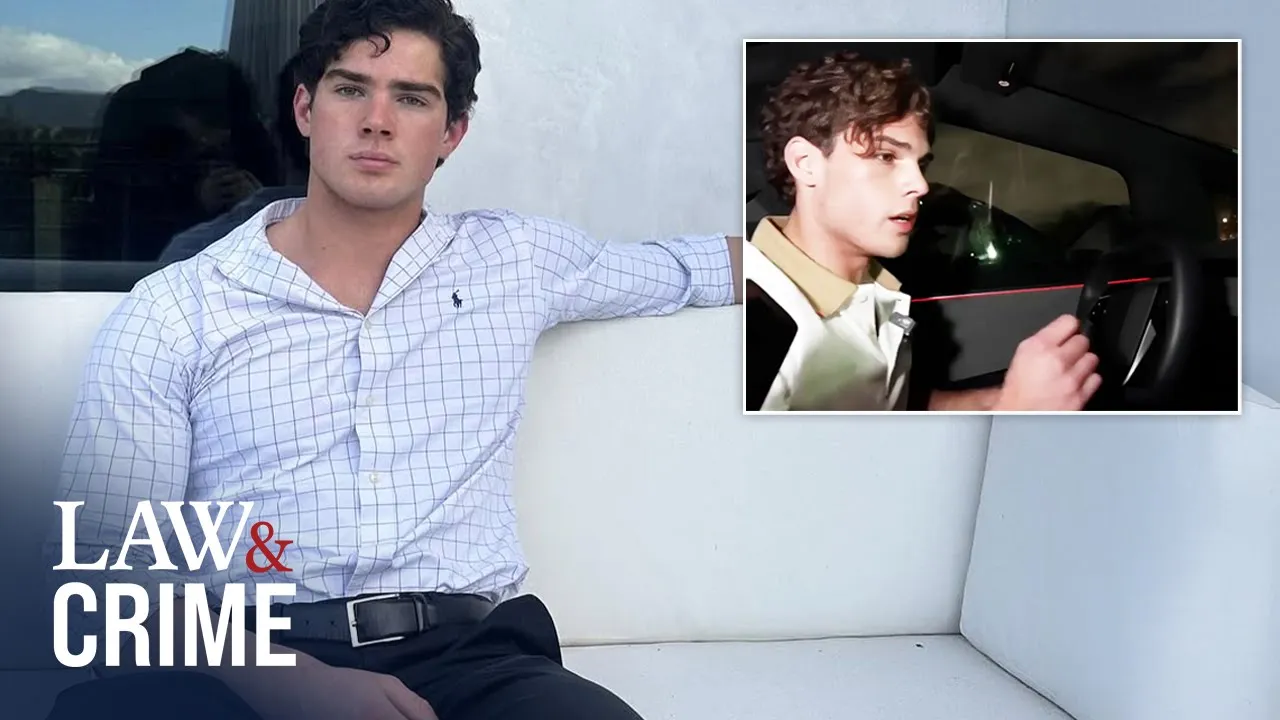
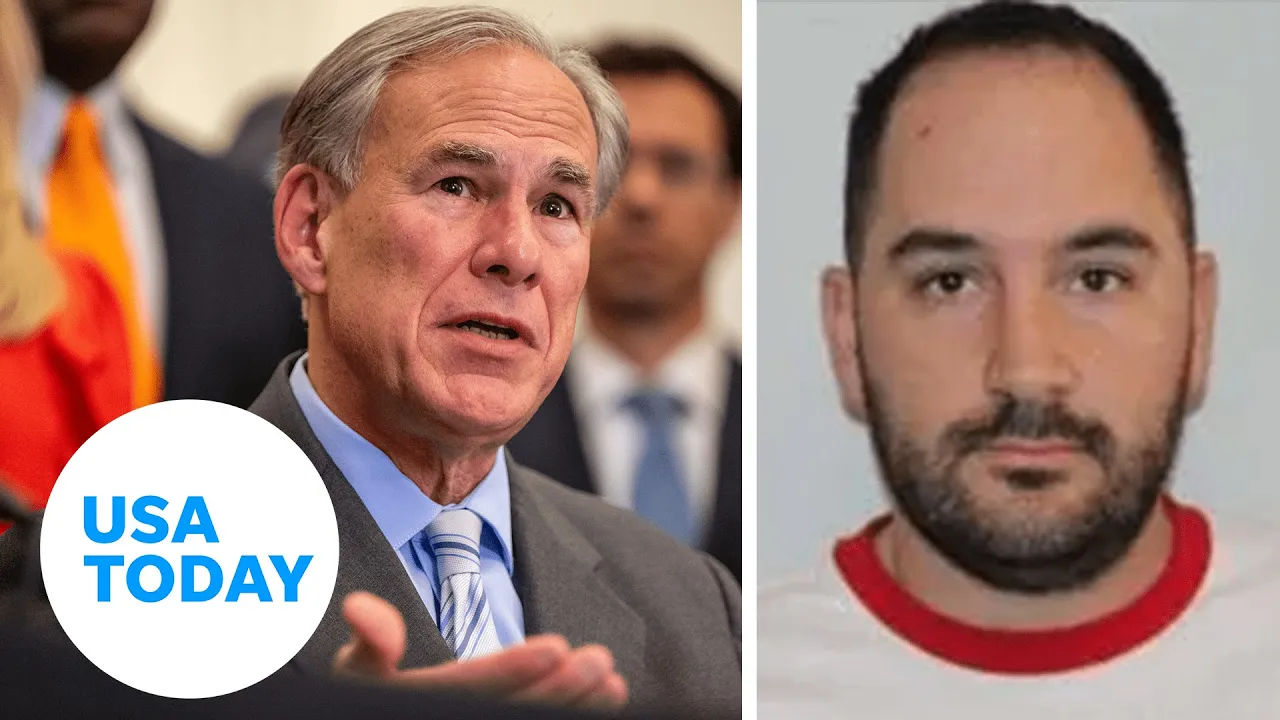
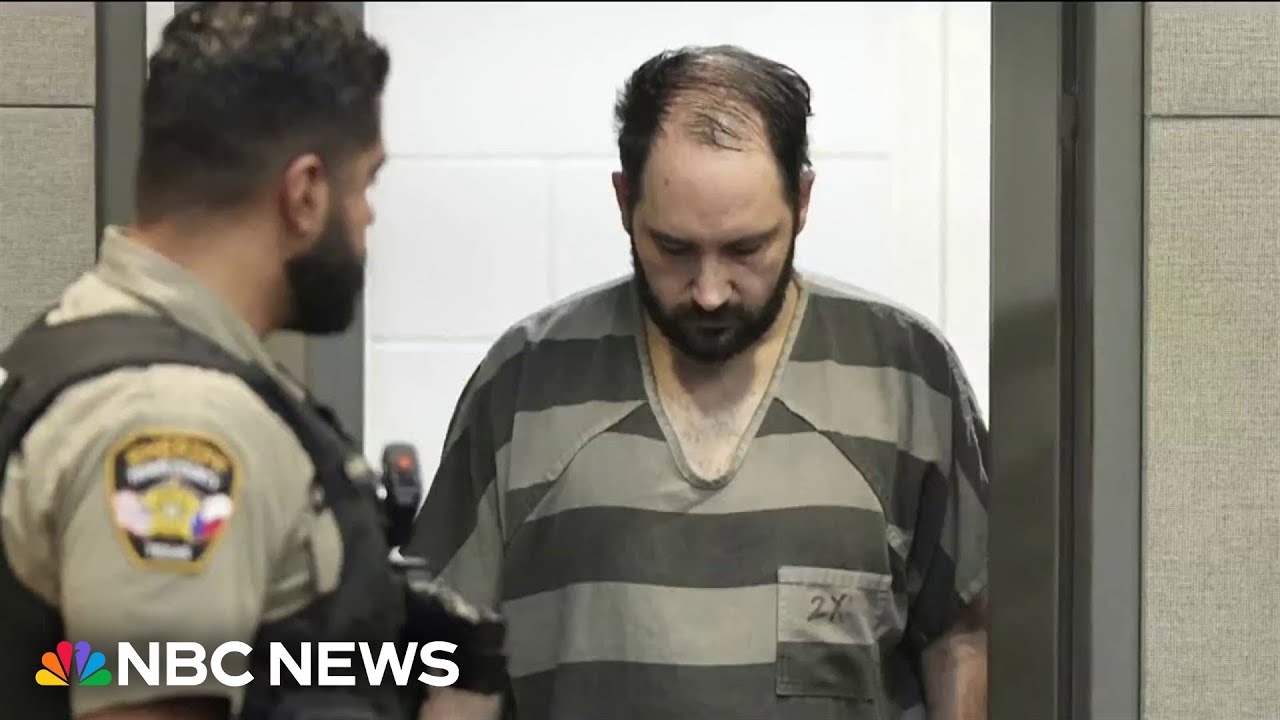
from the get-go the main guy who's investigating the case is saying this was self-defense this was self-defense this was self-defense and I want to know why it didn't matter the prosecutor and why it didn't matter the jury we are the armed Journeys today we're talking about the recent murder conviction of Sergeant Daniel Perry in a self-defense incident what happened why we think the jury decided the way they decided and what the state of Texas and Governor Greg Abbott are going to do about it but before we get started show your support for the second amendment by hitting the like button and Today's Show sponsor is Armslist you're looking for a deal check out arm's list shop your local area for amazing face-to-face deals or check out their Nationwide network from over 1300 FFL dealers sell your items in your local area no sales fees nonsense or other BS just become a member pay your low monthly membership and enjoy all the benefits get access to exclusive deals from Partners on Armslist Marketplace and buying as little as two clicks thanks to Armslist for sponsoring this episode all right imagine if you will transport it back to the summer of love we had riots going on all over the place we are in Austin Texas we have armed riders in the streets this is BLM protesters Garrett Foster being one of them carrying an Akins 47 Sergeant Perry comes into contact with these people you know threat ensues Daniel Perry shoots Garrett Foster in response to you know what he says is a imminent threat of deadly force and transport us forward three years later took a long time to get a trial for this but he is convicted of murder right after what 17 hours of jury deliberation so um quite a long time for then a guilty verdict to be had yeah and I I mean a lot of things jump out at me in this one in particular but I think this is I think we'll start with looking at just kind of the self-defense incident in general but how much the jury relied on what happened before you know we look at what happens during and then after when these folks evaluate a self-defense claim and how he might have been sent for things that happened that maybe completely are apparently irrelevant to the self-defense incident yes so I'd like to get Edwin Walker's thoughts on this welcome Edwin we heard your calls for more Edwin but not less Emily so here we go yeah so this is our first our first three-person video and I think it's important that we all talk on this because this really I mean it really goes to the core of who we are and what we do I mean we all do self-defense law we're all here in Texas so we're very intimately familiar with the Rules of Evidence what should have been in the jury charge what the judge should have admitted what he shouldn't have admitted and and the jury charge is very important and it's the most important document in any criminal case especially as a self-defense case and so I would I'm really hoping to get my hands on a copy of that jury charge because there's so much language that should have been in it that is very pro-defendant did he get an instruction on no duty to retreat did he get an instruction on the castle doctrine on the you know the presumption of reasonableness did he get instruction on multiple assailants which in which the law says that if one assailant attacks you a deadly force you're justified in shooting any of the assailants goes back to our law of parties that we have in Texas here that says basically if you're involved in a crime then you know if you're the lookout and Mr blonde certainly suddenly goes crazy and starts shooting all of the clerks at the jewelry store you're just as guilty of murder as he is at Indiana get the benefit of all those were they understood by the jury and yes the 17-hour thing you know you here in Texas the prosecution has to prove they have the burden of persuasion to show Beyond a reasonable doubt that self-defense doesn't apply so if these folks went in there and debated this for 17 hours that kind of de facto says that there were people in there that had reasonable doubts if your juror on this jury and you changed your vote from not guilty to guilty then all I can say is shame on you because you abandoned basically what you're saying is my doubts were not reasonable and and I don't see how somebody could say that yes shame on them I agree with that however I disagree that the jury charge even if I mean even if it was a completely perfect jury charge and we had all the self-defense language in there and everything that would I don't think that that had anything to do with what they decided yeah I and I this has been my experience jurors usually go in they do like an initial vote you know do we have and in this case felony 12 jurors and so we will know what that initial makeup but clearly I mean they weren't unanimous out of the start and from my understanding is the things that they requested was witness testimony they didn't request any of the videos they didn't request any 911 calls any of the scientific stuff and so I think that's pretty fascinating but to Emily's point and I I want to hear what your thoughts on this are Emily because let's assume we have a perfect jury charge I mean two things that I'm certain are in there are there's no Duty for the defendant to testify we know he didn't know we know he didn't testify and the other thing I'm sure he got to stand your ground I'm certain he did but I think this came down too and this is just family speculating I think this came down to those Facebook messages that got introduced into evidence because bear in mind and you've heard us talk before several times in past videos about the things that you do and say the things that you wear the stickers on your truck how that can negatively affect your self-defense case and there's a lot of people in the comments who are like if these guys were good lawyers that would never come into trial we have zero control right we can make the best arguments in the world and a judge is going to look and say it's relevant or it's not relevant and it is a statement of the defendant which makes it it is an exception to the hearsay rules you said it right or it is a you know like why we were talking about text messages it's not hearsay so is it more prejudicial than probative and if the answer is nope it's gonna come in and so we have these messages from Facebook Messenger private messages that came in that were hugely prejudicial things like oh these guys are going to commit suicide by me right talking about protesters and looters um nothing to do with the actual incident that occurred but things he said before the instant occurred and I am 100 certain that the jury looked at those messages they saw that they did not hear from him on the stand which they're not supposed to consider and they said guilty and well that's also one thing they're not supposed to consider is that assuming that he did get a no duty to retreat instruction that is specifically written in the jury charts you are not to consider whether or not and yet in most of the commentary that's what I've been hearing is that uh that the prosecution actually argued that well he had so many options that he could have driven away but they're not allowed to argue that they're supposed I mean but who do you rely on to enforce that you rely on the judge and that's why this is this this case should be full of appellate issues regarding was the judge correct in letting in all those prior statements did the judge give a proper jury instruction did the judge you know did the defense object whenever because you know we've we've had similar cases and anytime the prosecution even you start with emotionalimine say this is so prejudicial I'm asking the judge to to cut it off before the jury's even sat uh so that it won't come in and the minute they open their mouth about well isn't it true that you could have you stopped that prosecutor immediately and don't even allow them to ring that Bell so we you know so we're going to see that uh but yeah you're right A lot of people don't understand the fact that what they say is not covered by your right against self-incrimination you can self-incriminate yourself all over the place and that's going to be admissible it's not hearsay because it comes out of your mouth so everything you say outside of court is coming in and people just need to realize that especially in the days of social media that uh you know my mother always said that don't ever do anything that you don't want put on the front page of the newspaper and that goes now even more so don't put anything on Facebook that you don't want coming into a possible criminal trial on self-defense well and the other thing that I saw by a lot of commentators are you know Daniel Perry didn't testify in his own defense you know Fifth Amendment we are not legally required a you know if you're charged with a crime you're accused of a crime I mean the burden is 100 on the government to you know basically prove up this crime and we're not going to have these Chinese style struggle sessions where we make you would you know falsely confess or do all these other things but and we see this in jury charges I mean they will be expressly instructed not to consider the defendant's failure to testify or assuming we had our stand your ground you know you're not to consider that for any legal reason jurors just seem to to have a really hard time following the law and I I don't want to sound judgmental as defense team because we were not there right and being a defense attorney in these sort of cases is really really hard but at the same time it's you know I understand you know your gut is client shouldn't testify that's depends turning Baseline right and then bring into these Facebook messages which were highly prejudicial you don't want him cross-examined on the stand about all those things because there's just no good reason why were you talking about shooting all these guys so much Daniel Perry there's no good answers however on balance and of course from The Cold Light of Day and in hindsight with the murder conviction should he have taken the stand anyway and my answer is probably yes well you know well that just shows how difficult it is and how strategies have to change during trial because what they were relying on to get the issue of self-defense out there was the the video interview that he did with the police the 911 call he made those established self-defense so yes if it was just if there was no extra circumstances uh that had to be dealt with that is enough to get self-defense that says I was in fear that says you know that describes the situation that's fantastic because those are not subject cross-examination and it and it puts the issue in front of the jury where you get it on a jury charge but yeah when the prosecutor pops up with all this other stuff that may not have been anticipated or may not have had the uh had more of an impact than you thought it would at that point you've got to address it because that's one of the things the jury's going to occupy most there's their their time talking about now that said and then I have a question for Richard but that said Edwin you and I have had a murder trial together in which I'm gonna go out on them and say the fact that we put our guy on the stand to testify might have been what got him convicted of murder well and that's why well that's why it's always that's why you you're right yeah defense attorneys say don't put your client on stand because you don't know how they're going to react Under Pressure you don't know how they're going to answer questions you don't know if they're going to look evasive or combative on the stand that just goes to the personality and somebody can it is tough yeah and somebody can change you know we've also had a case where are you know where the defendant was absolutely perfect he was articulate he was he was very calm he was very metered in everything he said he was not flustered by any question at all he had a perfect answer the right demeanor right because it's tough in a self-defense case you have to split this baby between you know yes I am sorry that someone is dead but I'm not sorry that I preserved my own life and it's a tough like you you really do have to have the right defendant with the right temperament to be able to say look I am horrified that this person put me in this scenario I never wanted to be here but would I do it again yeah you know without sounding like either I regret what I did or I just wanted to kill somebody and it's you have to have the right the right person on the stand too so um I want to hear what Richard has to say about this lead detective and the fact that from the get-go the main guy who's investigating the case is saying this was self-defense this was self-defense this was self-defense and I want to know why why it didn't matter the prosecutor and why didn't matter the jury yeah and looking at the filings in this case I mean it looks like the defense team really did a good job I mean they moved for prosecutorial misconduct they move from multiple motions to dismiss there was no change of venue filed in this case which probably seems like they might you know hindsight 2020 I don't know if I would have though because they just don't get granted so no they don't get grants at what point do you keep asking for the thing you know you're not going to get and then do you lose credibility with the judge you know I don't know you have you have a lot of that but clearly I mean this is where we have lead detective and this is just goes to a perfect illustration of how juries are complete wild animals and there is no control over this and you know we have these conversations with clients about hey we got this you know bird in the hand here or question mark you know we don't know what the guaranteed outcome is going to be but the lead detective in this case said this was a clear-cut case of self-defense the jury completely disregarded what the lead detective had to say um in going back to those messages you know we have you know I know probably people are like this isn't relevant and I can I can hear the frustration um but that kind of material can come in to show lack of mistake or motive or there's all these exceptions to The Rules of Evidence well plus that that make it impossible that these come in yeah in a homicide in Texas in a homicide when you are alleging that the dead victim was the first aggressor you are opening the door to yourself your own peaceableness and so is that the way they brought it in you know because you can do it through reputation evidence but you could also argue that you want to do it through specific instances of conduct and I mean I don't know is that how they wanted to get it in yeah and I mean it's the I'd rather be judged by 12 than carried by six I mean Daniel Perry got judged by 12. you know here in Texas what people may not know is whenever you're convicted of murder you do not get an appeal Bond you cannot you are not eligible for probation you go directly to jail and I think that every single news story that covered it showed him being cuffed having taken off his suit jacket being cuffed So Daniel Perry has spent every second in custody since that verdict was written and he will spend every second in custody until he is either the the Appellate Court agrees with him he uh you know gets his uh you know he eventually gets a paroled perhaps um or pardoned so setting that aside I would love to see an appellate record on this to find out you know what the judge did that was wrong what the judge did that was correct how the jury charge written but we may not get that opportunity no and I this is gonna this is gonna sound bizarre I know you guys think I'm bizarre um do I think that Daniel Perry should be convicted of murder no absolutely not I think there is plenty of Reasonable Doubt in this case to say he was under assault and he defended his life that said I'm like mildly annoyed that Greg Abbott has jumped in with this pardon so quickly and I think I'm just annoyed because like I have a client sitting in prison for a self-defense murder case Hello Governor Abbott I have a proposition for you yeah I mean let's but let's do the right thing but let's do the right thing on a global scale push guess what Texas has a bill filed right now for pre-trial immunity hearings thank you house representative Brisco Kane for your efforts on that regard because that's how we make big change for every Texan who needs it and I'm I am annoyed that because this happens to be in Austin it happens to be high profile and it happens to be that let's be honest Texas House Republicans are not really getting their job done this session that I think leadership is jumping in with this big flashy pardon which is it's all well and good good for Daniel Perry I'm very happy about it but come on yeah so the process going forward um Governor Greg Abbott has said that he is recommended uh this case for a pardon to the Board of Pardons and paroles you know we see several hundred pardon requests filed every year the board has gotten better in recent years and recommends about half you know the people who apply for a pardon they recommend them hey Grant these guys pardons but from that we see Governor the governor historically I mean signs five or less of these things so if you of the thousands and thousands of convictions we see every year we see you know two to seven pardons every year I mean your chances of getting a pardon are less than five percent I can think of a dozen self-defenders who have been put in prison in the last five years who desperately deserve a pardon what are we doing for them yeah know exactly right and so I mean him recommending that knowing that the board will recommend it I mean probably I mean if he's putting pressure on them to recommend a pardon oh yeah he's going to Pardon yeah I do not want to take away yes Daniel Perry does not deserve to be in prison for this and I think that is very very good but but do the right thing globally not just help this one guy yeah you know what else is amazing about this case and and kind of is it does make you wonder how he got convicted is that most of our most of the the self-defense cases that go to trial uh are cases where an individual shot an unarmed person and in this case out of every protester he could shot he shot the guy with the gun yes yeah so he did not shoot an unarmed individual he shot the guy who was closest to his car who actually had a gun and yet he still wound up convicted Travis County jury very liberal jury um I wonder if they didn't disregard that detective because um they hate Austin Police Department they hate the police I mean that's I mean they are so so so far left I mean we had protest testers out there actively protesting the Austin Police Department and then the Austin Police Department comes to the to this guy's defense I can see them saying like and maybe like you know is the jury thinking was the Austin Police Department not doing a proper investigation um because they're mad at the protesters because protesters protesting also police department yeah so again hindsight might have been good to bring in an outside agency you know if we had if we should have had the Rangers yeah if we had the ranger the sheriff come in and come to the same conclusion maybe that would have provided it more weight but there is something that I think folks can do especially here if you're in the state of Texas we have HB 5283 by Brisco Kane and that would I think it's a pre-trial immunity hearing and I think that would really hold prosecutors speak to the fire because when we look at these cases and I think it's a good reminder I mean the police aren't required to consider self-defense um grand juries aren't required to consider self-defense the prosecutor when evaluating their case the only people the prosecutor is definitely not going to know but the only people who are legally required to consider self-defense or a trial judge or trial jury and I think by moving that process up I mean we see a big undermining of self-defense not just in Texas but across the United States it's time to revisit these statutes and and beef up self-defense going forward but we hope you enjoyed this discussion if you did consider subscribing hitting that like button and help us fight the anti-2a algorithm by sharing this video thank you to Edwin Walker for joining us well thank you for having me and please leave us a comment let us know what you think of this verdict what you think of Greg Abbott's uh promise for a pardon and what you think maybe should happen going forward until next time where the armed attorneys foreign
Up Next
11:40
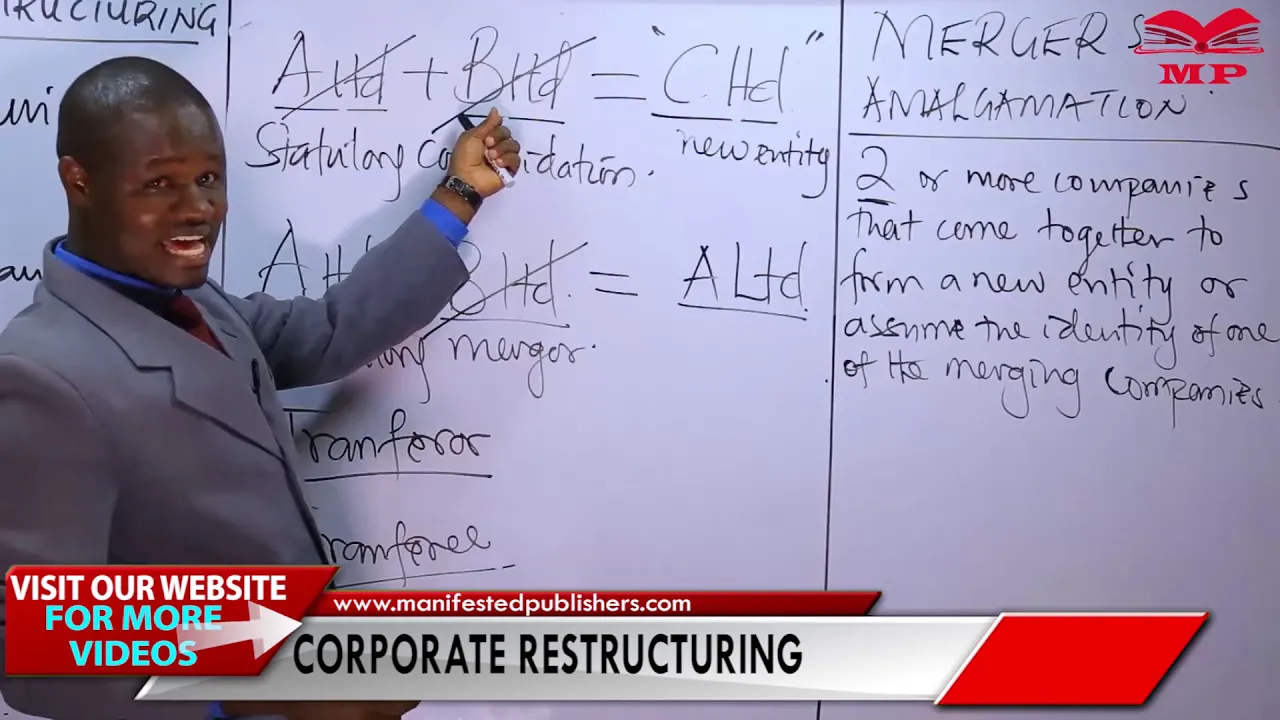
Corporate Restructuring in Company Law | Mergers & Acquisitions
@manifestedpublishers
13.7K views•2019-01-18

6:55
Understanding Copyright and Fair Use in the Digital Age
@techquickie
144.1K views•2016-07-22
13:59
Legal Implications of the Fifth Amendment: Miranda Rights Ruling
@ArmedAttorneys
309.5K views•2024-12-04

24:42
Police Interrogation Tactics: False Confessions & Legal Reform
@LastWeekTonight
7M views•2022-04-18
Related Study Plans & Knowledge Roadmaps
Structured learning paths in Law
law
Analyzing Mergers: Clayton Act & FTC Rules
01Introduction to Antitrust Law and Market Competition
02Corporate Mergers and Section 7 of the Clayton Act
03Defining Markets and Measuring Concentration (HHI)
+ 2 more learning modules
10h5 modules
Explore Roadmap
law
Self-Defense Law: Imminence & Castle Doctrine
01Foundations of Self-Defense Law
02Imminent Threat & Reasonable Belief
03The Principle of Proportionality
+ 3 more learning modules
12h6 modules
Explore Roadmap
law
Defamation Law: First Amendment & Actual Malice
01Introduction to civil torts and the First Amendment
02Elements of Defamation: Libel and Slander
03Public Figures vs. Private Individuals
+ 2 more learning modules
8h5 modules
Explore Roadmap
law
Hearsay Rule: Trial Evidence & Exceptions
01Introduction to Trial Evidence & Courtroom Basics
02Demystifying Hearsay: The Core Definition
03Non-Hearsay: Exclusions Under FRE 801(d)
+ 3 more learning modules
14h6 modules
Explore Roadmap