


![Miranda v. Arizona [SCOTUSbrief]](https://i.ytimg.com/vi_webp/_XkcoGwxEvg/maxresdefault.webp)

![Supreme Court Landmark Case [Miranda v. Arizona]](https://i.ytimg.com/vi/9GY1kahjPkw/maxresdefault.jpg)








![Five Exceptions to the Exclusionary Rule [No. 86]](https://i.ytimg.com/vi_webp/Q3GVRMlqZNw/maxresdefault.webp)






A recent Texas Court of Criminal Appeals case (State v. Johnson) establishes that suspects must invoke their right to an attorney at the precise moment when custodial interrogation begins, not prematurely; invoking rights before actual questioning may result in the court ruling that the invocation was premature, allowing police to continue questioning and potentially obtaining admissible evidence. This creates a dangerous precedent where suspects must be legal scholars to determine when their rights attach, as courts may find workarounds to admit evidence even when rights appear to have been violated.
Legal Implications of the Fifth Amendment: Miranda Rights Ruling
Added:The fundamental structure of the Fifth Amendment, specifically the Self-Incrimination Clause and its historical purpose.
The landmark Supreme Court precedent established in Miranda v. Arizona (1966) and the specific components of 'Miranda warnings'.
The legal definitions of 'custody' and 'interrogation' as defined by federal case law.
The hierarchical relationship between state court rulings and federal constitutional jurisprudence.
The practical impact of the ruling on police interrogation techniques and standard operating procedures for law enforcement.
The application of the Exclusionary Rule to confessions or evidence obtained under this modified Fifth Amendment scope.
Comparative analysis of how other state jurisdictions handle the scope of self-incrimination in custody situations.
The pathway for appealing state court constitutional rulings to the Supreme Court of the United States.
309.5K views17Klikes13:59Original Release: 2024-12-04
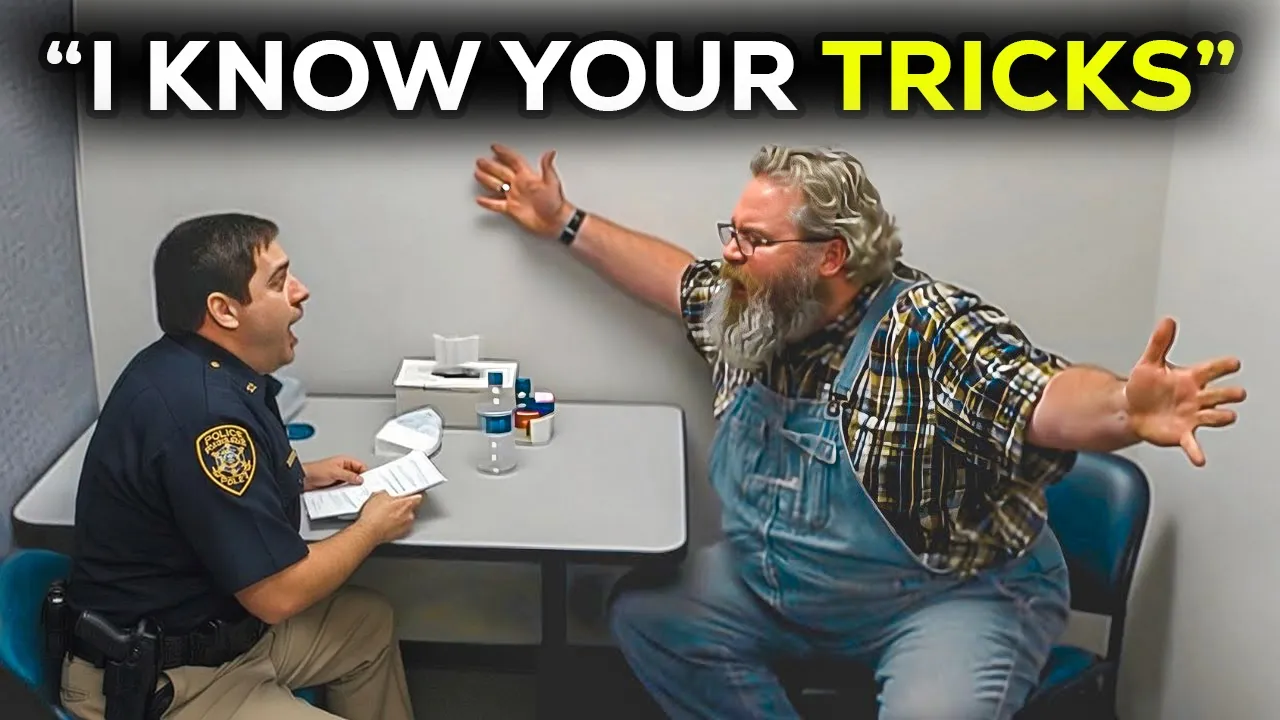
so let's say at the point you're like okay my freedom is restricted I know I'm in custody and I want my lawyer right now and I invoke my right to remain silent and the police are like haha sucker you don't get any of those things yet because we stopped asking you questions and when we want to ask you questions again then you tell us that again but we're not asking any questions right now you're in custody we are the arms attorneys today we are talking about a very recent case that really kicks the guts out of the Fifth Amendment this time nor kicking the guts out of the Fifth Amendment kicking the guts out of the Fifth Amendment this affects when you get your right to a lawyer and what you have to say and at what time you have to say to properly invoke that right but before we get started show your support for the second amendment by hitting the like button and this is a disturbing Trend we've seen since the founding of the country guess what we have these inalienable rights hey government stay away from these things but slowly they find all of these loopholes and chip away at it to where all right there are more exceptions in the rule does the rule even matter anymore and this is one of those protections that I mean is really important especially if you're a suspect in a self-defense case I mean really any case but um a suspect in a self-defense case because there's this gray area we're going to be talking about where if you don't get it just right and the court performs this crazy analysis um maybe you've implicated yourself in a crime where evidence would have otherwise been excluded absolutely so and so all right did you ever figure out the facts of this case I did so this is a case out of the Texas Court of Criminal Appeals it is extraordinarily poorly written thank you Texas Court of Criminal Appeals for this one um I know Richard and I both read it multiple times trying to figure out exactly what they were trying to tell us about the facts but we have an 18-month-old this 18-month-old is living in the custody of a woman woman lives with her boyfriend and so what happens is um boyfriend woman whomever they all go they report this little boy as missing we don't know where he is huge Manhunt ensues neighborhood gets involved um and then he goes up being the last person to have seen the little boy he goes up to the police station and is assisting the police with any details that could help them find the little boy yeah voluntary at this point voluntary right and this is at like I think it was 2:30 in the afternoon he starts talking to him giving him as much facts as you know he's got couple hours go by and the police confront him with this um unfortunate little detail that oh the other children in the house have a different story than you and so we are looking at this as um as a kidnapping as a lot of things that could implicate you sir so maybe you want to change your story um at this point he says I need a lawyer but that doesn't stop the police um and we're now around 5:00 in the afternoon exactly it's been about 3 hours interrogation continues for some some hours um right at which point when he says he needs a lawyer they go ahead and they arrest him on outstanding warrants that he has cor so not on this case not on the baby disappearance but on other warrants so he is under arrest at that point yeah he's in custody they continue to question him uh for a little while then they come and perform a Miranda warning um he waves at that point and then he gets into some more material this goes on till you know 2 am the next day and so and then he confesses to a horrible crime this is how many times do we have to say bad facts make bad law yeah and you might say all right this is a baby case what does this have to do with me well all right this has to apply with when can you effectively invoke your right to remain silent invoke your right to an attorney this is focusing on the right to to an attorney because clearly he invokes it um what happened at the trial court the trial court suppressed you know if you're if you're not giving your Miranda warning a lot of people think oh they have to unrest me or oh they have to drop the charges the legal remedy is is that evidence collected illegally after you know you invoke your rights has to be excluded at trial it's called a motion to suppress in this case the trial court suppressed the evidence saying hey guess what government you had legally collected or solicit all of this confession material um and appealed the state of Texas appealed it up the appeals court agreed said hey guess what yeah you collected this material illegally they appealed it to our highest court in our criminal land which is our Court of Criminal Appeals and the court reversed them and sent the case back down saying hey guess what we found a work around all of this and it's because he invoked his right at the wrong time he invoked his right to a lawyer prematurely because at the time that he invoked the right he wasn't actually being questioned in those moments where he invoked the right which is insane yeah insane under the circumstances I mean it's just it is and again it's like do I I mean I have no love lost for no love lost like does this guy deserve to rot in prison first and Hell second absolutely he does and I not shedding a tear on that one but this sets the precedent for all of us here in Texas and if you think that it only affects Texas you're absolutely wrong because anytime these issues come up Nationwide the side of the government is going to go pull advisory cases from from other states to try to convince their highest court to do the same thing and then here is another thing that really I feel like I'm edwiin ranting right now do it here's another thing that really oh that really pissed me off about this case is that they did not address a second question here but the government tried to argue and this tells you the state of the Fifth Amendment and what you need to watch out for again Texas and Nationwide is that the state of Texas tried to make the chicken argument that saying I need a lawyer is not a unequivocal demand for a lawyer yeah that's pretty wild they made that argument they said he didn't say I'm invoking my right to an attorney or I refuse to speak to you until I get an attorney he said I need a lawyer sure that could mean anything that doesn't mean he wants one right now now the court didn't take that up no but come on yeah that that's the argument being made and so I mean the court in this case gave us two scenarios when a case becomes ripe for invocation of Rights only after Miranda warnings have been given while the suspect is in custody or if custodial Miranda warnings have not been given when the custodial interrogation begins and so the court does this really bizarre thing where they say Okay um you know if he has been mirandized and then he waves those hasn't invoked it well then you can all that material comes in right that and I I think that's a pretty clear-cut case sure here's the second scenario if the person's in custody and being interrogated well it seems like the court did this kind of law specific hey was this guy actually in custody at the time that he was you know being there you know theoretically voluntarily and so to add a little bit of clarification this was a all right he wasn't in custody but he was being interrogated all right not right for Miranda but then we clearly put him into custody he wasn't being interrogated but he was the only thing that saved so they interviewed him some more um I mean he's basically volunteering information at that point that stuff's fine then we we mirandize him that's when he has a right to have an attorney and it's this kind of chicken in the egg situation where you don't have a right to an attorney until Miranda is basically provided to you and then the other situation is custodial interrogation will decide what custody is for you know it's it's almost like a legal analysis and so leaves the suspect guessing hey when am I in custody when am I in custody and when am I being interrogated because that's the part that really gets me because they do this sort of two-part argument well like first he was um being interrogated but not in custody then he was in custody not being interrogated so Miranda doesn't apply any of these times um is you know I mean so let's say at the point you're like okay my freedom is restricted I know I'm in custody and I want my lawyer right now and I invoke my right to remain silent and the police are like haha sucker you don't get any of those things yet because we stopped asking you questions and when we want to ask you questions again then you tell us that again but we're not asking you any questions right now you're in custody doesn't apply I mean it's just you have to be a legal scholar to figure out when your rights have attached and if you do it prematurely and then you're like well I did it I don't have to do it again jokes on you jokes on you it just is it's outrageous yeah because all right and here's the and maybe you've seen this stuff and maybe like First Amendment audits online things like that um and you hear this question am I being detained am I free to go and the reason that people ask that is to establish all right you are not free to leave you are in custody so we've kind of checked that first box well then interrogation well are they asking you questions yes all right well then there's it's likely that hey guess what you are being interrogated at this point we have this long line of cases saying oh they're asking you about a different incident not the incident you're in custody for well then that doesn't actually apply so there's you see this kind of shell game the court is playing and it's a really really dangerous precedent I mean how do normal people know whether or not to invoke their rights they don't and I'll tell you I'll throw another wrench into what Richard just told you which is when you ask that question and when you see the First Amendment Auditors this is generally the situation I mean if you're sitting at you know Houston Police Department homicide floor and you say am I in custody am I free to leave that's a good indicator whether not you're in custody when you're a First Amendment auditor or the like and you ask it on the side of the road likely with the police are going to tell you is you're not free to leave but you're being detained for an investigation and does Miranda kick in no nope because although you are not free to leave you are not in custody you're being detained for an investigation you might ask yourself what's the difference and that's an excellent question I'd love to hear someone articulately explain it to me but there you have it you really do go to law you want to have rights go to law school that's what I get from this all right to run through these real fast here's when the court has in courts have previously held that people are in custody uh when the suspect is physically deprived of their freedom in any significant way when a law enforcement officer tells the suspect they cannot leave minus out detentions there when the law enforcement officer creates a situation that would lead a reasonable person to believe that their freedom of movement has been significantly restricted or when there is probable cause to arrest and law enforcement officers do not tell the suspect he is free to leave yeah so that actually is the one so I will say all those first three like the roadside detention or you call the police because you've had some sort of incident and they detain you like this does not apply to any of those detentions that last one though actually is something that we get to argue in court pretty frequently because a lot of times officers are chattering between themselves and they're like oh yeah no he's going to get arrested he's going in yeah but once they say that and then they start asking you a whole bunch more questions then it gets the gives the lawyers the opportunity to say okay now this was not a detention for investigatory purposes any longer this was custody you should have read his Miranda and those are winners yeah and I would say all right let's bring this to ahead with what can you do as a normal person say you're being custodi interrogated when are your Miranda Rights triggered all right well we know custody interrogation um if you have any question about that hey am I free to go am I in custody am I under arrest those are good questions to establish hey guess what you're being you're in custody um and then them asking you questions at any point in time the Court's going to hold that that that's going to be an interrogation especially if it's related to the incident all right so those are kind of your telltale signs it doesn't hurt to invoke your right to an attorney unequivocally I invoke my right to an attorney don't say it any other way you see the court try to wiggle and the the state try to wiggle their way out of it I invoke my right to an attorney I invoke my right to remain silent and then actually remaining silent don't engage anymore and this is the last or here's what I'll say okay this is practical practical legal tip um we used to do this we used to do this anytime anytime you are in this situation and the officer asks you anything your answer is I invoke my right to an attorney and I invoke my right to remain silent yeah every time every time they post something to you that's your answer and then it doesn't matter when Miranda attaches because you're saying it constantly yeah I think that's solid every single time great response but the last part of this is all right and this is what they did in this case it didn't attach here it didn't attach here it didn't attach here then we mirandized him and he waved it never wave it never wave it what a big mistake that was well but also at that point and again not no with no sympathy to this person at that point it is like what 2 in the morning yeah it's like 1 2 3 in the morning um the reason they wear you down on purpose yes they wear you down on purpose he knew what to do initially in order to disguise his you know crime I know like I'm I'm but here we are you defend the rights of the horrible person because it otherwise it degrades the rights of everyone yeah and maybe your states have extra rights like like Texas I invoke my right to an attorney I invoke my right to remain silent I invoke my right to terminate the interview every single time I think that's good advice good job thank you but we hope you enjoy this discussion if you did consider subscribing hitting that like button and help us fight the anti-2a algorithm by sharing this video and please question and comment for us below until next time we're the armed attorneys
Up Next

3:25
Understanding Rhode Island v. Innis: Miranda Rights & Interrogation
@madisonelick9475
636 views•2013-10-25

4:27
US Secondary Sanctions Impact on EU Businesses and Blocking Legislation
@Bureauvandijk
1.6K views•2019-03-20

19:49
Legal Analysis: Sgt. Daniel Perry Convicted in Self-Defense Case
@ArmedAttorneys
113.9K views•2023-04-11

24:42
Police Interrogation Tactics: False Confessions & Legal Reform
@LastWeekTonight
7M views•2022-04-18
Related Study Plans & Knowledge Roadmaps
Structured learning paths in Law
law
Self-Defense Law: Imminence & Castle Doctrine
01Foundations of Self-Defense Law
02Imminent Threat & Reasonable Belief
03The Principle of Proportionality
+ 3 more learning modules
12h6 modules
Explore Roadmap
law
Defamation Law: First Amendment & Actual Malice
01Introduction to civil torts and the First Amendment
02Elements of Defamation: Libel and Slander
03Public Figures vs. Private Individuals
+ 2 more learning modules
8h5 modules
Explore Roadmap
law
Hearsay Rule: Trial Evidence & Exceptions
01Introduction to Trial Evidence & Courtroom Basics
02Demystifying Hearsay: The Core Definition
03Non-Hearsay: Exclusions Under FRE 801(d)
+ 3 more learning modules
14h6 modules
Explore Roadmap
law
Medical Malpractice: Law, Liability & Care
01Foundations of Tort Law and Civil Liability
02The Four Elements of Medical Malpractice
03Defining and Proving the Standard of Care
+ 2 more learning modules
12h5 modules
Explore Roadmap