
















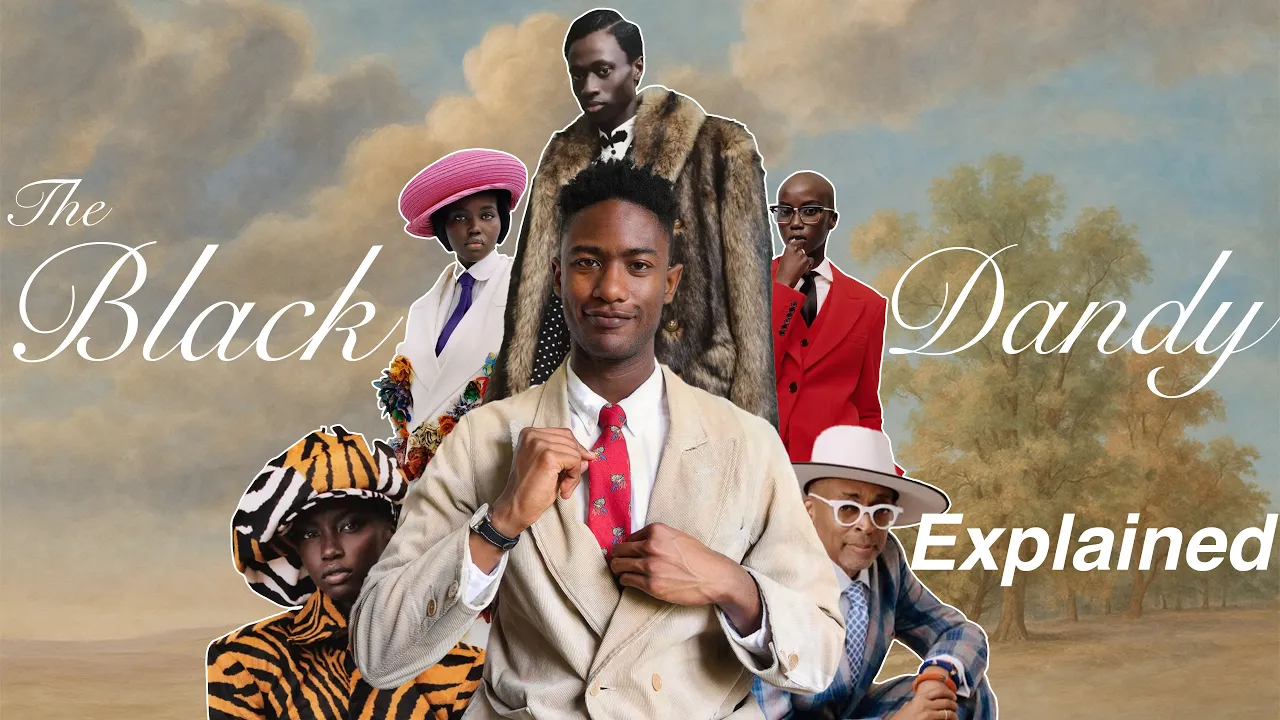
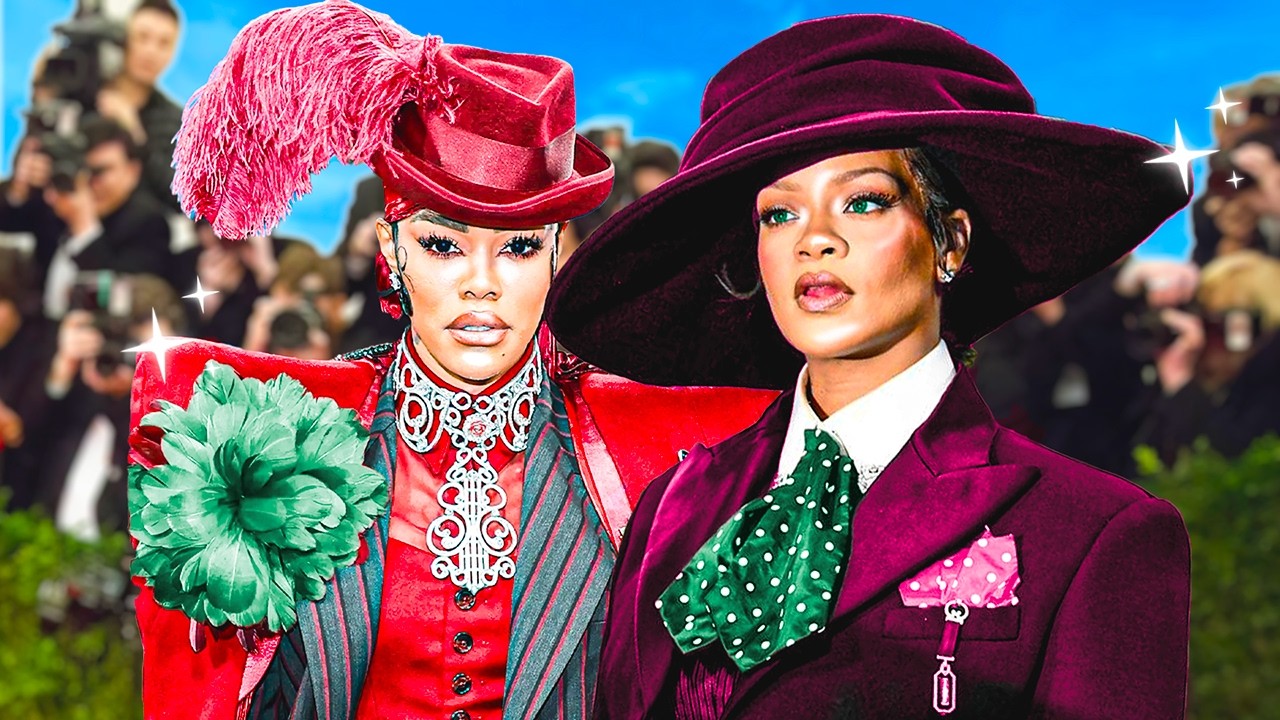



Black dandyism represents a sophisticated practice of self-fashioning through clothing, gesture, and wit that has served as a powerful tool for Black people across the diaspora to assert agency, negotiate identity, and resist oppressive systems throughout history, from enslaved Africans using fashion to signal status and mobility to contemporary figures who employ style as both critique and celebration of Black identity.
Black Dandyism & Diasporic Identity in Fashion History
Added:The historical definition and European origins of 'dandyism' as a social and literary movement prioritizing elegance, refinement, and aestheticism.
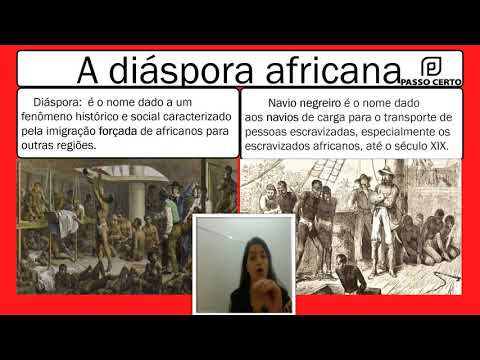
The concept of the African Diaspora, including the history of cultural dispersion, survival, and adaptation resulting from the transatlantic slave trade.
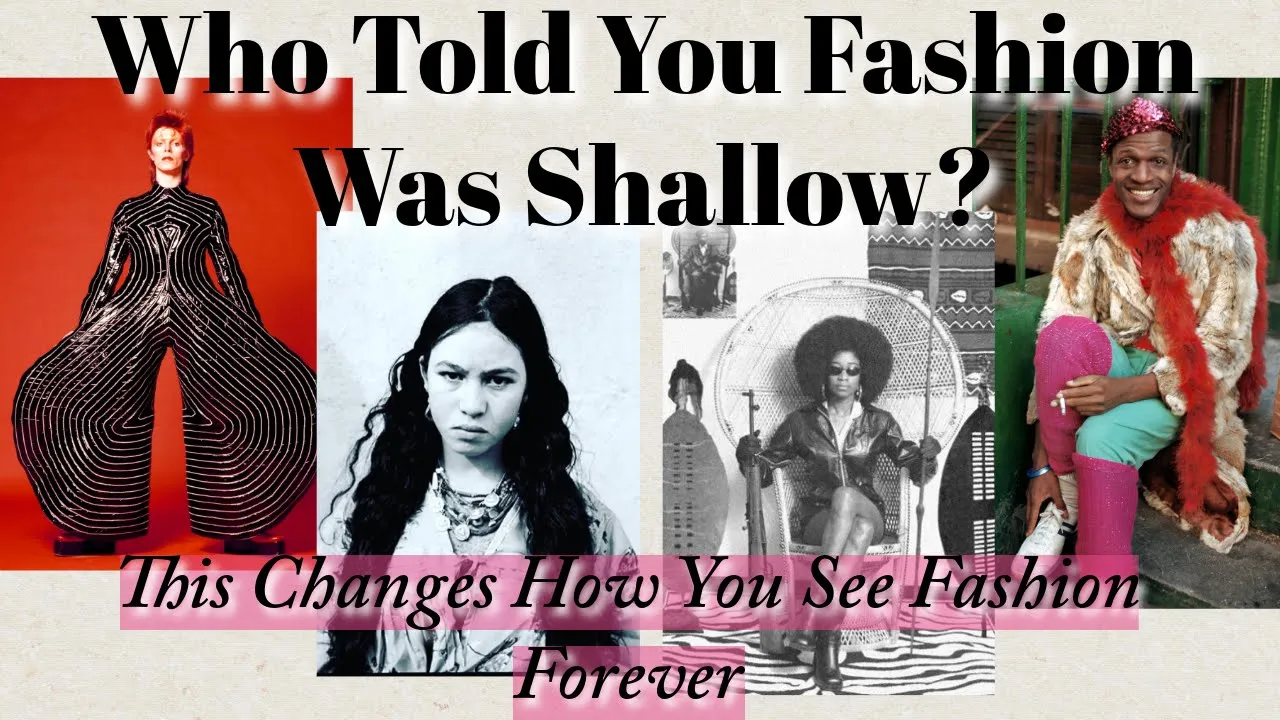
The sociological theory of fashion as a political tool for self-determination, subversion, and resistance among marginalized populations.
W.E.B. Du Bois's concept of 'double consciousness' and how it influences self-presentation and identity negotiation in Black history.
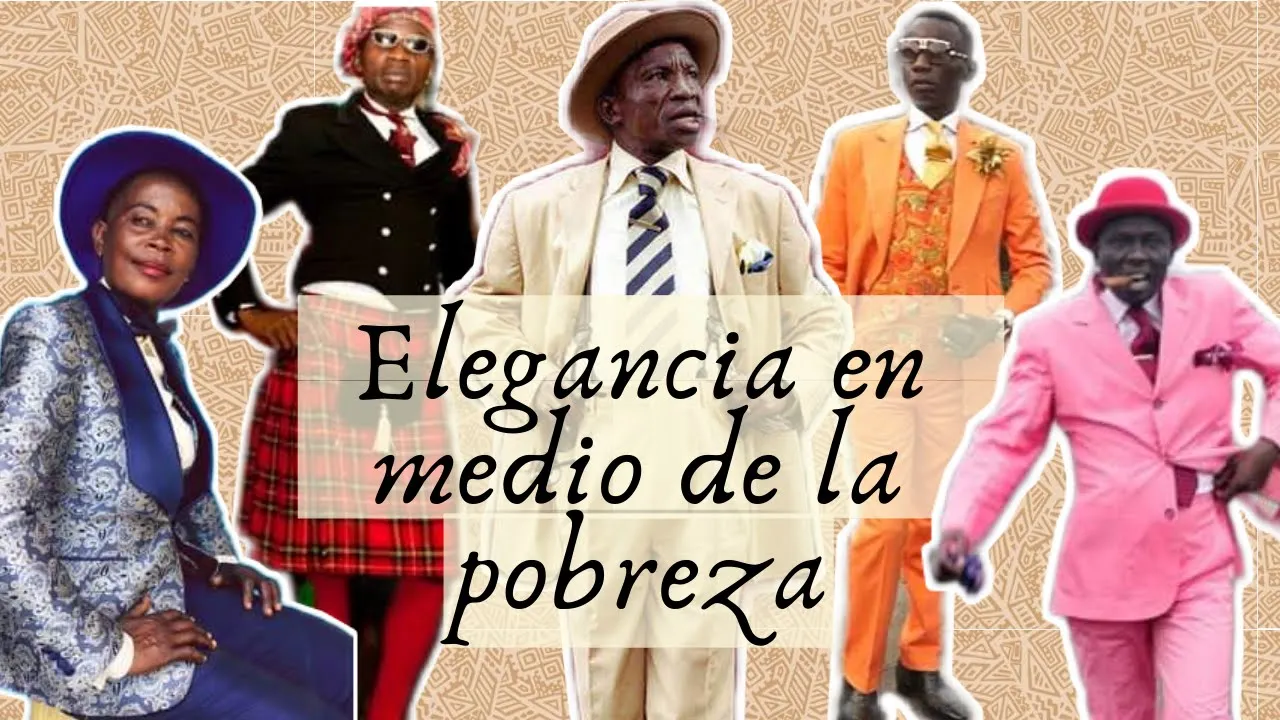
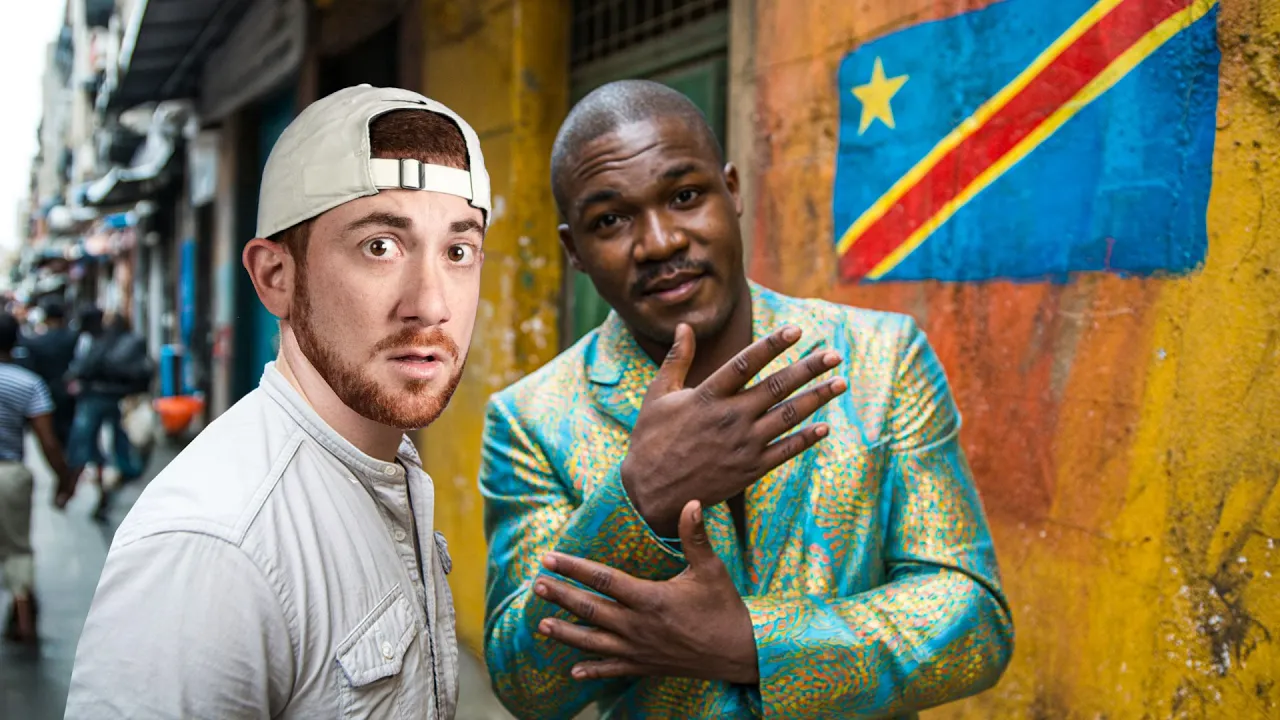
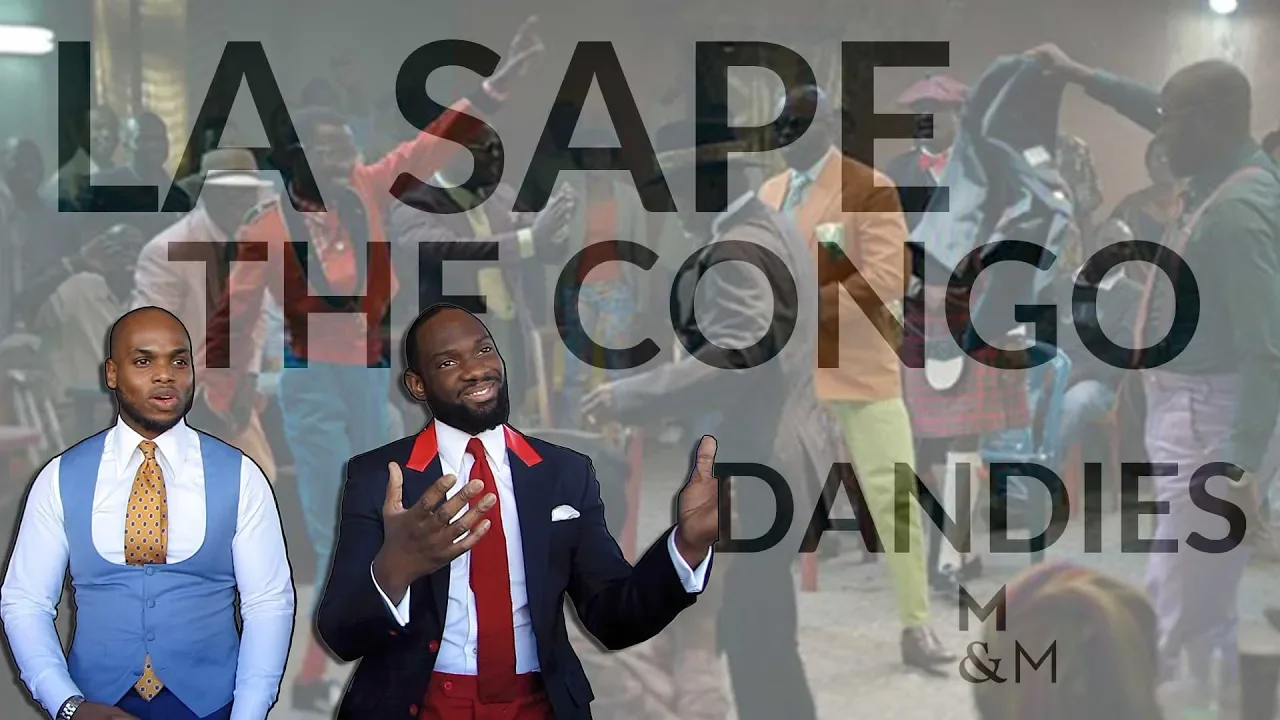
The study of 'La Sape' and the Sapeurs of Congo, exploring how contemporary Central African subcultures adapt and redefine dandyism.
The intersection of Black dandyism with modern queer theory, gender performance, and the subversion of traditional masculinity.
The influence of historical Black dandyism on contemporary global menswear, streetwear, and high-fashion runways.
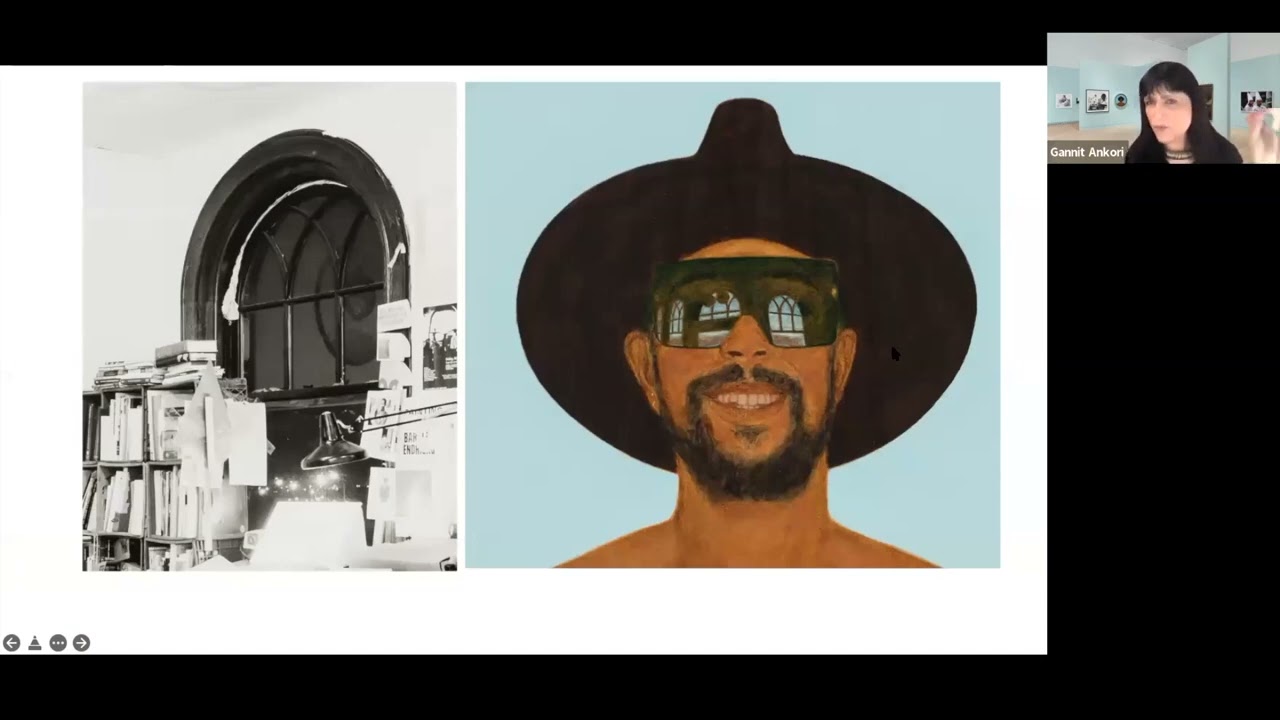
An examination of Black dandyism in contemporary visual arts and photography, such as the works of Kehinde Wiley, Barkley L. Hendricks, and Yinka Shonibare.
26.6K views1Klikes1:11:51Original Release: 2022-01-26
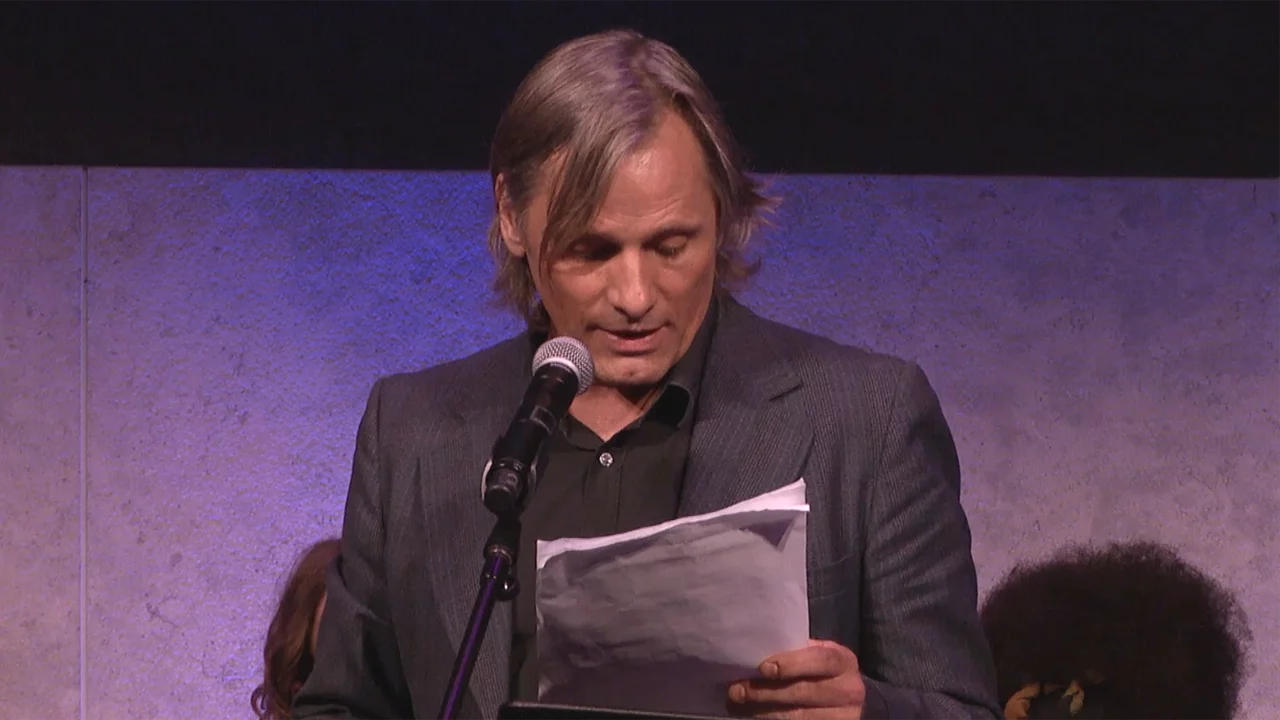
[Music] welcome to the national arts club knack at home program i'm angela louis i am the co-chair of the fashion committee at the national art club for those who are hearing about us for the first time we are a 501 c 3 non-profit with a mission to stimulate foster and promote public interest in the arts and to educate the american people in the fine arts annually the club offers more than 150 free programs to the public including exhibitions theatrical and musical performances lectures and readings for more information about the national arts club you can visit us at nationalartsclub.org or find us on facebook instagram twitter and youtube today we are so excited to discuss black dandism and black diasporic identity here to talk about this is professor monica l miller author of slaves to fashion black danism and the styling of black diasporic identity which is the book on black dandeism it takes place in 18th century england and it is about sartorial tradition identity gender and sexuality this critically acclaimed book is available for sale through the link in the chat box monica l miller is an olin professor of english and africana studies at barnard college where she specializes in african american and american literature and cultural studies welcome monica and thank you for being here thank you so much angela i am delighted to be here at the national arts club and well i would just you know i we're so excited to see all the wonderful images that you have um from from your book and from research i thought that before we begin i was hoping that you can set the stage by first defining black dandeism what does black dentism mean to you is it just about clothing or is it something more i like to and you'll see this in my talk i really like to think about dandism as not just about clothing but i define it as clothing gesture and wit right and a combination of those three so i'm really interested not only in the clothing but how the person in some ways occupies the clothing right and sort of makes it move in some ways as you'll see in my talk through time and space that's wonderful and you know um we were just discussing this a little earlier you are the first scholar to follow this cultural history through the lens of a black dandy starting from the first dandy which you identify in europe in the 18th century and continuing on to black danism in early america and we can't wait to hear more about that so there's clearly incredible deep research that went into this book what was the research process like to write a book like this which is really the first of its kind that's a great question thank you for that um the research process was fascinating because i didn't actually know what i would find so it began this book began in a graduate school seminar actually where i was reading about and i'll talk a little bit about that tonight i was reading about um and about and the work of um the uh african-american uh uh kind of icon w.e.b du bois so um i was looking i was i found a weird footnote in an article that said that he had been characterized as a dandy and was very upset about that so i was like hmm why so after looking into that um footnote and talking to a few of my um professors you know one of my professors said if you want to understand that you might have to go back to 18th century england right so then i started doing history on uh started doing a study of dandism in europe and then tried to figure out like when right um when race became a part of it and it turned out that in some ways race uh class uh sexuality nationality was always a part of that story so then as soon as i could see it in history it was sort of easy to kind of put it together it's fascinating that's so fascinating because you know as i'm going through your book um you open our eyes to things that afterwards we can't unsee anymore so it's it's fantastic um a reminder to the audience that the link to purchase professor monica monica's book slaves to fashion black danism and the styling of black diasporic identities in the chat box we will also have a brief q a at the end of monica's presentation to answer some questions from the audience so please type your questions into the chat box monika we are all ready to learn all about um the history of black danism so please take it away thank you um i saw somebody mention this in the in the chat um but um as many of you know this week we lost um andre leontally um who uh for me was a major inspiration um for this book and somebody whose um career and um and fashion i have been following um for most of my adult life so i would like to um dedicate this talk to him um and um and i just hope that he is um you know uh out of um or maybe still in we can talk about that too the chiffon trenches so this is this is for um this is for andre i'd like to begin with an epigraph and then interest introduce you to a few fabulous men i'd like you to note how within the black repertoire style which mainstream cultural critics often believe to be the mere husk the wrapping the sugar coating on the pill has become itself the subject of what is going on think of how these cultures have used the body as if it was and often it was the only cultural capital we had we have worked on ourselves as the canvases of representation and that's a quote from stuart hall in his article what is the black in black popular culture this portrait of ike uday a nigerian-born london-educated and new york-based artist graces the cover of my book slaves to fashion ike lives his life as a dandy and explores the history performativity and aesthetic economies of dandism in his work he is for me one of the modern black dandy figures whose literal and symbolic body of work exhibit what i call redemptive narcissism in my book slaves to fashion for me ik has demonstrated as many other modern dandies do how black people in the diaspora have consistently transformed moments of capture with caprice how initially subject to an imperial and colonial politics as well as the fashion system that was developed alongside of it they have made fashion their slave or at the very least put it to or in their service what drew me to ike as a subject was not only his fabulousness but his intelligence well illustrated in this portrait and this series sartorial anarchy which i'll talk about a little bit later his photographs are not merely aspirational self-portraits designed to critique the world of fashion as a theater of the absurd but rather a trans-historical archive of colonial and imperial encounter cosmopolitanism and globalization written and worn on the black body in the early 19th century scottish philosopher thomas carlisle defined the dandy as and this is him a close-wearing man a man whose trade office and existence consists in the wearing of clothes every faculty of his soul spirit purse and person is heroically consecrated to this one object the wearing of clothes wisely and well carlisle is being satirical here but even so he's counter-intuitively identified the importance of dandism and performative dress for black people dressing wisely and well or with intelligence and flair has been a necessary part of african-american culture and the culture of the black diaspora even preceding the moments that africans arrived on these shores it was too often a matter of survival not merely a frivolity the slave trade and the complicated identities or blacknesses it produced can be told in the history of cloth europeans europeans traded cloth and fancy items of dress for african captives when transported to the americas those captives were stripped of their native dress and given plain coarse clothing early accounts of slave appearance emphasized that the enslaved traded for or saved up for small accessories that they could affix to their clothing to distinguish themselves from the masses a button a ribbon something shiny the enslaved often liberated clothing from their masters in order to be free and escape bondage dressing across race class and gender lines increased a slave's mobility in actual and symbolic terms dress codes regulated the fabrics and styles and cuts available to captives and sometimes free blacks the overdressed could be corrected and critiqued via mob violence as a clothing practice that begins and flourishes in moments of political and cultural transition dandism is a powerfully interrogative phenomenon it questions easy readings of and loyalties to race gender sexuality class and nation clothes wearing men and women exhibit what uday calls a luxurious deliberation of intelligence in the face of boundaries and i love that phrase especially in relationship to andre leontally they exhibit a knowingness about seeing and being seen an incisive sense of the sometimes fabulous but always serious optics of race and racialization black dandies black style though most popularly perceived as a mere trend of fashion in the late 18th and 19th century british culture a dandy's look the clothing on his performative body has always signified more than excessive attention to personal style indeed when thinking about the dandy in general and the black dandy in particular we must remember that the oxford english dictionary defines a fop from the 15th century as one foolishly attentive to and vain of his appearance dress or manners and a dandy by 1780 as one who studies above everything else to dress elegantly and fashionably anyone can be involved without a parent strategy but dandies commit to a study of the fashions that define them and an examination of the trends around which they can continually redefine themselves my book slave to fashion argues that as a social practice that mounts a critique against the hierarchies that order society dandism initially appears to be a phenomenon naturally suited to africans experiencing attempted and attempted erasure or reordering of their identities during the slave trade and european colonization and imperialism for black dandies self-fashioning is not only a philosophical or psychological boon but initially a more practical concern in order to survive the inhumanity of the slave trade those africans arriving in england america or the west indies had to fashion new identities and make the most out of the little that they were given or allowed to retain significantly their new lives nearly always began with the issuance of a new set of clothes a manipulation of the relationship between clothing identity and power dandism affords africans and later african americans and afro-europeans an opportunity to dress their way from slavery to freedom to restyle given categories of identity and to turn slaves into cells first dandy i'd like you to meet is this elegant man julius subis tsubis was among a very select group of enslaved black people and servants in 18th century england called prestige or luxury slaves these boys and mens were among the very first dandies that i've been able to identify in an anglo-american context they were perhaps the first group of the dandified enslaved able to make fashion their slave when discussing these men in the history of black andrews and more generally i coined the phrase crime of fashion to capture the dynamic in which these men were embroiled and which they took advantage of tsubis himself was at once the victim of a vogue as well as a traitorous trendsetter himself born in jamaica and brought to england in 1764 he was the most visible and most famous of the servants who as early as the 1650s had been used by royalty the aristocracy and later upstart merchants as the ultimate expression of their wealth called pet people or darling blacks these young black boys were dressed in the latest fashions sometimes educated in the genteel arts and were companions and confidants to their masters and mistresses as such they were expressly not used as labor and were therefore particularly emblematic of slavery's conspicuous consumption of black bodies as a former slave manumited and adopted by the duchess of queensberry who was seen here in this print fencing with tsubis as also an athlete a coach an entertainer a ladies man and a quite visible member of the emerging black community sabise was theatrical spectacular and a complication to perceptions of blackness and especially of black masculinity and sexuality often clad and this is a description from the period in a powdered wig white silk breeches very tight coat and vest with an enormous white neck cloth white silk stockings and diamond buckled red heeled sabisa's dress and behavior was both outrageous and appealing despite and because of his extravagance tsubis was loved and admired by all until and this is again from the period he suddenly changed his manners and became one of the most conspicuous fops in town inexplicably or not around age 19 soubise transformed himself from a black and fox clothing to a fop who was black of course the transition from one to the other was hardly smooth and somewhat impossible to complete in an age of slavery rumored to have taken a private apartment he soon assumed the habits of an extravagant man of fashion which included entertaining visitors and rooms filled with hot house flowers pursuing an array of women via song and poetry taking boxes at the opera joining expensive men's clubs and riding around town in his own courches and four driven by a white groom so be seemingly capitalized on his forced spectacularity by transforming white excess into black luxuriance tsubis's tale though ends and begins in boundary crossings while his biographers treat the incident differently they all mention that his years as london's most spent thrift and floppish cad ended when he was sent abroad to mend his wild ways from the high life of the rakes considered an othello from an early age his sexuality was as much on display as his color or foreignness and according to some the black fox actually left to hush up his relationship and some say assault of one of the duchess's maids dressed in the latest fashions as a boy while at the duchess's side he was feminized and made into an object whose own desires could be ignored with the duchess's purse in his hand as an adult he was seemingly a different kind of curiosity able to act sometimes on his own will although a product of the confused desires of the british elite and indeed a man whose very body and its adornment and lace and silks embodied that disorder sibis could not or would not be allowed to spread that bewilderment further forced him to exive he sailed for calcutta in july of 1777 where he lived for 21 years as the master of his own fencing and riding school before he was killed at age 44 by a fall suffered in breaking a horse for the british government as a solution for what to do with dan defied adolescent black boys who were often imputed as drunks lectures those who lacked a sense of responsibility and who had no loyalty again a quotation from the period exile to the east or west indies was not an unusual choice these boys and men were often sometimes helped to prosperity as was tsubise and sometimes enlisted back into the fields one might speculate here that the fancy clothes worn by these boys also functioned as a cover for a perceived sexual threat that emerged as they matured thus their lives reveal a difficult connection between their social social hypervisibility and invisibility between luxury and labor and the expression of and policing of pleasure inside the minstrel mask meet dandy jim from carolina a character made famous by the 19th century's most popular entertainment the blackface minstrel show narcissistic to a fault dandy jim was certainly one of the figures whose signature song boasted of a self-aggrandizement that titillated with equal parts threat and appeal a particularly potent force in the antebellum minstrel show dandy jim and his fellows zip [ __ ] and long tail blue provided a way for the minstrel shows working class immigrant white performers to ask what if what if blacks were free what if they had money access to education unchecked social cultural and economic mobility the blackface dandy costume often an elaborate misquotation of elite fancy dress and the character's pretentious loudmouth ridiculous and yet funny and provocative behavior answered these questions although the early minstrel show presents the dandy in slightly different guises what remains constant about his about its portrayal of blacks and fancy clothing is the figure's association with sexual threat and class critique in the case of the blackface dandy the donning of elite clothing translated not only to a desire for social mobility but also for the most extreme form of integration interracial sex the phallic nature which you can see in this print of the dandy's iconography and mischief cannot be denied what is surprising about blackface dandies is actually the degree to which they succeed at what is called their plan of insurrection and intermixture for example when dandy jim's fellow um longtail blue has his long blue coat split by a watchman or a policeman in his song a clear assault on his follow phallic power it is very quickly repaired even though blue long tail blue does not complete a conquest of any white gals at the end of his song which is his intention he is still very much in the chase dandy jim is involved in similar antics a narcissist and cutting intending to cut a figure at the ball and in some versions of his song wu lovely dinah into providing him with eight or nine young dandy gems of caroline dandy jim boasts of a sexual prowess that is definitely linked to his appearance unlike long tail blue dandy jim's lust remains with his within his own race and social conventions lovely dinah is a fellow black who jim actually marries in his song however dandy jim's quest to populate the world with as many little black dandies as he can is nevertheless threatening long tail blue zip [ __ ] and dandy jim menace even as they amuse revealing the affinity between effeminacy associated with extreme attention to dress and appearance and a hyper masculinity linked to stereotypes about race and blackness both states of being were to provide evidence for the unfitness of black men and black people in general for citizenship despite the fact that the black dandy's sexual threat is almost always figured as heterosexual we cannot forget that the gals being pursued in the minstrel show by white men in blackface are themselves white men in blackface and drag in fact the dandy on stage a white performer in blackface often cross-dressing in terms of race gender and class comes alive in the spirit and performance of these anxieties in the production of a queerness that lingers after the curtain goes down and the burnt cork is removed men who were different though not at all new to americans as a figure of racial cultural and social conflict and negotiation the black dandy was nevertheless taken on and embodied in the early 20th century by african americans in harlem to exhibit a new self and cultural regard post-emancipation with a critical mass of so-called new negroes resident in an urban area for the first time african americans seize the potential to refashion themselves as a group newly visible to the world and each other african-americans began to show off themselves to themselves and to convert their visibility into social and cultural regard but it was not just sheer numbers of people and a new neighborhood harlem that forced the harlem renaissance and its standees into being but more importantly it was that diversity of the people there and their collective outlook that was the crucial factor regardless of whether they came from the south the west indies or even africa what this group had in common was attitude indeed display and demonstration of new negro attitude is not only characteristic of the harlem renaissance but also to the place of dandies and dandeism or groof and self-fashioning within it witness one very prominent public exhibition of black cultural self-assurance and the power of visual display in the era the hamilton lodge drag ball and this is a portrait of bonnie clark who was a part of this subculture one of harlem's most famous and well-attended annual events in the 1920s and 1930s a signature of an emerging and queer harlem style the hamilton lodge ball demonstrated to harlem new york and the world that this new negro metropolis was indeed a particular and fantastic place to seek modern blackness 1920s harlem was a place according to james according to writer james belden johnson that was more than a community it is a large-scale laboratory experiment in the race problem in which sexuality gender and fashion played a major part staged every spring since 1869 the hamilton lodge ball had instituted a new urban and modern street-based display of black extravagance by the early 1920s according to historian of gay new york george chauncey in the early 20th century drag queens appeared regularly in harlem streets and clubs and outside of the restaurants clubs and cafes on 7th avenue gay men in particular were seen cavorting with wild and he spells that w-i-l-d-e abandon as it celebrated the visual display of harlem's most controversial new negroes the hamilton lodge ball gained popularity steadily from the early 1920s when its status as the drag ball in new york and the nation was emerging in the 1930s the ball drew as many as 8 000 participants and observers and it was covered in um in the popular press and this is another picture of bonnie clark a night in which the so-called female impersonators black and white competed for prizes based on fabulousness of costume and comportment the hamilton lodge festivities demonstrated the fact that at times harlem was quote wide open to those interested in gender performance and sexual experimentation marked by a combination of fancy dress and saucy attitude new york society folks actors entertainers local and national celebrities dressed to the nines joined the queens at the rockland palace and once um in madison square garden the ladies and this is the quotation within popular press the ladies were clad in the likes of a low-cut gown with a silver fox for a yoke and other original creations such as a white gown with a pleat rough of the same material and backless my dear the main event was a grand march that proceeded with much laughter hip slapping and head tossing past an official and non-official judges eager to appreciate the gorgeous thrilling spectacle and this is again the press a veritable glimpse of fairyland whoops while part of the playful tone and the reportage the whoops intimates the slippage going on here as harlem the black mecca became a gay metropolis an experimental site for redefining those categories by which we constitute identity in early 20th century harlem an explosion of organza and have finely tuned attention to the politics of dress indicated a change in conceptions of blackness and the relation of black of race and blackness to sex gender and class in the balls the immense popularity of an interracial event featuring male and female cross-dressers demonstrated that harlem had bec had indeed become a queer place and a place in which modern blackness was expressed publicly through this fabulous queerness even one of harlem's most respectable cultural workers w.e.b du bois was not immune to the spirit of the age as the black community upgraded its look in 1920s harlem he would have seen new negro dandies erupting everywhere at the balls in the guise of well-dressed doctors and lawyers inhabiting brownstones on striver's row as flamboyantly dressed street peddlers of women and hooch as dancers musicians and patrons at speakeasies artists in wisconsin salons and even in the office of the naacp pictured here as a young undergraduate at harvard truly dapper in his plaid three-piece suit later in the 1920s du bois was the quintessential race man activist politician and writer in all genres du bois used the dandy and his queerness not the dandy's queerness not to voices to deconstruct and reimagine blackness in his fiction primarily even though he failed later in life to acknowledge the presence of black gay people in his work and family life a divorce was nevertheless surprisingly open to formulating a revolutionary queer masculinity in his early fiction in fact and one of his um in the in his own favorite of his own books 1928's dark princess du bois creates a character dandy activist matthew towns who carries a clan in gloves and again this is dubois and wears a new suit that is smartly accessorized with a dark crimson tie that burned with the red in his smooth brown face confident in the knowledge that he would be treated as he was dressed matthew was a melancholic brooder self-diagnosed and again this is due voice a mass of quivering nerves and all too delicate sensibility described by du bois as curiously weak and sensitive in places where he should not have been matthew is all sympathy all yielding all softness prone to patronize art galleries when he should be at work in the course of the novel despite his dandiest proclivities he becomes the leader of a revolution of the darker peoples of the world but is waylaid for a time by romance and a seeming inability to avoid the f the finer things in life though his relationship with the princess of the book's title princess cowtilia the dark south asian princess brings him into the revolution as leader and representative of the african diaspora the romance fizzles when they become too distracted by time-honored dandy activities in which they indulge themselves sensual love making visits to museums and art galleries dining on fine wines and food and listening classical music matthew realizes the need for reform after catilia leaves him and plans somehow to transform himself into what he calls a perfect unit of democracy a man with a different set of values a new dream of living a paragon of men who were different despite this idea of the new man du bois's danzi and the council of darker people never managed their revolution at least within the bounds of the text nevertheless du voice's dandy attempts to reconfigure notions of blackness masculinity and cosmopolitanism in the service of a black liberation and realization of his goal that black people the world over can become recognized as what du bois calls co-workers in the kingdom of culture looking both ways the black dandy archive in my book challenge us challenges us to do what one critic of contemporary african art calls look both ways looking both ways forces us to see not only the constructedness of the categories of identity but also the historicity and strategic nature of their construction by way of conclusion and it's a long wave conclusion i'd like to finally introduce you to artist yinka nabare who working within the black dandy tradition hopelessly and fascinatingly confuses the black dandy's look both ways when describing how he's perceived in the art world london-born nigerian raised shonabari understands that when people see an artist of african origin they think oh he's here to protest shonabari admits that yes okay i'm here to protest but adds provocatively but i'm going to do it like a gentleman it's going to look very nice a self-confessed beauty hugger shonabari has used the beautiful and especially his meticulously tailored fabric sculptures and gorgeously styled photographic narratives to remind us of the importance of appearance and the tendency of appearance to deceive despite the fact or maybe even because thomas carlisle once pejoratively described the dandy as inspired with cloth a poet of cloth who dresses to live and lives to dress shona barry dares to make it true on his own terms a self-described trickster uses fabric clothing and dandeism to entertain to seduce to provoke to challenge and to be historically relevant in pieces like this one which is called big boy affectionate men and gay victorians displays of african and european hybridity we experience a fantastically simple and witty critique of the demands of cultural and artistic authenticity 19th century dress and african fabric reveals the exploitation of africans that fueled the imperialist project and resulted in the enormous wealth that was most lavishly displayed in victorian dress salons and estates given that the fabric is also indelibly associated with african pride independence and nationalism surely these sculptures must be read as manifestations of the empire striking back fashioning a new view of what it means to be african british and of the african diaspora then and now marking his deep and ironic understanding of history these sculptures gloriously display the wit that characterizes our famous fashioned creature the dandy affectionate men gay victorians are seemingly embody the black dandy or the african dandy's revenge literally and figuratively materialized but do they since sho navarre always insists on the humor and jewish songs of his work saying pleasure is central to my practice we should never forget that great poems of words or cloth stand up to multiple interpretations looking at these sculptures carefully we see that the hem of the fabric says dutch wax where we might expect some indication of the fabric's africanness made in nigeria fabric instead a little investigation reveals that this fabric is not african or even really dutch originally from indonesia where it was handmade using laborious and expensive batik methods the cloth was brought to europe by 19th century dutch and british colonials involved in the east india trade these colonials manufactured it in holland and manchester england for export back to indonesia the indonesians rejected this industrially made cloth as a bad imitation of their own artisanal fabric therefore it was re-exported to europe and then to west and then to the west african colonies where it became valued by africans initially for not being african at all but foreign in africa the fabric became especially popular after independence movements in 1950s and 60s when its designs were altered to reflect specifically african concerns or west african concerns cheaper cotton versions of the fabric are now produced in africa and until recently japan but the most fancy version of the fabric the super or dutch wax is still manufactured only in holland and primarily in manchester england for export to the african diaspora therefore this material sign of authentic africanness is both a lie and the truth of black identity while a sculpture like big boy challenges us i can go back to big boy it's my favorite one um challenged us to fill in a context around the dandified figure right most of charibari's sculptures are displayed without a background as naked tableau and they are embed ambiguously raced and gendered shotabari's photographic work presents the dandy's context in the same kind of meticulous rye detail here the dandy as shonabari plays him is definitively african and his setting is at once the enlightenment victorian england and all together contemporary in fact this piece or this is one in a series called the diary of a victorian dandy in this series he takes on the black dandy figure more particularly as the vehicle of a productive confusion as he continues to intrigue and increasingly i think to warn of the potential dangers of the dandy's crimes of fashion diary of a victorian dandy which is from 1998 startles shot like film stills diary consists of five large format photographs chronicling chronicling the day of a black dandy from his morning toilet through to his very late night or early morning rebels diary imagines that the black dandy's origins and the in in the enlightenment and victorian england by also bringing the figure to the threshold of the 21st century in this series jonah barry references the 18th century painter william hogart's iconic rendition of the dandy's history and his engagement with representations of blacks caught up in elite milia early in his career hogarth painted portraits of aristocratic families and i'm sorry this is a little bit muddy um aristocratic families in which the presence of austen ostens ostentatiously dressed black servants clearly emphasized their status as objects of conspicuous consumption later in his career just as some of these servants were making real and symbolic bids for their freedom as was sue bees hogarth also made paintings and prints that recorded the life and viewpoints of the lower orders black and white for example art historian david dabadine reads the austen ostentation say i have to stop saying that word ostentatiously dressed black servants in some of hogarth's best-known work for example this this um painting which is plate four or the fourth uh piece of of a piece called marajala mode as the only civilized people depicted in the painting an elaborate scene that takes place in a mistress's bedroom where she's being entertained by an italian opera singer who is over on the left and attended by her lover friends and servants marajala mode elaborately comments on the dissipation of the wealthy presiding over the scene in the middle of the painting is a black man serving chocolate with a sma sly smile on his face who seems to know that his mistress is going to have no success with the opera singer who is more interested in the castrato uh sitting next to him that's the man with the with the um short uh braids objects in the room among them empire derived american and african obje on the floor in front of the singer reinforced the artist's point of view that these elite spaces are characterized by loose morals and economic exploitation and depicting the black perspective hogarth leads the viewer to the inevitable conclusion that white elites have been corrupted by their ultra-fashionable self-gratifying way of life this perspective shift revises and represents or represents the place of the ostentatiously dressed black by styling him as the visible and visual critique within this elite narrative in diary of an of a victorian dandy shonabari explicitly references the black boys of marriage a la mode while explicitly well explicitly inserting them into another ogarthian cautionary tale the rake's progress which is from 1735.
in the original sequence of the rake's progress we see the process by which a dandy is made and unmade the first scenes introduce us to a young you can follow along as i'm talking to a young tom rayquell recently graduated from oxford who hasn't just inherited his father's wealth and in celebration is being outfitted in a costume and environment appropriate for his new aristocratic station tom's costume seems to fit him well and he is soon gambling and whoring the best of them quickly becoming insolvent tom is arrested and forced to marry a wealthy widow to pay his debts and restore his fortune predictably he continues his rakish ways and too late pledges reform reform does not last and tom soon finds himself in jail and later in the madhouse a comment on the excesses of luxury and the degeneracy on the individual the class and the nation the rake's progress both delights in and censures the young man in question drawing with equal relish is rise and fall hogarth's rake is shonabar as dandy transported to victorian england and present-day london his dandy makes progress as well but through the stages of his own pleasure and not towards any punishment given that this is the dandy's diary rather than a rake's progress what we look at in shonabari's sequence is what the black dandy wants us to see here instead of being relegated to the margins of a print this dandy is central to each image instead of wearing a livery and being at someone else's service this dandy is served again and again there is no scene here in which the dandy does not appear totally in control indeed this image three hours shows the dandy not only being served but serviced as he lounges in a pink waistcoat on the bed surrounded by servants and various stages of sexual exploration of him and each other throughout the sequence all eyes devour him when he is either in the bedroom or the boardroom fawned over attended to obeyed and finally applauded this victorian dandy demands notice in all of these images his clothing is the richest and most colorful as all others are positioned it seems to get a good view finally at 1900 hours he is being toasted for his accomplishment for inserting his interrogative body within the frame for triumphing in his aestheticism stage qualities of these images and the settings in which they appear do impact how we read the black dandy and the narcissism within them though seemingly triumphant shonabari as victorian dandy within these scenes is both or seems both in command and is awkwardly positioned alienated within them the dandy's body is stiff and still his face is blank and in marked contrast to the easy to please faces and much more expressive bodies of his servants attendance and audience though the figure's disposition in these photos is partly due to shonabari's own physical limitations as he was nearly crippled by a viral infection while in his first year of art school his dis ease within the frame is both actual and symbolic the dandy's narcissism and these elaborate self-portraits both redeems and traps is liberating and a prison shonabari's transformations of dutch waxcloth hogarth and the history of black dandyism reveals that he is extremely attentive to the politics of the dandy's characteristic irony given that like oscar wilde shonabari wants to look at his practice in the area of the poetic outside of moralizing or anything that resembles what he calls straight speech he remains a trickster black and queer because dandies are whether the vehicle or the subject of critique never what they seem who day redo postscript from these earlier moments clothing and dress especially in the outrageous form of dandism has been provocative a sartorial manifestation of a contest between slavery and freedom stylization and self-fashioning aka uday's sartorial anarchy series takes these which is more recent takes these early african-american dress traditions and 19th century lessons of dandeism and telescopes them both into the past and the future across space and time in this image sartorial anarchy number five uday employs and i'm going to read this is the description that comes with the with the image uday employs an english macaroni wig topped by the tiniest of electric blue fedoras from the 18th century in transition with a 20th century french shirt yoruba trousers from nigeria 1940s american loafer shoes 20th century zulu fighting stick 19th 20th century and west european world war one spats which are from around 1914 to 1918.
the furniture and rug are of antique and thrift store origin sourced from present-day lower manhattan the other worldly yet intimate mison sen points to what uday has called a future perfect in which people express themselves without reservation through and with the history of their representation and self-stylization and this portrait and all the others in the sartorial anarchy series and i'm just going to run through a few right now all of the dress that you see has been mail dress at some point not just in the history of the black atlantic but in world history uday's revolutionary politics of style is designed to frustrate every expectation yet at the same time keep it real about the history of dandism and male dress and its relation to global colonial encounters about the durability and irony of cultures of consumption about the color field in art historical and also metaphorical terms these portraits reveal the palm cystic nature of the black dandy's adorned body over the last 20 years studies of black expressive culture in the form of fashion and dress have exploded as popular culture has become increasingly black and style far more interesting than fashion to borrow a phrase from a now defunct blog the seems clothes are our common thread in every stitch a story for black people in particular these stitches the reparative function and ability to create the totally new are what fashions are fraught and fabulous sartorial style thank you um thank you so much this that was a beautiful and incredible presentation and um these are incredible images and stories um i wanted to start off our q a with with this one question which is what is it about clothing in black dandism that enables such a transformation and a critique of the existing systems that is that's a big question right um and um let's see i mean i think for me i mean i really do take it back to to the history and and into that kind of initial moment right um where enslaved people had to give up right the clothing that they had right um well they had to where they had to kind of give up the clothing that they had and to take on right a new set of clothes right and what's what is what's really kind of poignant and interesting to me about that moment right um is that the when the enslaved were given a new set of clothes i mean that was a gesture at right um sort of creating an amorphous group right of laboring bodies right but one of the things that became really obvious to me as i was um doing the research for the book and looking looking at um actually uh uh early accounts right of um of uh of um kind of like emerging emerging societies amongst the enslaved was like the constant noticing right that whenever whenever um an enslaved person had the opportunity they would they would steal a piece of clothing right they would steal a button they would steal a ribbon they would steal you know they would steal or try to find something right that they could use to distinguish that clothing and in some ways distinguish themselves right so so there's this real way in which you know something as small as a button or a ribbon right i mean ads can can be a vehicle right for for individuality right it can be a vehicle for sort of like an emergence right of agency and a terror and a really um you know in in the most difficult of situations right it can be a way right for for a person to to signal their personhood right so i mean so i think it was you know if you think about it from it from a button to then like a full outfit right that's a really different thing there are so many slave narratives where the protagonist talks about talks about the desire right to buy or to buy or procure um a set of clothing that is their own as the gesture in some ways that will indicate their transition from slavery to freedom right frederick douglass talks about that in his in his um in one of in one version of his slave narrative you you talk a little bit or you write a little bit about that dynamic that social uh socio-economic dynamic between um these enslaved black um men uh and then the black dandies their owners and even the emergence of this conspicuous consumption that um became more and more involved can you tell us a little bit more about that sure i mean that's that's the kind of like that's the the you know kind of irony of the title of my title right it's sort of like thinking about the relationship between um uh slavery selfhood and consumption right so um you know it yeah so um so i would say that you know one of the things one of the um threads that i also see happening as i as i was recounting this kind of history has precisely to do with like when does for example um you know the gesture towards individuality um towards like you know recognition and representation like when does that kind of flip right to to ostentation to spectacularity right to something that seems you know excessive and and extra right um you know as somebody who studies you know uh dress and fashion cultures with it within within african diasporic um peoples i mean i i am i am less um i am less critical of extra right because i understand like where it comes from right and i understand extra as in some ways a gesture of um as a gesture of of a desire right for recognition right and sometimes not recognition from mainstream you know white culture but also rec intra-racial recognition or actually a gesture towards pleasure right joy um you know the impractical right so so in some ways you know there i i read it along that kind of spectrum right of um you know somewhere between you know finding ways to distinguish themselves right and then a real excessive and sometimes beautiful but still troubling celebration right of um of that kind of um joy um uh one of the things i discovered uh in in doing the research especially when i was looking in the um i'm going to say in america like 17th and 18th i mean even early 19th century america is that they were often um there were often moments right during the year um that were that where the enslaved were allowed right allowed even encouraged right um to let off steam right so there would be certain days in the year that were you know festival days or um you know in northern i mean in new england there was um during election day there was a sort of parallel on election day there was a sort of parallel again kind of festival or um kind of like celebration day for the enslaved and during those moments um especially the especially those days that took place in the south uh the enslaved were actually given clothing right um by their um by their masters or in slavers given that given clothing and kind of told to kind of live it up for a day right or often i mean we see this again in a lot of um uh kind of slave narratives often um slaves who worked in um in um in the in the house or like house slaves were often um given cast off clothing like you know the the clothing from their um from their um enslavers that were that was that was you know used right i mean last year's fashion right um there's a very famous kind of scene of this and even in um in um in uh harriet beecher stowe right in um so so this this happened all the time so so there were there are many ways right that the enslaved could could come by fancy dress and clothing and we're encouraged sometimes to um to uh to use it right but in terms of it getting out of control this happened all of the time because if you read the um ads for escaped um slaves in the 19th century so many of them say you know i'm looking for this person they stole my entire wardrobe right and left town right so there's a way in which i mean the enslaved really understood very quickly right um the power right of clothing to signal status right and to sometimes even aid right in the in the trans in the transformation between an enslaved status and a free status so you would have to change your clothes literally right in order to signal um if you were kind of escaping you would often have to change your clothes literally um and sometimes people also cross-dress in order to do this right in order to appear free right um in um in another location right so so the so that happened very frequently that's that's so fascinating um this was a very uh popular question which is um is dandism restricted to men are there black female dandies as well dandism is not restricted to men i mean i um the reason why i in my book although not in my kind of subsequent writing but in my book i focused on men is that they were easier to find in the historical record right unfortunately the reality of being an enslaved woman right meant that women were not allowed to be out in the public as much say so for example when i talk about tsubis as being um you know sort of like chronicled in the newspapers and you know he was painted people wrote about him in diaries um and slaved women didn't have the same freedom of mobility so they were not they were not seen in the same way um although i mean i have to say that when we think about uh the american south in the kind of later 18th and early part of the 19th century um there um enslaved women who were used um who were used in some ways um sexually were also given right um they were given fancy dress right they were supposed to be wearing those kinds of clothes at the same time there were laws against women specific laws against women black women enslaved women wearing certain fabrics certain cuts of dress right there were there were laws that were passed in new orleans and also in um in south carolina against that so no it's not it's not not at all um a um a phenomenon of men but it was easier for me to trace that through the historical record until i get to um until i get to in some ways uh the early part of the 20th century right so so it turns out that through you know black migration to northern cities through the great migration then we get a lot more um historical i mean or the historical record becomes full of women right um uh dressing to the nines right um in in really different in really different ways that's wonderful um you just spoke about subisa's transfer um from europe to india and that seemed like a very abrupt transfer um why was that kind of transfer so common uh during that time um i i don't know i mean the thing is it seems abrupt to us but i don't think at the time it would have been right i mean um i think the kind of movement um exile transfer of um of enslaved people who who were not acting right um according to their quote-unquote station um was was relatively common right so um because the british empire had that reach at the time i mean exile to to a kind of far away place um was was was relatively common there was a there was a tremendous amount of movement um of people of african descent between um in the angle you know in the anglophone world between you know england the caribbean the united states india south africa there was a very i mean australia right there was a tremendous amount of movement um um of people because the empire was so was so vast so um you know people could end up in in seemingly unlikely places right um if um you know if if they were seen as as you know again acting beyond outside against their station um they mendez asks um you know he asked how were black dandies uh viewed by white men uh were they seen as a threat or not as not as a threat how how was how did black dandies um uh land in in the in their in more broadly uh with white men yeah i think i think that question um differs over time right um and uh i can say so for example if we go back to sue b's during that time period because um at least in england although the situation would have been different in colonial america um you know people who were identified like subs were few and far between so they weren't necessarily seen as um as threatening but maybe silly right um i would say the situation is really different in um in 19th century america um where some black people were starting to um be emancipated or were free for generations and you know amassing a certain amount of wealth or cultural capital i mean i think those figures were um were much seen as much more threatening which is why they were parodied right um in the blackface minstrel show right so um i think you know there are some accounts even in the 19th century of um of black of well-dressed black men being being physically attacked on the streets right of um of philadelphia and chicago right so so wealthy free black people who were sort of making their way in american society were very threatening um and um you know i mean i think the minstrel show is just all about that anxiety right so yeah um i thank you there is there's this one lovely question that uh marie smith asked which is are there any men currently in the entertainment industry that you would consider a black dandy um it was this was wonderfully crowdsourced so we had great hands that came in asap rocky billy porter danny wellington prince little richard andre 3000 um uh hendrix so uh what would your list be uh for um contemporary black dandies all of those people right i mean i have a pretty expansive uh definition um uh all of those people um let's see who else i have been i've been think i've been trying to think through right um little nas x i mean i think i'm trying to figure out if he's a dandy or if if i just love the way that he plays with fashion right sometimes sometimes those categories get a little blurry for me right but i really admire right when when somebody's really going to take fashion and sometimes this kind of version of excess right maybe this is a 21st century millennial version of excess and just really really work with it i mean i i really i admire i admire that that um uh intelligence in the face of boundaries um and um m uh ms were d lo asks well how was this how how influential was danny's dandeism as an inspiration to popular music you know asap rocky had was upvoted many many times and so uh what what's your view on their influence on uh danny that danny has an influence on their their music i mean in some ways we we need to think about the entertainment industry and this really also i mean i see this happening early also in the early part of the 20th century especially around harlem and and chicago and other places right i mean the entertainment industry actually actually um requires in some ways right um uh entertainers to to be to be larger than life to be excessive to use fashion right as part of their as part of their art right we can think of many many musicians who have done that and i think in the black tradition that's really really true to go back to thinking about the female dandy piece one of the things that i found so interesting about um uh janelle monae right a couple of years ago was her refusal actually to do that when she when she was during the time when she was only wearing the tuxedo right for her right i mean which was a style which was definitely i mean stylish and incredibly fashionable but wasn't about right the excess um um although it was about sort of harkening back to um uh other kind of uh female performers in the 20th in the early part of the 20th century who were active in the harlem renaissance who were and some of them um quote-unquote cross-dressers right who wore tuxedos and were very important um jazz women right so so there's a way in which uh dandism is just an integral part right um of of entertainment and um [Music] and therefore you know a really a really important you know the relationship between music and clothing is is always just really you know really very um fascinating and um and i think important right even if we think about it in terms of hip right right that's where you say bracket comes in yeah i you know what's really incredible about your presentation and the book is um it are the stories that you write where it highlights um the incredible personal risks that these individuals take to to make a statement through their their choice in clothing and style and black danism and um and the the so you know the progress of the momentum that we have and then we we read about our hard one so what what do you think are some of the statements that black fantasism um is making today yeah i mean i think it it within i think within um one of the things that i didn't get a chance to mention but that i that is always a part of this right is is the kind of conversation that happens when we talk about dandiyas in between and we brought this up at the little beginning between this kind of excessive joy and an ability to kind of self-fashion right versus versus a real um concern often um in the black community about respectability right and the way that respectability is so tied right to um to um the the maintenance and exercise of rights right of um of of being seen right as proper people um as you know deserving of rights right so so i mean one of the things that i i think a lot about um in relation to that question is is i mean there's a dandism that's about excessivity and then when i show those issues those pictures of dubois there's a dandism that's also about this like incredible right respectability um and a respectability that sometimes is is a gesture out to mainstream kind of white culture but sometimes i think it's really just like a kind of internal um internal even even individual sort of sense like dandism is on the one hand you know uh can be about being fabulous right but dandism can also be just about being incredibly well put together right so it's not always about you know being you know what um in the french context you would call butterfly dandy right it can sometimes be about in an english context a bro bummel dandy right who is just about the kind of incredible cut of the suit right everything being kind of completely and totally um you know pressed tucked you know um fitted right so there are different there are different forms of dandies i mean i think sometimes we need to pay attention right to to what form right and then what is the gesture right that's being made what is the what is the critique what is the joy what is that what is the reach right what is the ambition right when we're thinking about um when we're thinking about in some ways the spectrum of dandeisms that we see historically and then i think that we also can see um you know kind of in in in our contemporary culture you know i um i i wish we can keep you here forever um but i i think that we're running out of time so what we want to ask all of us want to know um uh you've done so much work for this book it is an incredibly important piece of work uh that you've published it's um it's beautiful it's gorgeous it's deeply researched um so the question is what are you working on next oh um thank you for that other kind words um i can tell you what i'm working on next in terms of fashion um i just finished writing a piece for an exhibition i do a lot of work with exhibitions which is really amazing right so i just finished writing a piece for an exhibition um that's going to happen at the victorian albert museum hopefully what's hopefully next spring or later on this spring called africa and fashion and i wrote about a young nigerian fashion designer called orange culture who who designs clothing for any and all genders i've written a piece recently on um for an exhibition that's going to happen at fit next year on hip hop and fashion and that's that one is primarily on the color pink and hip-hop i'm working on a piece right now that's about um fashion and the literary um that takes up the work of um of uh pierre moss so um uh thinking about contemporary fashion contemporary black fashion designers right and the ways in which they um they tell particular kinds of stories that are deeply historical right deeply about representation so that's the kind of fashion work that i've been doing um lately i also work on another project that's completely unrelated but um but that's the recent fashion work that's tremendous you you are a very very busy uh person and uh thank you for sharing your time with us um monica it's incredibly it's it's it's an incredible honor to have you with us uh for everyone please check out her book and the link in the uh chat box thank you to everyone who joined us and had such great questions i am angela louie this is professor monica l miller and thank you so much for joining us bye-bye thank you so much for having me you
Up Next

37:45
Harlem Renaissance Art's Role in Civil Rights Activism | The Met Podcast
@metmuseum
4.3K views•2024-03-21

12:54
Triumph of Orthodoxy Icon: Byzantine Art & History Explained
@BenCallan
2.1K views•2024-08-06

9:49
FastAPI vs Flask vs Django: Choosing the Right Python Web Framework
@TechWithTim
302.5K views•2024-05-26

1:42
Game of Thrones Opening Credits: A Cinematic Analysis
@gameofthrones
46.3M views•2011-04-18
Related Study Plans & Knowledge Roadmaps
Structured learning paths in General & Interdisciplinary Studies
general-studies
Elevator Engineering: History, Physics & Cities
01From Hoists to Safety Brakes: The Dawn of Vertical Lift
02Hydraulic vs. Traction: The Engineering Physics of Elevators
03Modern Speed, Safety, and Algorithms
+ 2 more learning modules
12h5 modules
Explore Roadmap
general-studies
Rubber: Material Science, History & Geopolitics
01Origins of Natural Rubber & Mesoamerican History
02The Chemistry of Natural Rubber & Vulcanization
03The Geopolitics of the Rubber Boom & Colonization
+ 2 more learning modules
12h5 modules
Explore Roadmap
general-studies
Containerization: Evolution, Logistics & Trade
01Ancient Trade & Bulk Cargo: Amphorae to Barrels
02The Industrial Revolution & Cardboard Packaging
03The Containerization Revolution: Malcom McLean
+ 2 more learning modules
12h5 modules
Explore Roadmap
general-studies
Textile Tech: Evolution, Labor & Global Impact
01Pre-Industrial Textiles: Handloom & Cottage Industry
02Mechanization: The Spinning Jenny to the Power Loom
03The Factory System & Global Labor Transformation
+ 2 more learning modules
10h5 modules
Explore Roadmap