


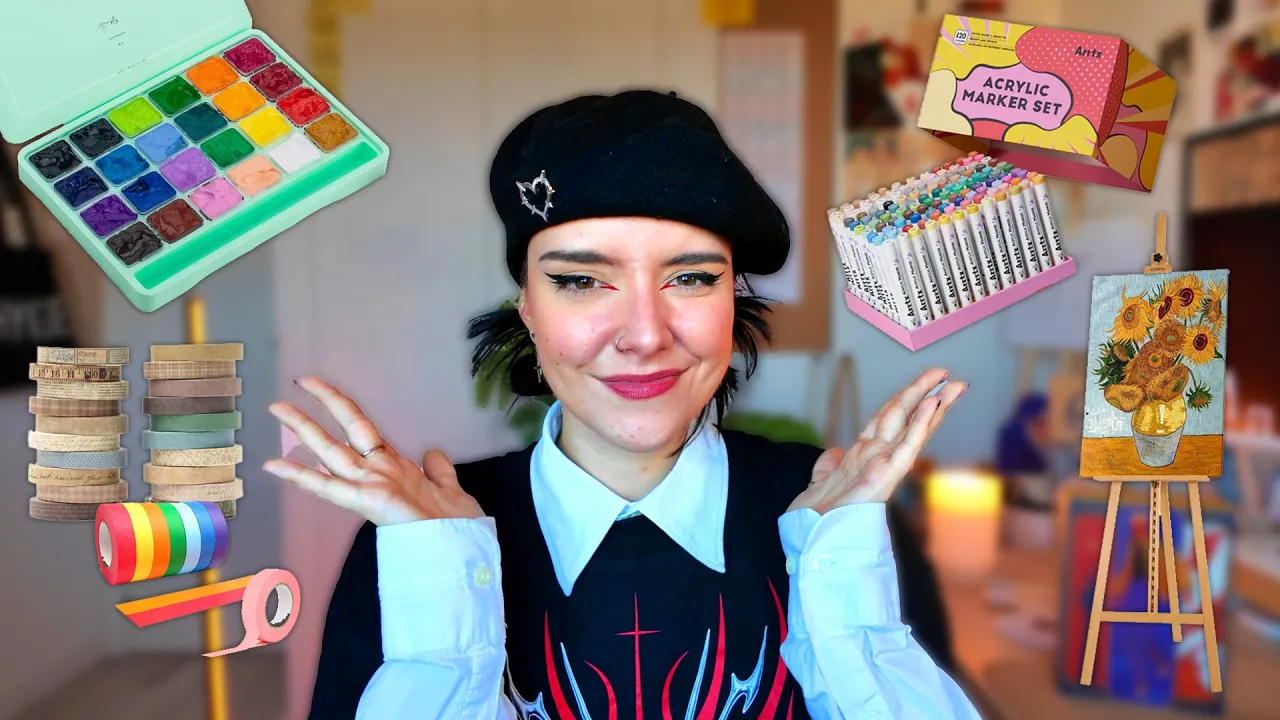






















Effective art studio organization requires categorizing supplies by type and brand, using appropriate storage solutions like binders, cases, and shelves, and maintaining a clean, inspiring workspace that prioritizes accessibility during creative work.
Art Studio Tour 2018: Organization & Art Supplies Overview
Added:Classification of major art mediums (e.g., oil, acrylic, watercolor, dry media) and their respective physical properties.
Basic concepts of material preservation, such as how light, humidity, and temperature affect different art substrates and pigments.
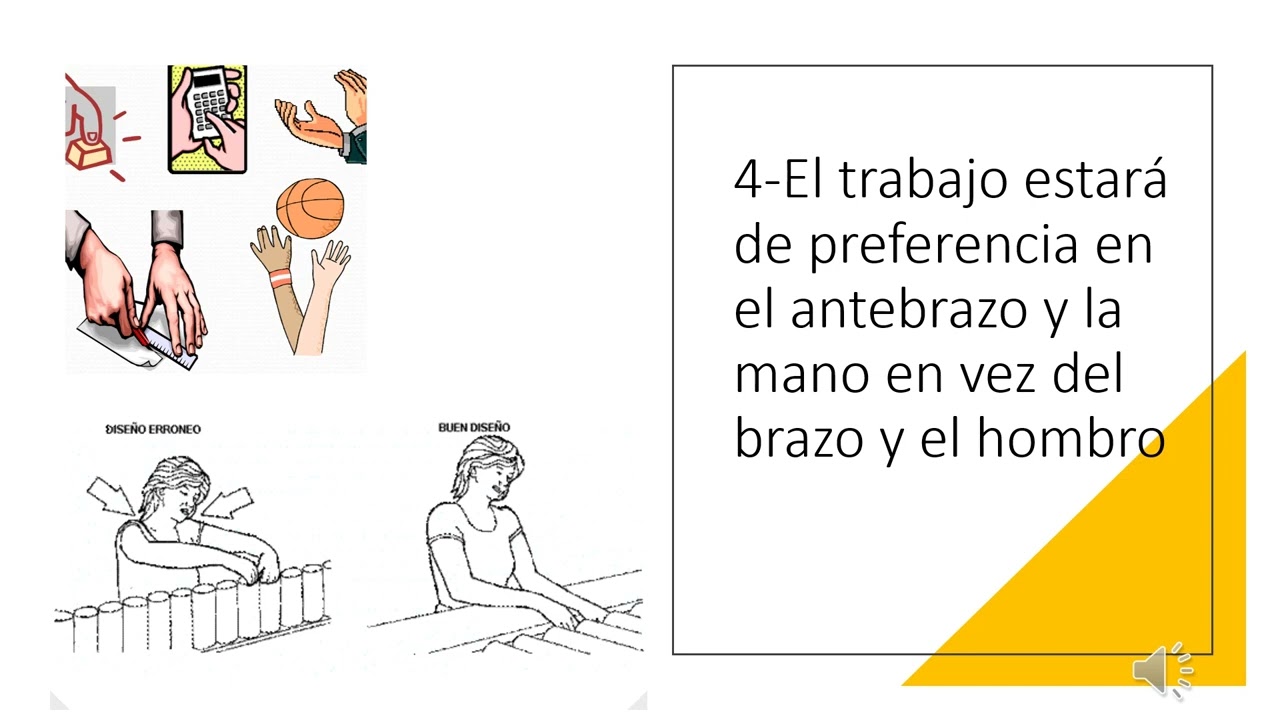
Fundamental principles of ergonomics and spatial workflow in a creative or manual labor workspace.
Basic safety protocols regarding hazardous, toxic, or flammable art materials, including solvents and heavy metal pigments.
Developing a personalized studio layout design tailored to specific artistic workflows and physical space constraints.
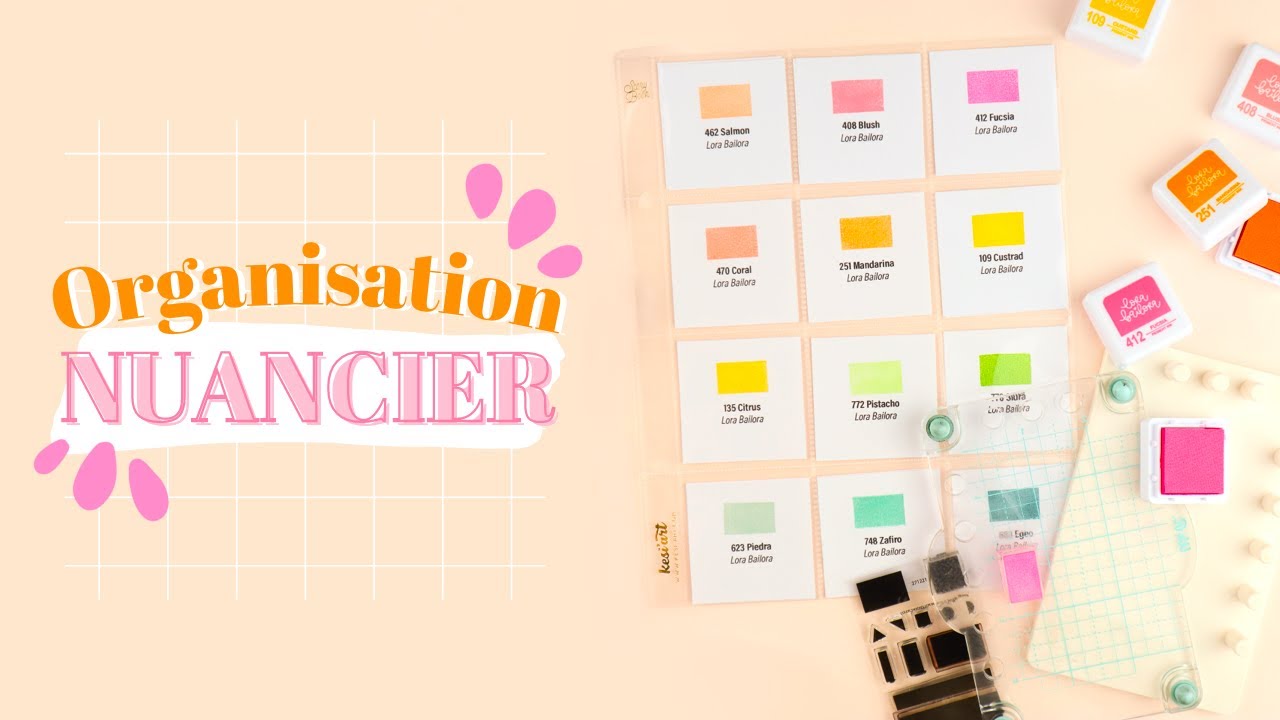
Implementing inventory management systems and color swatching techniques for efficient material tracking and shelf-life monitoring.
Advanced studio engineering, including specialized ventilation setups for toxic fumes and ecological disposal systems for chemical waste.
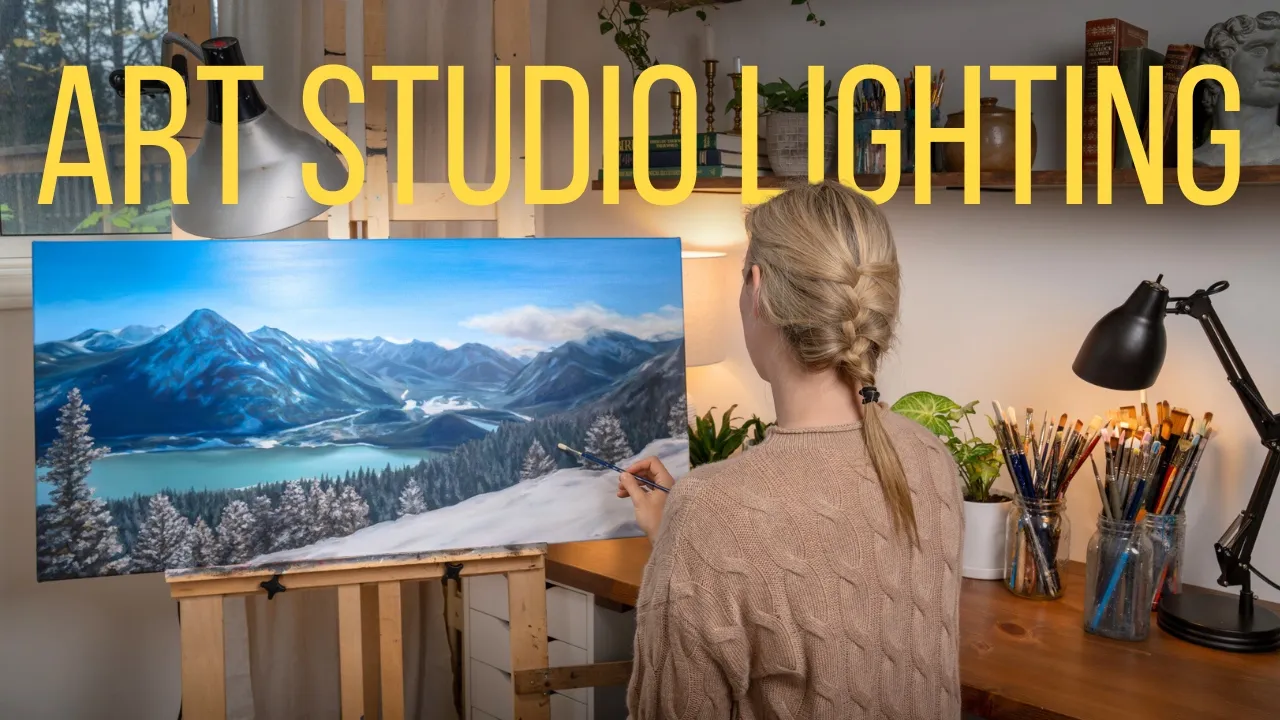
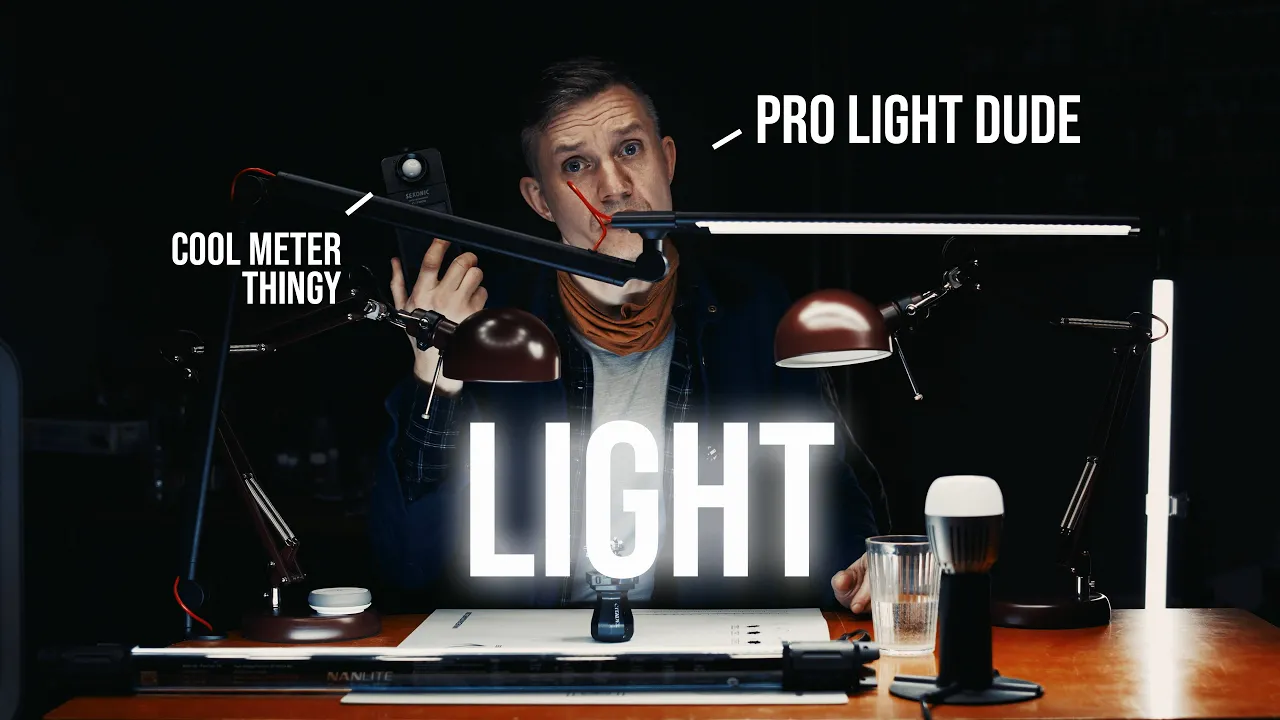
Designing optimal studio lighting configurations, focusing on Color Rendering Index (CRI), Kelvin color temperature, and glare reduction.
28.6K views1.2Klikes1:38:07Original Release: 2018-05-05
hi everyone my name is Jennifer state and I am the artist of coloring bliss and welcome to part two of my art studio tour for 2018 did you see part one because I took you on a full tour kind of took you around the entire room and gave you an overview of why it is set up the way it is and how I use it and in this part which is part two I'm going to take you into every single drawer nook and cranny of my art studio I'm gonna sit down so I won't be out of breath like I was in video one and we're gonna slow down and really enjoy every beautiful detail and coloring supply it's going to be lots of fun don't forget I'm going to have a lot of links to not every supply because that would be impossible but a lot of my favorite supplies and everything that I can think of that is probably most important for you make sure you subscribe and hit like so that I know you enjoy this kind of content and comment below on things I may have missed or that you would like more information about I'd love to know so I can perhaps do a follow up tour in the future so let's start by going that way in my art studio I want to show you my color pencil collection and a few other odds and ends over there before we start on this beautiful display that's behind me that you've seen often in my videos okay let's go over there hello welcome to this corner of my art studio this used to be the main corner where I had all of my art set up and it was a lot like what you see right now with the desk here and desk here and we did all of our filming right here so everything I had my entire art existence was packed into this little corner I outgrew it and I'm out over into the main room now and so this area right here now is sort of a catch-all of things I haven't gone through yet and I can kind of tuck things away here things that aren't working quite right like I bought this cool little carousel thing from a Harbor Freight that I thought would work really great but it's not deep enough to hold pencils so it's not practical but I still kind of love it so it's sitting here asking me to find a way to use it and I've got back here all kinds of really cool glass so you'll see a lot of this kind of thing in a lot of my videos and for now they're all just kind of tucked right here out of the way so they don't get knocked over by you know a stray cat that might be wandering around also right here I've got a whole bunch of empty color pencil marker type cases just a couple this is that totally-tiffany case that you have seen in other videos this is that Tran case that's so fantastic for holding the tombos got a pretty cool little mary kay case that I use for holding gel pens this is another case that I purchased at Harbor Freight that's fantastic for holding supplies so that's their to the other boxes are just a whole bunch of miscellaneous different art supplies and things that didn't make the cut for the full-on art studio over there and then down here below this desk is two boxes that you guys are going to love but I'm not going to let you peek inside it's full of things for giveaways I've got full color pencil sets full marker sets full gel pen sets I have amazing things in these boxes just waiting for me to give away to you guys so let's go to a prettier corner of this little cubby let's go over here now okay this old desk here we've had for Oh over a decade we have an older computer sitting here and it's being used for backups and archives and some all some big hard drives right here that I don't think you can see but it's mainly just for backups and archiving right here and then over here I've got a really cool old Crayola crayon carousel that I kind of have an idea that maybe I can take out all the crayons out of it and use it for other things like color pencils or gel pens also I have these two containers back here this one is filled with crazy art markers I purchased during back-to-school event at Walmart a ton of crazy art markers and this is the set of crazy art markers I take when I go to an elementary school or when I go to a family reunion and I want to share coloring supplies with kids and teach them that really cool technique where you transfer ink from one marker to the other marker and it looks like magic these are the markers I take and I don't care if they get mixed up or messed up I also have a really cool case right here that I just received from a fan and I need to send a thank-you note to and so it's sitting here waiting for me to take care of that up here of a little piece of art that my awesome son Carter drew for me oh let's see that was in 2016 it's of my very favorite Pokemon sudowoodo then he drew that for me and in this cupboard there's nothing really special or art related it's more business related I've got some receipts and some wheels that came off of something right here I've got a really cool ceramic dish that I haven't had in any videos lately but it's a sorter that I had my son create for me my oldest son he created in ceramics class back when he was in high schools to sort color pencils in and it sits at an angle on my desk so that the pencils don't slide or move out and I can sort all of my color pencils out into color groups it's fantastic right here I've got a three hole punch this little box this size of box is my favorite way of storing things in my art studio so you'll find this size of box throughout my entire studio they're really inexpensive you can get them at Michaels and Hobby Lobby they always go on really good sales so I picked them up all the time now I've been buying them all white lately I used to buy them in all different kinds of colors but I've shifted like I said in video one over to trying to stick to a white color palette for my art studio and then letting the art supplies be the shining star in my studio and I've got all my supplies for thank-you notes or just sending out carts to people in here in this box right here I have a ton of art supplies waiting to be use these are brand new art supplies if I ever come across really good deals on the supplies I use for drawing all the time I'll pick them up so these are different kinds of rulers some of my favorite pencils some of my favorite erasers I've got highlighters you guys know I love my highlighters I've got my stapler fine point pen markers they started the black ones the fine liners let's see the triplets fineliners I love these so I've got some of these I've got all kinds of different size of black sharpies because I like to use them in drawing and when I do just sketchbook work I've got spare blending stumps more erasers in here more sharpies all kinds of supplies just general sketching and creating coloring pages supplies in here these little rulers are my favorite rulers for drawing tying pages and for drawing and sketching and whatnot you pick them up usually in the drafting area of your art supply stores and they're clear with all the different drawing lines on them they're fantastic they're usually really inexpensive and they come in different shapes and sizes I've even been known to cut one of these in half so I have an even smaller size for doing exactly what I want they're perfect they're great I highly recommend these to add to your art supplies now these white binders up here are mostly filled with completed art so these are the actual originals and some of them hopefully all of them are notice recognizable now yeah so this is back when I was doing all of my art for the coloring website by hand through actual sketchbooks and then we would cut them out of the sketchbooks and scan them and get them ready for the website that way yeah here's one of the three ones I believe this one's free now so that's how the art was originally before I got my iPad Pro I still do drawings and art and sketchbooks but most of the time now the art for the website is done on the iPad pro now because it has saved me so much effort physically it's actually quite a lot of work to draw and race and shade and do all of this work and to do it all on my iPad is so great one of these days I need to do a full video for you and show you how I use my iPad for art if that's interesting to you and you'd like me to do that comment below and tell me that's something you'd like to see I also have a binder up here that's dedicated to all the color pencil reviews now this binder is not as full as it needs to be because I have a lot of color pencil sets that I have promised to review for you and I haven't gotten to yet that's primarily because we've been working so hard on setting up the bliss print shop now that the Bliss print shop is set up and running I can go back and start doing full reviews on the color pencil sets which I'm going to show you all the color pencil sets here in a minute what I do is after the review is complete I put the review information in here where it can be referred to easily and found if I'm talking to you guys live in an event and I need to remember you know back in 2017 when I did the review on the Tumbo or Raja tins how much were they being sold for what was my impressions what were the results all of that is here and I can find all of it and refer back to it it's going to be an awesome resource now a lot of this information is on the website Steve keeps it on there for you guys so if you want to see a digital version of all of this go check that out on the website this finder is such a cool binder it's my attempt to learn how to do lettering but there's all kinds of resources online now of how free ways to train yourself how to do the lettering with the brush tip markers so I've printed off a lot of those free resources and I keep them in this binder it's a great place for me to go back and practice you can see a whole bunch of my practicing is being done in here this binder is my swatch Bible I call it and one of these days if you're interested I would love to do a full tour of my swatch Bible and show it off to you guys if that's interesting to you comment below I have all kinds of products watched in here and I keep them so I can refer to them this book was the art for the first book that we ever produced for colouring the Bliss this is back when it was coloring pages voice and so this is all the original art and the entire process and planning for coloring pages bliss Volume one a taste of bliss so this is a kind of a cool binder to me it reminds me of that very first time that I took the leap to make a book out of all my original art okay this book looks like we've got just some more art in here well this is the Bliss babes if you haven't seen the Bliss babes and the premium memberships when you become a Premium Member on my website you get access to all kinds of art and some of them are the Bliss babes and this book here is dedicated to the Bliss base I'm drawn to Bliss babe in a long time this book is dedicated to my mandala art to draw these mandalas was a huge project to create 30 unique mandalas that all have a different Flair and these were all hand drawn this is again before I got the the iPad Pro and so this was a lot of work if you've seen the mandala bliss book in our print shop you'll recognize all of this art is in that book the rest of these books up here some of them are old sketchbooks just filled with a whole bunch of random doodling xand practicing I've got some watercolor flowers for um my practicing watercolor I've got that in here I've got some reference books some pictures and books fold with animals I've got even some books filled with Pokemon as reference books the next thing I want to show you is my big collection of color pencils and take you through those so let's move the camera and show you that okay before I show you all my color pencils I wanted to show you up way up here I have these plastic bins that I pick up from Walmart and in these plastic bins are tons of different products that I am going to be filming YouTube videos for so there are secrets and exciting things to come all in these bins but we're gonna focus on these two shelves right here I'm gonna take you for a quick tour of all the different pencils I have in my color pencil collection here let's start up here these two are my blick Studio pencils I had to purchase the additional set you can't buy all the Blake Studio pencils to get the full collection you have to buy 72 and then additional pencils here are the beautiful caring - luminance pencils I have a set of 20 here I have ones that I can't pronounce bronze eel I hope there aren't too many that I can't pronounce this is a 60 set of buns eel pencils I just can't wait to do reviews on all these and show them all to you okay also here are the fabric castell polychromos which I actually have all of them out of this box and in a case that I'll show you in a minute over there there is my case for my inktense 36 again I have all of these out of this case and in a box over there of course the gorgeous beautiful prismacolor premier this is the giant box you get when you buy those in the full set and they are also out of this box and in a case over there okay over here I have a gorgeous set of our tees of 72s I haven't even opened this yet they're waiting for me to open them review them I purchased these so that I can review them because I've heard so many great things about one ok these I was given to by the company and I still have issues with the packaging these are the black widow pencils everyone raves about these pencils and I'm so excited to try them I haven't taken them out of the package yet I got the Black Widow the three all three sets there's the actual Black Widow the Scorpion and the Cobra and they are all awesome but the packaging is so disturbing to me so they're sitting in here until I'm ready to play with them okay I have a twenty four set of Derwent color sauce and then these sets right here are the really pretty color blend spectrum noir pencils and I have all five cases of them isn't that cool little pretty makes me so happy okay let's move down here to the second shelf over here we've got the color it two colored pencils I'm keeping that in the box I think their packaging is so fantastic so I've got it in the box but inside is the case and then from Ikea I picked up they're really cheap inexpensive magazine holders and these are helping me keep the small packages of color pencils contained and organized better so in this magazine holder I've got the Sargent art 12 construction paper pencils there are a different set than their normal Sargent art pencils and they're pretty cool actually I also have the 24 Pentel art color pencils and then the rest of these in here are another line by spectrum noir they're the color Easter pencils and they come in sets of five color families a pretty cool idea and I've got one two three four five six of those all different color family this stack of pencils on top we've got the wood Lascaux and our pencils that you've seen me use in several videos so pretty so heavy here is the Conte color collection by BIC they're kind of cool pencils they're black look at that okay this is another line of pencils by Karen - they're they're Pablo lines and it's not as creamy and soft as the luminance pencils they're a little bit of a harder core pencil and they are stunning pencils as well wait to do all of the different reviews so I can tell you about all the differences between these different pencils okay here's another Kohinoor product these are the Pali colors ooh these are lovely love these and another Kohinoor product you've seen me use the tritone pencils these are those really cool ones that each pencil has multiple colors mixed into them so they kind of give you some blending as you go okay these are the Soho urban artist pencils they come from Jerry's are drama it's a website and they are really awesome I have 24 set of them as well really cool this pencils is I think exclusive to amazon it's the studio series deluxe color pencil set there's 50 of them in here I also have another set of these in a box right over there just the same exact pencils in a different packaging kind of a big plastic blister package all right and then these are the castle art supplies pencils and I did do a recent unpackaging where I showed these ones off all right over here are the pencils that I hope I don't have to use ever again but probably will the crazy art pencils just really not my favorite right next to them I have a full 50 set of the sergeant art color pencils here is a 50 set of the prangs and a 50 set of the classic good old Crayola pencils and right next to it is the 72 set of the color escapes color pencils by Crayola and one of the most amazing budget pencils I think I've ever run into are the mark over Feeny's these you can purchase on Amazon and my box came all beat up like this pretty cool now I happen to know that this is one of them that I purchased a second set up to give away to you guys so they're waiting in those boxes I was telling you about okay here I have Creoles twistable colored pencils and yes they are color pencils the prismacolor vera thins I have in another package over there another case they're in the same case as my prismacolor premieres I also have the prismacolor color is right next to those I have the artist's loft pencils these I have done a review on and they are the origin set the Raja ten vivid and the origin tranquil and also by tombow I have their 24 recycled pencils such a good set of pencils really good value and also by Raja tuna I mean tombow I have this set of color pencils but I do know you can buy full size of these pencils on the tombow website now I got the minis I have a set of the prismacolor scholar pencils I believe it's a 12 set that I purchased and I keep them in this little tube thing and when I bought it had washi tape filled with it but now I keep the scholars in here I also have some stately pencils I believe this is their one two-seven-zero series of pencils and it came with this cool case and last but not least is another set of state law pencils this is their ergo soft line and this is their cool of course state law does really good packaging pretty cool okay so that's my color pencil collection as it stands right now I have more color pencils right now on their way so I have lots of room to add to my collection and I have more color pencils over there to show you when we get to my art studio the official beautiful filming art studio over there now below here in the color pencil section I have markers so let me get the camera Pam down a bit so I can show you more and I need to sit down okay on this shelf I have part of my marker collection the vast majority of my marker collection is kept over there in my art studio but here I have just a small part now markers need to be kept on their side for the most part because most of my markers are double ended and that's how the manufacturers like them stored so you'll see most of the cases are on their side this is a case that I picked up I think from dikhhla calm and it's by art thin really cool case but it's pretty big and bulky but you can fill it up I usually fill it up with a variety of markers when I'm headed out to go color with my family and then I can share this out and they can use it the lid opens like this and holds all kinds of markers always sounds really cool to me and then I store it on its side like this when I'm not using it so that the markers are ready to go I also have here what it's kind of like the leftovers of what's not being displayed over there I have studio series dual tip artist markers here I have most of my own hoo-hoos right here but a few of them are on display over there you'll see in a minute and this here is the color at markers are also the majority of them are right here in this case and the rest of them are over there that we'll see in a minute down here on this shelf and I'll probably move this shelf up eventually but right now this is dedicated to catching gel pens I've got more on their way right now and so this is where I'm going to be storing full sets of gel pens that I like to pull out and take with me when I travel or when I'm teaching of how to color gel pens to family and friends and when I need a full set for a video this is where I'll go and grab an entire set because they're all beautifully displayed here I have my gel writer full set love this full set look at that stunning does not make you wanna color so pretty that's my one of my full sets from gel writer the other full sets I've kind of taken apart and I have displayed in a different way you'll see soon also right here I have a cool set of markers these are by chameleon and they're the blending pens that I have shown off on my Facebook page before I'm going to be doing a review here on youtube about them and I know for a fact that I have a set of these to do for a giveaway so make sure you're subscribed and you're following me and you've hit that notification bell so you don't miss the giveaway on these pins and over here I have two more sets of gel pens that are full the super doodles which you've seen me review here on the YouTube channel and also the full set of castle art supplies pens are here as well now on the two bottom shelves are more of a catch-all for art supplies I've got a box here of all things sticky I've got tape and glue different kinds of duct tape my hot glue gun that kind of thing is right here in this box I've got more markers more pencils this tin right here I'm using to catch old markers that are maybe almost dead but not quite maybe just a little life left that's what's in this box over here I've got wax paper I use this to protect surfaces quite often when I'm using wet mediums like that this is just some plastic bags for storing things I've got a big ol staple gun I'm not sure why this is in here not in the garage but that's where it is and like I said I get my my sheet protectors in bulk at Costco so here they are waiting to be filled with arts and different things okay we're making our way over to the more polished end of my art studio this half of this beautiful wall you don't see very often in the videos it's a secondary workstation that's being primarily used for makeup application right now but I wanted it to be here so that if I had a guest artist or if I had a friend or a niece or a nephew come over that wanted to do art with me they would have a second station to work at so that's what's the main idea behind this section who has for the top half is an Ikea piece of furniture I'll put links to it in the description below so this is an IKEA piece and I purchased this as an IKEA piece and so it's two separate pieces put together to make this top of this desk over here and then this is a separate tabletop that ends right here and it's sitting on top of a set of Alex drawers here and a set of Alex drawers here I've got an odd light here to give me really good light for the person who's doing art here as well as for putting on my makeup I wanted to have all the lighting in the studio be really good daylight light so I even the lightbulb above me in the ceiling fan we took out the regular lightbulbs and put in daylight light bulbs so this out light is fantastic I purchased it on Amazon but I think mine has a short in it so it works really good that I don't move this light around it's fantastic for right here just turning it on and off but to move it around the way I have planned originally wouldn't have worked I also purchased on Amazon a little mirror like this so that I can apply my makeup better I got this little brush stand at Walmart and it was really inexpensive I in fact I've considered purchasing a second one to put art supplies in and I have nothing special for makeup over there for the brushes nothing expensive everything's been purchased either at the dollar store or Walmart and I think even that silver mirror was picked purchased at Walmart as well so as far as the art behind it that's just a little watercolor that I did that thing there that quote is a mission statement that I wrote over a year ago basically I just wanted to state what my goal was as a professional not just as someone who is sitting and doing art for fun so I decided to write myself a mission statement says I am an artist I wanted to declare that and it says this is my mission I inspire people to embrace their creative blister coloring so that's my mission statement and above there I have on display pretty much the only thing decorative that I have on display I wanted to not fill my space with decorations I wanted the only decorative things to be in the space to be the actual art supplies and so this is really my only decoration and it's jar is filled with shavings from color pencils I say I save all my color pencil shavings because I think they're beautiful and so I have filled jars with them and then that's just a big vase with some old color pencils that I don't use and I think it's really pretty ok over here have some Yankee Candles I've used one Yankee Candle so far in a video and I loved having it lit while I was coloring and so I'll be doing that again I think that was really great here's another glass container that I've used from time to time during filming I just put pencils in it or pens to stage them and have them ready and I have a five dollar bill in here and it's not just randomly put in here I could keep a five dollar bill around because our Premium Membership is only five dollars but sometimes it feels really hard to ask people to give money to support us and so I leave a five dollar bill around to remind myself that it's only five dollars and I'm not asking a lot I know it sounds silly check that back in here oh I had some lights when I was using a decorate around st. Patrick's Day so I have them tucked in there oh and there's matches to light the candles on the next shelf down I have this mug that I absolutely love my boys gave it to me for it was either Mother's Day or my birthday several years ago and it's a Big Bang Theory like one of my shows that I love I wanted to have a couple sketchbooks out as a reminder to me to just sit down and sketch they're not just here randomly they're here for purpose to remind me to just do art for the joy of doing art so this sketchbook here is a watercolor sketchbook I'm not going to show you in this it's an artist's prerogative to not show certain sketchbooks this is one of those sketchbooks there are some very scary things in this book that should not be shown so that one's just getting go back on the shelf now this one here you've seen this is from inktober and this sketchbook makes me really proud and it still has some blank pages in the back so I have room to goof around with my inks that's why I write this book is still out plus it just makes me really proud that I completed inktober x' in this drawer here this jar is dedicated to cable management I can't wait till they discover a way to get rid of all of our cables so in here I have a way to plug in my laptop gets used in here during live events it gets used for video editing and it gets used in the Bliss print shop so where Steve's laptop stays in his workstation all the time it's kind of dedicated to that spot my laptop travels all around the house and gets used in all different places and is well traveled and so we have charging stations for that laptop here and in the print shop and down in our living room which I'll show you our family room in video number three so don't forget to join me in video number three to see my family room so that's what this charging cable is and I have a charging station right here as well this tiny little silver thing charges my Apple pencil so when I'm drawing coloring pages I have a quick place to charge the Apple pencil that's here now right over here is our Apple device area someday I'm hoping to move this up here Tobi out of the way and open up more of a direct spot for me to put more art supplies and things Steve will put links to what this equipment is I'm not too sure but it all is all I know is it has to do with if this stuff's not working I can't stream live events and do amazing things for you so if these little green lights and if I can't hear humming happening here I know there's a problem so Steve will put links for you this arm hooks here to do some of the filming and I'll show you closer about that when we move to the second station here in the formal studio now this map I keep right here at all times this is the main mat I used to film with all the time it's a self-healing mat I highly recommend self-healing mats and the studios if you if your marker leaks or you spill a whole bunch of stuff this will protect your your surf and it's not the end of the world for your furniture especially if you invite children into your area or people who don't know the damaging properties of our art supplies very important underneath it I keep this is an inexpensive I think it was 99 cents at Walmart just a vine little placemat and these are so handy for a lot of different purposes as well to protect surfaces so that's kept right underneath here for the same purpose and I didn't realize how messy a full face of makeup is and so I'm really glad I have this here just to catch the makeup mess so that's great to have here too in this little drawer over here I keep some things for makeup as well now if you would like to see a full tour of my makeup I can do that I don't think I'll do that for you guys here today it doesn't seem to be on topic but this drawer and this entire stack of Alex drawer over here on the right is all dedicated to studio makeup that it's not like special stage makeup or anything like that but just heavier makeups becoming an art form for me I really enjoyed doing my eye makeup and everything like that so I have all of those supplies in these 1 2 3 4 5 Alex drawers so if you would be interested in a full tour of my makeup drawers comment below now we can move over into the main event the most exciting part of my art studio and that's over there so let's move the camera my art studio is to my left now just behind you there at my makeup / second art studio station and you can see behind me now another cabinet that I purchased at IKEA it's actually from the baby department this is a smaller cabinet so I wanted a cabinet that I could hide a whole bunch of stuff in the art world there's just a whole bunch of ugly supplies that you just don't want to be looking at all the time but you need so that's what this cupboard is dedicated to and I love it I love having a cupboard I can close the doors but everything is still really handy right during a live event if someone asks a question about workable fixative I can throw up in the doors and grab it or if I need a paper towel I can throw up in the doors and great so this is my catch-all cabinet and all the things that I need to access a lot so I'll show you the top of it first and then we'll move the camera down so you can see the rest of it one of my favorite parts of this cabinet at the very top you can see in the very back there's a rail that was intended for hanging up the infant clothes and I am using it to hang up my watercolor paints I have a full set of Cottman watercolor paints and I have hung them on a little shower curtain hooks let me show you but I've got it on a water shower curtain hook and then a binder clip and that's the paint that's a Windsor Newton cotton paint and then it has a sample tag right next to it with the name and a sample of the color and I can hang them all back here and it creates this really pretty curtain to hide the uglier bottles and things that you always have in our studio love that sound that it makes on the back side of this door I also have a piece of paper with all the paint samples swatched out right here so I could find reference SAP green and then go find it hanging up here anytime I need it and then there's that can of workable fixative I was talking about and I can hide it right back behind that curtain of paint love this solution now I'm also before when I was over there in the work in the art studio I had a curtain hanger that was hung above the window and I hung all of the paint samples like a valance above the window and that was beautiful and inspiring as well so that's another solution we could try at your house too if you have lots of little paints so I also have right here a little black tray and on this black tray I have some small bowls I bought these clear glass bowls at dollar store they came in a set of four and they are so great for all kinds of painting if I want to put glycerin in the bowl or water in the bowl or odorless mineral spirits in the bowl these little bowls are so great also on this tray I have a jar of just clean water for the same purpose for any kind of painting I have another clear glass jar I think this has some sort of cheese spread or something in it and I stole this jerk and now I use it for a set of inexpensive paint brushes that I use on camera a lot and then right here this is a set of mugs and little dishes they're espresso mugs that I found on clearance at Walmart one time and I when I saw that they were white and so compact and nice I knew they would be perfect for painting and art studio type projects so that sits right here in the art studio ready to be used also this little contraption is for drying your paintbrushes so after you've used a paintbrush you can hang it from this little like that and let it just sit here and drip dry after you clean it it works pretty good if you've got a brush with a really wide body then it's hard to get it to go into these Springs and make it stay without it popping out and falling so that's one of the main purposes of my studio was so that it would be really easy to clean up and I could put it away and close the doors and the studio would look clean and inviting and ready for me to start the next project so that's why this is set up this way back there behind that curtain those beautiful paints you'll find all kinds of Gesell's you'll find my stash of odorless mineral spirits you'll find even like nail polish remover and rubbing alcohol all kinds of supplies like that are all back there there's even glue so I keep everything that's sort of ugly that make appearances on videos all the time all hiding back there behind that curtain now right below here you'll see my awesome solution for paper towels I always need paper towels especially it seems during a live event I'm always needing a paper towel and this was where I wanted to keep it I think paper towels are so ugly but you need them all the time and so I wanted a way to store them handy where I can grab them without getting up when you're chronically ill again I'm going to talk a lot in this area especially about accommodations I've done for myself from my illness and this is one of them your energy is very finite and you don't want to waste energy on like standing up to go and get a paper towel you you know eventually you need that energy for something like going to the grocery store or taking a shower or other things like that and when you have limited energy you have to spend it extremely wisely and the act of actually standing up and moving does spend a lot of your energy I know it sounds silly to those of you who are healthy but those of you who are ill or have ever been ill or around ill people you will understand the burden that that is so having the paper towels somewhere handy and still out of sight so I don't have to look at them it was perfect so I found this little dispenser on Amazon I'll put a link in the blog to it and I used just some command strips and attached it to the back side of this cupboard door and made sure that when it closed it could still closed and not hit the things inside and anytime I need it now I can open it up tear off the paper towel and I can't tell you how just little things like that just made makes all the difference in this art studio and makes me so happy also on the back side of this door are the continuation of my attempt to get better at lettering so I keep some inspiration on lettering okay so this cupboard had a shelf here and then a shelf here in the middle which was perfect cuz I just needed a big open space and then set back about eight inches or so I set one of these white shelves that I think I pick up at I think they're at Target these types of shelves here which are for shoes I use these shelves everywhere I use them in bedrooms I use them in closets I use them in the kitchen even and it's perfect for the reams of paper right now I have one two three four five six seven different kinds of paper in here ready for me to use a drop of a hat so they're all right here I also have a little pink basket I pick up these types of baskets at Dollar Tree and also at Walmart for really cheap this basket is filled right now with the current coloring books that I'm personally working in so if I want to come in and do some coloring for myself or if I want to do a live event or something and to just do some coloring I've got some coloring pages handy and ready to go I also keep here some wet wipes I'm always using wet wipes even if it's just to clean up a mess they're handy plus some backup right behind it here on the top of the shelf I have brand new coloring books to show if people want to know about what the bliss print shop offers top this is where I keep my rings that I wear I like to make my fingers look pretty for filming because you guys are always looking straight down at my hands and when I was a little girl I always wanted a jewelry box like this that winds up and plays and the little ballerina twirls when you open it up and so um we were at I think the store where I buy these rings actually and we found this little jewelry box that big girl dances it and I was like I felt like a little girl so I had to buy it this little ceramic pot in the back my son also made for me in ceramics and we use it sometimes for drawings during live events this box right here has some more jewelry and things for me to wear for live events this is another pretty box these boxes I picked up at Michaels when they go on sale and in here are just some things that I need sometimes a hair hair ties things to clean my glasses with toothpicks lip balm that kind of thing I just throw these in here to keep them under control I've got two different kinds of clipboards here this is that um spinning clipboard by totally-tiffany that I like to use this is just a regular plain old clipboard featuring art that my one of my sons did I think this was by my oldest son when he was a very young boy um yeah I think I need to spray that and preserve it it just is awesome I love being a mom okay I also over here I have a binder full of stencils I picked up a whole bunch of stencils when I was at Walmart one time and I keep them and she protectors again and these stencils are so great for doing backgrounds with pastels and stuff so they're handy for doing backgrounds and then I also have some older stencils that you've seen me use in videos before that I bought probably 20 years ago 15 or 20 years ago for my kids to use they're in here as well this binder is another project it has a whole bunch of the premium color scheme selector pages that we use in videos all the time plus it's got some ideas I've been working on for colors watching that I'm going to be doing a video on eventually to help teach you guys another way of color swatching so that's this is a kind of a work in progress but plus things I pull out all the time for teaching you guys during live videos you've got to keep that one handy and then I just recently purchased at my local dollar store these really inexpensive cutting boards there's two of them in here so that if I'm ever doing art over here in my art studio and I want to protect the surface even more I can grab one of these really cheap cutting boards and lay it out and it'll still look really nice on camera but it will give me a little bit extra protection of the surface okay down here we've got lots of empty space down here which I love here I've got a basket with an upcoming video that I'll be doing I'll give you guys a sneak peek check it out new pencil sharpener I'm going to be doing a video of so this basket is ready I'm staging different things I need for this video so that's why I have this basket down here I have this is a little drawer organizer by starlight that I have different kinds of paper in here sometimes we want to see pencils or pens watched on black or a different colored paper so in each of these drawers I have different kinds of paper ready to go and more handy than ever before for filming live videos down here in this box I have a whole bunch of loose art that I've been creating and haven't been made into coloring pages yet but our potential coloring pages or potential inspiration for new coloring pages so they're all sitting in here ready to be pulled on when needed and I keep them handy right here so I can either add to it or pull out of it this is a very special box for me it's all ready for me to start doing more Bible journaling I haven't gotten into it very much yet because of time constraints and plus I think I want to combine my Bible journaling with creating coloring pages for Bibles bible scriptures and so this is sort of going to be probably upscaled from just one box to probably a full commitment covered area so there's a lot of random supplies in here small cutting boards some completed pages I've got some you know cardstock it's some pretty bling I've got um scriptures in here pictures I can Bible journal with all that kind of stuff in here below this box there's two big flat boxes and they are empty right now this is a tray with a decorative cushion map that I use for filming sometimes also on the far left I have a giant clipboard love this clipboard you can get these pretty inexpensive at either Hobby Lobby or Michaels and I highly recommend these if your coloring on your lap like in the couch or somewhere like that you can clip your coloring page to this and it gives you a full workstation for coloring and on the far left here is a giant pad of watercolor paper eighteen inches by 24 inches pad of colored watercolor paper I bought this giant pad because I thought I could cut the pages down if I wanted to or I use the full-size pages as backgrounds during the filling okay right here next to this cupboard I have some big pieces of foam board and I have some of those big pieces of 18 by 24 inch watercolor paper that has been pre decorated for backgrounds I keep them right here where they won't get bent or messed up okay this is rose she's my sweet little Maltese she's four years old she loves to sit with me all the time well almost all the time so I bought her this special bed I'll put a link to it as well that came from Amazon good girl she is pretty small so she fits perfect on top this Alex drawer cupboard here and this little bed has been perfect for her super soft super warm in the summer time it's gonna get really cold in here again when I start running my AC so it will keep her nice and warm right here I love it okay this top drawer here you want to see inside Rose I just reorganized this drawer I went to Dollar Tree and I picked up the silver - silverware tray perfect for my go-to items these are the items that I grab all the time during live events I've got some blending stumps and a tiny little colorless blender pencil now a lot of these items when I go out on like road trips or on vacations all these things get packed up into a travel case so I like to keep them all in one drawer handy to grab not just for filming but for when I go on trips so that's one reason why these things are in plastic bags right here is so I can easily pack them so I got a blending stump colorless blender I've got my beloved app Alvin brass bullet pencil sharpener that I use a lot and I like having it on this little glass dish to pull up and film with it looks really nice for filming I think also in this slot over here I have a couple brushes they actually fit inside this nice plastic container plastic bag here so that works good they weren't good for all these different blending agents here I've got a nice black this is a fact he's black 18 eraser that works good for color pencils and I've got a little cumin sharpener that I throw into this case when I go and another blending stuff right here I've got a couple different silicon spatulas this little one also fits side this case and I have on the handle wrapped some tape that I use for blending techniques I use this for my gel pen blending techniques that I have a whole place lists here on youtube if you want to watch those this is the one from Dollar Tree you can pick up from that's by Betty Crocker and these come off so they make for really handy small tools when you need them to be small over here I've got two different brushes that I use for removing lint and eraser dust and color pencil dust I've got some sandpaper and this is actually for doing pedicures but both of them can be used for cleaning off your stumps and I've also got a kneaded eraser some more tape for that same blending techniques that I do and I've got a nice mono sandy racer by Tumbo and then this is something new that I haven't been using like I should because I put it away and forgot about it but it's a magnifying glass and hopefully it will help me see things better like the hard to read numbers on color pencils okay next drawer down so this whole stack is dedicated to some of my most accessed items or they're things that I want to be using more this plastic container has a lot of pens and things that I use a lot so I've got just some good pens here and pencils some for drying some just for everyday life there's a clicker eraser these are drawing pencils back here these bins back here some extra erasers this is a brand new colorless blender pencil waiting to be unpackaged when that other one gets too small this little basket here has things that are sticky glue different tapes and things this one back here has more blending steps that are brand-new ready to go and over here I've got tiny little plastic hair bands there for two things one for little roses hair and the second thing is I use them for organizing pencils and markers and pens and things into trios and more smaller set so that they're easier to grab and use okay in this drawer here I keep even more of my drawing supplies I've got this really nice case here where I keep a whole bunch of drawing supplies I've got micron pens a lot of these you'll recognize from when I did inktober 2017 I've got a really nice compass here pencils stapler pens I've got sharpies I've got a nice water brush more blending stumps these are those elegant writers by speedball that I did those cool effects with I've got some tombow pens here drying pencils all kinds of nice things in this case and then I've got a few extra cases down here that I can fill up with supplies for specific drawing projects or coloring projects and then back here is where I drop various pencil sharpeners that I'm either testing or that have broken or that I need from time to time that still work good so this is kind of a pencil sharpener box and I love this is that same size box and I was talking about earlier that you can pick up at the hobby stores and craft stores that are for photos and they fit perfect into these Aleks drawers not the top two drawers but the bottom three these fit in here perfectly and I leave the lids off because if you put the lids on then you'll never remember what you have in here and you won't use it if you leave the lid sauce they fit perfectly in here and you can slide them forward and back and store stuff in them that's so awesome I love that these fit in here hey this drawer is dedicated to ink I have all kinds of ink displayed that I'll show you here in a few minutes but in this drawer I have all of the miscellaneous supplies like I have some cool inking brushes I have my inking nibs I have some extra bottles I have my pipettes and some other supplies that I haven't tried yet these are dabber bottles I haven't tried yet more bottles I have empty CD cases for a blending technique that I do I have a towel and back here I have Bombay inks that I've shown off around inktober these are here so I can refill my bottles that I keep up on my desk bottom drawer has my stamping inks I have a set of the distress inks the minis I have a variety of just other ink pads here nothing really special and then these are the what I have as far as stamps go I don't have a lot just one box worth and this is some that I got as a free gift and then the rest I purchased secondhand that takes care of this stack of Alex drawers I want to show you what I have down here you can see under here to hold up this tabletop I'm using the trestle system that you can get from Ikea and it makes the perfect footrest like I said before I have to have my feet elevated so I have a big puffy pillow that I put my feet up during filming and on either side you see these metal things here on that side and that side that is where I turned the big studio lights on and off lots of plugs down here for all of our devices and on the right you see my heat gun for drying things and I purchased a command strip blow dryer wall attachment device let me zoom in a bit well let me just carry you in and I put it at an angle like that and it holds my heat gun so when I'm done with it I just put my heat gun down below my desk where I won't have this big ugly heat gun and it won't burn anything now I put it at a bit of a steep angle I wish it wasn't quite so steep and of course I can readjust it any time I want because it's just with command strips so that's been very handy and then on the far left it's pretty dark back there but maybe you can see I've got there a case that I use for carrying art supplies when I travel and this maroon thing right here is a lap board that I use for both my iPad and my computer when I'm working so it sits right there very handy yeah also on the floor because I'm on carpet I have one of those nice plastic protectors for the carpet and so my big chair will roll around nice and easy okay now we can pan up well so beautiful there's rose the cupboard I just showed you and I am going to show you all of this now and over there is what I showed you earlier just so you feel oriented and there's the last stack of drawers I have to show you as well why forgot to show you that I have a nice little stool that fits in between that stack of ounce drawers which is full of makeup and of this wider stack of Alex drawers this is like a double width here holds so much now when you purchase this kind of Alex drawers it's not as tall as those Alex doors so we have a gap right here and Steve figured out he was so smart if you come under here I don't know if you can see it he used a stack of old scratch paper that couldn't run through our printer because it was so odd and he was able to make it so that the paper was just the right width and he wrapped it with packing tape and that is what is supporting the tabletop correctly between that stack of Alex drawers and our tabletop works good in the very back corner I have lake supports as well to hold up this tabletop so it's actually two table tops that make up this nice long work surface I do want to show you the lighting that we have for our studio there's one big box light softbox light there and one a big soft box light there I'll put links to those I showed those in the first video and then we hang a camera right here that gets the straight down shot and those are on a really nice pole from ceiling so it's out of the way and then our second camera is hooked with a articulated arm right there and sometimes it's a second iPad sometimes it's another iPhone eventually it's going to be a nicer camera when we can afford it and then we have a third camera as well sometimes and it usually sits right here where my water bottle is and all that gets plugged together and controlled through my iPad during a live event okay let me set up my camera and I will take you through my favorite part of the art studio okay so this is like my command station this is where I sit to do the live events you just sit here with my feet elevated on that trestle that I just showed you and then I scooch right in here and I've got my art right here underneath the camera and I'm ready to go so here on my far left you'll see I just barely reorganized all of this and I have now displayed this new way of displaying my gel pens I used to have it right here but now I have it over here and when I discovered how to do this I was so excited to share this with you guys these come in I think it's packs of four I'll put the links for them these are special plastic containers for storing water bottles or wine bottles or juice bottles in your fridge and they can stack up you can also get them so that they're like molded for holding two bottles at a time but I wanted the ones that hold one at a time because they have higher walls at both sides and I wanted a way to be able to sort my gel pens in two color families and then arrange them in different ways so maybe on shelves or maybe the way you see it right now in the back and I wanted it to be clear so again the star of the show would be the actual art supplies so this was the perfect solution I'm still in love with it I think it's ideal and beautiful so I highly recommend it I have no idea how many Dell pens each one is holding but it's an impressive amount and I think it makes for a beautiful display below you see I have two drawer sets these are marketed on Amazon for storing and displaying your sunglasses but they weren't perfect for washi tape just like this you can pull out the full drawer so I have them my washi tape collection displayed in color families as well I love washi tape and I love collecting them they make me happy and so I got two sets of drawers so you get a total of six drawers and each drawer has three little sections like this and I can hold a ton of washi tape I have lots of room to grow lots of reasons to buy more washi tape so that's my washi tape collection then over here for this stack of shelves I've got the thing that a lot of you have been asking about and that's these shelves and let me see I've got an empty one right here these shelves are by spectrum noir and you can get them on crafters companion calm and you can get them on amazon.com too they can be a little pricey and they can either come at black like this or in sort of a clear blue ish color I wasn't of a huge fan of the clear blue ones because of the price jump when you go from the black to the clear the clear blue the price of jump was so high it made it so I couldn't afford them anymore I really wanted this display I wanted to sit down and feel like my markers were all here calling for me and waiting for me and so this was really important to me I couldn't find another solution that was as versatile and modular as this solution was and so I decided to invest because it is kind of pricey in these little trays now you can either stack them straight like this or they can be at a bit of an angle like I did these ones here and I've done it both ways here in my studio it's worked out really good here they're at an angle they arch back and then they're straight which is perfect for these chameleons that are so darn long they weren't perfect they still are back far enough here but I can have these short ones still in here as well and they are all still not sticking out too far but here over here I've got my really long tombos and I mean it's just working out really good you can start color pencils on here you can actually get most brands you can get to to a tray but I feel like there's so much wasted space with these trays as far as height wise and I don't want to pack them in here to a point that you can't easily slide them in and out and and you can't easily organize them so I'm not I'm not a fan for these trays for color pencils and look how far they stick out they seem really easily and they are easily knocked about in these so it's not perfect for color pencils but that's okay so I've got the main oh I've got the main stack of markers here and then I've got smaller stacks of these shelves over here to organize like my Sakura gelly roll pens in different groups over here and I've got like my Pentel milky pop pens over here sakura jelly roll makes all kinds of different lines of pens so I wanted them organized and different like these are the gold shadow gel pens these are the silver shadow gel pens during my live events you guys will ask questions about certain products and I need to be able to find them really quick or it slows down the pace of the videos and that's why I needed them displayed this way so for business purposes I needed to have everything organized this way so I can grab a thing really quick show it to you and then put it right really fast that's the other trick is how easily can I put it away it was one thing to pull everything out but then when it's time to put it away it's got to be easy to put away here I've got another glass container with my beloved highlighters up here on this very tippy top shelf in one of these trans cases I have the full sets of blick studio pencils now my plan is to sort of rotate the color pencils in and out of these different shelves so right now I have the Blake's I have polychromos and I have the full set of Prisma colors all handy here and the idea is maybe eventually I'll put the Prisma colors away and bring a different line and have them here and then during live events I can feature different pencils I'll probably always have the Prisma colors and the polychromos handy because they're the ones that get asked about the most now on the very very tippy tippy top of this shelf I have two things I have my full set Kali art markers which I still love these markers and that's why they still have a prominent place here in my studio now I could have put them here in my main marker storage but there isn't really room and they still might end up here in the market and the main marker storage we'll see but I really like them in this case because I can take them down into my family room and use them there so don't forget to join me in video 3 to see my family room setup and you can see what I do down there but I want these handy because I'm going to be using these a lot in a lot of videos and in my art so that's why they're still here in the main studio and I keep it open the case isn't closed I want it open so it will inspire me and remind me to use the Cali art markers if you've seen my other videos you've seen this case this is a really neat little organizer I got for very little money at IKEA and it's just plastic I mean paper well it's kind of a hybrid plastic papery thing and it has a big deep section in the back that holds coloring books really good then it has the center section that's divided into three areas where I have my Crayola Color super tips I have some crazy art markers over here I have a set of markers that I purchased at Walmart can't remember the name I think it's Leisure Arts they're double tipped not really great and this jar I have my Sharpie tiny super what are they the ultrafine point markers here I have just the standard fine point sharpie x' some more fine point sharpie x' and my I have a few random like case-mate markers and I have my base now this has some dividers in here as well but they don't stand up super great so I think down in here actually a fancy yeah I ended up putting some of my own cardboard down in there to help divide these markers and make them stand up better so now this is gonna go back up there I don't really like it particularly at the very top but it's working okay for now and we'll see if it stays there we'll see maybe when I do my 2019 art studio tour we'll see if it's still there I don't like having too many things high above me it's hard to reach up above it can cause pain for me to reach that high above and try to lift heavy things down so I try not to have too many things above but it'll be okay for now as far as kinds of markers that I have I have quite a big variety I have some Windsor Newton metallic markers and Windsor Newton neon markers this is a set of highlighters that I've shown before on the videos here I have just a few of the oh-hoo-hoo so if someone asks about them I can show them that's kind of the theme for right here I have just a few of several sets so I can show them during live videos I have a few Oh hoo-hoos I have a few of the blick Illustrator markers I have a few of the spectrum noir color Easter markers all of these the rest of them are over on that other shelf that I've already showed you I have a few of the studio71 markers I have a few of the studio series artist markers and a few of the color it markers I have two of the Windsor Newton standard brush markers I have four of the Sharpie brush markers here are those gorgeous mild liners by zebra that I love this row is dedicated to the twin tone tom boats this row is dedicated to the beautiful glittery Jane Davenport markers I think they're like the see something or others beautiful these two rows are dedicated to well pretty much from here on down are all the water-based markers so we've got my Zig brushable x' I don't have the full set but I've got a whole bunch of those I've got my tombow markers I don't have the full set of Tom bows but I have plenty as you can see and I've got them organized by families and I've got three colorless blenders down here right here next to my microphone I have my only set of Copic Sketch markers and I haven't taken them out of the box and put them into the case yet because I'm going to be doing a review on them and I just wanted to keep the case together with the markers but eventually they'll probably go right here on this row above the six or five six Copic ciao markers that I own so the two sets of kopecks will go together on this side is my small collection of chameleon markers and I have 12 one two three four five yeah well spectrum noir markers I'd like to someday get more of these they are really colorful and beautiful they don't have brush tips so that's why I only have 12 so far these are all the prismacolor premier brush tip markers that I have so far love these would love to get the full set of these someday here again are my Copic ciao's that I own and then we move into a pretty unique set of markers that I have this is the spectra ad markers now these are actually the same ink just different tips as this line which is my beloved blake studio brush tip markers these ones i do own the full set and that's why they have such a prominent location right here in this stack of markers by blake studios okay that finishes off of this site now in front of me i also have another one of these self-healing mats that i told you about this one's clear it looks better on camera i'm liking it so far although it is harder to keep clean than the green one okay this is the last stack of shelves okay in this drawer i have a low cleaner to clean off the lens of the cameras and also to clean my glasses and then i have a little tray with some gum some hand cream got to keep my hands looking good I also have a dice and a penny for the coloring game that we play sometimes on our channel and then I keep some cards in here that I use for swatching during live videos and there's actually another drawer that I didn't show you just directly on the other side and in that drawer all I have is a cute little stand the whole pencils and things during filming it's actually a brush stand for makeup and it also has this cute little tray that I also use for filming so it just holds again pencils and things okay then on these three shelves I have sets of pencils this bottom shelf has two cases and these are dedicated to my Prisma colors I have my prismacolor premieres in here and the rest of the premieres are here plus the Varens these are all the verses i keep all the cases zipped open i don't want to have to waste time during of filming taft unzip and Riis it plus it just slows me down when I'm doing art to have to unzip and reads it now if I'm taking them downstairs or taking them on a trip of course they would be zipped up and protected but just here in my studio on these nice shelves it doesn't matter this beautiful purple case holds my collection of polychromos look at those lovelies aren't they gorgeous at first we've got a jar that I'm currently filling so I'll have a third jar by the time this is full of pencil shavings isn't that beautiful that's so pretty and this case holds my complete set of the ink tents Derwent pencils these were donated to me by a fan in Germany her name is Ennis when she sent these to me she sent me these really unique gel pens that I haven't had a chance to test and show off yet now on this top shelf are some beautiful jewel like bottles full of ink I love them I wanted them front and center ready to inspire me I have a set of Windsor Newton inks I wish I had more of them there's a second set of cute little bottles like these that I would like to collect someday I think the front of the bottles are just so beautiful so I have a set of the Windsor Newton inks including the box right here I keep the Box handy because inside the little boxes that are are so cute too so inspiring okay and then behind the Windsor Newton inks are some more practical inks this is the speedball super black India ink that I used during inktober also back here are some Daler Rowney inks that I've been collecting these are some really fancy ones they're liquid acrylic inks this one is moon violet I've got some green I've got some different ones that I'm going to be doing some art with show them off this is actually a silver one it just needs to be shaken up see how much it separates crazy amount of glitter in there so pretty that one's a coppery gold one and then in the very far back are the doctor peach Martins Bombay India inks that I showed you already in the other drawer I've just dispensed a small amount into these dropper bottles so they're easier to use in art now these are all sitting on a little shelf that I purchased from Amazon it's basically it's supposed to be used in your kitchen to show off your spices but it works perfect for my inks and it does stand out two or three inches from the face of this shelf which is very worrisome to me because these are all very glass bottles but so far it hasn't been a problem and it's very stable in here anyway so it's okay I'm okay okay here's my final stack of Alex drawers they are on the wheels although they aren't ever gonna be moved but we put them on the wheels just to raise them up a little bit more like I said we had trouble with how low they were and then right here because we do have this gap I can tuck things during live events and store things like this paper cutter so that works out handy anyway and then the top drawer is sort of like a standard office drawer catch-all we got stapler scissors pulp punches all kinds of binder clips and paper clips I've got this is a remote control to my AC unit when we get it hooked up I've got my blue low tack tape that I use for all kinds of things back here I've got my really cool little exacto knife that I use from time to time slide this forward I've got more tape this is a scissor sharpener I've got a measuring tape this is a little opener a cutter I've got a knife another little stapler these are just erasers these are awesome erasers I use all the time blades for my big exacto knife that is right here another protractor some tweezers you know basic office stuff oh and I've got a balloon here because some of these marker caps are so difficult to get off this balloon gives me just enough grip to be able to pull the marker caps off without struggling and causing hand pain so that's why this balloon is right there random maybe purpose yes now this box right here is actually some cardboard like gift boxes I picked these up at Dollar Tree and I put them together and staple them and glue them and tape them into different correct configurations and use them for storage I also have some sticky notes here to use for different needs of course for I use them in art as well so of course Doctor Who sticky notes you go those okay drawer number two this one was recently filmed so if you watched that video you can see how I reorganized and got this drawer running the way I wanted it to i loving it this little box here was filled with washi tape when I got it and I hang up hung on to it because I knew it was going to be handy someday and look how great it is holding all these supplies for blending my pastels and then back here are a whole bunch of different soft pastels including some more supplies for blending then over here I've got a pencil roll that is holding my current collection of the Stabilo car bath Ella pencils I'm hoping to get the full set these are pastel pencils loving them loving them loving them and then I've got this set of blick square pastels that I haven't had a chance to play with since I got them into this drawer aren't they beautiful look at them sitting there and then back here in this paper box is some makeup that I want to do a video about how to do art using makeup and I've got a few sets of oil pastels to use as well in the next drawer this is my watercolor drawer I have two water colored drawers is the first of two got some watercolor brushes by I mean water brushes by crafters companion right here here is my full set of prismacolor premier water soluble pencils and a set of Crayola watercolor pencils that aren't quite as fun so far my favorite water soluble pencils are the der Weyden tents but there's a time and place for all these clients I also have here a set of brushes and they're nothing fancy or very expensive but these are a little nicer than the ones that I showed you in that other cupboard so I keep them here ready for doing watercolor painting and they're in this nice case that stands up like an easel over in this little tray I've got some of those Windsor and Newton Cottman paints that I showed you earlier dispensed into these pallets that I purchased I store them here in this paper box so when I'm done painting I can just lay the wet pallet straight in here like this to dry and they're exposed and open and ready to inspire me when I roll up in my drawer this box right here is my watercolor push shot now in my other video where I rearranged and organized these drawers I gave a full tour of this watercolor Prashad so I'll put a link to that video here in the description and you can go check out the full tour of this watercolor posad next drawer down is the remaining supplies I have for watercolor obsession this is just the beginning of my watercolor paper we'll see more of that here in a minute some of the papers were testing they're the lightest quality and we're just seeing if some of these will work to go through printers and if they're even worth purchasing for our bliss print shop I also have on this side some foam paper that I've turned into a little mini easel for painting I have a little printed version of all those paints I showed you right here the Windsor Newton common paint just a few random pieces of watercolor painting that I've done I've got a brush cleaner here that works super good I've got the Daniel Smith transparent watercolor ground that I'm in love with I did a live event on my Facebook page all dedicated to this transparent ground it was really awesome here's some daily Ronnie art masking fluid for watercolor painting I recently got from the Dollar Tree these little trays a better home for my awesome pallet knife got some clear crayons I've got these are those same swatch carts that I used for my paints when you saw how I organized to those I've got spares here ready if I ever get more paint and just some more tools for painting and back here I also have a few more things for watercolour painting this is a mini palette I made some more water brushes another mini easel type thing out of a foam board and these are just some nice little pouches and a washcloth for cleaning up your mess when you're painting all these are hooked together with some binder rings there's really good two more drawers to go this drawer I keep things staged and ready for our filming live events or future projects that I would like to film and down here is my final stash a beautiful paper most of this is watercolor paper and mixed media paper some of them are bound in books so that I can grab them and do different things looks like I was practicing derp with intense pencils here I have some arches paper that I've never cracked into yet that are ready to be experimented with and practiced in and some can't sandpaper this is less expensive paper so if I ever feel like I just want to practice strokes and blending washes that kind of thing I can use the Katzen and then when I'm ready to do an actual piece of artwork I can move over into the more expensive artists paper let's see more can't sandpaper I love Canson so affordable this is my favorite size of sketchbook this one right here the 7 by 10 inch I love this size of sketchbook I've got different kinds of paper back here marker paper I have cut all kinds of paper back here for sketching and cream coloring pages but like I said for the most part I'm doing most of my art now on my amazing iPad this is the iPad pro here that I absolutely love with the Apple pencil this has changed my art life using the Apple pencil and doing my art here through procreate I love it so like I said if you would be interested in me showing off how I do my art now on the iPad just comment below I keep it in a really nice hard shell case so my Apple pencil is always had yeah well I told you part 2 is going to be long and it was long and I told you ever take you into every drawer and every nook and cranny and I showed you everything I have in my art studio I hope you enjoyed it it's taken me a long time to collect all these beautiful art supplies I love sharing this with you and I love sharing all of my passion with you through YouTube and through Facebook make sure you're subscribed and you set the notifications because I have so much planned to share with you in the future with more tutorials more reviews and just spending time coloring and doing art with you now we're going over into video number three I'm going to be doing sort of a vlog style showing you how I'm going to be cleaning out and resetting my family room art center I have a place where I go down and do a lot of my coloring is done down there when I'm not on camera so I'm excited to show you some more practical small skill down storage ideas and do art more casual styles so join me in video three for the vlog style of how I like to do art in my family room thanks for joining me I hope you enjoyed it I know it was long but I hope you loved every minute of it and we'll see you in video number three but bye everybody [Music] [Music]
Up Next

119:31
Creating a Gremlin Reference Sheet: Design and Commissioning Process
@holoen_gigimurin
59.6K views•2024-07-26

26:22
Walking in the City: Urban Rituals and the Flâneur in Contemporary India
@PSBTIndia
1.9K views•2016-08-02

9:49
FastAPI vs Flask vs Django: Choosing the Right Python Web Framework
@TechWithTim
302.5K views•2024-05-26

1:42
Game of Thrones Opening Credits: A Cinematic Analysis
@gameofthrones
46.3M views•2011-04-18
Related Study Plans & Knowledge Roadmaps
Structured learning paths in General & Interdisciplinary Studies
general-studies
Artificial Light: History, Tech & Human Impact
01The Pre-Electric Era: Fire, Oil, and Gas Lighting
02The Incandescent Revolution and Grid Electrification
03Gas Discharge and Fluorescent Illumination
+ 3 more learning modules
14h6 modules
Explore Roadmap
general-studies
Elevator Engineering: History, Physics & Cities
01From Hoists to Safety Brakes: The Dawn of Vertical Lift
02Hydraulic vs. Traction: The Engineering Physics of Elevators
03Modern Speed, Safety, and Algorithms
+ 2 more learning modules
12h5 modules
Explore Roadmap
general-studies
Rubber: Material Science, History & Geopolitics
01Origins of Natural Rubber & Mesoamerican History
02The Chemistry of Natural Rubber & Vulcanization
03The Geopolitics of the Rubber Boom & Colonization
+ 2 more learning modules
12h5 modules
Explore Roadmap
general-studies
Containerization: Evolution, Logistics & Trade
01Ancient Trade & Bulk Cargo: Amphorae to Barrels
02The Industrial Revolution & Cardboard Packaging
03The Containerization Revolution: Malcom McLean
+ 2 more learning modules
12h5 modules
Explore Roadmap