










![Anatomie Pathologique - Maladie cancereuses [FMPC]](https://i.ytimg.com/vi/X7xQDXv1KlQ/maxresdefault.jpg)





![The Cell Cycle (and cancer) [Updated]](https://i.ytimg.com/vi_webp/QVCjdNxJreE/maxresdefault.webp)

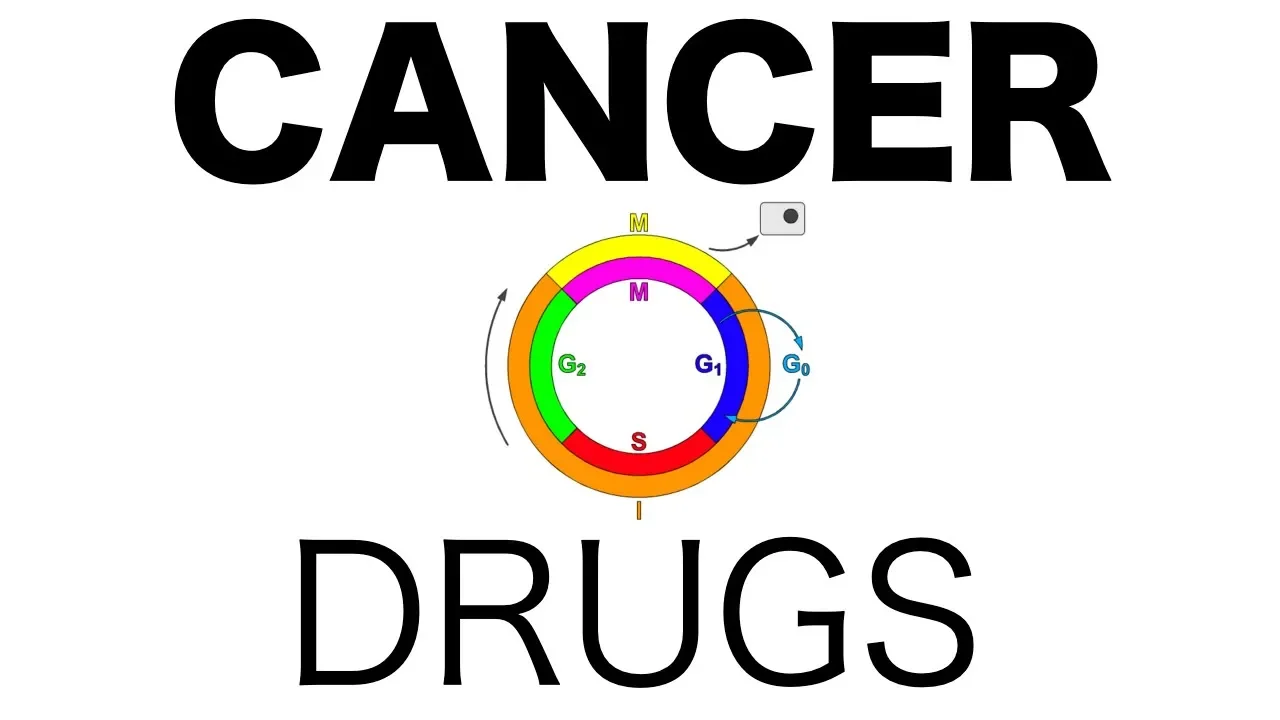

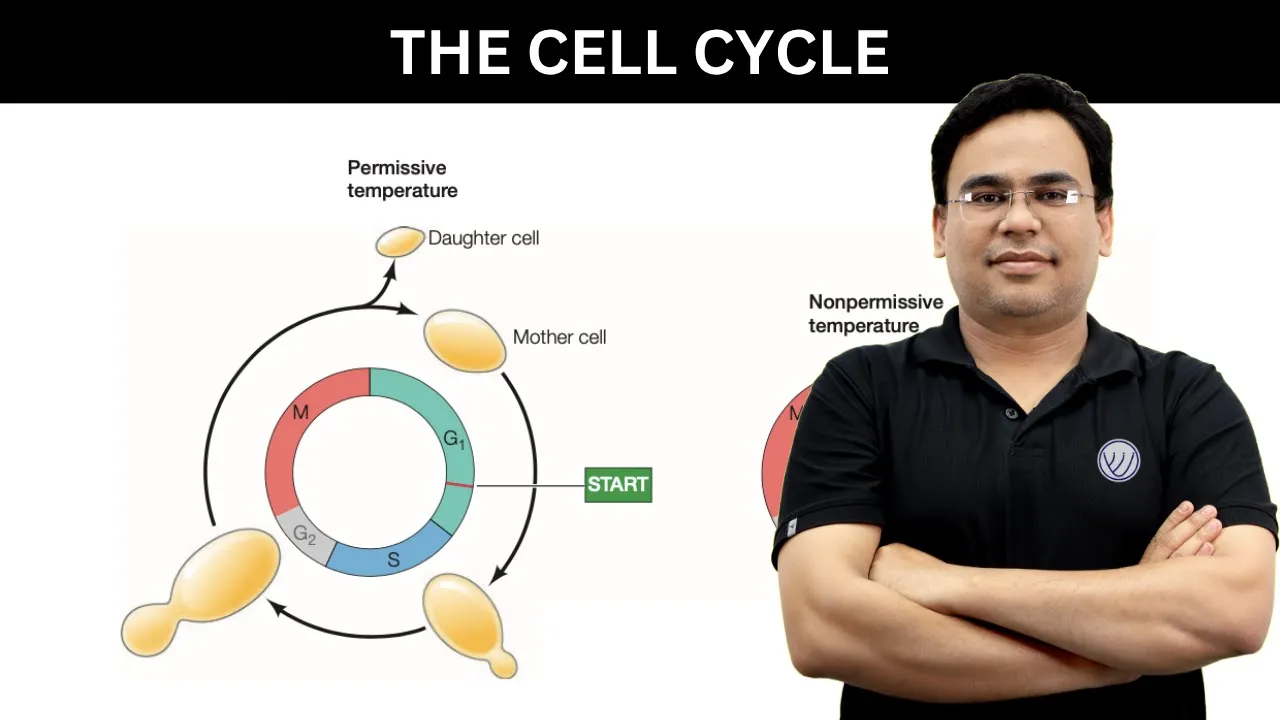




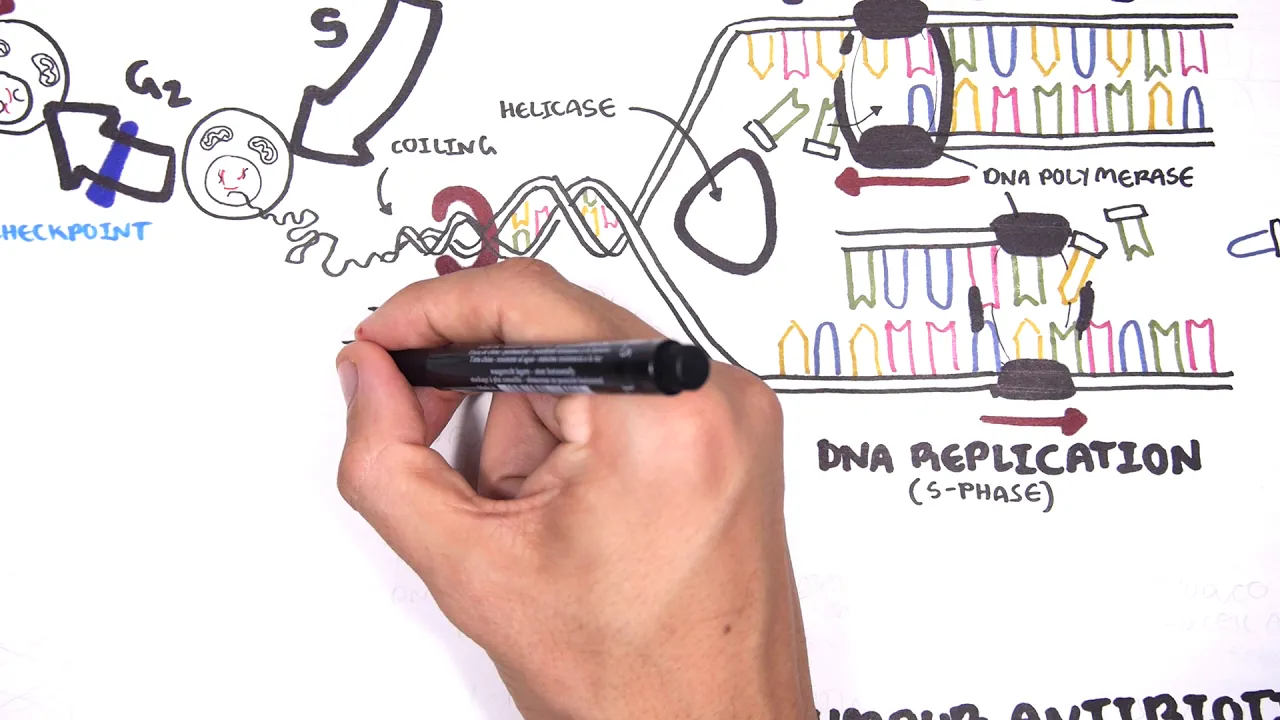
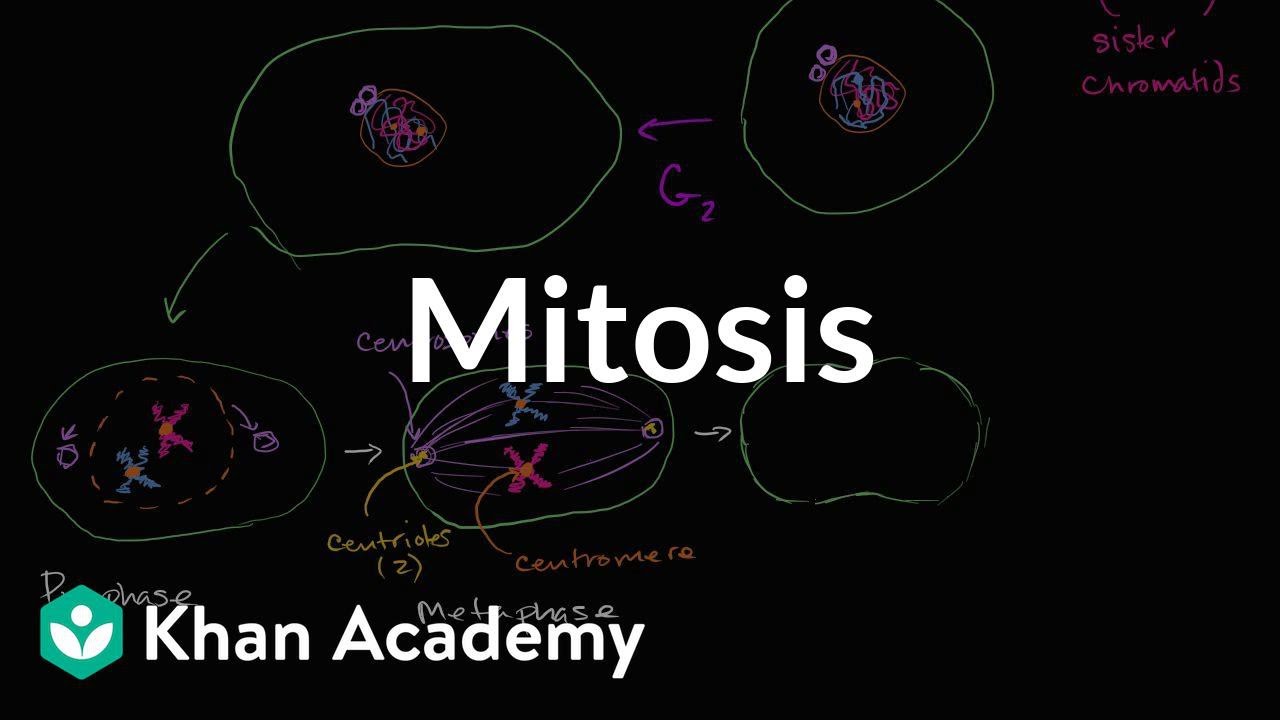
The cell cycle is regulated by two key checkpoints (between G1-S and G2-M phases) through cyclin-dependent kinases (CDKs), which are inactive enzymes that require binding to specific cyclin proteins to become active; different cyclin-CDK complexes control distinct phases: CDK-4/cyclin D phosphorylates RB protein to allow DNA replication in G1, CDK-2/cyclin A activates DNA replication in S phase, and CDK-1/cyclin B initiates mitosis in M phase.
Cell Cycle Checkpoints: CDKs and Cyclins Explained
Added:Understanding of the standard phases of the eukaryotic cell cycle (G1, S, G2, and M phases).
Basic knowledge of DNA replication and the structural events of mitosis (prophase through cytokinesis).
Familiarity with the role of enzymes, specifically how kinases function to phosphorylate target proteins.
Concept of cellular receptors and signal transduction pathways.
The connection between cell cycle dysregulation and cancer development (oncogenes vs. tumor suppressor genes like p53 and Rb).
Mechanisms of programmed cell death (apoptosis) when cell cycle checkpoints fail.
Therapeutic applications, such as how CDK inhibitors and chemotherapy drugs target specific phases of the cell cycle.
Advanced regulatory complexes like the Anaphase-Promoting Complex/Cyclosome (APC/C) and its role in the spindle checkpoint.
605.2K views4.3Klikes4:09Original Release: 2015-07-16
Now, the cell cycle is not the sort of thing that occurs in a very unchecked manner.
There's actually a lot of regulation in play here.
In fact, there are two key places that we have extensive regulation of the cell cycle. The first check point is right here between the G1 and the S phase.
So, we regulate before we get to the point of DNA replication.
The other major checkpoint is right here, between G2 and the step where we jump right to mitosis.
And, there are a couple of proteins that regulate this process.
Two main ones are called cyclin-dependent kinases, which as you may recall, a kinase is something that adds a phosphate group.
So I'll put a plus in parentheses.
It will plus a phosphate group.
And it will add a phosphate group on other enzymes or proteins to either activate or inactivate them.
These cyclin-dependent kinases will work together with a protein you might be able to guess the name of: cyclins! Right? Because what else would these kinases depend on?
So an important thing to notice is that these cyclin-dependent kinases, or CDKs, are always present.
All the different types are always present in a cell, but their default form, or their default function, is for them to be inactive. And so they need to be activated by these cyclin proteins.
And the point of regulation here is that specific cyclins... I'll just write, "spec," are made at specific times. And again, the reason why they're both so important is that when you have a cyclin-dependent kinase, it is only active when it is bound to a specific cyclin.
It's at this point, again, that this guy is active, and the CDK is the business-end of this complex.
So that's the reason why in G1 you'll see the production of cyclins D and E.
>From there you will see CDK-2 bound to your cyclin E, and at the same time you'll also have your CDK-4 bound to your cyclin D.
These activated kinases, then, specifically the CDK-4 cyclin D complex, will phosphorylate a protein called, "RB."
So I'll draw just a little reaction over here where we add a phosphate group on our RB protein.
So when RB is phosphorylated, it can't inhibit DNA replication, like it usually is supposed to do.
The phosphate group renders it inactive.
And this is sort of the set up we have as we go further on in our cell cycle.
In the S phase we have cyclin A produced.
Cyclin A will complex, again, with CDK-2 most directly to activate DNA replication, so it helps to activate DNA replication and in a similar way we have cyclin B only produced in the G2 phase, because the cyclin B CDK-1 complex is able to activate what step, do you think?
Mitosis, or cell division.
So, it's important to recognize that in order to pass these checkpoints, you need to have these cyclin proteins present so that they can go ahead and inhibit proteins that are blocking DNA synthesis or replication from occurring, or so they can promote the production of proteins that are needed for mitosis.
Up Next
5:00
Cell Cycle Explained: Mitosis, Interphase, and Cytokinesis Animation
@BioManBiology
683.8K views•2020-04-02
50:12
Bacterial Communication: Quorum Sensing and Biofilm Formation Explained
@JHUAAP
12.6K views•2011-06-28
5:10
Mendelian Genetics: Alleles, Genotypes & Punnett Squares
@khanacademymedicine
648.4K views•2014-06-16
7:08
Bacteriophages: Earth's Deadliest Killers and Future Antibiotics
@kurzgesagt
34.6M views•2018-05-13
Related Study Plans & Knowledge Roadmaps
Structured learning paths in Biology
biology
RNAi: Biogenesis, RISC & Gene Silencing
01Molecular Biology Foundations: DNA to Protein
02Introduction to RNA Interference (RNAi)
03Molecular Biogenesis of miRNA and siRNA
+ 2 more learning modules
10h5 modules
Explore Roadmap
biology
Mycorrhizae: Signaling, Biophysics & Ecology
01Foundations of Mycorrhizal Symbiosis
02Molecular Signaling and Root Colonization
03Biophysics and Bioenergetics of Nutrient Exchange
+ 1 more learning modules
11h4 modules
Explore Roadmap
biology
Circadian Clocks: TTFL, SCN & Periphery
01Foundations of Molecular Biology & Gene Expression
02Introduction to Chronobiology and Actograms
03The Core TTFL: Molecular Architecture of the Clock
+ 3 more learning modules
14h6 modules
Explore Roadmap
biology
Population Genetics: Math, Drift & Selection
01Genetic & Probability Foundations
02The Hardy-Weinberg Principle and Baseline Models
03Mathematical Modeling of Natural Selection
+ 3 more learning modules
18h6 modules
Explore Roadmap