






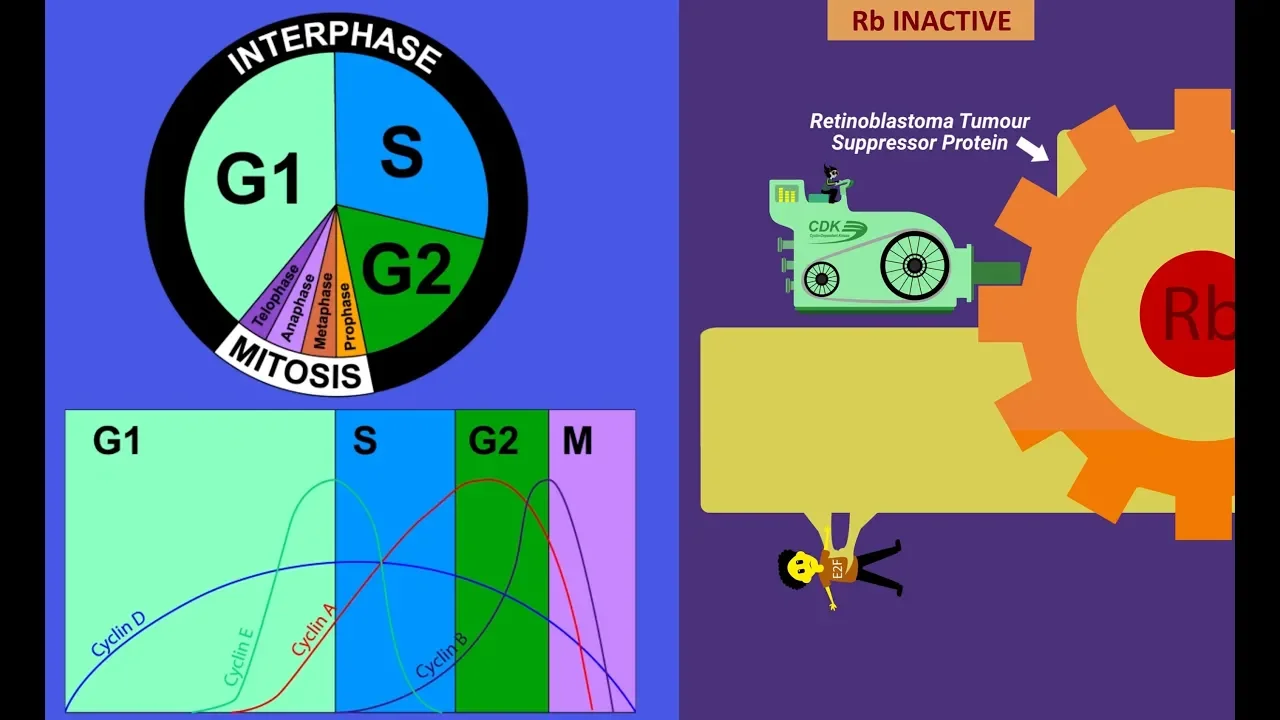

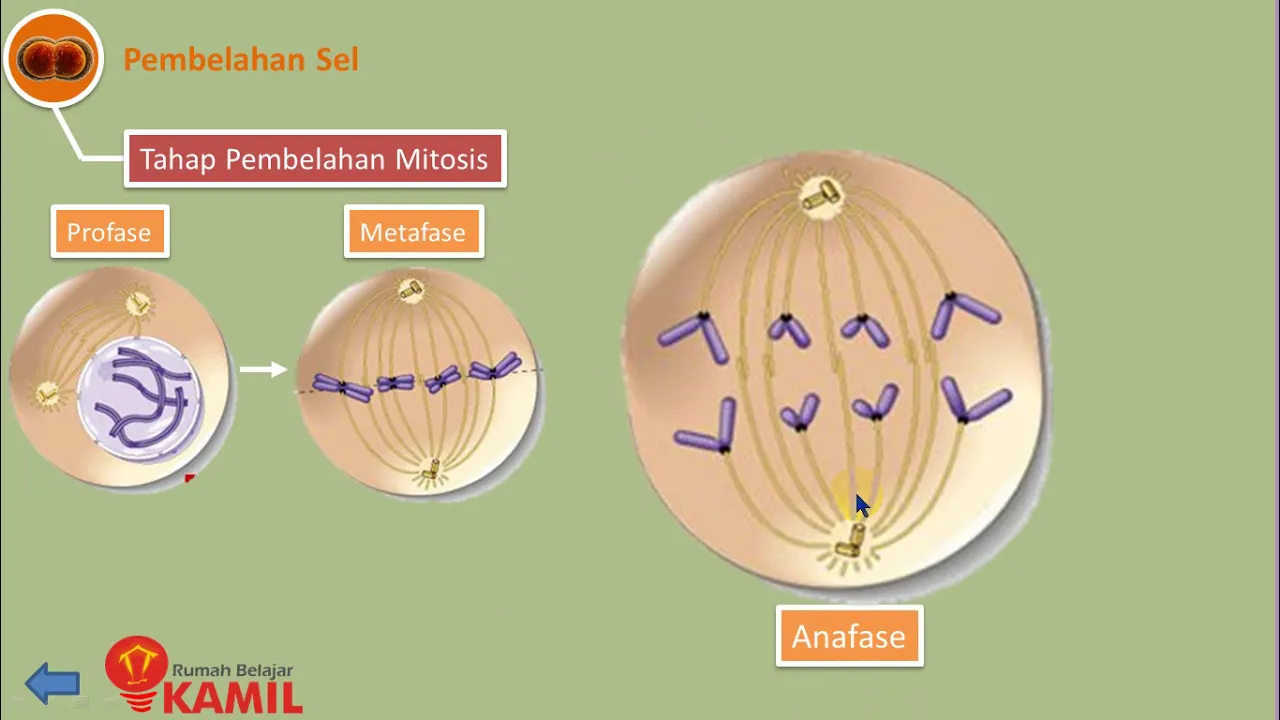






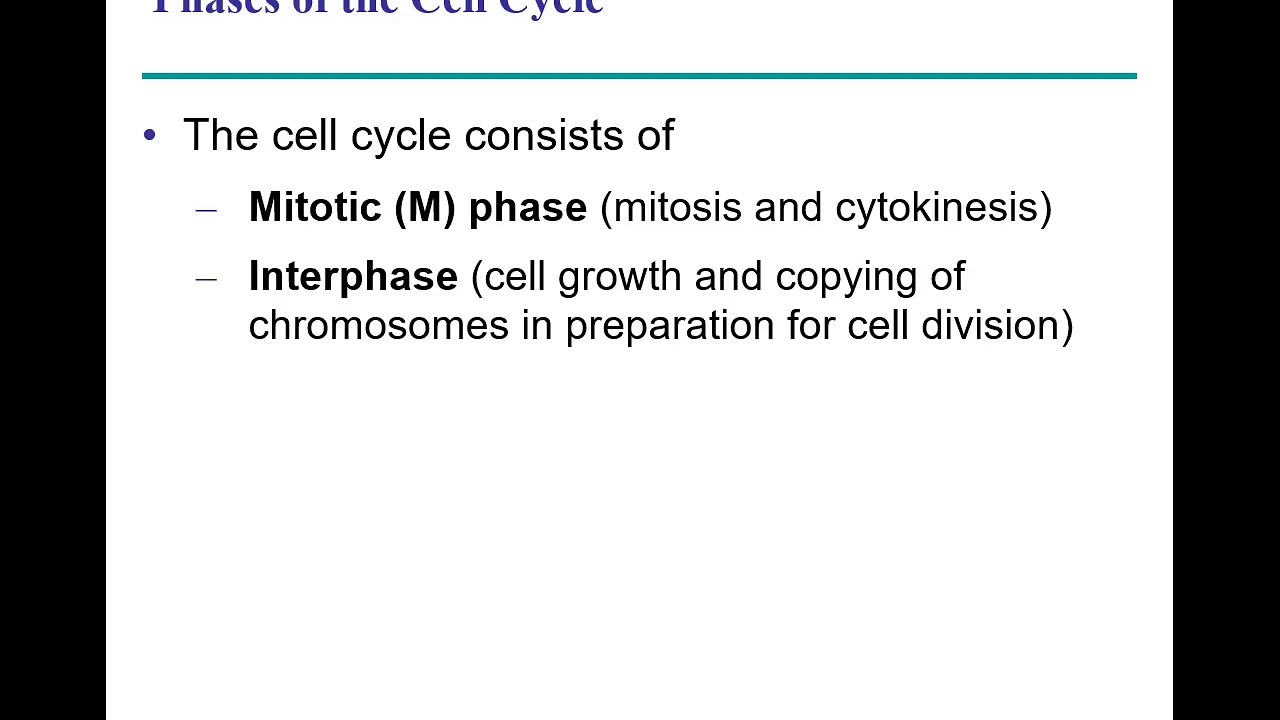
The cell cycle is the process by which cells reproduce, consisting of three main stages: interphase (where the cell grows, carries out normal functions, and replicates its DNA into sister chromatids), mitosis (the division of the nucleus into two identical sets of chromosomes through four phases—prophase, metaphase, anaphase, and telophase), and cytokinesis (the final division of the cytoplasm to create two genetically identical daughter cells). This process enables growth, tissue repair, and replacement of worn-out cells.
Cell Cycle Explained: Mitosis, Interphase, and Cytokinesis Animation
Added:Basic eukaryotic cell anatomy, specifically the structure and function of the nucleus, cytoplasm, and organelles.
The organization of genetic material, including the differences between DNA, chromatin, and chromosomes.
The fundamental biological purpose of cell division, such as organismal growth, tissue repair, and asexual reproduction.
The mechanisms of cell cycle regulation, including key checkpoints (G1, G2, M) and the role of cyclins and cyclin-dependent kinases (CDKs).
The comparison between mitosis (somatic cell division) and meiosis (the production of haploid gametes for sexual reproduction).
The pathological consequences of cell cycle dysregulation, specifically how unchecked division leads to cancer and tumor development.
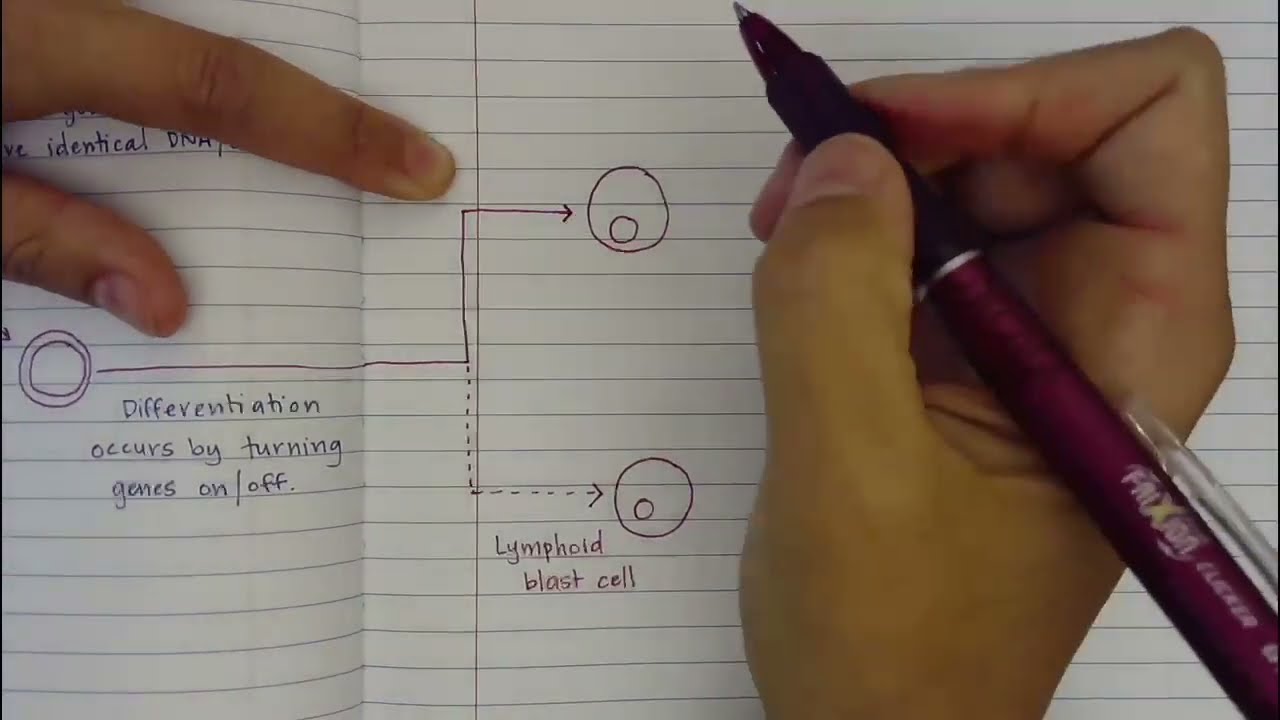
The processes of cellular differentiation and stem cell specialization that occur after division.
683.8K views8.2Klikes5:00Original Release: 2020-04-02
the purpose of the cell cycle is to reproduce cells so one cell can copy itself to become two cells those two daughter cells are identical to the original parent cell exactly the same each one can complete its own cell cycle to make copies of itself until you end up with lots of cells this is needed for growth and is how you went from being one single lonely cell to being made of trillions of cells that's how you grew we also need the cell cycle to replace worn-out cells and heal tissue damage so it is muy importante so the cell cycle has three main parts interphase mitosis and cytokinesis let's begin with interface interface is the part of the cell cycle where the cell is not dividing think of this as normal cell life the cell is doing normal cell thing's growth metabolism and so on also during interphase you should notice that the nucleus is intact and that the cell's DNA is all stringy like spaghetti this stringy uncoiled form of DNA is known as chromatin there is one really important thing that the cell does during interphase that is needed in order to do mitosis which is the next step the cell replicates or copies its chromatin notice that each piece of chromatin is now paired up with its copy we call these paired up copies sister chromatids so now the cell has copies of its DNA this is critical so that the cell can divide up its DNA into two cells and still have them be identical to the original parent cell one final thing I want to make clear interphase is not part of mitosis it happens before mitosis and is especially important because it is where the cell's DNA is copied now let's begin mitosis the process of dividing the cell's DNA into two identical daughter cells mitosis has four phases prophase metaphase anaphase and telophase but you can remember as P met the first phase of mitosis is called prophase during prophase there are a few key events one chromatin coils and gets nicely packed to form chromosomes so instead of being like a tangled mass of spaghetti your DNA is tightly packaged and easier to organize and move around to the nucleus goes away it literally disintegrates why because it's in the way the chromosomes are trapped inside the nucleus and can't get moved to where they need to go unless the cell gets rid of it so it does three the spindle apparatus a bunch of protein tubes that are used to move your chromosomes around also forms it makes sense that all these things would happen during prophase the beginning of mitosis because they are the things that need to happen at the beginning it's like moving to a new house there are some things you do at the beginning of the process just like you need to pack up your stuff before moving to a new house the cell needs to pack up its chromatin into easily movable chromosomes and just like you need to leave your house to move out of it the chromosomes need to get out of the nucleus so it vanishes your whole house doesn't exactly vanish but to get the idea finally if you're going to move it makes sense to have your moving truck ready to go the moving truck is like the spindle apparatus again it makes sense to have this at the beginning of mitosis so that's prophase the rest of the phases will go much quicker metaphase is the next phase in metaphase the chromosomes line up down the middle of the cell think M for middle the chromosomes line up down the mytha this makes the chromosomes easily organized so that it can be evenly divided in half in our next phase and phase during anaphase sister chromatids are separated from one another and pulled to opposite ends of the cell telophase is basically the reverse of prophase each newly formed daughter cell is going to start its new life in interphase so we have to undo all the mitosis stuff that help the cell to divide back to normal cell life so the chromosomes uncoil the form of chromatin the nucleus returns and the spindle apparatus breaks down because it is no longer needed usually at the same time the cell completely divides in half process called cytokinesis the result is two genetically identical daughter cells that is the entire cell cycle interphase mitosis and cytokinesis if you enjoyed this video please like it subscribe and check out the other free games quizzes and interactive learning experiences at Bioman biology [Music]
Up Next

2:52
The Central Dogma of Biology: DNA to RNA to Protein
@DNALearningCenter
550.8K views•2012-04-13

50:12
Bacterial Communication: Quorum Sensing and Biofilm Formation Explained
@JHUAAP
12.6K views•2011-06-28

5:35
Enteric Nervous System Explained: The Gut's Brain | Neurobiology Lecture
@alumniu6029
438 views•2018-09-12

7:08
Bacteriophages: Earth's Deadliest Killers and Future Antibiotics
@kurzgesagt
34.6M views•2018-05-13
Related Study Plans & Knowledge Roadmaps
Structured learning paths in Biology
biology
RNAi: Biogenesis, RISC & Gene Silencing
01Molecular Biology Foundations: DNA to Protein
02Introduction to RNA Interference (RNAi)
03Molecular Biogenesis of miRNA and siRNA
+ 2 more learning modules
10h5 modules
Explore Roadmap
biology
Mycorrhizae: Signaling, Biophysics & Ecology
01Foundations of Mycorrhizal Symbiosis
02Molecular Signaling and Root Colonization
03Biophysics and Bioenergetics of Nutrient Exchange
+ 1 more learning modules
11h4 modules
Explore Roadmap
biology
Circadian Clocks: TTFL, SCN & Periphery
01Foundations of Molecular Biology & Gene Expression
02Introduction to Chronobiology and Actograms
03The Core TTFL: Molecular Architecture of the Clock
+ 3 more learning modules
14h6 modules
Explore Roadmap
biology
Population Genetics: Math, Drift & Selection
01Genetic & Probability Foundations
02The Hardy-Weinberg Principle and Baseline Models
03Mathematical Modeling of Natural Selection
+ 3 more learning modules
18h6 modules
Explore Roadmap