













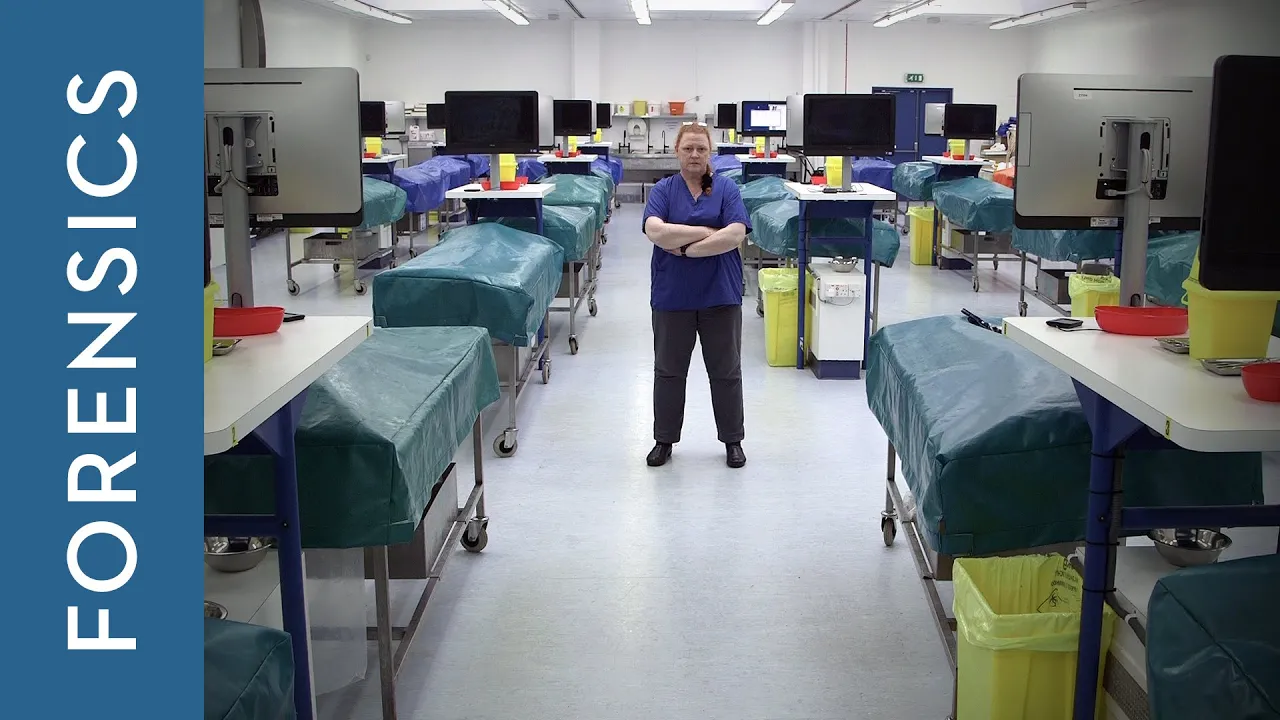



Forensic anthropology is the scientific discipline that applies knowledge of human anatomy to identify human remains for courtroom purposes, distinguishing it from popular media depictions; forensic anthropologists work with both living and deceased individuals, analyzing skeletal remains, dental records, anatomical features, and biological markers to determine age, sex, ancestry, and identity, often playing crucial roles in criminal investigations, mass fatality events, and cases involving child protection, where their expertise helps secure convictions and bring closure to families of missing persons.
Forensic Anthropology in the Real World | Sue Black Lecture
Added:Basic human skeletal anatomy and osteology, including the names and structures of major bones.
The fundamental distinction between biological anthropology, archaeology, and forensic anthropology.
The concept of the biological profile, specifically how age, biological sex, stature, and ancestry are estimated from skeletal remains.
The basic role of forensic science within the criminal justice system and the importance of maintaining the chain of custody.
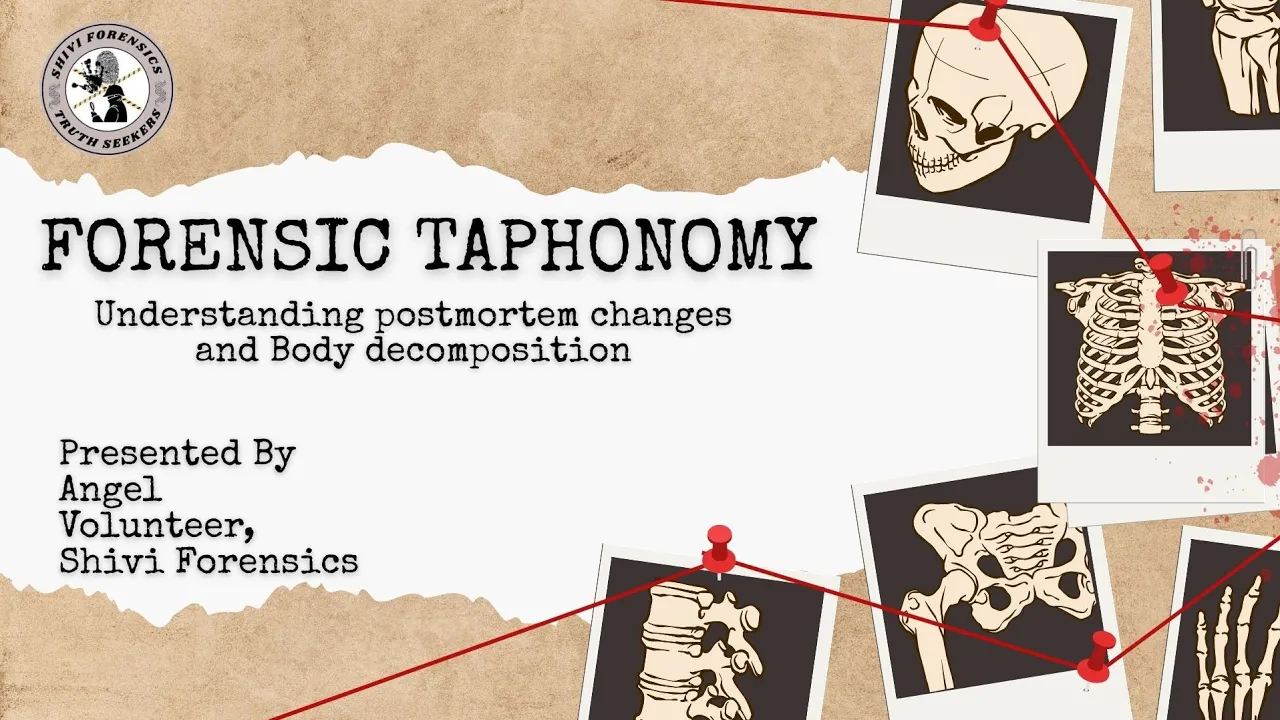
Forensic taphonomy: the study of postmortem decomposition, environmental factors, and estimating the postmortem interval (PMI).
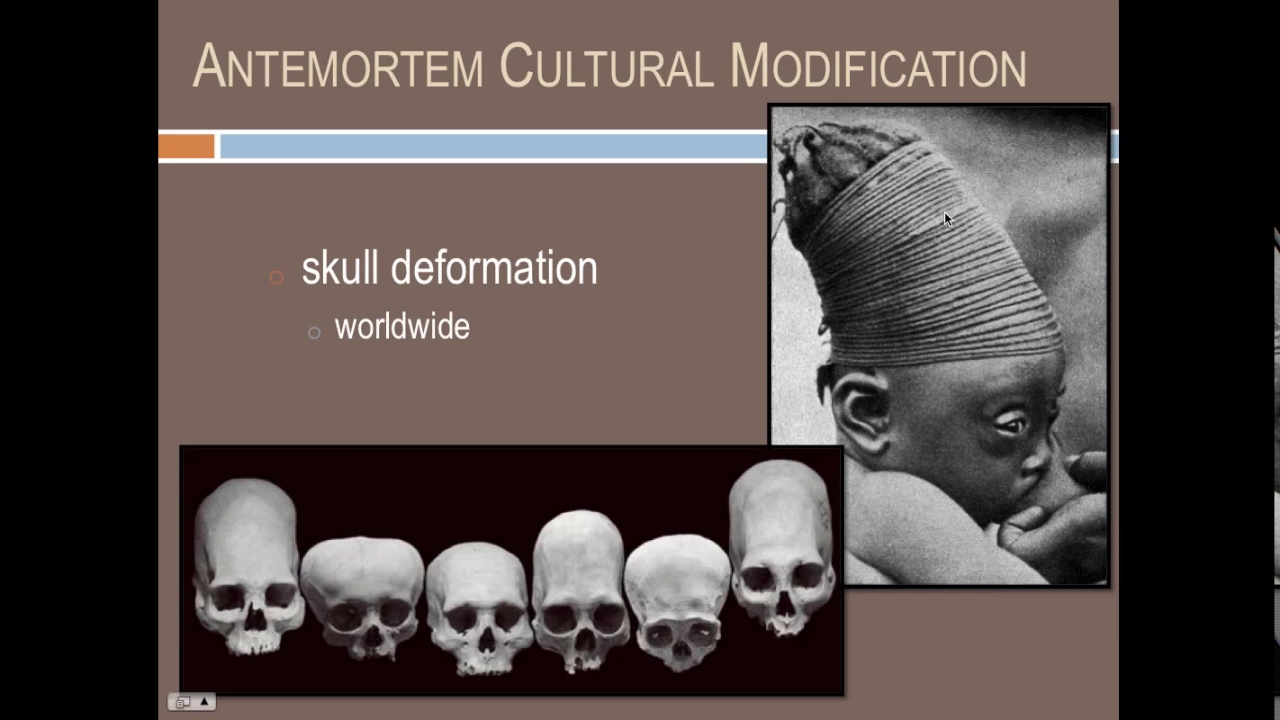
Skeletal trauma analysis, including the methods used to differentiate between antemortem, perimortem, and postmortem bone fractures.
Disaster Victim Identification (DVI) protocols and the application of forensic anthropology in mass casualty events and human rights investigations.
Advanced identification techniques, such as craniofacial reconstruction, forensic dentistry (odontology), and stable isotope analysis for geographical profiling.
112.3K views2.5Klikes1:00:44Original Release: 2019-01-08
I start by introducing myself my name is Mark Smith and it's my great pleasure to be the Vice Chancellor of Lancaster University and can I first say it's fantastic to see such a huge turnout from the town in the region to tonight's public lecture so thank you all for for coming as a university a university is quite a complex organization but one that has many roles which we seek to play and one of them is in being a forum to stimulate and interact with our local community Lancaster's you're probably aware continues to be in the top ten of all national league tables and the top 200 of all universities in the world and we want to compete and compare ourselves for the very best universities there are one of the dangers of doing that is that we lose sight of the fact that part of the Lancaster character is where we come from I can assure you we don't lose sight of that character we very much value the support that we get from our local community and part of this public lecture series is giving back to that local community something which we hope you find interesting so that's the background to our public lecture series which is one just one of the ways we hope you believe we support the community because we are very clear that the community here in Lancaster supports supports us now getting on to the main event tonight is my great pleasure to be asked to introduce professor Dame sue black one of my colleagues now I'll give you a little bit of background to sue now about almost exactly a year ago we were halfway through the process of slightly restructuring my senior team and I decided that engagement was so important to the university's engagement locally nationally and internationally that we needed one of the senior academics part of my senior T who this became the core responsibility so we were that we hadn't had we haven't had this role before at Lancaster and we were interviewing him because of Lancaster status it means we are lucky enough to attract really high quality candidates from across the country in fact internationally and so we had a real choice but it was no doubt and as you'll see from tonight's lecture Sue's vision for engagement at Lancaster was highly compelling and one which she has embarked on with us since August now effectively you could say her day job is to drive this engagement strategy but being a being a keen fan of buy-one-get-one-free at the same time we also recruited a world leading academic because there's no doubt that Sue is one who writes this stuff is one of the world's leading forensic anthropologists the property's true actually by the way it is it is actually true so how could sue show more leadership than not only being the personable responsible but actually doing engagement at the same time so I'm very grateful for her to give giving tonight's lecture well she'll address some of the extensive range of casework she's been involved in which will include you will see some really high-profile and interesting cases and the fact that she gets invited on behalf of the British government to lead on some of these is testament to her standing in the field after the talk there'll be a book signing session because you probably realize some of you that Sue has just had a book come out all that remains a life in death and I'm gonna this is a true story about to tell you up is that a true story I believe in one of those things I I don't take home what has happened at the universe I don't talk to my wife about what happens to University she knows what's all days if I keep the cat or not but a part I don't I did I genuinely don't talk about what's happened at the University so when I was sitting there frightened Friday week before last a tweet came out now I've unfortunately been drawn into this world of tweeting and there's a very nice tweet which announced that this book all remains a life in death is actually had won a prestigious the Saltire prize in Scotland for a book of the year and I saw what's very nice I said sue sue is just won this prize for this book and my wife said what's her name it's sue black and she had literally that afternoon just bought the book so I brought it in this morning and had it signed so I've had my copy signed but the interesting thing is that was a recommendation from someone who did not know anything about sue and had already started reading it online thought it was a great book so there's a small Commission for my soul to inch it up anyway without that let's go on to the main event is my great pleasure to welcome professor Dane sue black I have to apologize for this so when I open my mouth I'm not sure whether I'm going to sound like a chipmunk or a tuba and I promise I don't normally sound like this it's so bad that when my husband phones me over the weekend and I picked up the phone he said who's that and and he said god I thought you were a man so our marital relation in this split is not doing too well one of the things that's important for me when I go into court is that I must promise to tell the truth the whole truth and nothing but the truth so help me God so I'm going to ask you to do the same thing hands up yeah you're on earth now hands up those of you who've watched CSI shame on you absolute and utter shame on you because it's one of the worst programs on the television it has nothing to do with the world in which we operate but what's really important is that for those young people who see this on television as being a career they do think that this is maybe what it's like and when our students want to study forensic science they're often really dispirited when they find they do need to learn mathema tics and statistics and physics and chemistry and all those really important things it's not just about pressing a button and waiting for the answer to come out so if I do nothing else this evening but remind you to switch off the television when CSI fleetwood or whatever it is comes on next can we please not I have to do this I have to give a warning I don't believe there's anything that I'm going to show you tonight of such a magnitude that you haven't seen it before it's what I use does to us these days but it's a requirement that says what I'm going to talk about isn't here for entertainment purposes it's about letting you know what the reality of our world is like and it's a really serious world and it's a world that affects people's lives daily so there is an enormity and enormous importance to it there are things that might affect you and this is my get-out-of-jail-free card so it says if you go home tonight and kill your wife because what you saw on here was so disturbing it is not my fault it is not the University of Lancaster's fault I gave you the warning I will try and remember where there are things that are challenging I will probably forget and have to say sorry but I have chosen to try and look at cases and I've looked at cases solely in the UK here I've not looked at our overseas ones because some of our overseas ones are actually more challenging to handle but I just want you to get an idea of the kinds of things that we really do in our world not the things that make it into the television programs when somebody says what is forensic anthropology it's made up of two words the forensic bit is the Latin bit which means pertaining to the forum which is where the word forensic comes from and the forum were the courts of Rome so anything that has the word forensic in front of it we're not there to work for the police were not there to work for a lawyer we're there to give evidence to the court and all the time from the first moment that we step onto a crime scene our job is to have in our mind we are going to have to present this evidence in court and we have an adversarial court system in the UK so we know that when we go into court one side of that room will be trying to prove that you are the world's leading expert and the other side of the room are trying to prove that you're a blithering idiot and one of them will win and you have no way of knowing who it is that's going to win so a courtroom is somewhere that is really challenging for a scientist to be the Alpha apology bit is Greek and it just means the study of man so when you bring it together what forensic anthropology is about is the identification or study of the human or what remains of the human for the courtroom purposes let's see if we can take that a bit further you probably because you've watched CSI think that the forensic anthropologist always deals with bones and there is a truth in that but a lot of our work nowadays is about the living so you imagine someone comes in to Heathrow and they've got papers as they go through the border control those papers are picked up as being false at that point they'll be picked up by border guards they will then at that point claim most likely that they are 17 they might look like they're 104 but they will claim there are 17 because international law states that if you claim you're a child then you must be treated as a child which means you require to be housed to be educated to be fed and to be safe the job then falls on the scientists to determine whether you're telling the truth or not and that legal definition is between the ages of 17 and 18 years now the only thing that happens on your 18th birthday that you can remember about was that you could legally go to the bar but in terms of your biology nothing changes between 17 and 18 so our job is really challenging when we're working with the living but a lot more of our work these days is with the living there's a there's an image coming next that shows individuals who are no longer living so we will work with those individuals who are recently deceased and that might be in mass fatality examples so for example in the London bombing we had 56 victims but we had 1,500 body parts and our job was to try and reassociate them in a human jigsaw so just because somebody has recently lost their life doesn't mean that it's very obvious who they're going to be no mass fatality events sometimes it is extremely challenging especially if the bodies are fragmented or if in fact they're burnt this is not pleasant but once a body starts to decompose once you start to lose that barrier of environment between your internal self and the outside world we start to lose some of the features that help to identify us facial information goes very quickly fingerprints go very quickly and in environments where we have advanced decomposition at a really rapid rate then even DNA sometimes isn't going to help us because it becomes denatured so the general principle for police officers is if what you're working with starts to smell bad we probably need a forensic anthropologist so we tend to be the bad smell science that links this is when you need us this is where you're happiest with us I suspect where there's a bit of bone where the skull that that's what forensic anthropologists do but there is another category which is the one that's coming next and it's the one that shows that we're not great company for dinner dates you know we're really are the ultimate train spotters in the scientific world because the real challenge for us the thing that gets us out of bed in the morning is when we get those tiny little fragments of bone these come from the World Trade Center and our job is to identify are they bone are they human where do they come from in the human so the absolute minutiae and details of our human anatomy are utterly critical to every aspect of our identification so I firmly believe in audience participation let me give you the backgrounds so what we have is we have a group of children from a school in Northern Ireland and they head out to an island on a science trip and while they're right there one of the kids takes this photograph the children in Northern Ireland still aren't necessarily on the best of speaking terms with the police force necessarily so it takes a few days before one of the children shows it to their mum who marches them down to Police Service of Northern Ireland and they have a look at this photograph the police are sent out to the area by the time they get there this is missing are we worried that it's miss what is it I love see you've already decided you don't trust me are we gonna set up a murder investigation No why not it's not hot it's a seal flipper all the oils in the room tell me that you thought it was a hand and quite rightly so did the police force so our job is to be able to identify not just what's human but all the things that are not human that might look like human now in dundee where i was at the time we have a coastline and seals get washed up repeatedly on the beach at tents mieux and so we'd get a phone call every weekends from the police in Tayside who would say we find a hand on the beach no you haven't you'll have find a seal flipper and you have a look at it and you say it's a seal flipper and they say well we'll throw it back in don't throw it back it back in and the tide comes back in and we're gonna be out there that same darn seal flipper twelve times in the same weekend so it's really important that when we're training people it's about identifying that they can recognize what it is they're looking at so what about the one on the left are we going to set up a murder investigation based on that let me give you the background these are find in the freezer of a known Serb sympathizer in Kosovo and what his bands were doing was they were abducting young Kosovo Albanians men they were murdering them they were cutting the bodies into pieces and they were leaving the dismembered parts in front of the door on the doormat of families who had young men and it was their calling card to say don't let your son join the Kosovo Liberation Army because if you do then they could be the next this is a calling card dismemberment so this was find in the freezer of a known Serb sympathizer there is a problem with a photograph the problem with the photograph is there's no scale so we actually don't know how big that is so what we did is we said to a very very nice and very young German police officer do you know what type of evidence bag that is and he said yes and I said what could we see the specimen is one that we've lost a specimen but we can bring you another bag and the bag that they brought was this size so what's sitting on them are this size and these are bear paws so it's a for par in a hind paw you can see on the one on the left that's stepping down that's a really heavy animal putting huge amount of weight on a four pole the one on the right hand side is a foot turned over the other way there's no instep and the heel at the top you can see is elongated that's not a biped that's a quadruped ed so we can happily say this is actually bear paws this is someone who'd been out hunting and these were probably going to turn out to be stock for a pan of soup what about the ones on the right now we've got a scale are we going to set up a murder investigation of they turn up see you really still don't trust me you are because one of them is human and two of them are chicken so the one on the left is a human shin bone it's a tibia from a newborn baby and the two on the right are chicken bones so that the job that we do is not terribly exciting sometimes but you really do need to know your anatomical detail and you need your anatomical detail not just of the human but of the human at every age in which they occur at every kind of presentation that they might give whether fragmented decomposed or intact and it takes a long time to become an experienced forensic anthropologist you're in any doubt seriously is it human or animal why is an animal it's got horns humans don't have horns today the most important thing is the human is a strange animal because it has the opportunity and the skill to be able to change the way it appears it is a sheep on the left but just because we find horns doesn't mean that it's not human so what he's done is he made two little cuts in the skin above his eyebrows he sticks in these Teflon implants which are coated with an osteogenic substance so he can grow his own horns why do you know I have no idea it doesn't matter but he does it so that we're never ever complacent because we just don't know what we're going to be presented with and sometimes what were presented with may be odd but it isn't necessarily illegal this is a human finger and when the gentleman accidentally cut it off with a circular saw and took it to A&E he stole it back from A&E he boiled it down in his kitchen he made a keyring out of it because he thought it was a nice Christmas present for his wife a new adage to giving the finger so just because we find it we have to identify as a human or is it not but actually you know there wasn't a crime associated with it and what I love is the fact that the human body is just a tapestry it's just a canvas that we can draw on 20 years ago if we'd asked our student population in a lecture do you have a tattoo you'd get one or two now if you ask that question it's three-quarters of the room so tattooing that used to be something that was actually quite individualistic is now becoming something that is fairly mainstream and when we're looking at identification the way in which we can alter the body becomes extremely important and tattooing is one of those if you tattoo mum on your forearm do you know it doesn't help us because everybody's got a mum that's not gonna help us but if you can do something different I love survivor tattoos because that also tells us no points in looking for the big toe that's going to occur on that foot so it is it is a clue and it's an important clue what I also like is the fact that tattoos these days are incredible sorry incredibly realistic that is a tattoo and so when we're looking at a body sometimes it's difficult to know whether it's a genuine scar or whether it's attitude scar and we'll have to cut through the skin to be absolutely certain because something like a scar something like a tattoo may be the only thing that you have for identification of the individual and our job is also to look in every body orifice to be able to look for the things that people are going to implant within their bodies and they implant some strange things within the body oh you think this is bad just wait for the one on the top left here again I love it one of my favorite ones is this guy yep so I used to keep us mobile phone in there which i think is a great idea because you'd never run the risk of not hearing it go off we did and now he puts his coke can in there but are you imagine that you find that individual and you find that modification for us trying to figure out what it is that they've done why they have that kind of an alteration is extremely important in the identification process and you all have seen these I have a daughter that has one of those just absolutely appalling my goodness me did she get to see some photographs from me of what happens when tongue studs go wrong yeah but one of the things that the humans do is that we think that's risky so what we then do is we say well you know can we take it further and we do so you imagine you take the tongue stud out you read and you use a piece of cheese wire what you can do is you can cut the tongue in half and anatomically the tongue is really clever because the left side of the tongue is controlled by the right side of the brain right side of the tongue is controlled by the left side of the brain so you've got total and independent movement of the two halves of your tongue you can figure out your adults my people should have that done it should be individualistic because quite frankly who would want to do it it says a lot about Dundee that at one point there was one person who had tongue splitting and then five of their wonderfully clever idiot friends decided with Moby cool and so they all had it done and so when something becomes a trends it no longer becomes specific and identifiable can you take it beyond there this is brilliant this one's so cool look okay so my job is to look inside people's mouths and make sure there's not a zipper in there and you can take from that whatever you would like what's really important is the human is the most marvelous animal that can choose to change the way that it looks and we think we have a norm but in reality we haven't it's the abnormal that's really important let me take you through what would be considered to be a very very characteristic case in forensic anthropology Dorner is about as foreign in Scotland as you can go before you fall off the end and so what we have is we have somebody going through the woods now if I can give you no other advice than this if you have a dog get rid of it get a cats get golfers get a budgie because 40% of unexpected dead bodies are found by people out walking their dogs save yourself the grief so that a man's out walking in mcdale woods dog finds little pile of bones this point it doesn't work terribly well but it's sitting down in the sort of bottom left-hand corner there and this is literally in the middle of the middle of nowhere and police Scotland still put up the crime-scene tape because that's what csi's do just in case a roaming deer or something you know might go through the crime scene and if you look up the Scots pine you can see just at the top of the Scots pine there's a little dark blob and there's a young policeman standing besides me and as God's my witness he looked up the tree and he said do you think that's important and there is only one answer to that which is let me hold your coat son and so he climbed up the tree he climbed up the tree and it's the hood of a jacket and inside the hood of a jacket is the second cervical vertebrae vertebrae at the base of your skull and I promise you he said this god bless and he came down the tree anyway do you think it belongs to that body he's directing traffic in the island somewhere now as his flat and I said you know it's a really good question because if it doesn't we've got a problem and then he capped at all he said to me Jia think it's suicide and I said well I have difficulty with it being a murder if the bodies had to be carried all the way up the tree to probably fall down there so I think it probably is a suicide but we don't know and it means that we have to investigate it one of the worst things the most difficult things for a police force is that when you have a body and you don't know who the individual is because then you can't talk to their family you can't talk to their colleagues or their friends you can't start to piece out what might have happened to them so getting to the name of the deceased is really important this individual had no circumstantial evidence on them if you look on the right you can see at the top is a pair of trainers that little white area just below the trainers is a skull so that's in a slightly unusual place there are two legs so there's the the legs then there's the two thighs there's a pelvis in the middle you can see a little bit of the vertebral column the spine just about the middle of the photograph you can see some of the ribs hanging out and you can see that there's a green jacket over the whole body that's a british telecom jacket so what we do first of all to go to British Telecom do you have any missing engineers is there somebody you're missing no that doesn't mean that they ever worked for BT but it's at least a good lead they might have bought the jacket and might have nicked the jacket they might have borrowed it from somebody else but it didn't take us there there's no circumstantial evidence for this individual we're happy that the head is down at the feet because as the body's been hanging so the individual has gone up the tree they tied the hood of their jacket around the branch and they probably jumped off and committed suicide and as they've been hanging there for about 18 months probably as the body decomposes the weight of the body pulls on the neck vertebra and the neck will separate the body will fall in one direction second vertebra normally falls away that's why it's in the hood of the jacket and the first vertebras with a head that's gone in an opposite direction so we're content that there isn't anything that we have to be worried about how do we identify the individual DNA doesn't help us because we've got a DNA sample but it doesn't match anything on the DNA database there's no circumstantial evidence there's no fingerprints what do we know about the individual what we can tell from an Anatomy from good old-fashioned Anatomy as the individual was male he was Grasso which means he wasn't built like a Russian shop fitter he was Caucasian Caucasian does not mean white Asian Caucasian pertains to the Caucasus Mountains so in terms of ancestral origin it is anybody north of Saharan Africa and to the west of the Indian subcontinent in particular we reckon that he was somewhere between 20 and 25 years of age and we reckon he was somewhere between five foot five and five foot eight inches in height if you place that profile into the police missing-persons database it comes up with 1,500 possible names a thousand people a day are listed as missing in the UK many of them come back but there's a thousand a day that are registered as missing it's a huge problem we can't send a police officers to hunt 1,500 houses we have to narrow it down we can tell that 45 been extracted it's the same tooth in each quadrant so there's a dentist somewhere that has done that but you can't write to every dentist in the country and say have you ever had a patient that's had those four teeth that they won't reply we know he's had a fracture to his right eighth rib we know he's there damage to his right collarbone his kneecap is in two places so he's had a fair bit of trauma some points in the past and we were getting really smart now because we looked at when we looked at the joint surfaces particularly in his fingers but also in in his elbow as well we felt that he had a bit of joint laxity that isn't going to help us identify him so what we do is we reconstruct a face and facial reconstruction is a mix of art and science we're not trying to produce a face that looks exactly like the missing person it isn't a test all we're trying to do is to open up a possibility who could this person be this goes out on Crimewatch and within about 12 minutes of it going out on Crimewatch we have 25 phone calls many of them identifying him as the same named individual and one of those was his mother so she'd sat down to watch crime watch and she thought that looks like Jake now what we've got is a name and that's really important so we will send two police officers down to that house one police officer will sit with dad in the sitting room the other police officer will go into the kitchen with mom to make tea because that's what makes everything okay and when that police officer is in the kitchen with mum they will ask some really important questions first one are you the real mother are you the birth mother of this individual because if she is then that's great we can take her DNA sample and compare it if she's not then we either had to find the birth mother or the birth father or we need to find siblings of the individual what we don't ask is his dad the dad one in every six children in the UK do not live with their biological father whether they know that or not as my grandmother from Glenelg always said you always know who your mother is and you have your mother's word for who your father might be says a lot about my family if we run dad's DNA and dad's DNA doesn't match we've caused a huge problem for that family that they didn't need so therefore we don't do it if momma's mum we run mom's DNA well take dad's DNA cause we don't want to feel left out but we won't run it for a very very good reason we run the DNA and the DNA is in fact Jake so we have a positive match what we know about Jake was that he was male he was slim he was white he was 22 and he was five foot seven damn were good when we get it right we get it right when we get it wrong we don't know we've got it wrong because we may never identify the individual so it is really important to get as close as we can we could then find his dentist who had confirmed that those teeth had been extracted he'd got a bit of a kicking in a bar before he'd gone missing and it confirmed the fractures that he had and his party trick was he used to be able to bend his fingers back to be able to touch his forearm because he was double-jointed what had happened to Jake is he'd got into trouble owing some money to some drug runners in Shipley and he'd gone to Leeds he bought a car in an auction house there under a false name he'd driven north he'd live in has lived up there is somebody entirely different he was known as being an alcoholic he was known as being a drug addict and one day he decided to walk into mcdale wood he decided to climb a tree he decided to end his own life there was no crime for us to investigate but there was a really important thing for us to do which was to identify who he was because now we could return his body to his family who were missing him and when we come with the news it's never good news it's always bad news but it is a kindness so when you talk to families who have a missing person they talk about their life going into a stutter that they just can't get beyond it until they know for example what's happened to that person it's never good news but there is a kindness to it and so Jake was positively identified Margaret Gardner was last seen alive in Helens borough which is just north of Glasgow in 2004 Margaret was married to John Gardner and John Gardner had been a merchant seaman and he had a number of businesses that he wanted to run and none of them had been a success and his latest one was that he wanted to set up a company building kitchens and Margaret had said were not doing it he said I need a loan from the bank we're not doing it Margaret went to work that morning she got a phone call at work that said there's a problem with the loan that you took out in the bank this morning she's you're right there's a problem because I didn't take a loan out this morning John had got somebody to go to the bank with him to pose as his wife so that he could get the loan for his next business Margaret was furious as only little Glasgow women could me and she said I'm going home he's out on his ear I've had enough and that was the last time that Margaret was ever seen alive when questioned about where Margaret was what John said was all she'd gone downsized somewhere can remember we're friends of hers no one can remember the name it's having a bit of marital problems no she hadn't been in touch oh she didn't take her mobile phone now got no way of getting in touch with her trust me police are trained to smell lies and so we knew that John wasn't telling the truth what we didn't know was what had happened to Margaret and she had a habit that every night she phoned her very elderly parents to see if they were alright to ask them what did you have for your supper to go out today you know did you watch Coronation Street or whatever it is and she stopped doing that on the fourth of October and when you stop a habit of a lifetime it is a red rag that says there's something to investigate the police went round to the house they found blood around the base of the bath taps on the bath and they find a chipped piece of tooth enamel in the u-bend of the bath that doesn't mean Margaret's dead she could have gone into the bathroom she could have tripped on the bath mat get a cluttered rich in of the baths that would explain why we have blood in a bit of chipped teeth so it tells us something's happened to Margaret but it doesn't tell us that necessarily something fatal has happened to her and then when we go to the kitchen then an inspired officer swapped around the door of the washing machine and found blood around the door of the washing machine and the blood is Margaret's blood and then in the filter of the washing machine they find something that they think is bone and the question is what is it so there it is it's about four millimeters wide it's about a centimeter long it couldn't be more obvious what it is the big problem was if they had taken this bone sample and run it for DNA analysis before they showed it to the anthropologist all the sample would have said was it's Margaret's it wouldn't have told anyone what it is and it was really important that the identification of the fragment was done before the DNA sampling the fragment of bone came from the greater wing of the sphenoid bone which is a bone that sits on the left side of the temple and right underneath there in the living it's a massive blood supply there is no way that bit of bone is missing from Margaret's head and her still to be alive so it's extremely important that we were able to identify that fragment what he then says is okay let me tell you what happened I got home she was giving me grief like nobody's business we got a bit physical she ran away from me I chased her she tripped on the top step at the kitchen door she fell down the steps her head hit the patio and it just exploded that's what happens in CSI it's not what happens in the real world so that tells us that he's not telling the truth because your head doesn't just explode what he then did he said as he picked her up and he carried her into the bathroom and put her in the bath so we can explain the Bloods we can explain the check teeth and the reason that we find blood and bone in the washing machine is that he realized when he carried her in he got blood on his jumper John never did the washing so John put the washing machine on and he did it on a cold cycle with a non-biological detergent ladies if you want to destroy the evidence a hot cycle biological detergent you won't get any of the DNA out of it so we were able to identify it and get the DNA he'd entered what every good loving husband would do he wrapped her body in plastic he put it into the back of the car and he dropped her body in the river leavin and her body has never been found so every time we find remains in Loch Lomond then it's almost the question we've got about five missing people in that area is this going to be Margaret and her body's never been found so when we go to court were going to court in the absence of her body with just one fragment of bone which now no longer exists because we've done DNA analysis and we have a defense lawyer in Scotland who was called Donald Finlay and Donald Finlay is a caricature of himself and he's the most ferocious defense lawyer that there exists up there he's utterly terrifying so when you're in evidence giving courts and it's Donald who's for the defense can I just say your heart plummets so he leans under his desk and he pulls out Grey's Anatomy which is a huge textbook and with great flourish he drops it on the table in front of him and he says no professor I'm sure you know this book better than I do never seen that edition and he says and I'm not doubting here for a moment which means he is and he cross-examined me on the development of that bone on the the growth of that bone on the adult morphology of that bone on the fracturing of that for four and a half hours and that's why lawyers can be so incredibly clever and it's about trying to prove that if we didn't know what we were talking about the case would have collapsed and I know Donnell very well so afterwards I said Todd you were really hard in there with me he said yes he says but I like to get you on the stand you're a challenge the pathologist's are awfully easy to get thanks very much so what happened was that John Gardner was found guilty of manslaughter he was given he was convicted of culpable homicide in 2005 he was given an original sentence of 12 years it was reduced to 9 he was given an early release in 2011 and what I just find out was in 2012 he got married in Blackpool there aren't some women incredibly brave so that he got married in Blackpool in 2012 and this is his wedding photograph so I don't know about you but being the wife of a convicted murderer might just give me a few sleepless nights sometimes were involved in areas where there are fatal fires and fires are particularly challenging this is a house literally in the middle of nowhere it took the fire brigade about two and a half hours to get there simply because it is so remote and it was an elderly lady who lived on her own in wintertime she tend to live in one room we knew that she drank a bit we knew that she smoked and the house just went up like an absolute tinderbox and you can see that the roof has gone this is what the inside of it looks like this is a real scene these are the kinds of things that we have to navigate our way around the intelligence suggested that she tended to sleep on a sofa bed which was in the sitting-room and directly opposite the fire so our forensic strategy was to clear along a corridor so you're on your hands and knees there's nothing sexy about this you're on your hands and knees and those white Teletubbies suits with black plastic rubber wellies face masks and double gloves and knee protectors and what we do is we clear a pathway and we turn right into the area of the room to where the sofa bed is the sofa bed hasn't been pulled out so the chances are that she hadn't actually gone to bed for the night and that's the problem because if she'd been there it would easier to find her we clear the sofa bed and you can see that it's not being pulled out you can see the wall behind the sofa bed that separates sitting-room from bedroom so now we have to decide in terms of the forensic strategy where we're going to go are we going to go to the side of the sofa bed are we going to go to the front of the sofa bed aren't we going to have to clear the entirety of the house which may take weeks to do so it doesn't happen in the 40 minutes of an episode it happens sometimes over days if not weeks we removed the sofa bed what we noticed was that there were some small gray areas just in front of the sofa bed that look like that and you can see the tiny fragments that we're talking about the one at the top there is very easy to identify it's a bit of maxilla so it's a bit where the teeth were sitting within the bone so we know that in fact when she's died she's fallen in front of the sofa bed so our job is to recover the fragments of the remains that we can find offer the fire service at this point said we'd never have recognized that as human material we'd have just scooped it all up and it would have gone in the skip so it's why it's really important you have forensic anthropologists at the crime scene on the top left is believe it or not a piece of arm on the right is a piece of vertebral column I've outlined the different bones of the vertebrae all contained within the nylon that had melted around it of her nightdress and what we've got there is a right collarbone and you can see that it's an unusual shape and we know from her records that she'd fractured her right collarbone about four years before and so this is all we have of her identification you can't get DNA from bone that is so burnt in socal signs it doesn't survive we don't have any teeth that have survived we have no fingerprints and so the Procurator Fiscal was prepared to confirm her identity just from the fact that she'd had a broken collarbone from the past what we collected wasn't enough to fill a shoebox but what it did mean was that family did have something that they could bury of her but we had to be able to separate her from her 34 cats as well we don't like it when we can't find bodies or when we have bodies that we can't name and a body was found hanging in balm or which is just north of Glasgow on the right as a hand and that's the state of decomposition of the individual he was very mummified so children found him in The Woodlands and they thought he was a guy from you know five guy fawkes from sort of fireworks and in fact he had committed suicide we believe forensic pathologists had done the identification and all the forensic pathologists had said it's a male who's probably white somewhere between 20 and 45 that doesn't help anybody Procurator Fiscal holds the body for about a year and there's no evidence coming forward there's no DNA to support there's no fingerprints nothing how do you identify who this person may be and they ask their team to go back in to see if there's anything more that we could do by this point we were able to remove all of the soft tissue and get back to the bone we could tell that he was male he was Caucasian he was 25 to 35 but probably in his early 30s he was somewhere between five foot eight and six foot one so he was a tall chap the most important thing was the pathologist had missed a number of anatomical features he had a fracture to his right mandible which had never healed but it hadn't been fractured for a short space of time quite a long time so somehow he'd been in an altercation or an accident of some kind he'd fractured his mandible he had not gone for help so he'd not gone to A&E it should have been plated and screwed so he's living wild with this fracture the pain must have been absolutely off the scale it must have been incredibly difficult for him to eat but for whatever reason he chooses not to go into the community to be able to seek some some medical assistance so we do the same thing we reconstruct the face we scan the skull we place the pegs in that allow us to create a skin thickness we start to build up the muscle layers we put a layer of skin over the top and then we can reconstruct what the face may look like the man from Balmore has never been identified the police believe there was an itinerant in the area but they don't know who he was we hate this we hate the fact that we have a body and somewhere out there hopefully there is someone who's missing him and we can to help to bring him home we hate that but we also hate it when we know there is a body and we can't find it Boyd Anderson went missing in 1957 she was a young girl who went out to get a birthday card for her mother and never returns home and Lord Mulholland who was procurator who was Lord advocate at the time really went out on a limb and accused this man of being her murderer Alexander Goucher who is now deceased he is probably the last person to ever see Maura alive and when he was in prison he was imprisoned for child sexual abuse while he was in prison he confessed to one of his cellmates that his friend sinky had done him a favor that sink he would never know what we know is that Sinclair Upton died in February of 1957 which meant that there was a hole in the ground open for the coffin of Sinclair Upton so the implication was that sink he never having known the favor that he did the possibility is that Mira's body was concealed in the hole in the ground that was due to be used by Sinclair Upton's coffin what we do is we go to the old monk Lind cemetery we identify the site and what we say to the police is if we're going to do these excavations it has to be done in the summer when we have little rain it has to be when we have long days of daylight so of course we did it in January so we had about three hours of daylight that rain snowed Hales do just about everything and it's a clay soil which means as we stood on the clay soil it was like you know saluting the sinking ship because we'd start descending into the claim so there were real health and safety issues for a team let alone anything else in that plot there were a number of individuals on the right-hand side of the memorial stone was Elizabeth McNeely who went in in 1976 below Harris where a Sinclair Upton should have been and if Moira Anderson is in that grave we're going to be interested in the area below Sinclair Upton's coffin and above his wife's coffin Margaret Upton so the area of interest is going to be between there we shouldn't need to drop the bodies on the left or disrupt the bodies that are in the middle there's the first coffin that we find that's Elizabeth McNeely that's an MDF coffin this is what happens to you when you've been buried in clay soil since the 1970s her body had turned to add a pasear which is like a grave wax a sort of soapy substance so that we could still identify her features we could still see the outlines of breast tissue but we needed to be able to make sure that it was in fact her so that we could identify its female we could identify her age her body was removed and was placed in a body bag until we could get to the coffin below the coffin below was Sinclair Upton we knew how to build coffins in the 1950s look at that so the woods in a perfect condition Sinclair inside is skeletal but we have to make sure that in fact Moira's not in the coffin with him so we have to remove Sinclair and in fact the coffin plate for Sinclair Upton was still on the coffin so we knew that it was him once we've cleared Sinclair Upton and we take the base plate off what we're really interested is what's below that because of Moira's going to be anywhere she's going to be below the base plate when we lift that right underneath it you couldn't get a cigarette paper in between is the lid of Margaret Upton's coffin so wherever Moira is she's not in that space between Sinclair Upton and his wife what we think is well maybe she was in the coffin with her so we have to open her coffin and we have to remove the contents and in fact she wasn't there and we moved over to the left and there's the coffin from James Tom and she's not in that space so we did a huge excavation desperate to try and find these remains but didn't happen the cases don't always work what's really important is about the person who is driving this to find Sandra is a lady who in fact is the daughter of Alexander Goucher she is convinced that her father was the child abuser she's convinced that her father was the murderer and she's doing her atonement she's really trying to find the body to make it easier for the family and then finally I want to take you to the kind of research that I've brought with me to Lancaster moving away from the dead bodies and I'm afraid moving into a much more sinister world and some regards a young teenage girl reported that at night her father would come into her bedroom and interfere with her she told her mother and her mother didn't believe her she was a smart girl she put on her Skype camera and I don't know if you know but if you leave your Skype camera running at night it goes into infrared mode which means you can see in the dark half past 4:00 in the morning what we see is that right forearm and hands coming into the view of the camera and it's her body that you can see lying horizontal she's wearing her pajamas and the hands is just coming into touch into her buttock area so that we have recorded on the video exactly what she said was happening she went to the police with it she a brave brave teenage girl she went to the police with it and it's at around with the Metropolitan Police saying I don't know what we can do with it and they asked us and we said we don't know what you can do with that either but what we do know is that veins are variable and if you're in any doubt look at the back of your right hand and then look at the back of your left hand and the pattern of veins will be different on your right hand or your left hand I guarantee it on the vice-chancellor's life and they will be different to everybody else's vein pattern in the room I guarantee that on his life as well and that becomes really important for identification purposes so we were able to identify the vein pattern because under infrared light the vein pattern stands out like black tram lines so we can trace what the vein patterns are what we can then do is we know what the vein pattern is for the perpetrator what we can do is compare it with the suspect which is the father and they match perfectly what we don't know is how unique the veins are because we haven't done the research all we can say is we can't exclude him and so we go to port and it's the first time this kind of evidence has ever been heard in a courtroom in the UK and we give the evidence excellent we give the evidence it happened to me we give the evidence and the judge says we had needs half of why do we need to send the jury out because we need to hear whether in fact this is witchcraft or whether the science behind it and because I was an anatomist who understands human variation he said we're going to let it be heard so the first time this evidence was ever heard in the UK courts the jury went away the jury came back and the jury found the father not guilty I don't know who was in her bedroom at half-past four in the morning with the same vein pattern as her and we were devastated so we asked the barrister what did we do wrong classic thing you blame yourself what did we do wrong and what they said to me was the thing that incensed to me more than anything I've ever heard was that they said don't think you did anything wrong at all the science was fine they didn't believe the girl because she didn't cry so there you have a young girl who is so brave to accuse her father to tell her mother to go to court and because she was so contained in herself the jury chose not to believe her the outcome of that is of course she will have gone back into a house with a father who's been found not guilty of child abuse I suspect she will have run away from home I suspect she was on the streets if she was on the street she was probably into prostitution and drugs I doubt whether she's still alive and at that point we said you know there's something here that science can actually do and just directly after that a second case came in from the Metropolitan Police and this was a man called Dean Lewis Hardy and he was alleged to be a sex tourist in Thailand and he was going out to Thailand and he was taking photographs of himself abusing children as young as two years of age and the question was the photographs that we have of him can we match the perpetrator to the suspect because child sexual abuse is one of those they're really rare crimes were the person films themselves committing the act if you go to rob a bank you don't film yourself robbing the bank but if you're going to abuse a child you film yourself because you first of all want to relive the experience but you can also use those photographs and films as a means of either creating an income or at least sharing it with like-minded people so you become more important within the community so we had the pictures of Dean Lewis hardy and we were asked to look at them so o is the offender S is the suspect suspect is Dean Lewis Hardy we were able to identify four point punctuated scar on his left index finger and because he was a redhead we were able to map as a freckle patterns which are as individualistic as a barcode we were able to compare the skin creases across his thumbs those skin creases you have when your fingers are different on each of your fingers and different across both of your hands and when we wrote the report it went to him and he looked at it and he said you know that looks like my hand which is not good enough he had to actually say it is my hand and so he did say yes it is my hand I did do that and that was the first time that anybody had ever been found guilty or had changed a plea as a result of this kind of evidence he was given our six-year sentence he's on the sex offenders register for life he way they've secured a travel ban and then the Metropolitan Police decided they wanted to do a documentary called how to catch a pedophile and I was very much against it because why would you tell people what we do to catch these people but the outcome of it was that four other people came forward and said he abused me when I was a child as well so he got an extra 16 years so it was very worthwhile doing we started to do the research we started to write the papers we started to get the grants we started to get the rewards for the work that we're doing and you might have come across this one in Manchester and Greater Manchester which is Jeremy or catch it was a Nigerian national user trainee pharmacist and we had several hours of video of rape offenses on a child as young as two years of age and our job is to watch these videos and to look at these pictures and to be able to compare them to the suspect with the offender we'd never worked on black colored skin before so we weren't sure just how well our techniques were going to work we were able to compare vein patterns we were able to identify two points car punctuated scar that was present on both sets of images on the backs of his hands we were able to identify clinical condition that he had along his ring-finger which is called mallanna Nietzsche which is a pigmentation that you get in some individuals with darker skin that you see it along the nail bed we were able then to be able to match together all of the patterns of the knuckles associated with each of the sands everything matched nothing was different after a no comment interview which he gave all the way through he turned around and said yes okay I am guilty and so getting a change of plea is the most important thing that we can do first of all because it saves a tremendous amount of money in the courtroom but it also means that the victims of these crimes don't have to give evidence in court and that's extremely important the judge said it was the most disturbing set of images she had ever seen in her life and she said the absolute credit to her I want to watch these videos because I want to know what our police officers and our scientists have had to look at to come to this conclusion and very kindly Greater Manchester Police gave the entire team including the science team a high commendation a police commendation for the work that it was done it was an incredible textbook case for Greater Manchester Police and then you know if there is at the end of the day one that is the the ultimate it was Huckle Richard Huckle Richard Huckle was the UK's most prolific pedophile whether that's a title that is appropriate or not 91 charges of rape and molestation of children at least 23 children between the ages of 6 months and 12 years between 2006 2014 initially he denied everything and then when the reports arrived on the desk he changed his plea to guilty and he will serve at least 35 years in prison but he was given 20 to life sentences as a result of the research being no doubt that science does impact and affect lives and when science is used appropriately then it is something that really is so important to our communities I hate to give you these statistics but I'm afraid there are terrifying statistics one in every six children in the UK have been exposed to sexual abuse at some point or another that's a terrifying statistic the police are looking at millions of images sometimes just caught in one troll it's the tip of an iceberg that they simply cannot arrest their way out of because this is such an epidemic of a crime two-thirds of children who are sexually abused by an adult don't tell anyone so there's a whole hidden element under there that we know nothing about most children are sexually abused by someone they know were afraid of strangers most of them are well known to the family really disturbing disabled children are three times more likely to be socially abused over 47,000 cases of child sexual abuse occurred recorded in one year in the UK it's a hundred and thirty a day this isn't something that happens somewhere else it happens on our own doorsteps and there over 30,000 registered sex offenders child sex offenders in the UK and this is the research that we're doing here within Lancaster because what we want to be able to do is to automate the process that we do we have a project that is about to kick off in January which is about how unique is the human hand can we really get down to the probability of the likelihood of individuals who are guilty it's funded by the European Research Council we're still in Europe so we got the funding before they closed the door and we've got 2.4 million euros over five years to do that we're going to automate the process we do and the reason we're going to do that is it means that we can address more and more of these cases we can not only do that we can link the cases that are now happening right away across the world so if we find a perpetrator with a set of photographs that was coming out of Italy we will now be able to match that it's the same perpetrator that was doing a set of images out of Malaysia for example and so for the first time we will be able to link these crimes globally because it is a global crime so when the Vice Chancellor said the work that happens at Lancaster University is world leading it is world leading and it was appropriate for me that this which was a huge grant for Europe to be able to give us comes to Lancaster because if we're going to do anything here what we're going to do is make sure that we safeguard our children and the reason that we do that is because the most important job that we do is about this our children are silent about what happens to them if one in every six of our children have been sexually abused and you look at the number of people in this room you know who you are and you know what that does to our children and as a result we can't allow that to happen this is a community in a community that is supposed to look after those who are the vulnerable in our society and there is no more worthy research as far as I'm concerned than be able to turn around to one child and be able to save them and prevent them from going through that sort of distress the work that we've done in this field has taken enormous grants has been awarded up the wazoo for so many things but what it is is a testament and it's my apology as well as a testament to that young girl that the court didn't believe this is her legacy because of we couldn't help her the research that came out of her case has secured twenty eight my sentences has secured over three hundred years of incarceration of those individuals who choose to abuse the most vulnerable people in our society in my field there isn't research that is anymore worthwhile ladies and gentlemen thank you very much indeed [Applause]
Up Next
39:56
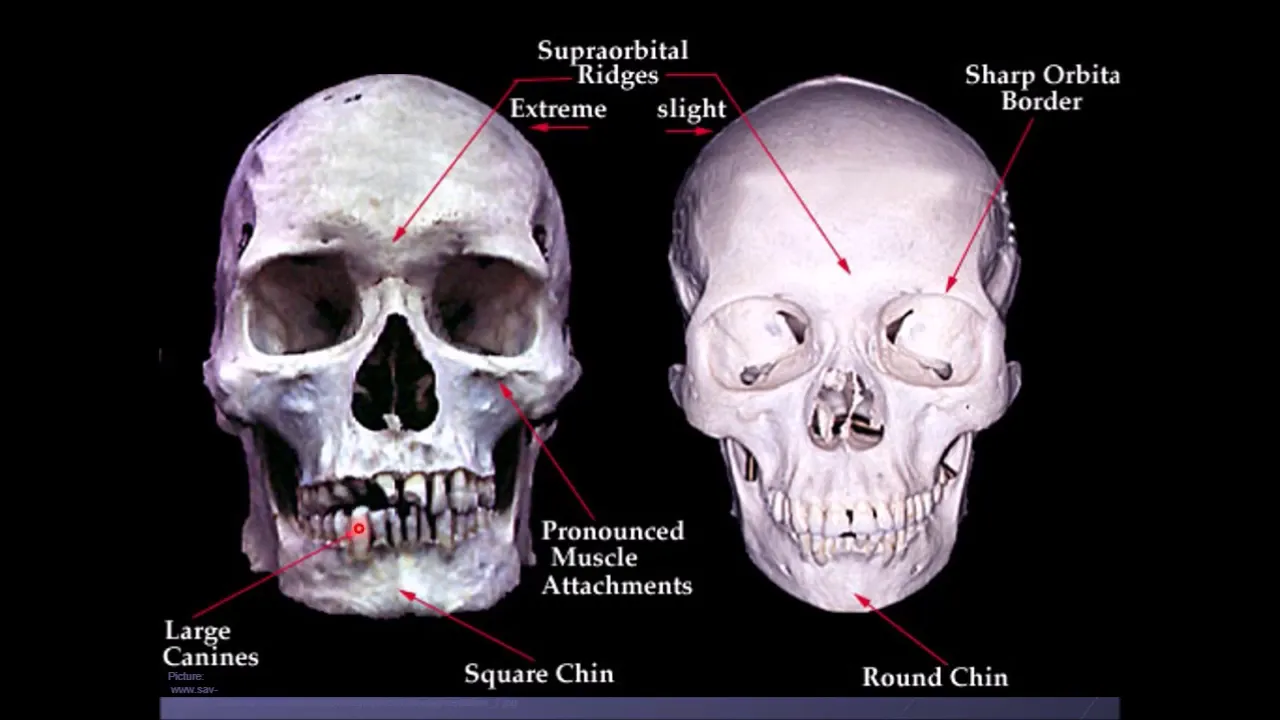
Forensic Anthropology: Estimating Age, Sex, and Stature
@piersonanthropology9313
2.2K views•2020-10-01
38:41
Astrobiology Through an Anthropological Lens: Field Insights
@georgiatechastrobiology
128 views•2021-04-14
4:45
Proxemics Explained: The Study of Personal Space
@Vox
536K views•2016-07-05
10:38
Psychology of Internet Trolling and Pranks Explained
@AzzyLand
10.7M views•2017-12-20
Related Study Plans & Knowledge Roadmaps
Structured learning paths in Anthropology
anthropology
Space Anthropology: Analogs, Culture & Habitats
01Foundations of Space Anthropology & Cosmic Imaginaries
02Extreme Isolation & Micro-Societies in Orbit
03Space Analog Habitats & Earth-Based Simulations
+ 2 more learning modules
15h5 modules
Explore Roadmap
anthropology
Legal Anthropology: Customary Law & Pluralism
01Foundations of Legal Anthropology and Social Justice
02Legal Pluralism: Coexisting Legal Systems
03Customary Law and Indigenous Dispute Resolution
+ 2 more learning modules
15h5 modules
Explore Roadmap
anthropology
Global Tourism: Gaze, Authenticity & Heritage
01Introduction to the Sociology of Tourism
02The 'Tourist Gaze' (John Urry)
03Staged Authenticity in Tourism
+ 3 more learning modules
14h6 modules
Explore Roadmap
anthropology
Modern Kinship (ART, Adoption & Chosen Family)
01Foundations of Kinship and Family
02Assisted Reproductive Technologies (ART) & Relatedness
03Transnational Adoption and Global Kinship
+ 2 more learning modules
12h5 modules
Explore Roadmap