















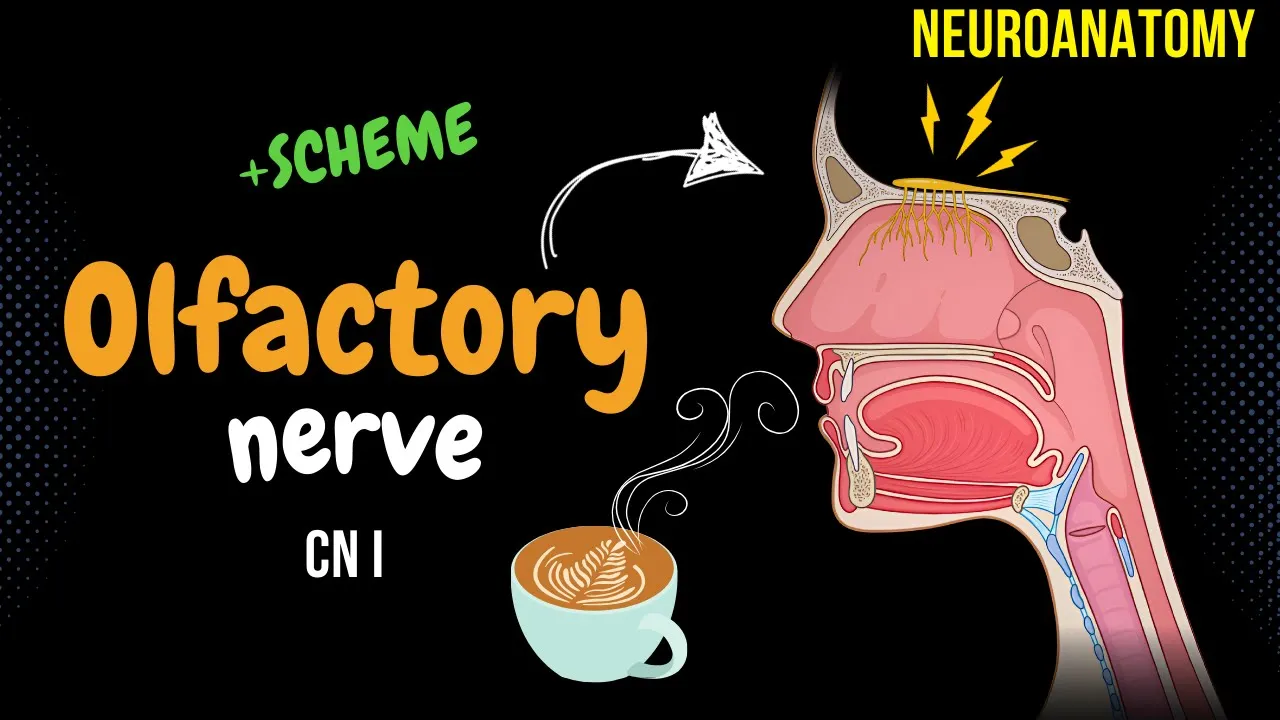






When odor molecules bind to receptors on olfactory cells, they trigger a cascade where G-proteins exchange GDP for GTP, activating adenylyl cyclase to convert ATP into cAMP; cAMP then activates protein kinase A, which opens ion channels allowing potassium to enter and sodium to exit, generating an electrical signal that travels through the olfactory nerve to the brain, where it triggers memories associated with the smell.
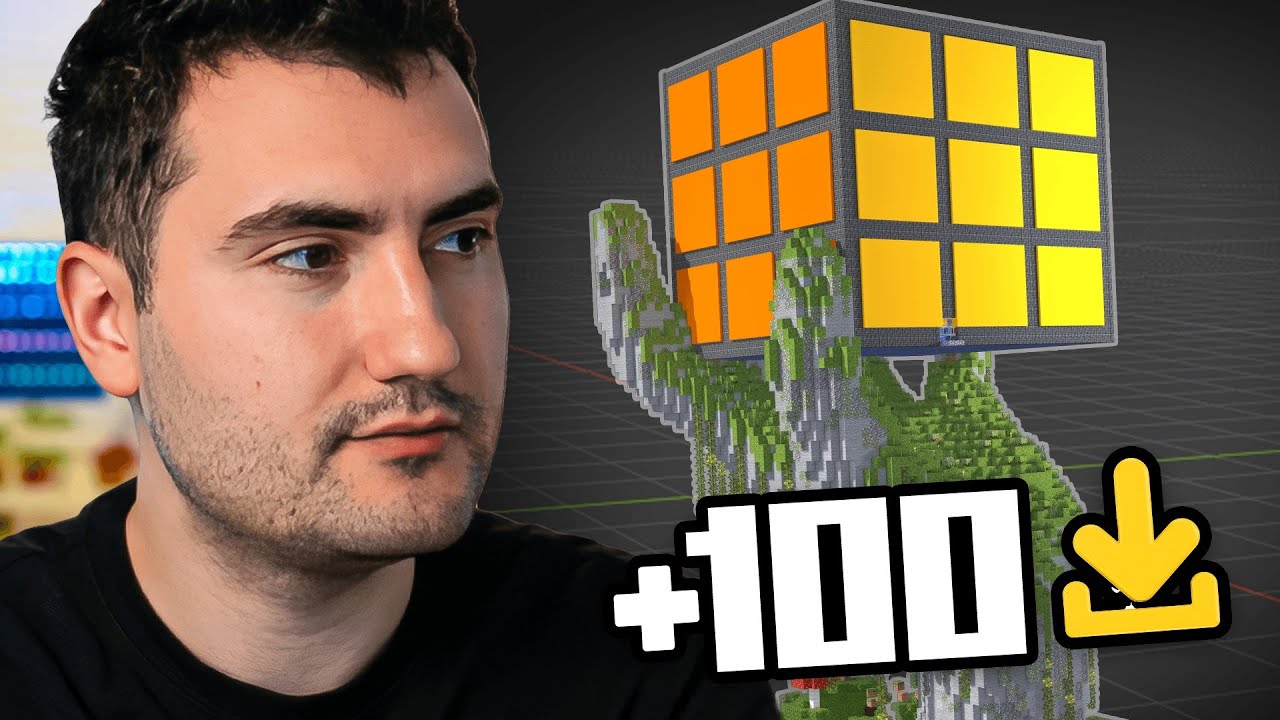
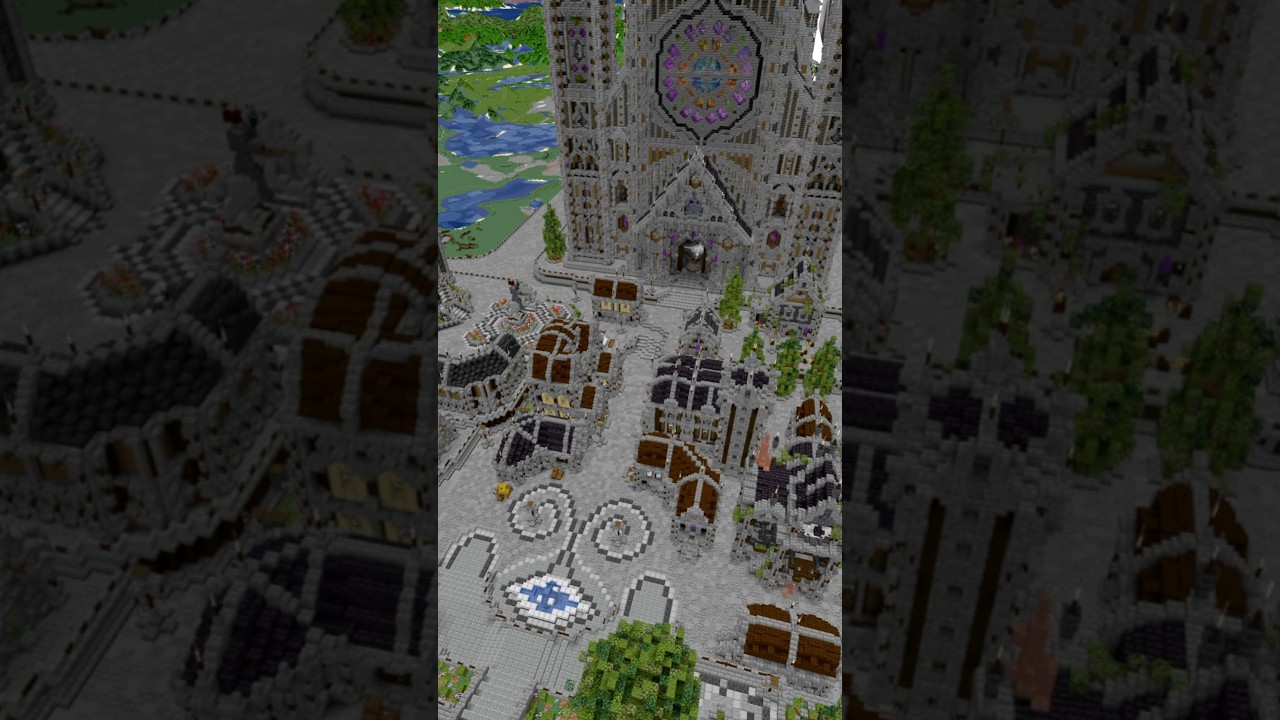
Olfactory System 3D Model: The Science of Smell in Minecraft
Added:Basic anatomy of the human brain and nervous system, specifically how neurons transmit electrical signals.
The fundamental concept of chemical molecules and how volatile organic compounds disperse in the air.
An introductory understanding of sensory receptors and the general process of sensory transduction.
Familiarity with 3D visualization and spatial modeling, as represented in interactive environments like Minecraft.
The neural pathway linking the olfactory bulb to the limbic system, explaining the connection between smell, memory, and emotion.
The multisensory integration of olfaction and gustation (taste) to construct the perception of flavor.
Pathophysiology of olfactory disorders, such as anosmia (loss of smell) and phantosmia (olfactory hallucinations).
Comparative neurobiology focusing on how other animal species rely on highly specialized olfactory systems for survival.
The study of adult neurogenesis, particularly how olfactory receptor neurons uniquely regenerate throughout a human's life.
179 views2likes7:52Original Release: 2015-07-01
this is the olfactory cells student project brought to you by John Brown who is a student at the wizard Institute at Wildwood high school this project was consulted by his teacher Joe wise and me Jim Pike of game desk all right let's go take a look at the olfactory cell that me and John built together John taught me all the science that goes into why we smell and I built it into Minecraft so let's start off with the molecule this mine cart is the molecule when you breathe in it's going to go up into the nose and through the slime patch and then it's going to land on the receptor of the transmembrane protein when it lands on the receptor the transmembrane protein is going to send a signal that's this mine cart here that's going to travel through the inside and the outside of the membrane seven times before finally hitting a place where it's going to trigger a g-protein to come meet it the g protein is everything you see in green down here there is a gamma unit a beta unit and an alpha unit and we're really going to pay attention to the alpha unit of the g-protein the Alpha unit comes loaded with GDP and when it gets triggered by the women and when it meets up with the transmembrane protein it swaps it out for gtp you can see that right here you see how the blue glass is on the green and the lapis solid block is on the yellow they're going to switch when that happens it's going to trigger this dispenser to put a GTP into this mine cart and that's going to represent the Alpha unit breaking away from the rest of the g protein and traveling through the cell before it finally meets up with adenylyl cyclase once adenylyl cyclase gets the GTP it will start taking out they will start taking ATP out of the cell and converting it into CA MP or cyclic am p that is shown by the this machine that pushes gravel triggering these mine carts which is going to be the the camp now that camp is being produced in the cell it will land on a protein called protein Ken's a protein Ken's eight has four receptors for a camp when all four receptors are full it breaks into two parts shown in here and those two parts will trigger the ion channel the ion channel comes on the inside of the cell there is sodium that's na and the diamond blocks and on the outside of the cell is potassium when the ion channels trigger a potassium will shoot in and sodium will shoot out when enough potassium is in the cell it triggers a signal that goes here and it leaves the cell it goes through the Caribbean plate which is a bone and sends a signal to our brain that recalls a memory and let's put in that last signal here alright friends let's inhale and see how this thing works and the molecule goes up past the Celia it gets absorbed by the slime patch lands on the receptor of the transmembrane protein the signals sent and as it will soon trigger the g protein which will sate shift the gdp for the GTP boom alpha unit of g-protein breaks off meets up with endo kelly oh and don't a que lo cyclase endo KL cyclase starts converting ATP into cyclic AMV and the sale starts filling up with cyclic a MP which lands on the protein kinsey once all for cycling a MPs are on the protein can say it it breaks into two the ion channels open potassium spits into the cell and once enough asapp potassium spits into the cell it will send the signal to the brain the brain that the signal leaves this the cell through and goes through the Caribbean plate and it finally triggers the brain and the brain is now going to recall when's the last time a memory of the last time that molecule hit your nose the brain is made up of a printer and it is done because I drew a picture in pixels in this chest and as it gets sorted here each color goes to a different place a different chest and when a block moves through the hopper it sends a signal to this command block which sets that color block at the coordinate 478 e- 161 which is right there as you can see it set the block there and it takes a little while for the printer to print but you'll see what the image is in just a second feel free to fast-forward this part you and there it is the molecule that we smell came from a pretty flower I would like to thank John Brown especially he taught me something that I learned in college and I forgot and with his help we've now made it to a place where you can teach junior high kids this Thank You Minecraft and thank you Joe wise and the wild wood n wild wood high school and the wizard Institute
Up Next
4:19
How Smell Works: The Science of Olfactory Perception
@TEDEd
1.8M views•2013-12-19
22:43
Ketone Ester Treats Angelman Syndrome Seizures in Mouse Model
@epigenixfoundation5302
1.3K views•2016-07-15

5:35
Enteric Nervous System Explained: The Gut's Brain | Neurobiology Lecture
@alumniu6029
438 views•2018-09-12
7:08
Bacteriophages: Earth's Deadliest Killers and Future Antibiotics
@kurzgesagt
34.6M views•2018-05-13
Related Study Plans & Knowledge Roadmaps
Structured learning paths in Biology
biology
Analyzing Animal Venoms: Genetics & Pharma
01Molecular Biology & Physiology Foundations
02Venom Evolution & Toxin Gene Recruitment
03Neurotoxins & Ion Channel Pharmacology
+ 2 more learning modules
18h5 modules
Explore Roadmap
biology
RNAi: Biogenesis, RISC & Gene Silencing
01Molecular Biology Foundations: DNA to Protein
02Introduction to RNA Interference (RNAi)
03Molecular Biogenesis of miRNA and siRNA
+ 2 more learning modules
10h5 modules
Explore Roadmap
biology
Mycorrhizae: Signaling, Biophysics & Ecology
01Foundations of Mycorrhizal Symbiosis
02Molecular Signaling and Root Colonization
03Biophysics and Bioenergetics of Nutrient Exchange
+ 1 more learning modules
11h4 modules
Explore Roadmap
biology
Circadian Clocks: TTFL, SCN & Periphery
01Foundations of Molecular Biology & Gene Expression
02Introduction to Chronobiology and Actograms
03The Core TTFL: Molecular Architecture of the Clock
+ 3 more learning modules
14h6 modules
Explore Roadmap