
![[#6] RECEPTORES ASSOCIADOS OU ACOPLADOS À PROTEÍNA G | MK Fisiologia](https://i.ytimg.com/vi/CyqwYqp_ABY/maxresdefault.jpg)

![[薬理]Gs,Gi,Gqについて](https://i.ytimg.com/vi/MfU1UPKvD3E/maxresdefault.jpg)











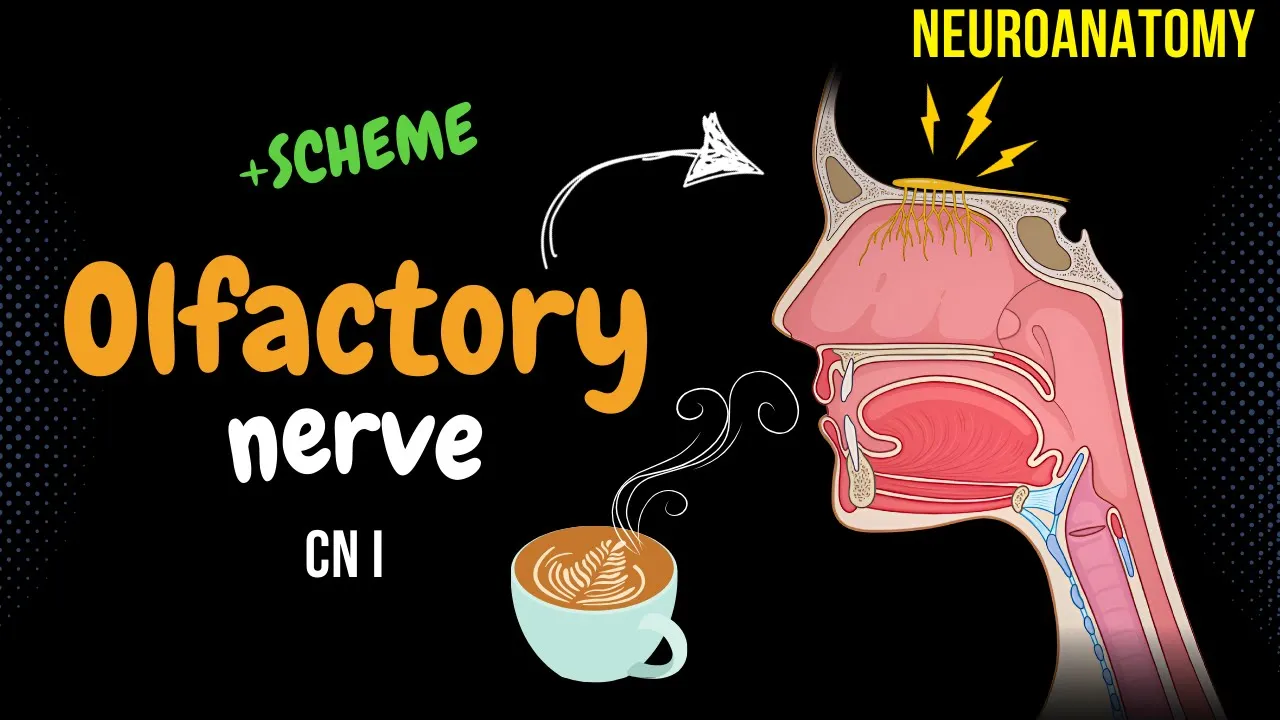


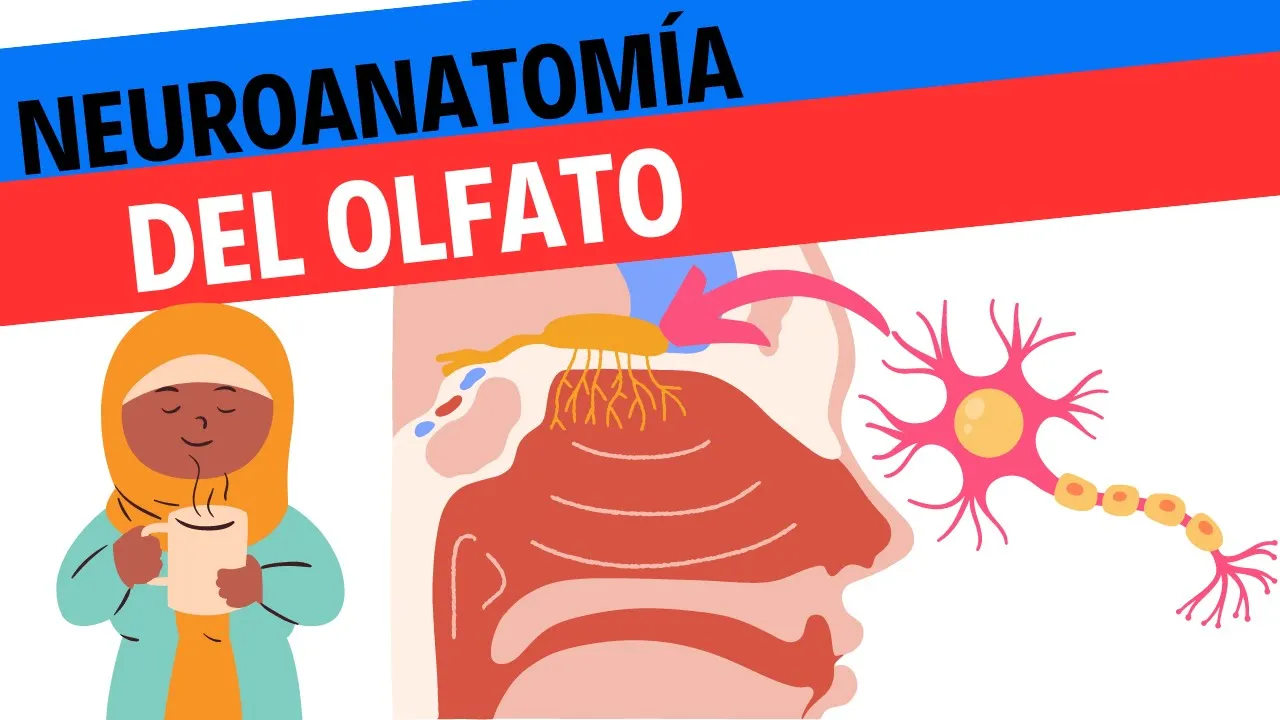





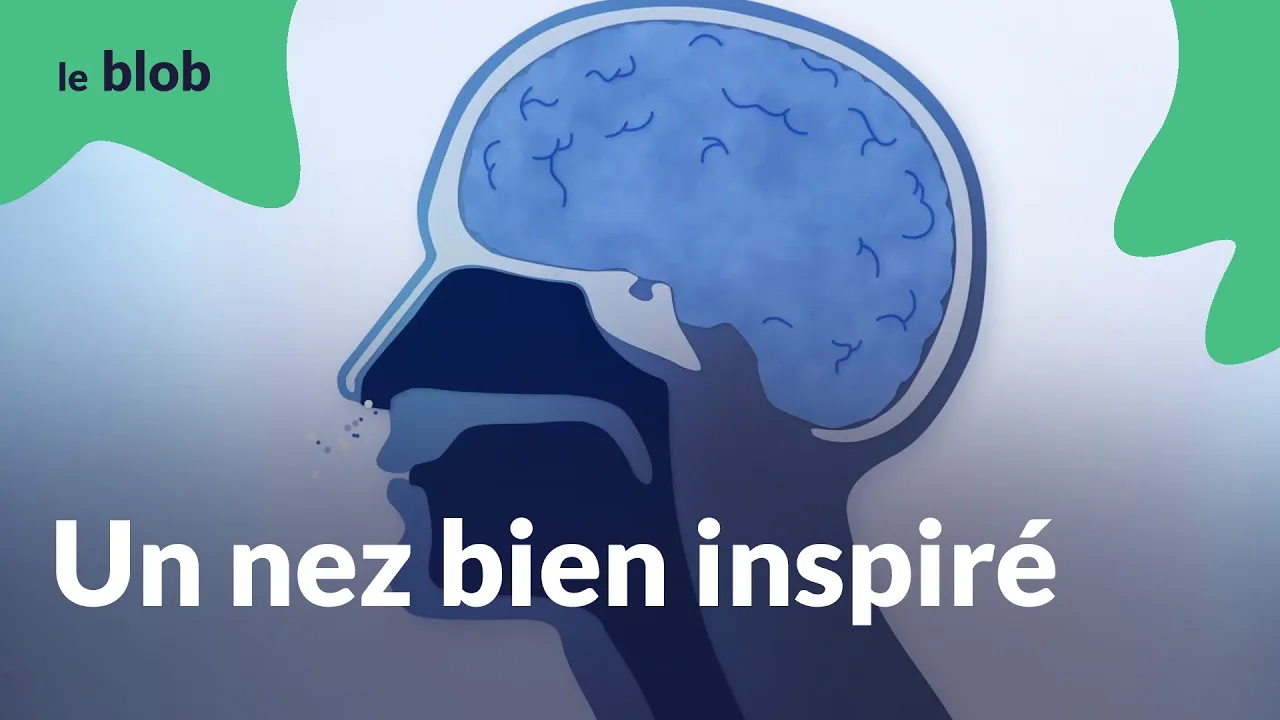



The sense of smell works through a specialized patch of tissue called the olfactory epithelium at the back of the nose, where odor molecules dissolve in mucus and bind to olfactory receptor cells; these cells fire signals through the olfactory tract to various brain regions, allowing humans to distinguish approximately 10,000 different smells, though individual differences in perception exist due to genetic variations affecting how we interpret specific odor molecules.
How Smell Works: The Science of Olfactory Perception
Added:Basic concepts of neurobiology, including how neurons transmit electrical signals (action potentials) and cross synapses.
The fundamentals of cellular reception, specifically how G-protein coupled receptors (GPCRs) bind to ligand molecules.
General neuroanatomy, particularly the location and basic functions of the limbic system (amygdala and hippocampus) and the cerebral cortex.
The chemical nature of odorants, understanding that smells are volatile organic compounds suspended in the air.
The multisensory integration of flavor, exploring how the olfactory system interacts with gustatory (taste) and trigeminal systems.
Clinical olfactory pathologies, such as anosmia, hyposmia, and parosmia, and their neurobiological causes.
The evolutionary biology of scent, comparing human olfaction to macrosmatic species and studying the role of pheromones.
Modern technological applications of olfaction, such as the development of biomimetic 'electronic noses' and olfactory marketing.
1.8M views14.1Klikes4:19Original Release: 2013-12-19
It's the first sense you use when you're born.
One out of every fifty of your genes is dedicated to it.
It must be important, right?
Okay, take a deep breath through your nose.
It's your sense of smell, and it's breathtakingly powerful.
As an adult, you can distinguish about 10,000 different smells.
Here's how your nose does it.
Smell starts when you sniff molecules from the air into your nostrils.
95% of your nasal cavity is used just to filter that air before it hits your lungs.
But at the very back of your nose is a region called the olfactory epithelium, a little patch of skin that's key to everything you smell.
The olfactory epithelium has a layer of olfactory receptor cells, special neurons that sense smells, like the taste buds of your nose.
When odor molecules hit the back of your nose, they get stuck in a layer of mucus covering the olfactory epithelium.
As they dissolve, they bind to the olfactory receptor cells, which fire and send signals through the olfactory tract up to your brain.
As a side note, you can tell a lot about how good an animal's sense of smell is by the size of its olfactory epithelium.
A dog's olfactory epithelium is 20 times bigger than your puny human one.
But there's still a lot we don't know about this little patch of cells, too.
For example, our olfactory epithelium is pigmented, and scientists don't really know why.
But how do you actually tell the difference between smells?
It turns out that your brain has 40 million different olfactory receptor neurons, so odor A might trigger neurons 3, 427, and 988, and odor B might trigger neurons 8, 76, and 2,496,678.
All of these different combinations let you detect a staggeringly broad array of smells.
Olfactory neurons are always fresh and ready for action.
They're the only neuron in the body that gets replaced regularly, every four to eight weeks.
Once they are triggered, the signal travels through a bundle called the olfactory tract to destinations all over your brain, making stops in the amygdala, the thalamus, and the neocortex.
This is different from how sight and sound are processed.
Each of those signals goes first to a relay center in the middle of the cerebral hemisphere and then out to other regions of the brain.
But smell, because it evolved before most of your other senses, takes a direct route to these different regions of the brain, where it can trigger your fight-or-flight response, help you recall memories, or make your mouth water.
But even though we've all got the same physiological set-up, two nostrils and millions of olfactory neurons, not everybody smells the same things.
One of the most famous examples of this is the ability to smell so-called "asparagus pee."
For about a quarter of the population, urinating after eating asparagus means smelling a distinct odor.
The other 75% of us don't notice.
And this isn't the only case of smells differing from nose to nose.
For some people, the chemical androstenone smells like vanilla; to others, it smells like sweaty urine, which is unfortunate because androstenone is commonly found in tasty things like pork.
So with the sweaty urine smellers in mind, pork producers will castrate male pigs to stop them from making androstenone.
The inability to smell a scent is called anosmia, and there are about 100 known examples.
People with allicin anosmia can't smell garlic.
Those with eugenol anosmia can't smell cloves.
And some people can't smell anything at all.
This kind of full anosmia could have several causes.
Some people are born without a sense of smell.
Others lose it after an accident or during an illness.
If the olfactory epithelium gets swollen or infected, it can hamper your sense of smell, something you might have experienced when you were sick.
Not being able to smell anything can mess with your other senses, too.
Many people who can't smell at all also can't really taste the same way the rest of us do.
It turns out that how something tastes is closely related to how it smells.
As you chew your food, air is pushed up your nasal passage, carrying with it the smell of your food.
Those scents hit your olfactory epithelium and tell your brain a lot about what you're eating.
Without the ability to smell, you lose the ability to taste anything more complicated than the five tastes your taste buds can detect: sweet, salty, bitter, sour, and savory.
So, the next time you smell exhaust fumes, salty sea air, or roast chicken, you'll know exactly how you've done it and, perhaps, be a little more thankful that you can.
Up Next
3:11
Olfactory Nerve and Pathway | Nasal Cavity to Cortex
@MEDSimplified
191.9K views•2015-10-28

50:12
Bacterial Communication: Quorum Sensing and Biofilm Formation Explained
@JHUAAP
12.6K views•2011-06-28

18:11
How Bacteria Talk: Quorum Sensing Communication | Bonnie Bassler TED
@TEDEd
707.9K views•2013-02-09
7:08
Bacteriophages: Earth's Deadliest Killers and Future Antibiotics
@kurzgesagt
34.6M views•2018-05-13
Related Study Plans & Knowledge Roadmaps
Structured learning paths in Biology
biology
RNAi: Biogenesis, RISC & Gene Silencing
01Molecular Biology Foundations: DNA to Protein
02Introduction to RNA Interference (RNAi)
03Molecular Biogenesis of miRNA and siRNA
+ 2 more learning modules
10h5 modules
Explore Roadmap
biology
Mycorrhizae: Signaling, Biophysics & Ecology
01Foundations of Mycorrhizal Symbiosis
02Molecular Signaling and Root Colonization
03Biophysics and Bioenergetics of Nutrient Exchange
+ 1 more learning modules
11h4 modules
Explore Roadmap
biology
Circadian Clocks: TTFL, SCN & Periphery
01Foundations of Molecular Biology & Gene Expression
02Introduction to Chronobiology and Actograms
03The Core TTFL: Molecular Architecture of the Clock
+ 3 more learning modules
14h6 modules
Explore Roadmap
biology
Population Genetics: Math, Drift & Selection
01Genetic & Probability Foundations
02The Hardy-Weinberg Principle and Baseline Models
03Mathematical Modeling of Natural Selection
+ 3 more learning modules
18h6 modules
Explore Roadmap