











![Dissociative Disorders in Psychiatry & Medicine [Part 5] - Psychotherapy - Dr Frans J. Cronje](https://i.ytimg.com/vi/N2a8dDd-orM/maxresdefault.jpg)
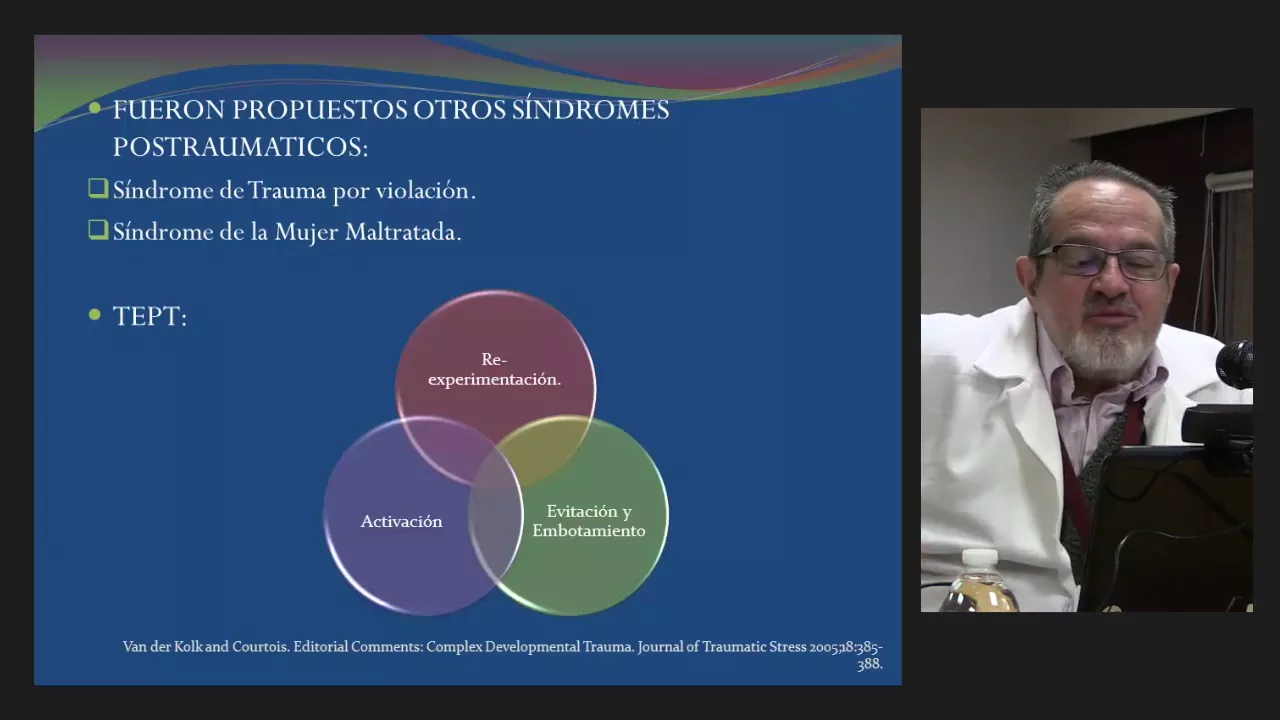
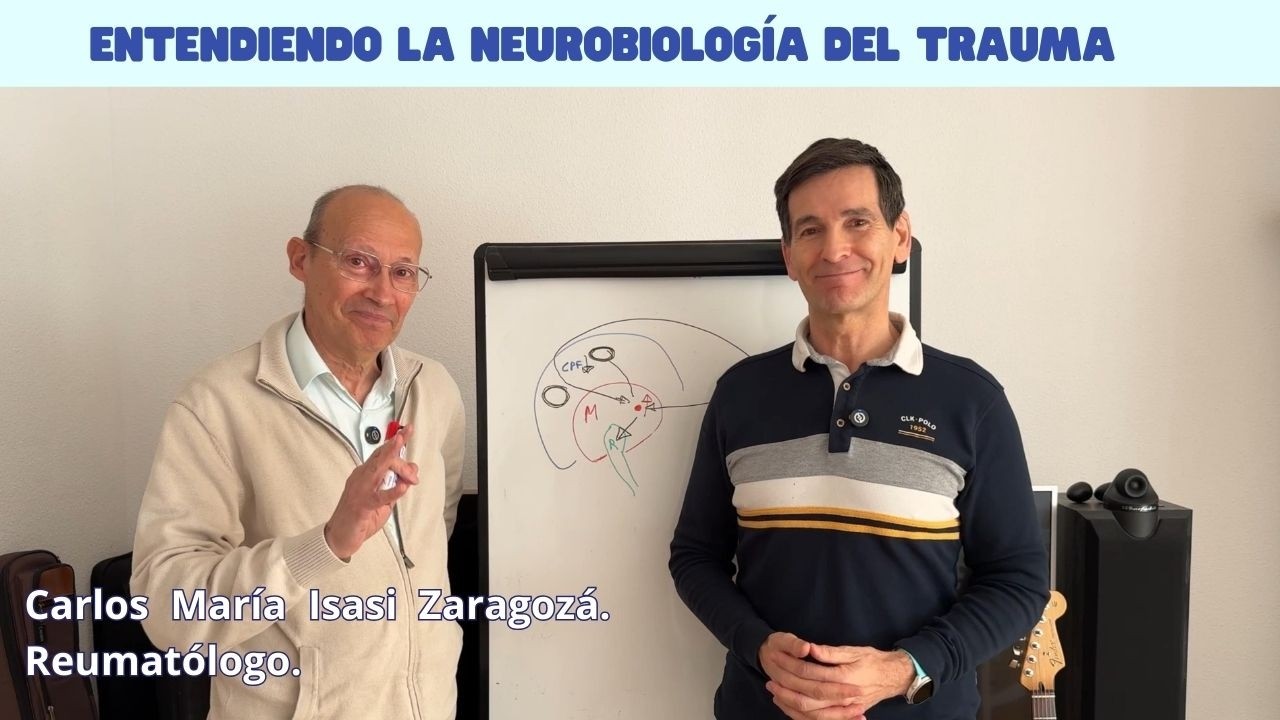






Complex PTSD (cPTSD) is a legitimate independent diagnosis in the ICD-11 (code 6B41) that differs from standard PTSD by requiring exposure to prolonged or repetitive extremely threatening/horrific events from which escape is difficult or impossible; it includes all three core PTSD elements (re-experiencing, avoidance, hyperarousal) plus severe affect regulation problems, dissociative symptoms, persistent negative self-beliefs, and relationship difficulties, with symptoms often more severe and persistent than PTSD due to chronic trauma's impact on the HPA axis and brain development, particularly affecting children and adolescents whose developing brains are more vulnerable to neurodegeneration.
Complex PTSD (cPTSD) in ICD-11: Diagnostic Criteria & Signs
Added:Understanding of standard Post-Traumatic Stress Disorder (PTSD) clinical features, etiology, and traditional diagnostic criteria.
Familiarity with the purpose and structure of international diagnostic manuals, specifically the differences between the ICD (WHO) and the DSM (APA).
Knowledge of the distinction between single-incident trauma (Type I) and chronic, repetitive, or interpersonal trauma (Type II).
An introductory understanding of personality disorders, particularly Borderline Personality Disorder (BPD), to appreciate differential diagnosis challenges.
Exploration of evidence-based, phase-oriented treatment protocols for cPTSD, such as Schema Therapy, EMDR, and Dialectical Behavior Therapy (DBT).
Study of the neurobiological mechanisms of complex trauma, including the impact of chronic stress on the nervous system, amygdala, and prefrontal cortex.
Familiarity with clinical assessment instruments for complex trauma, such as the International Trauma Questionnaire (ITQ).
Investigation of developmental trauma and attachment theory, focusing on how early childhood abuse or neglect shapes adult relational patterns.
102.2K views3.2Klikes22:14Original Release: 2022-08-18
CEUs are available at AllCEUs.com Hey there everybody and welcome to this video on complex ptsd or cptsd i'm your host dr donnelly snipes now in the videos that i did on the dsm 5tr which is the manual that a lot of american therapists and psychologists use for diagnosis i mentioned that cptsd or complex ptsd was not a diagnosis and at least at this point doesn't look like they're even considering it for diagnosis however the icd-11 which is the manual if you will that many other countries use has included complex ptsd as a legitimate indi independent diagnosis independent of bpd independent of ptsd so let's talk about what cptsd looks like and for those of you who do coding the code for cptsd in the icd-11 is 6b 41.
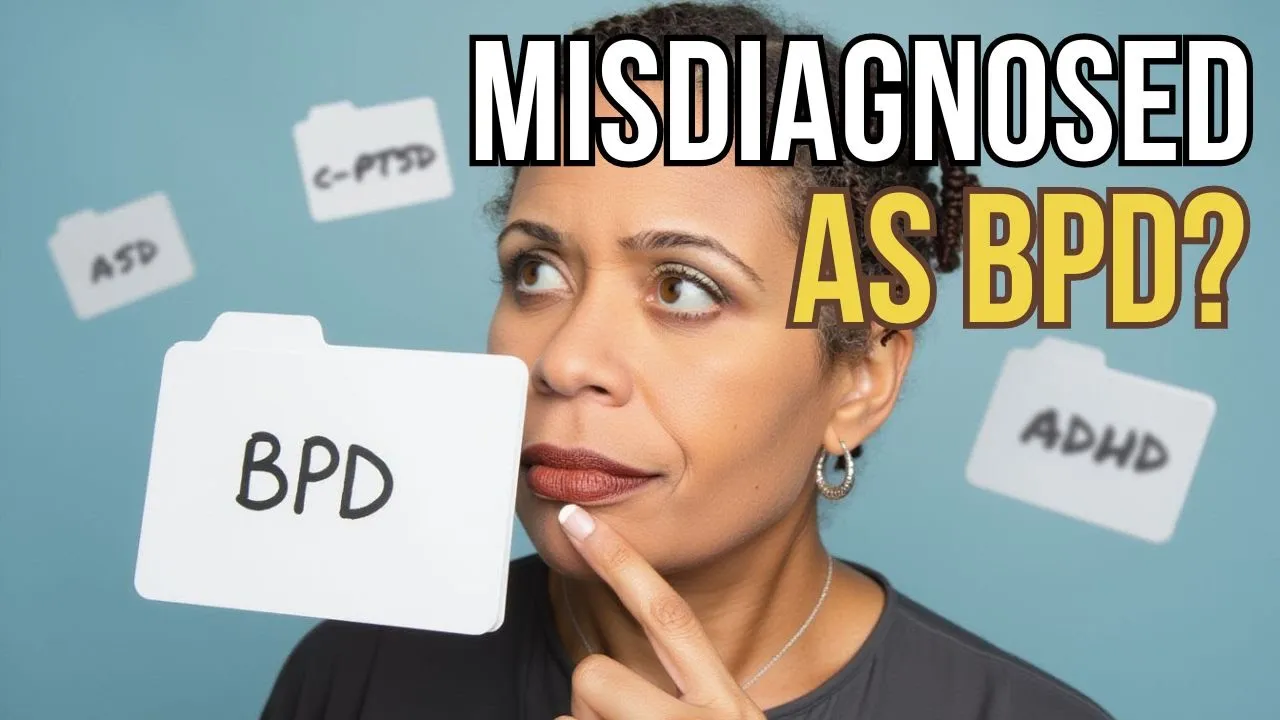
in order to qualify for complex ptsd a person has to have experienced exposure to prolonged or repetitive events that are extremely threatening or horrific from which escape is difficult or impossible and what we're talking about here can really range for a four-year-old what is considered horrific may be very different than what a 14 or a 40 year old considers horrific so we have to consider the age of the person but the other characteristic here is that escape is difficult or impossible if a child is growing up in a neglectful environment they can't escape most of the time they don't have a grandma or a neighbor or somebody that they can go stay with so they're stuck following the trauma the person has all three core elements of ptsd for at least several weeks now remember if it doesn't last for but a couple of weeks that is often diagnosed as acute stress disorder but if it lasts for at least several weeks then we're looking at either ptsd or cptsd in cptsd the person is re-experiencing the situation either through intense intrusive memories flashbacks or nightmares they're avoiding reminders of the event and this could be external reminders like pictures places those sorts of things or even internal reminders for people who have experienced sexual abuse for example they may avoid having sex they may avoid getting involved in anything that triggers those same physiological sensations and hyper vigilance in complex post-traumatic stress disorder unlike post-traumatic stress disorder the startle reaction may in some cases be diminished rather than enhanced well that's a head scratcher but not really we know if you've watched my other videos you know that if the hpa axis stays activated for too long which is exactly what we're talking about with prolonged intense trauma that it turns down its sensitivity so instead of being hyper vigilant and startling at everything it takes a lot but when the hpa axis is triggered when the threat response is triggered then they have a tsunami of emotions or a tsunami of neurochemicals so just to restate that we don't want to not diagnose somebody with cptsd if their startle reaction is not extreme you can be hyper vigilant you can be hyper aware you can feel on edge without having an extreme startle response additionally they have to have severe and pervasive problems in affect regulation dissociative symptoms went under stress and emotional numbing particularly with regard to an inability to experience positive emotions this is another symptom if you will of hpa axis dysregulation when the sensitivity of that threat response system gets turned down they people go from flat to furious so you see that dissociation when people start feeling out of control of their emotions one way to cope with that is sometimes to dissociate to separate from their body if you will to check out and the inability to experience positive emotions is another symptom of hpa axis dysregulation norepinephrine dopamine adrenaline those are neurochemicals that are secreted for happiness as well as terror they're both excitatory they both get us you know energized one gets us energized to fight or flee one gets us energized to do something fun if you will so if the person is having difficulty if the hpa axis is not being responsive then it's not going to be responsive to happy triggers any more than it's going to be responsive to stressful triggers the person also has persistent beliefs about themselves as diminished defeated or worthless accompanied by deep and pervasive feelings of shame guilt or failure related to the trauma it's important to examine how this person has internalized this trauma if they are experiencing ptsd or cptsd it hasn't been accommodated it hasn't been integrated into their experience in a definitely not in a positive way so we need to examine this children for example think in all or nothing terms think in very personal terms so when something happens to them then they often think that they brought it on themselves and they blame themselves and they carry that schema with them until which point they look at it and go no maybe that's not actually accurate but most people aren't prompted to do that especially if they didn't have a caregiver that was there and responsive to them in their time of need that helped them form a more accurate schema and they have persistent difficulties in sustaining relationships and in feeling close to others well in this situation when they experience this trauma whether it is as adults or as children oftentimes that trauma is related to betrayal abandonment or being hurt in some way by another person so it's difficult to trust other people and it's difficult for people who emotionally dysregulate to be in relationships with others because other people don't understand emotional dysregulation and it can be very overwhelming to other people when they see that emotional dysregulation when they see that flat to furious and it can be overwhelming to them and push them away well what happens they push away the person who dysregulated perceives that as rejection which it kind of is and so that confirms that they're not lovable and it's not safe to be in relationships because it will only end in heartache in terms of the characteristics of the relationships in cptsd we can see either intense relationships unstable relationships like one might see in people with borderline personality traits we can also see avoidant type relationships like you might see in either avoidant personality disorder or even antisocial personality disorder because the person has put up these walls to protect them from other people hurting them or abandoning them again the symptoms like any other diagnosis the symptoms have to result in significant impairment in personal family educational or occupational functioning however and i like this caveat in the icd-11 that we don't often see in the dsm if functioning is maintained it is only through significant additional effort so the icd-11 recognizes that people can have these symptoms and they can be experiencing extreme distress however they may still be quote high functioning but they're having to work twice three times four times as hard to be high functioning than people who aren't dealing with this so think about running a marathon a person with high functioning cptsd is running that marathon with an 80 pound rucksack and army boots on versus the person who's in running shorts and and sneakers okay so one is carrying a much bigger load and it's much harder can they get to the end yeah they can get to the end but it is much much harder for them and their quality of life while they're doing it is probably a lot crappier i don't know about you i wouldn't want to be lugging around an 80-pound rucksack the onset of the cptsd symptoms can occur at any age this is not something that only occurs in childhood or has to start by a certain time what we need to see is that it occurs after exposure to some kind of chronic repetitive trauma from which there was no hope of escape at least for a period of time compared to ptsd complex ptsd symptoms are supposed to be more severe and persistent that's another thing that makes sense if somebody's experiencing this trauma over and over and over again then it's going to be associated with more people more places more things more triggers and it's going to result in more dysfunction within the person it's going to result in more trauma to the brain as a result of that neurotoxic environment it's going to result in more strengthening of the amygdala and it's going to result in more weakening of the vagus nerve we know this is going to happen there are going to be neurological changes and as a result they often tend to have symptoms that are more severe and persistent not that they can't be addressed not the people can't recover or heal but it is a process and it's a long process for a lot of people with cptsd because the damage has been eroding at their their nervous system it's been eroding at their the way they perceive the world for months or years as opposed to a shorter period of time that we might see with ptsd after a singular trauma children and adolescents are more vulnerable than adults to developing cptsd when exposed to severe and prolonged trauma their brain is more malleable their brain is not finished forming yet so like the clay pot that has not been put in the kiln it is a whole lot easier to cause damage to cause neurodegeneration in children and adolescents the good news is and i i mention this a lot because i don't want people to feel helpless or hopeless our brain is regularly undergoing what's called neurogenesis our brain is regularly rebuilding neurons in places including the hippocampus which is where we do a lot of emotion processing it's important to remember that many people with cptsd especially children and adolescents but many people with cptsd have been exposed to multiple traumas and we need to inventory all of those traumas and the effects of all of those traumas on the person's perception of themselves and the world and others children and adolescents with cptsd are more likely than their peers to demonstrate cognitive difficulties especially problems with attention planning and organizing what does that sound like to you adhd and it is very very common for children who have complex ptsd to get misdiagnosed with adhd and you may be saying well what if they have all the symptoms of adhd we're getting there in children pervasive problems of affect regulation so emotion regulation may appear as regression so they may act younger than their actual age reckless or aggressive behavior towards self or others which results in difficulties relating to peers and sustaining relationships as i mentioned earlier when people emotionally dysregulate those who don't understand emotional dysregulation may not understand what's going on because jim bob is reacting to something that should be a mighty minor irritant like you know it's the end of the world and people don't understand why that's happening they don't understand that his brain has rewired itself if you will and regression if it comes out that way makes it hard to relate to peers if you've got somebody who is high school age for example that regresses to throwing temper tantrums like a six year old it's going to be hard for them to connect and those are manifestations of trauma those are manifestations of that emotional dysregulation and if you will that wounded inner child when parents or caregivers are the source of the trauma such as physical or sexual abuse children and adolescents often develop disorganized attachment that can manifest as intense unstable relationships i.e borderline personality traits alternating between neediness and rejection and aggression so we start to see where this overlap occurs between the symptoms of what the dsm-5tr calls borderline personality disorder and what the icd-11 calls complex post-traumatic stress children and adolescents with cptsd often report symptoms of depression eating and feeding disorders sleep wake disorders okay well that makes sense if they can't relax if they can't feel safe then they're gonna have a hard time getting to sleep and staying asleep attention deficit hyperactivity disorder well if they're not getting good sleep and if they're hyper vigilant all the time and they're feeling on edge then they're more likely to be hyperactive and have difficulty with cognition odd oppositional defiant or conduct disorder is also not uncommon this child feels terrified feels disempowered feels unsafe so one of their responses may be to reject the adults in their life and separation anxiety disorder the relationship of traumatic experiences to the onset of symptoms can be useful in differential diagnosis so if the person had depressive symptoms long before the trauma started it may not be cptsd if the person had insomnia long before the trauma then we're going to be looking at insomnia but if the symptoms started to develop during the period that they were experiencing the traumatic events or after then we really want to look at cptsd there's a lot of overlap and the icd-11 is awesome about identifying the fact that there's a lot of overlap between complex ptsd and personality disorders personality disorders are defined as pervasive maladaptive inflexible disturbances in how a person experiences and thinks about themselves others and the world and it's manifested in maladaptive patterns of thinking emotional experience and expression and behavior so we see emotional dysregulation or complete emotional numbing we see maladaptive thinking styles we see emotional dysregulation in personality disorders that's very common and the symptoms cause significant problems in psychosocial functioning especially in interpersonal relationships this is true so the characteristics of personality disorders are overlap pretty much exclu completely especially your cluster b personality disorders with cptsd now do all personality disorders occur in people who've experienced persistent ongoing trauma from which there was no hope of escape the jury's out on that research would say no so okay so there's a certain cluster of people who haven't experienced trauma who may develop personality disorders but in large part my clinical experience has indicated that the majority of people with personality disorder behavior would probably qualify for complex post-traumatic stress persistent symptoms related to affect dysregulation distorted view of the self and difficulty maintaining relationships in cptsd may mean that people with cptsd have been misdiagnosed with a personality disorder now you can argue that in the u.s it's not a misdiagnosis because we don't use the icd-11 we use the dsm-5-tr and cptsd is not an option however if you do use the icd-11 then you've got more options and the icd-11 is very clear additional co-occurring diagnoses like adhd depression borderline personality should only be made if the symptoms are not fully accounted for by complex ptsd and all diagnostic requirements for each disorder are met so if you've got somebody who's presenting with borderline personality symptoms and they meet all those criteria and they're presenting for complex ptsd and they meet all those criteria then you would only do the cptsd unless there's a symptom out here that cptsd doesn't account for and i can't think of what that would be if somebody is presenting with a personality disorder but reports no history of trauma then they would get the personality disorder diagnosis so it's important to ask yourself in diagnosing this individual does cptsd effectively explain all of their symptoms and if so there you go note the diagnostic requirements for complex post-traumatic stress disorder include all essential features of ptsd so it is important to determine and the main different difference between ptsd and cptsd especially in terms of um trauma is that ptsd is often a singular trauma where cptsd is ongoing with no hope of escape i hope that answered some of your questions i know there were a lot of people that were devastated that this cptsd was not even put in for consideration in the dsm-5 tr however the icd-11 does and some insurance companies will accept uh billing that is done on the icd-11 so you know ask your therapist if you're not a therapist and if you are a therapist ask the insurance companies can you use the icd-11 code
Up Next

61:43
Somatic Experiencing Session: Inside Trauma Resolution Therapy
@SundaySchoolDropouts
302 views•2023-12-12

48:47
Graphic Medicine: Comics for Collaborative Healthcare Communication
@nationalpatientadvocate
189 views•2023-12-04

10:28
Neuroanatomy: Central and Peripheral Nervous System Divisions Explained
@AKLECTURES
136.2K views•2014-09-20
3:05
Stages of Labor and Vaginal Birth | Childbirth Animation
@nucleusmedicalmedia
52.1M views•2017-08-18
Related Study Plans & Knowledge Roadmaps
Structured learning paths in Medicine
medicine
Abnormal LFTs: Diagnostic Workup & Pathology
01Liver Anatomy and Basic Physiology
02Introduction to Liver Function Tests (LFTs)
03Hepatocellular vs. Cholestatic Patterns
+ 3 more learning modules
12h6 modules
Explore Roadmap
medicine
Analyzing Blood Smears: RBC, WBC & Platelets
01Introduction to Blood Components & Smear Preparation
02Normal Morphology of Blood Cells
03Erythrocyte Pathologies & Morphological Variants
+ 2 more learning modules
12h5 modules
Explore Roadmap
medicine
Mechanical Ventilation: Waveforms & Alarms
01Anatomy and Physiology of Breathing
02Introduction to Mechanical Ventilation & Core Modes
03Ventilator Settings and Waveform Interpretation
+ 2 more learning modules
12h5 modules
Explore Roadmap
medicine
Neuro Exam: Localization & Stroke Syndromes
01Foundations of Neuroanatomy and Vascular Supply
02The Neurological Examination: Step-by-Step
03Principles of Neurological Localization
+ 3 more learning modules
18h6 modules
Explore Roadmap